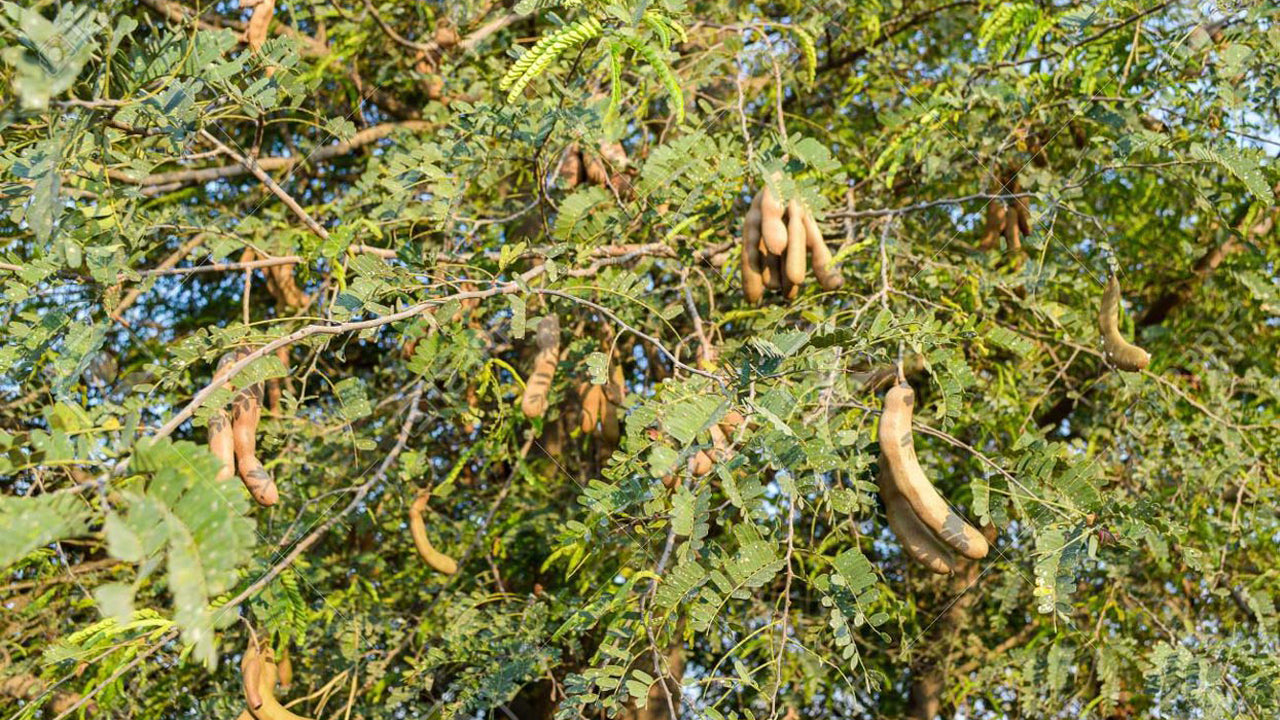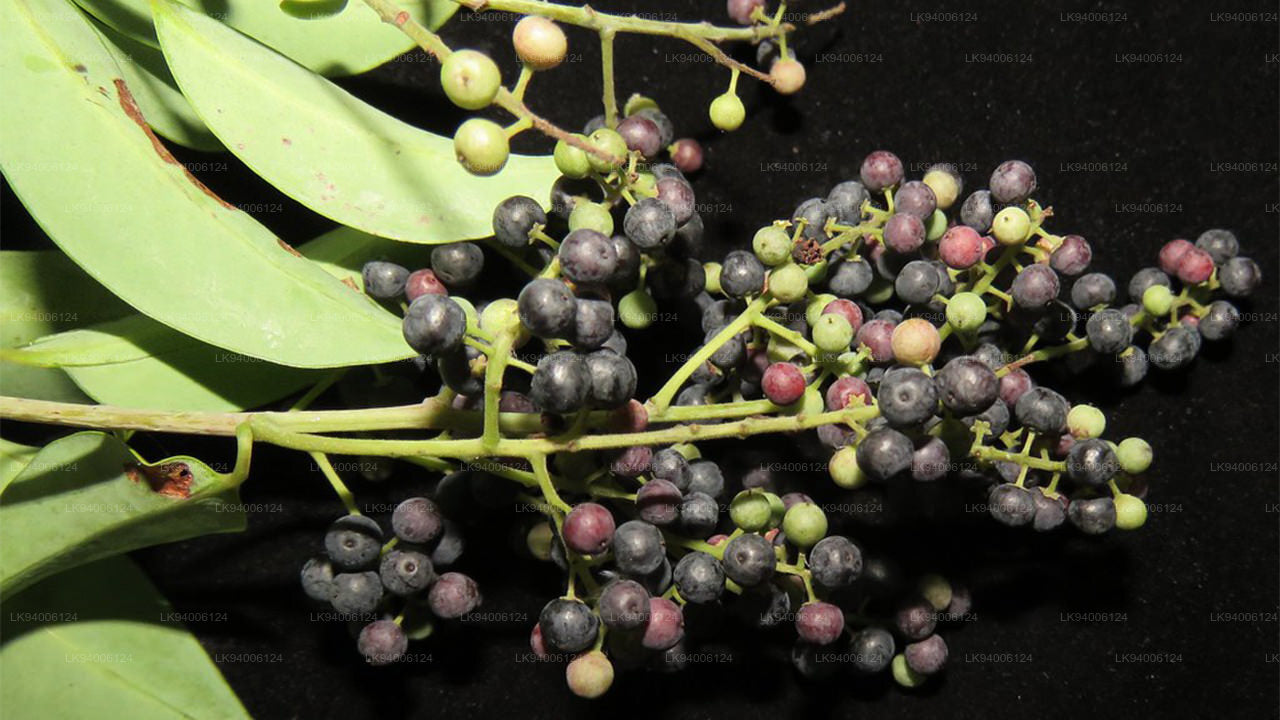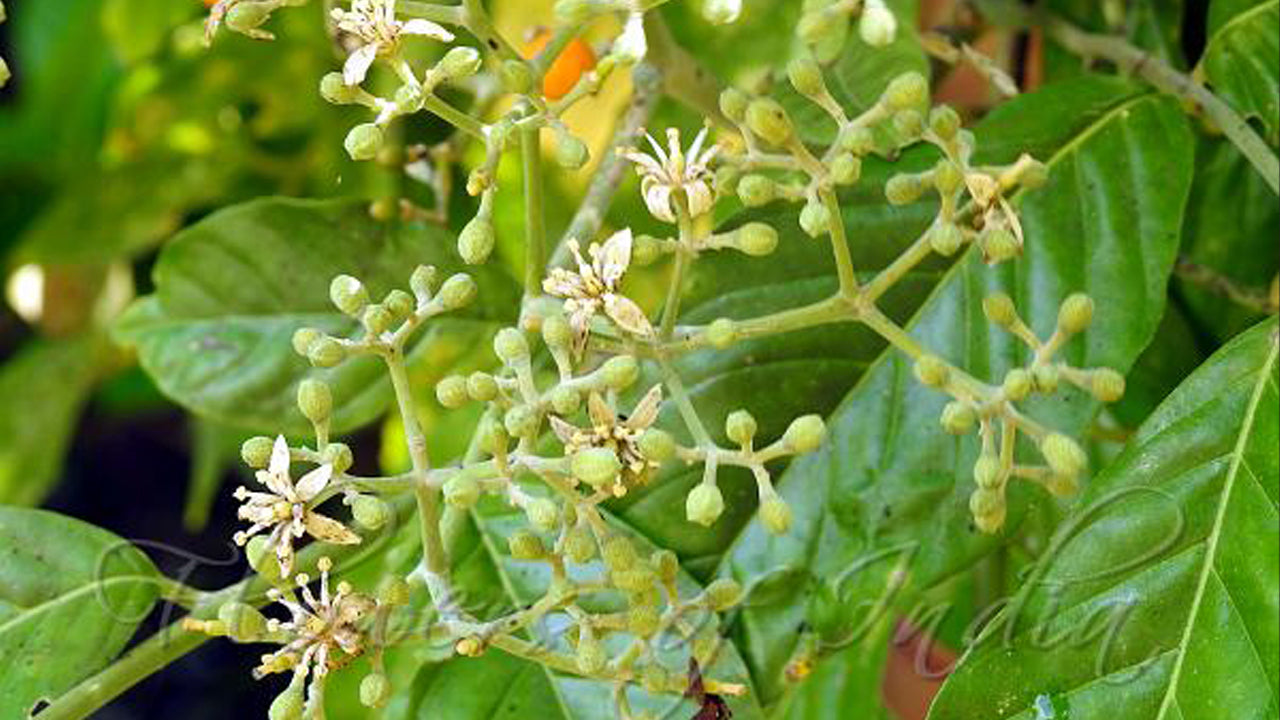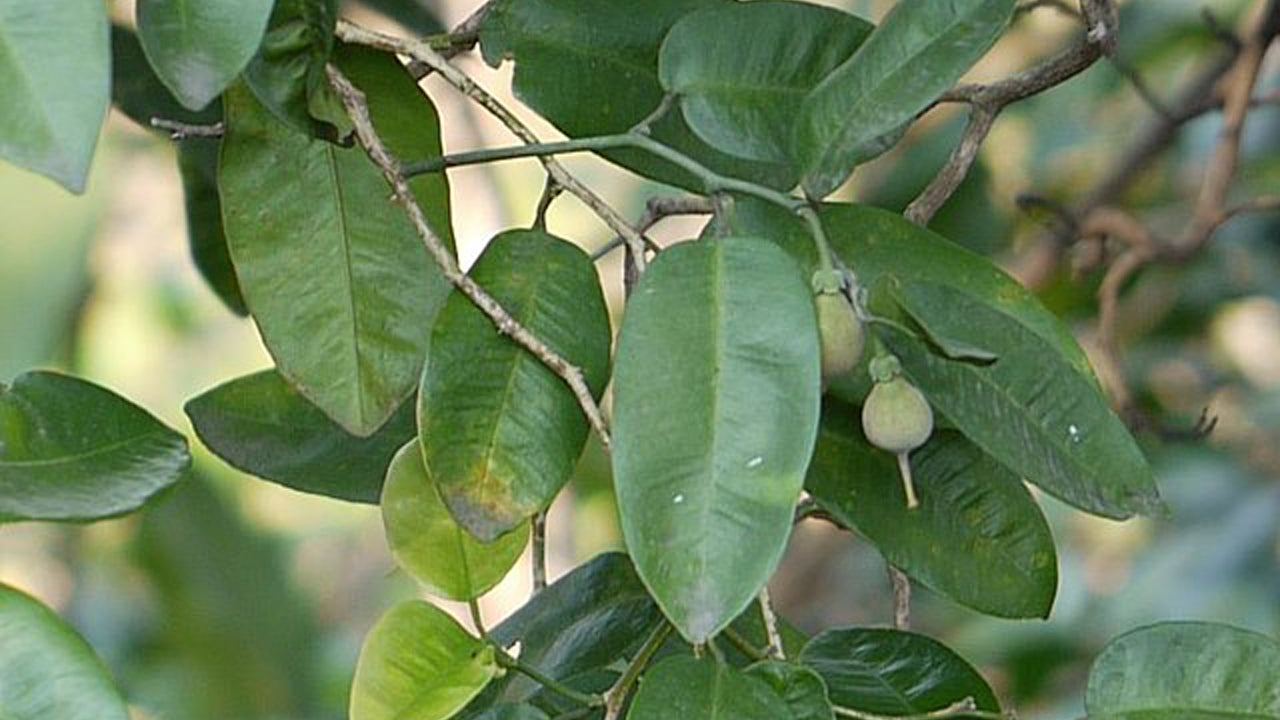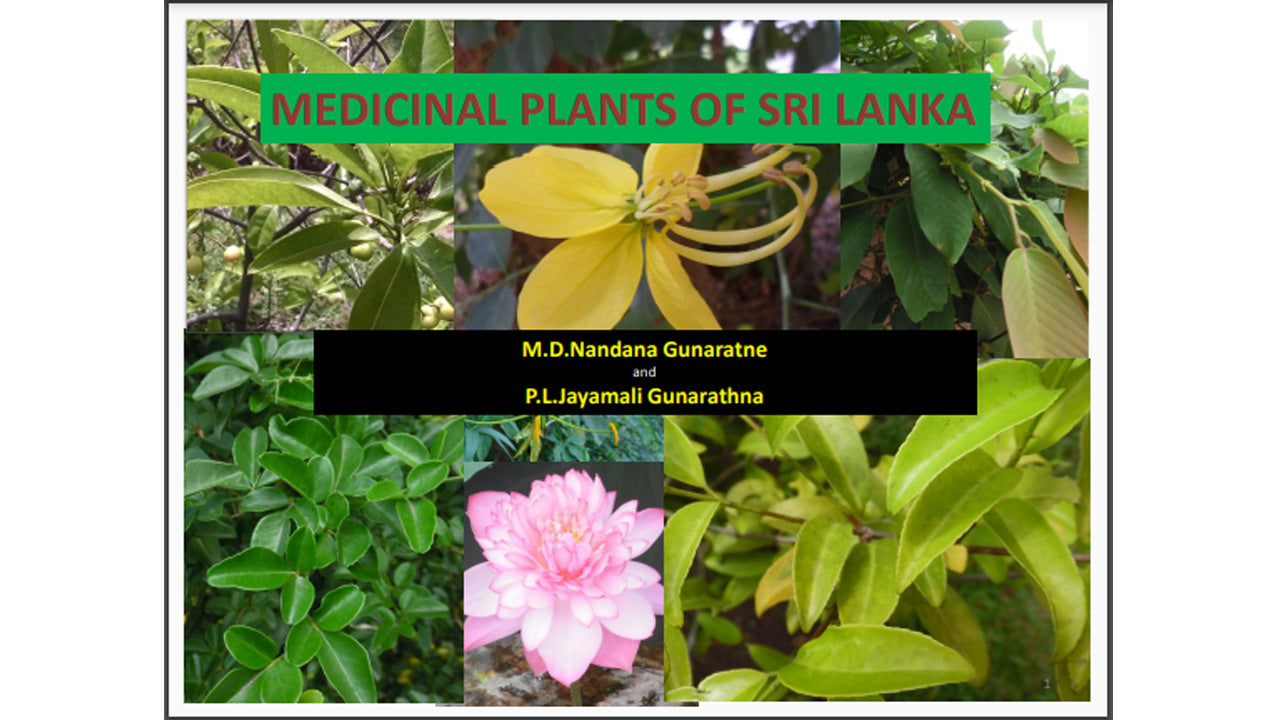
Melaleuca leucadendron, commonly known as the weeping paperbark or cajeput tree, holds a recognised place in the Ayurvedic medicinal plant catalogue of Sri Lanka. Native to Southeast Asia and Australia but long naturalised across tropical Asia, this slender, aromatic tree has been valued for centuries in traditional medicine systems, including the Ayurvedic practices that remain integral to Sri Lankan culture and healthcare.
What is Melaleuca leucadendron?
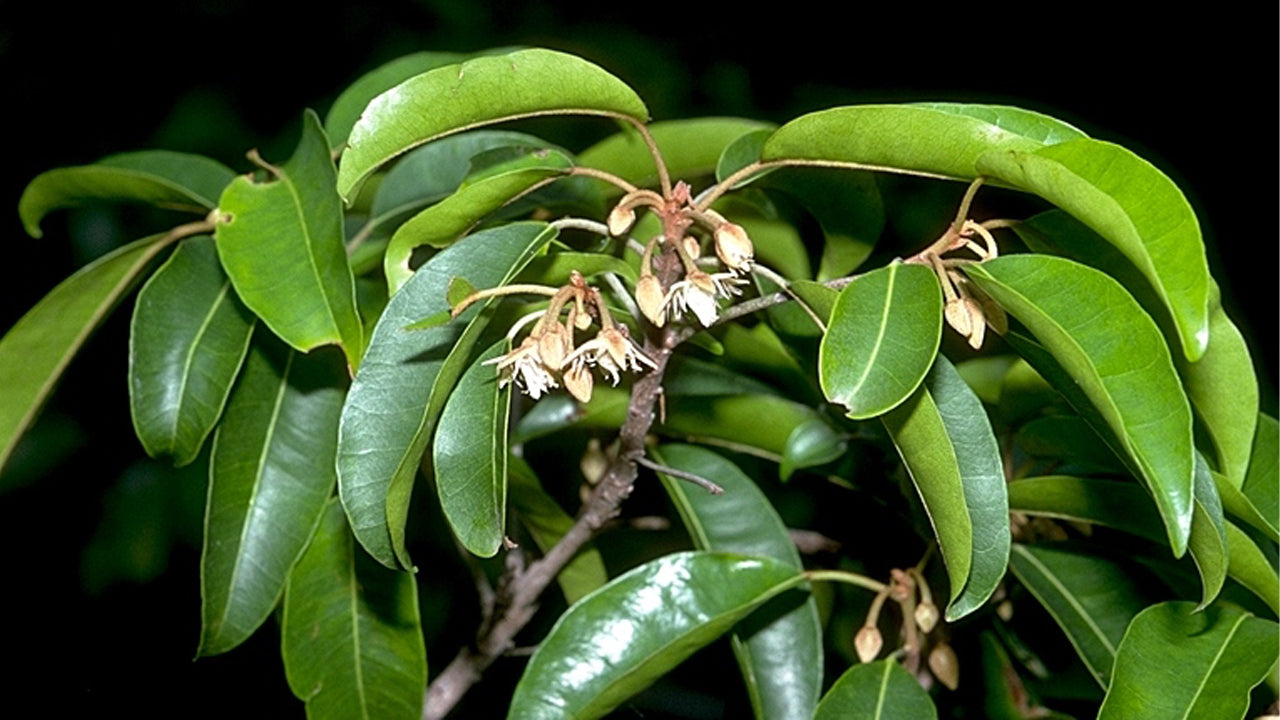
Melaleuca leucadendron belongs to the family Myrtaceae — the same family that includes cloves (Syzygium aromaticum) and several other economically important tropical plants. The tree is characterised by its pale, papery bark that peels in layers, narrow lance-shaped leaves rich in essential oils, and small white flowers arranged in bottlebrush-like spikes. It typically grows in seasonally waterlogged or disturbed areas, making it notably adaptable.

The essential oil distilled from its leaves and twigs — commonly called cajeput oil — is the plant's primary medicinal product. This oil has a fresh, camphor-like aroma and contains compounds such as 1,8-cineole (eucalyptol), which contribute to its documented antimicrobial and analgesic properties.
What are the traditional Ayurvedic uses of this plant?
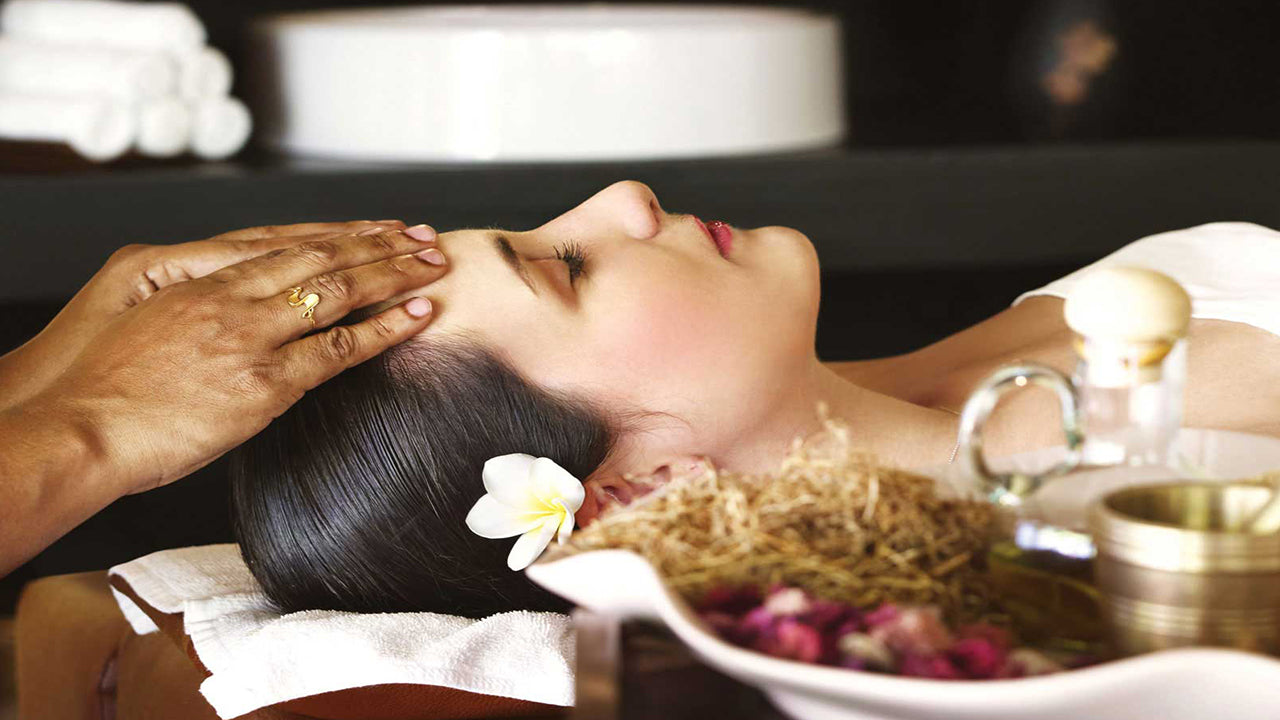
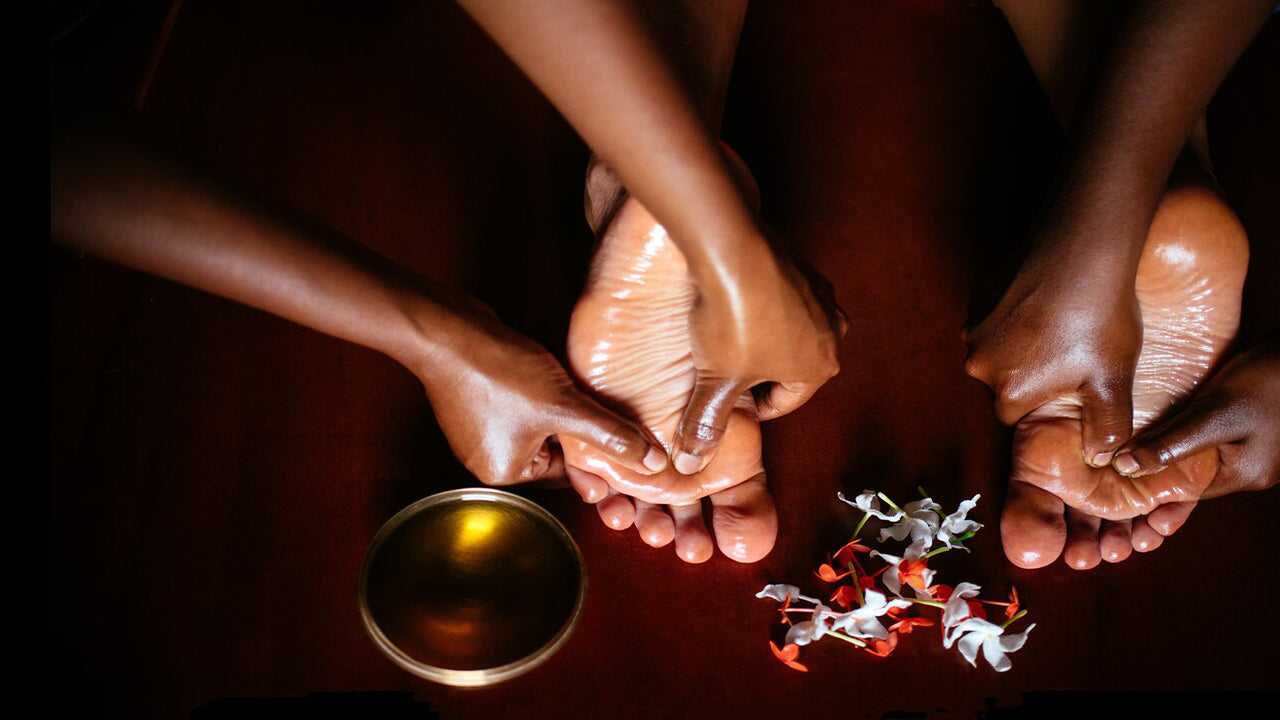
In the Sri Lankan Ayurvedic tradition, Melaleuca leucadendron is used both internally and externally, though topical application is by far the most common. Cajeput oil is traditionally applied to relieve muscular pain, rheumatic discomfort, and joint stiffness. It is also employed as a counterirritant — a substance that, when rubbed onto skin, produces a mild warming or cooling sensation that helps distract from deeper pain.

- Analgesic use: Oil diluted in a carrier and massaged into aching muscles or arthritic joints.
- Respiratory support: Inhalation of steam infused with cajeput oil is a traditional remedy for nasal congestion, coughs, and minor respiratory infections.
- Antiseptic application: Diluted oil applied to minor wounds, insect bites, and skin irritations to reduce the risk of infection.
- Digestive complaints: Small, carefully measured internal doses have historically been used in some Ayurvedic preparations to relieve flatulence and digestive cramping, though this application requires professional guidance.
The plant is catalogued in Sri Lanka's official register of Ayurvedic medicinal plants, a formal recognition of its therapeutic relevance within the country's indigenous medicine system.
What are the key chemical constituents?
The medicinal value of Melaleuca leucadendron is primarily attributed to its volatile essential oil. Analytical studies have identified several bioactive compounds:

| Compound | Role |
|---|---|
| 1,8-Cineole (eucalyptol) | Anti-inflammatory, expectorant, antimicrobial |
| α-Terpineol | Antimicrobial, sedative properties |
| β-Caryophyllene | Anti-inflammatory activity |
| Limonene | Antioxidant, mild antiseptic |
The precise composition of the oil can vary depending on the geographic origin of the plant, the part harvested, and the season of collection — a factor that traditional Ayurvedic practitioners have long accounted for in their formulations.
How does Melaleuca leucadendron fit into Sri Lanka's broader herbal tradition?
Sri Lanka's Ayurvedic heritage is exceptionally rich, shaped by millennia of accumulated botanical knowledge and codified in classical texts such as the Charaka Samhita and indigenous works compiled under royal patronage. The island's diverse ecosystems — from coastal lowlands to montane rainforests like the Sinharaja Forest Reserve — support an extraordinary density of medicinal plant species, many of which remain in active traditional use.
Melaleuca leucadendron represents an interesting case within this tradition: a plant that is not native to Sri Lanka but has been fully integrated into local medicinal practice, reflecting the island's historical openness to knowledge exchange across the Indian Ocean trade networks. Alongside well-established native species such as Acacia chundra and Pongamia pinnata, it forms part of a diverse pharmacopoeia that Sri Lankan traditional physicians — known as veda mahatmayas — continue to draw upon.
Is cajeput oil safe to use?
Cajeput oil is generally considered safe for adults when used topically in appropriate dilutions — typically 1–3% in a carrier oil such as coconut oil. It should never be applied undiluted directly to skin, as concentrated essential oils can cause irritation or sensitisation. Internal use is not recommended outside the supervision of a qualified Ayurvedic physician.
The oil should be kept away from children's faces and airways, as high concentrations of cineole have been associated with respiratory distress in young children. People with known sensitivities to eucalyptus or tea tree oil may also react to cajeput oil, given the chemical similarities across the Myrtaceae family. As with all medicinal plants, consulting a qualified practitioner before therapeutic use is the advisable approach.
Where can travellers encounter Ayurvedic plant traditions in Sri Lanka?
For visitors to Sri Lanka with an interest in herbal and Ayurvedic traditions, a number of experiences bring this living knowledge into focus. Dedicated Ayurvedic wellness centres — particularly concentrated around Kandy, the Cultural Triangle, and the southern coastal belt — often include guided introductions to medicinal plant gardens. Spice and herb gardens in the hill country provide hands-on encounters with many of the plants catalogued in Sri Lanka's Ayurvedic register.
Those exploring the central highlands may combine a visit to an Ayurvedic garden with broader nature experiences. The Horton Plains National Park, for example, sits within an ecosystem whose endemic flora has long informed highland medicinal traditions. Similarly, community-based tourism programmes in villages near protected forests often include guided walks with knowledgeable local herbalists.
Sri Lanka's Ayurvedic plant heritage is not merely historical — it remains a practised, evolving medical tradition supported by government institutions, university faculties, and thousands of registered practitioners across the island.