


Martynia annua, commonly known as tiger's claw or cat's claw plant, is a flowering herbaceous plant belonging to the family Martyniaceae. Though native to Mexico and Central America, it has naturalised across tropical Asia, including Sri Lanka, where it has earned a place in the island's catalogue of Ayurvedic medicinal plants. Its distinctive hooked seed pods and tubular purple-pink flowers make it visually recognisable, and its therapeutic properties have drawn the attention of traditional healers for centuries.
What is Martynia annua and where does it grow in Sri Lanka?
Martynia annua is an annual or short-lived perennial herb that typically grows up to one metre in height. It thrives in disturbed habitats — roadsides, waste ground, and the margins of cultivated fields — across the dry and intermediate zones of Sri Lanka. The plant produces sticky, glandular hairs along its stems and leaves, which give it a slightly rough texture. Its most distinctive feature is the mature fruit: a woody capsule with two curved, claw-like extensions that easily attach to passing animals and clothing, aiding seed dispersal.
In Sri Lanka, the plant is encountered across the lowland plains and in areas bordering agricultural land. It is not considered a forest plant, preferring open, sun-exposed terrain where it can seed freely throughout the year.
What are the traditional Ayurvedic uses of Martynia annua?
Within Sri Lanka's Ayurvedic tradition, Martynia annua is valued for several medicinal applications. Different parts of the plant — leaves, seeds, roots, and fruit — are used in distinct preparations depending on the condition being treated.
- Anti-inflammatory action: Leaf and seed extracts are applied topically in traditional practice to reduce localised swelling and inflammation.
- Wound healing: Poultices prepared from the leaves have been used to assist in the healing of minor skin wounds and sores.
- Dental and oral care: The seeds are reportedly used in preparations addressing toothache and oral pain, a use documented across the plant's range in South and Southeast Asia.
- Antipyretic properties: Decoctions of the plant are traditionally administered to help manage fever.
- Antimicrobial applications: Ethnobotanical records from Sri Lanka and neighbouring regions note its use against certain skin infections.
It is worth noting that traditional use does not automatically confirm clinical efficacy. Researchers have begun investigating the phytochemical constituents of Martynia annua — including iridoids, flavonoids, and alkaloids — but comprehensive clinical trials remain limited. Anyone considering Ayurvedic treatment should consult a qualified practitioner.
How does Martynia annua fit into Sri Lanka's broader Ayurvedic plant tradition?
Sri Lanka maintains one of the most comprehensive Ayurvedic pharmacopoeias in Asia, drawing on centuries of documented herbal knowledge codified in classical texts and preserved by generations of traditional physicians known as Veda Mahaththaya. Plants like Martynia annua occupy a specific niche in this system — they are not primary formulation herbs in the way that species such as Pongamia pinnata or Acacia chundra are, but they serve as accessible, locally available remedies that rural communities have long relied upon for everyday ailments.
The integration of naturalised plants into the Ayurvedic pharmacopoeia reflects the adaptive nature of Sri Lanka's traditional medicine systems. As exotic species established themselves on the island over centuries of trade and travel, local healers evaluated their properties through observation and gradually incorporated useful species into practice.
What does Martynia annua look like — plant identification guide
For travellers and naturalists who may encounter this plant in Sri Lanka's open countryside, the following characteristics make identification straightforward:
| Plant part | Description |
|---|---|
| Leaves | Broadly ovate, slightly lobed, with a sticky surface; opposite arrangement on the stem |
| Flowers | Tubular, five-lobed, pale purple to pinkish-white with darker spots in the throat; resembling foxglove blooms |
| Fruit (young) | Green, fleshy, with two prominent curved beaks extending from the tip |
| Fruit (mature) | Woody, dark brown or black, with rigid, hook-like horns used for dispersal |
| Height | Typically 50–100 cm; sprawling habit in open ground |
| Flowering season | Primarily during the wetter months, though plants can flower across much of the year in suitable conditions |
Is Martynia annua safe — precautions and responsible use
While Martynia annua has a documented history of traditional use, its application should always be guided by a qualified Ayurvedic physician. Self-medication with plant-based remedies carries risks, including potential interactions with conventional medications and the possibility of misidentification. The sticky, glandular nature of the plant can also cause mild skin irritation on contact in sensitive individuals.
Sri Lanka's Department of Ayurveda, functioning under the Ministry of Health, oversees the regulation of Ayurvedic practice and products on the island. Visitors interested in experiencing authentic Ayurvedic treatments are encouraged to seek out registered practitioners rather than informal sources.
Where can visitors learn more about Sri Lanka's medicinal plant heritage?
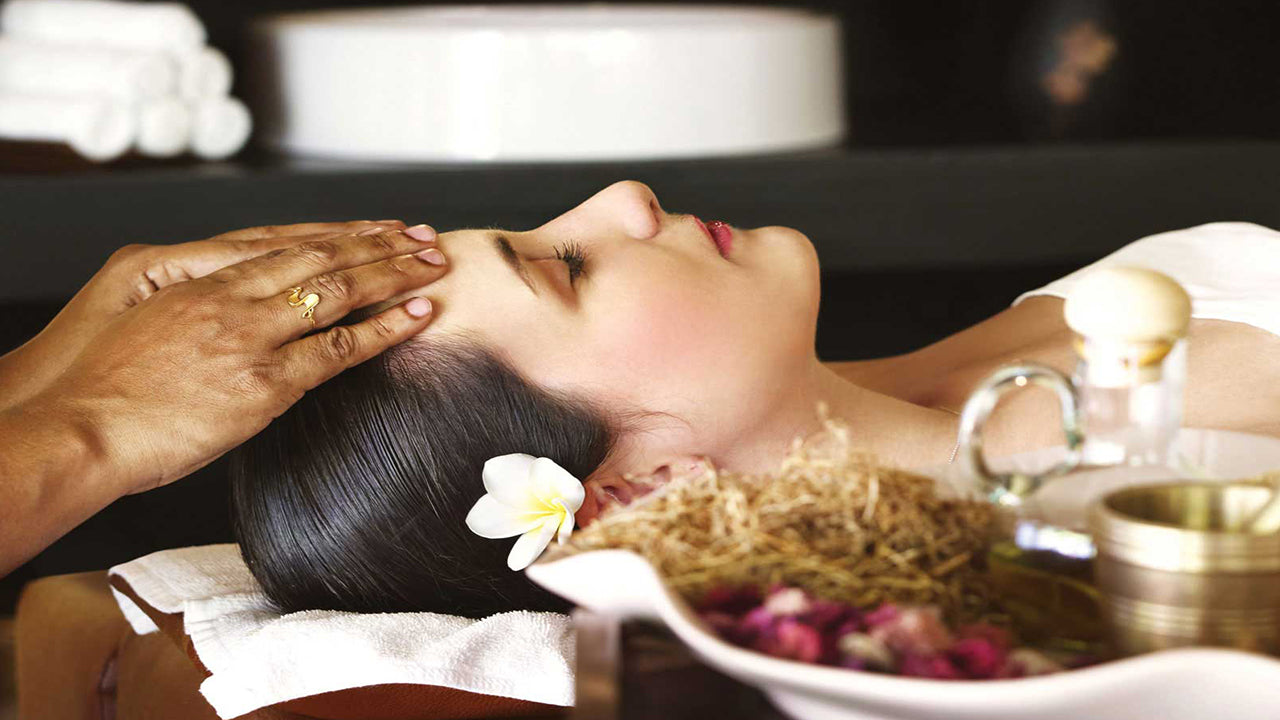
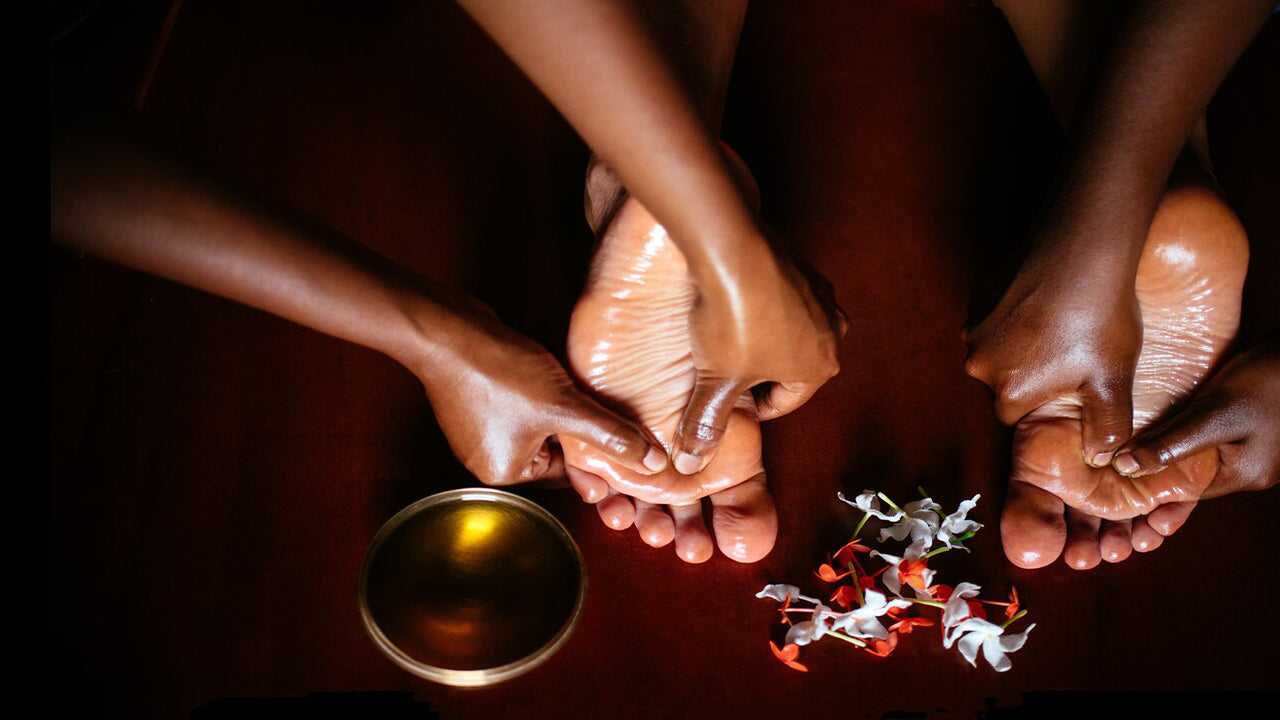
Sri Lanka's botanical and Ayurvedic heritage is best explored at the Peradeniya Royal Botanic Gardens near Kandy, which maintains an extensive living collection of medicinal plants, and at the Bandaranaike Memorial Ayurvedic Research Institute in Nawinna, Colombo. Several Ayurvedic wellness resorts across the country also offer educational programmes that introduce guests to the medicinal flora catalogued in Sri Lanka's traditional pharmacopoeia.
Those travelling through the cultural heartland of the island — including regions around Sinharaja Forest Reserve and the central highlands — will find that traditional plant knowledge remains a living part of community life, passed down through families and practised alongside modern healthcare.