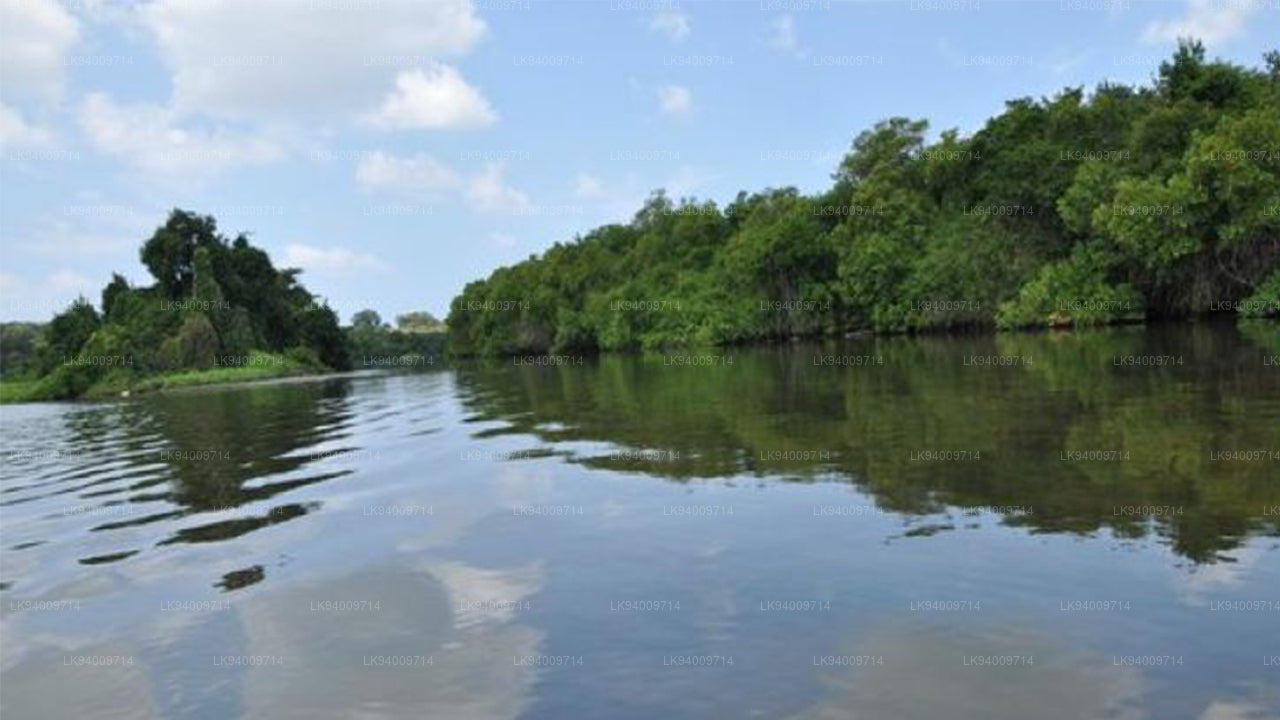
Malvathu River


The Malwathu River, also known as Malwathu Oya, flows through the historic heart of Sri Lanka and stands as one of the most culturally significant rivers in the country. Originating near Mihintale and weaving its way across the ancient landscapes of Anuradhapura, the river travels through wide plains, fertile village lands, and archaeological zones before meeting the sea at Mannar. Its journey across the dry zone creates a striking contrast of greenery and open land, shaping the beauty and character of the region.
Historically, the Malwathu River played a central role in developing one of the world's oldest and most sophisticated hydraulic civilizations. The ancient reservoirs of Anuradhapura—such as Nuwara Wewa, Tissa Wewa, and Nachchaduwa Wewa—were nourished by waters from the Malwathu basin. These systems powered agriculture, supported royal capitals, and ensured the sustainability of entire kingdoms. Today, the river continues to be essential for rural farming communities who depend on its seasonal flow for paddy cultivation, freshwater fish resources, and livestock needs.
Ecologically, the Malwathu River enriches the dry zone landscape by supporting wildlife habitats along its banks. Deer, elephants, aquatic birds, and migratory species are commonly found near the wetlands and grasslands connected to the river. As it reaches the coastal zone of Mannar, the river contributes to unique ecosystems that support marine life and specialized bird populations. This ecological richness makes the river important for nature tourism, birdwatching, and conservation activities throughout the region.
Beyond its environmental importance, the Malwathu River remains deeply tied to cultural identity and regional heritage. It flows through areas that once housed great monasteries, royal settlements, and monumental irrigation systems. Villages along the river continue to maintain traditions shaped by centuries of relying on its waters. Today, the river stands not only as a symbol of the ancient past but also as a vital water source that sustains livelihoods and agricultural activity in the dry zone.
Flood Risk & Hydrological Importance
Although the Malwathu River flows mainly through dry regions, it can rise sharply during heavy rainfall, especially when monsoons intensify in its catchment areas. Understanding these hydrological patterns is essential for predicting localized flooding and managing water resources effectively.
- Current Hydrological Readings (Official Report): Thanthirimale gauging station – Alert Level: 5.00 m, Minor Flood Level: 6.80 m, Major Flood Level: 7.80 m. Actual reading: Not Available (gauge inaccessible due to flooding conditions).
- Upper Basin Sensitivity: Rainfall near Mihintale, Kekirawa, and Anuradhapura quickly increases river flow despite the region's overall dry climate.
- Flood-Prone Districts: Localized flooding can affect Anuradhapura, Thanthirimale, and Mannar when sudden monsoon rains elevate water levels.
- Impact on Irrigation Systems: The river feeds channels and tanks that may overflow during peak rainfall, affecting farmlands and nearby settlements.
- Slow Drainage Across Plains: The relatively flat terrain slows water movement, which can cause extended waterlogging in agricultural fields.
- Importance of Water-Level Monitoring: Continuous tracking is essential because even moderate rains can create unexpected rises, particularly near village tanks and irrigation canals.
- Risks to Rural Settlements: Unplanned riverside dwellings and farmlands remain vulnerable during sudden water increases in the northeast monsoon period.
While the Malwathu River is one of the most historically rich and culturally valuable waterways in Sri Lanka, maintaining accurate hydrological monitoring and early-warning systems is essential to protect communities and agriculture from future flood-related risks.


-
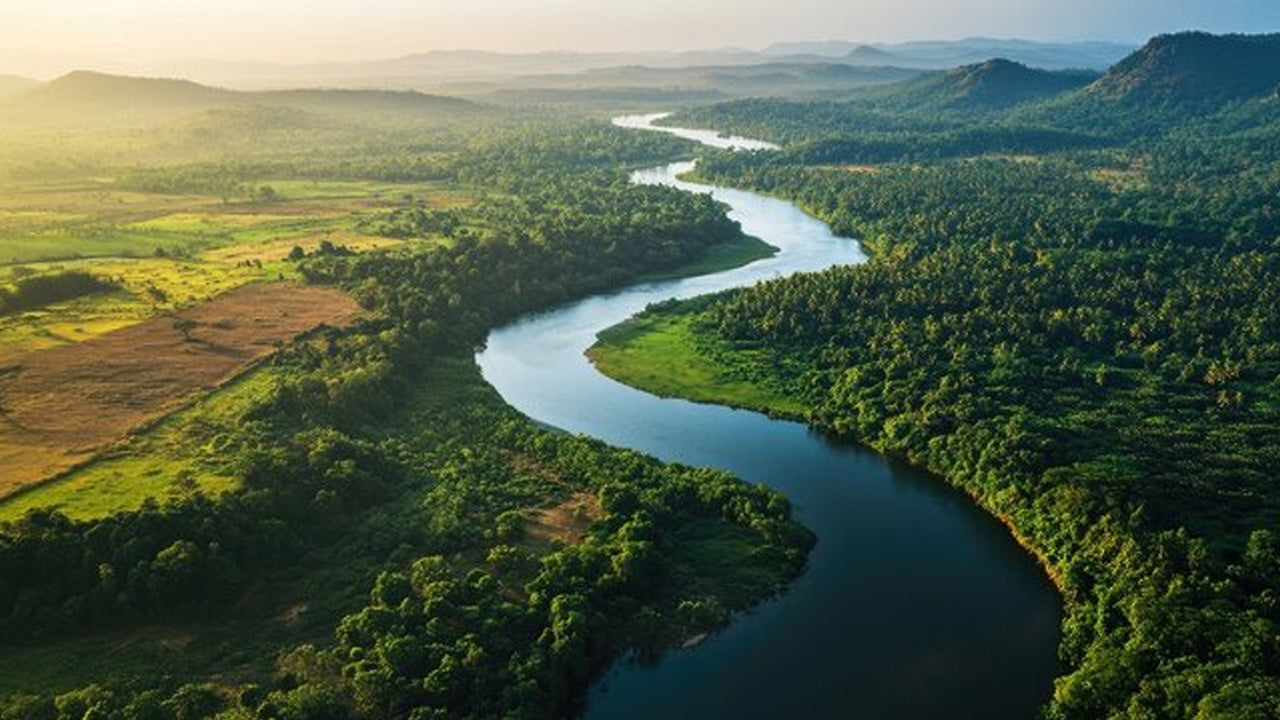 Mahaweli River
Explore the majestic Mahaweli River, Sri Lanka’s longest river, offering serene boat rides and opportunities for birdwatching and nature adventures along its winding course through scenic valleys.
-
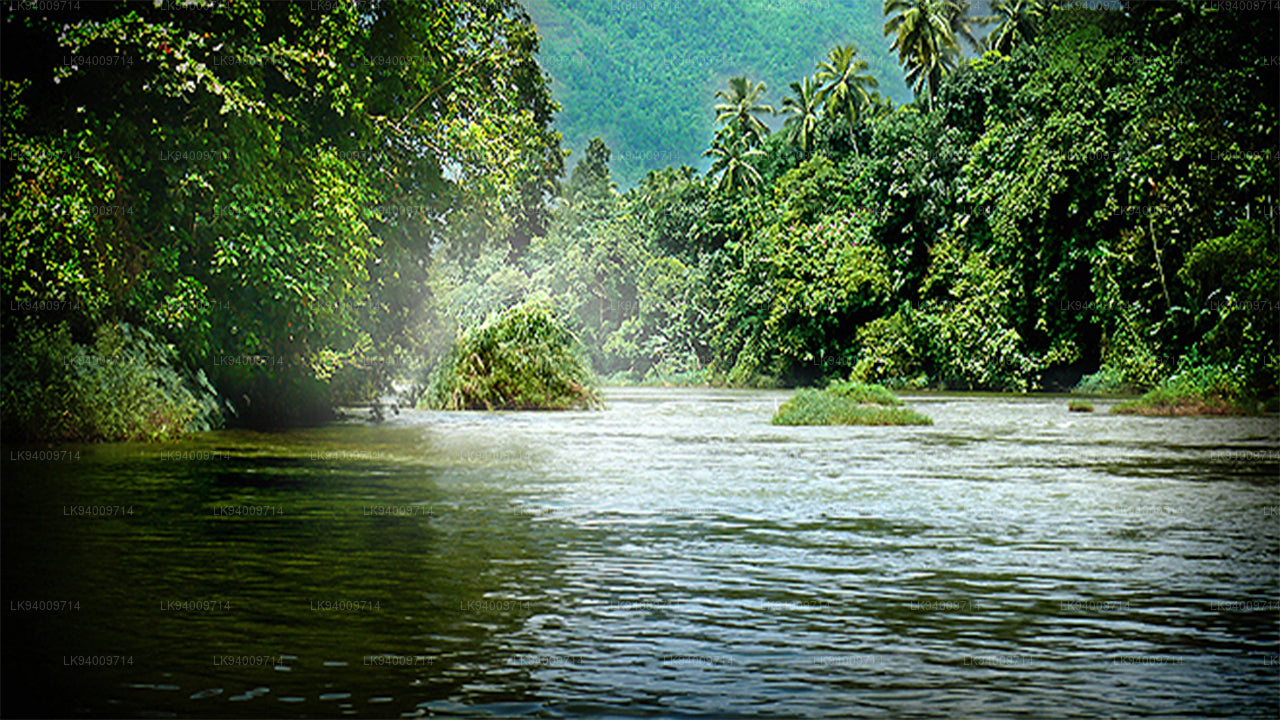 Kelani River
The Kelani River is a 145-kilometre-long (90 mi) river in Sri Lanka. It flows through or borders the Sri Lankan districts of Nuwara Eliya, Ratnapura, Kegalle, Gampaha and Colombo.
-
 Kalu Ganga
Kalu Ganga is a river in Sri Lanka. Measuring 129 km (80 mi) in length. The mountainous forests in the Province and the Sinharaja Forest Reserve are the main sources of water for the river.
-
 Walawe River
The southern region of Sri Lanka is exalted by a bushel of enthralling and glorified rivers and the Walawe River is one of them. Gently flowing through the Udawalawe National Park, the Walawe River provides water for a multitude of species of mesmerising fauna.
-
 Deduru Oya
The Deduru Oya Dam is an embankment dam built across the Deduru River in Kurunegala District of Sri Lanka. Built in 2014, the primary purpose of the dam is to retain approximately a billion cubic metres of water for irrigation purposes, which would otherwise flow out to sea.
-
 Malwathu Oya
The Malvathu River long river in Sri Lanka, connecting the city of Anuradhapura, which was the capital of the country for over 15 centuries, to the coast of Mannar. It currently ranks as the second longest river in the country, with a great historic significance.
-
 Kala Oya
It was around these ancient tank (water storage reservoir) irrigation systems that the economy and human settlements of early Sri Lankan society were organised into a “hydraulic civilization”.
-
 Gal Oya
Discover Gal Oya, a tranquil sanctuary in Sri Lanka, known for its lush landscapes, rich wildlife, and serene boat safaris, offering a peaceful retreat surrounded by nature and wildlife.
-
 Gin Ganga
The Gin Ganga, is a 115.9 km (72 mi) long river situated in Galle District of Sri Lanka. The river's headwaters are located near Deniyaya, bordering the Sinharaja Forest Reserve.
-
 Kirindi Oya
Experience the serene beauty of Kirindi Oya, a tranquil river in Sri Lanka. Enjoy scenic boat rides, lush landscapes, and opportunities for birdwatching, offering a peaceful escape into nature.
-
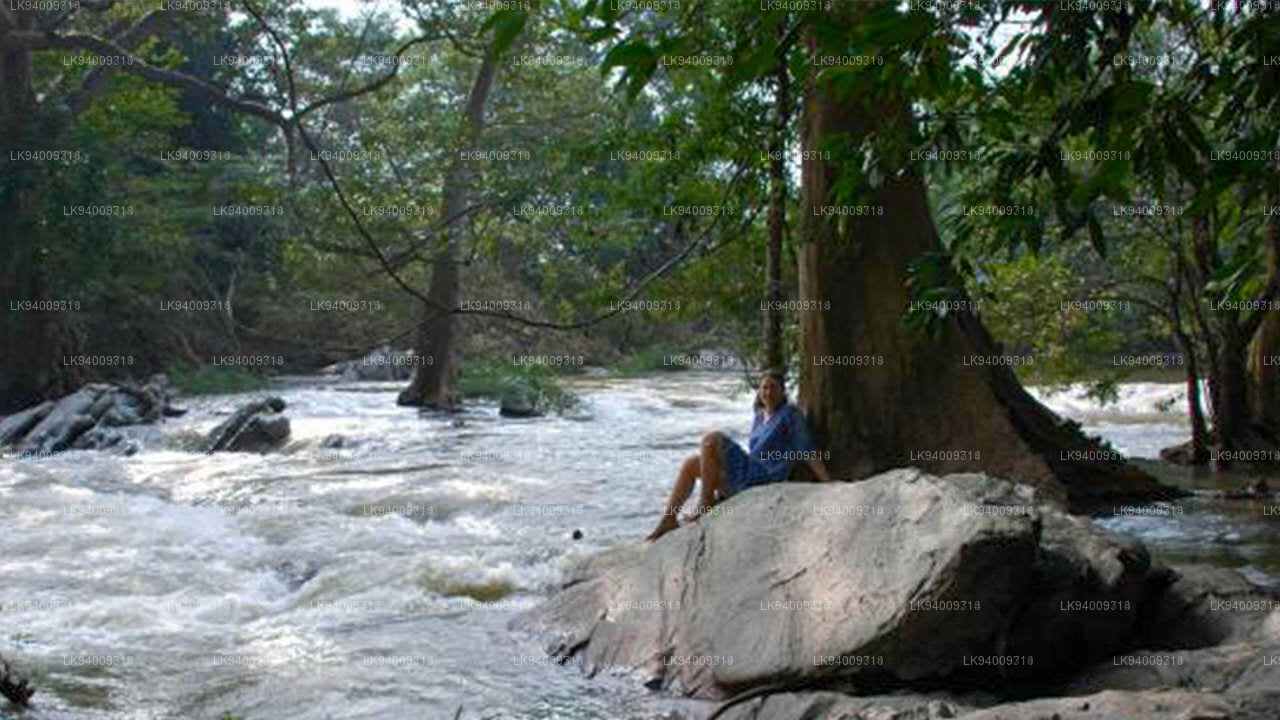 Kumbukkan Oya
The Kumbukkan Oya is the twelfth-longest river of Sri Lanka. It is approximately 116 km (72 mi) long. Its catchment area receives approximately 2,115 million cubic metres of rain per year.
-
 Maduru Oya
The Maduru Oya is a major stream in the North Central Province of Sri Lanka. It is approximately 135 km (84 mi) in length. approximately 3,060 million cubic metres of rain per year
-
 Manik River
Explore the peaceful Manik River, surrounded by lush greenery and rich wildlife. Enjoy scenic boat rides and nature walks, offering a serene and refreshing experience.
-
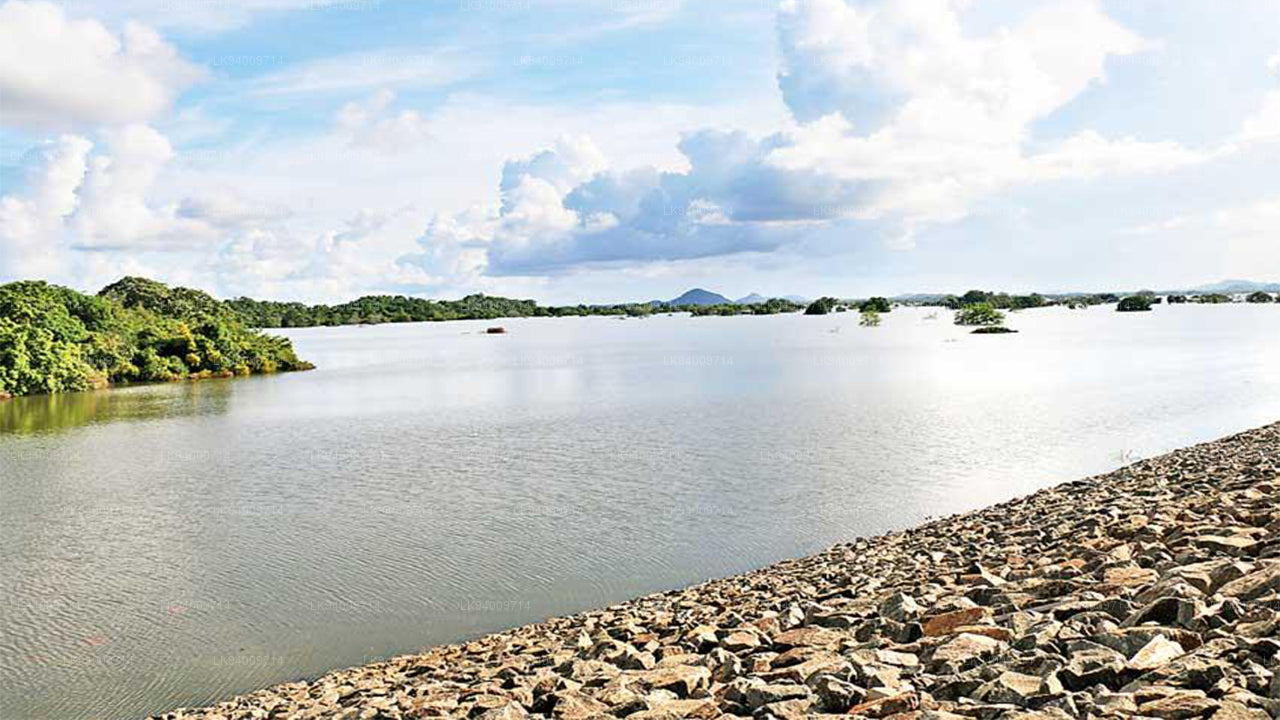 Yan Oya
The Yan Oya, 142 km long and receives 2,371 million cubic meters of rainfall annually, with 17% flowing to the sea. Its catchment area covers 1,520 square kilometers.