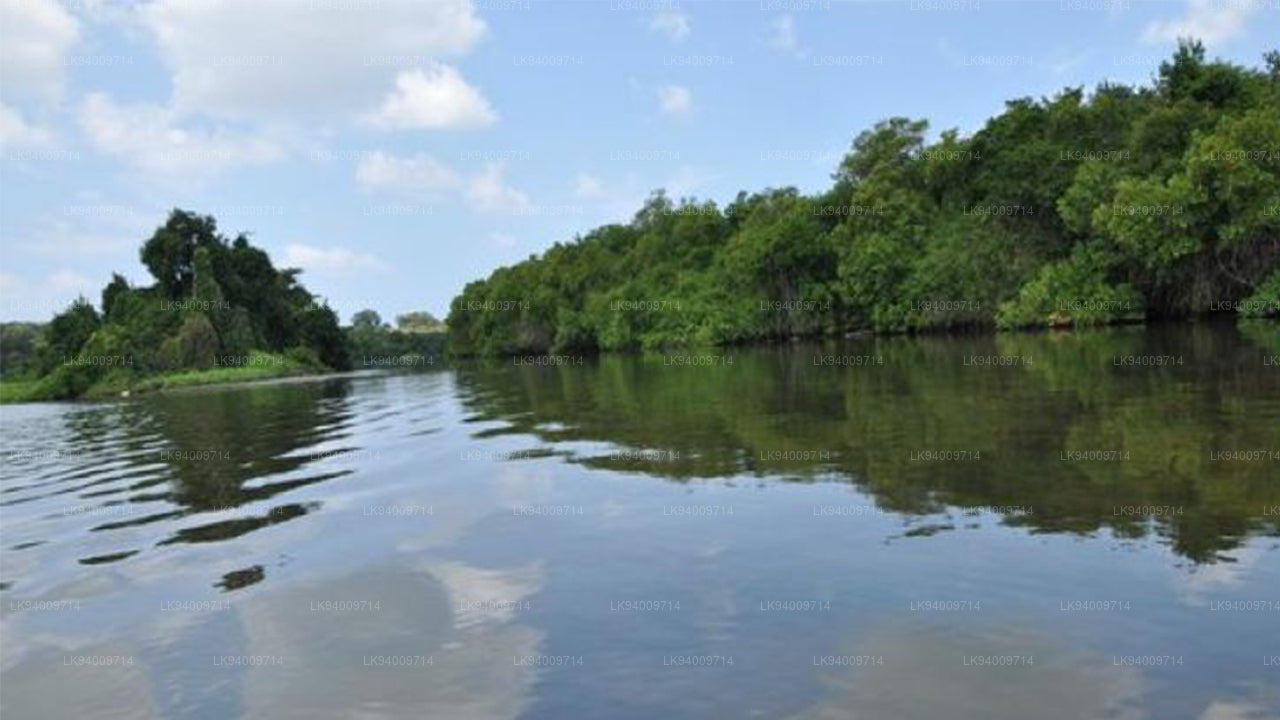
Mahaweli River


The Mahaweli River, stretching more than 335 km from the cloud-covered highlands of the Central Province to the tranquil coastline of Trincomalee, is one of the most striking natural features of Sri Lanka. Its winding path through steep valleys, forested hills, and fertile plains enhances the beauty of every region it touches. The river supports diverse ecosystems, enriching the landscape with lush riverine vegetation, wildlife habitats, and scenic viewpoints that highlight the natural charm of the island.
The Mahaweli is central to Sri Lanka's agricultural success. As the primary source for the country's largest irrigation system, the river carries water to vast farmlands across the dry zones of the North Central and Eastern Provinces. This steady supply has transformed once-arid regions into thriving agricultural lands. Farmers rely on the Mahaweli's reservoirs and canals for paddy cultivation, vegetable production, freshwater fishing, and livestock sustenance throughout the year, making it a lifeline for rural communities.
The river also plays a dominant role in Sri Lanka's energy sector. Major hydroelectric power stations—Victoria, Randenigala, Rantembe, and Kotmale—depend on the Mahaweli to generate a significant portion of the nation's renewable electricity. These facilities help stabilize the national grid while promoting sustainable energy development. The reservoirs created by these projects also assist with water regulation, providing consistent flow during dry seasons and supporting irrigation networks downstream.
Beyond its economic and functional value, the Mahaweli River is deeply embedded in Sri Lanka's cultural and historical identity. It flows past ancient capitals, monastic sites, and royal irrigation systems that date back thousands of years. The river's presence has shaped settlement patterns, spiritual traditions, and engineering achievements. Today, it remains a vital natural asset that supports tourism, conservation, and community development across several provinces.
Flood Risk & Hydrological Importance
The Mahaweli River's size and extensive catchment area make it an important focus for flood monitoring. Although it brings immense benefits, understanding its hydrological behaviour is essential for safeguarding communities, especially during monsoon seasons when upstream rainfall can significantly affect downstream regions.
- Current Hydrological Readings (Official Report): Multiple Mahaweli gauging stations were inaccessible due to flooding. Manampitiya – Alert Level 3.00 m, Minor Flood 4.30 m, Major Flood 6.00 m, Reading NA. Weraganthota – Alert Level 5.00 m, Minor Flood 6.00 m, Major Flood 8.00 m, Reading NA. Peradeniya – Alert Level 5.00 m, Minor Flood 7.00 m, Major Flood 9.00 m, Reading NA. Nawalapitiya – Alert Level 3.50 m, Minor Flood 5.00 m, Major Flood 6.00 m, Reading NA.
- Large Catchment Sensitivity: Heavy rainfall in the Central Highlands flows rapidly into the Mahaweli, causing sudden rises in water levels along downstream districts.
- Districts Vulnerable to Flooding: Kandy, Matale, Polonnaruwa, and Trincomalee are at risk when the river swells, particularly in low-lying or riverbank settlements.
- Rapid Upstream Runoff: The steep gradients of the hill country allow water to move quickly into the river, reducing warning time during intense monsoons.
- Lower Basin Flooding: As the river reaches flatter coastal plains, slower drainage increases the likelihood of waterlogging and extended flooding periods.
- Importance of Continuous Monitoring: Because several gauges became inaccessible during high water, improved measurement systems are essential for accurate forecasting and early flood warnings.
- Wider Basin Impact: As Sri Lanka's longest and most influential river, Mahaweli-related floods can affect reservoirs, irrigation networks, agricultural regions, and rural communities across multiple provinces.
While the Mahaweli River remains one of the most beautiful and valuable natural resources in Sri Lanka, proper hydrological monitoring and early-warning systems are essential to manage future flood risks and protect the communities who depend on its waters.


-
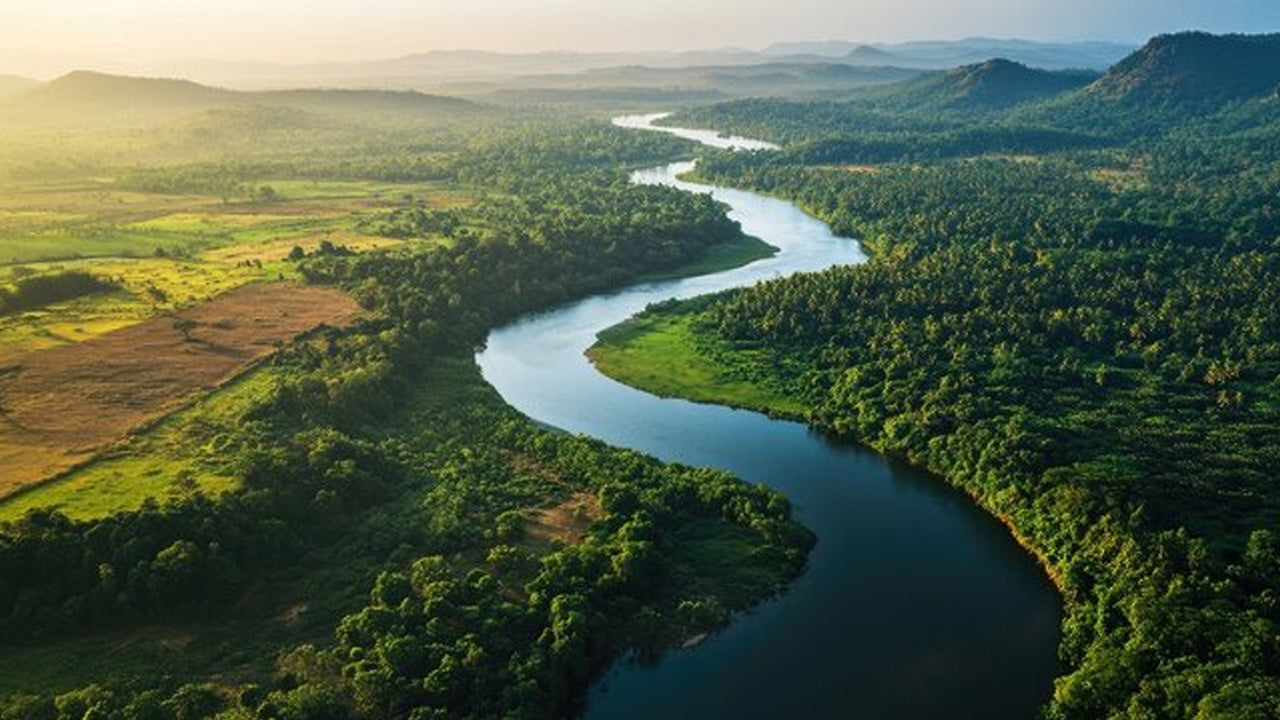 Mahaweli River
Explore the majestic Mahaweli River, Sri Lanka’s longest river, offering serene boat rides and opportunities for birdwatching and nature adventures along its winding course through scenic valleys.
-
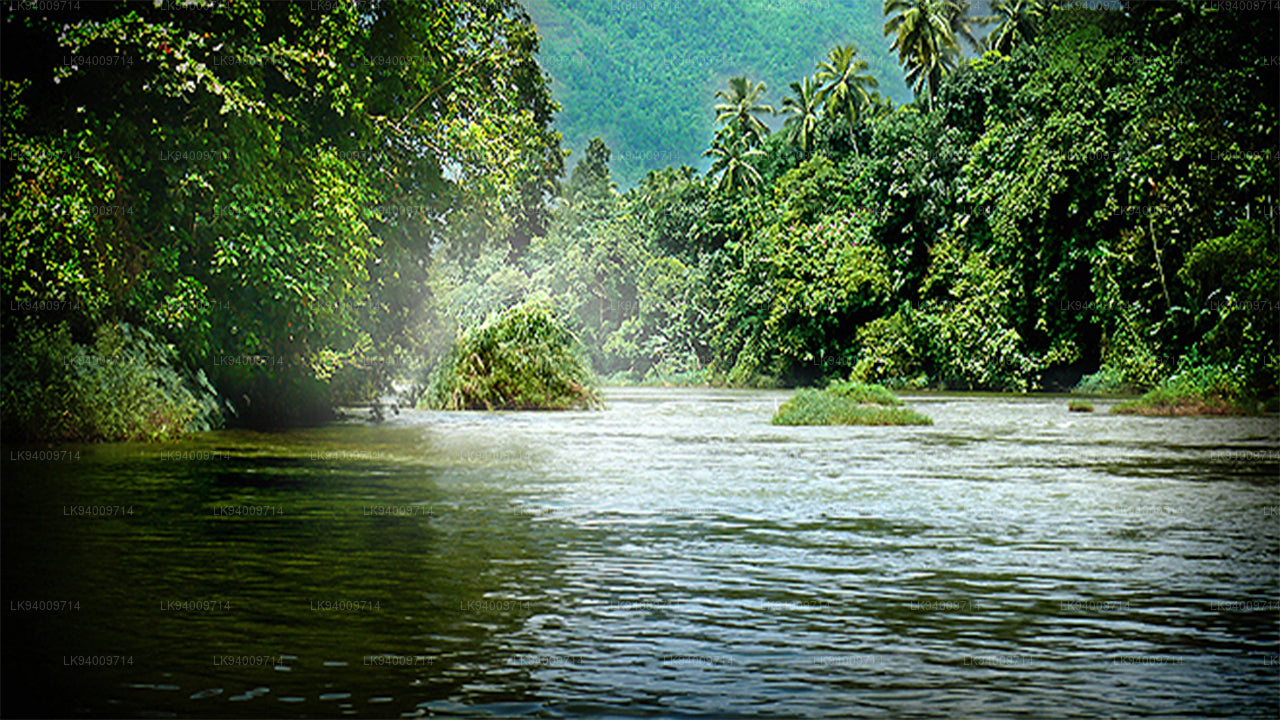 Kelani River
The Kelani River is a 145-kilometre-long (90 mi) river in Sri Lanka. It flows through or borders the Sri Lankan districts of Nuwara Eliya, Ratnapura, Kegalle, Gampaha and Colombo.
-
 Kalu Ganga
Kalu Ganga is a river in Sri Lanka. Measuring 129 km (80 mi) in length. The mountainous forests in the Province and the Sinharaja Forest Reserve are the main sources of water for the river.
-
 Walawe River
The southern region of Sri Lanka is exalted by a bushel of enthralling and glorified rivers and the Walawe River is one of them. Gently flowing through the Udawalawe National Park, the Walawe River provides water for a multitude of species of mesmerising fauna.
-
 Deduru Oya
The Deduru Oya Dam is an embankment dam built across the Deduru River in Kurunegala District of Sri Lanka. Built in 2014, the primary purpose of the dam is to retain approximately a billion cubic metres of water for irrigation purposes, which would otherwise flow out to sea.
-
 Malwathu Oya
The Malvathu River long river in Sri Lanka, connecting the city of Anuradhapura, which was the capital of the country for over 15 centuries, to the coast of Mannar. It currently ranks as the second longest river in the country, with a great historic significance.
-
 Kala Oya
It was around these ancient tank (water storage reservoir) irrigation systems that the economy and human settlements of early Sri Lankan society were organised into a “hydraulic civilization”.
-
 Gal Oya
Discover Gal Oya, a tranquil sanctuary in Sri Lanka, known for its lush landscapes, rich wildlife, and serene boat safaris, offering a peaceful retreat surrounded by nature and wildlife.
-
 Gin Ganga
The Gin Ganga, is a 115.9 km (72 mi) long river situated in Galle District of Sri Lanka. The river's headwaters are located near Deniyaya, bordering the Sinharaja Forest Reserve.
-
 Kirindi Oya
Experience the serene beauty of Kirindi Oya, a tranquil river in Sri Lanka. Enjoy scenic boat rides, lush landscapes, and opportunities for birdwatching, offering a peaceful escape into nature.
-
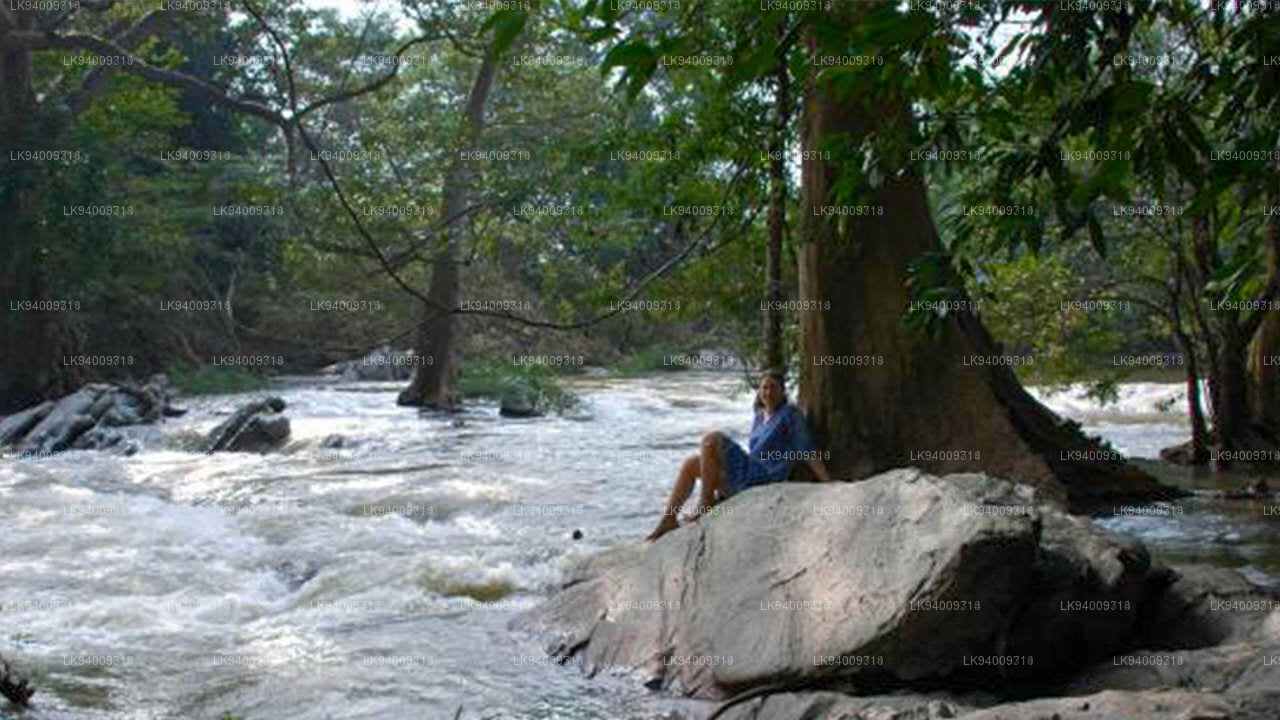 Kumbukkan Oya
The Kumbukkan Oya is the twelfth-longest river of Sri Lanka. It is approximately 116 km (72 mi) long. Its catchment area receives approximately 2,115 million cubic metres of rain per year.
-
 Maduru Oya
The Maduru Oya is a major stream in the North Central Province of Sri Lanka. It is approximately 135 km (84 mi) in length. approximately 3,060 million cubic metres of rain per year
-
 Manik River
Explore the peaceful Manik River, surrounded by lush greenery and rich wildlife. Enjoy scenic boat rides and nature walks, offering a serene and refreshing experience.
-
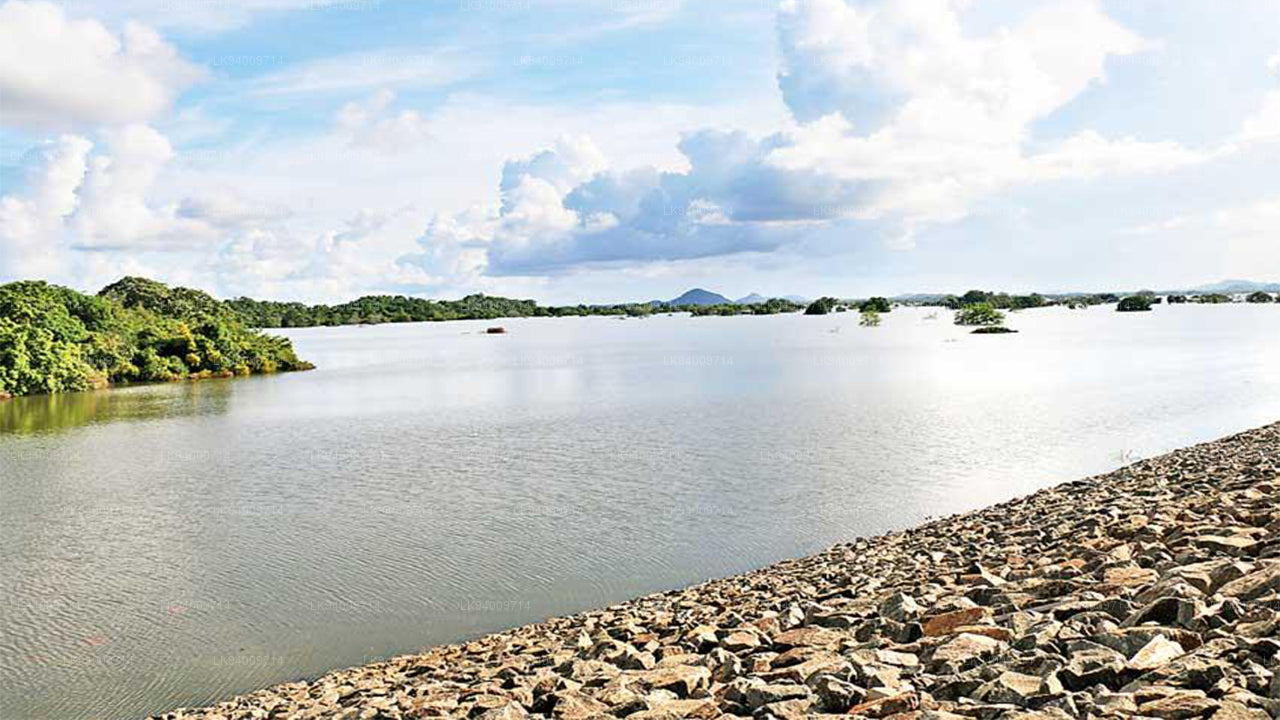 Yan Oya
The Yan Oya, 142 km long and receives 2,371 million cubic meters of rainfall annually, with 17% flowing to the sea. Its catchment area covers 1,520 square kilometers.