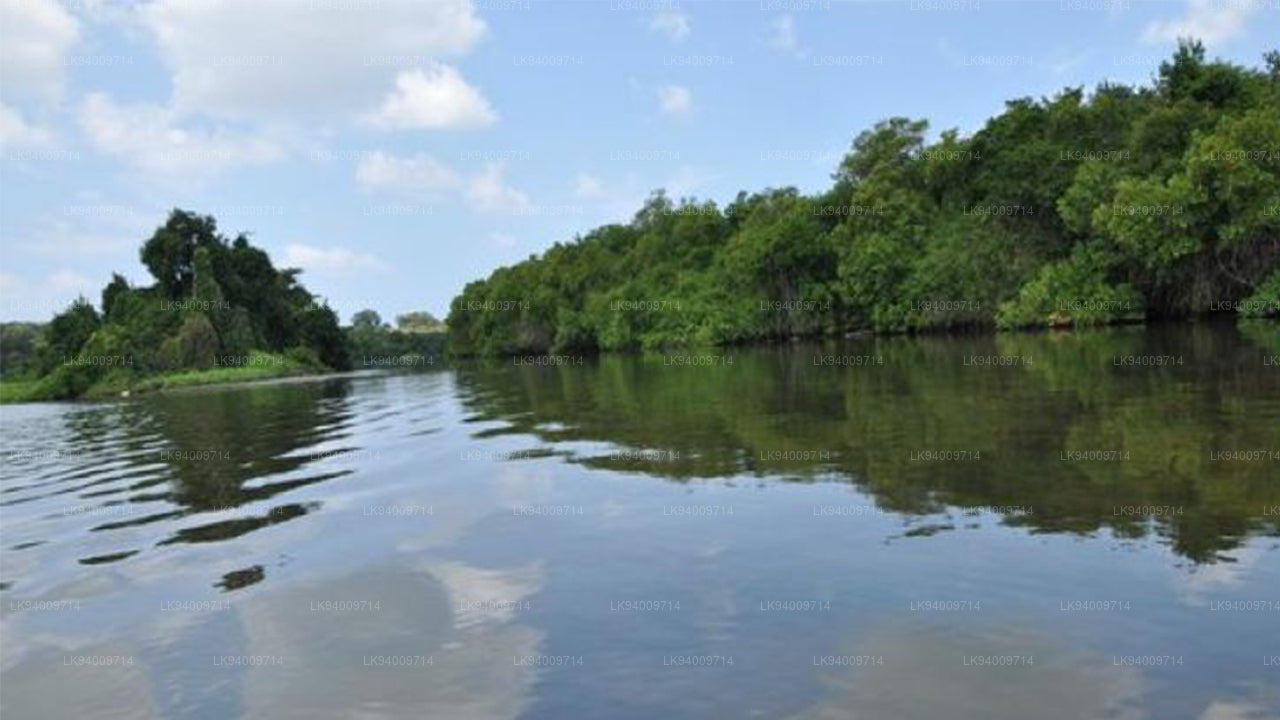
Deduru Oya


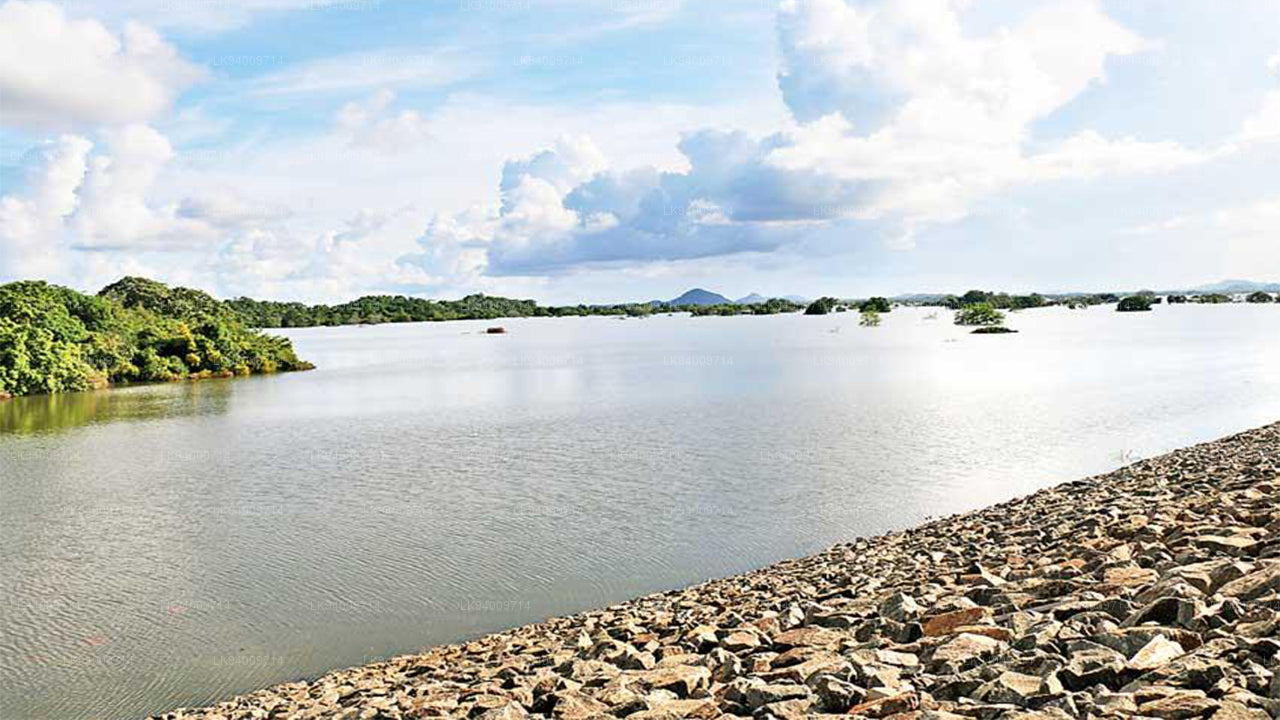
Deduru Oya is a vital river that flows through the North Western Province of Sri Lanka, originating from the central hills and winding through agricultural lands before emptying into the Puttalam Lagoon. Its course through the dry zone provides essential water for irrigation, agriculture, and local communities. The river's natural beauty, which includes scenic wetlands and fertile plains, adds to the landscape of the region, making it an important environmental and economic resource.
For centuries, Deduru Oya has supported farming communities along its banks, especially in areas like Puttalam and Kurunegala. The river is crucial for paddy cultivation, vegetable farming, and livestock raising. Several irrigation channels and reservoirs, fed by the river, allow for year-round agricultural production, transforming the North Western Province into a major food-producing region. Additionally, the river serves as a source of water for domestic use, fishing, and small-scale industries.
Ecologically, Deduru Oya supports diverse habitats, including wetlands and marshes, which are home to a variety of bird species, fish, and aquatic life. The river's estuary near Puttalam contributes to the local ecosystem by supporting mangrove forests, saltwater marshes, and coastal wetlands. These areas are important for biodiversity and serve as a refuge for migratory birds. Deduru Oya's role in sustaining these ecosystems makes it a key resource for nature-based tourism and environmental conservation efforts in the region.
Culturally, Deduru Oya is closely tied to the livelihoods of the people in the area. Many rural communities depend on its water for farming and daily use, making the river an integral part of their way of life. Additionally, the river has a long history of supporting local industries such as salt production, fishing, and transportation. Today, Deduru Oya remains a symbol of resilience for the people of the North Western Province, continuing to sustain both rural economies and cultural traditions.
Flood Risk & Hydrological Importance
Although Deduru Oya is crucial for agriculture and water supply, it is also prone to flooding during periods of heavy rainfall. Understanding the river's hydrological behaviour is essential for flood management, especially in the North Western region, where agricultural lands and settlements are vulnerable to seasonal floods.
-
Current Hydrological Readings (Official Report):
Moragaswewa Station – Alert Level: 4.75 m, Minor Flood Level: 6.00 m, Major Flood Level: 7.00 m, Current Level: NA (Gauge not reported). - Flood-Prone Areas: Low-lying areas in the Kurunegala and Puttalam districts are at risk of flooding when the river exceeds normal flow levels, especially during the Southwest Monsoon.
- Catchment Sensitivity: The river's upper catchment areas in the central hills contribute to rapid water flow during intense rainfall, increasing flood risks downstream.
- Impact on Agriculture: The overflow of Deduru Oya can disrupt irrigation channels and flood agricultural fields, damaging crops and affecting farming communities.
- Slow Drainage in Coastal Regions: As the river reaches Puttalam, its flow slows, and the risk of waterlogging in agricultural lands and coastal wetlands increases.
- Importance of Monitoring: Continuous hydrological measurements are crucial to predict and manage potential flooding events in flood-prone districts like Puttalam and Kurunegala.
- Seasonal Rainfall Risks: The river's flood risk is highest during the monsoon season when heavy rainfall in the catchment areas leads to rapid rises in water levels.
While Deduru Oya remains an invaluable resource for the people and ecosystems of the North Western Province, maintaining accurate hydrological monitoring and flood preparedness strategies is essential to mitigate future flood risks and protect the region's agriculture and communities.


-
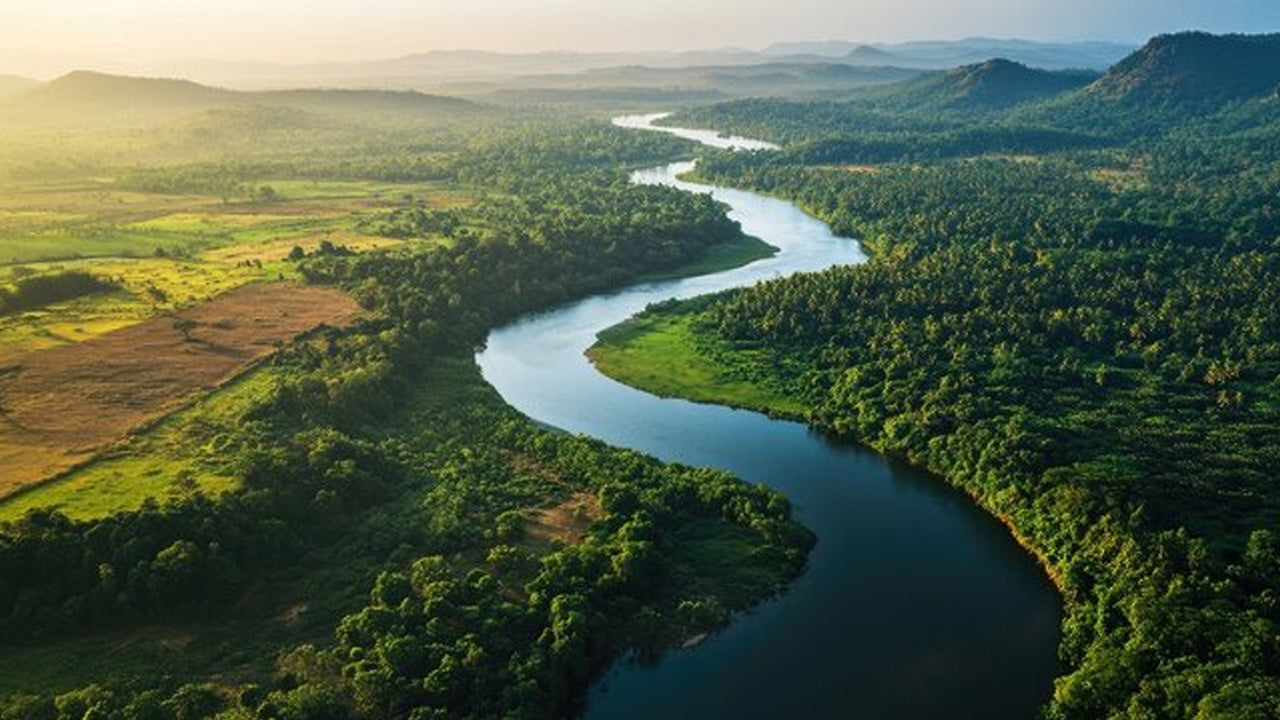 Mahaweli River
Explore the majestic Mahaweli River, Sri Lanka’s longest river, offering serene boat rides and opportunities for birdwatching and nature adventures along its winding course through scenic valleys.
-
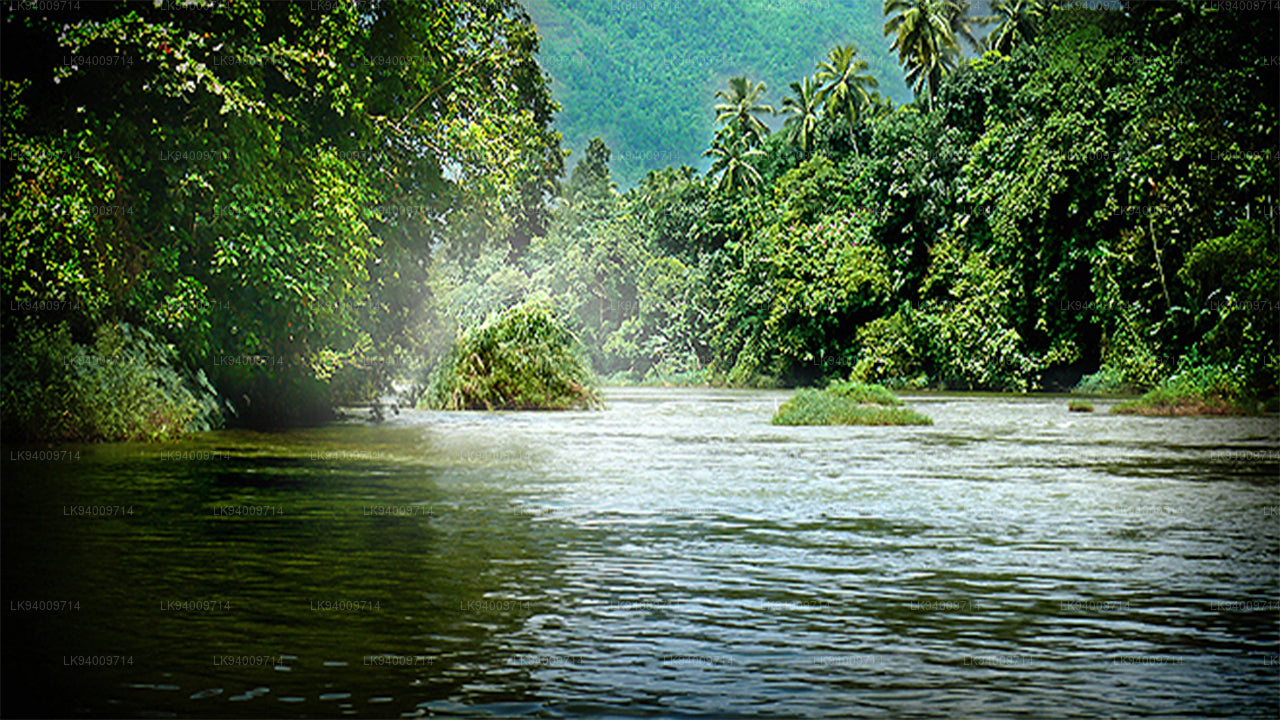 Kelani River
The Kelani River is a 145-kilometre-long (90 mi) river in Sri Lanka. It flows through or borders the Sri Lankan districts of Nuwara Eliya, Ratnapura, Kegalle, Gampaha and Colombo.
-
 Kalu Ganga
Kalu Ganga is a river in Sri Lanka. Measuring 129 km (80 mi) in length. The mountainous forests in the Province and the Sinharaja Forest Reserve are the main sources of water for the river.
-
 Walawe River
The southern region of Sri Lanka is exalted by a bushel of enthralling and glorified rivers and the Walawe River is one of them. Gently flowing through the Udawalawe National Park, the Walawe River provides water for a multitude of species of mesmerising fauna.
-
 Deduru Oya
The Deduru Oya Dam is an embankment dam built across the Deduru River in Kurunegala District of Sri Lanka. Built in 2014, the primary purpose of the dam is to retain approximately a billion cubic metres of water for irrigation purposes, which would otherwise flow out to sea.
-
 Malwathu Oya
The Malvathu River long river in Sri Lanka, connecting the city of Anuradhapura, which was the capital of the country for over 15 centuries, to the coast of Mannar. It currently ranks as the second longest river in the country, with a great historic significance.
-
 Kala Oya
It was around these ancient tank (water storage reservoir) irrigation systems that the economy and human settlements of early Sri Lankan society were organised into a “hydraulic civilization”.
-
 Gal Oya
Discover Gal Oya, a tranquil sanctuary in Sri Lanka, known for its lush landscapes, rich wildlife, and serene boat safaris, offering a peaceful retreat surrounded by nature and wildlife.
-
 Gin Ganga
The Gin Ganga, is a 115.9 km (72 mi) long river situated in Galle District of Sri Lanka. The river's headwaters are located near Deniyaya, bordering the Sinharaja Forest Reserve.
-
 Kirindi Oya
Experience the serene beauty of Kirindi Oya, a tranquil river in Sri Lanka. Enjoy scenic boat rides, lush landscapes, and opportunities for birdwatching, offering a peaceful escape into nature.
-
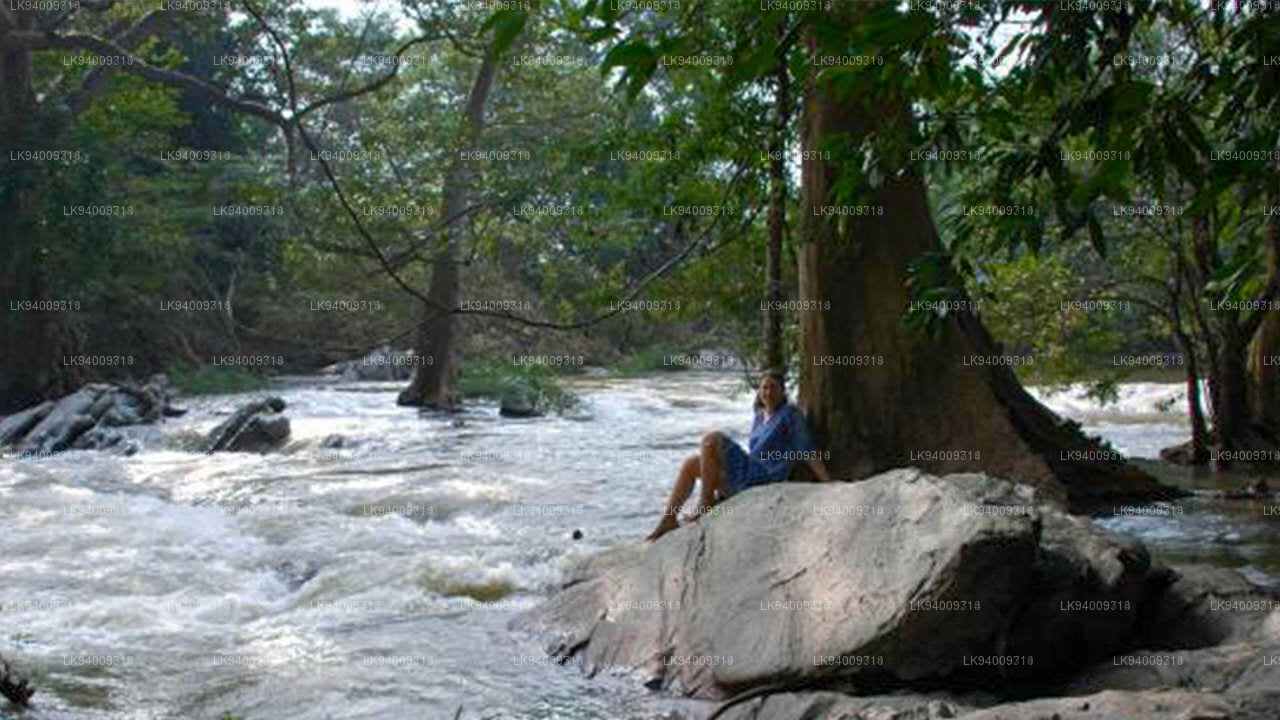 Kumbukkan Oya
The Kumbukkan Oya is the twelfth-longest river of Sri Lanka. It is approximately 116 km (72 mi) long. Its catchment area receives approximately 2,115 million cubic metres of rain per year.
-
 Maduru Oya
The Maduru Oya is a major stream in the North Central Province of Sri Lanka. It is approximately 135 km (84 mi) in length. approximately 3,060 million cubic metres of rain per year
-
 Manik River
Explore the peaceful Manik River, surrounded by lush greenery and rich wildlife. Enjoy scenic boat rides and nature walks, offering a serene and refreshing experience.
-
 Yan Oya
The Yan Oya, 142 km long and receives 2,371 million cubic meters of rainfall annually, with 17% flowing to the sea. Its catchment area covers 1,520 square kilometers.