
Ipomoea alba


Ipomoea alba, commonly known as the moonflower or white morning glory, is a species of flowering plant in the family Convolvulaceae. It is native to tropical and subtropical regions of the Americas but is widely cultivated and naturalized in other regions around the world.
General Description
Habitat and Distribution
Ecological Importance
Cultivation and Care
Cultural and Symbolic Significance
Medicinal and Toxic Properties
-
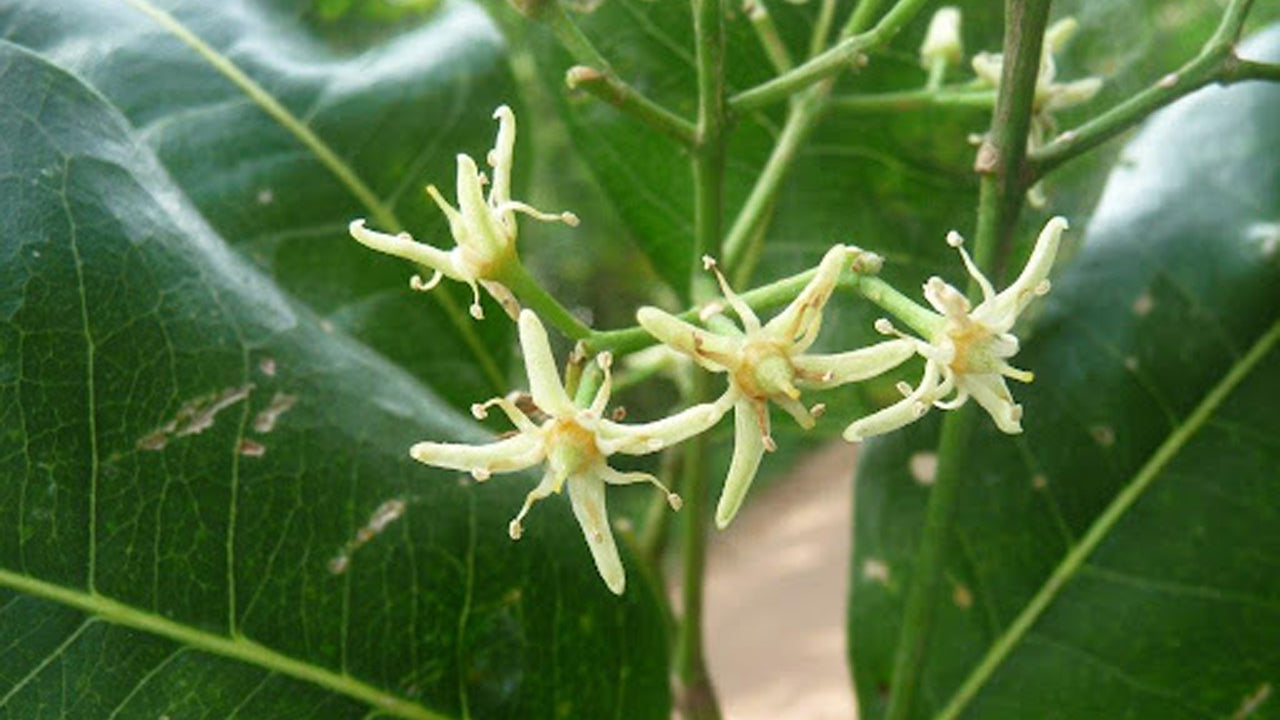
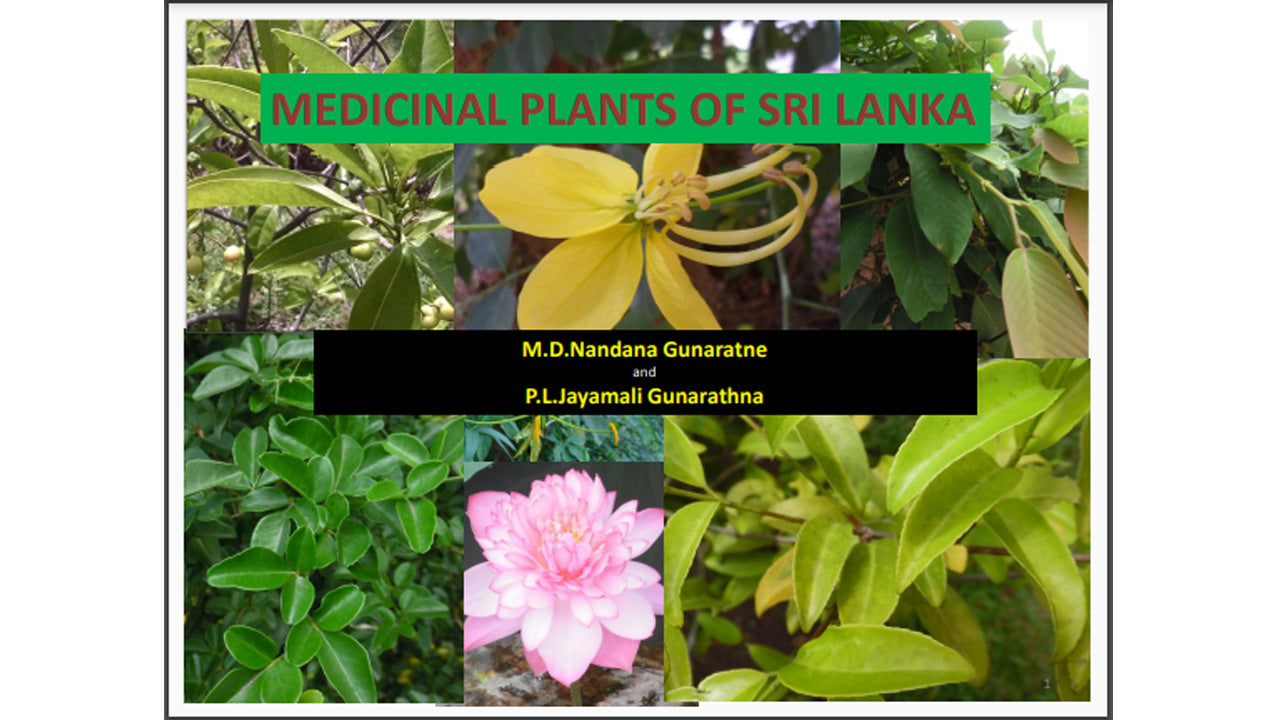
Claw-flowered laurel
Acronychia pedunculata -
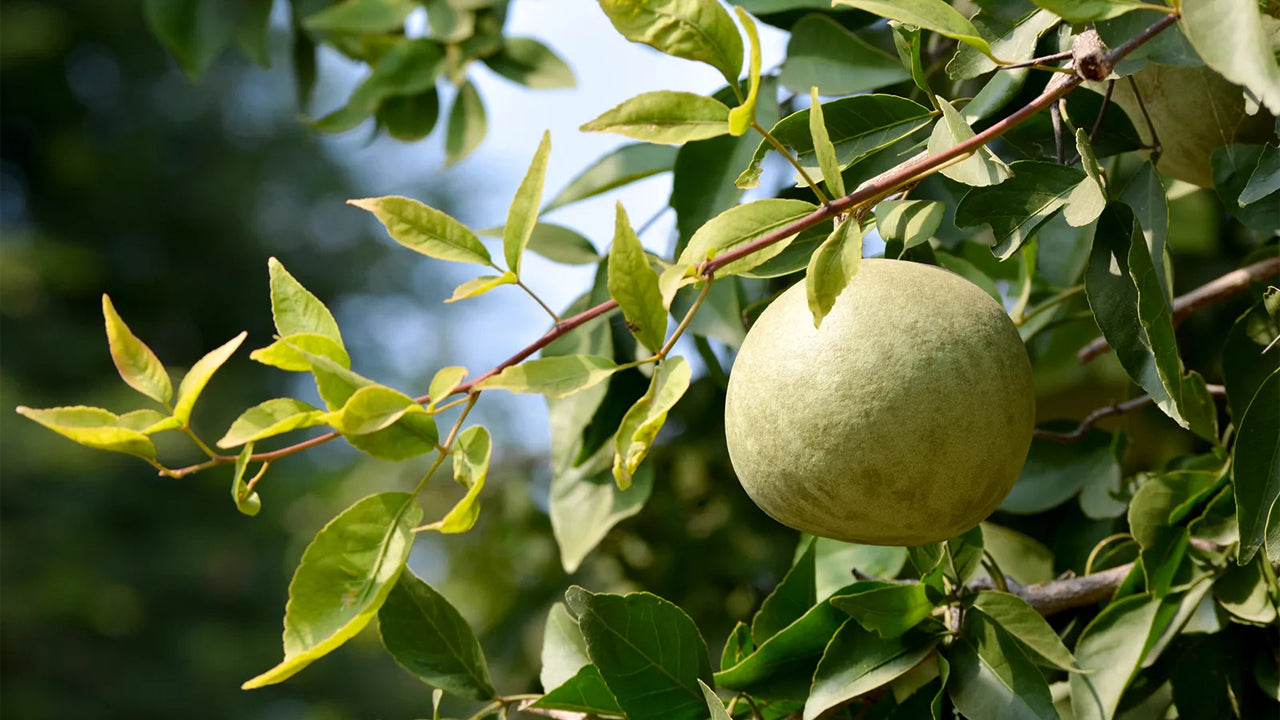
Bael
Aegle marmelos -
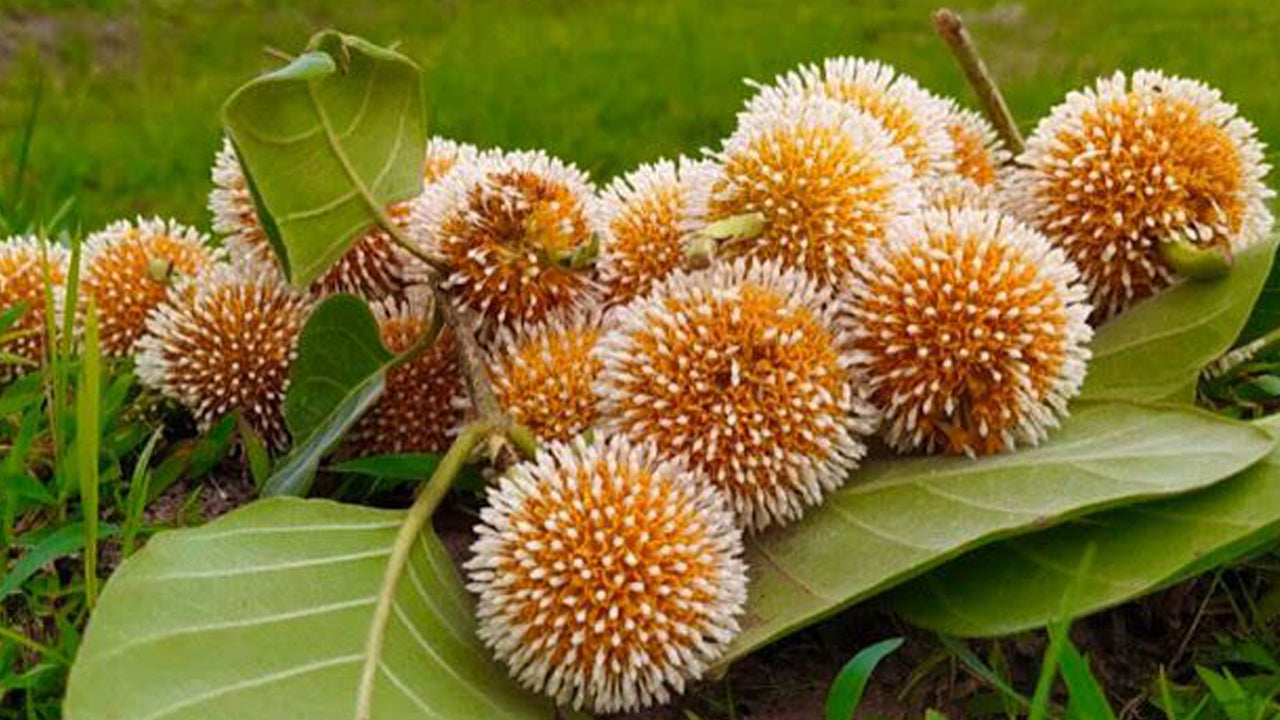
Leichhardt tree
Nauclea orientalis -
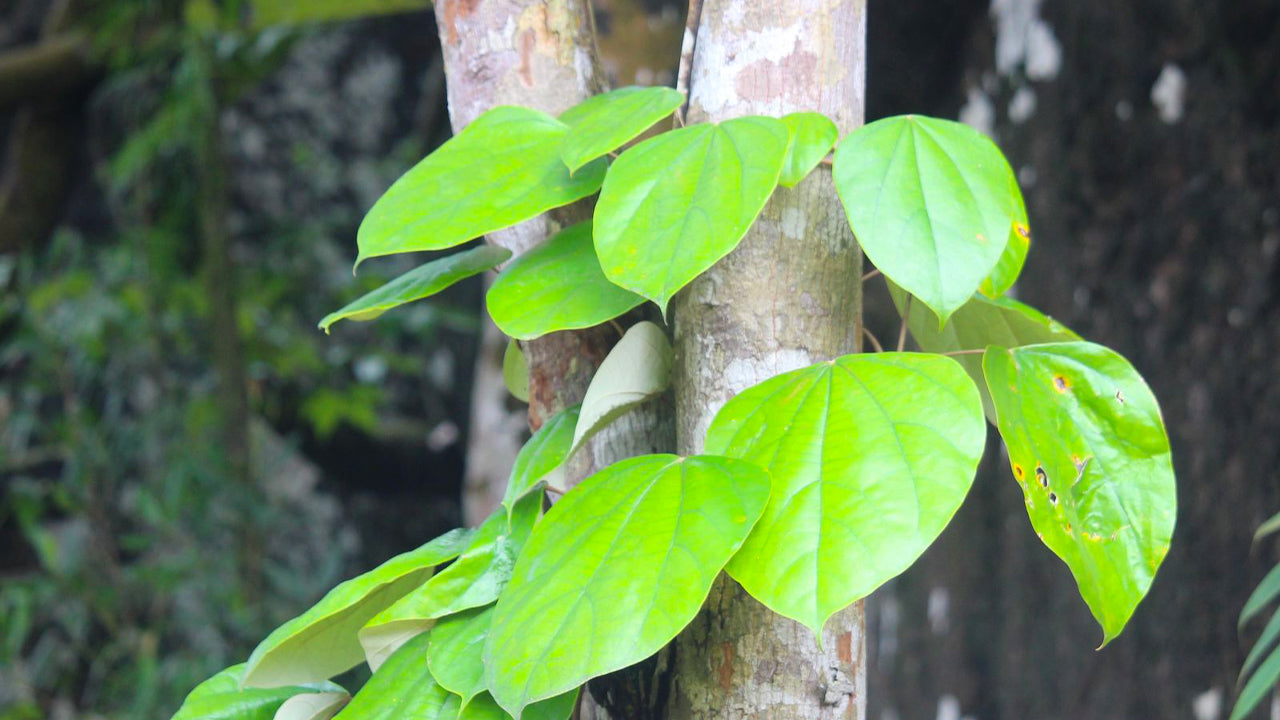
False Calumba
Coscinium fenestratum -

Malabar Gulbel
Tinospora malabarica -
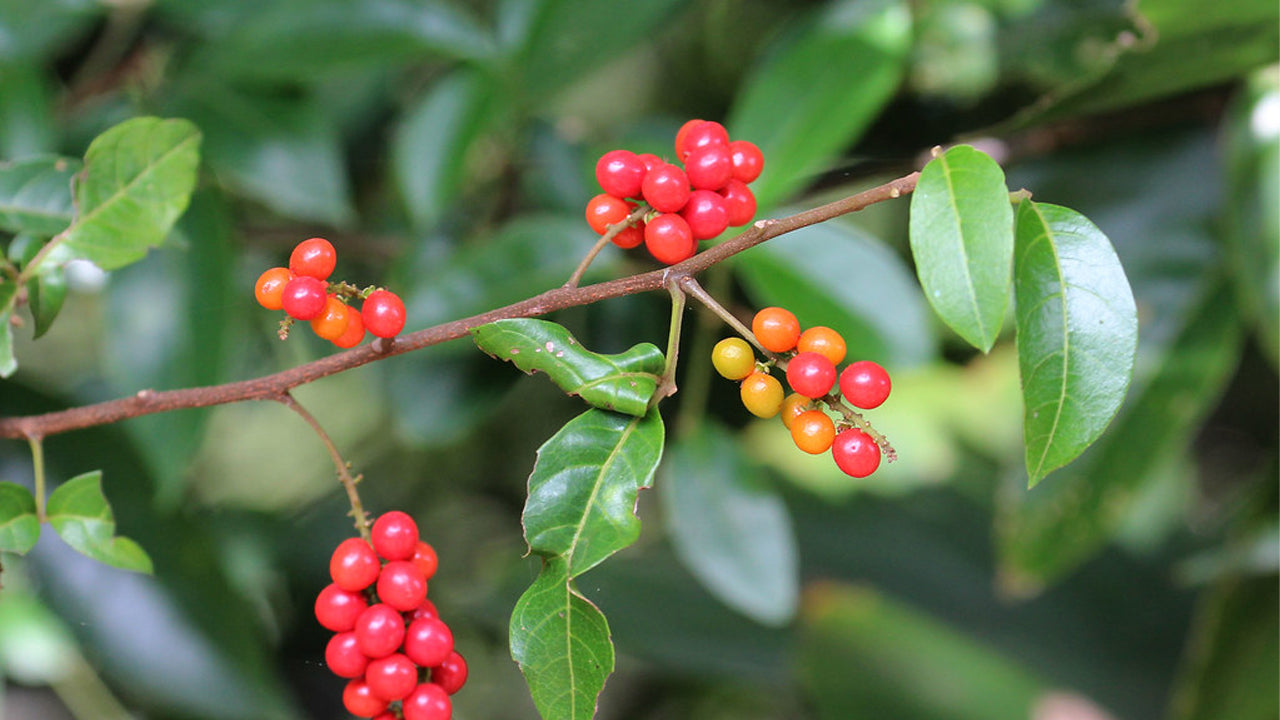
Titberry
Allophylus cobbe -
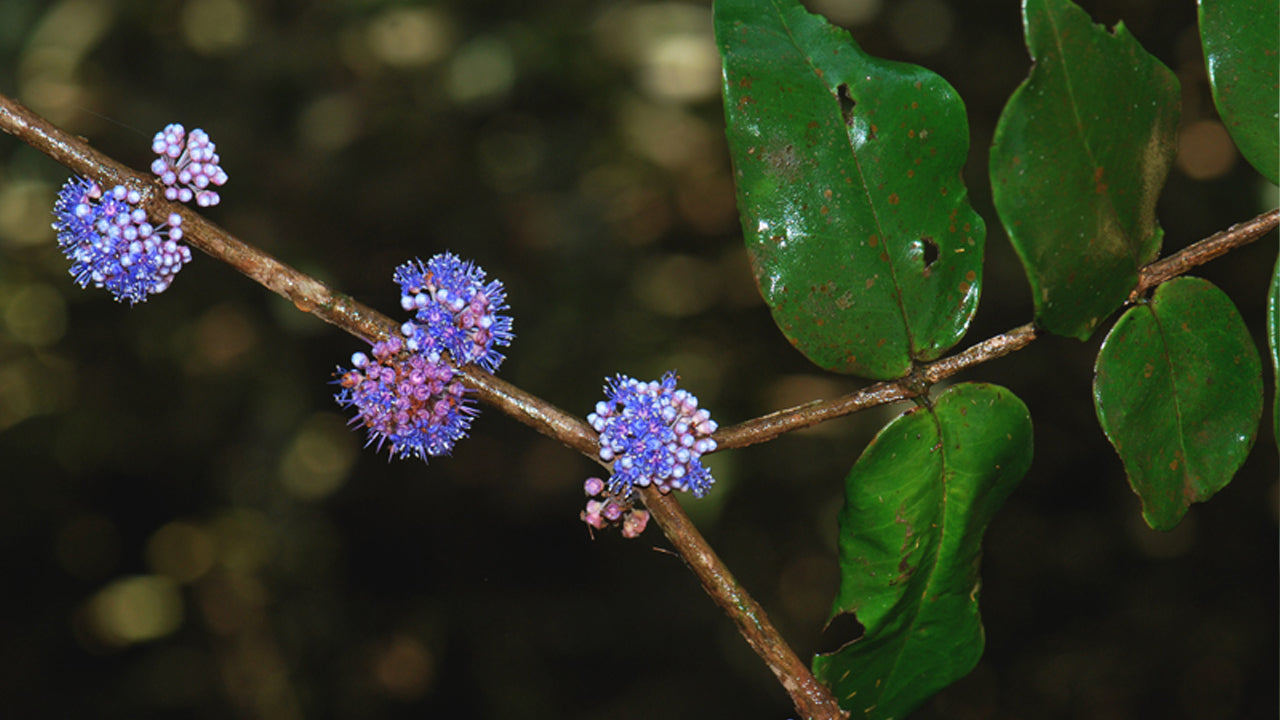
Ironwood Tree
Memecylon capitellatum -
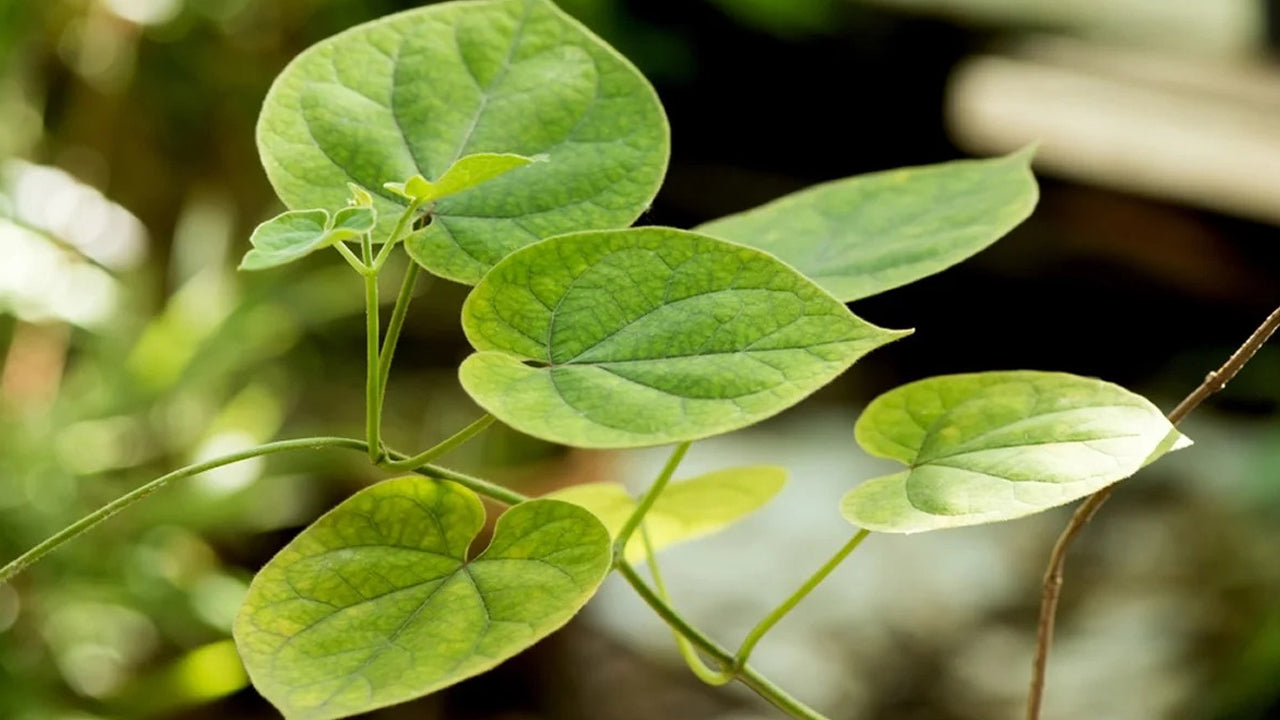
Velvet Leaf
Cissampelos pareira -
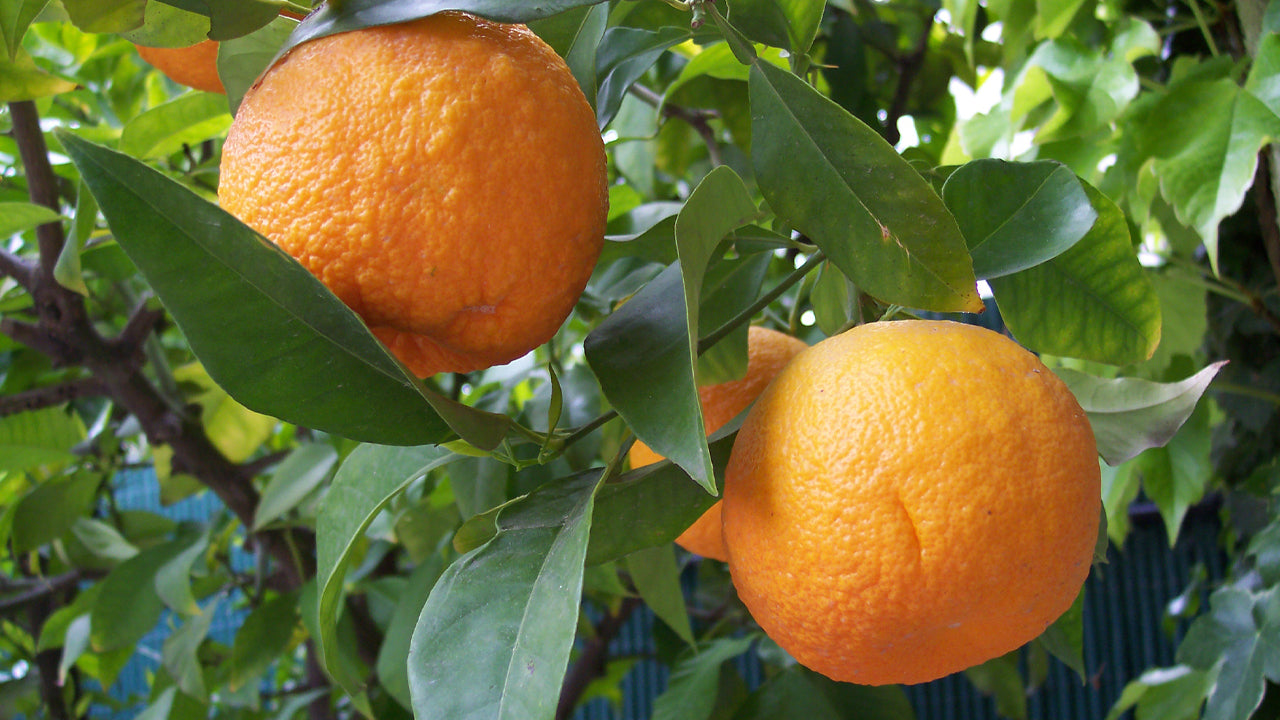
Bitter orange
Citrus aurantium -

Reinwardt's Tree Plant
Biophytun reinward -
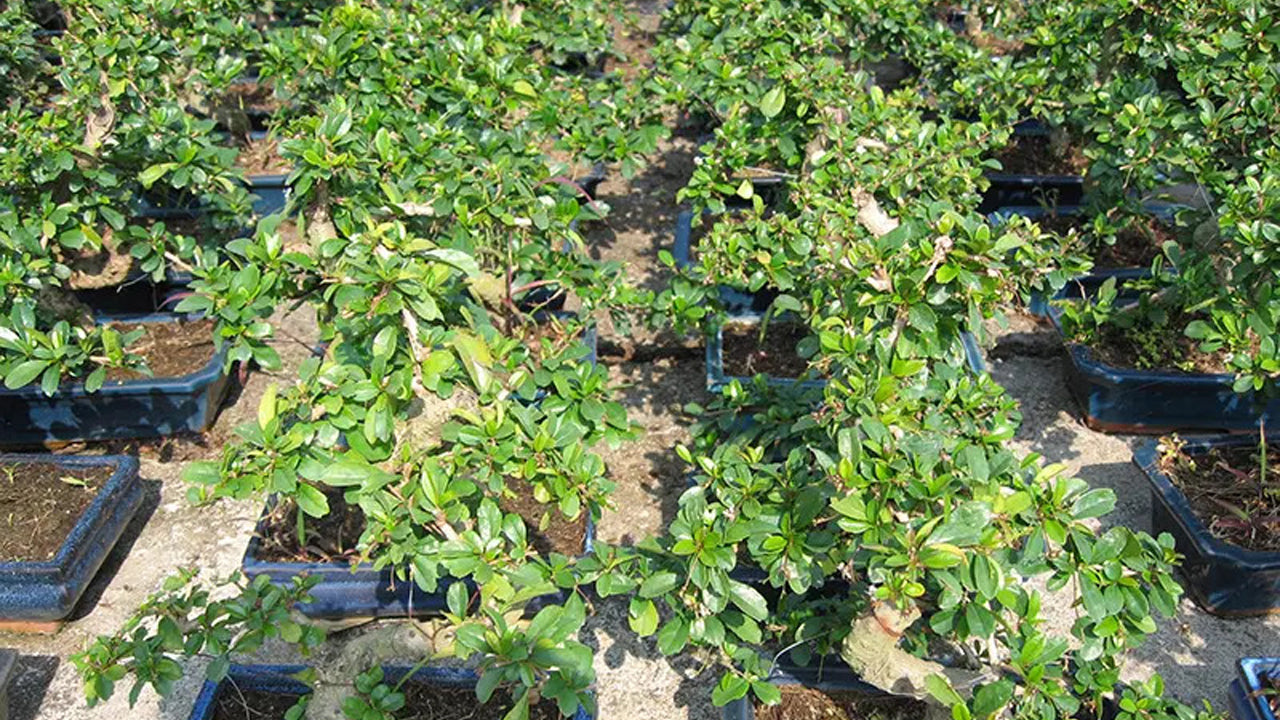
Fukien tea
Carmona microphylla -
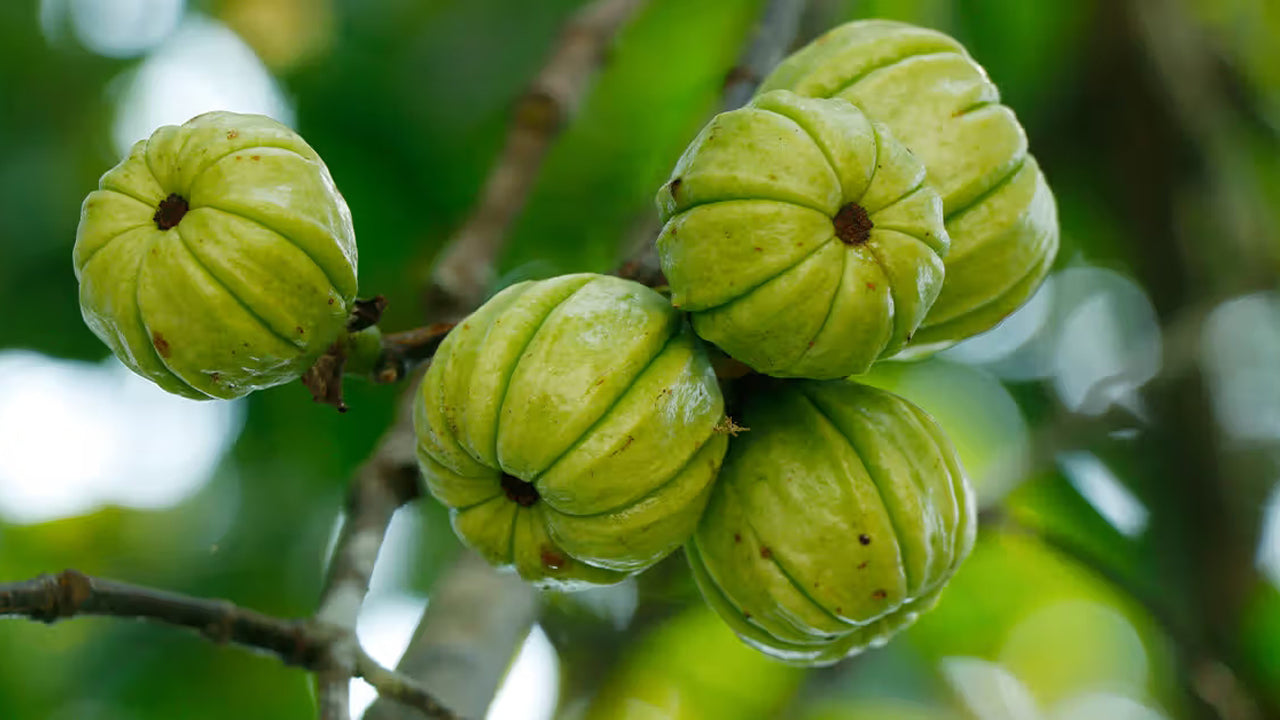
Malabar tamarind
Garcinia cambogia -
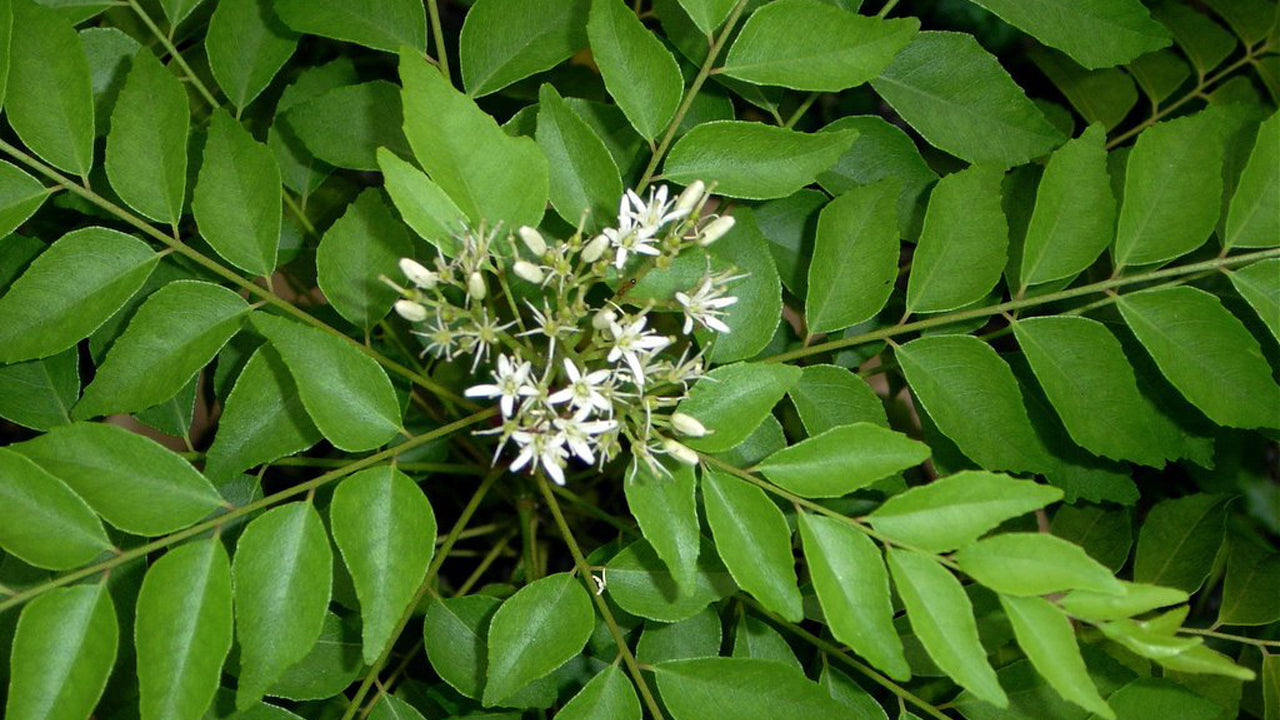
Curry leaf tree
Murraya koenigii -
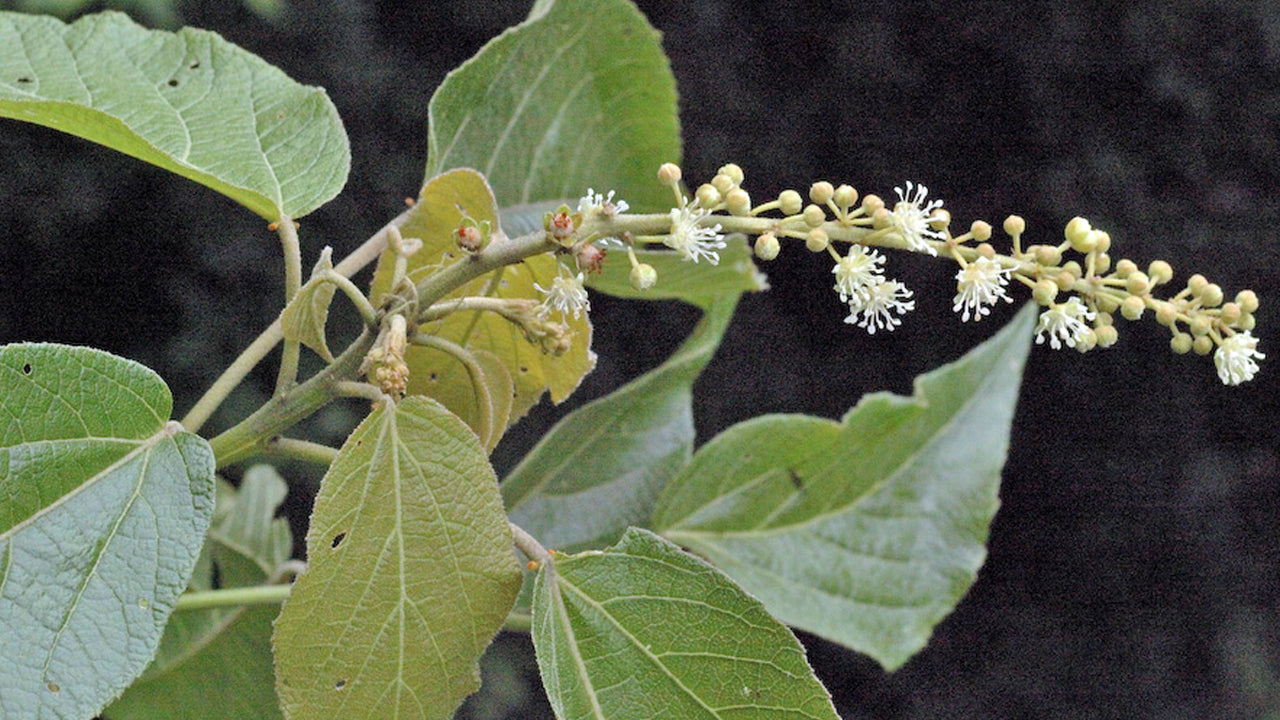
Kappetiya
Croton laccifer -
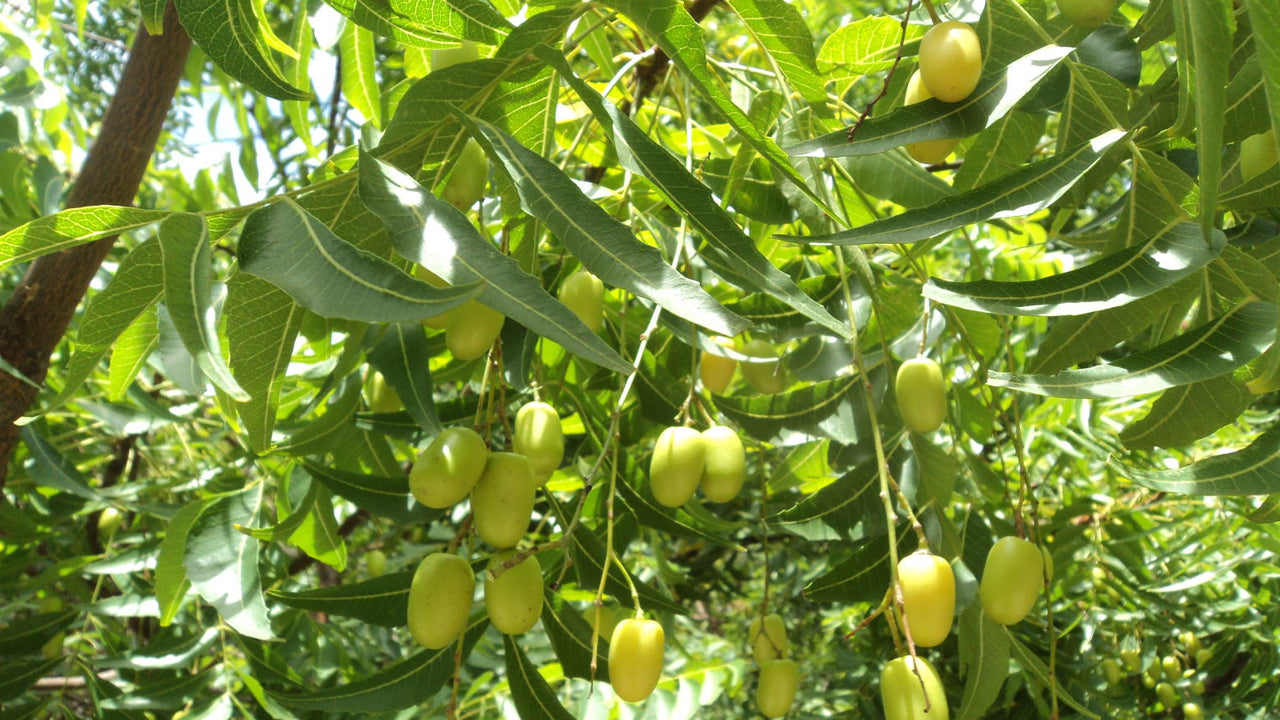
Indian lilac
Azadirachta indica -
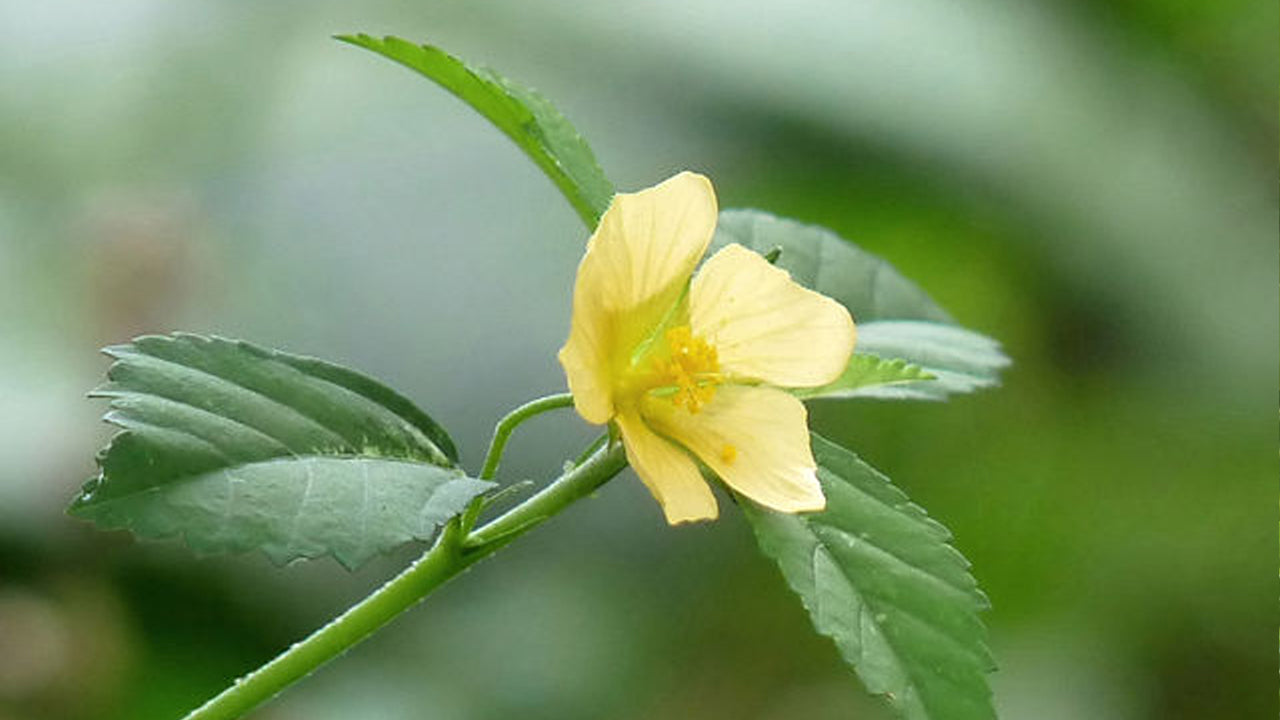
Spiny sida
Sida alba -
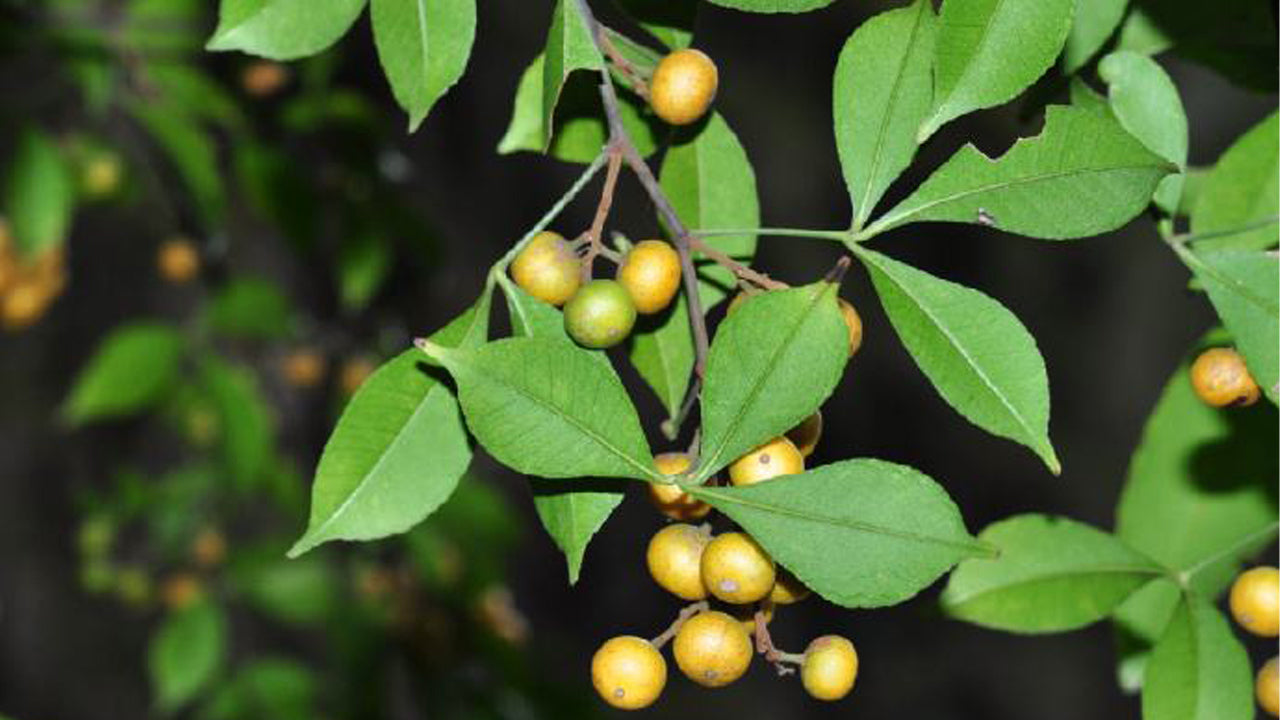
Orange climber
Toddlia asiatica -
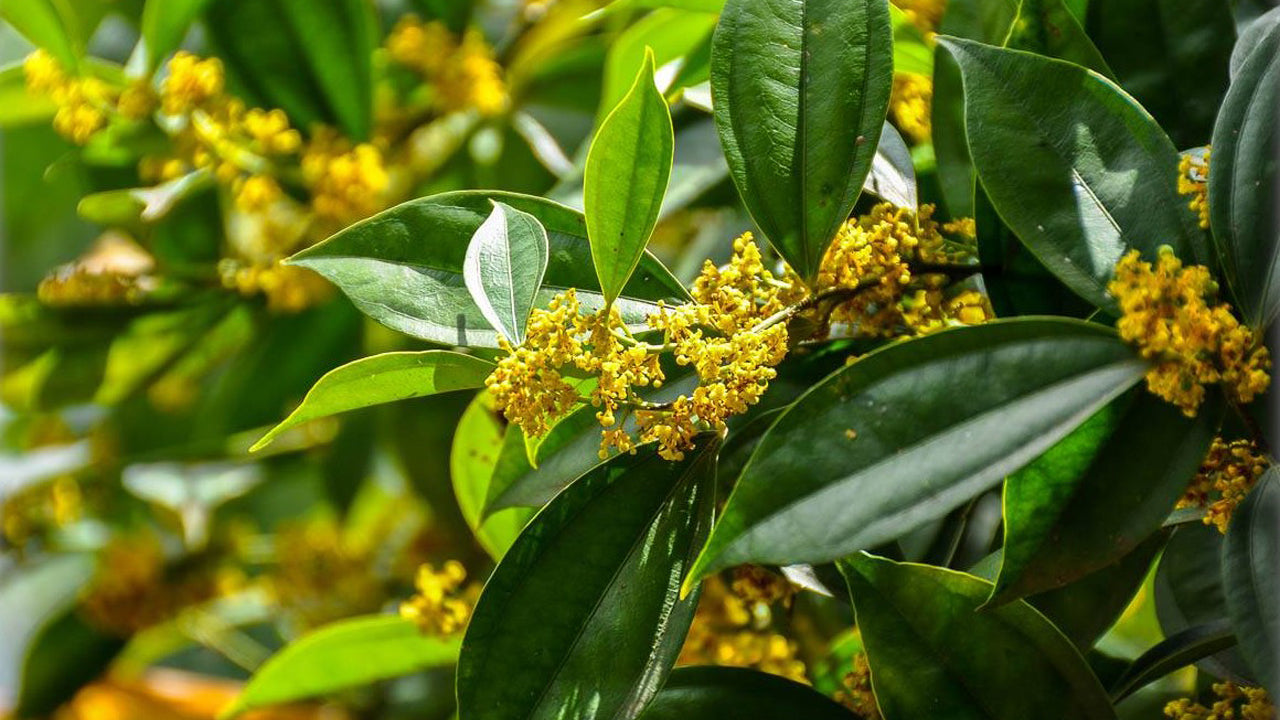
Ceylon cinnamon
Cinnamomum zeylanicum -
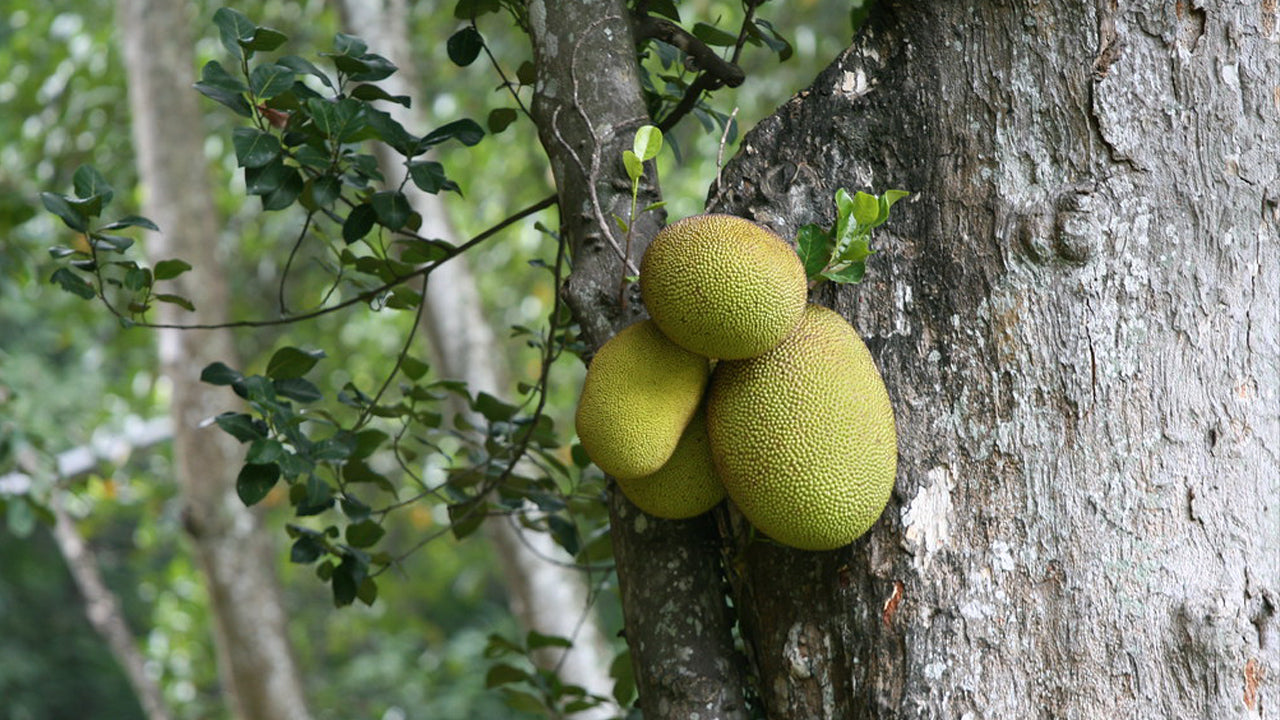
Jackfruit
Artocarpus heterophyllus -
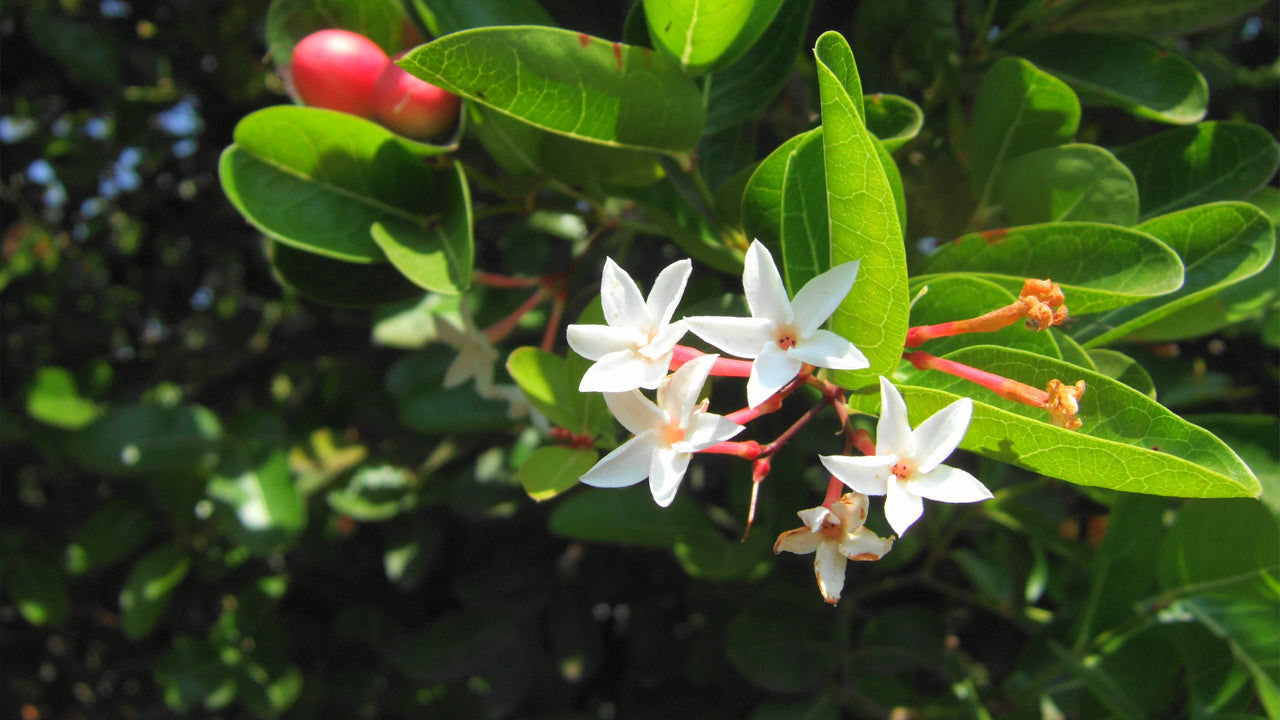
Karonda
Carissa carandas -
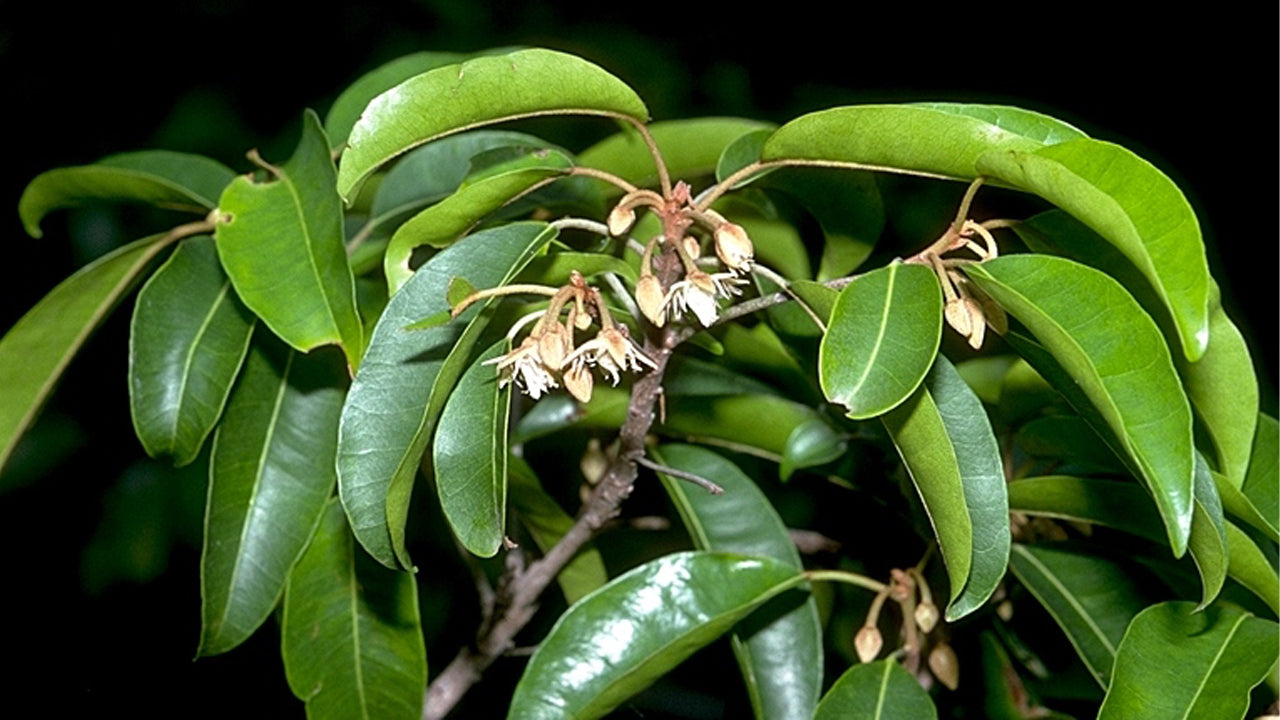
Spanish cherry
Mimusops elengi -
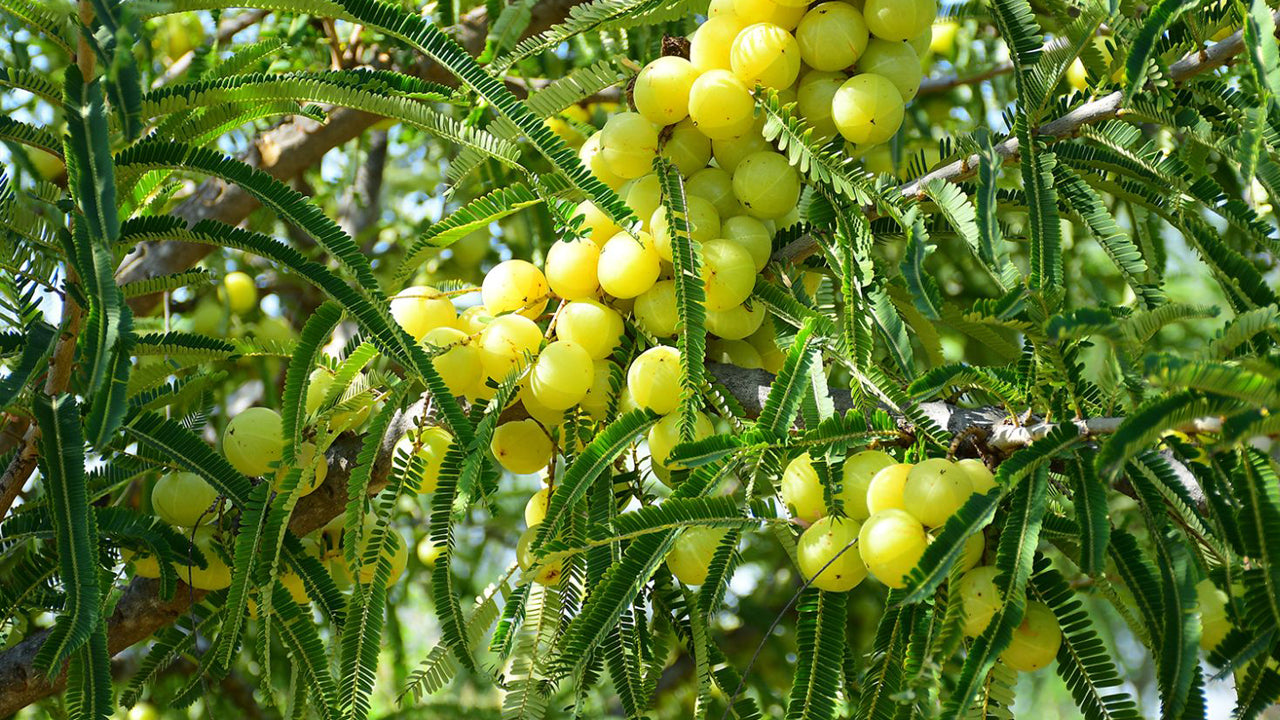
Indian gooseberry
Phyltanthus emblica -
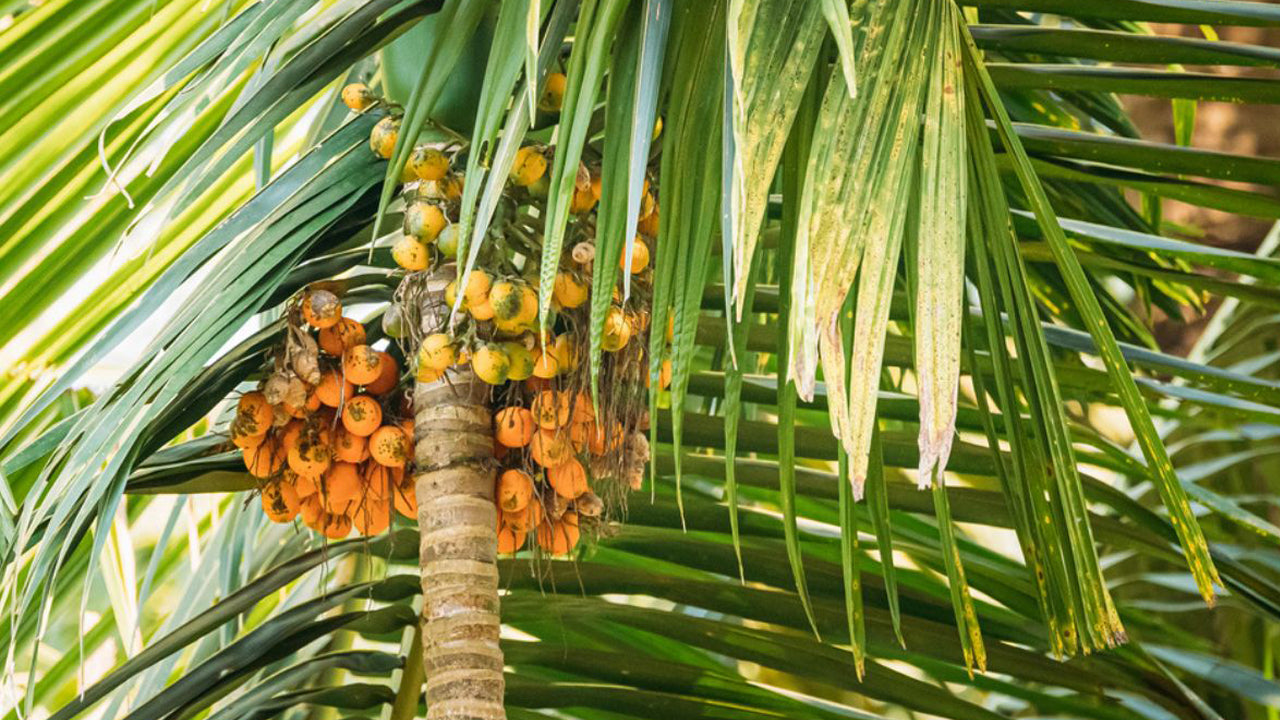
Betel palm
Areca catechu -
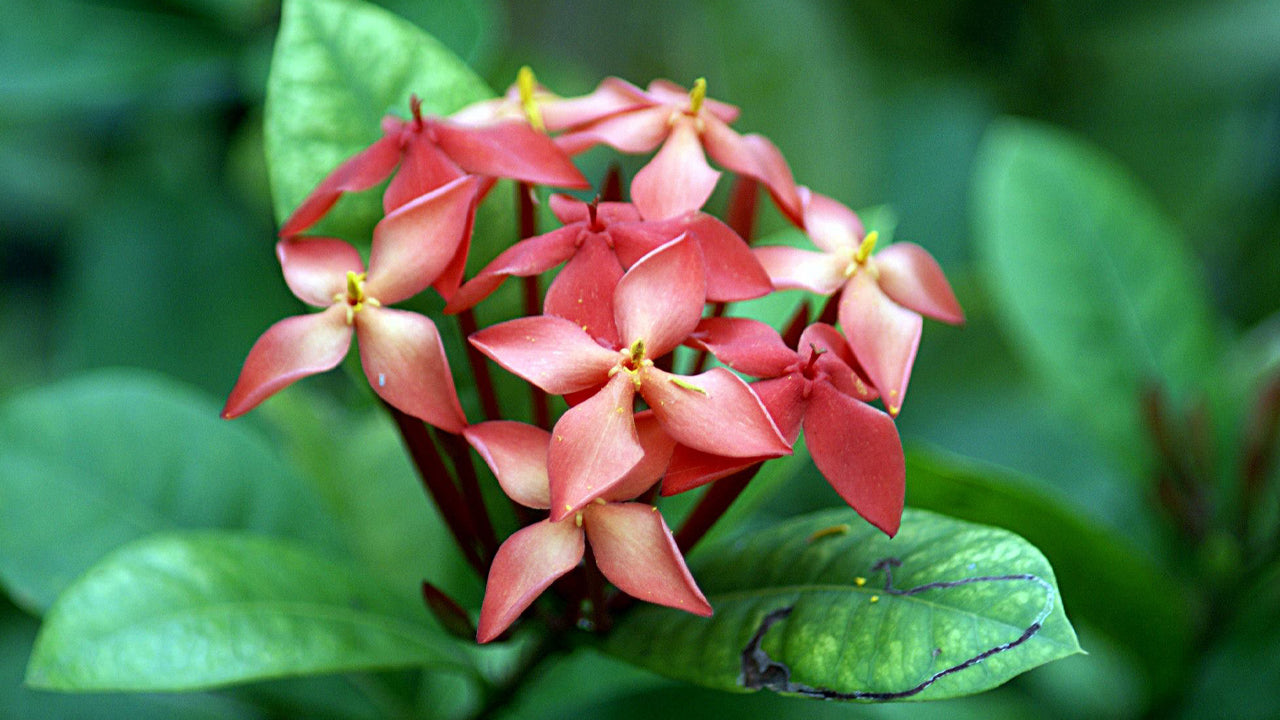
Jungle geranium
Ixora coccinea -
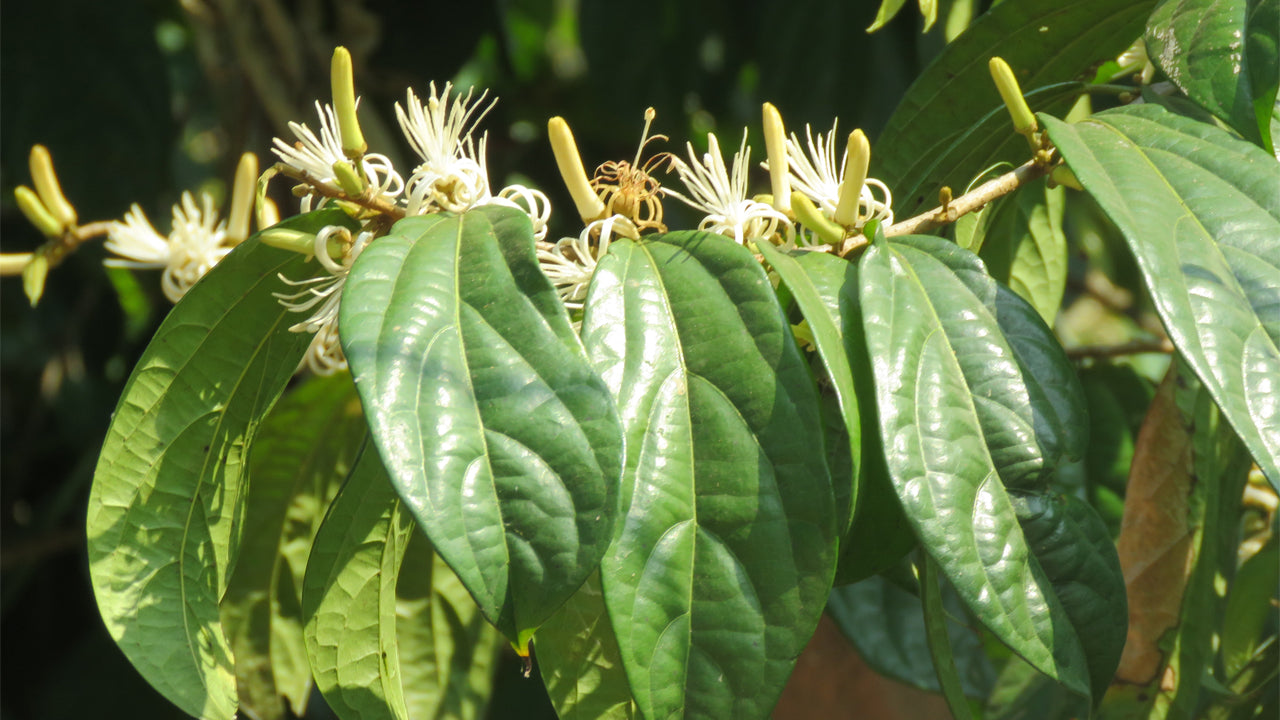
Sage-leaved alangium
Alangium salviifolium -
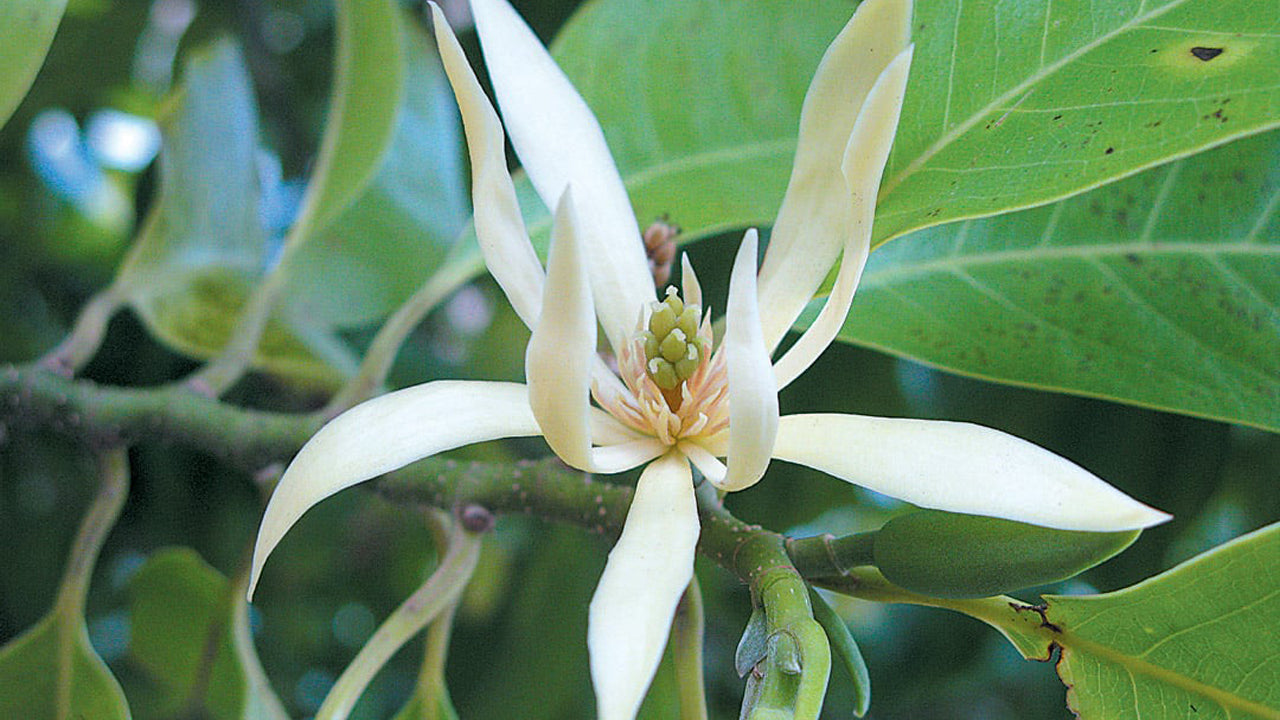
Champak
Michelia champaca -
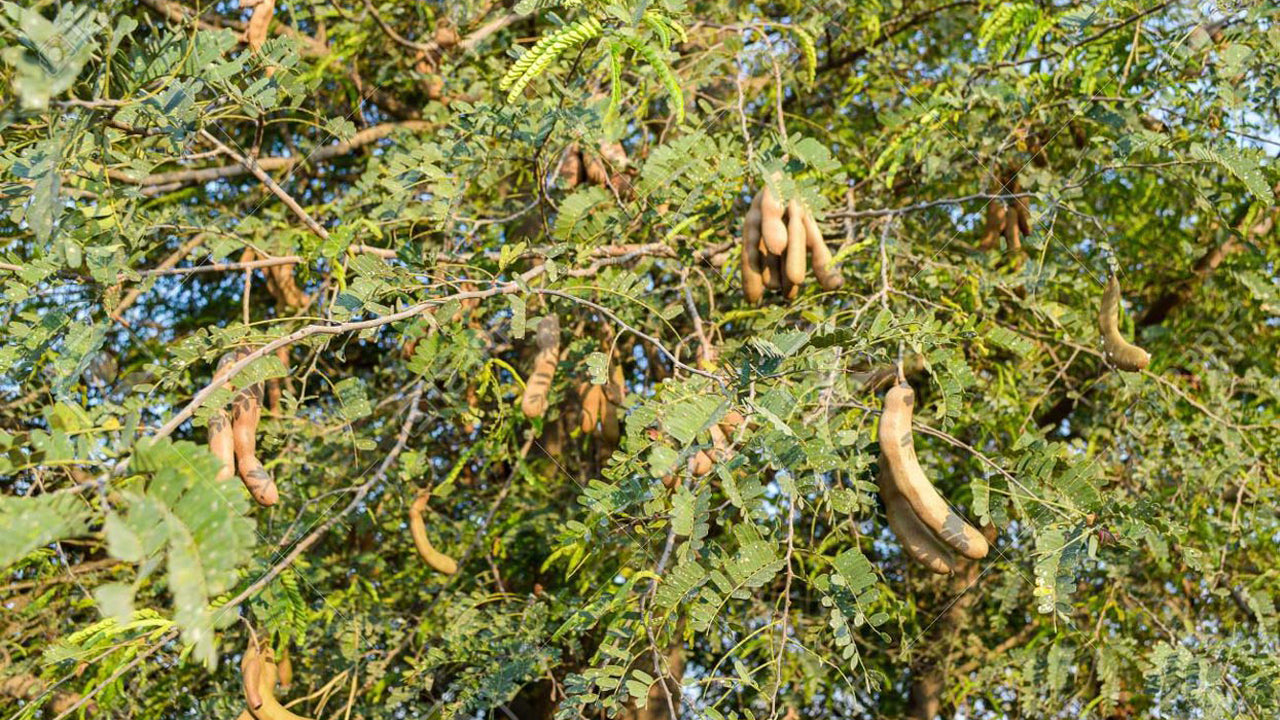
Tamarind
Tamarindus indica -
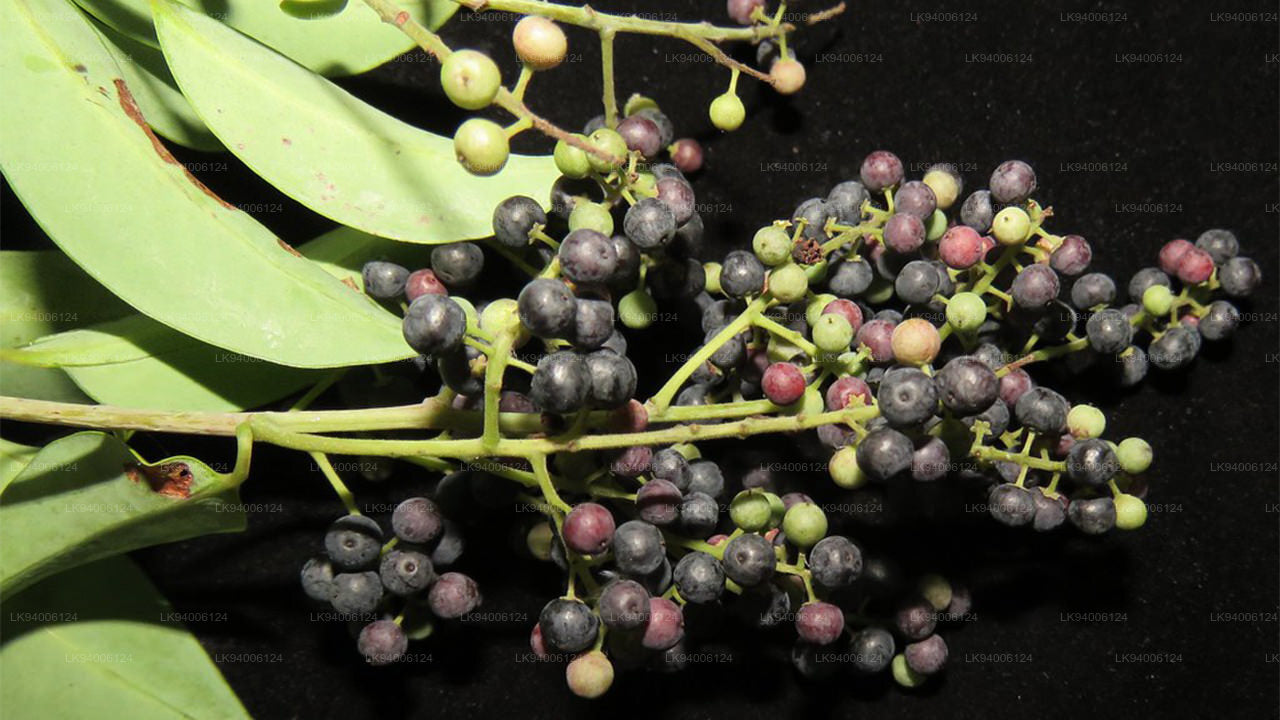
False Black Pepper
Embelia ribes -
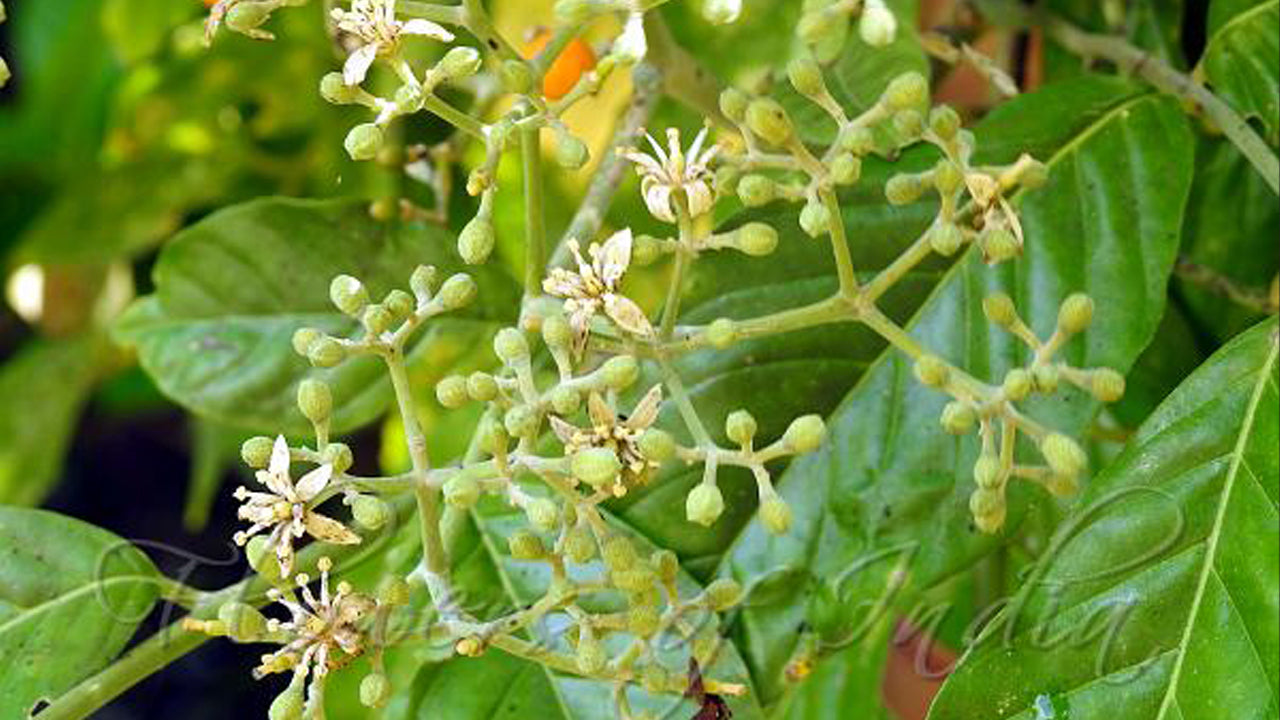
Limeberry
Micromelum ceylanicum -
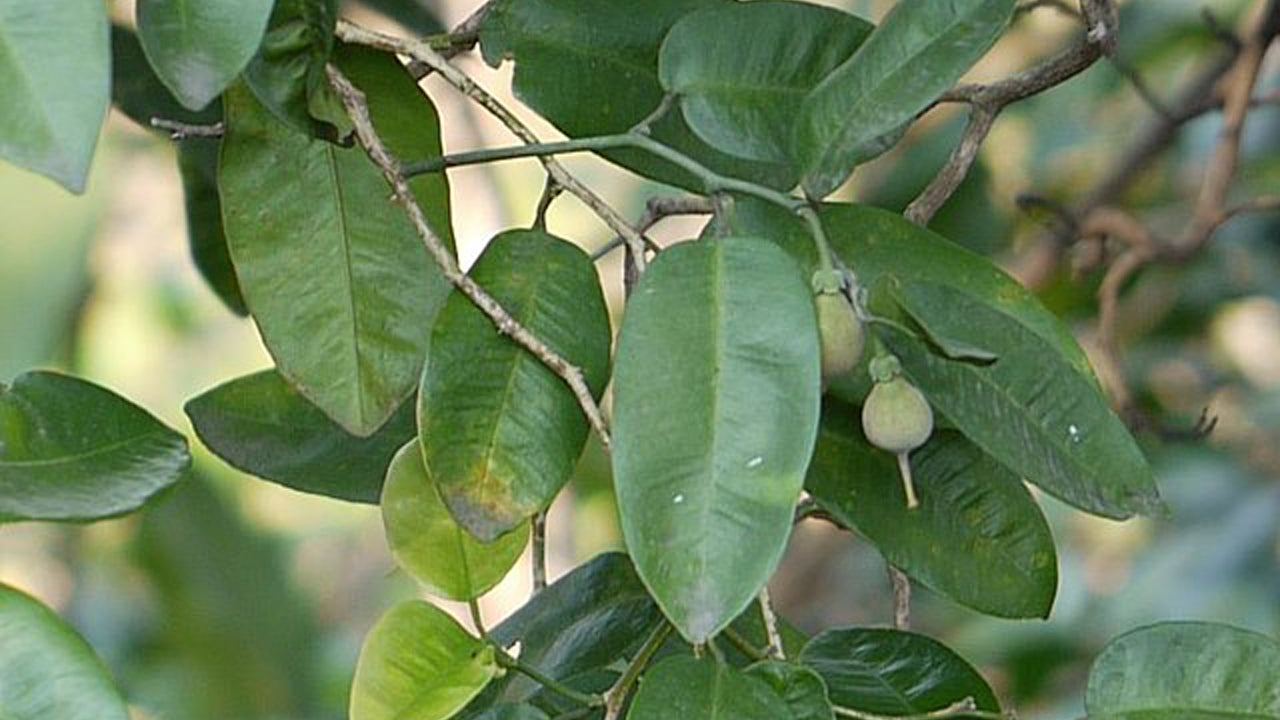
Climbing Atalantia
Paramignya monophylla





Ayurvedic and Herbal
-
Link Swastha Triphala
Regular price From $1.74 USDRegular price$1.93 USDSale price From $1.74 USDSale -
Sethsuwa Pranajeewa Oil
Regular price From $3.85 USDRegular price$4.28 USDSale price From $3.85 USDSale -
Link Mahanarayana Oil
Regular price From $0.93 USDRegular price$1.11 USDSale price From $0.93 USDSale -
Link Sudarshana Tablets
Regular price From $3.70 USDRegular price$4.11 USDSale price From $3.70 USDSale