Gossypium arboreum


Gossypium arboreum, known locally as Kapu Kaha or Desi cotton, has a long history in Sri Lanka's traditional agriculture and indigenous medicine. Before the widespread use of imported cotton varieties, this hardy cotton plant was grown in home gardens and dry-zone areas for its fiber as well as its medicinal value.
In Sri Lankan Ayurveda and Deshiya Chikitsa, different parts of Gossypium arboreum—especially the roots, bark, leaves, and flowers—are used in herbal preparations. It is valued for its cooling, anti-inflammatory, and strengthening properties, and is commonly included in remedies for gynecological conditions, urinary disorders, and heat-related imbalances in the body.
Beyond medicine, the plant also played a role in rural livelihoods. Its cotton fiber, though coarser than modern varieties, was traditionally hand-spun and woven for household use. Today, Gossypium arboreum is increasingly recognized for its cultural, medicinal, and ecological importance, supporting renewed interest in native plant conservation and sustainable herbal practices in Sri Lanka.


-
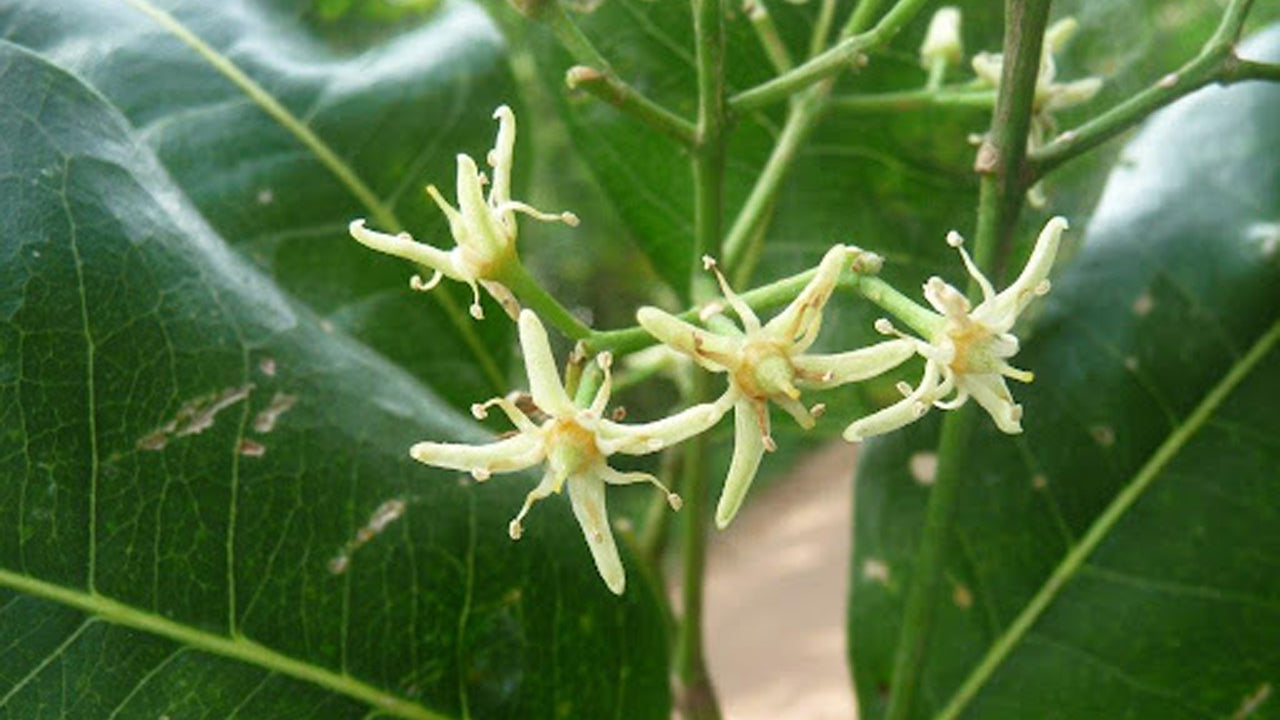
Claw-flowered laurel
Acronychia pedunculata -
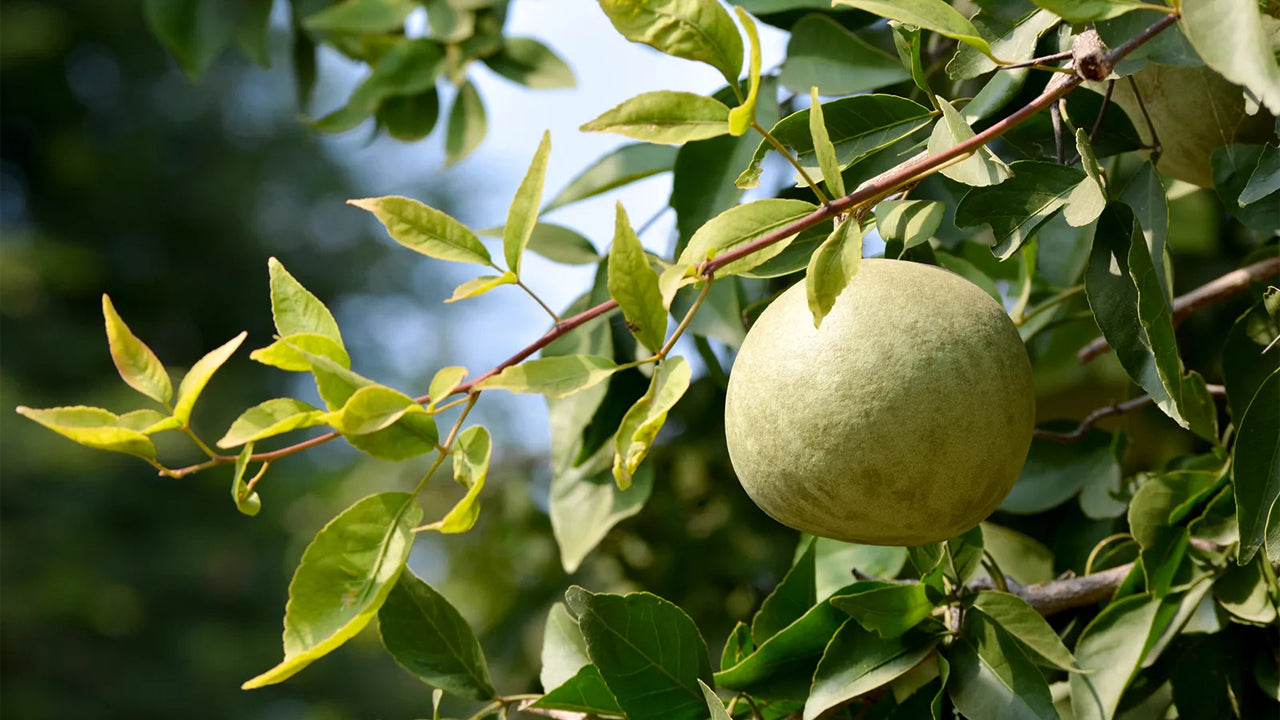
Bael
Aegle marmelos -
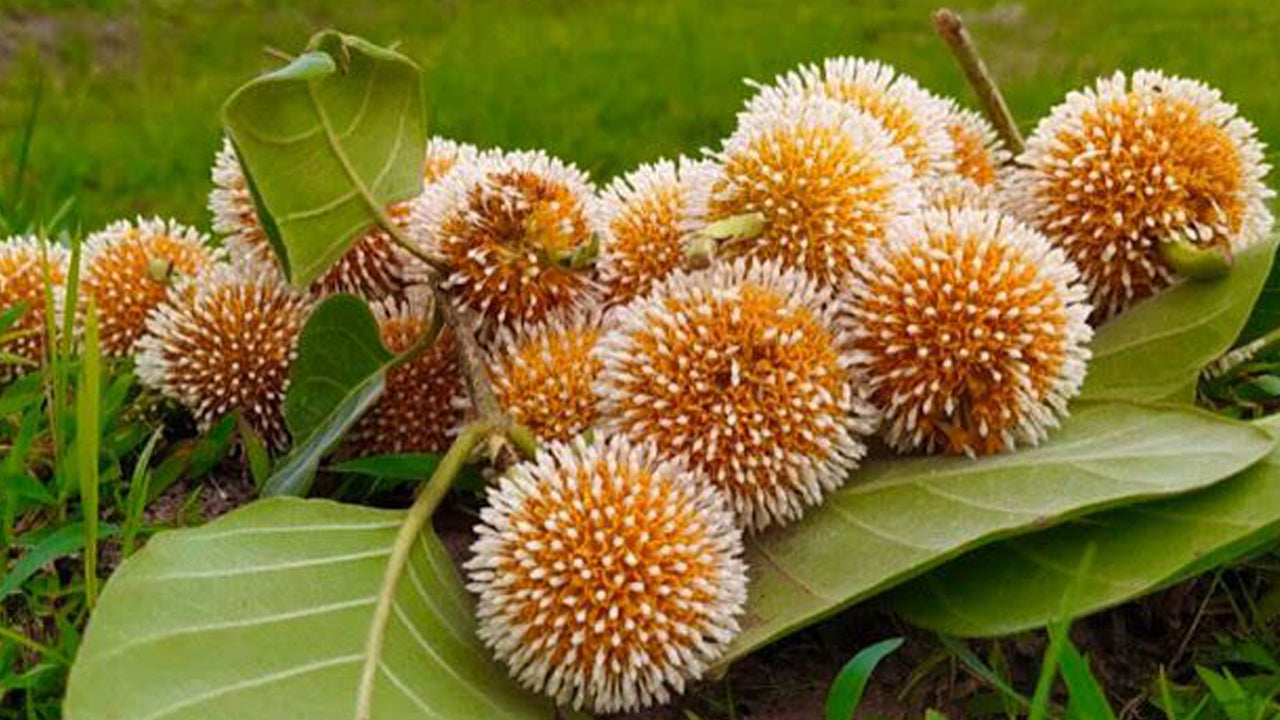
Leichhardt tree
Nauclea orientalis -
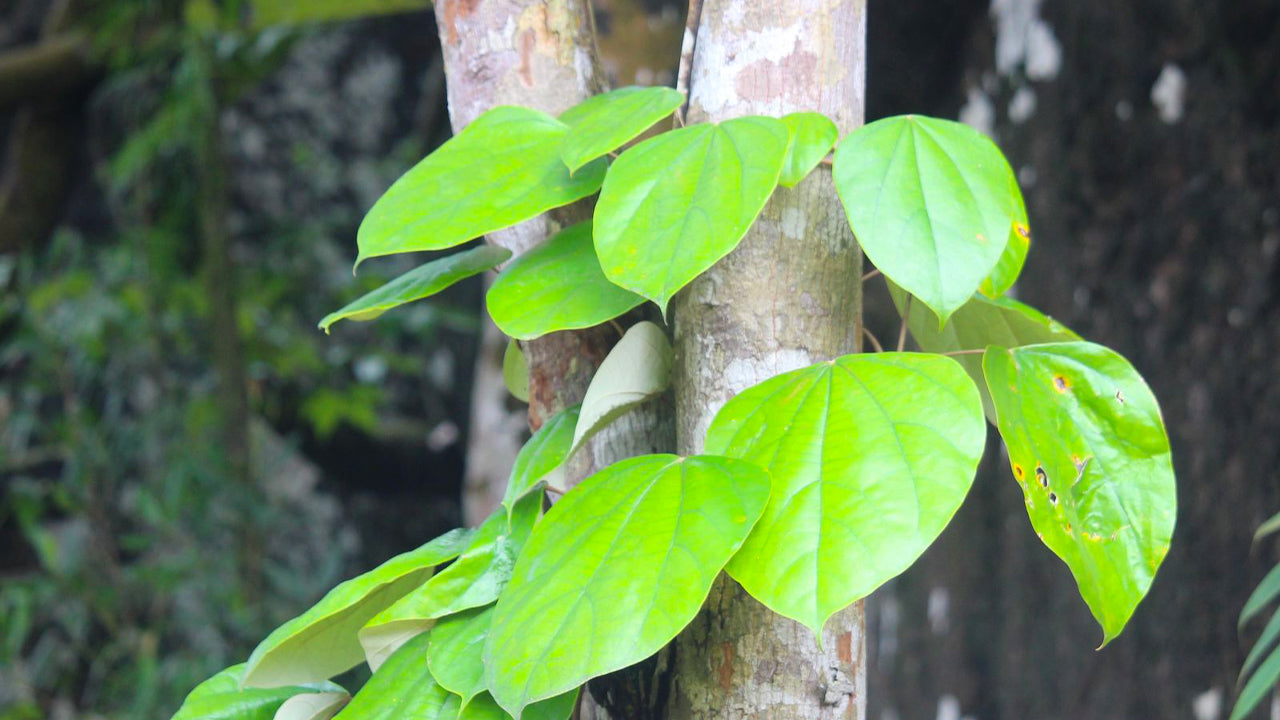
False Calumba
Coscinium fenestratum -

Malabar Gulbel
Tinospora malabarica -
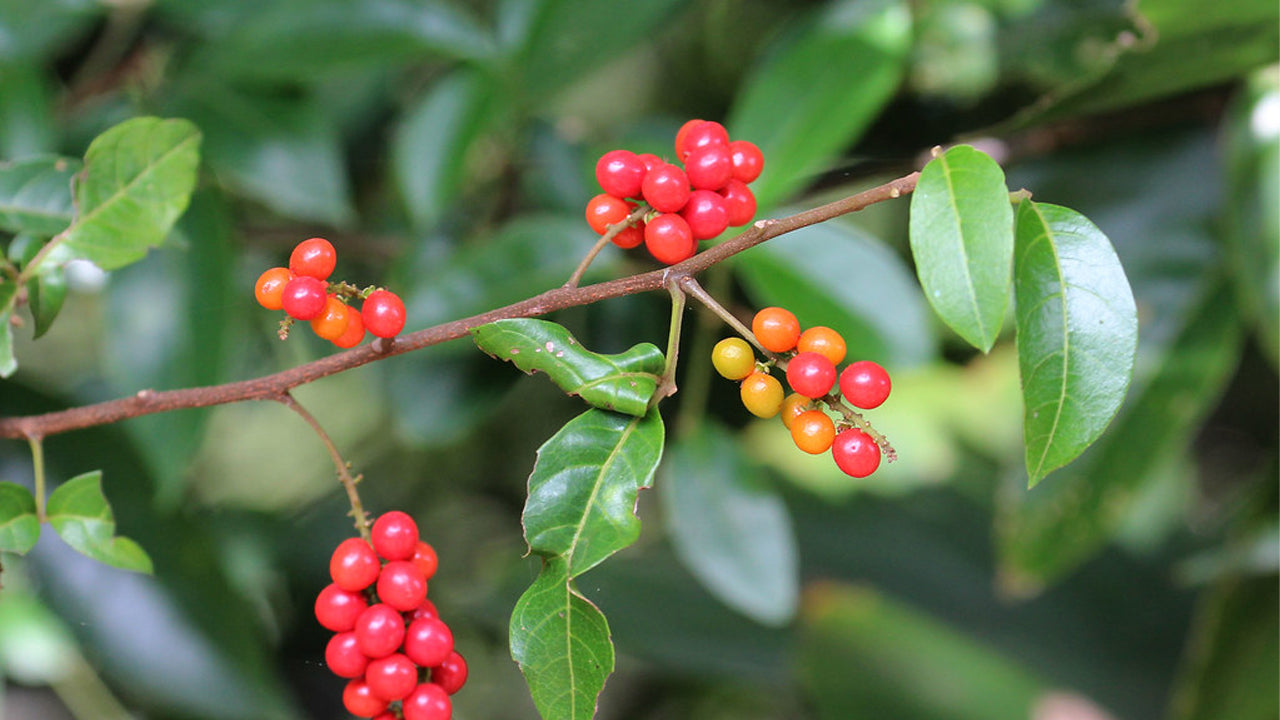
Titberry
Allophylus cobbe -
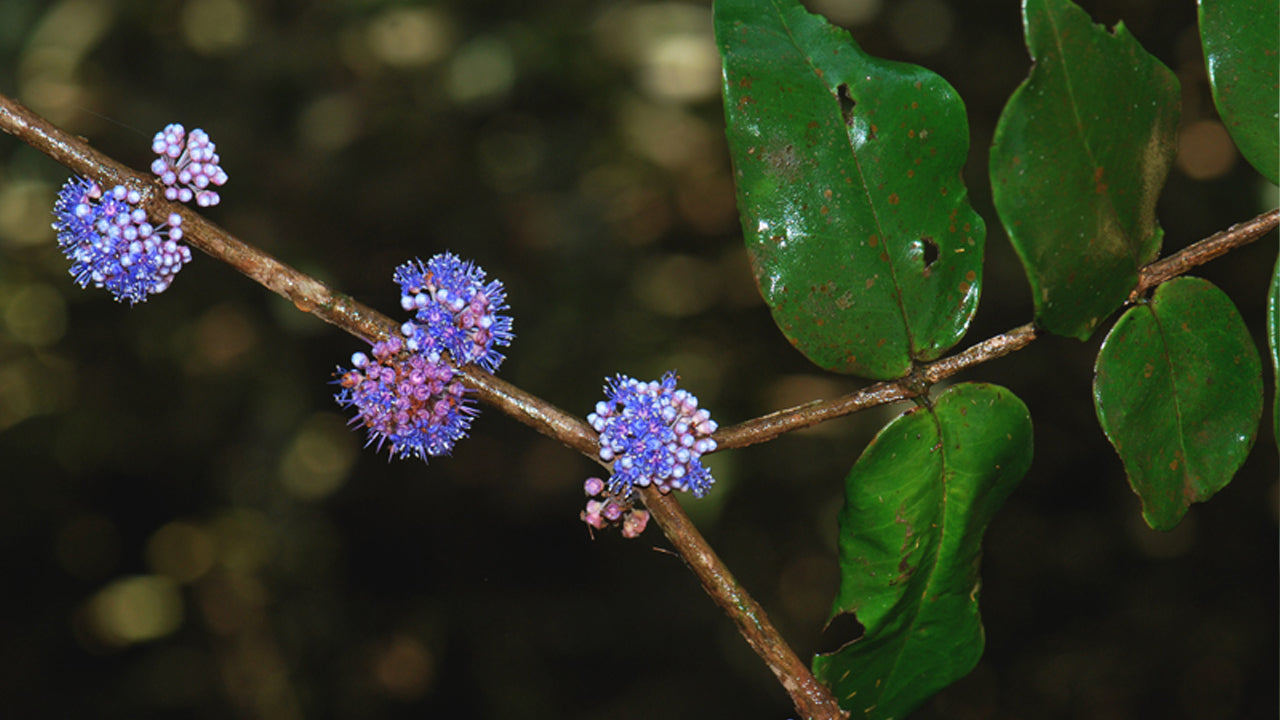
Ironwood Tree
Memecylon capitellatum -
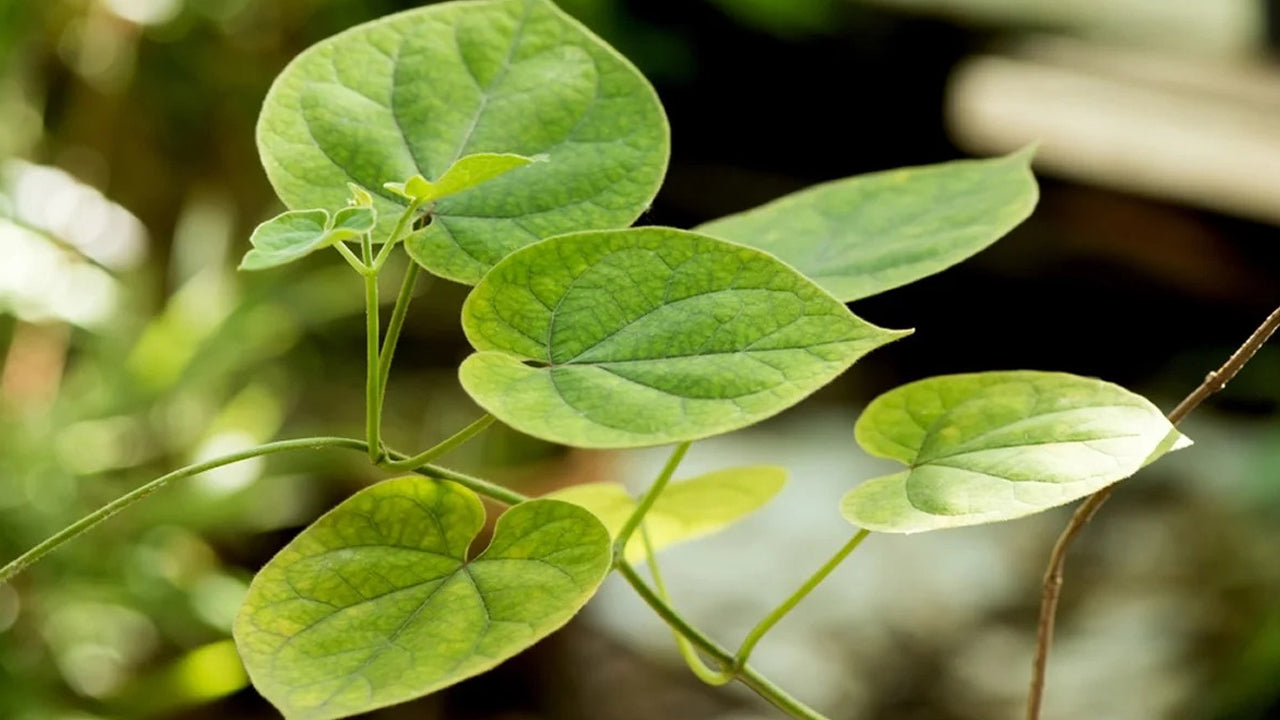
Velvet Leaf
Cissampelos pareira -
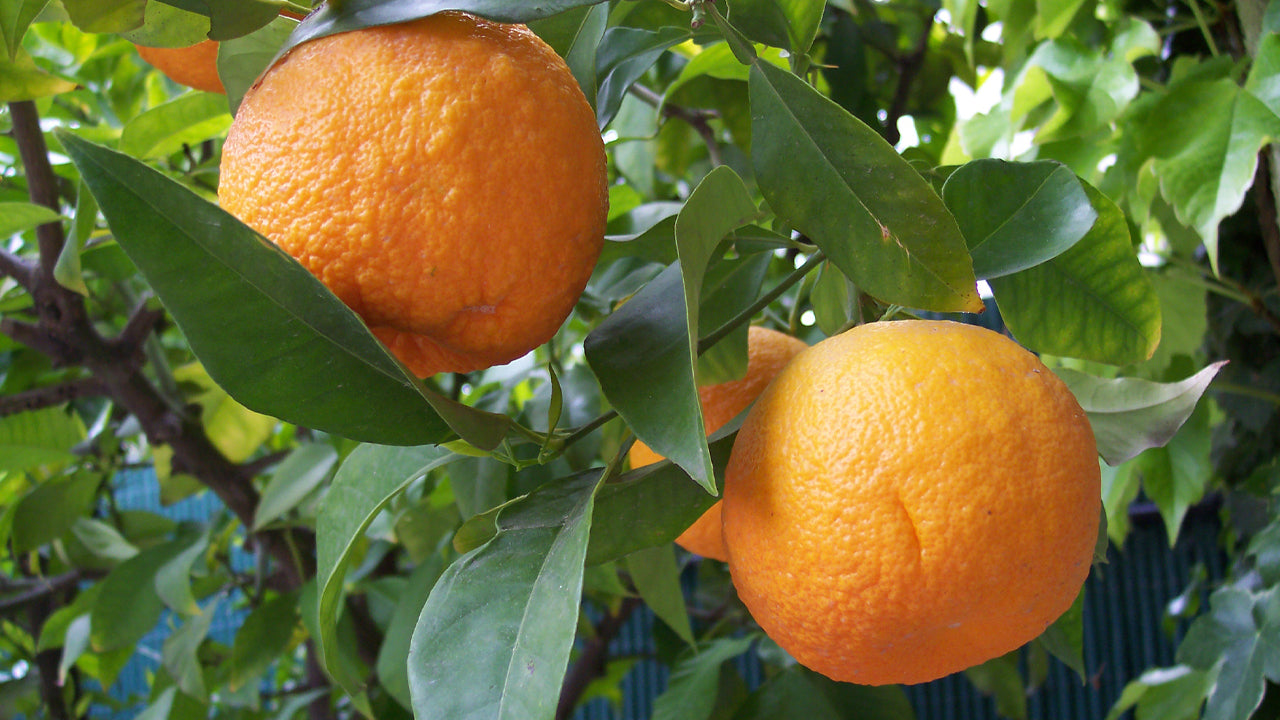
Bitter orange
Citrus aurantium -

Reinwardt's Tree Plant
Biophytun reinward -
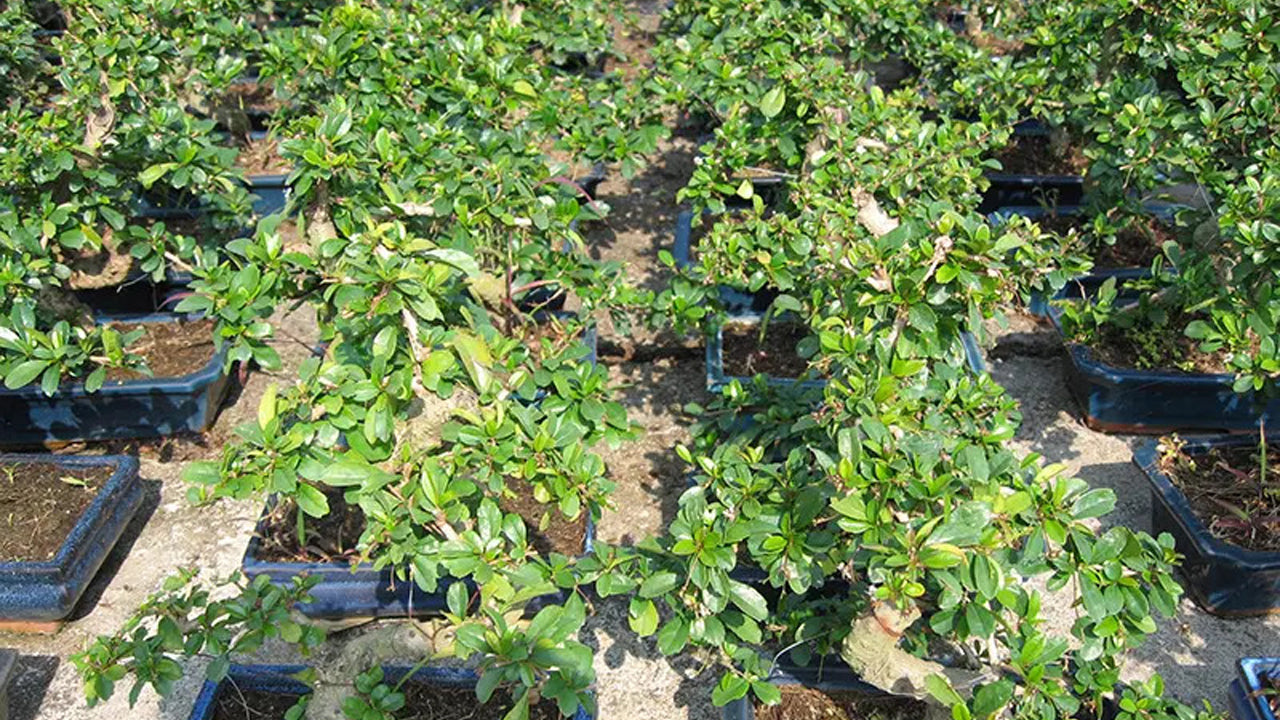
Fukien tea
Carmona microphylla -
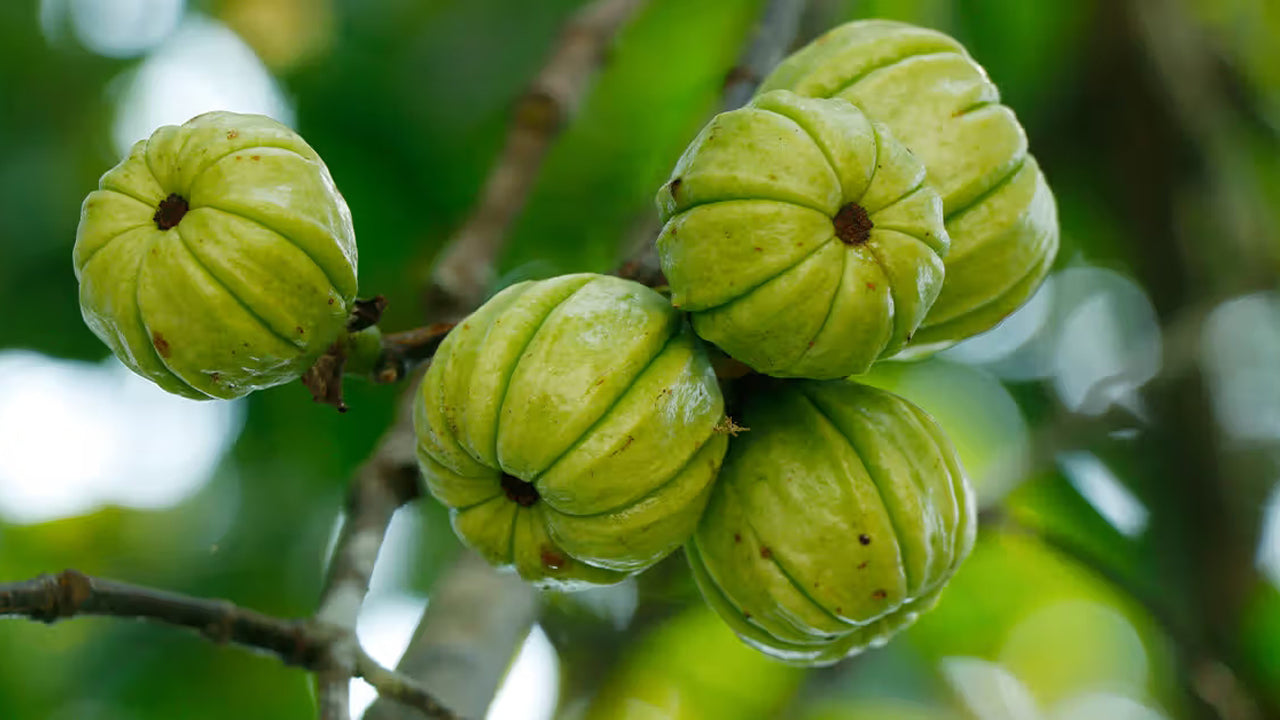
Malabar tamarind
Garcinia cambogia -
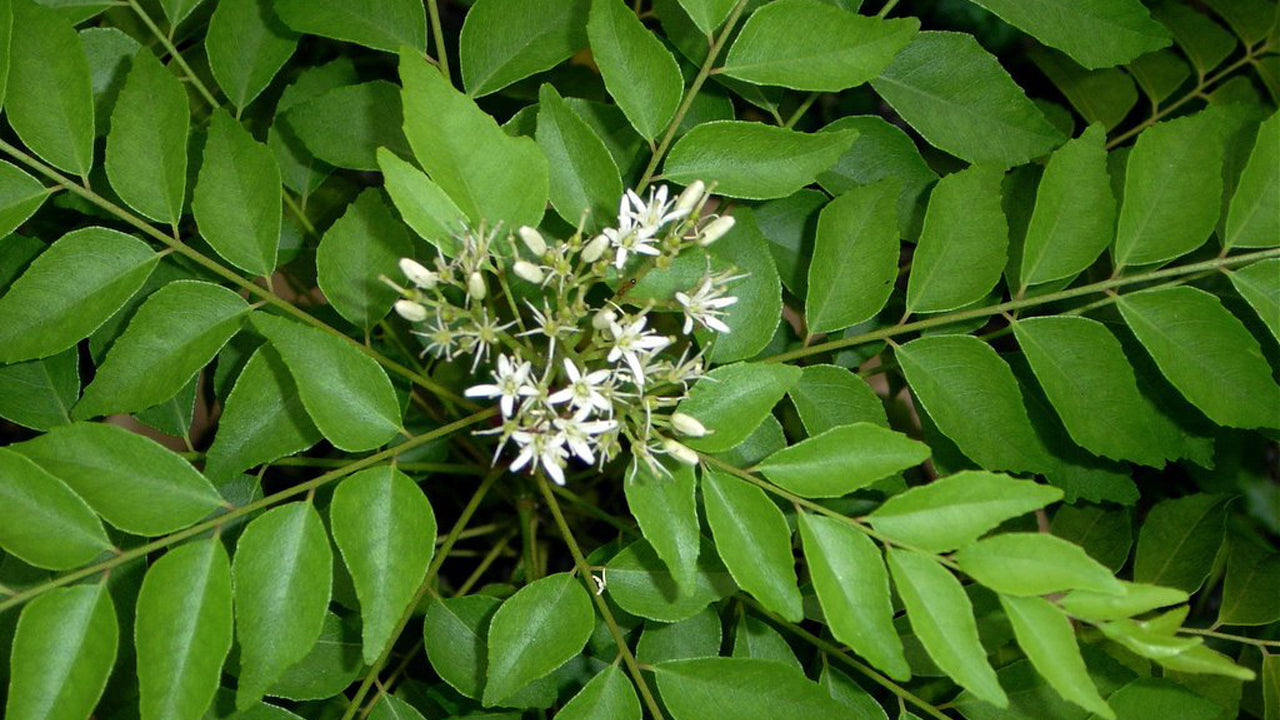
Curry leaf tree
Murraya koenigii -
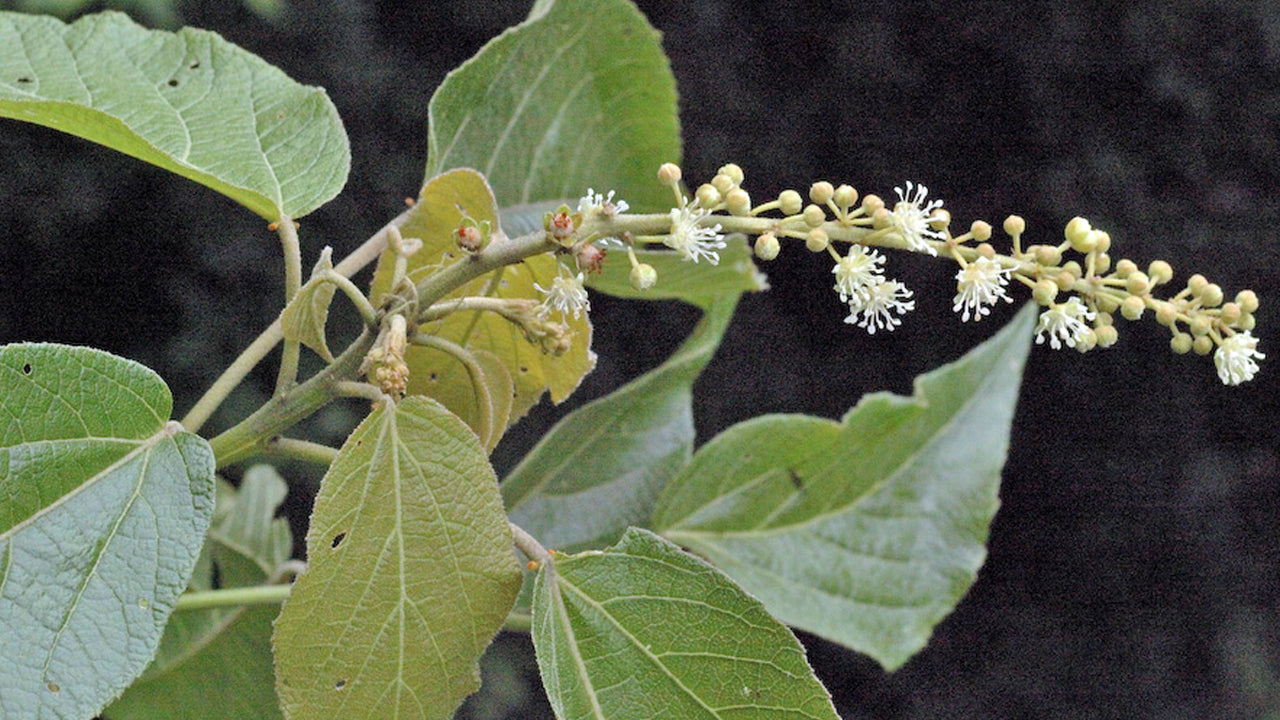
Kappetiya
Croton laccifer -
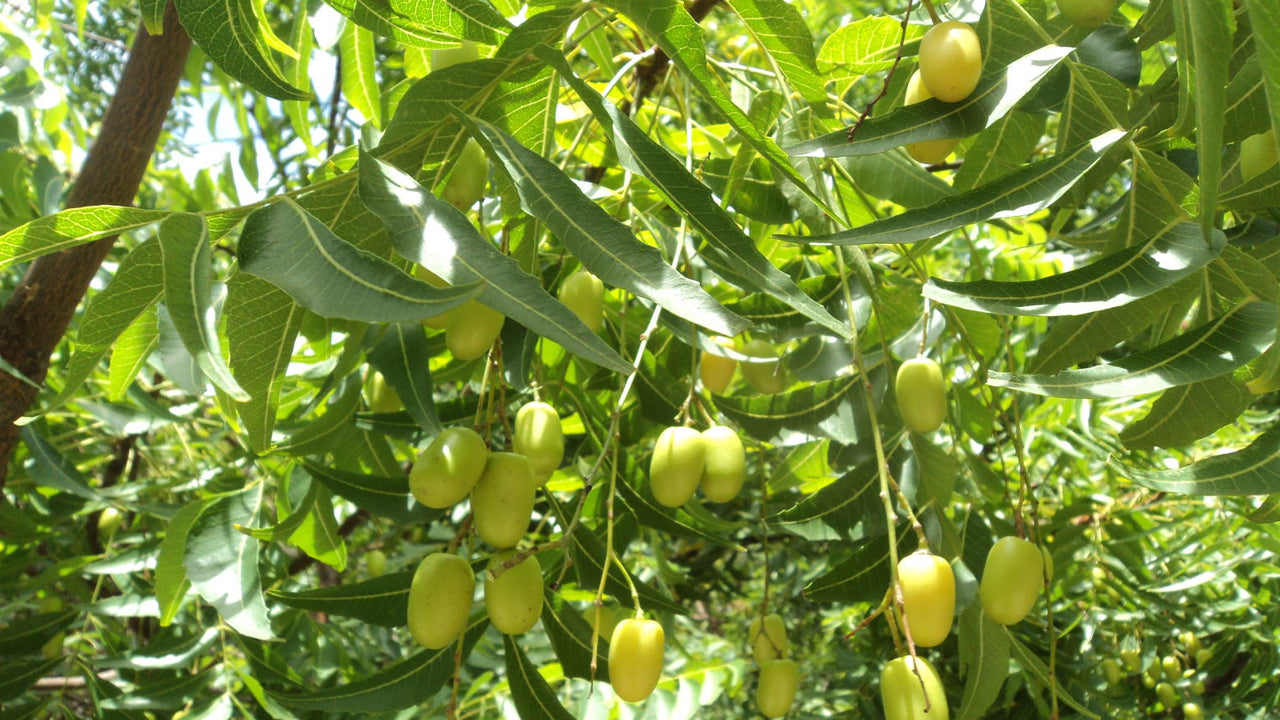
Indian lilac
Azadirachta indica -
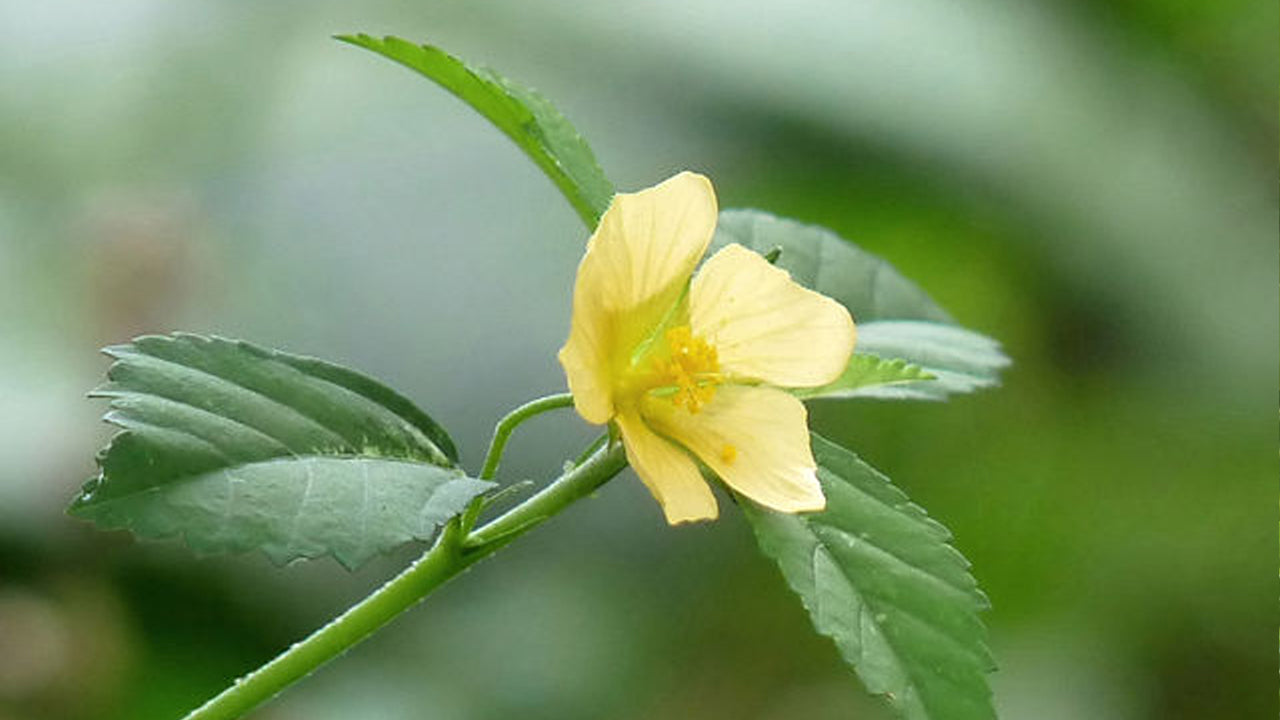
Spiny sida
Sida alba -
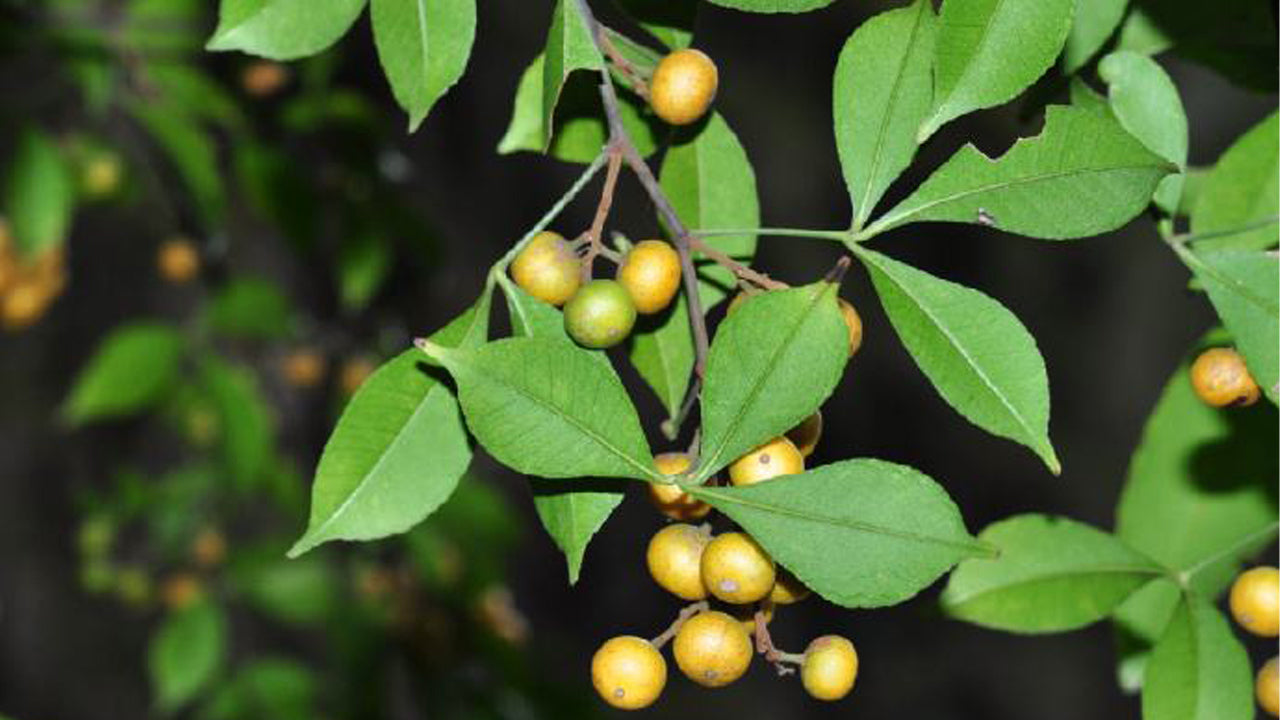
Orange climber
Toddlia asiatica -
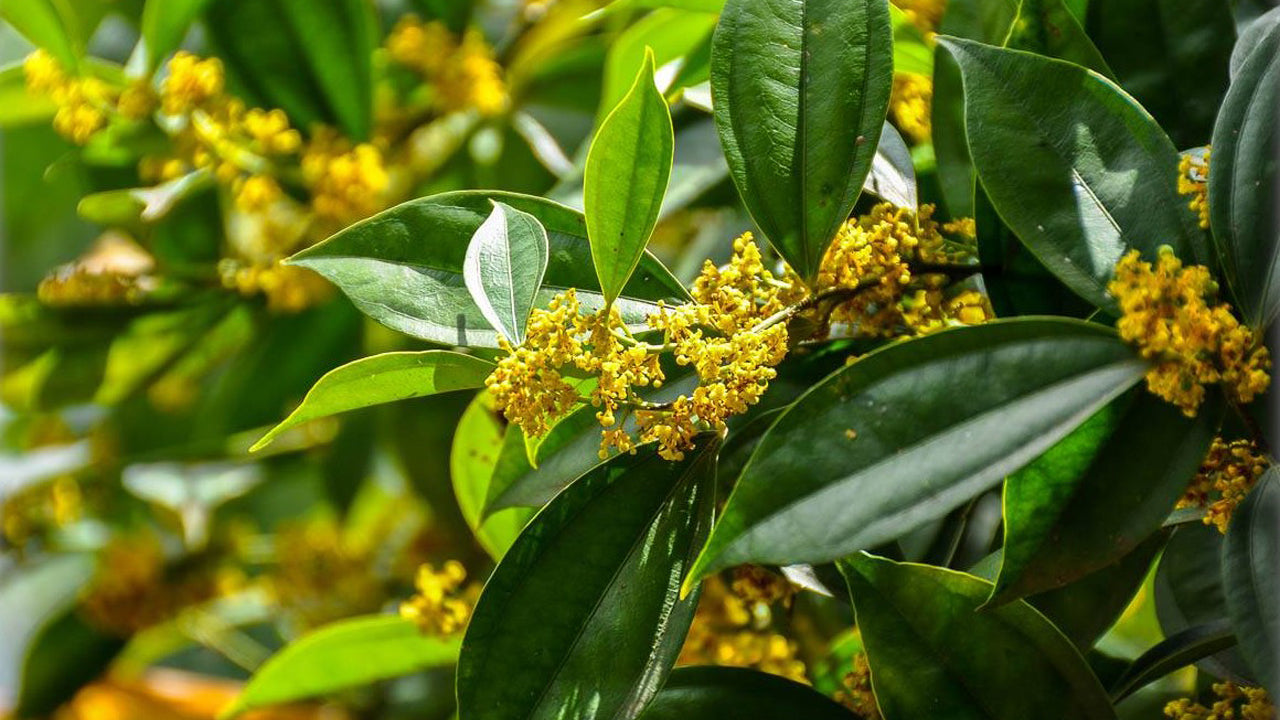
Ceylon cinnamon
Cinnamomum zeylanicum -
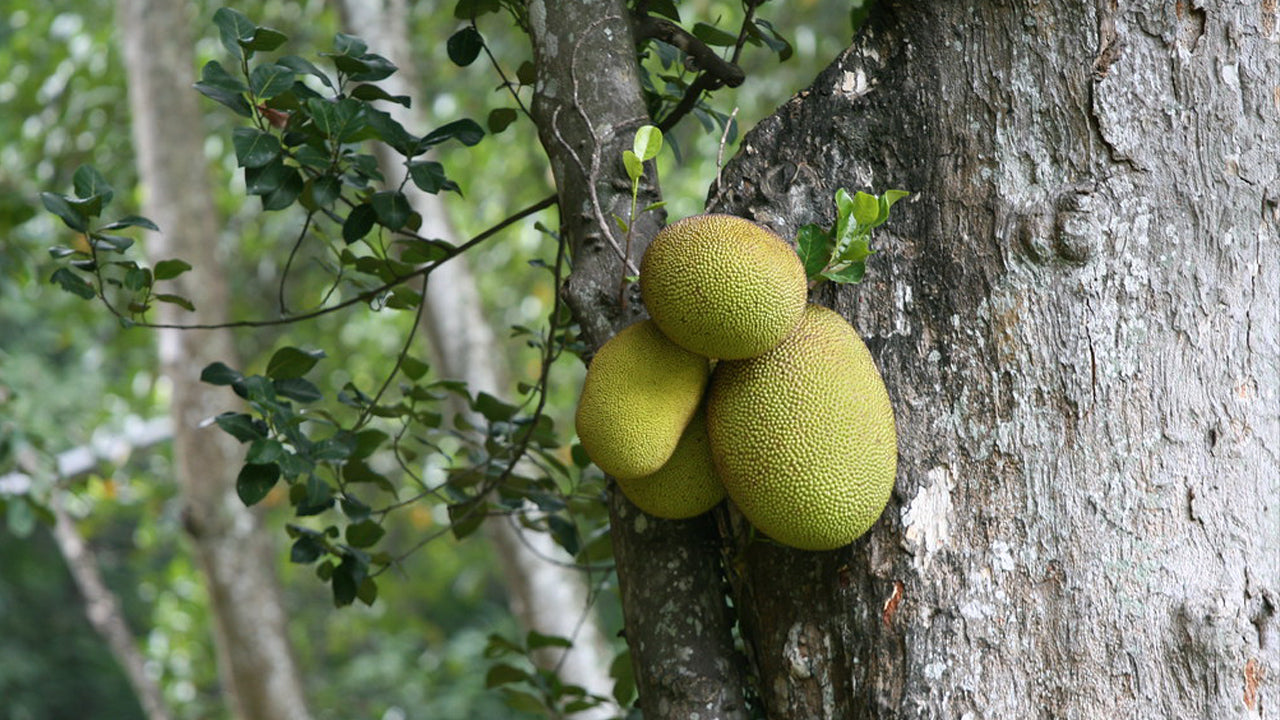
Jackfruit
Artocarpus heterophyllus -
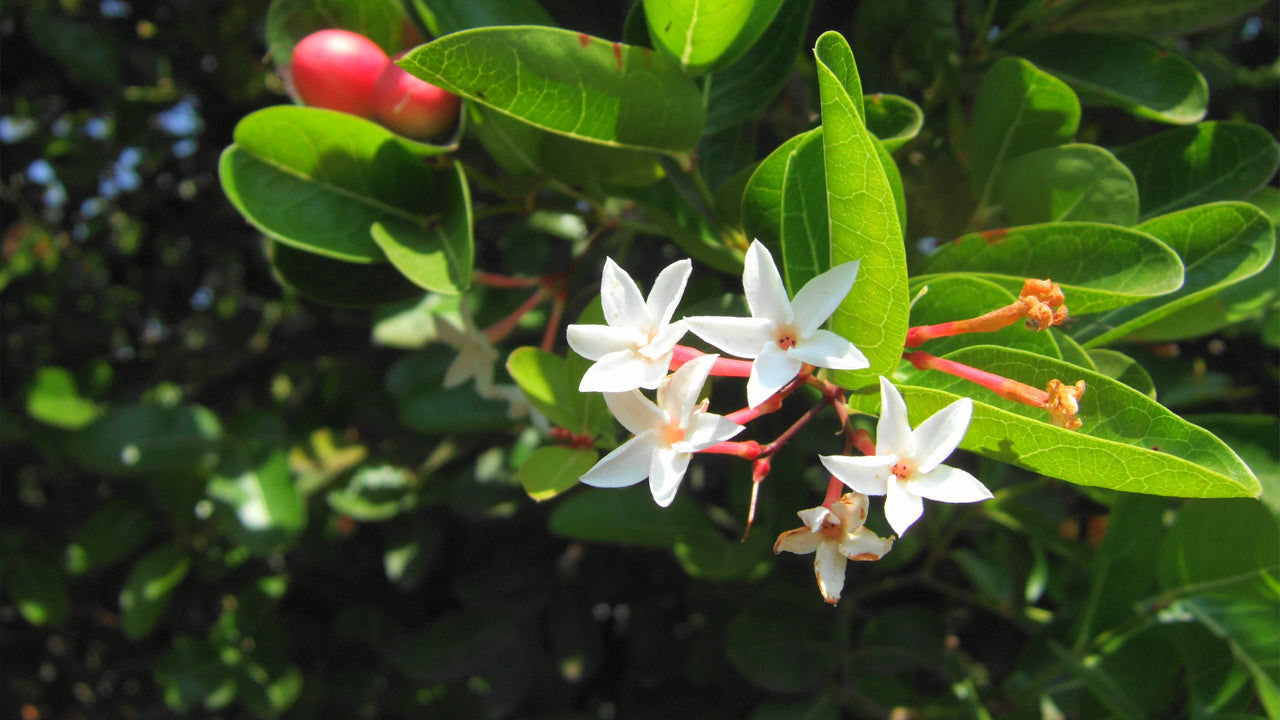
Karonda
Carissa carandas -
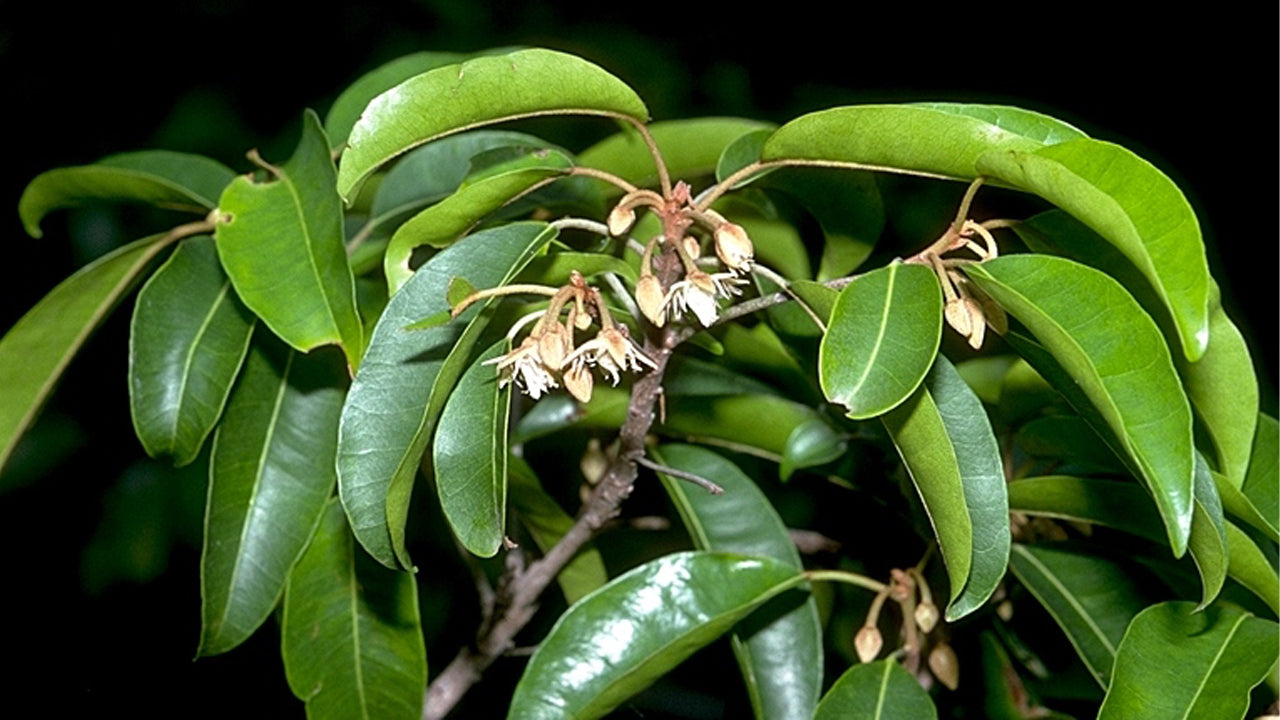
Spanish cherry
Mimusops elengi -
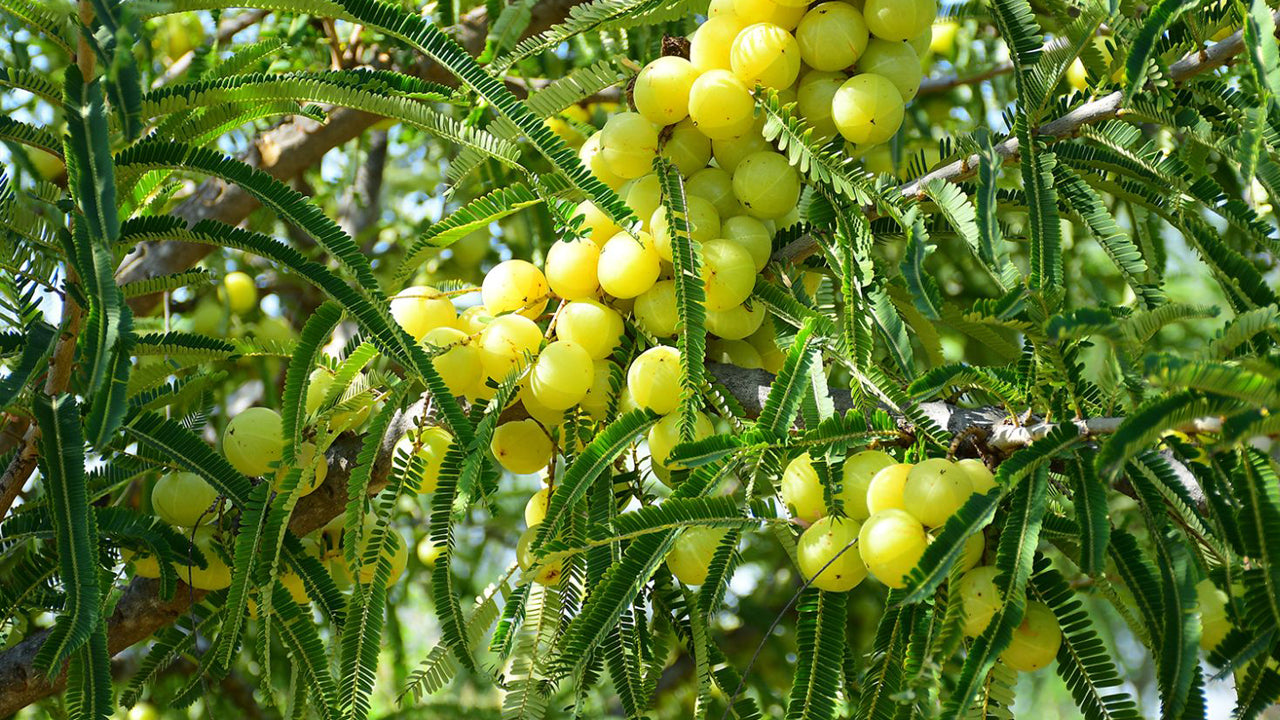
Indian gooseberry
Phyltanthus emblica -
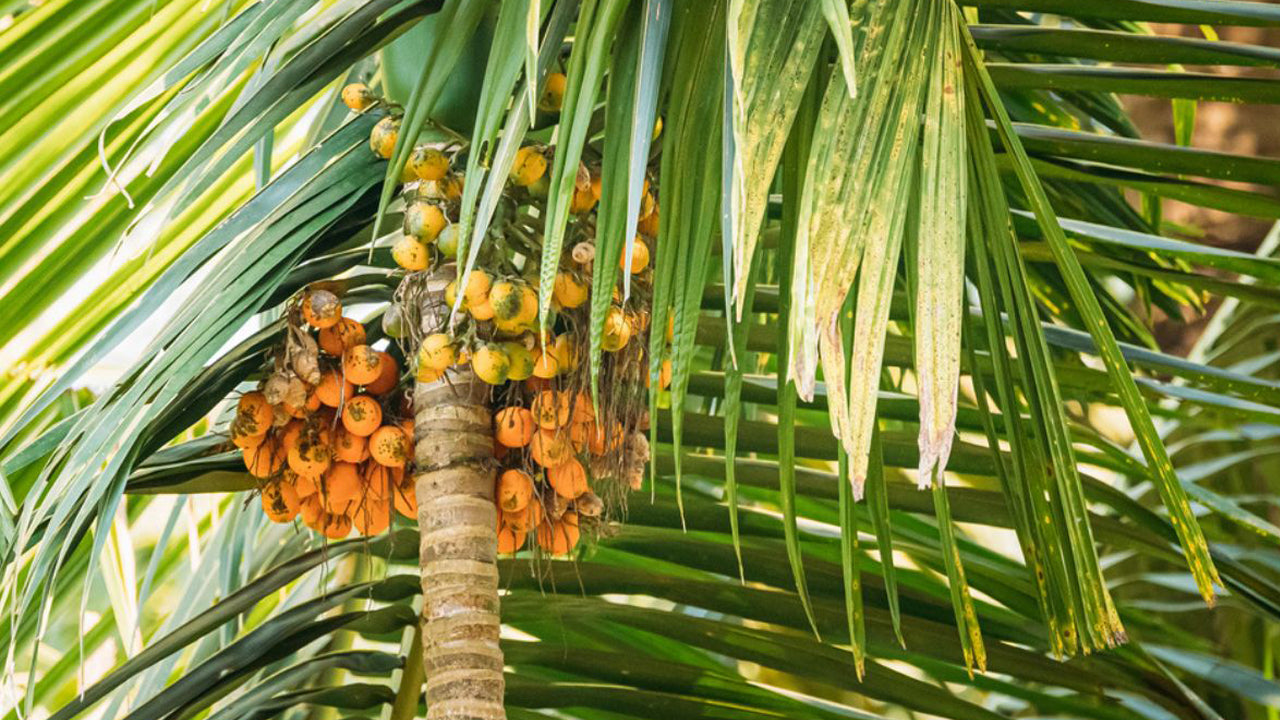
Betel palm
Areca catechu -
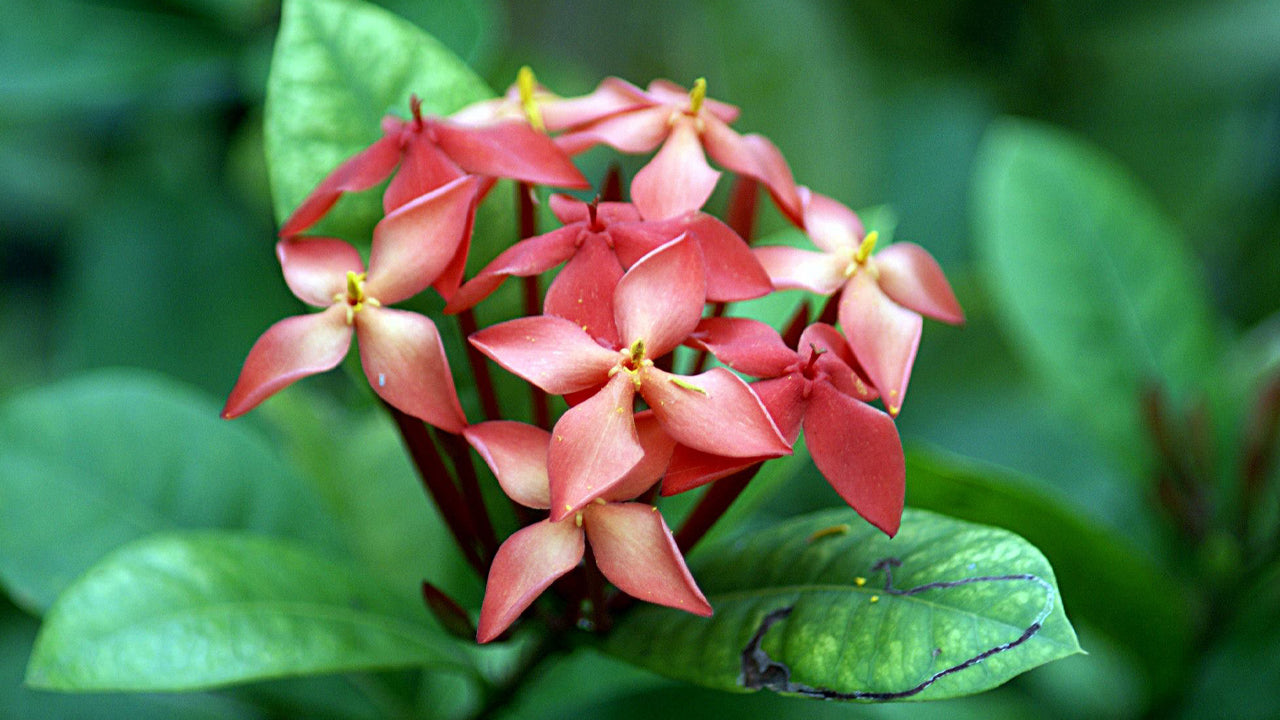
Jungle geranium
Ixora coccinea -
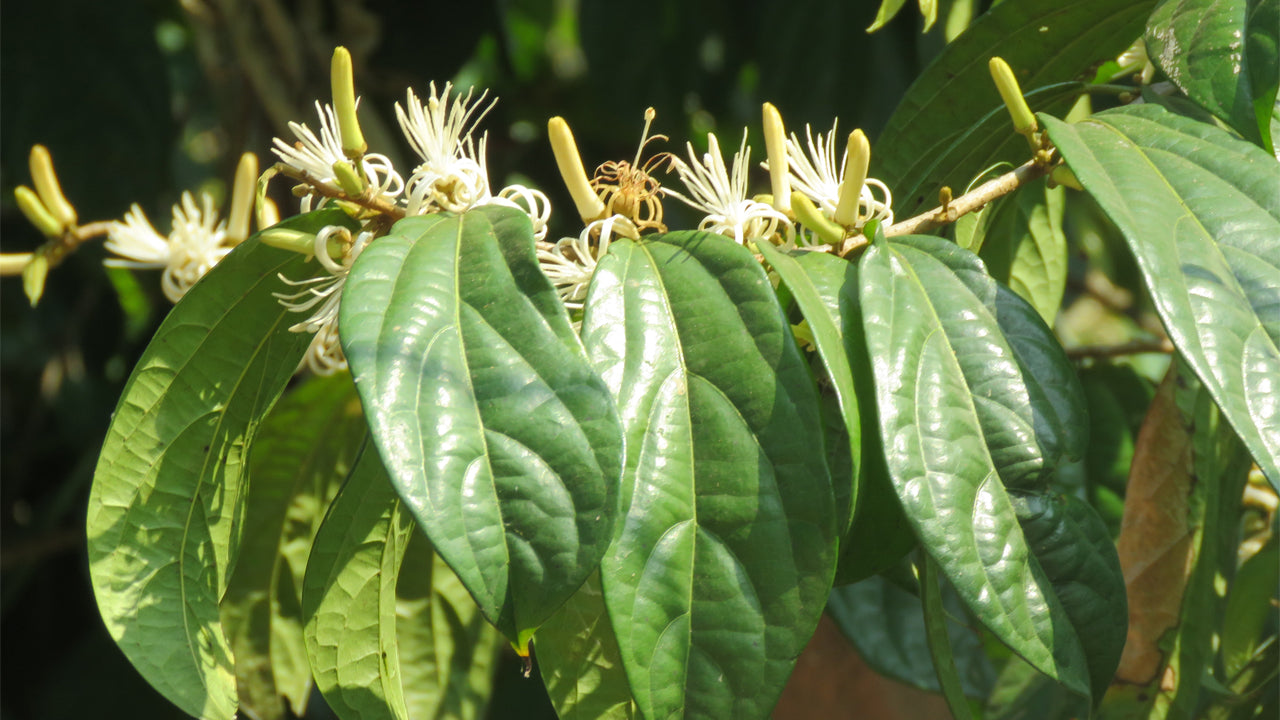
Sage-leaved alangium
Alangium salviifolium -
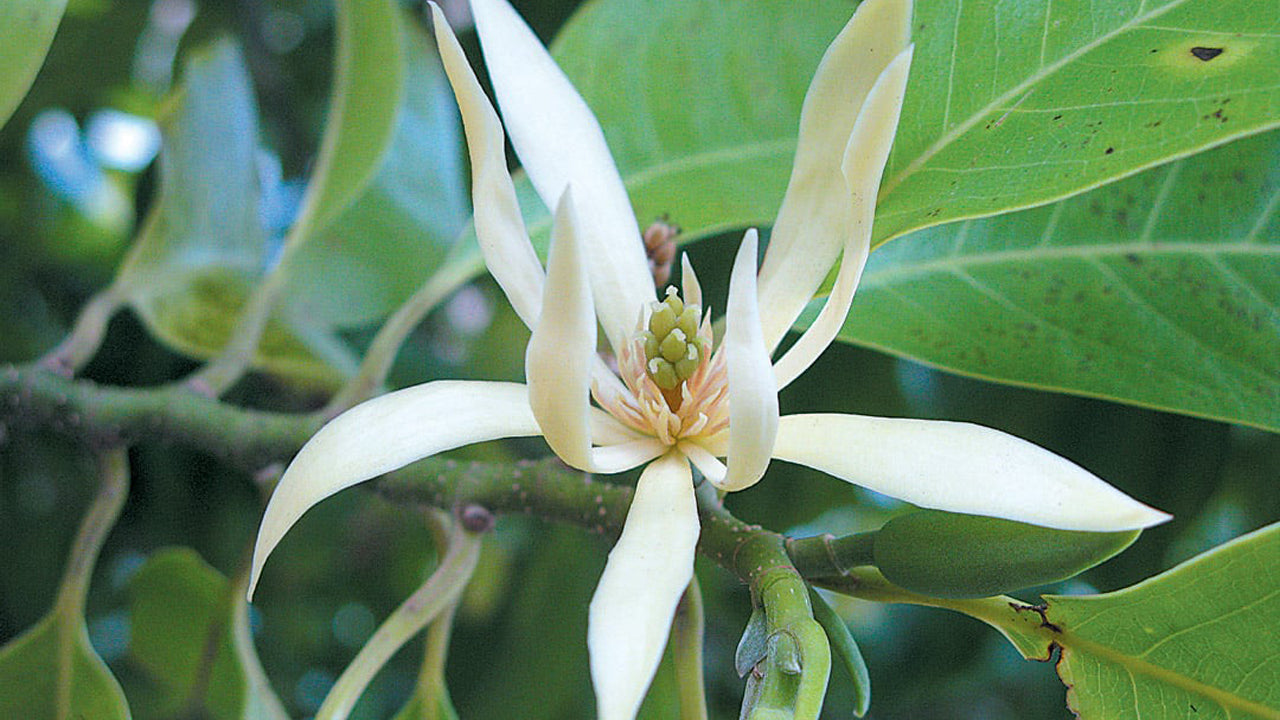
Champak
Michelia champaca -
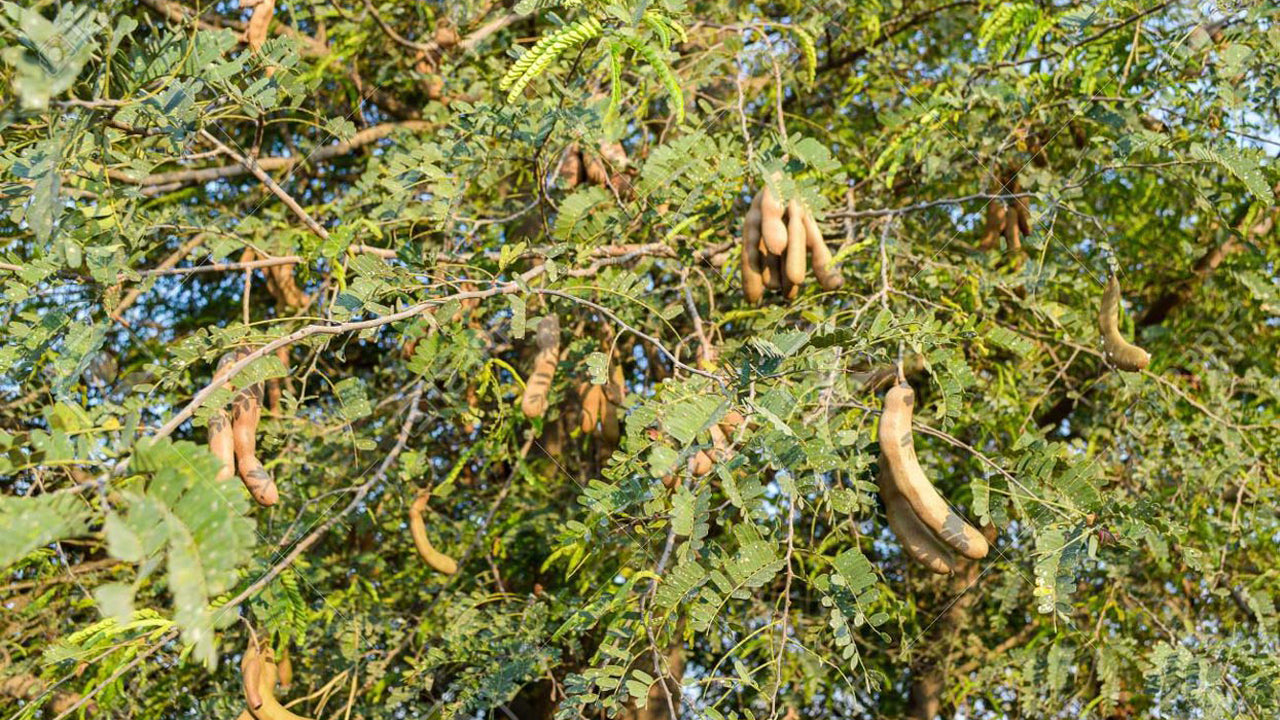
Tamarind
Tamarindus indica -
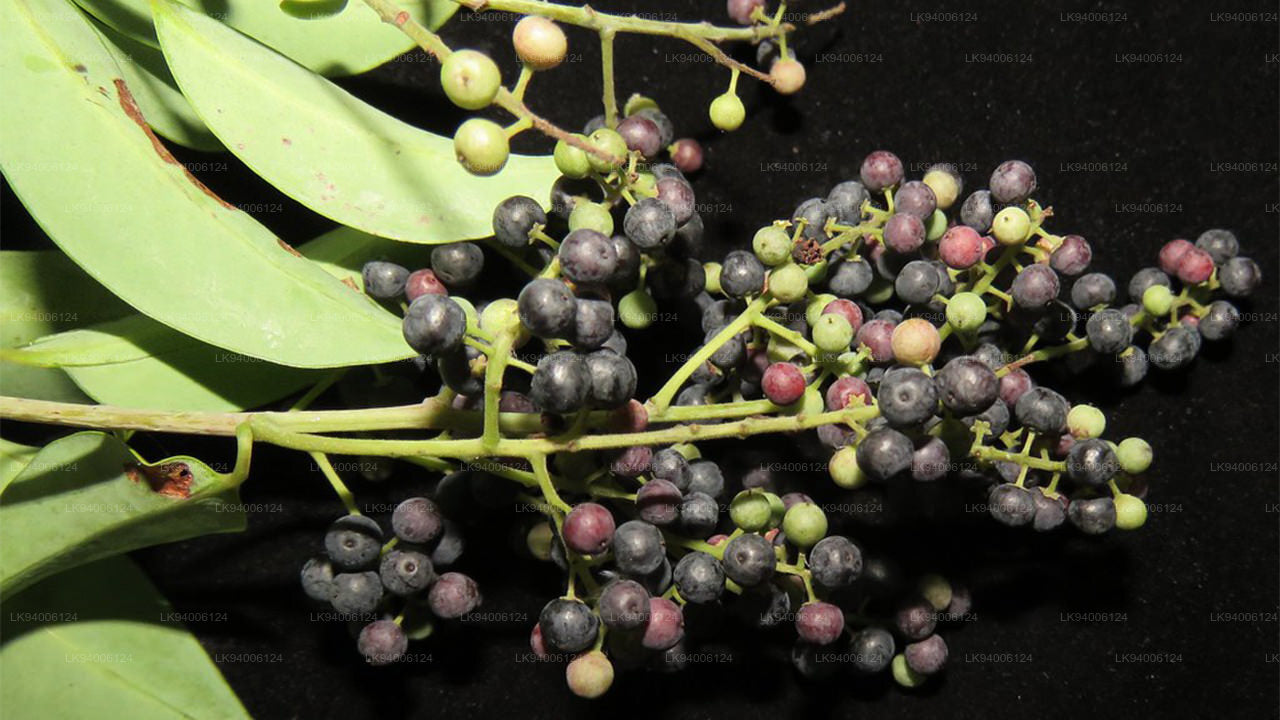
False Black Pepper
Embelia ribes -
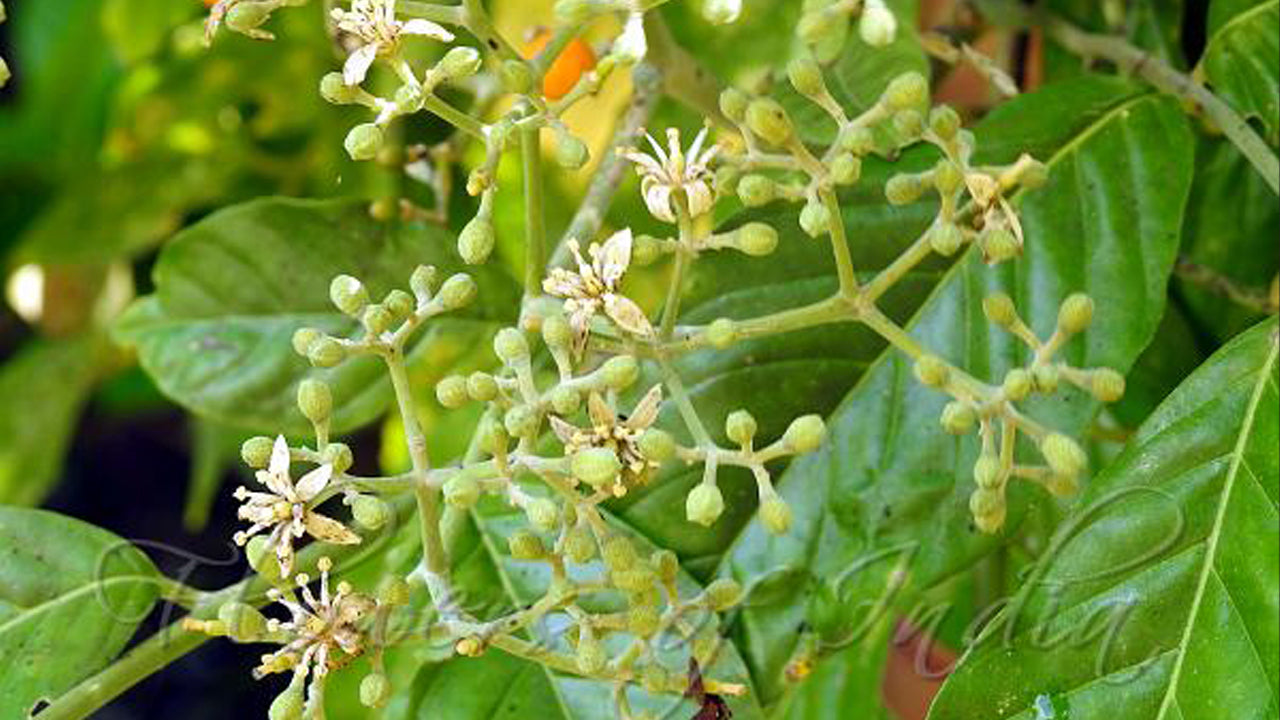
Limeberry
Micromelum ceylanicum -
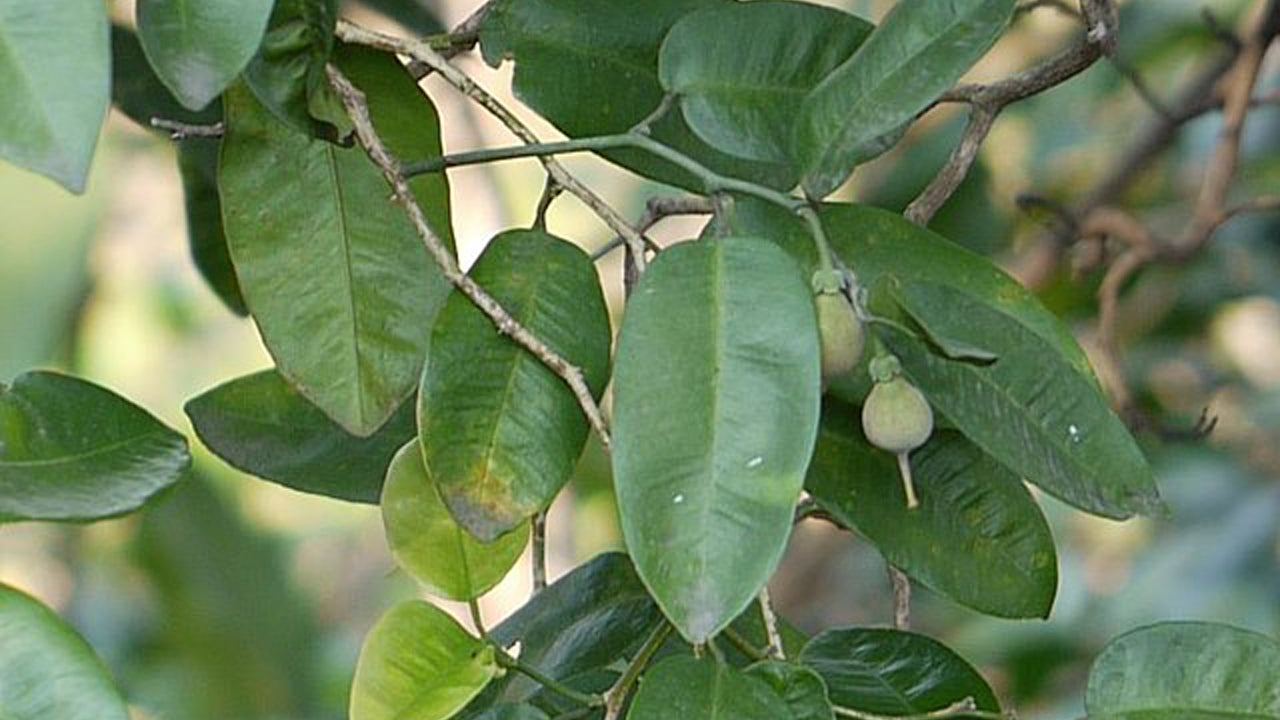
Climbing Atalantia
Paramignya monophylla




Ayurvedic and Herbal
-
Siddhalepa Ayurveda Herbal Balm
Regular price From $0.48 USDRegular price$0.54 USDSale price From $0.48 USDSale -
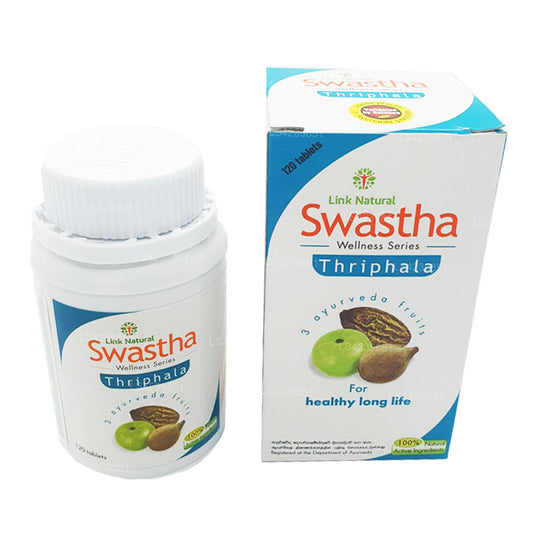
Link Swastha Triphala
Regular price From $1.74 USDRegular price$1.93 USDSale price From $1.74 USDSale -
Lakpura® Wildcrafted Soursop (Guanabana, Graviola, Guyabano) Dehydrated Leaves (Whole)
Regular price From $0.72 USDRegular price$0.81 USDSale price From $0.72 USDSale -
Sethsuwa Pranajeewa Oil
Regular price From $3.85 USDRegular price$4.28 USDSale price From $3.85 USDSale