


Ficus religiosa, commonly known as the sacred fig or Bo tree (Bo being derived from the Pali Bodhi, meaning enlightenment), is one of the most significant trees in Sri Lanka — spiritually, culturally, and medicinally. It belongs to the family Moraceae and is native to the Indian subcontinent and mainland Southeast Asia, though it has been cultivated across Sri Lanka for well over two thousand years. Its presence in the island's landscape is inseparable from the story of Buddhism itself.
Why is Ficus religiosa considered sacred?
The tree holds its deepest meaning in Buddhist tradition. It was beneath a Ficus religiosa that Siddhartha Gautama is said to have attained enlightenment, making the species permanently venerated across the Buddhist world. In Sri Lanka, the Bo tree — or Bodhi — is planted at virtually every Buddhist temple, and the act of planting or tending one carries significant religious merit.
The most famous individual specimen is the Sri Maha Bodhi in Anuradhapura, reputedly grown from a cutting of the original tree in Bodh Gaya, India, brought to Sri Lanka in the 3rd century BCE by Sanghamitta Thero. Revered as the oldest human-planted tree in recorded history, it remains a major pilgrimage site. The ancient city of Polonnaruwa also contains historic Bodhi trees associated with the island's royal Buddhist heritage.
What does Ficus religiosa look like?
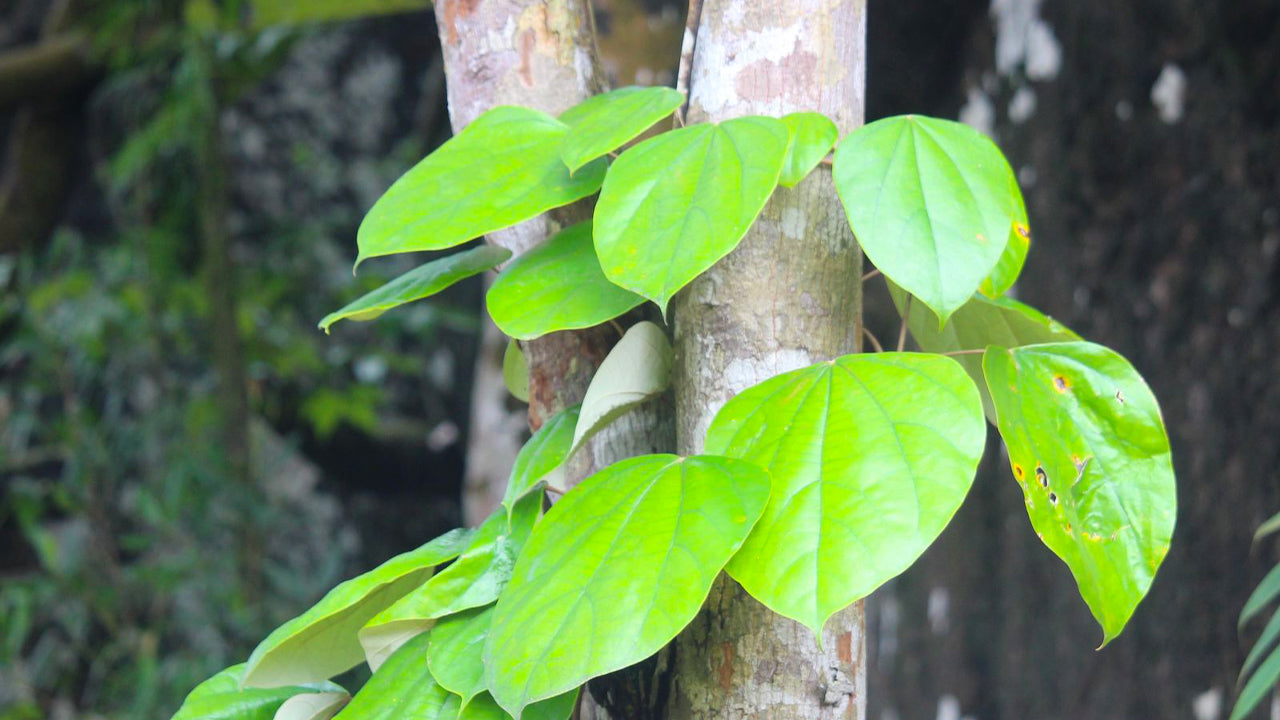
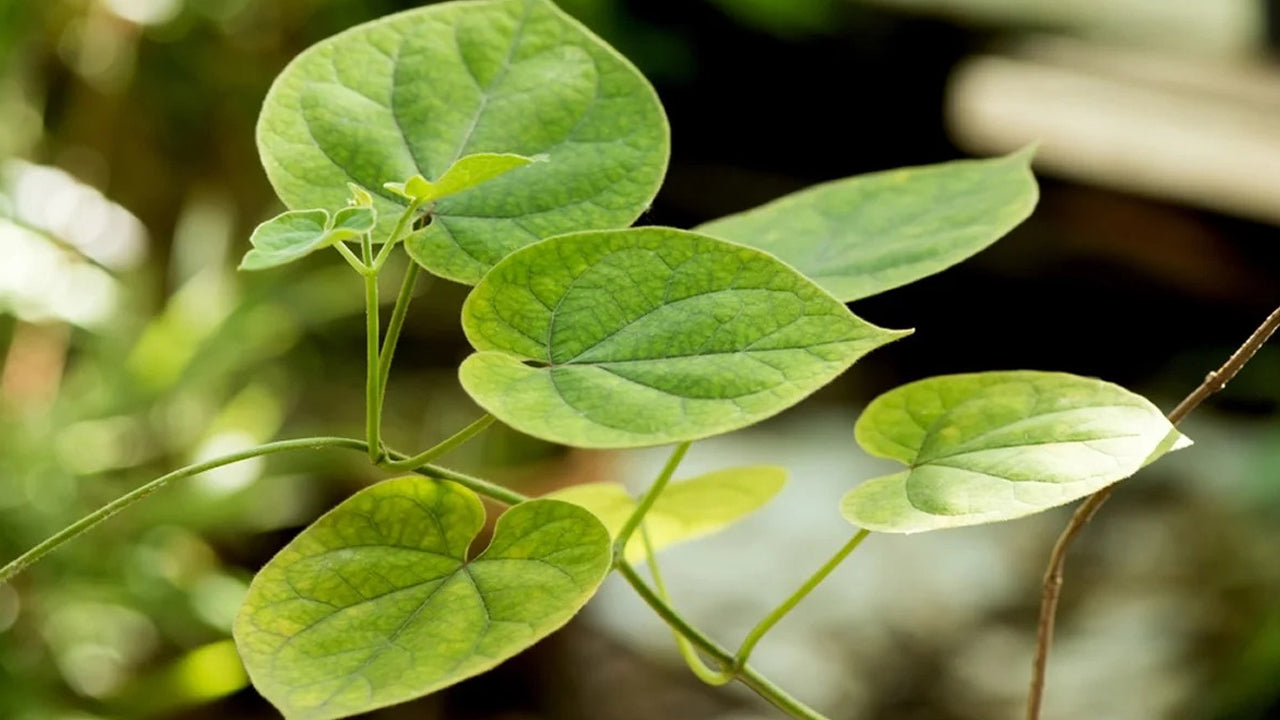
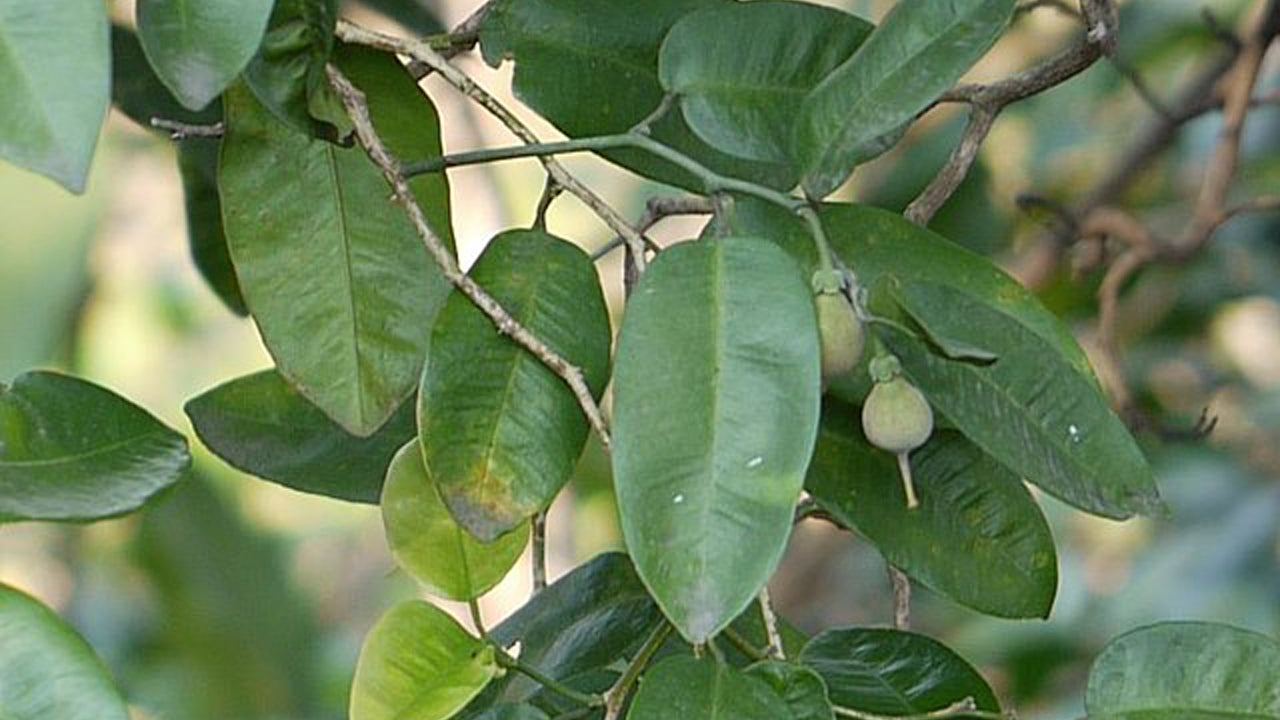
The sacred fig is a large, semi-evergreen or dry-season-deciduous tree that can reach heights of 30 metres or more. Its most immediately recognisable feature is the leaf: broadly ovate with a dramatically elongated, whip-like tip (a drip-tip adaptation for shedding rain in humid climates). The bark is light grey, smooth when young, and becomes rough and fissured with age. Aerial roots can develop from branches in older specimens, giving mature trees a cathedral-like appearance.
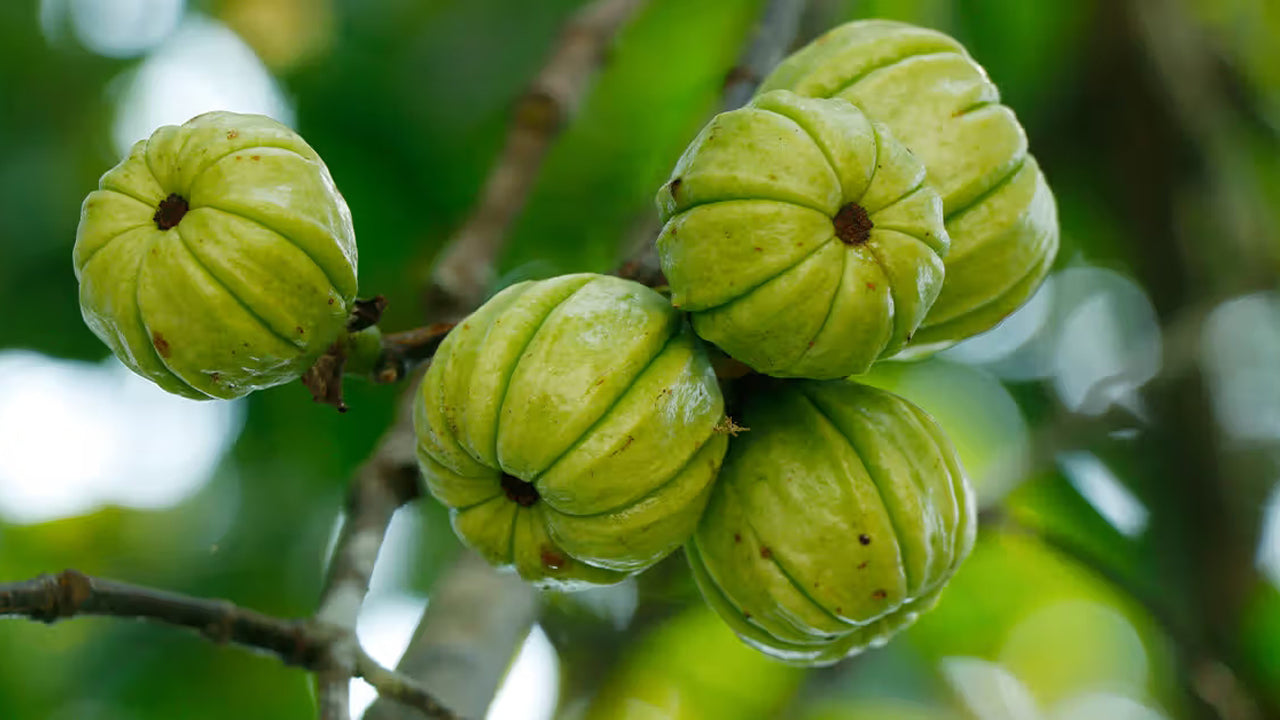
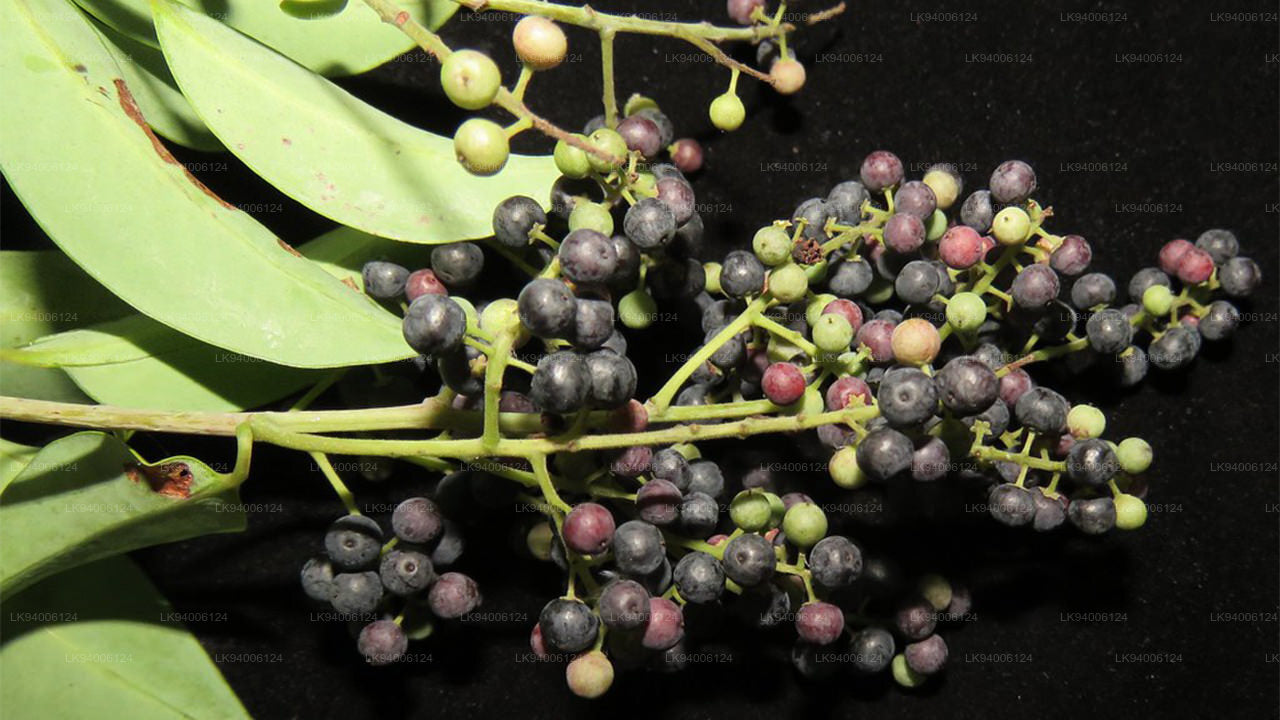
The fruit is a small fig, turning purple when ripe, and is an important food source for birds, bats, and other wildlife. Because Ficus religiosa is often planted in temple grounds rather than forest interiors, it has become a key urban and peri-urban biodiversity hub, attracting species that might otherwise be absent from settled areas.
How is Ficus religiosa used in Ayurvedic medicine?
The tree holds a recognised place in the Ayurvedic pharmacopoeia of Sri Lanka. Virtually every part — bark, leaves, young shoots, fruit, latex, and seeds — has documented traditional applications. In classical Ayurveda the tree is known as Ashvattha and appears in texts including the Charaka Samhita.
- Bark: Used in preparations for skin conditions, wound healing, and as an astringent. Decoctions are traditionally applied to gum diseases and throat ailments.
- Leaves: Young leaves have been used externally for skin irritations; leaf-based preparations appear in formulations targeting gastrointestinal complaints.
- Fruit and seeds: Associated in traditional practice with respiratory conditions, including asthma, and used as a mild laxative.
- Latex: Applied topically in folk medicine for cracked heels, skin inflammation, and minor wounds.
- Aerial roots: Sometimes incorporated into formulations targeting sexual health and uterine conditions in classical texts.
Modern pharmacological research has investigated extracts of Ficus religiosa for antioxidant, antimicrobial, and anti-inflammatory activity, lending some scientific context to longstanding traditional use. It is catalogued formally as an ayurvedic medicinal plant of Sri Lanka, and preparations featuring it can be found in both temple-adjacent herbal shops and registered Ayurvedic dispensaries across the country.
Where can you see significant Ficus religiosa trees in Sri Lanka?
Because the Bo tree is planted at virtually every Buddhist temple, encounters with Ficus religiosa are unavoidable and frequent across the island. A few categories of site stand out for the quality or antiquity of the specimens:
- Major pilgrimage sites — Anuradhapura's Sri Maha Bodhi is the paramount example, enclosed in a gilded railing and attended by pilgrims year-round. Kelaniya Raja Maha Viharaya and Gangaramaya in Colombo also have prominently venerated Bo trees.
- Village and rural temples — Smaller, older temples in rural areas often have multi-century-old specimens with wide canopies and extensive aerial root systems; these can be more atmospherically impressive than their famous counterparts.
- Ancient city complexes — The archaeological parks at Anuradhapura and Polonnaruwa include Bodhi trees planted at the sites of ancient monasteries, some of considerable age.
- Roadside and homestead plantings — Across Sri Lanka's lowland and mid-country zones, individual trees are frequently preserved at road junctions, believed to be inhabited by protective spirits (devas), and draped with coloured cloth by devotees.
What is the ecological role of Ficus religiosa in Sri Lanka?
As a keystone fig species, Ficus religiosa provides food resources during periods when other fruiting trees are scarce. Birds such as green pigeons, barbets, and hornbills are regular visitors, as are flying foxes and other fruit bats. The tree's tendency to grow in disturbed or urban environments — temple grounds, roadsides, old walls — means it often represents the primary structural habitat for wildlife in otherwise species-poor settings.
In forested edges near reserves such as the Sinharaja Forest Reserve, wild specimens or naturally regenerated trees contribute to canopy continuity and provide reliable fruiting across seasons. Conservation practitioners increasingly recognise the value of protecting large, mature fig trees in fragmented landscapes for exactly this reason.
What rituals and ceremonies involve the Bo tree?
The Bo tree sits at the centre of several recurring Buddhist observances in Sri Lanka. On Poya days (full-moon days), devotees circumambulate the Bodhi tree at their local temple, place oil lamps at its base, and tie white or saffron cloth around its trunk. Watering the Bo tree (Bodhipoojawa) is a merit-making act performed individually or collectively, and temple records sometimes list donors who fund elaborate multi-day Bodhi poojas.
The Esala Perahera Festival in Kandy, one of Asia's largest religious processions, takes place in a city where Bo trees at the Dalada Maligawa complex and surrounding temples are specially decorated and venerated throughout the festival period.
Beyond formal Buddhism, folk tradition surrounds the Bo tree with protective associations. Placing a lamp beneath it on a Friday evening is widely considered auspicious regardless of specific religious affiliation, reflecting the tree's pre-Buddhist veneration in South Asian cultures.
How does Ficus religiosa compare to other sacred or medicinal trees in Sri Lanka?
| Tree | Primary significance | Main traditional uses |
|---|---|---|
| Ficus religiosa (Bo tree) | Buddhist sacred tree; Ayurvedic medicine | Bark, leaves, latex; skin, respiratory, digestive |
| Pongamia pinnata (Karanda) | Ayurvedic; temple planting | Oil for skin disease; bark for rheumatism |
| Acacia chundra | Ayurvedic timber species | Bark preparations; wound healing |
| Cocos nucifera (Coconut) | Cultural and economic keystone | Food, oil, coir; folk remedies |
Can you grow Ficus religiosa as a bonsai or ornamental plant?
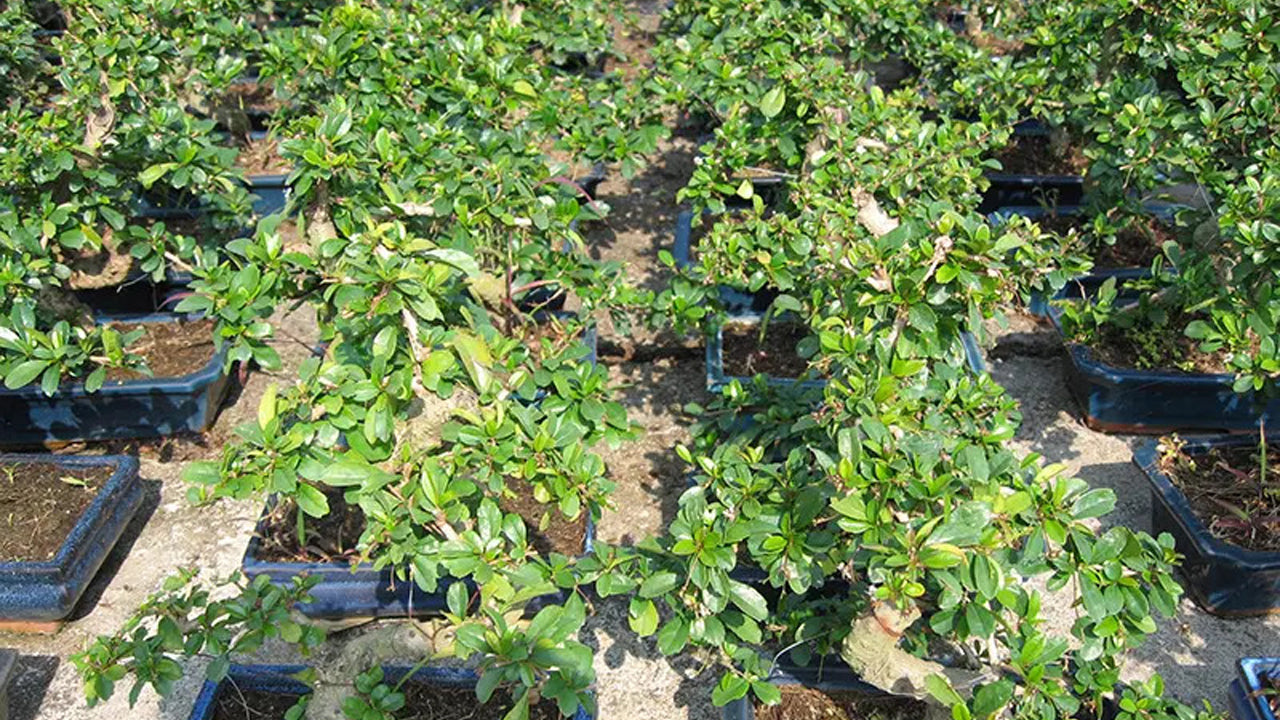
Ficus religiosa is one of the classic subjects for bonsai cultivation. Its naturally compact leaf form when grown under restricted-root conditions, the attractive pale grey bark that develops fine fissuring with age, and the tree's tolerance of pruning make it well-suited to bonsai training. Specimens that have been in training for several years develop convincingly aged, tapered trunks and pleasingly fine branching structure.
For travellers who want to take a piece of Sri Lanka's botanical heritage home, Lakpura offers trained Ficus bonsai specimens that have been legally propagated and prepared for export. These make a more lasting and culturally resonant souvenir than most items available at tourist markets, and they carry none of the import concerns that apply to wild plant material.