


Lakpura
Lakpura®

Durio zibethinus

Durio zibethinus, commonly known as durian, is one of the more remarkable tropical trees recorded in Sri Lanka's catalogue of ayurvedic medicinal plants. Though it is more closely associated with Southeast Asia, the species has found a foothold in Sri Lanka's humid lowland zones, where it is cultivated in home gardens and occasionally encountered in mixed fruit orchards. Its pungent aroma, rich flavour, and documented therapeutic applications have earned it a place in both traditional medicine and tropical horticulture across the island.

What is Durio zibethinus?

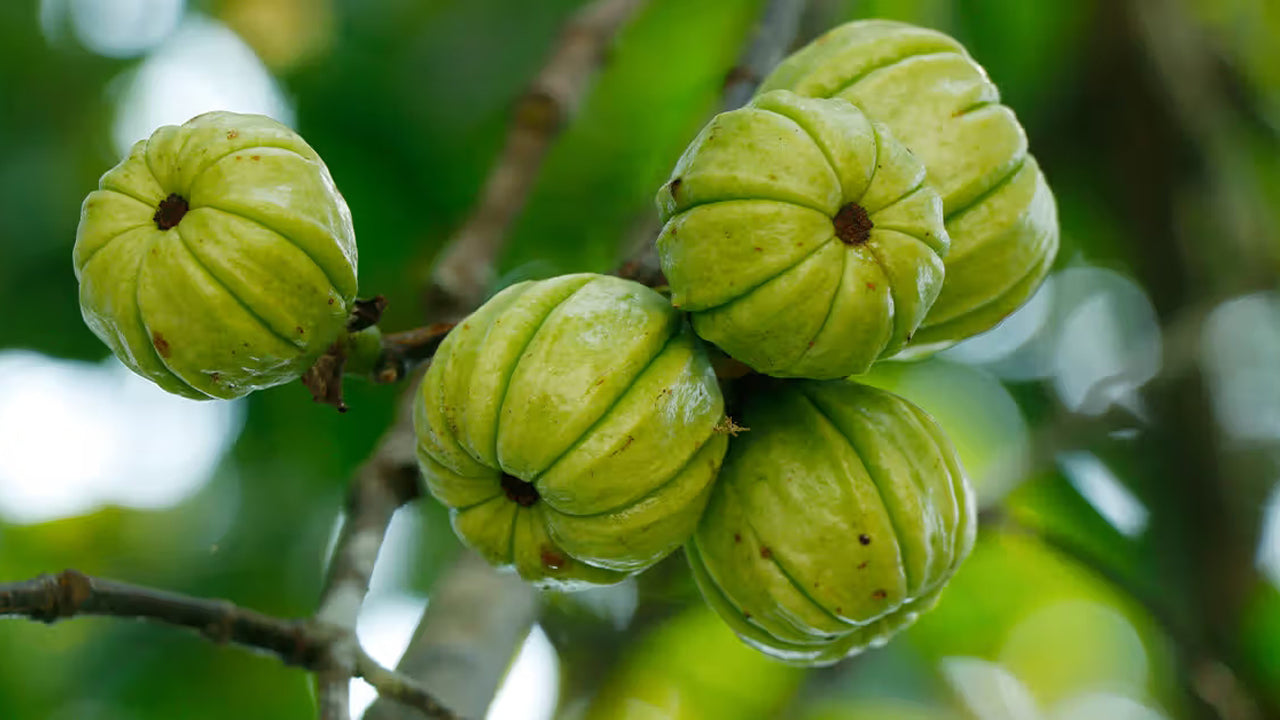
Durio zibethinus is a large, evergreen tropical tree belonging to the family Malvaceae. It can reach heights of 25–50 metres in its native range, though cultivated specimens in Sri Lanka tend to be considerably smaller. The tree bears distinctive large fruits encased in a thick, spiky husk. Inside, the flesh is cream to yellow in colour, custard-like in texture, and intensely aromatic — a combination that divides opinion sharply among those who encounter it for the first time.

The genus Durio encompasses around 30 species, but D. zibethinus is the only one commercially cultivated and widely available. It is native to Borneo and Sumatra but has been introduced across tropical Asia, including Sri Lanka, where it thrives at low elevations with high rainfall and well-drained soils.

What are the traditional and ayurvedic uses of Durio zibethinus?

Sri Lanka's ayurvedic tradition recognises Durio zibethinus for several medicinal properties. Various parts of the plant — fruit pulp, seeds, leaves, and roots — have been used in traditional preparations. The fruit pulp is considered to have warming properties and is traditionally associated with improving energy and circulation. In some formulations, the leaves and roots are prepared as decoctions used to manage fever.

Externally, boiled leaves have been applied in folk remedies to address skin conditions and jaundice. The seeds, when cooked, contain starch and have served as an emergency food source in parts of tropical Asia. As with many plants catalogued in Sri Lanka's ayurvedic pharmacopoeia — such as Acacia chundra and Pongamia pinnata — the therapeutic applications of D. zibethinus are grounded in centuries of empirical observation rather than isolation of a single active compound.

It is worth noting that traditional use does not automatically equate to clinical efficacy for all applications, and anyone seeking treatment should consult a qualified ayurvedic or medical practitioner.

Where does Durio zibethinus grow in Sri Lanka?

In Sri Lanka, durian is primarily found in the wet zone lowlands — areas that receive substantial annual rainfall and maintain warm temperatures throughout the year. The southwestern coastal belt, parts of Sabaragamuwa Province, and the lower slopes of the central hills provide suitable conditions. The tree is not native to the island; it was likely introduced during historical trade contacts with maritime Southeast Asia.

Small-scale cultivation exists in home gardens and at experimental fruit farms. The Midigama Fruit Farm, for instance, illustrates the kind of tropical fruit cultivation found in Sri Lanka's wet-zone agricultural communities. Durian trees require several years of growth before bearing fruit and are sensitive to frost and prolonged dry spells, which limits their range on the island to humid, low-elevation areas.

How does durian fit into Sri Lanka's broader medicinal plant tradition?

Sri Lanka maintains one of the most comprehensive traditions of plant-based medicine in South Asia, with ayurveda remaining a formally recognised and practised system of healthcare alongside modern medicine. The national catalogue of ayurvedic medicinal plants documents hundreds of species — both indigenous and introduced — that practitioners use in formulations ranging from simple teas to complex multi-herb preparations.

Durio zibethinus sits within a broader category of introduced tropical species that have been assimilated into local practice over centuries. Other plants in this tradition include Syzygium aromaticum (clove), which originated in eastern Indonesia and is now widely cultivated in Sri Lanka. The cross-pollination of botanical knowledge along historic Indian Ocean trade routes has significantly enriched the island's pharmacopoeia.

What does Durio zibethinus fruit taste like and how is it eaten?

The fruit of D. zibethinus is famously polarising. Its flesh has a rich, complex flavour often described as a blend of vanilla custard, almond, and savoury undertones, with an odour that many find overpowering. In Sri Lanka, as in Southeast Asia, it is generally eaten fresh, scooped directly from the husk. The flesh can also be incorporated into sweets, ice cream, and confectionery.

The seeds, which are relatively large, can be roasted or boiled and eaten as a starchy accompaniment. The nutritional profile of durian flesh is notable: it is calorie-dense relative to most tropical fruits, and it contains moderate amounts of vitamin C, potassium, and B vitamins. Traditional caution advises against consuming durian alongside alcohol, a concern that has some basis in the fruit's biochemistry, though the effect varies between individuals.

Is Durio zibethinus cultivated commercially in Sri Lanka?

Commercial cultivation of durian in Sri Lanka remains limited compared to countries such as Thailand, Malaysia, and Indonesia, where the fruit drives significant export revenue. On the island, durian is largely a small-holder and home-garden crop. Interest in expanding cultivation has grown modestly as regional export markets for premium durian have developed, but infrastructure, the tree's slow maturation, and competition from established producers have tempered large-scale investment.

Visitors to Sri Lanka's wet-zone agricultural regions may encounter durian at local markets during the fruiting season, which typically falls between June and August, though this can vary by location and year. Buying directly from growers at local markets remains the most reliable way to find fresh fruit.

What is the conservation and ecological status of Durio zibethinus?

As an introduced species in Sri Lanka, D. zibethinus does not carry the same conservation concerns as the island's endemic flora. Its native range in Borneo and Sumatra faces pressure from deforestation and habitat conversion, which has affected wild durian populations and the species that depend on them — including large fruit bats and hornbills that act as pollinators and seed dispersers. The IUCN Red List provides current assessments of species in the genus Durio in their native range.

In Sri Lanka's context, the plant contributes to the biodiversity of home garden agroforestry systems, which are themselves recognised as valuable reservoirs of genetic diversity and traditional ecological knowledge.

Ask Lakpura® Agent