Catunaregam spinosa is a thorny, deciduous shrub belonging to the family Rubiaceae. Native across tropical Asia and Africa, it grows naturally across much of Sri Lanka — from dry-zone scrublands to the fringes of moist forests — and holds a well-established place in the island's Ayurvedic pharmacopoeia. Known locally by several Sinhala and Tamil names, this spiny plant is far more than a hedgerow curiosity: traditional physicians have relied on it for centuries to treat a range of ailments, and modern botanical research has begun to validate many of those uses.
What does Catunaregam spinosa look like?
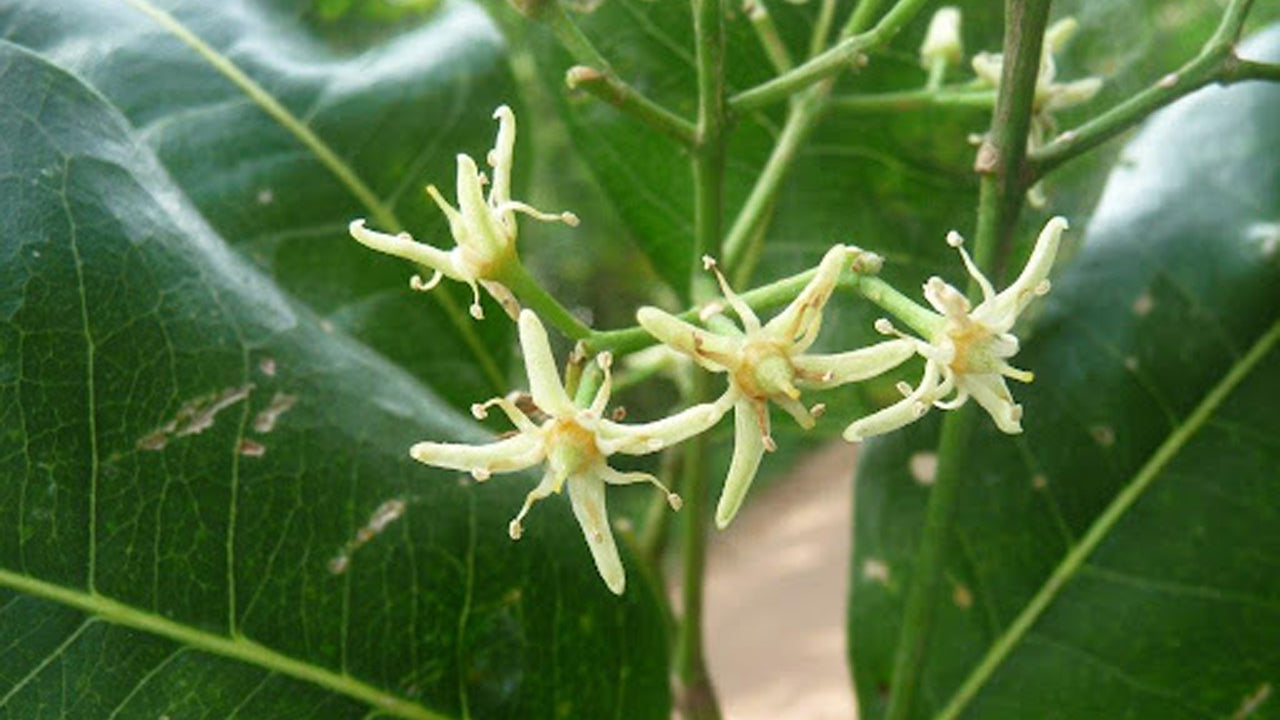
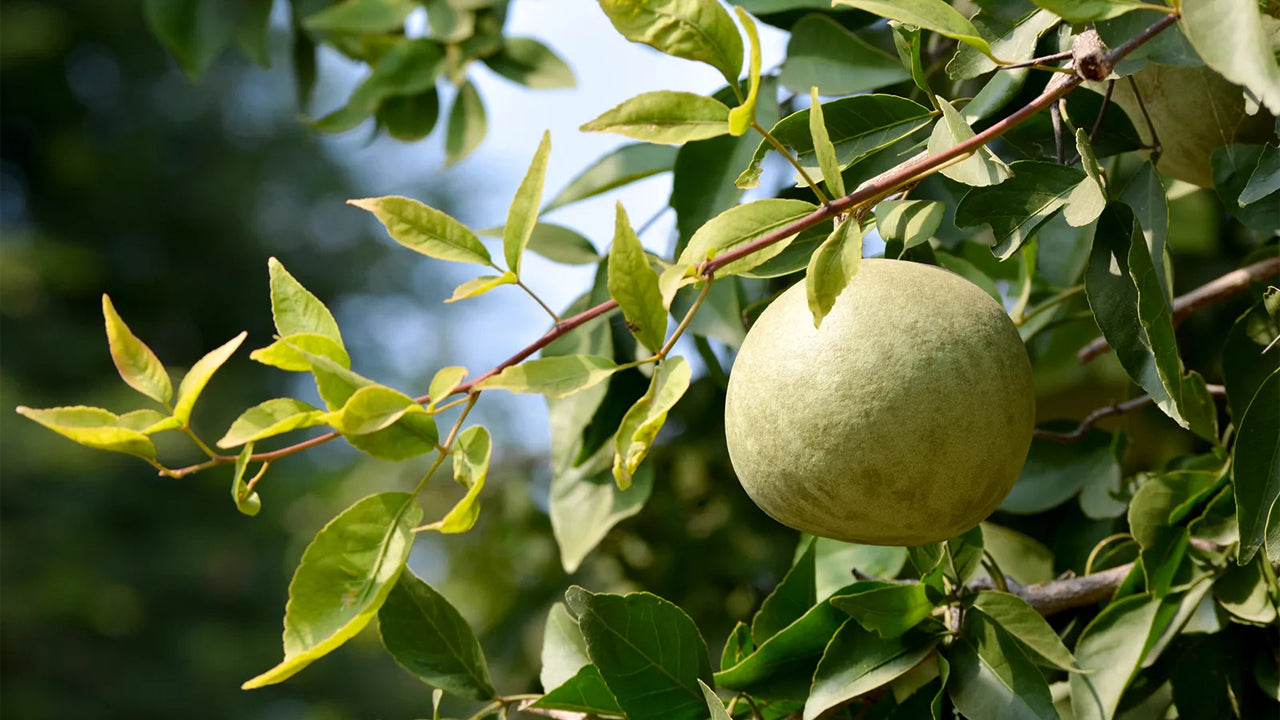
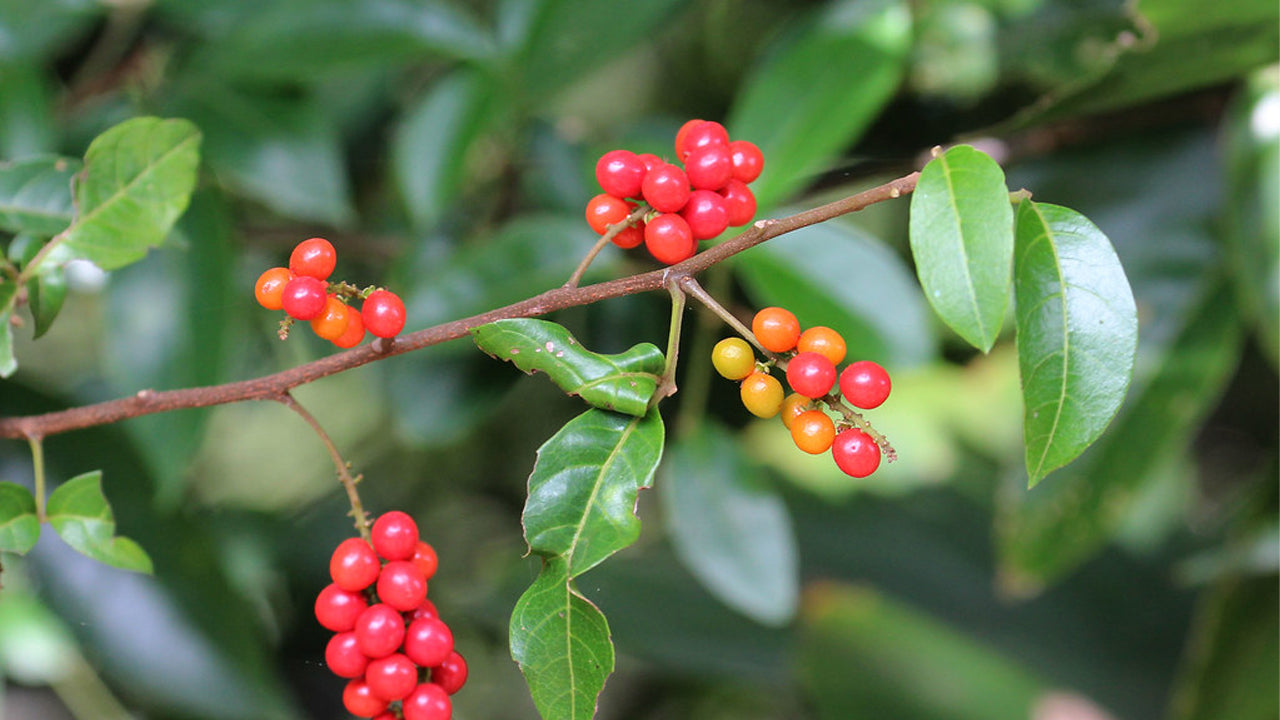
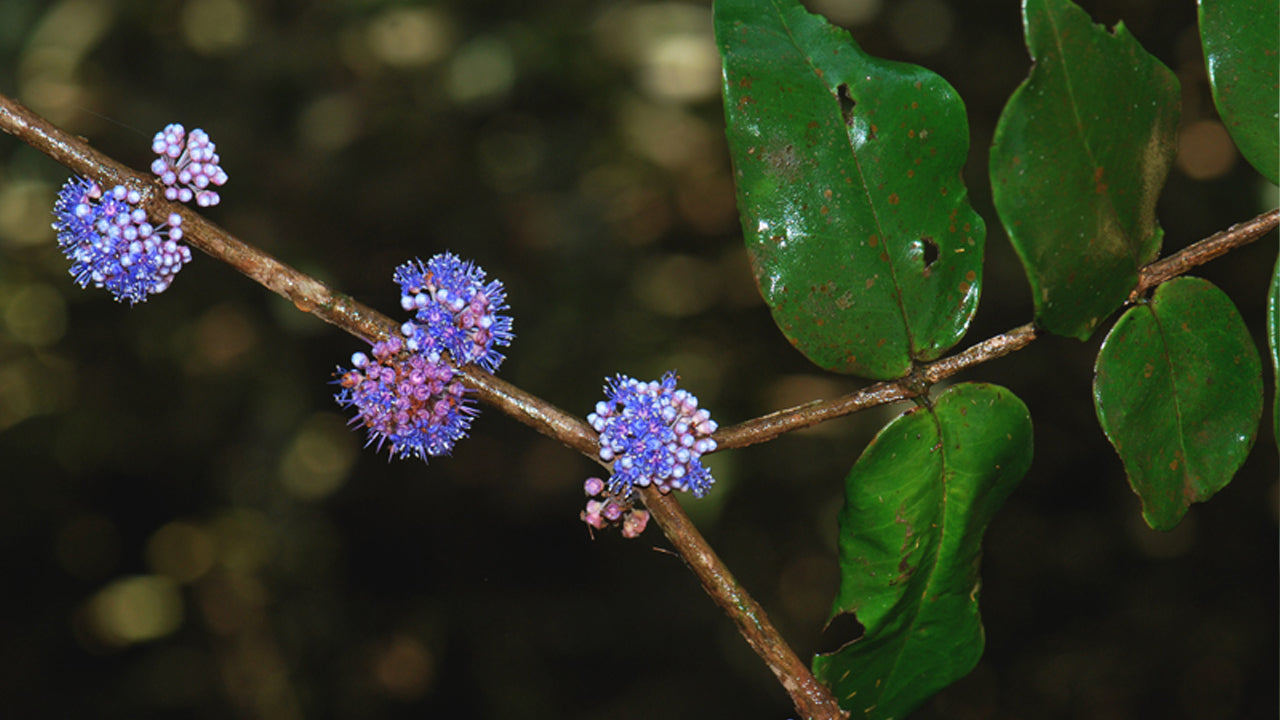
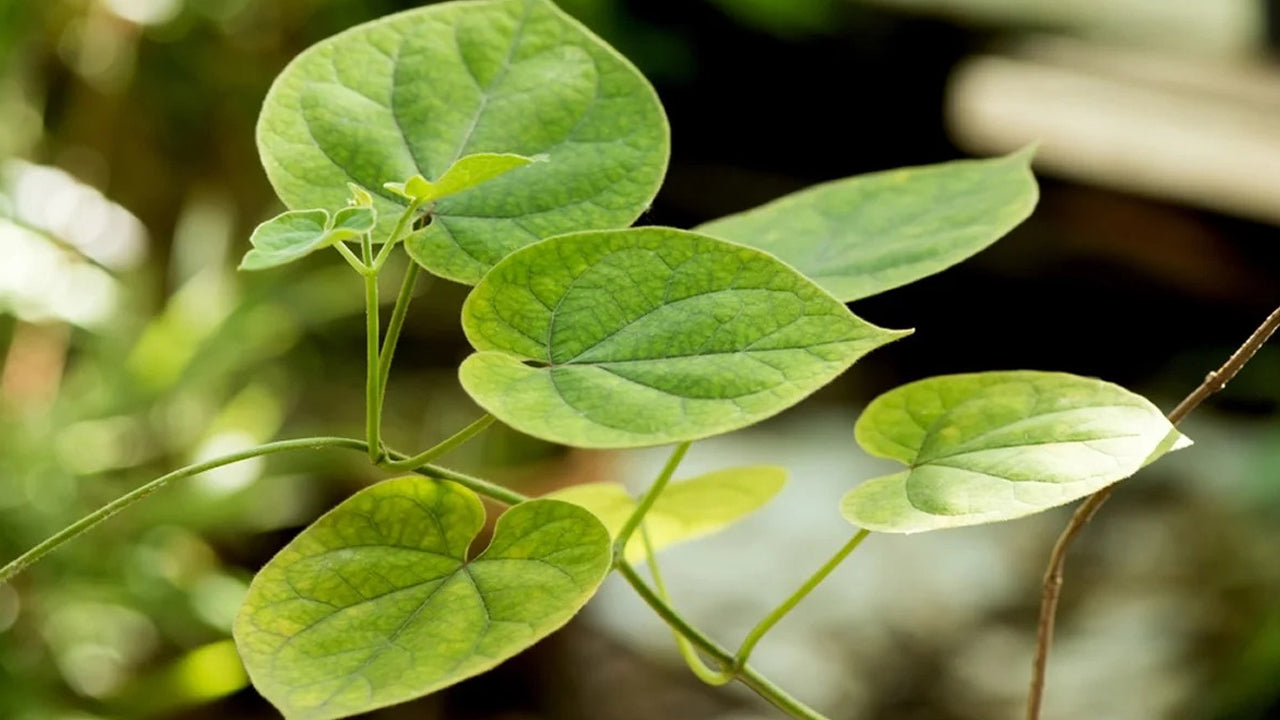
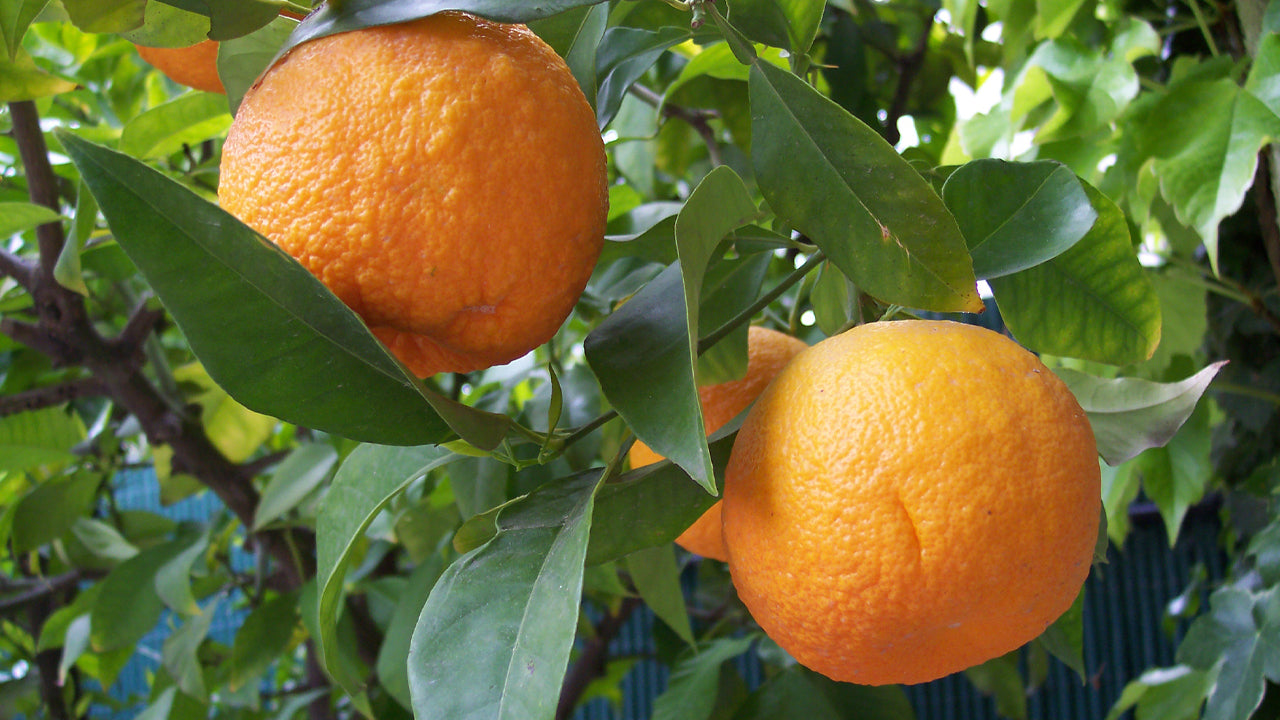
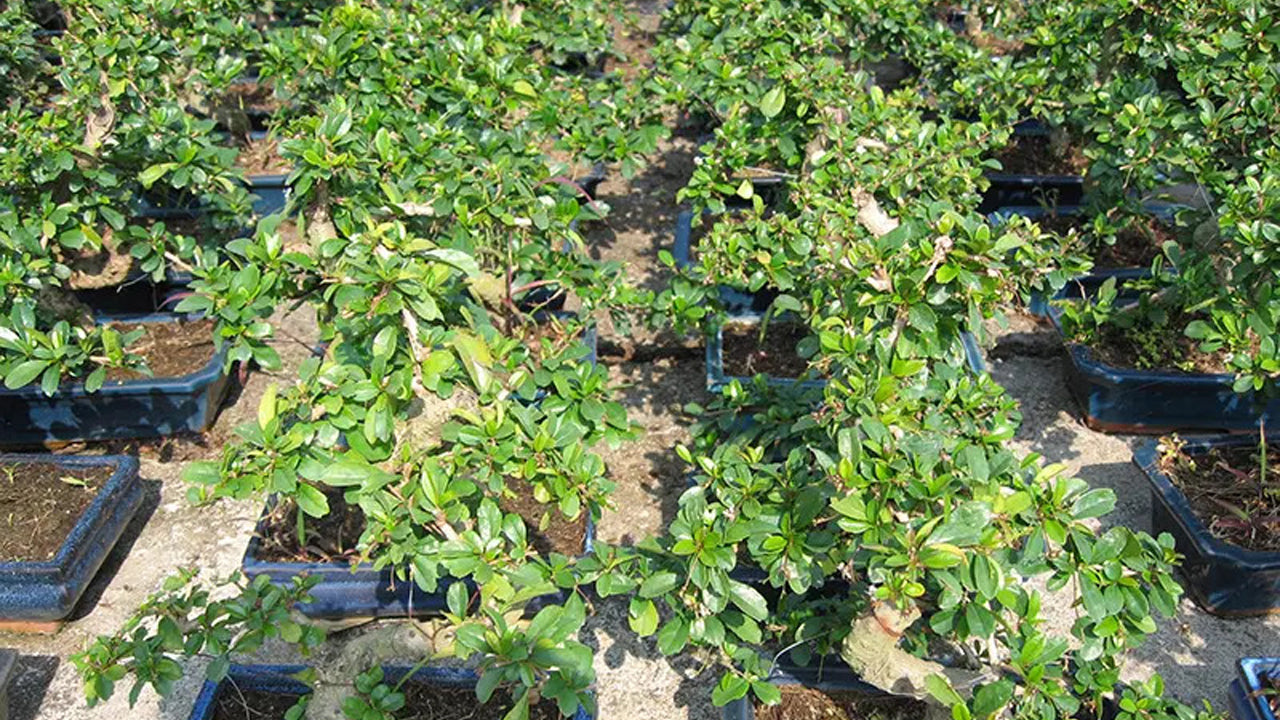
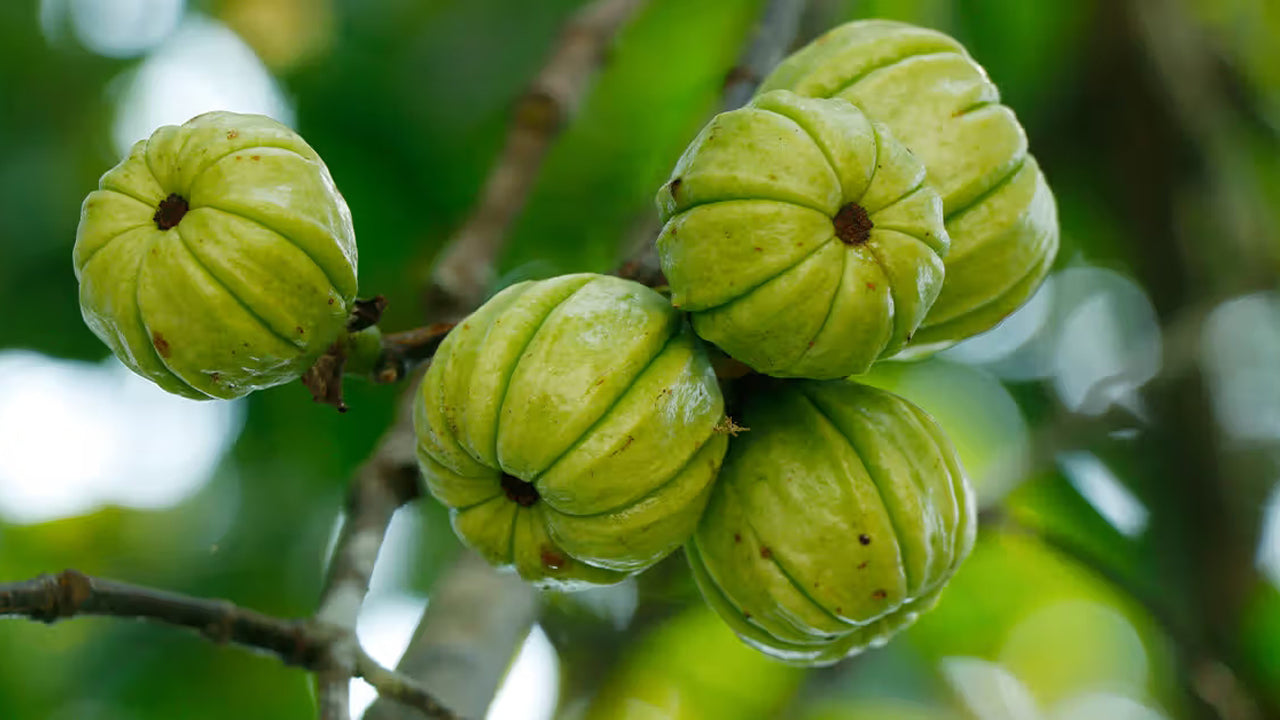
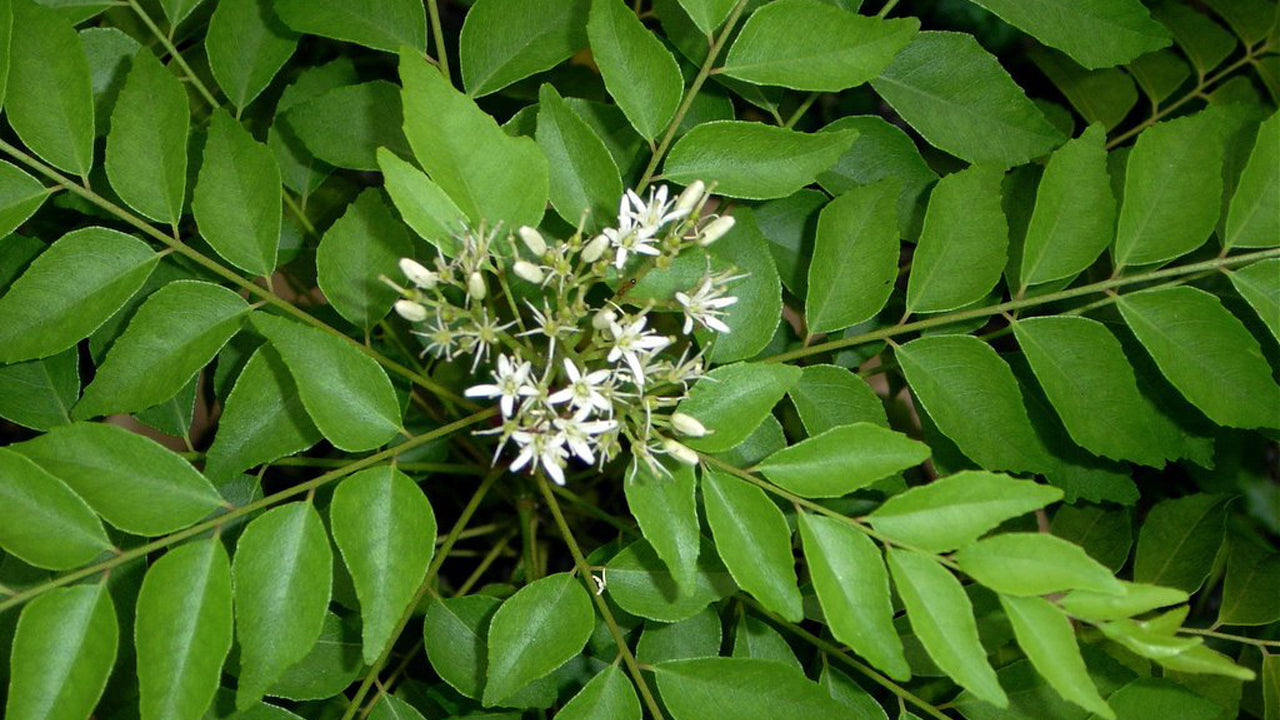
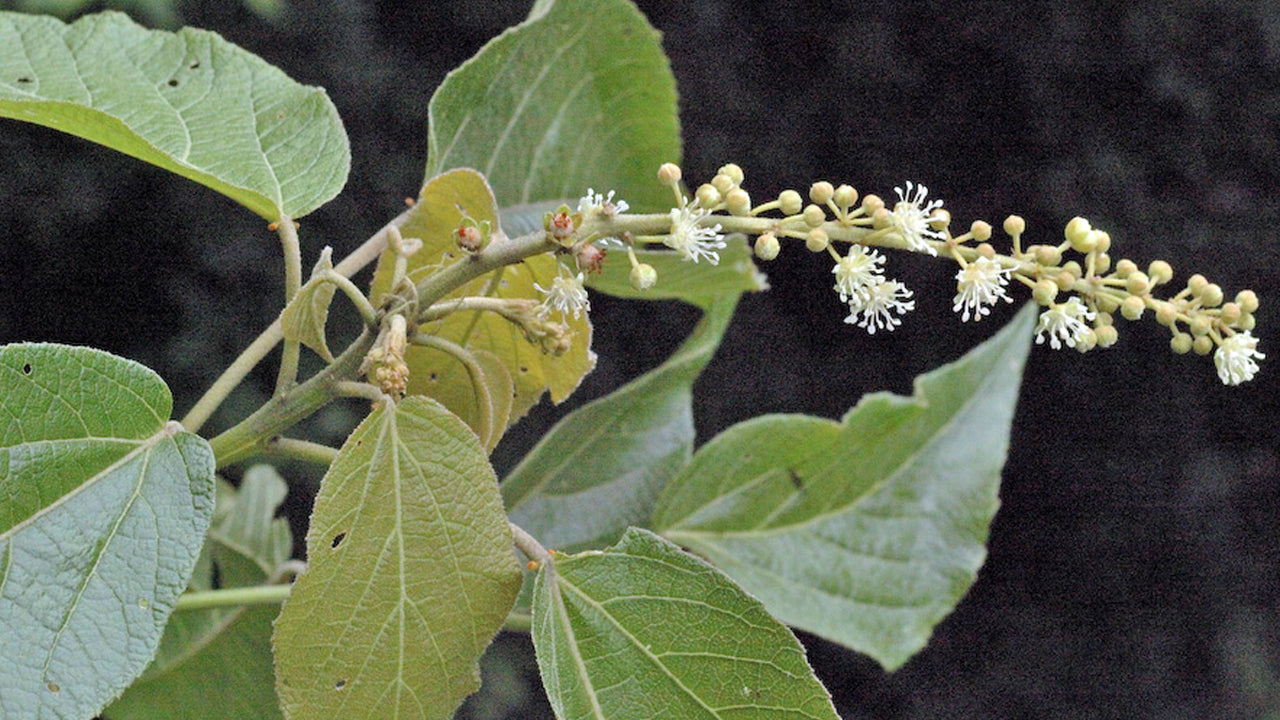
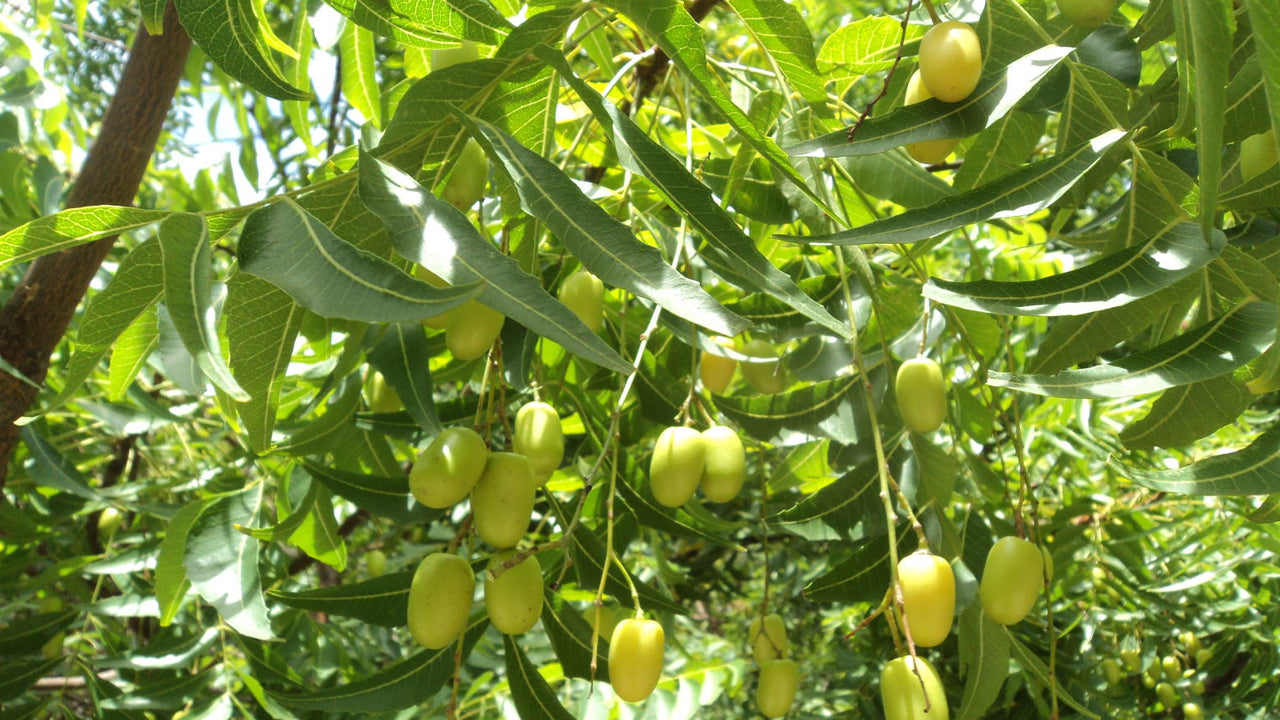
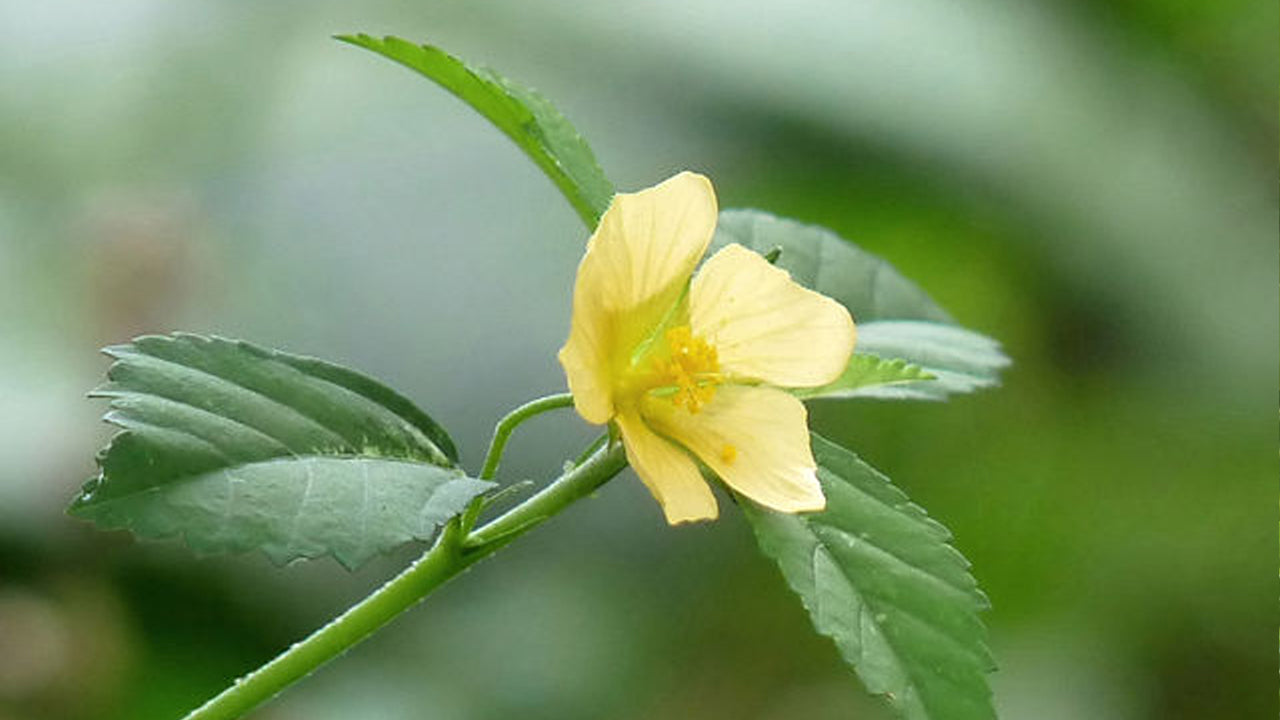
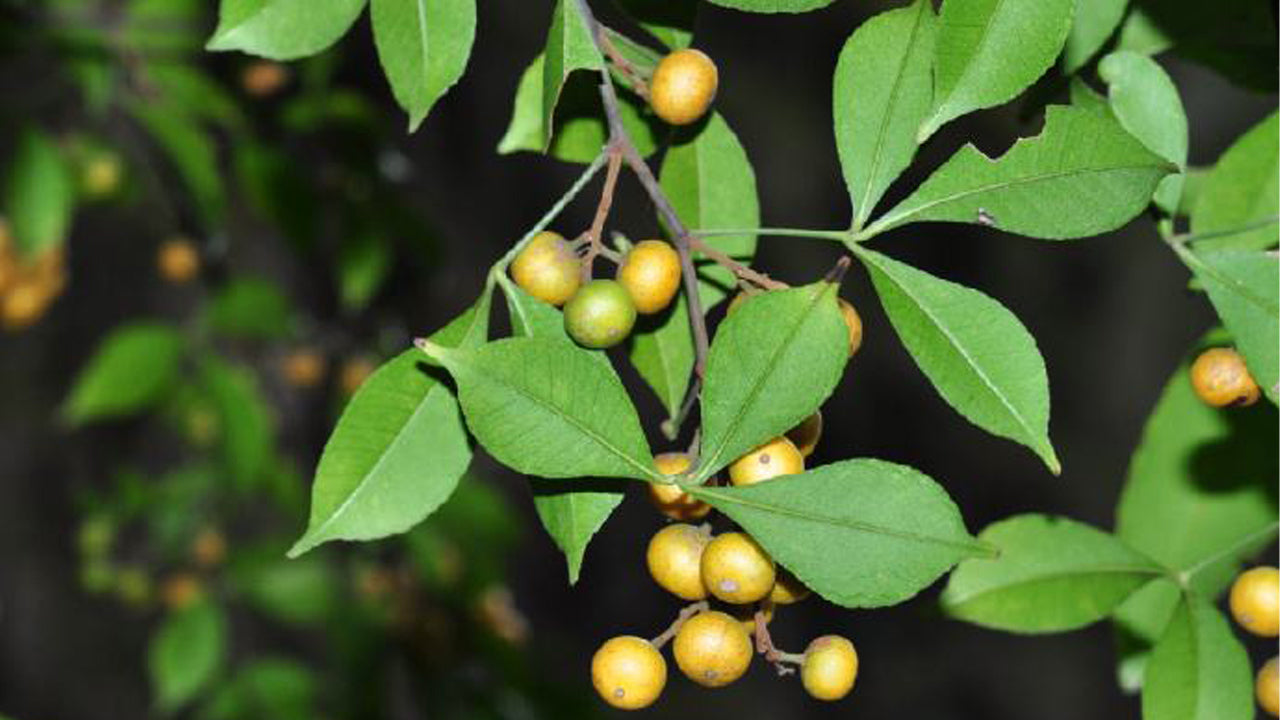
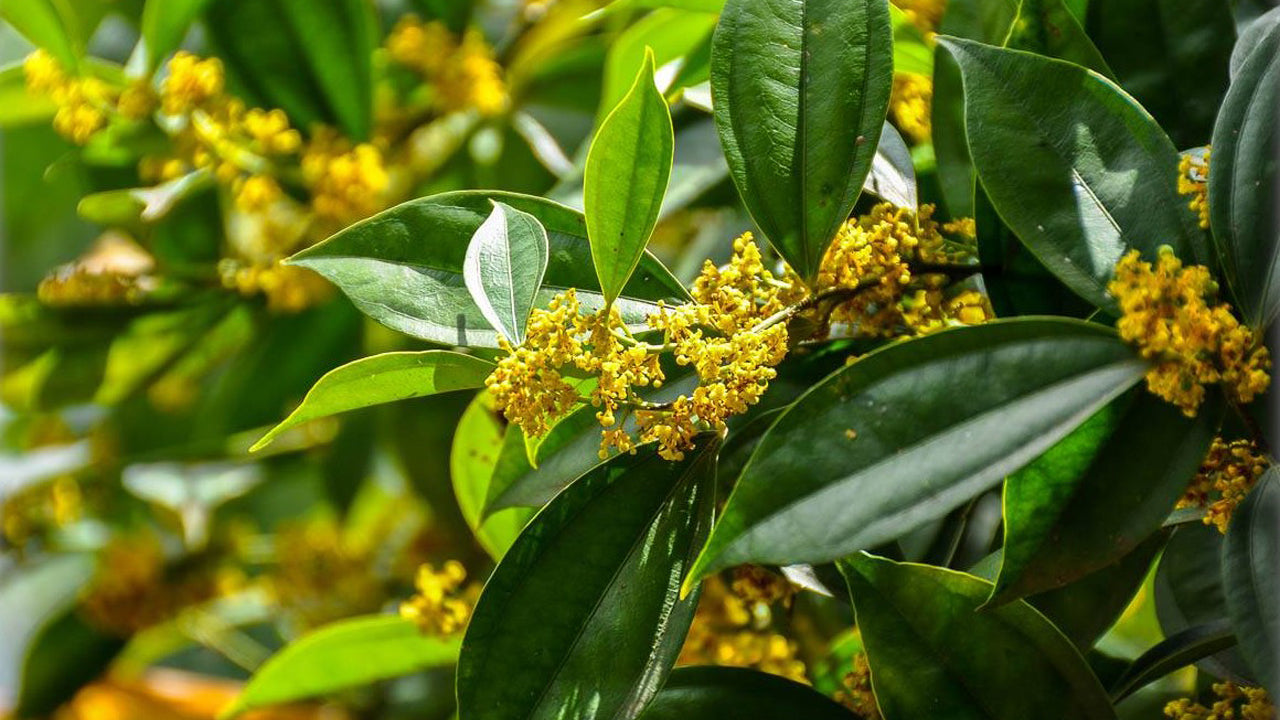
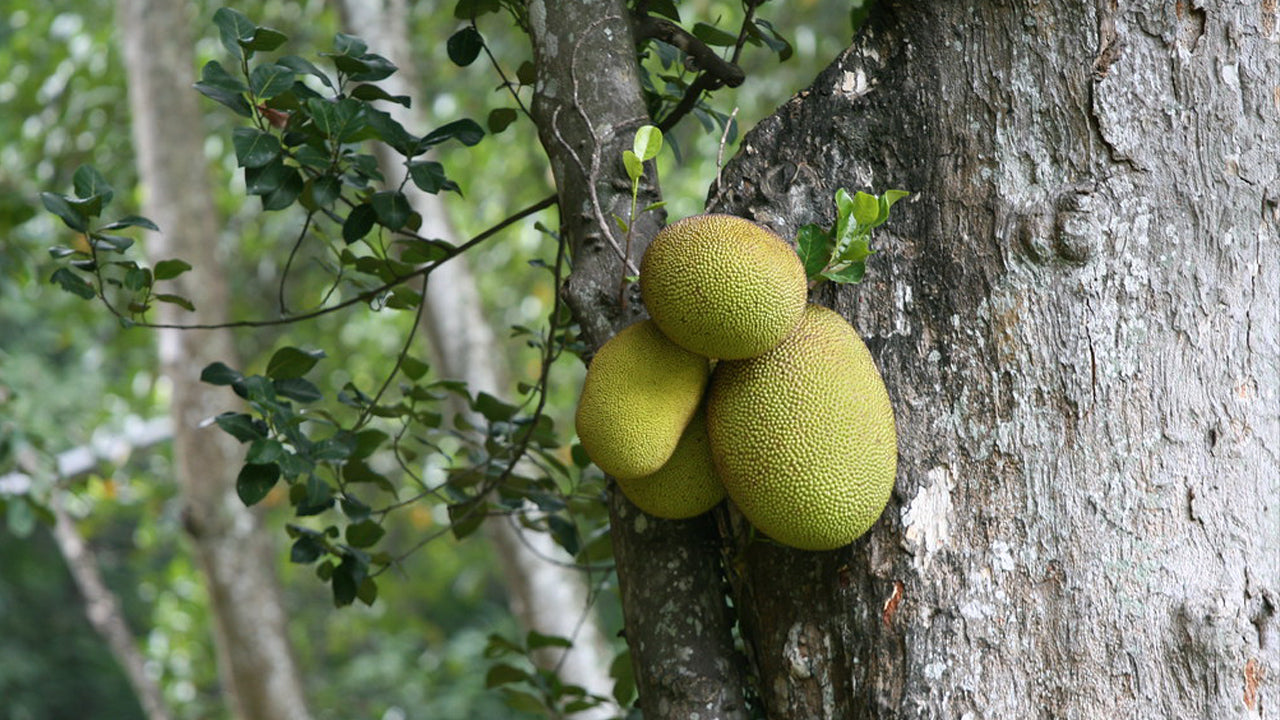
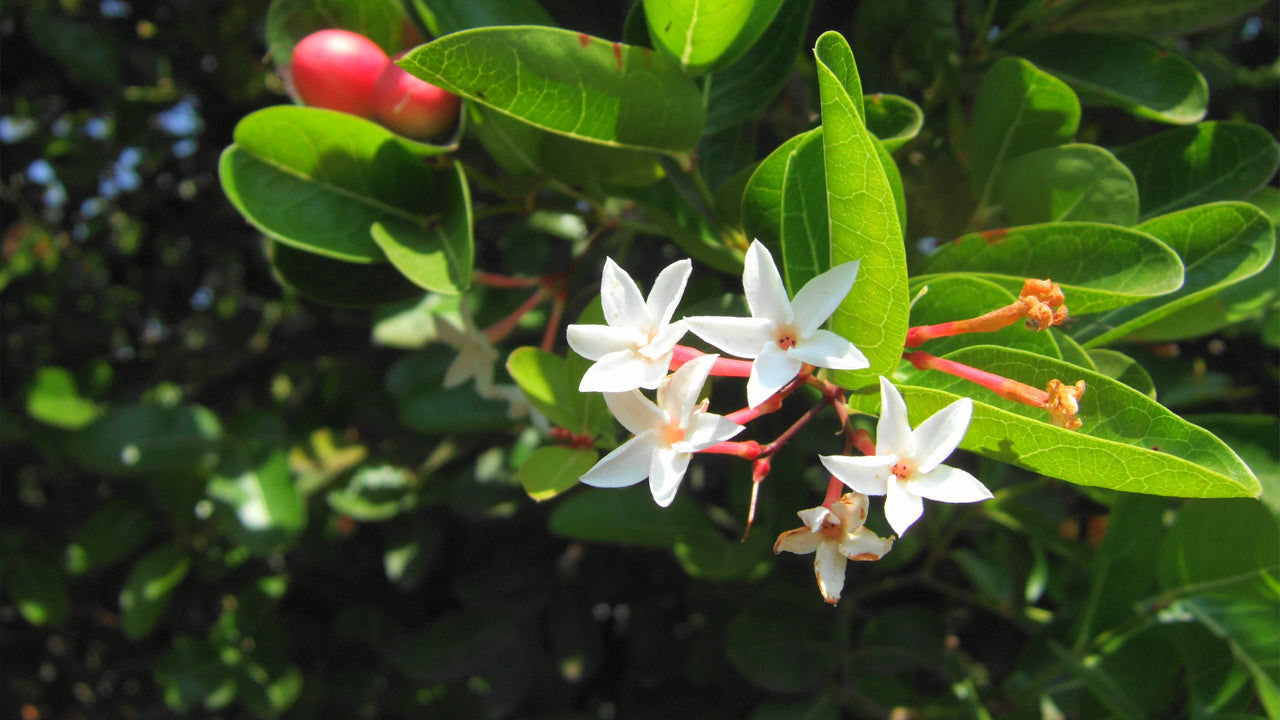
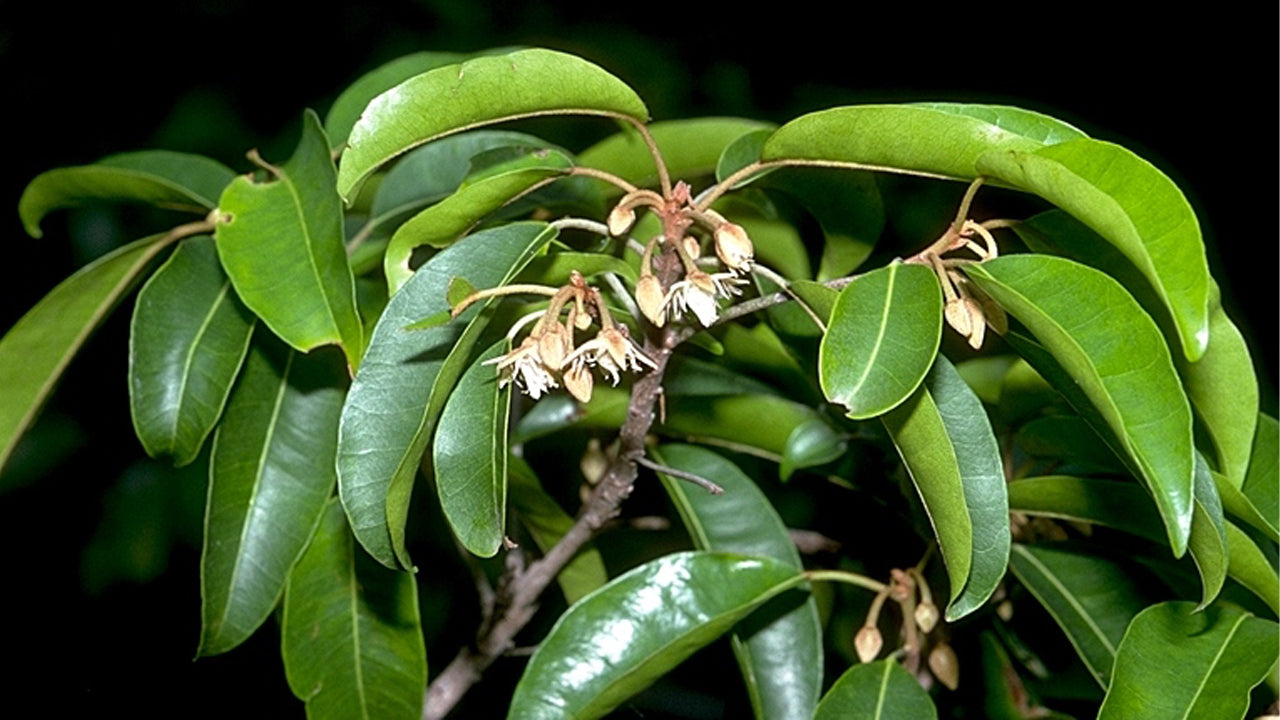
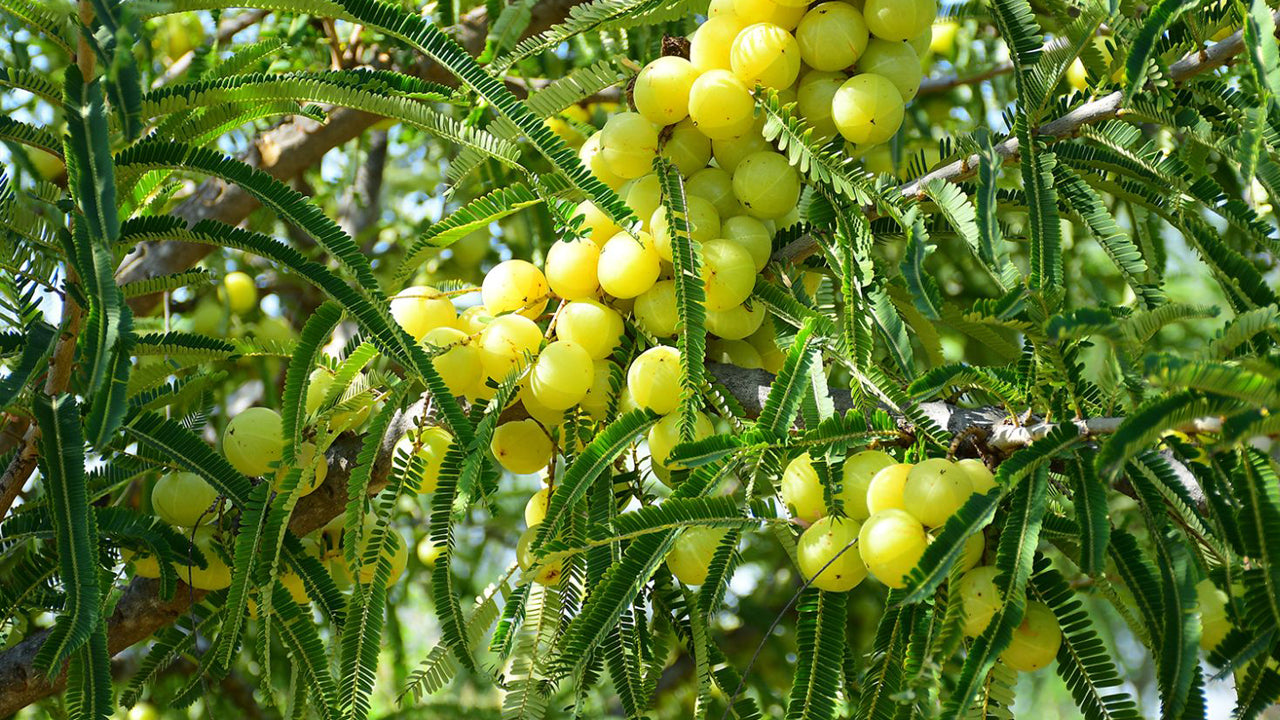
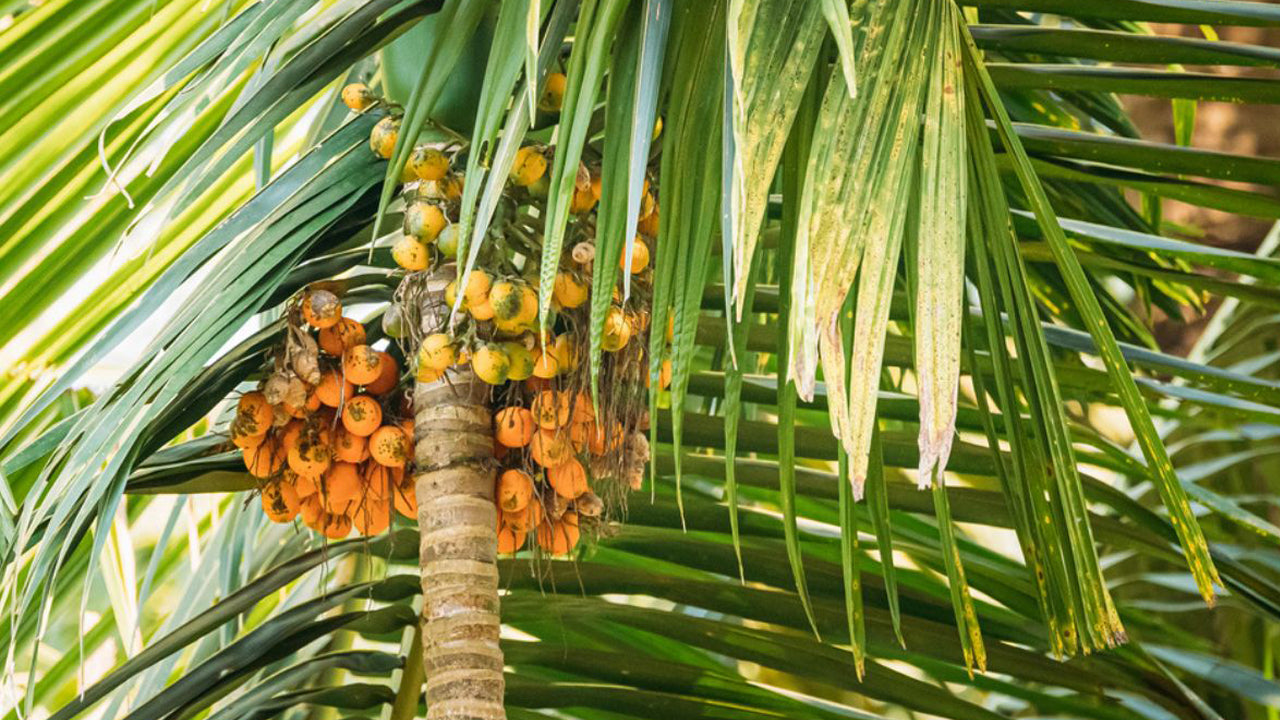
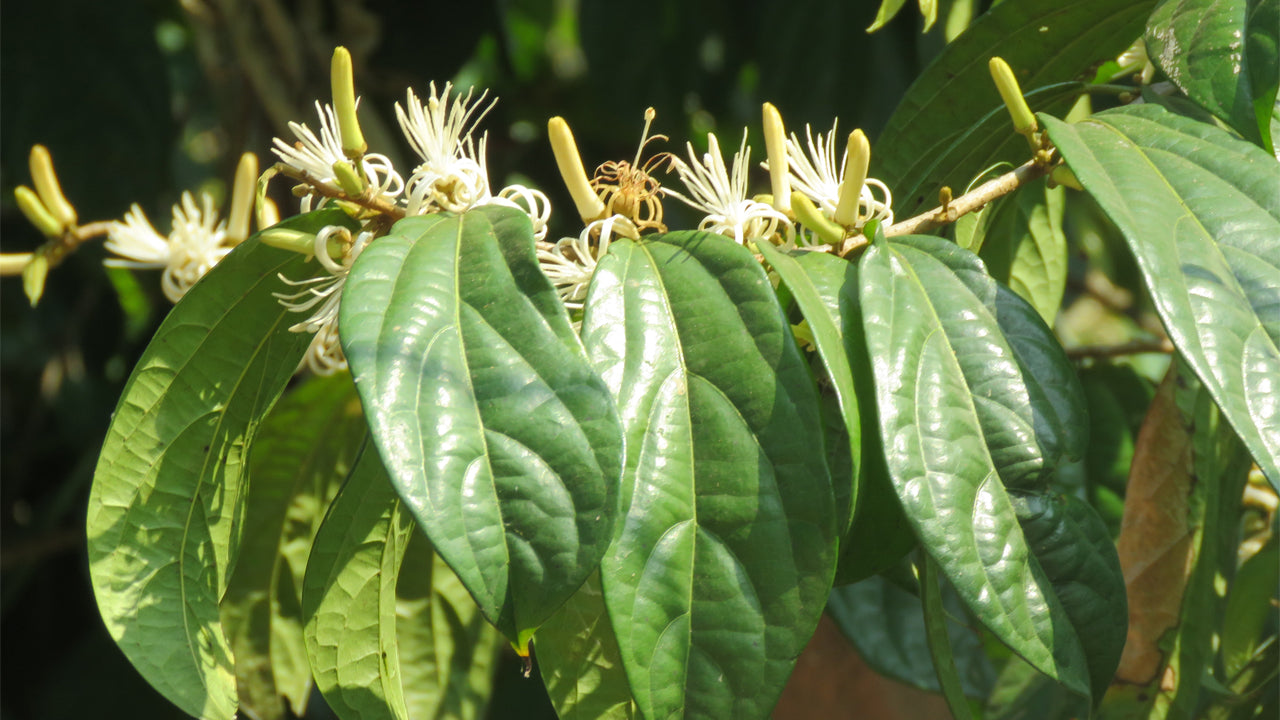
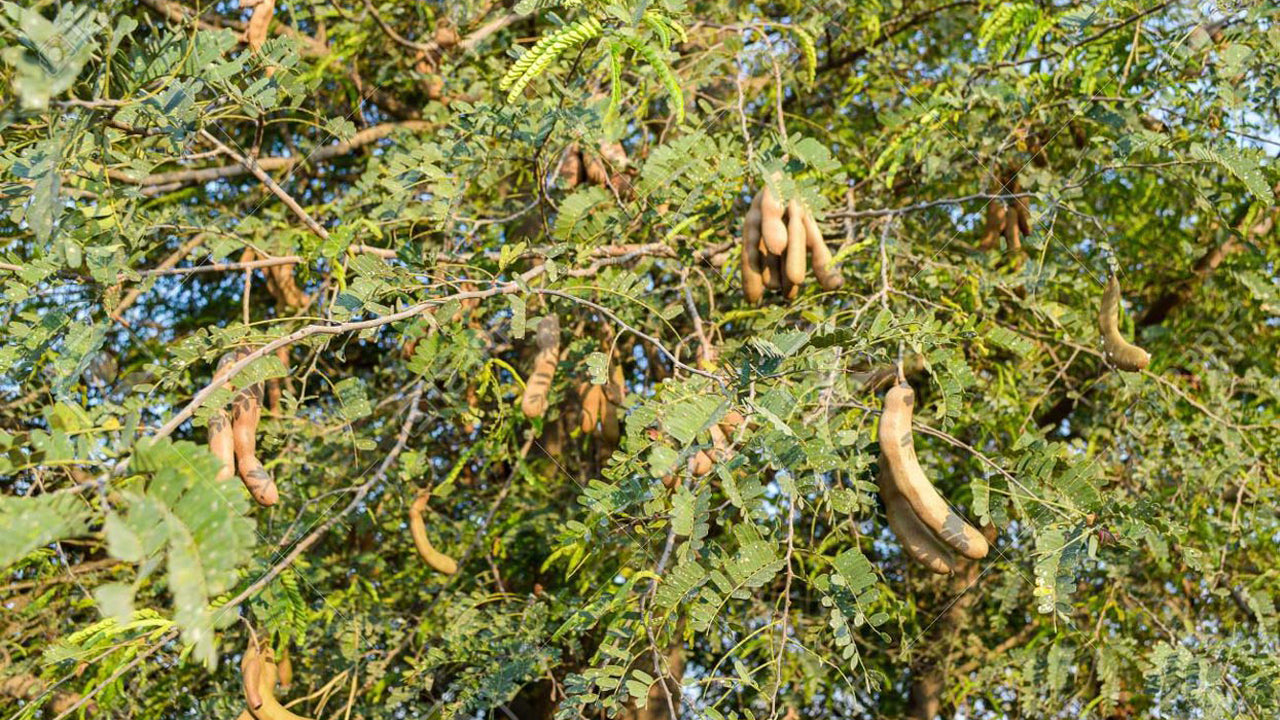
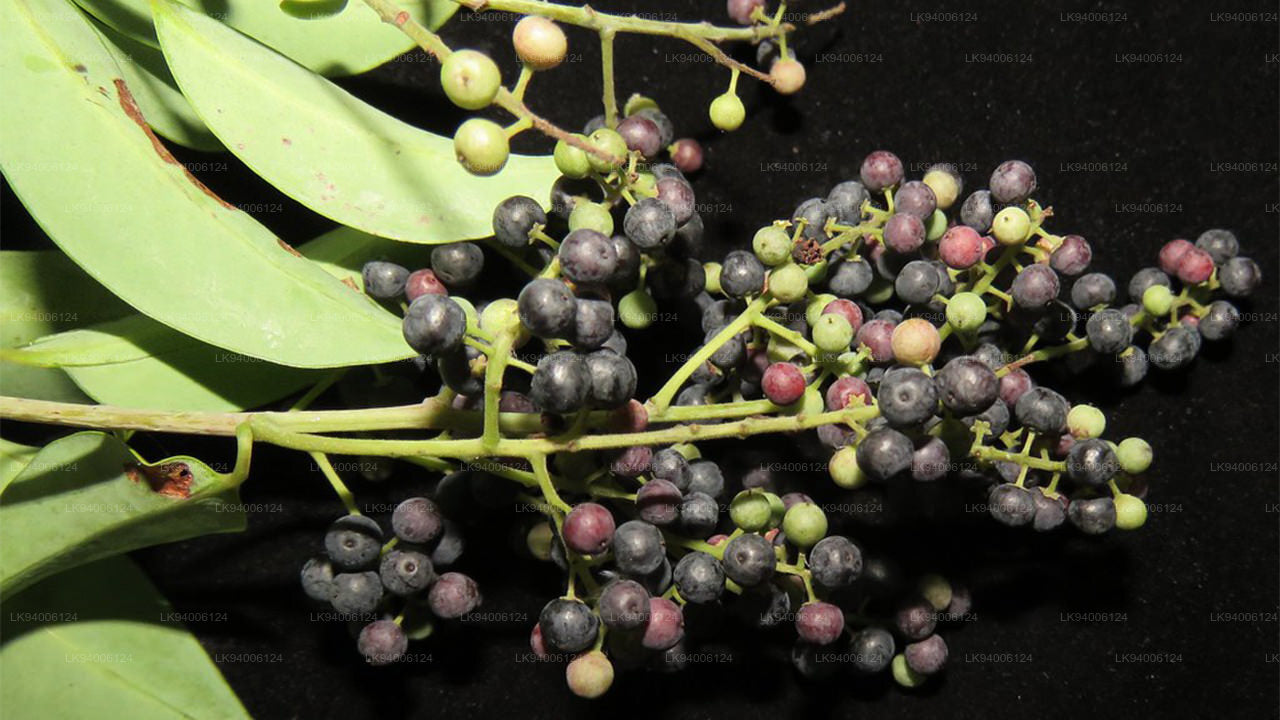
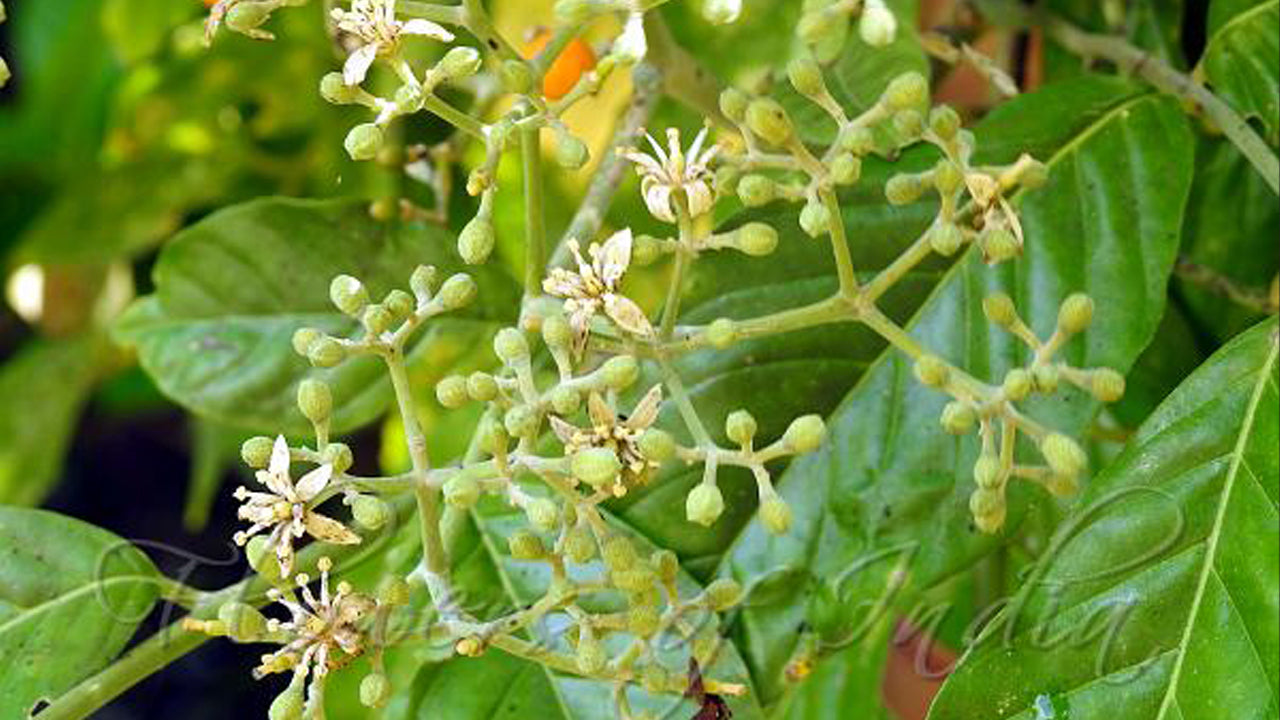
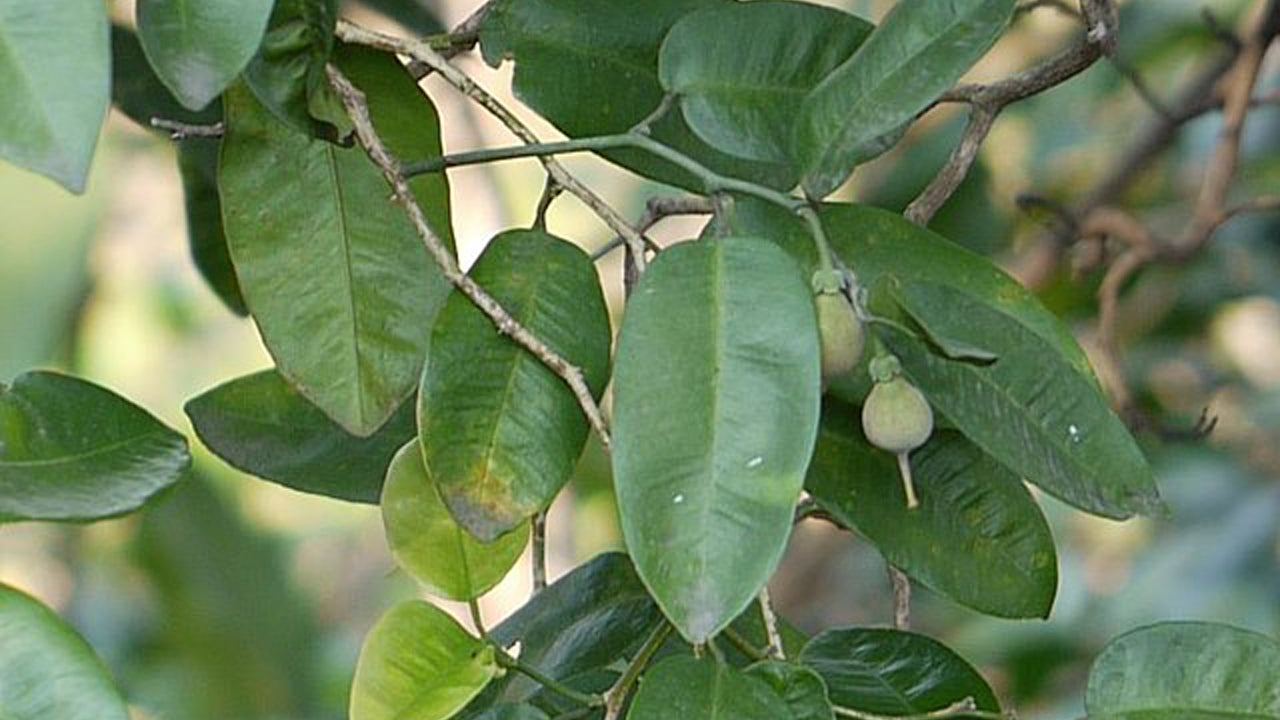
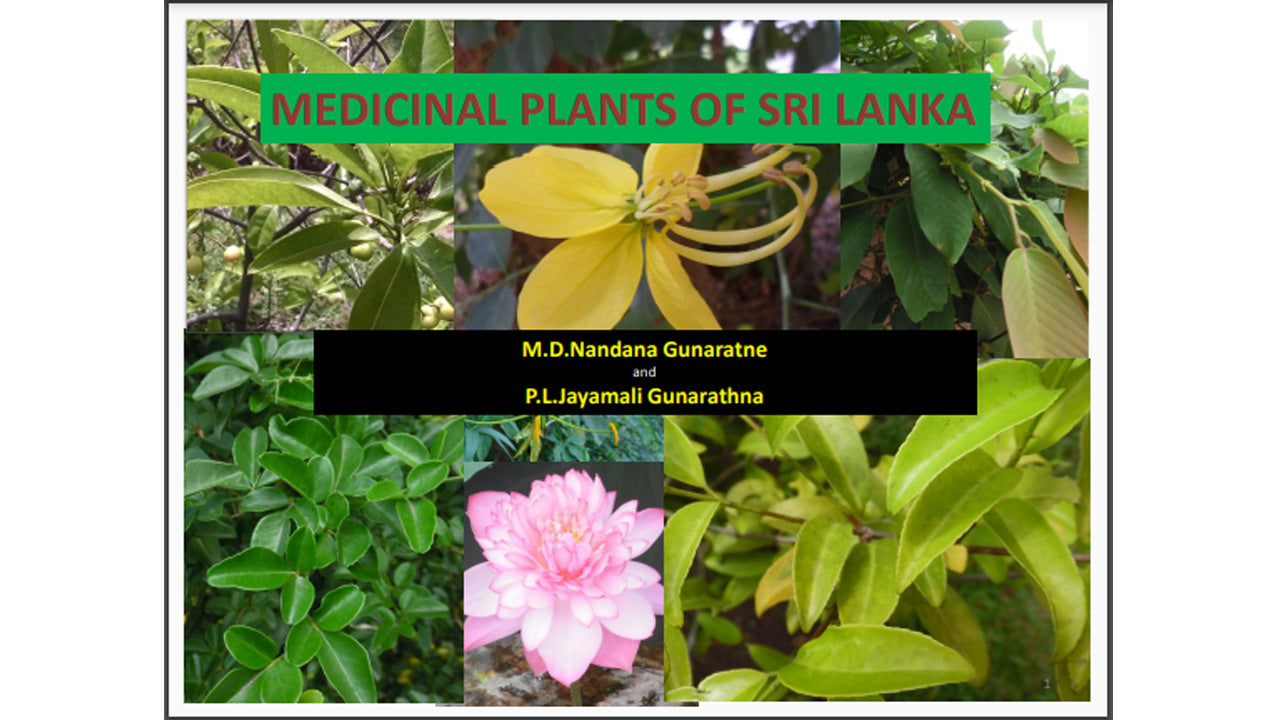
The plant typically grows as a multi-stemmed shrub or small tree, reaching around two to five metres in height. Its most distinctive feature is a dense arrangement of stout, paired spines along the branches — a characteristic that gives the genus part of its common identity and makes the plant a naturally effective live fence in rural Sri Lanka. The leaves are oval to elliptic, glossy, and arranged in clusters at the nodes. Fragrant white to cream-coloured flowers appear in small groups, and the plant produces round, smooth, berry-like fruits that turn yellow-orange when ripe. The fruits are roughly the size of a small lime and contain numerous seeds embedded in a sticky pulp.
Where does Catunaregam spinosa grow in Sri Lanka?
Catunaregam spinosa thrives in the dry and intermediate climate zones of Sri Lanka, particularly in the Northern, North-Central, and Eastern provinces. It tolerates poor, rocky soils and prolonged dry spells, which makes it common in scrub jungle and along the margins of cultivated land. Specimens can be found growing near ancient tank bunds and forest edges in the Cultural Triangle region. Farmers in dry-zone villages often plant it as a boundary hedge around homesteads and agricultural plots, valuing both its impenetrable spines and its medicinal utility.
What are the traditional Ayurvedic uses of this plant?
Within Sri Lanka's Ayurvedic tradition, almost every part of Catunaregam spinosa is considered medicinally active. The fruit pulp has long been used as an ingredient in formulations aimed at digestive complaints, skin conditions, and fever management. The root bark is valued for its astringent properties and is incorporated into preparations addressing inflammatory conditions and certain gynaecological disorders. Leaf poultices have been applied externally to wounds and skin eruptions in folk medicine practice.
The plant is listed in the official catalog of Ayurvedic medicinal plants recognised by Sri Lanka's Department of Ayurveda, reflecting its longstanding institutional importance. Traditional physicians — vedamahattayas — continue to source the plant from wild stands and home gardens, often combining it with other documented species such as Acacia chundra and Pongamia pinnata in compound formulations.
What does modern research say about Catunaregam spinosa?
Phytochemical studies have identified a range of bioactive compounds in various parts of the plant, including iridoid glycosides, tannins, flavonoids, and triterpenoids. Several laboratory studies have reported antimicrobial, antioxidant, and anti-inflammatory activity in extracts derived from the fruit and root. Research interest in the plant's potential applications in treating skin conditions has grown, partly because the fruit pulp contains compounds that may inhibit certain enzymatic pathways related to pigmentation. It is important to note that most findings remain at the preclinical stage; clinical trials in human populations are limited, and the plant should be used under the guidance of a qualified Ayurvedic practitioner.
How is Catunaregam spinosa used in practice today?
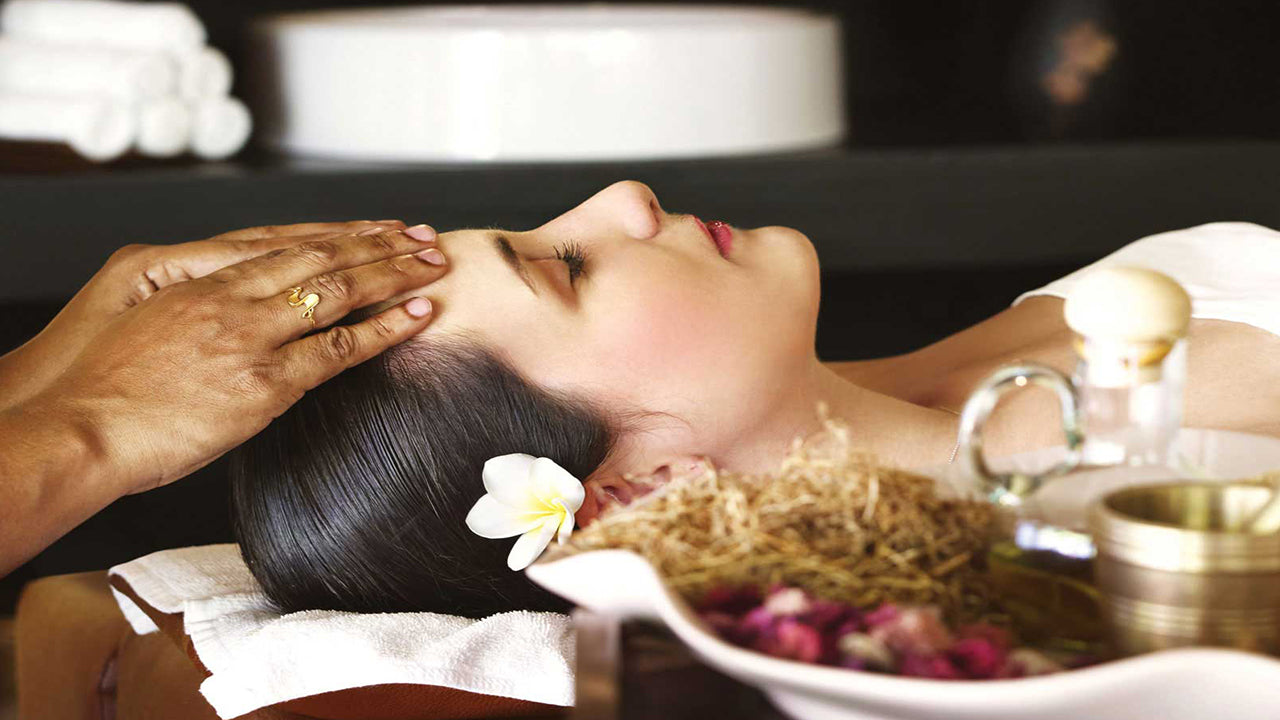
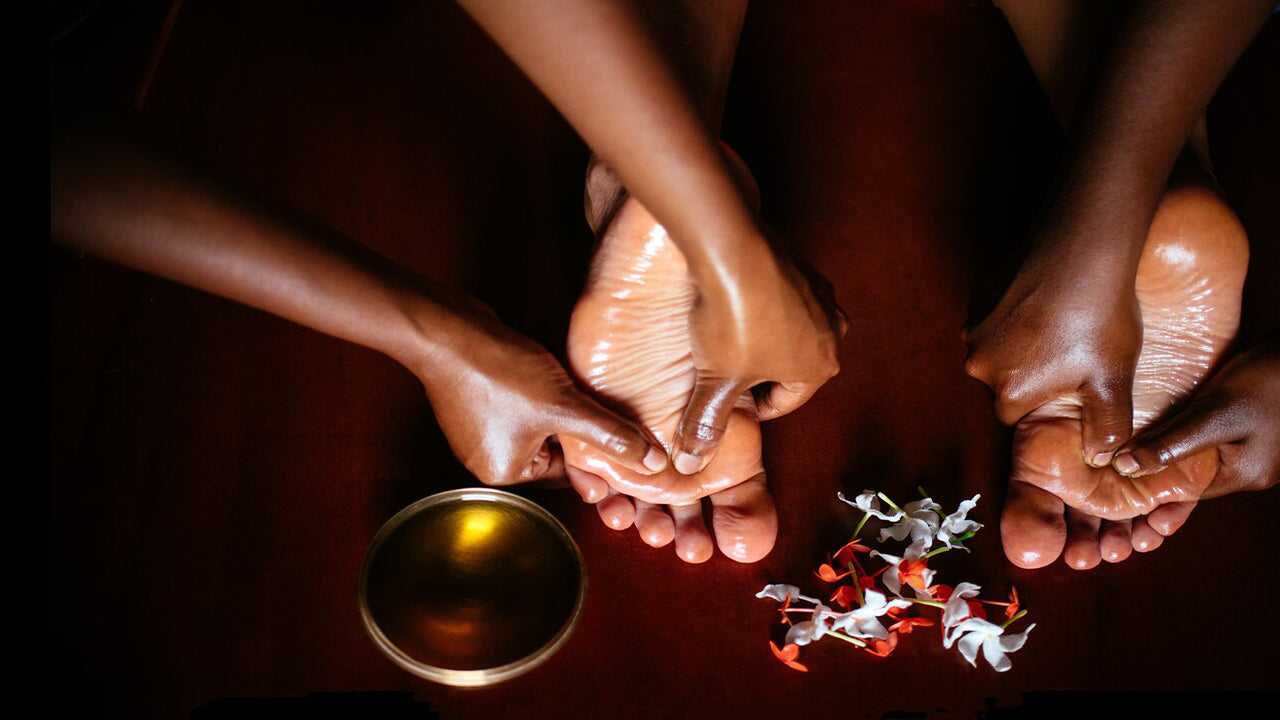
In contemporary Sri Lanka, the plant occupies a dual role. Rural communities continue to use it in traditional home remedies passed down through generations. At the same time, Ayurvedic pharmaceutical manufacturers include extracts and powdered plant material in proprietary formulations available through registered Ayurvedic dispensaries and wellness centres across the island. Visitors undertaking wellness retreats or village tours in the dry zone may encounter the shrub growing in herb gardens maintained by Ayurvedic resorts and traditional practitioners.
- Fruit: Used in digestive and skin-related formulations; dried and powdered for internal use.
- Root bark: Decocted for astringent and anti-inflammatory preparations.
- Leaves: Applied as poultices in folk wound care.
- Whole plant: Planted as a live fence in village homesteads across the dry zone.
How does this plant fit into Sri Lanka's broader herbal medicine tradition?
Sri Lanka's Ayurvedic tradition draws on a rich ecological base, with thousands of plant species documented across the island's varied habitats. Catunaregam spinosa represents the category of plants that are neither glamorous nor rare but are quietly foundational — known to practitioners and village elders, reliably available in their natural range, and versatile enough to appear in dozens of formulas. The Sinharaja Forest Reserve and other protected areas harbour many of the island's lesser-known medicinal species, underlining the ecological importance of habitat conservation for the future of traditional medicine.
Compound Ayurvedic preparations such as Yogaraja Guggulu and Kaishore Guggulu illustrate how individual plants like Catunaregam spinosa are woven together into multi-ingredient remedies, each ingredient contributing specific properties to the overall therapeutic effect.
Can travellers see or learn about Catunaregam spinosa in Sri Lanka?
Visitors with an interest in traditional medicine and ethnobotany can encounter Catunaregam spinosa in several contexts during a tour of Sri Lanka. Ayurvedic herb gardens attached to wellness resorts — particularly those in the Kandy, Matale, and dry-zone regions — frequently include the plant among their cultivated specimens. Village experience programmes in areas such as the North-Central Province offer guided walks where local guides can point out medicinal plants in their natural habitat. The plant's natural range overlaps with popular heritage destinations, meaning a traveller visiting the ancient city of Polonnaruwa may well come across stands of this spiny shrub in the scrub jungle surrounding the ruins.
Key facts at a glance
| Attribute | Detail |
|---|---|
| Family | Rubiaceae |
| Common zones in Sri Lanka | Dry zone, intermediate zone |
| Plant habit | Thorny shrub or small tree, typically 2–5 m tall |
| Parts used medicinally | Fruit, root bark, leaves |
| Primary traditional uses | Digestive disorders, skin conditions, fever, inflammation |
| Status in Sri Lanka | Listed in the official Ayurvedic medicinal plant catalog |