Antiaris toxicaria var. toxicaria


Antiaris toxicaria var. toxicaria, commonly known as the upas tree, is a species of tree in the family Moraceae. It is native to tropical regions of Southeast Asia, including Indonesia, Malaysia, and the Philippines. The tree is particularly noted for its toxic properties and historical significance.
Key Characteristics:
Toxicity: The upas tree is famous for its poisonous sap, which has been traditionally used in Southeast Asia as a means of hunting. The sap contains compounds that can cause severe reactions, including paralysis and death if consumed or if it comes into contact with open wounds. The toxic sap is primarily derived from the bark and latex.
Appearance: The upas tree is a large tree that can grow up to 30 meters (about 100 feet) in height. It has large, glossy leaves and a thick, rough bark. Its flowers are small and greenish-yellow, typically not very showy. It also produces a fig-like fruit.
Habitat: This species thrives in tropical rainforests and prefers well-drained, fertile soils. It is typically found in lowland areas and can grow in dense forest environments.
Cultural and Historical Significance: The tree has been part of local folklore, especially in Indonesia. It was once believed that the tree's toxic effects could kill animals from a distance, leading to the myth that the tree had an invisible poison cloud. Traditional hunters would use the tree’s sap to poison arrows or blow darts to catch game.
Modern Use and Concerns:
While the tree's toxicity is still acknowledged, the upas tree is not commonly used in contemporary medicine or industry due to the dangers associated with its sap. However, the upas tree is of interest to researchers studying plant toxins and their effects.


-
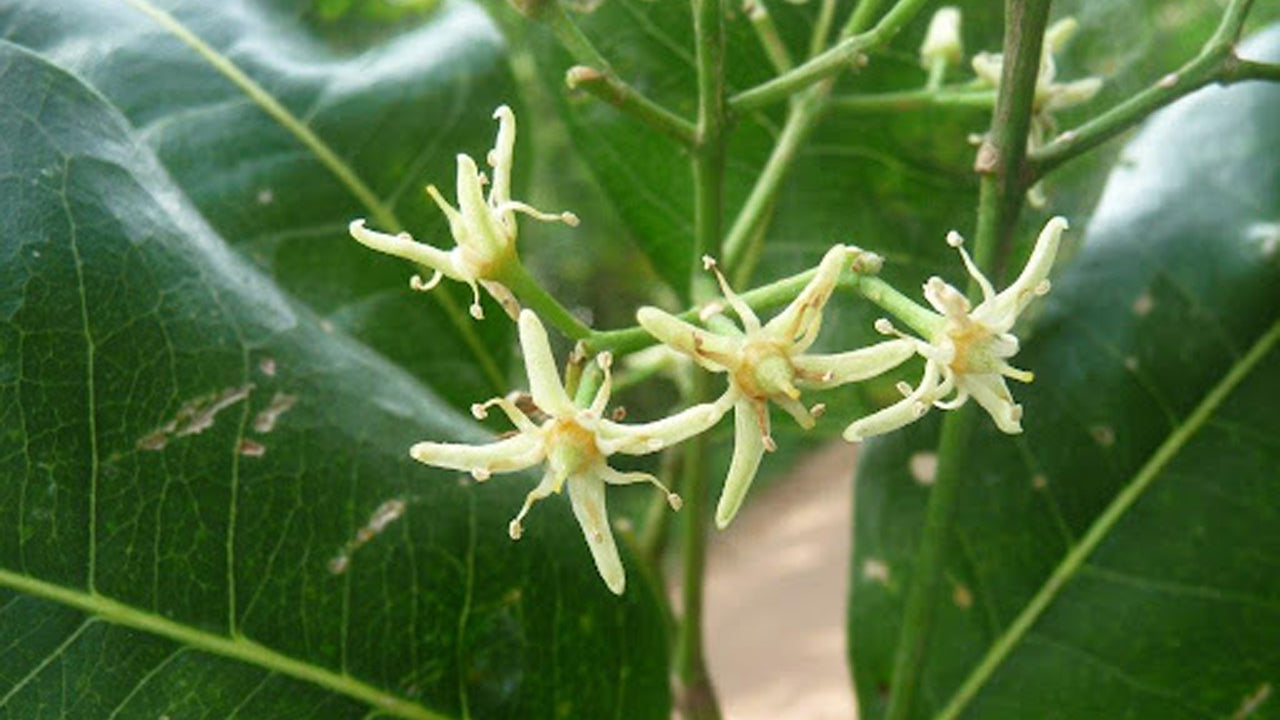
Claw-flowered laurel
Acronychia pedunculata -
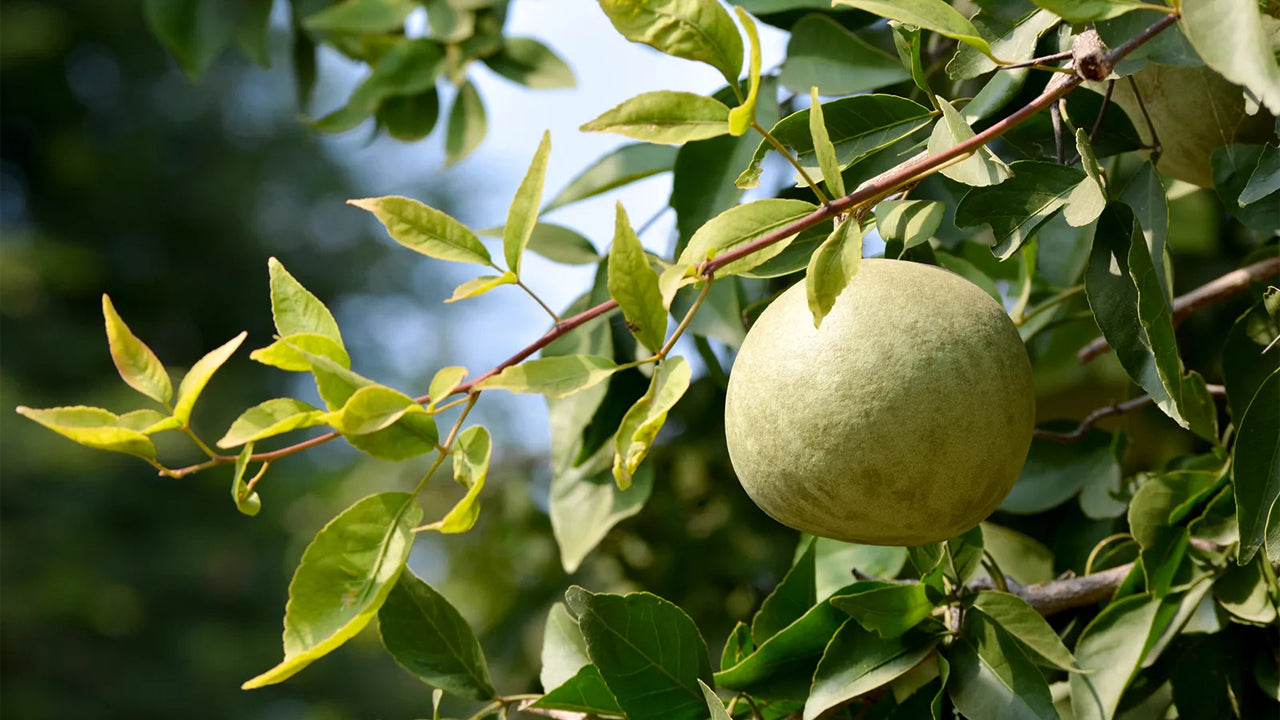
Bael
Aegle marmelos -
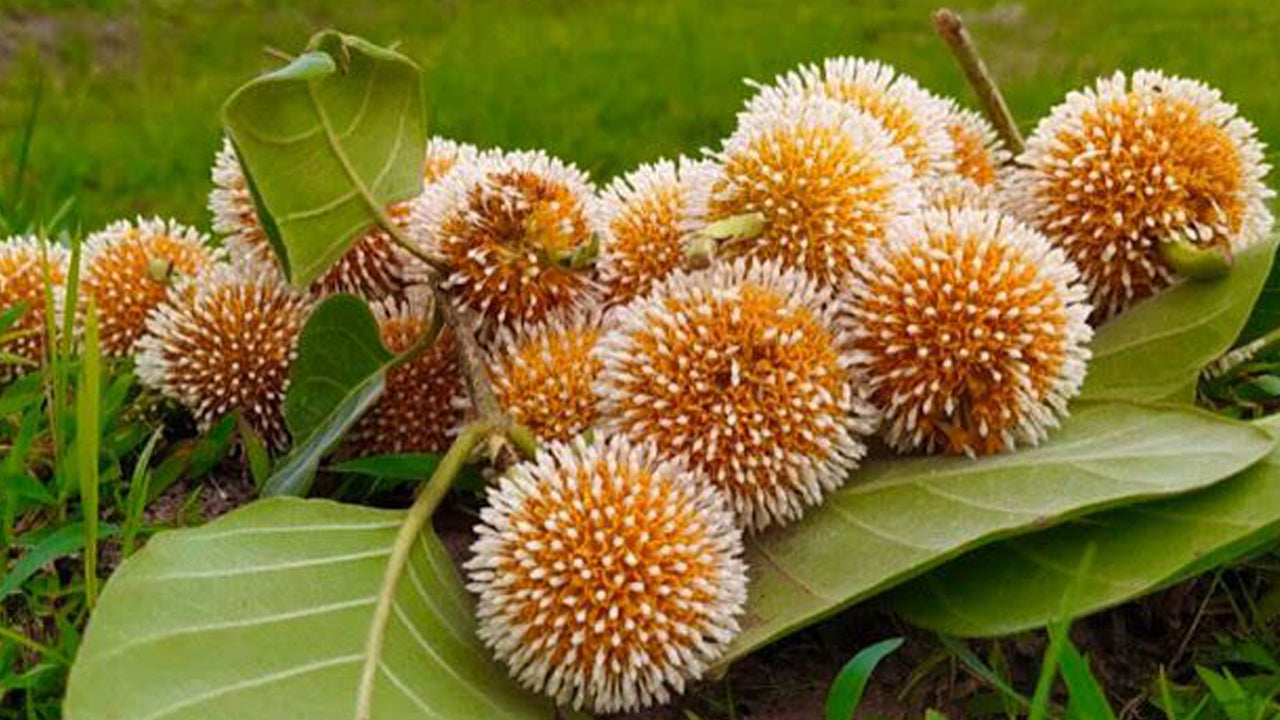
Leichhardt tree
Nauclea orientalis -
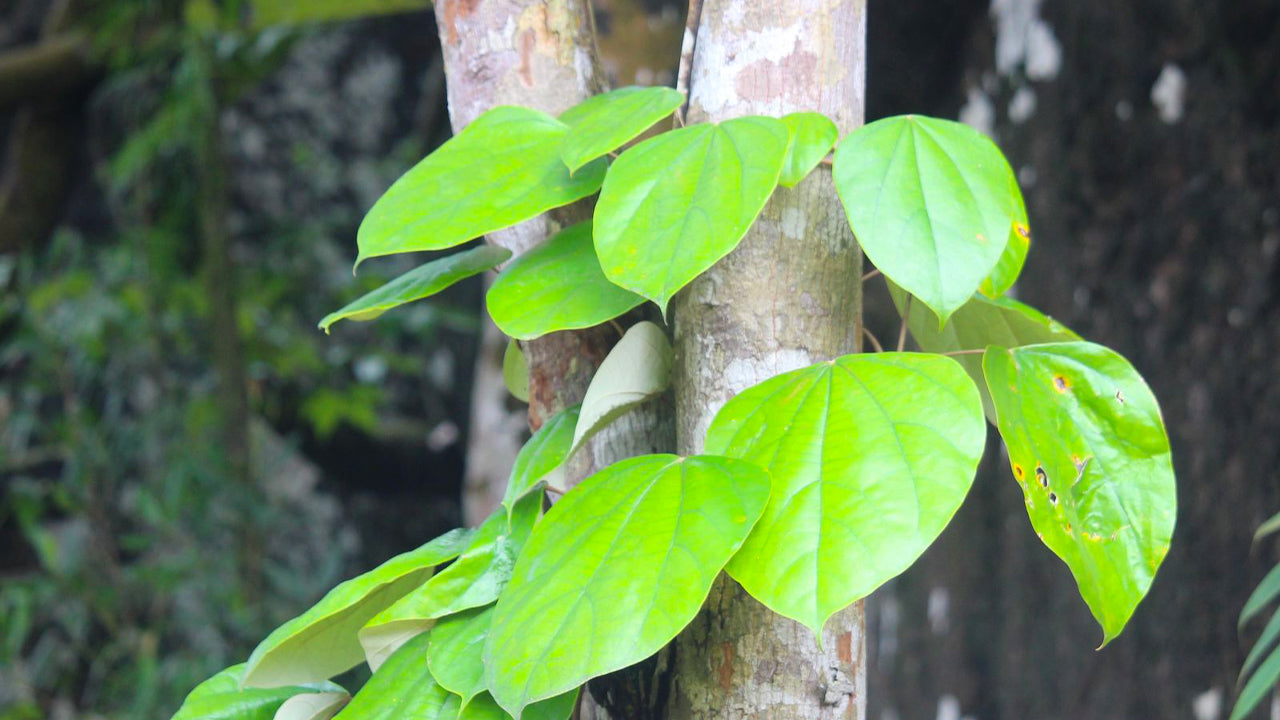
False Calumba
Coscinium fenestratum -

Malabar Gulbel
Tinospora malabarica -
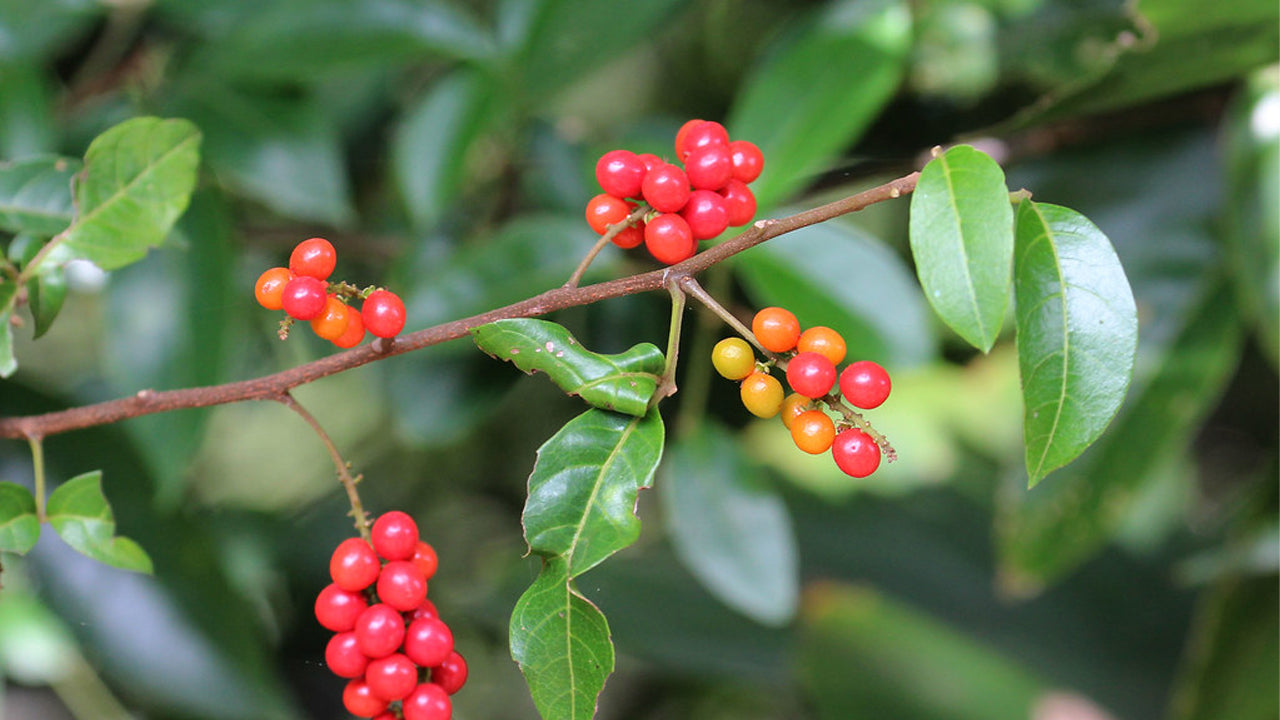
Titberry
Allophylus cobbe -
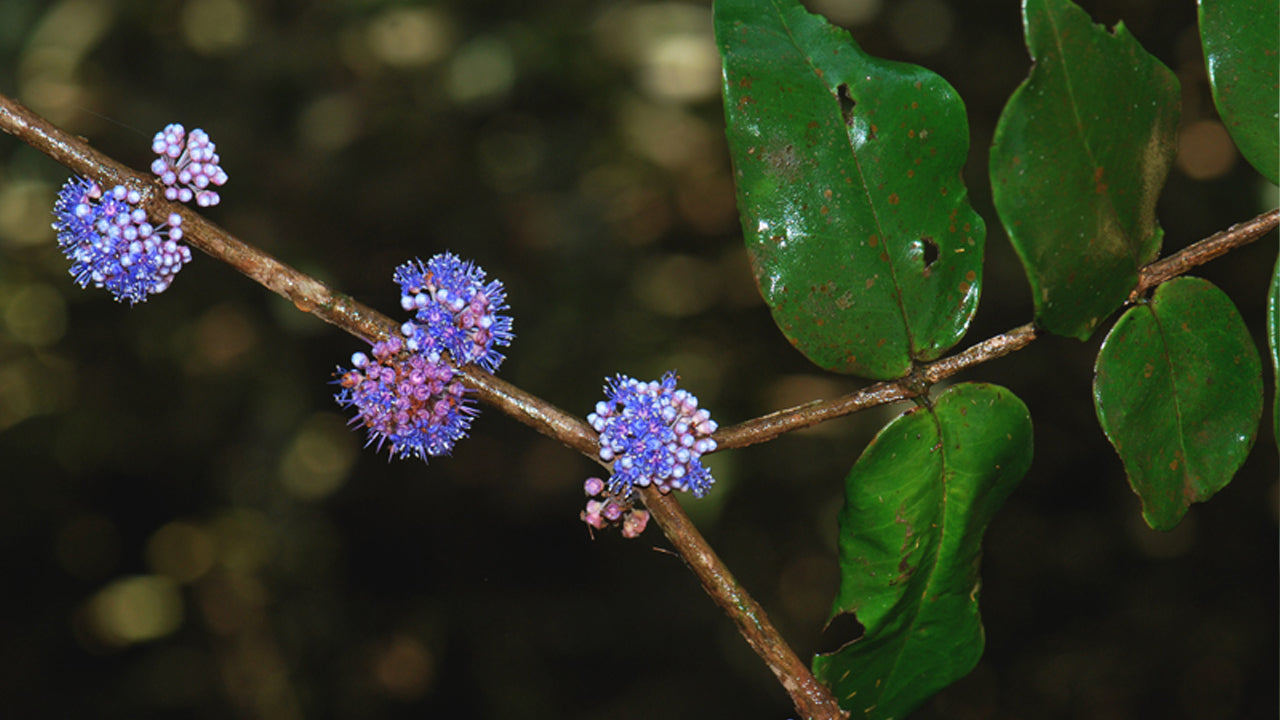
Ironwood Tree
Memecylon capitellatum -
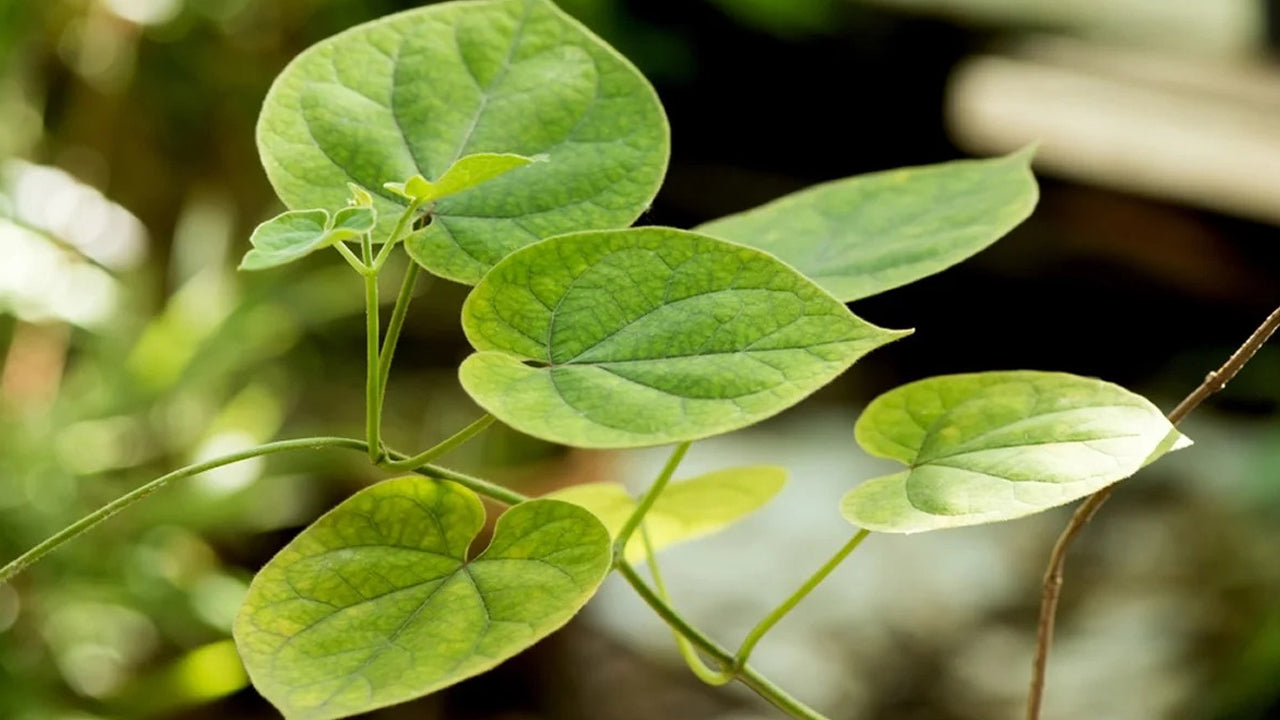
Velvet Leaf
Cissampelos pareira -
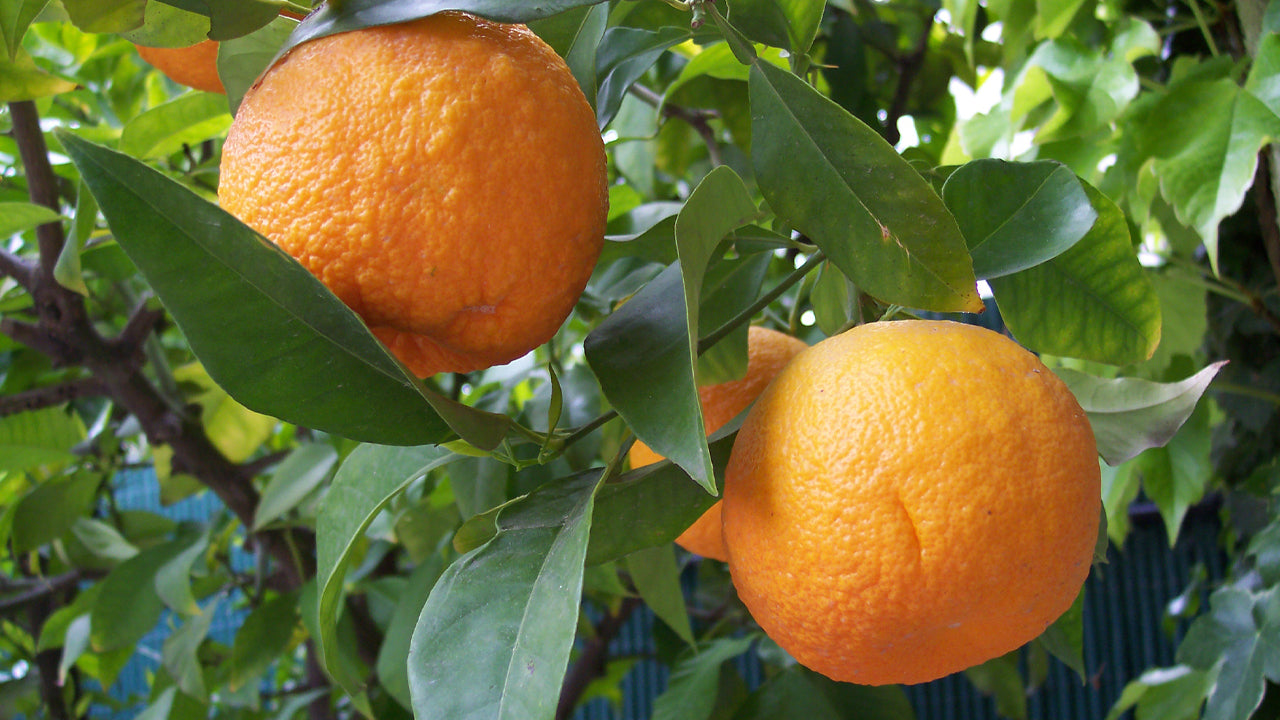
Bitter orange
Citrus aurantium -

Reinwardt's Tree Plant
Biophytun reinward -
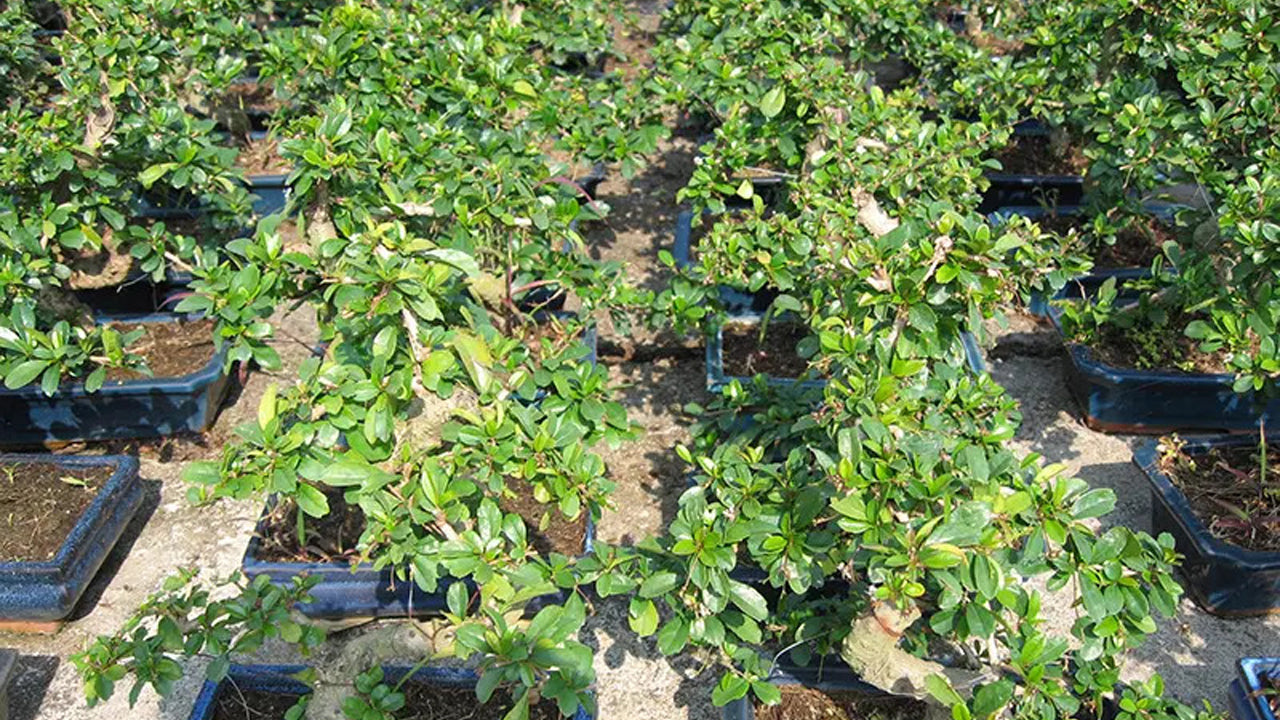
Fukien tea
Carmona microphylla -
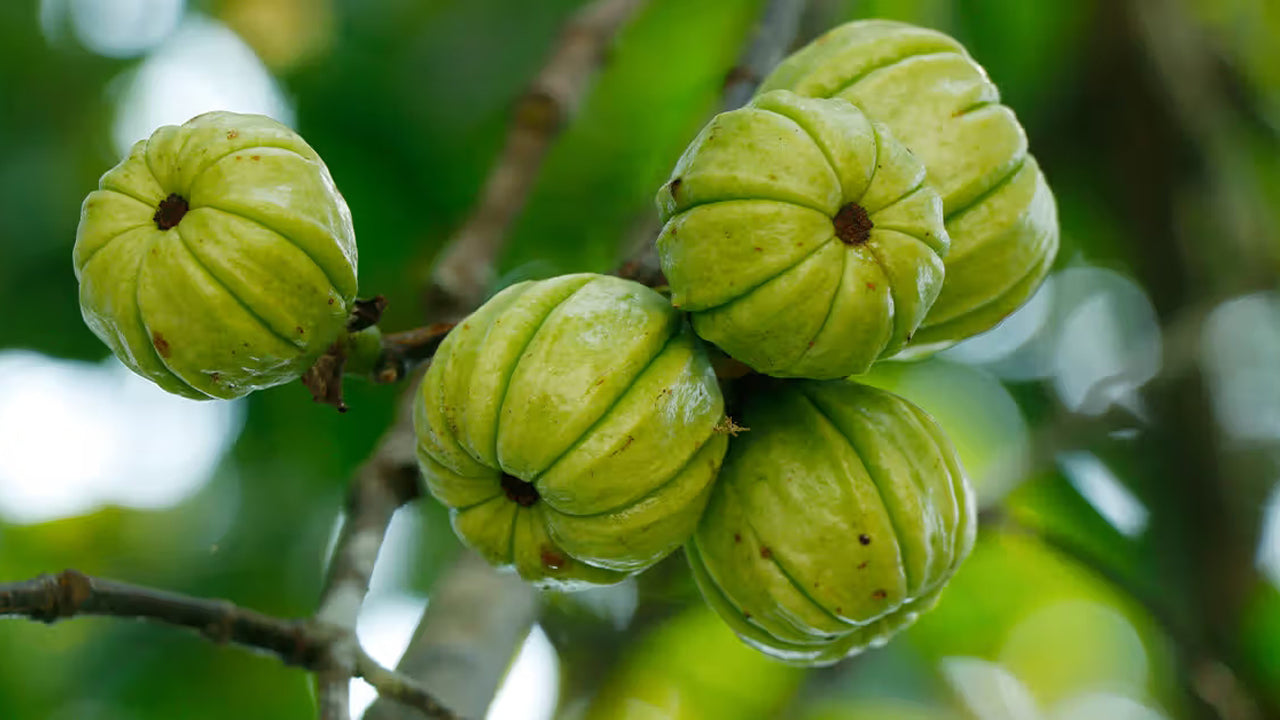
Malabar tamarind
Garcinia cambogia -
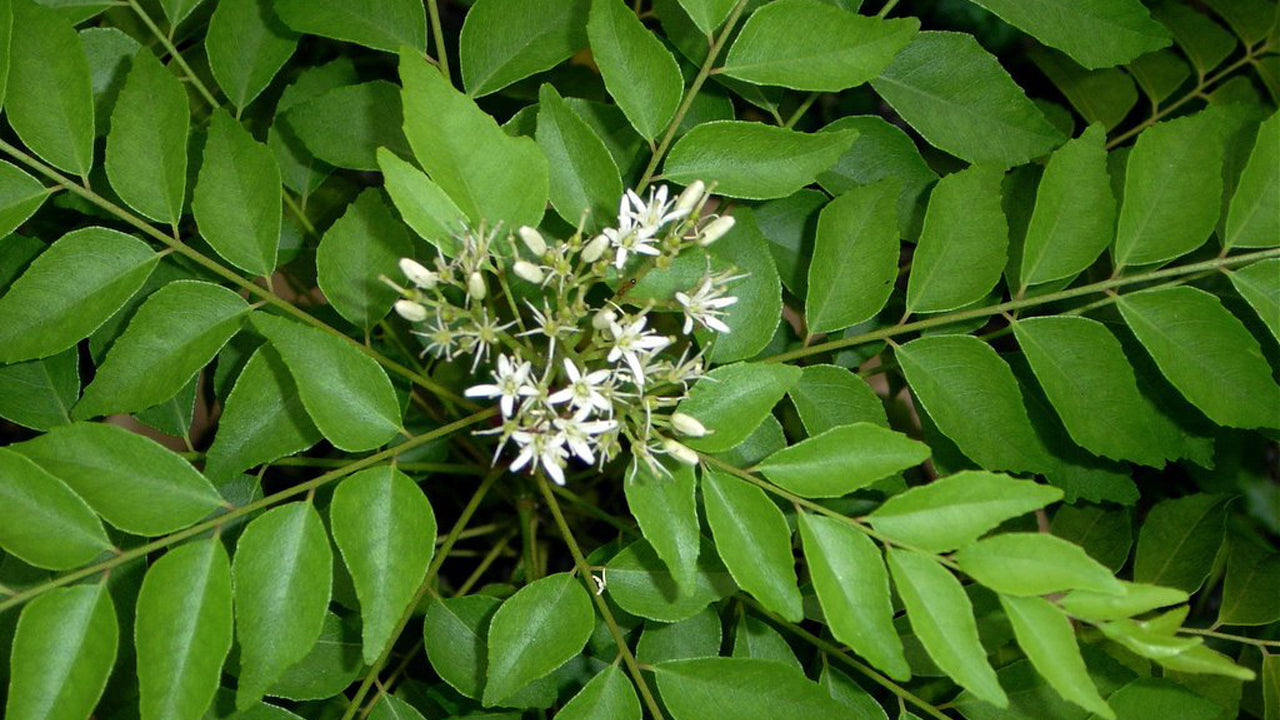
Curry leaf tree
Murraya koenigii -
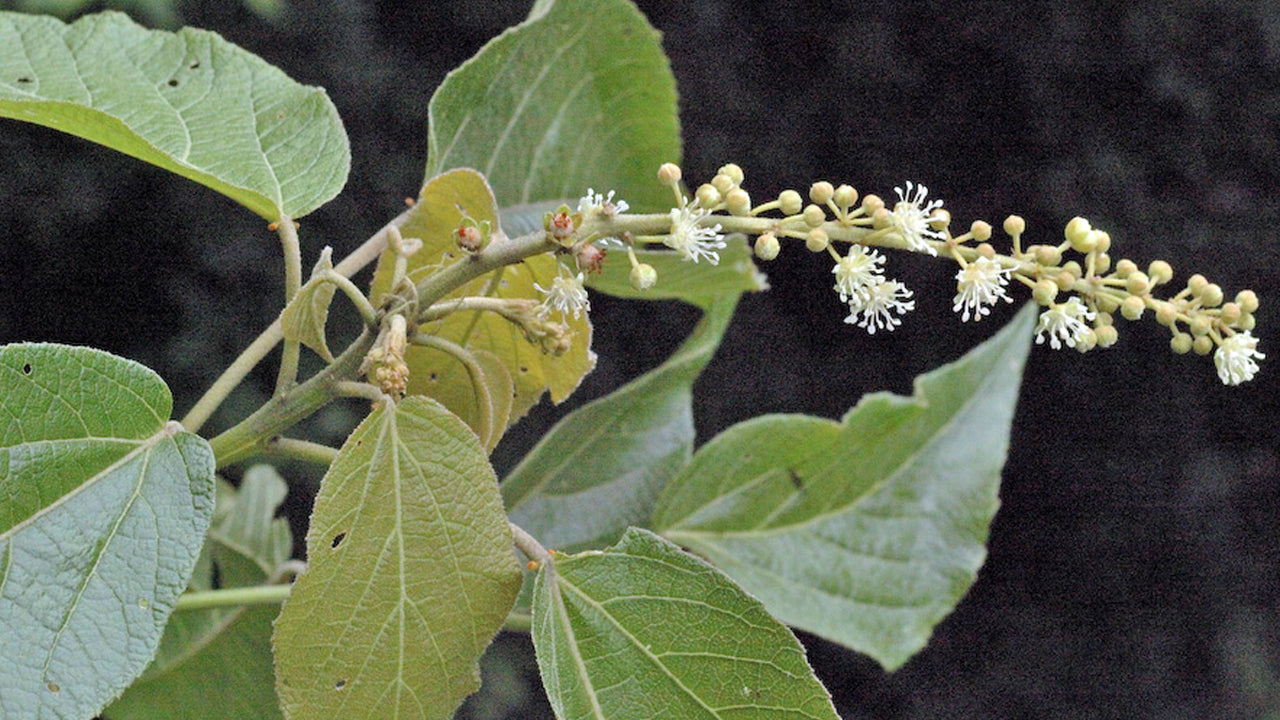
Kappetiya
Croton laccifer -
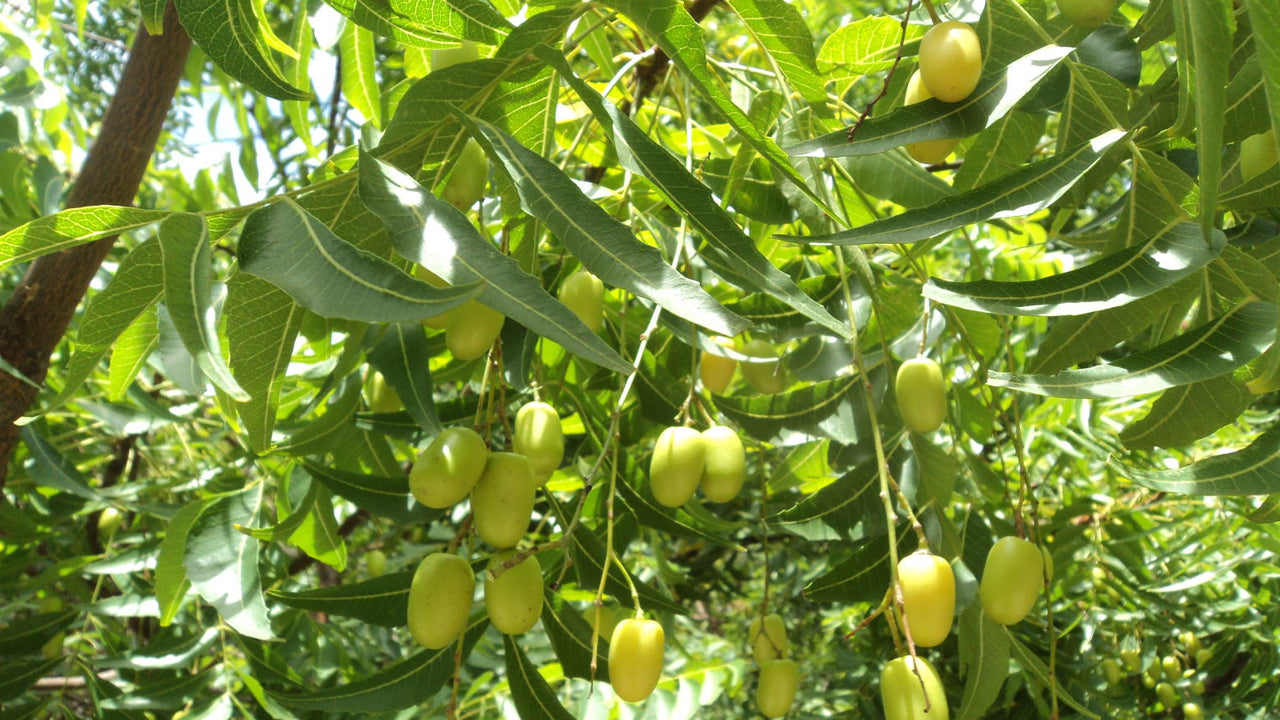
Indian lilac
Azadirachta indica -
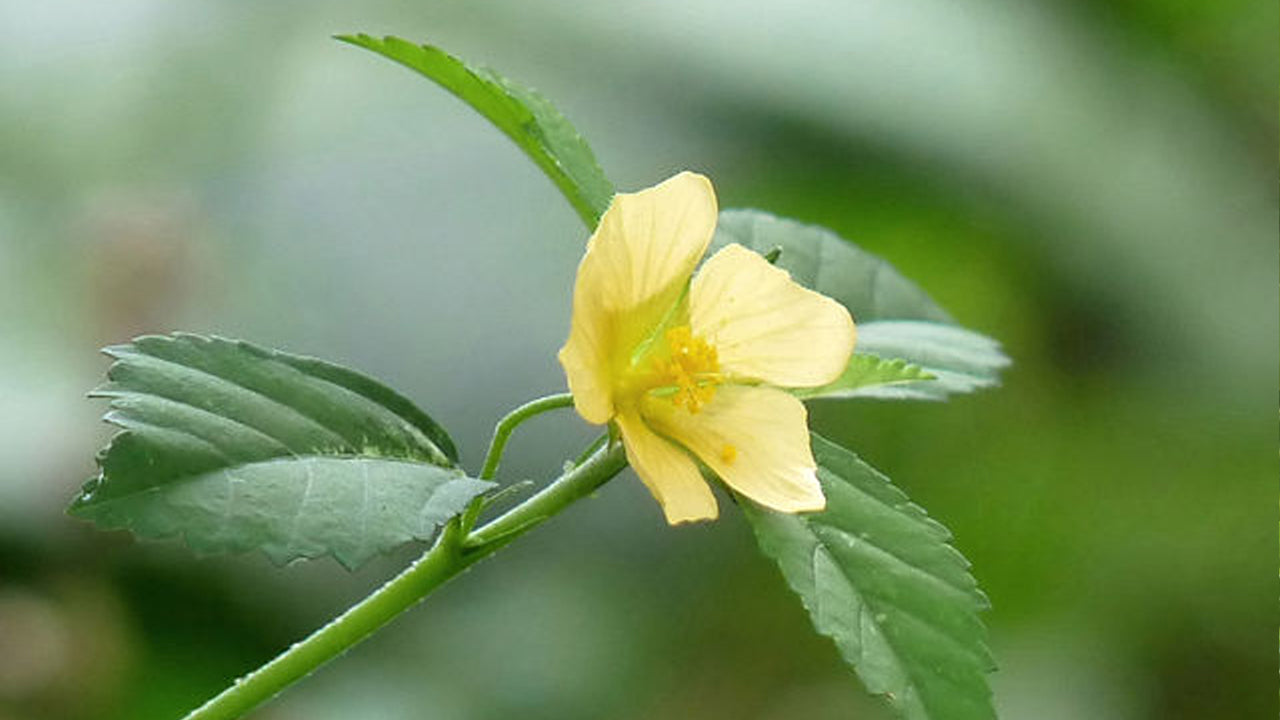
Spiny sida
Sida alba -
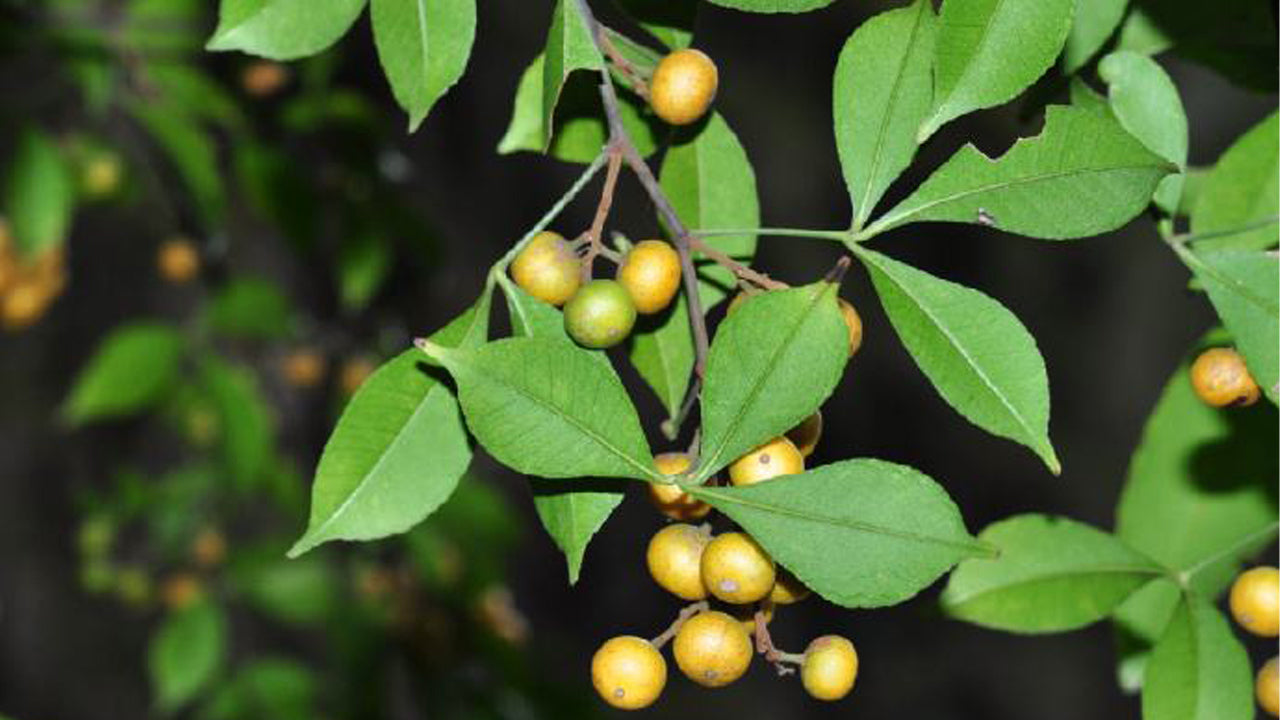
Orange climber
Toddlia asiatica -
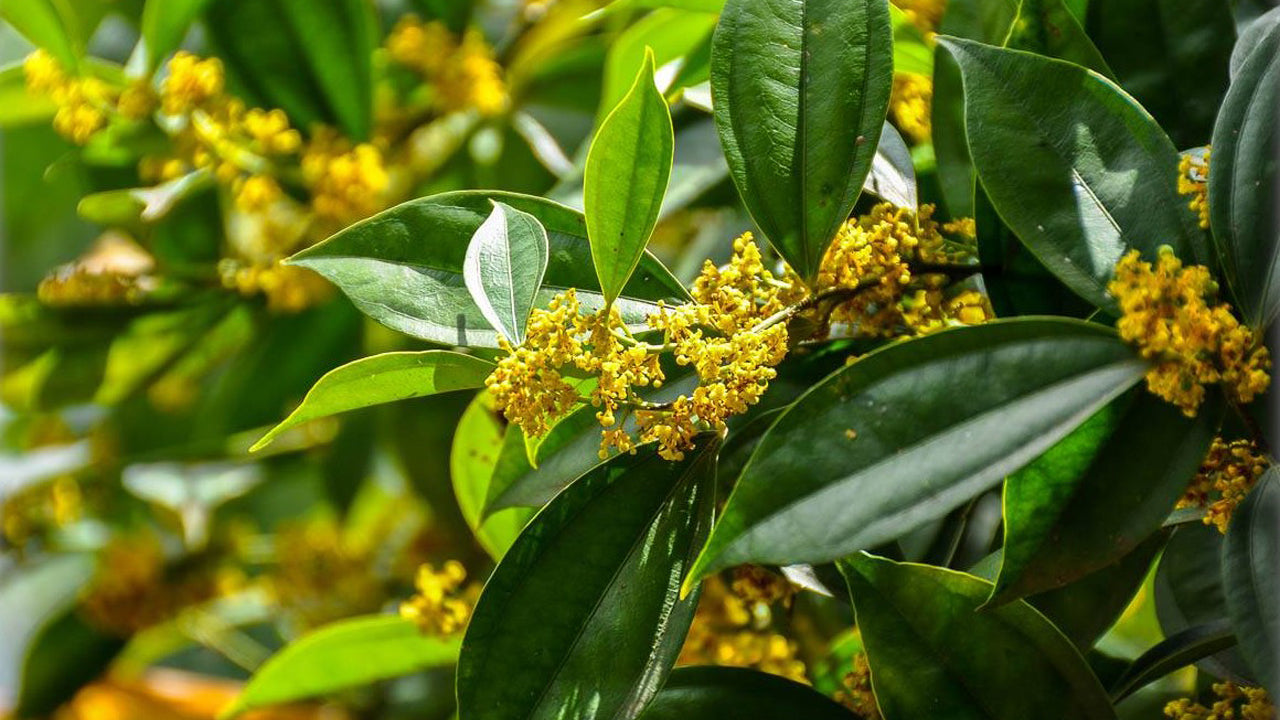
Ceylon cinnamon
Cinnamomum zeylanicum -
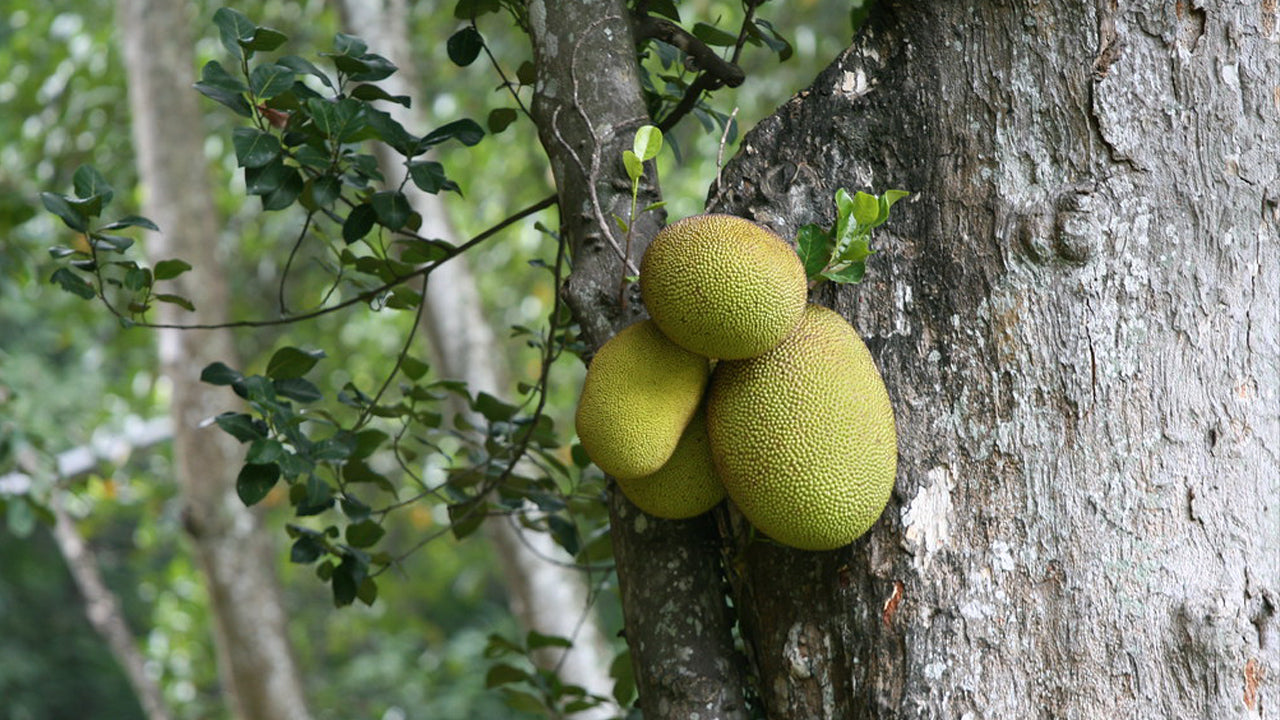
Jackfruit
Artocarpus heterophyllus -
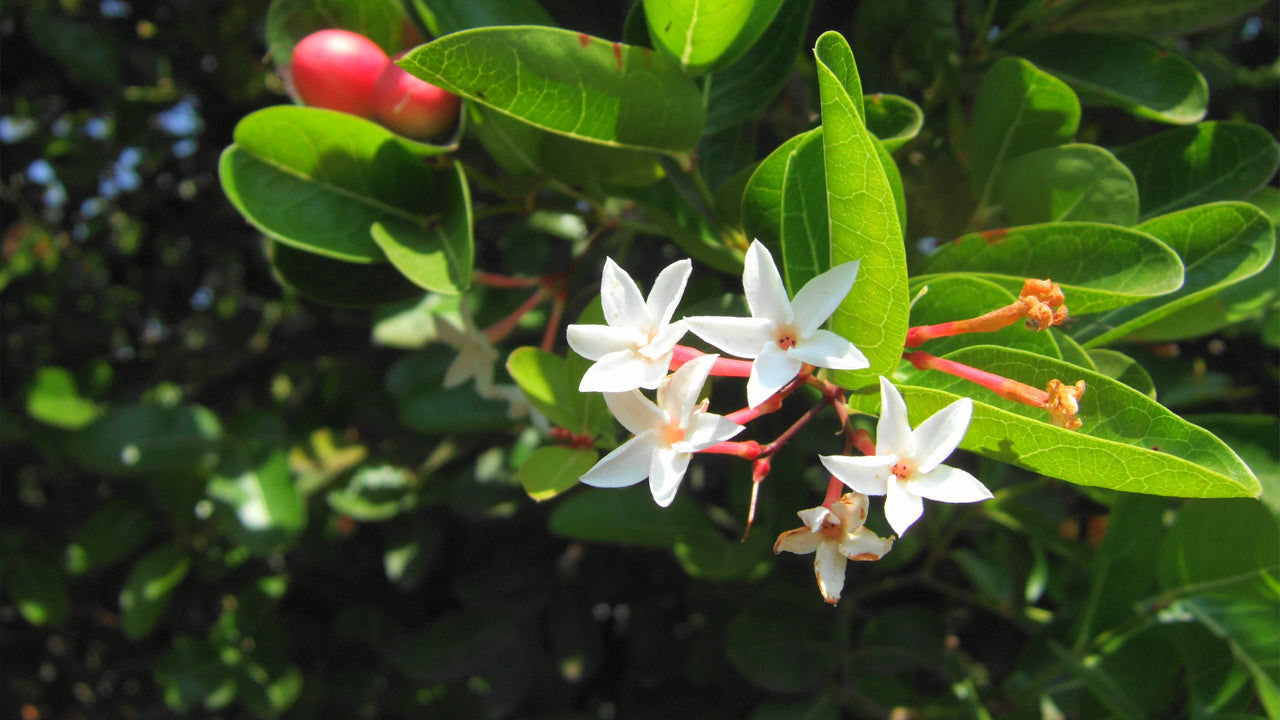
Karonda
Carissa carandas -
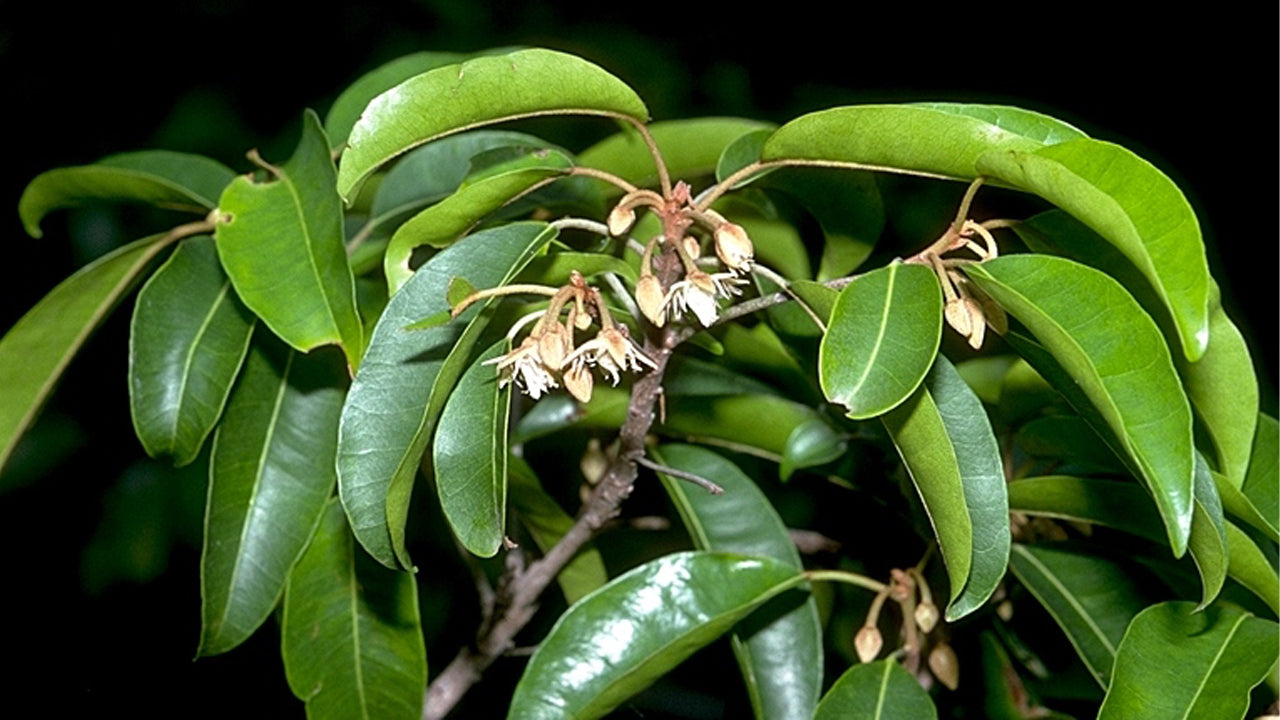
Spanish cherry
Mimusops elengi -
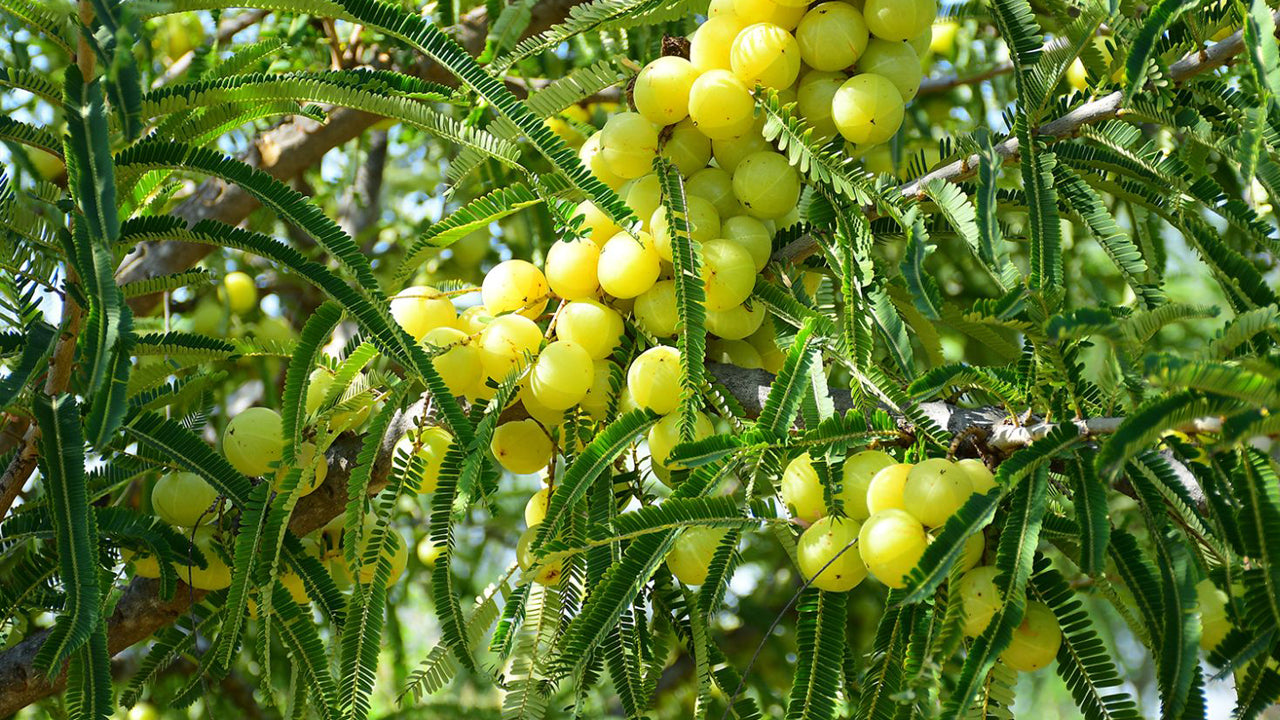
Indian gooseberry
Phyltanthus emblica -
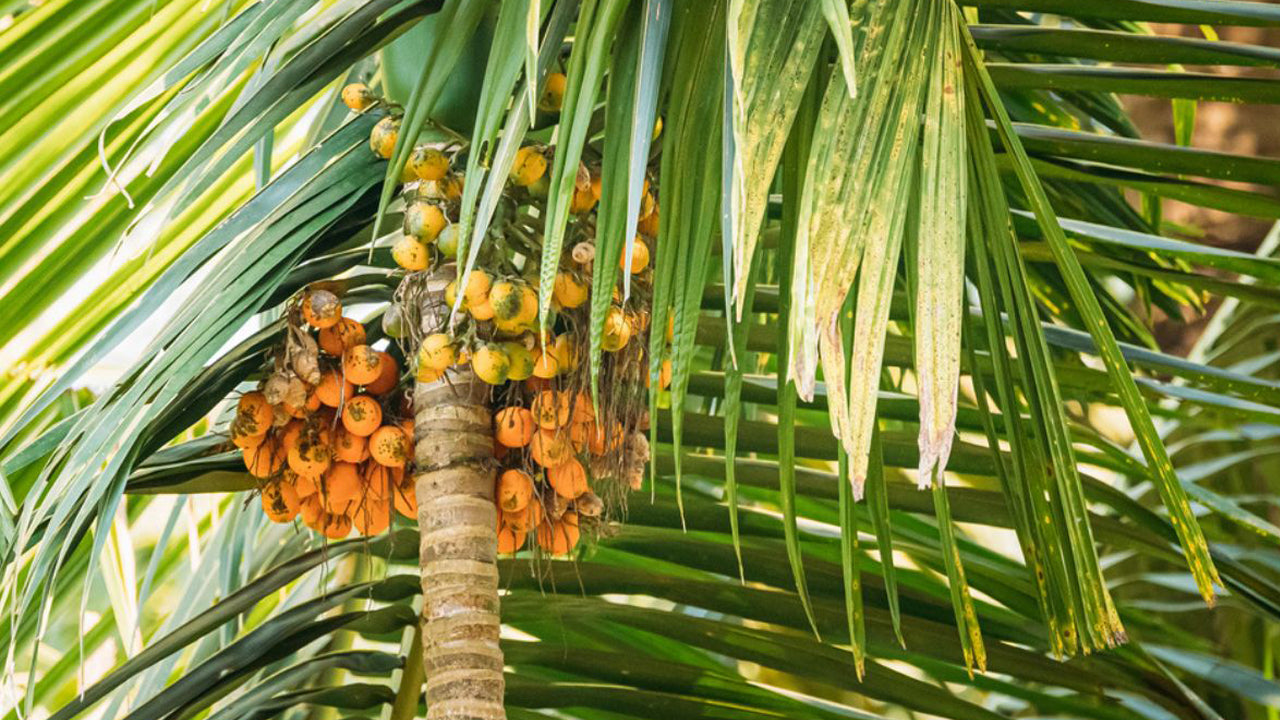
Betel palm
Areca catechu -
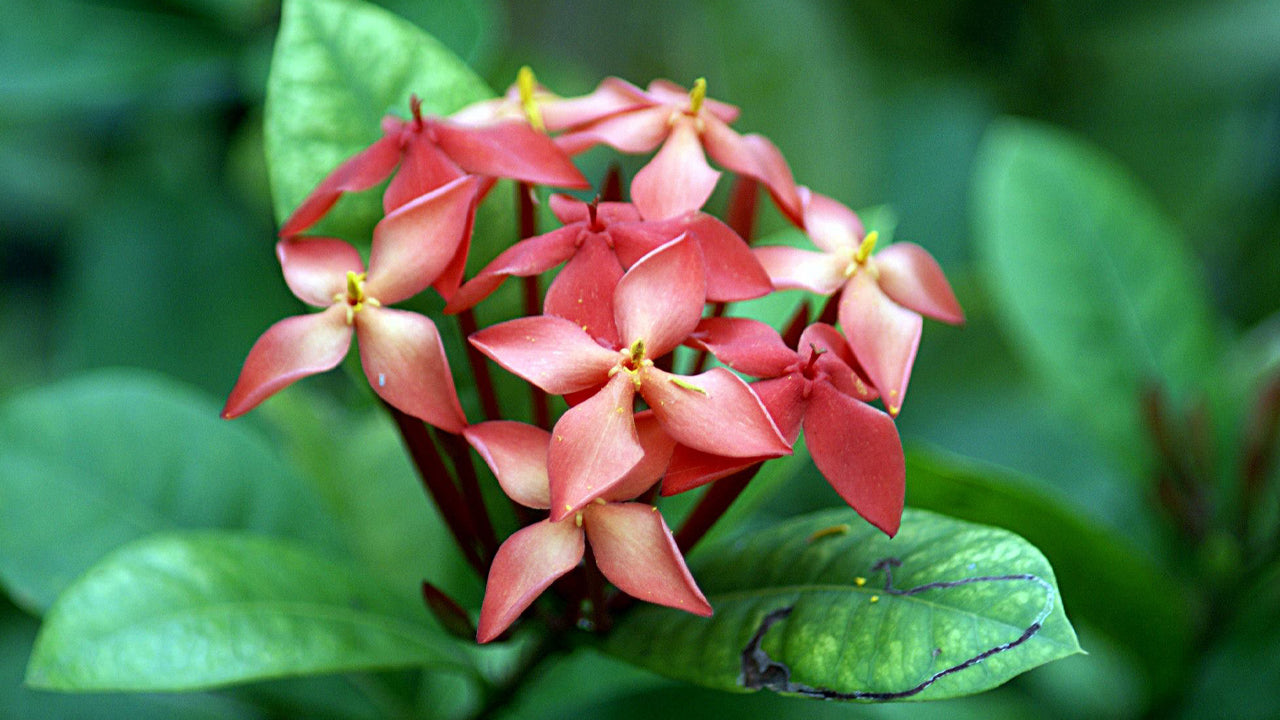
Jungle geranium
Ixora coccinea -
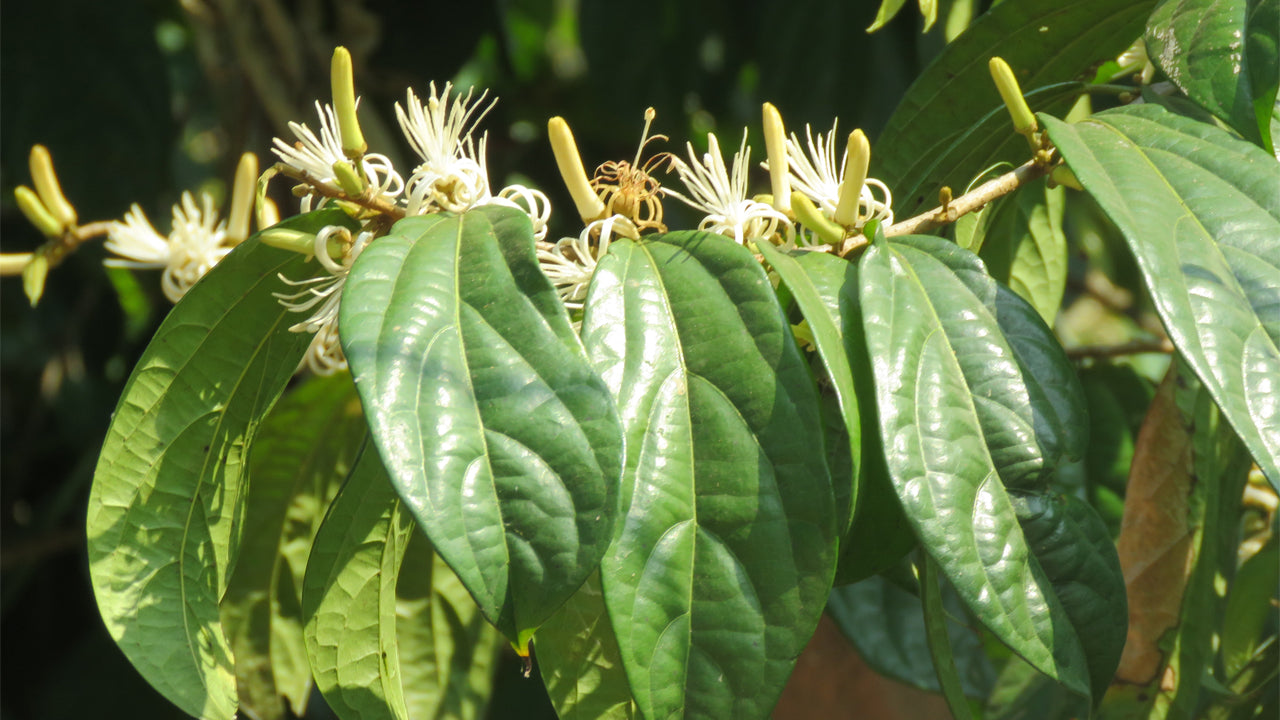
Sage-leaved alangium
Alangium salviifolium -
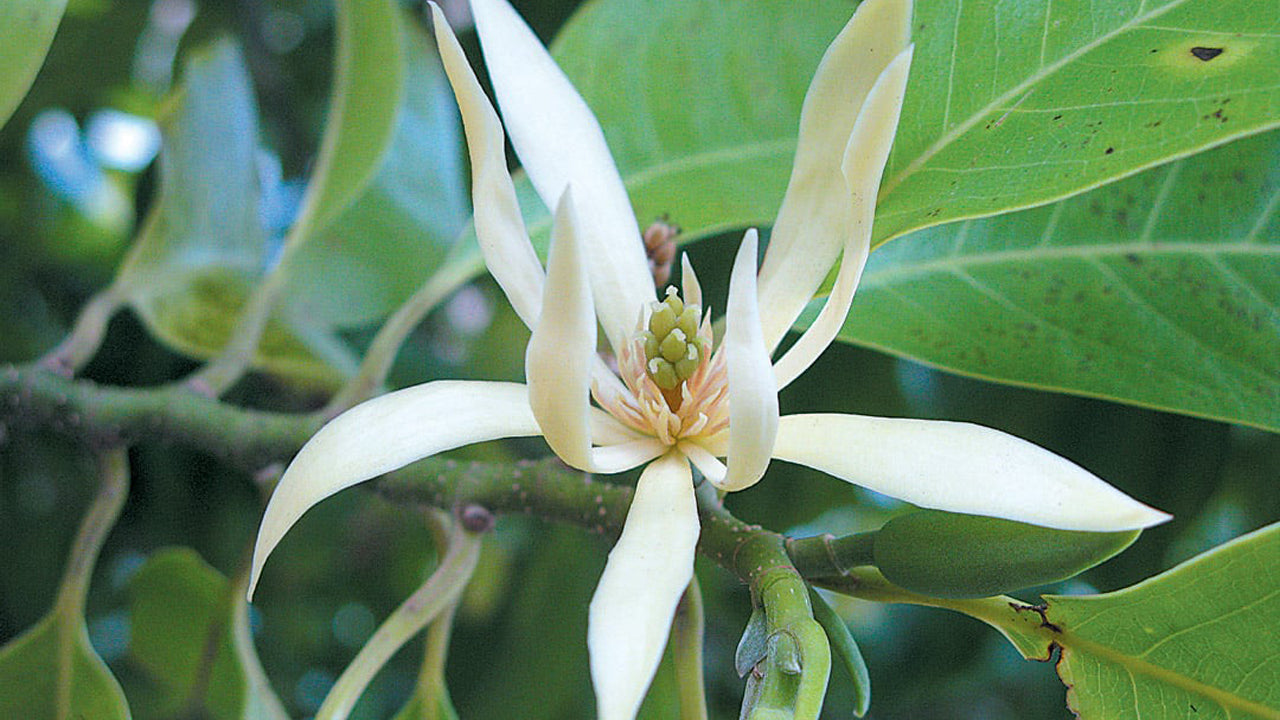
Champak
Michelia champaca -
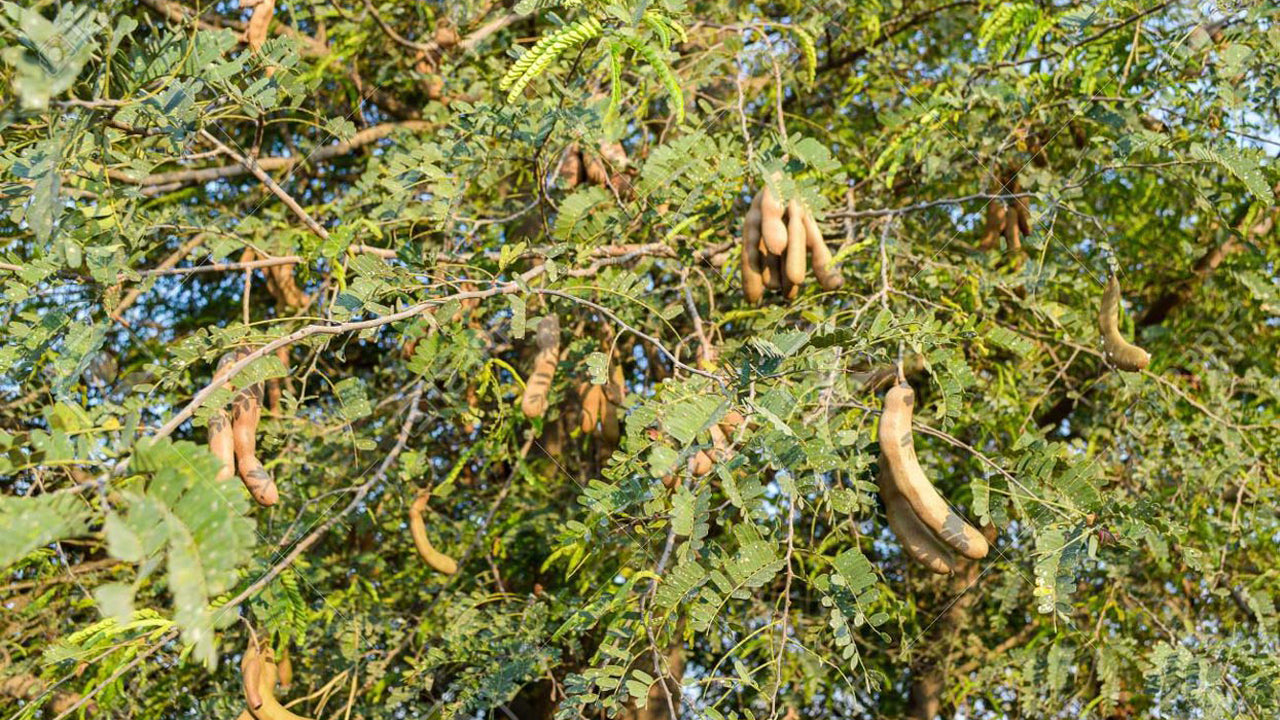
Tamarind
Tamarindus indica -
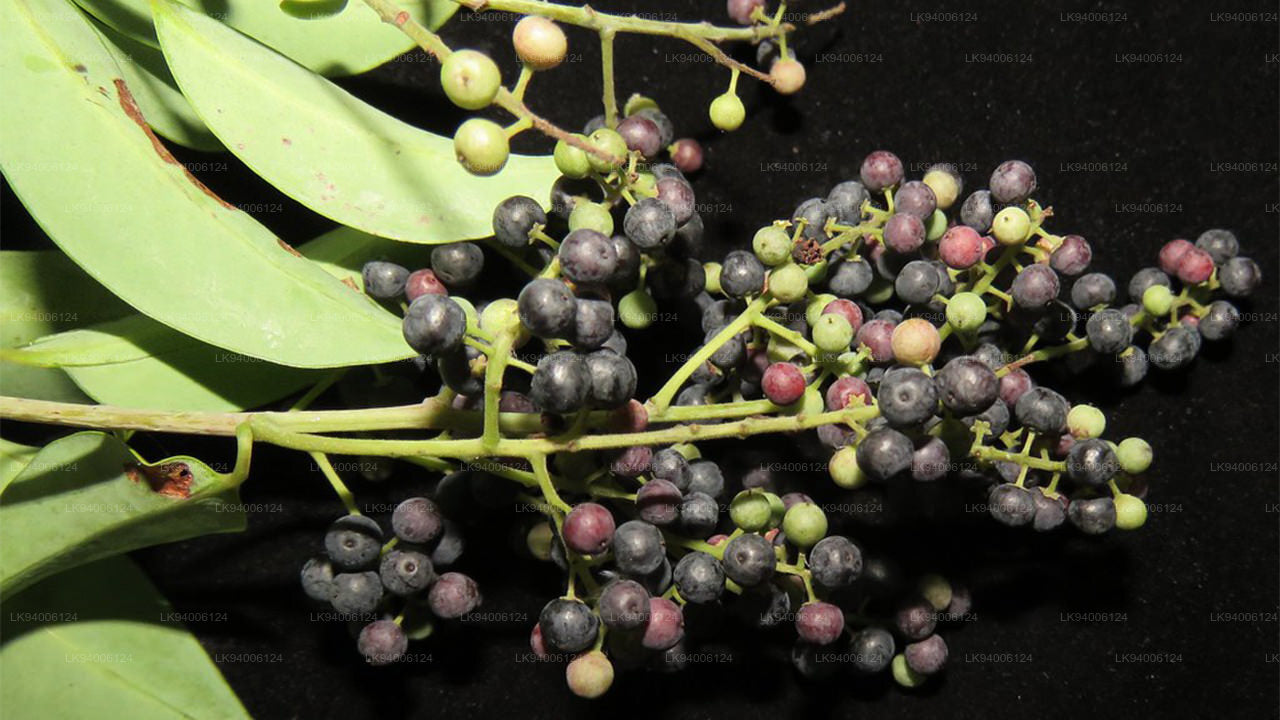
False Black Pepper
Embelia ribes -
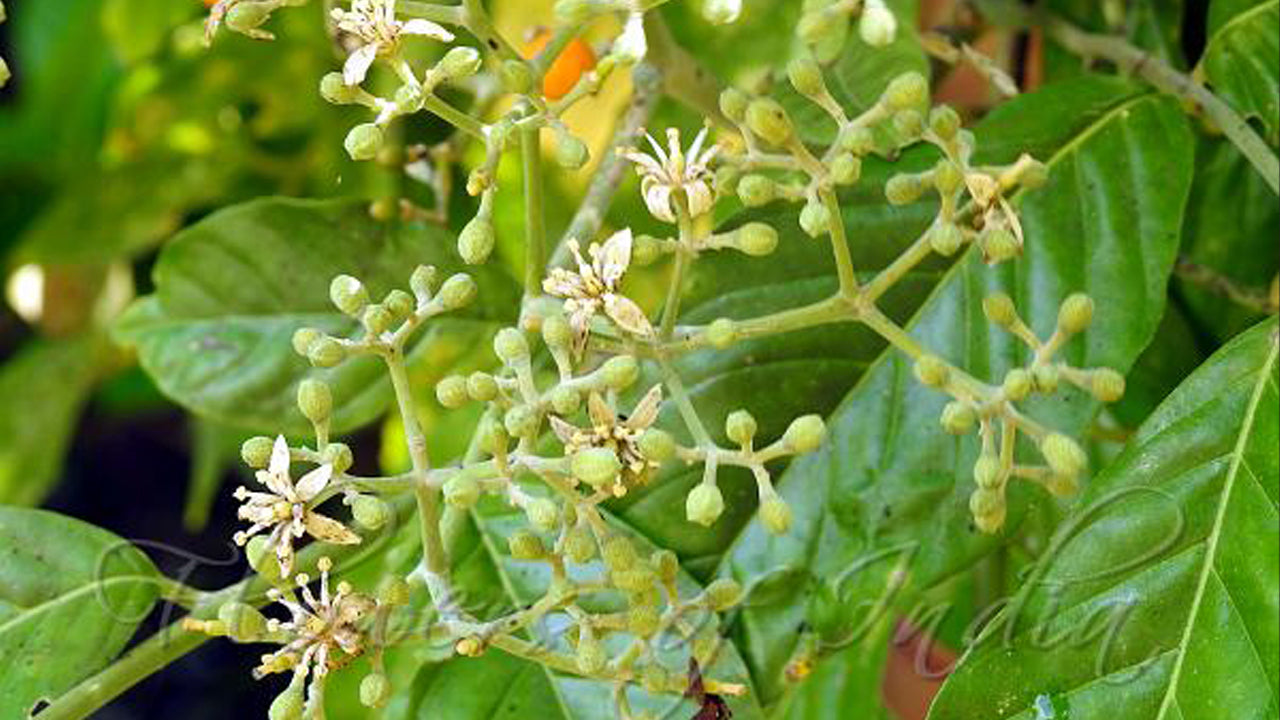
Limeberry
Micromelum ceylanicum -
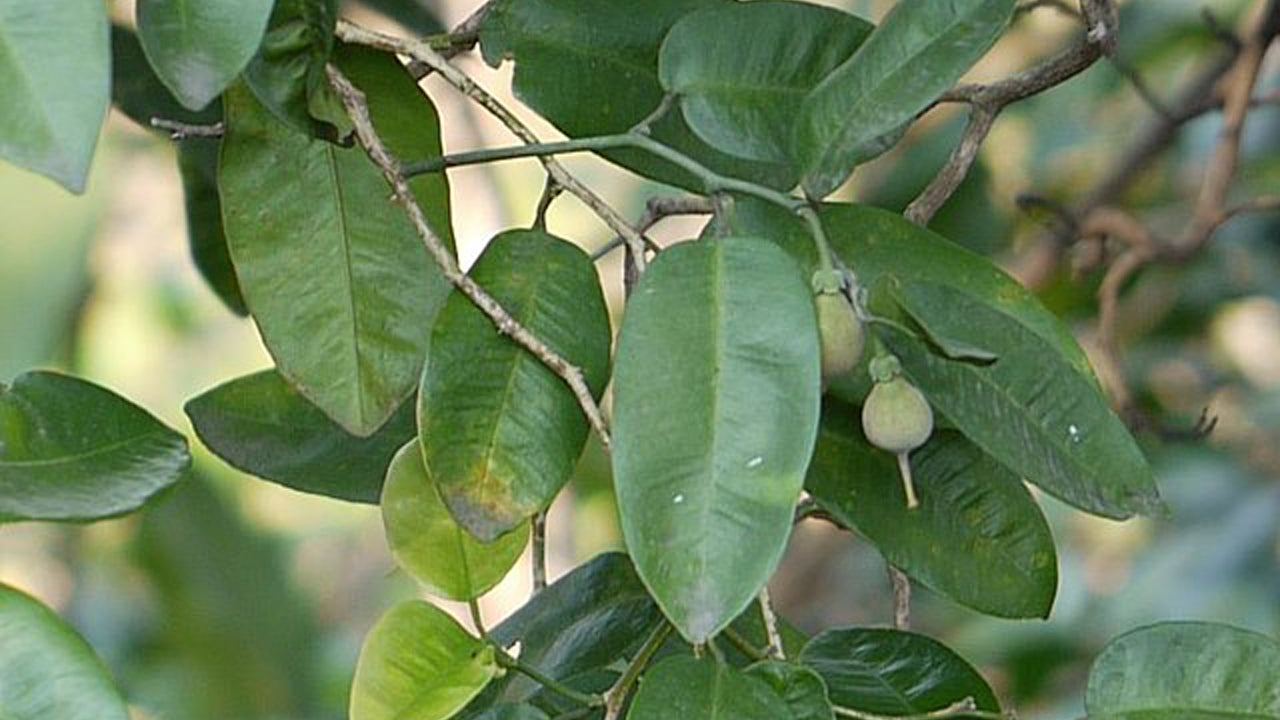
Climbing Atalantia
Paramignya monophylla


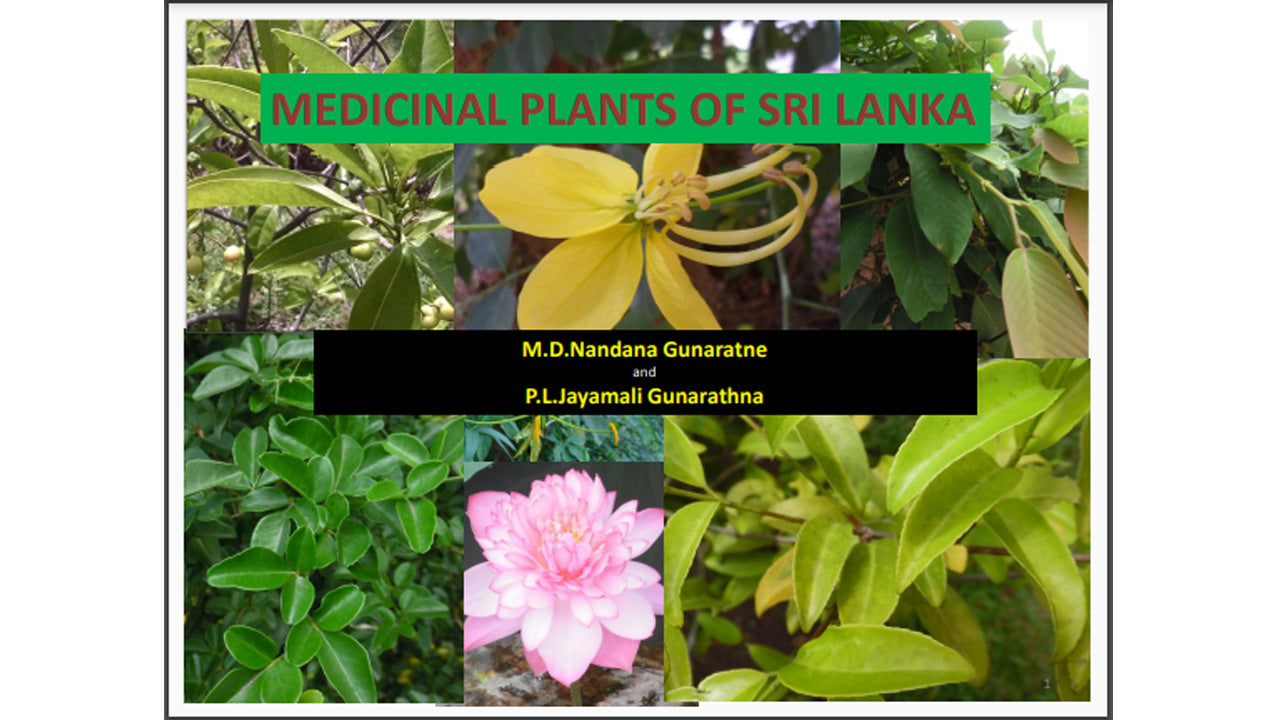



Ayurvedic and Herbal
-
Siddhalepa Ayurveda Herbal Balm
Regular price From $0.32 USDRegular price$0.38 USDSale price From $0.32 USDSale -
Link Swastha Triphala
Regular price From $1.90 USDRegular price$2.25 USDSale price From $1.90 USDSale -
Lakpura® Wildcrafted Soursop (Guanabana, Graviola, Guyabano) Dehydrated Leaves Whole
Regular price From $0.78 USDRegular price$0.92 USDSale price From $0.78 USDSale -
Sethsuwa Pranajeewa Oil
Regular price From $4.11 USDRegular price$4.88 USDSale price From $4.11 USDSale