Kalutara Bridge : An Unspoken Heritage
Kalutara Bridge  Kalutara Bridge  Kalutara Bridge

Sri Lanka, also known as the Pearl of the Indian Ocean is adorned with the beautiful mother nature and claims a proud history going back as far as 500 BC. Colonialism plays a significant role in the country’s olden times.

It was under the influence of Portuguese, Dutch and the British in their respective eras. Several historic sites in Sri Lanka originated during these periods and still remains as evidence of these influences. The Kalutara Bridge is such significant landmark inherited as a result of the Colonial period.

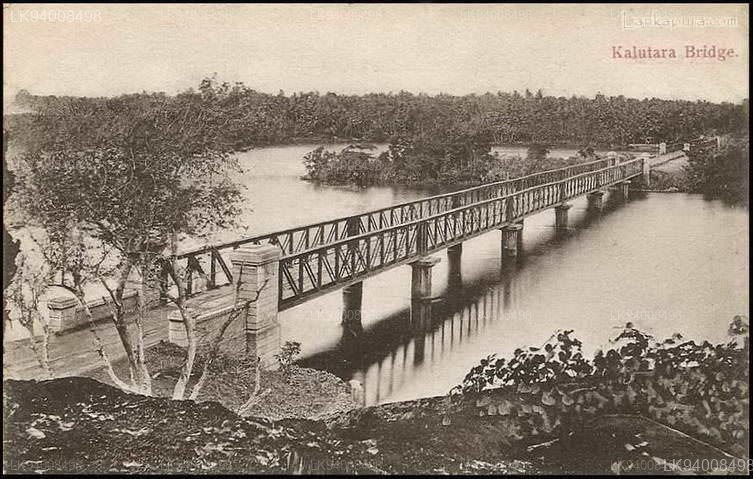
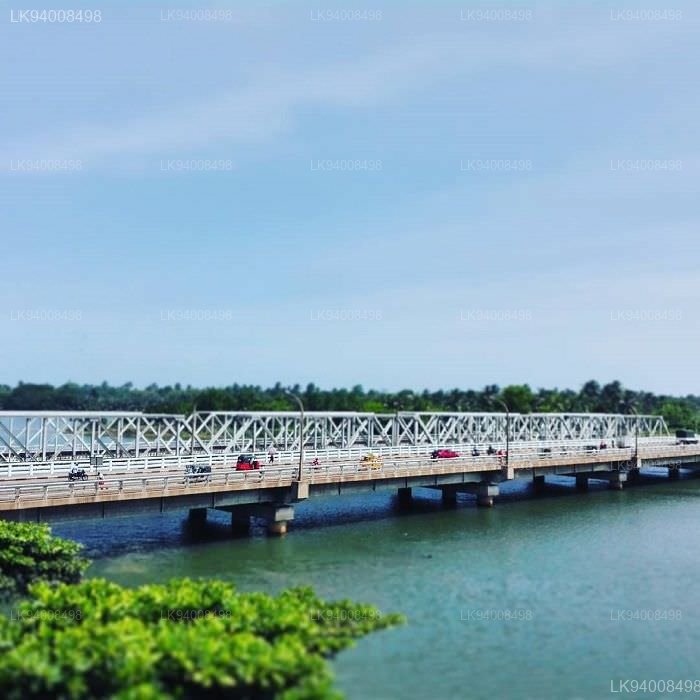
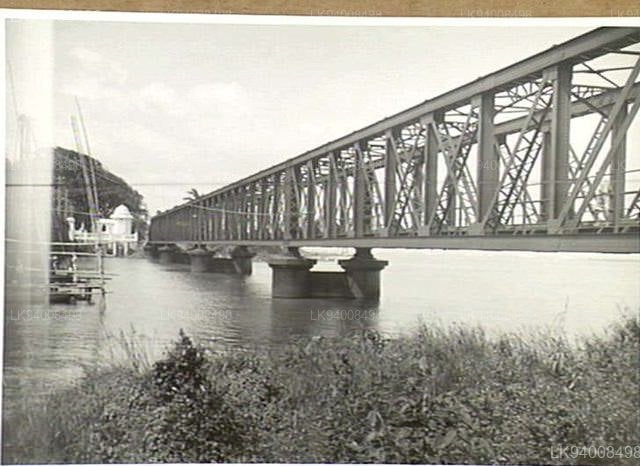
Kalutara bridge is the connecting line between the western and southern borders of the country. J. R. Mosse, Director of the PWD (Public works department) is the pioneer in designing and building the bridge and it was the largest bridge on the island built during the early 1900s. It was considered the first concrete bridge in Sri Lanka as well.

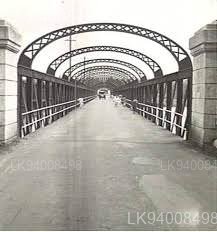
The old bridge comprised of two separate bridges, each with 6 spans of lattice girders where a single girder was an enormous 100ft long.

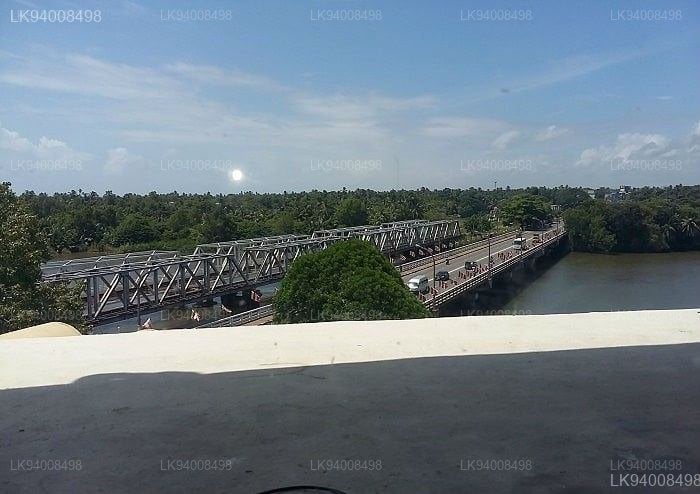
It is separated by a ridge in the middle of the river (Kalu Ganga) and it was opened for road traffic in August 1877 along with a single line of rails in the middle. It was 450ft in length. Currently, There are twin bridges for railway and one for the road traffic. And it is a perfect place to watch the sunset.
History

Being one of the largest bridges in Sri Lanka, the origins of the Kalutara Bridge date back to the early 1990s. Initially, the bridge had two separate bridges, each including 6 spans of lattice girders. Both the bridges were separated by a ridge which was in the middle of the ‘Kalu Ganga’. It was first opened for road traffic in 1877.

Significance

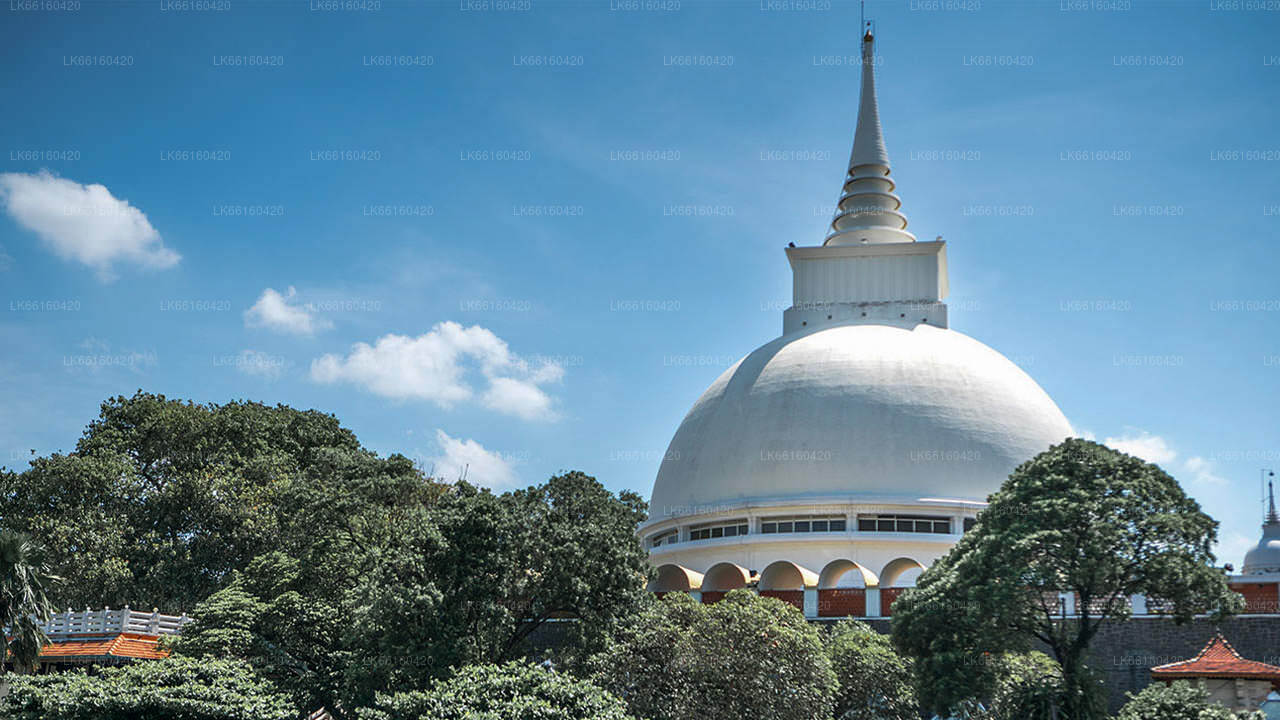
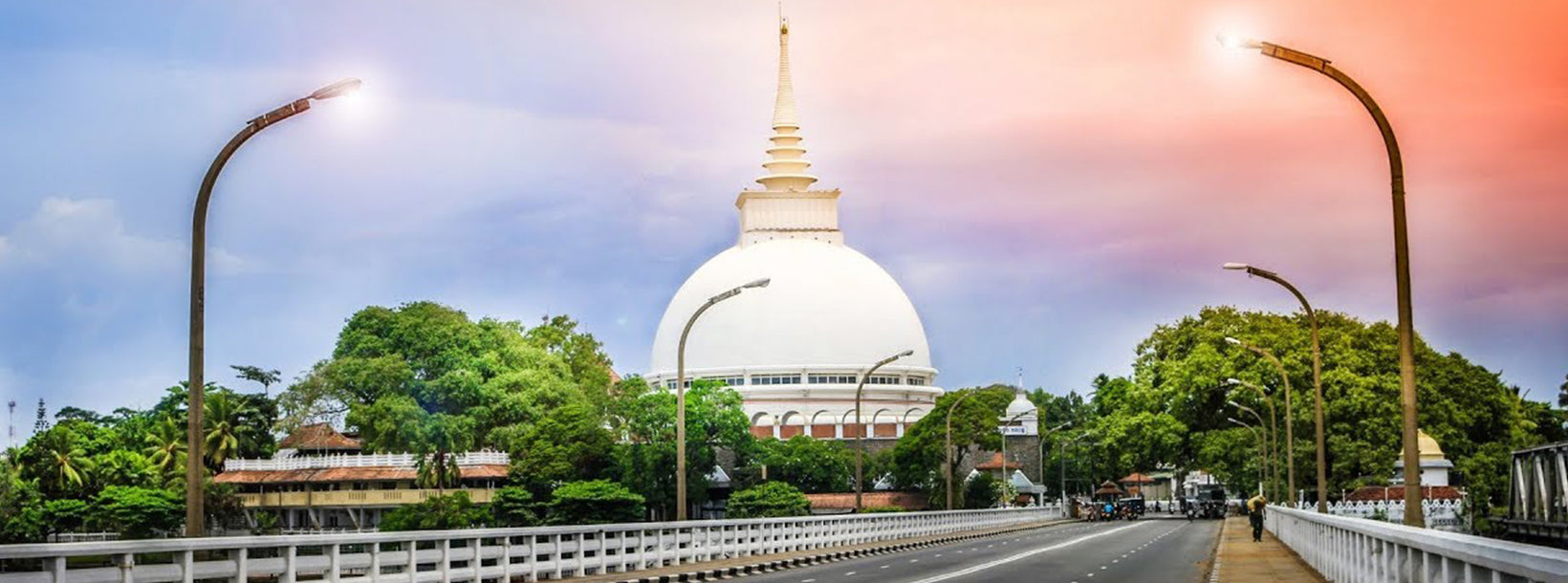
The bridge is a significant landmark in Kalutara due to its link between the southern border and western border of the country. When travelling from the western end of the bridge towards the southern end, you will witness the majestic view of the 3 stories-high Kalutara Viharaya. Any Buddhist will not forget to offer a small sacrifice when passing the temple.

Location

You will find plenty of attractions in the vicinity of the bridge. The Kalutara Bodhiya, Richmond Castle and Kalutara Viharaya are some such places. If you are staying at one of the many hotels in Kalutara close to the bridge, like Turyaa Kalutara, you can also visit many other attractions in the vicinity.

Did you know?

Locals say on very clear mornings one can see Sri Pada (Adam’s Peak) Mountain from the bridge. Which is, in turn, the starting point of Kalu River. That would make Kalu River the only river in Sri Lanka of which starting point and ending point can be seen at the same time.

Kalutara Bridge  

Over het district Kalutara

Kalutara ligt ongeveer 42 km ten zuiden van Colombo. Kalutara was ooit een handelspost voor specerijen en werd afwisselend bestuurd door de Portugezen, Nederlanders en Britten. De stad staat bekend om de hoogwaardige bamboemanden en -matten en de heerlijkste mangosteens.

De 38 meter lange Kalutarabrug werd gebouwd bij de monding van de rivier de Kalu Ganga en vormt een belangrijke verbinding tussen de westelijke en zuidelijke grens van het land. Aan het zuidelijke uiteinde van de brug ligt de drie verdiepingen hoge Kalutara Vihara, een boeddhistische tempel uit de jaren 60 die de eer heeft de enige holle stoepa ter wereld te zijn.

Over de Westelijke Provincie

De Westelijke Provincie is de dichtstbevolkte provincie van Sri Lanka. Het is de thuisbasis van de wetgevende hoofdstad Sri Jayawardenapura en van Colombo, het administratieve en zakelijke centrum van het land. De Westelijke Provincie is verdeeld in 3 hoofddistricten genaamd Colombo (642 km²), Gampaha (1.386,6 km²) en Kalutara (1.606 km²) districten. Als het economische centrum van Sri Lanka hebben alle grote lokale en internationale bedrijven hun aanwezigheid in de stad, evenals alle grote designer- en winkelketens, dus wees klaar om te genieten van wat winkeltherapie in de westelijke provincie.

Met de hoogste bevolking van alle provincies, bevinden bijna alle belangrijke onderwijsinstellingen op het eiland zich in de westelijke provincie. Universiteiten in de provincie zijn onder andere de Universiteit van Colombo, de Universiteit van Sri Jayewardenepura, de Universiteit van Kelaniya, de Open Universiteit, Sri Lanka, de Boeddhistische en Pali Universiteit van Sri Lanka, de General Sir John Kotelawala Defence University en de Universiteit van Moratuwa. De westelijke provincie heeft het grootste aantal scholen in het land, waaronder nationale, provinciale, particuliere en internationale scholen.