커민


Cumin (??????) is the seed of a small plant in the parsley family. Its use goes back 5000 years to the Egyptians, who used it not only as a spice but as an ingredient in the mummification process. The Greeks and Romans also used cumin and highly regarded it as one of the essential spices. In the Middle Ages cumin seed was thought to promote love and fidelity, so it was carried by attendees of weddings, and solders were always sent off to battle with a fresh loaf of cumin seed bread. Pungent, sharp, and slightly sweet, the greenish brown powder of this herb is an essential ingredient in Mexican and Indian cuisine.
What’s inside cumin?
It is considered a good source of Iron, Manganese, and other vitamins and minerals. Some research shows that it may stimulate the production of pancreatic enzymes and help digestion. One study found that cumin was protective against memory loss and the damaging effects of stress on the body. Another study evaluated its antioxidant content of and found it more effective than other common antioxidants including Vitamin C. Due to its high antioxidant content, some lab research has even found that it might have a role in fighting cancer. Yet another study found cumin effective in increasing insulin sensitivity, thus beneficial for diabetics. Still, more research found anti-asthmatic properties in cumin since it works as a bronchodilator and can help asthmatic patients.
- In diabetic rats, cumin extract was more effective at reducing blood glucose and AGE production than glibenclamide, an antidiabetic drug.
- Cumin’s anti-glycation properties proved useful in another study, in which diabetic rats were able to stave off cataracts after oral dosing with the powder.
- Another study found that cumin extract reduced total cholesterol, triglycerides, and pancreatic inflammatory markers in diabetic rats. It also prevented excessive weight loss. Again, it beat out glibenclamide.
- Oral doses (25, 50, 100, 200 mg/kg) on consecutive days improved the immune response of mice with compromised immune systems due to restraint-induced stress. These effects were marked by a reduction in elevated cortisol and adrenal gland size, an increase in the weight of the thymus and spleen, and replenishment of depleted T cells. There was a dose-dependent response, but all doses had beneficial effects.
- An extract of cumin had anti-osteoporotic effects on rats, similar to estradiol, but without the associated weight gain. Cumin-dosed (orally, 1 mg/kg) osteoporotic rats had increased bone density and improved bone microarchitecture.
- Furthermore, fennel seeds indeed are the storehouse for many vital vitamins. Vitamin-A, vitamin-E, vitamin-C as well as many B-complex vitamins like thiamin, pyridoxine, riboflavin and niacin particularly are concentrated in these seeds.Cumin protected the livers of rats from ethanol- and rancid sunflower oil-induced toxicity.
- One study even seems to suggest a role for cumin in weaning addicts off of opiates — here — by reducing tolerance (yeah, it could increase the subjective high, but it would mean less product was required) and dependence.
-
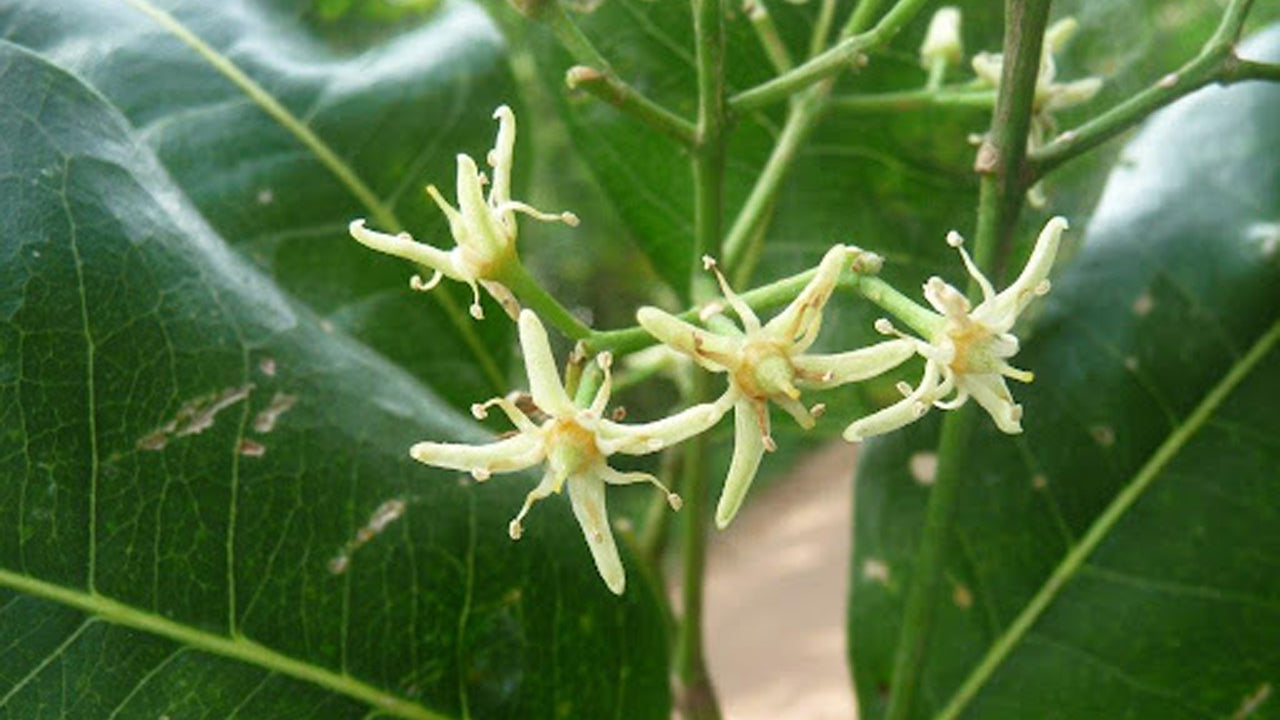
Claw-flowered laurel
Acronychia pedunculata -
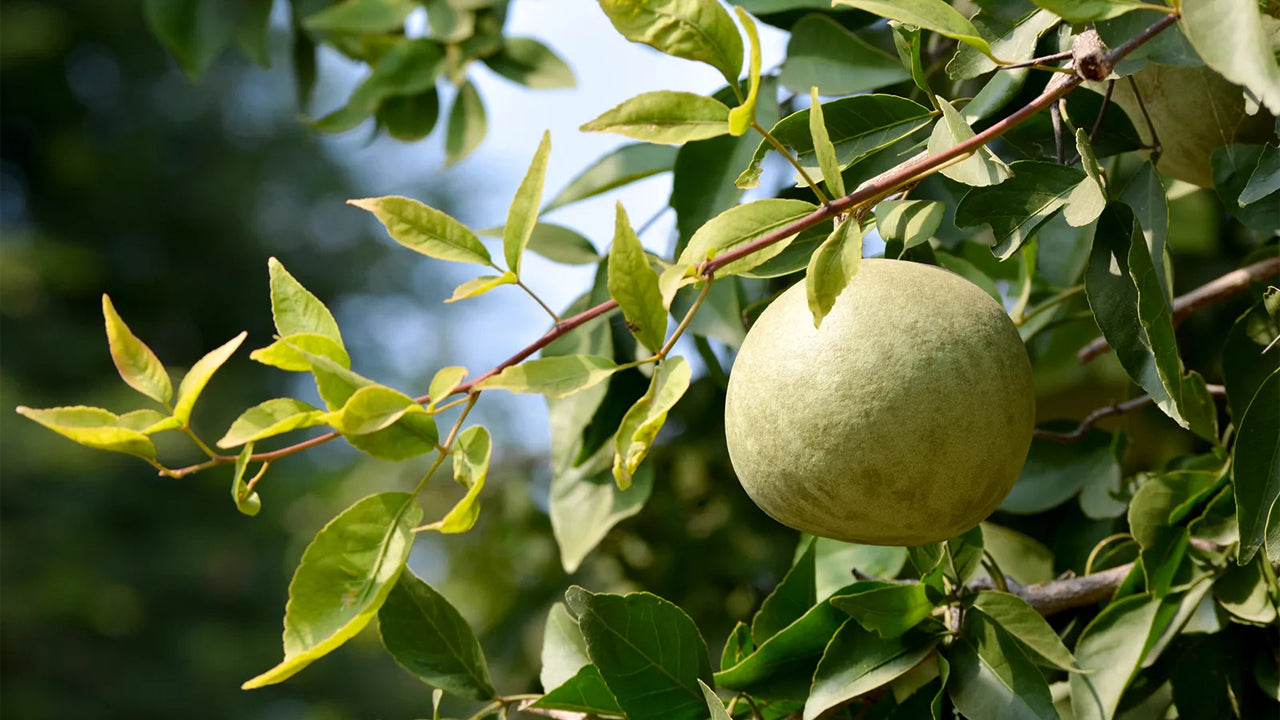
Bael
Aegle marmelos -
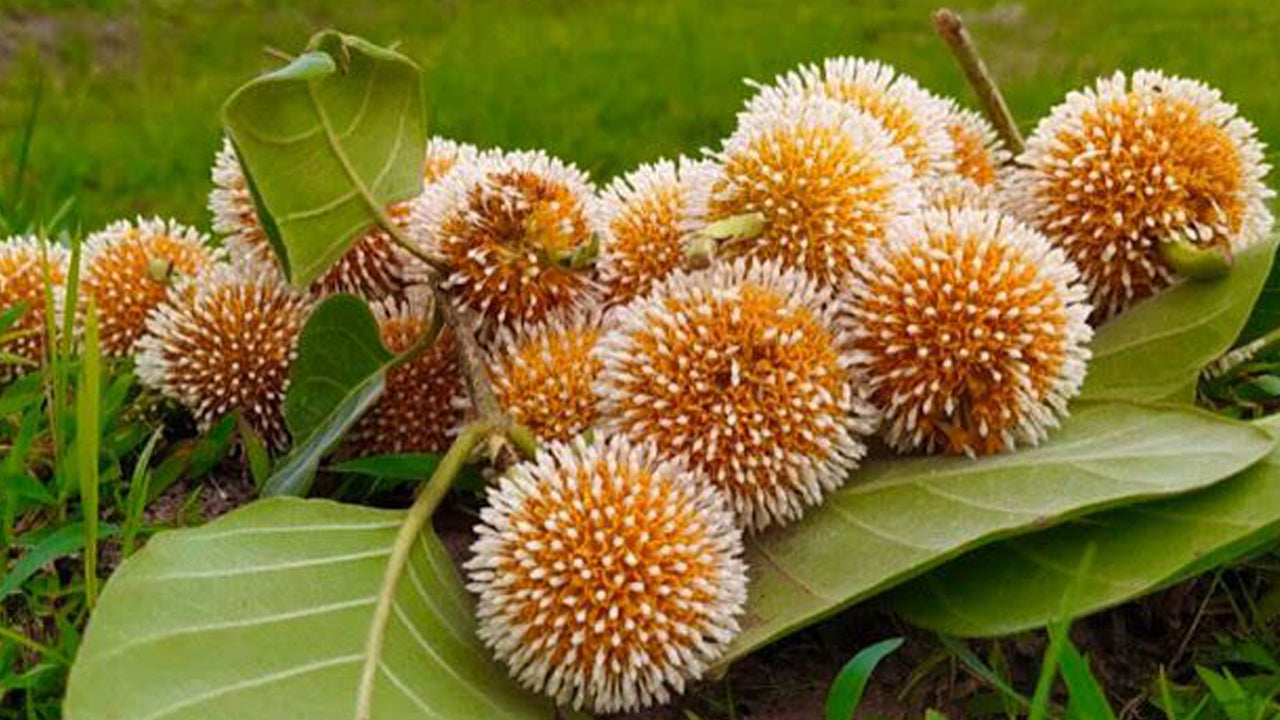
Leichhardt tree
Nauclea orientalis -
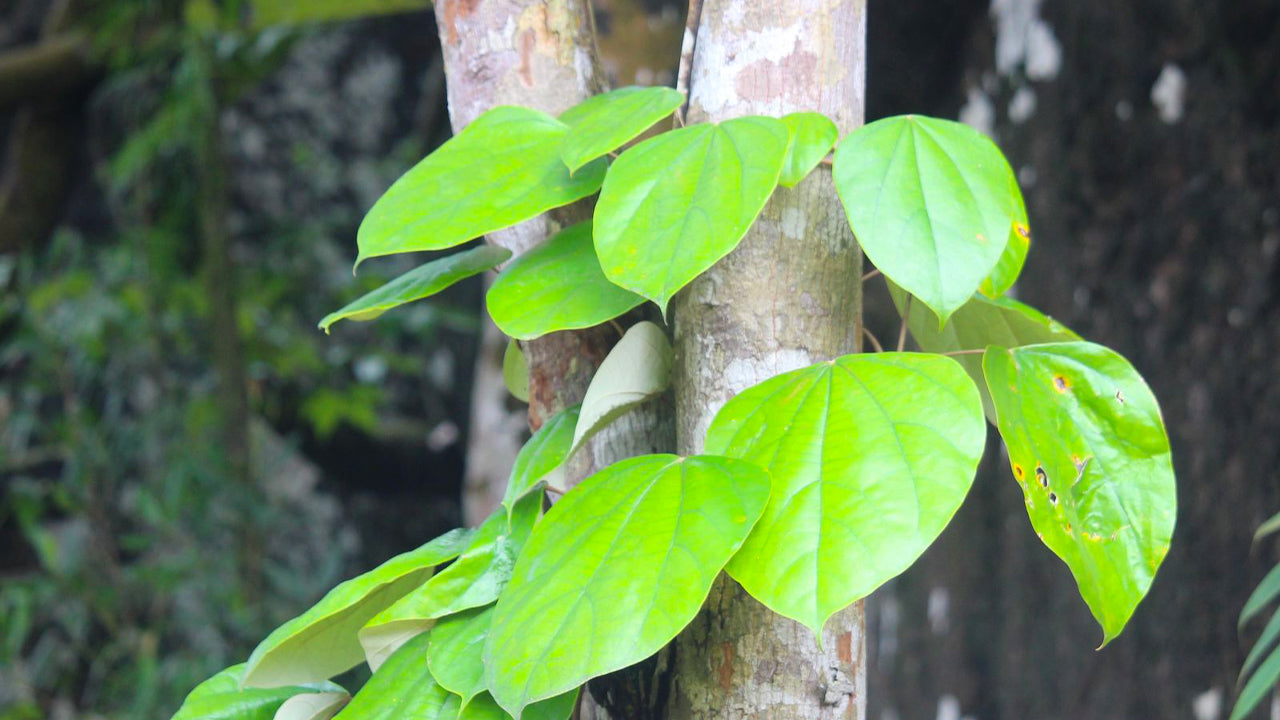
False Calumba
Coscinium fenestratum -

Malabar Gulbel
Tinospora malabarica -
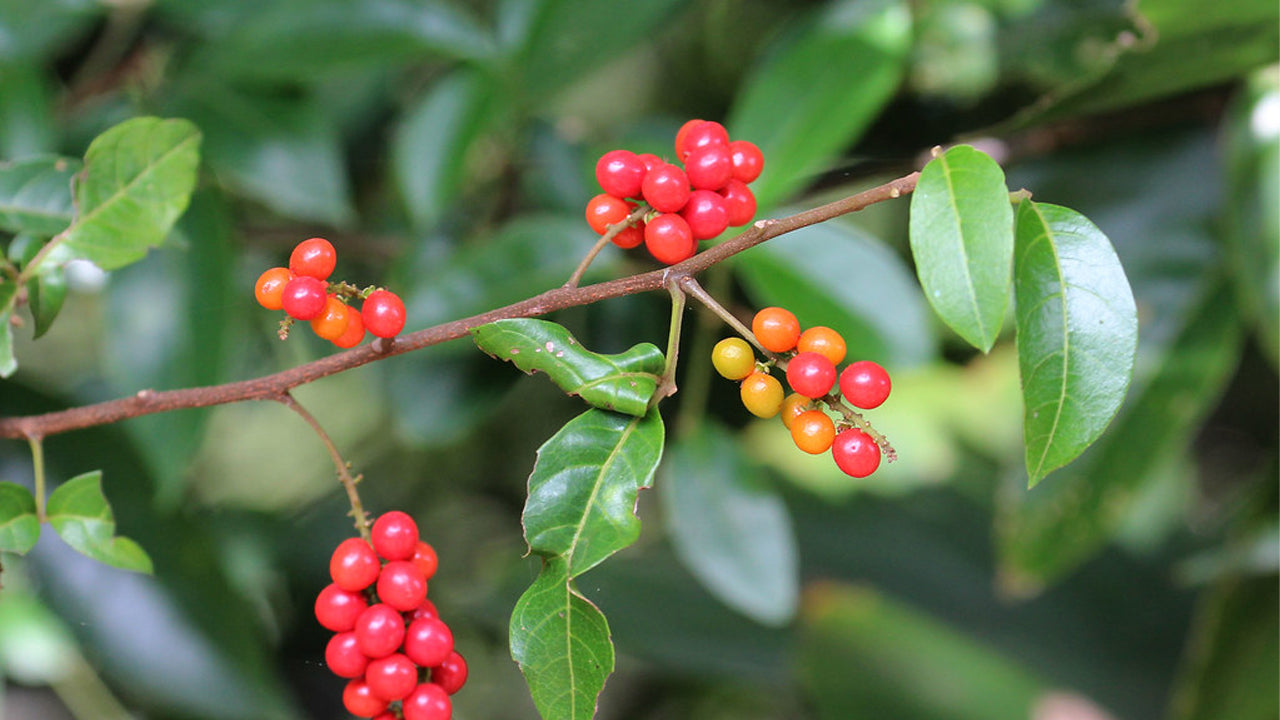
Titberry
Allophylus cobbe -
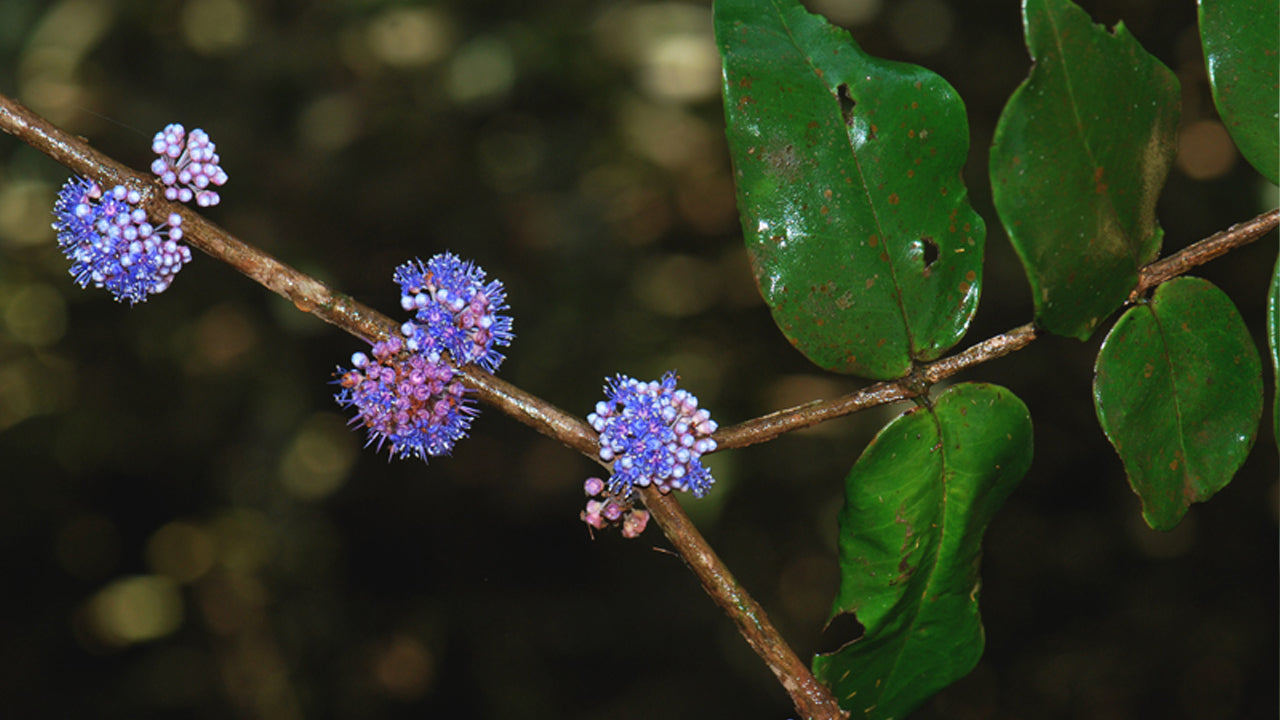
Ironwood Tree
Memecylon capitellatum -
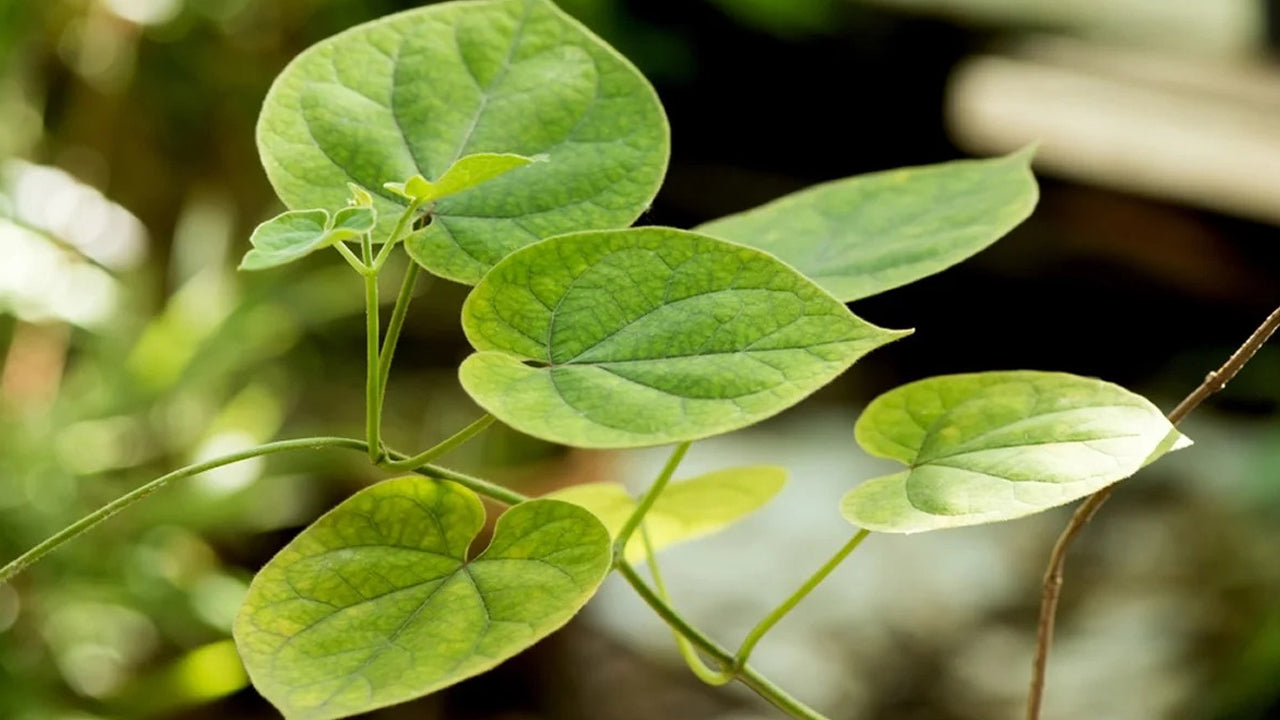
Velvet Leaf
Cissampelos pareira -
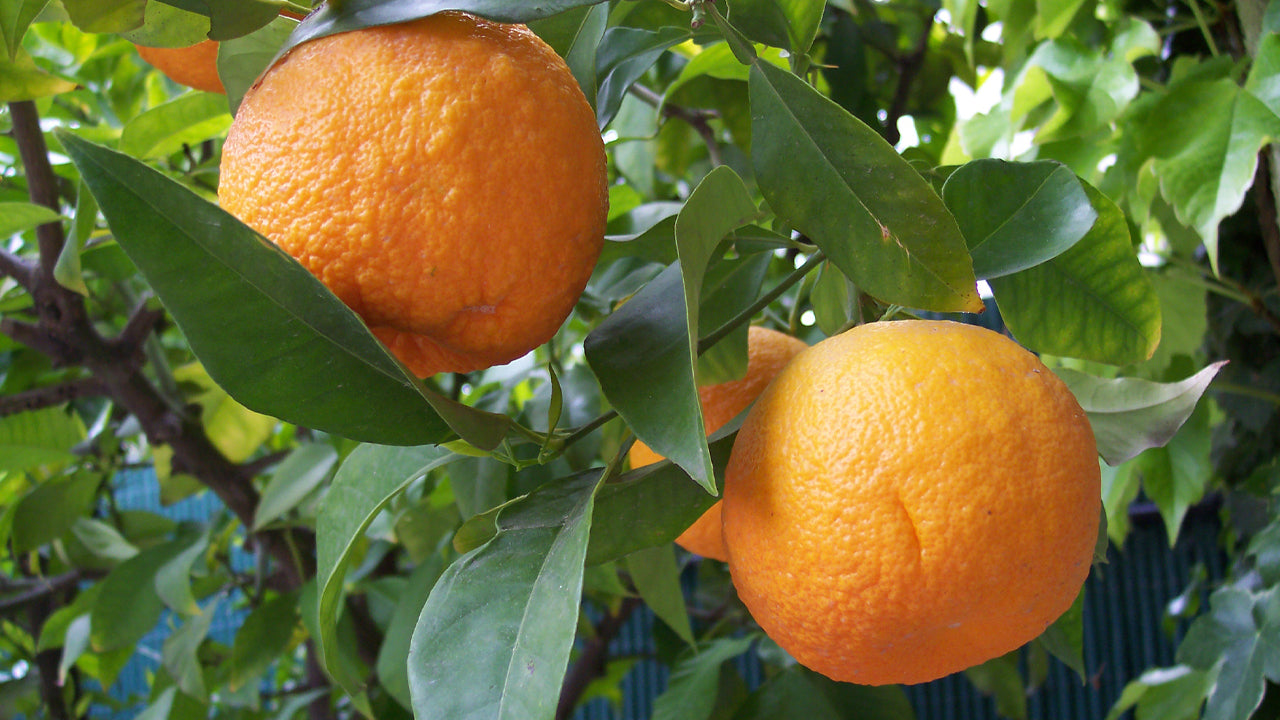
Bitter orange
Citrus aurantium -

Reinwardt's Tree Plant
Biophytun reinward -
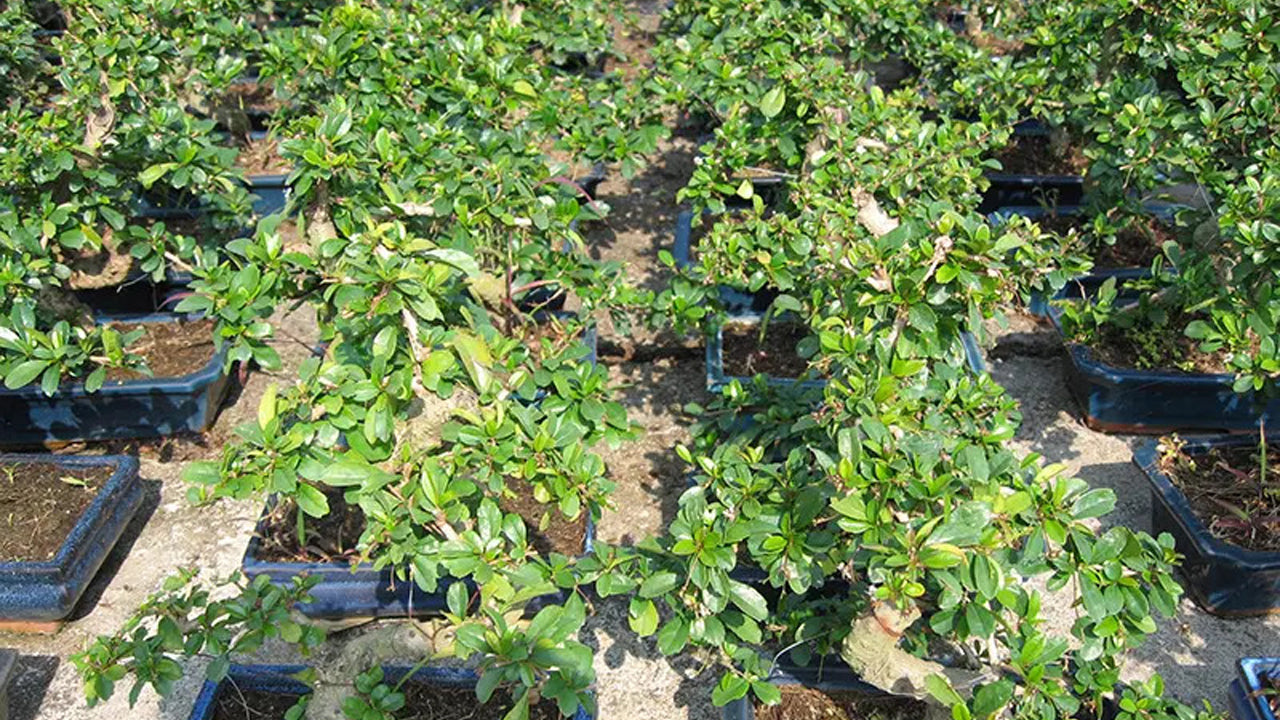
Fukien tea
Carmona microphylla -
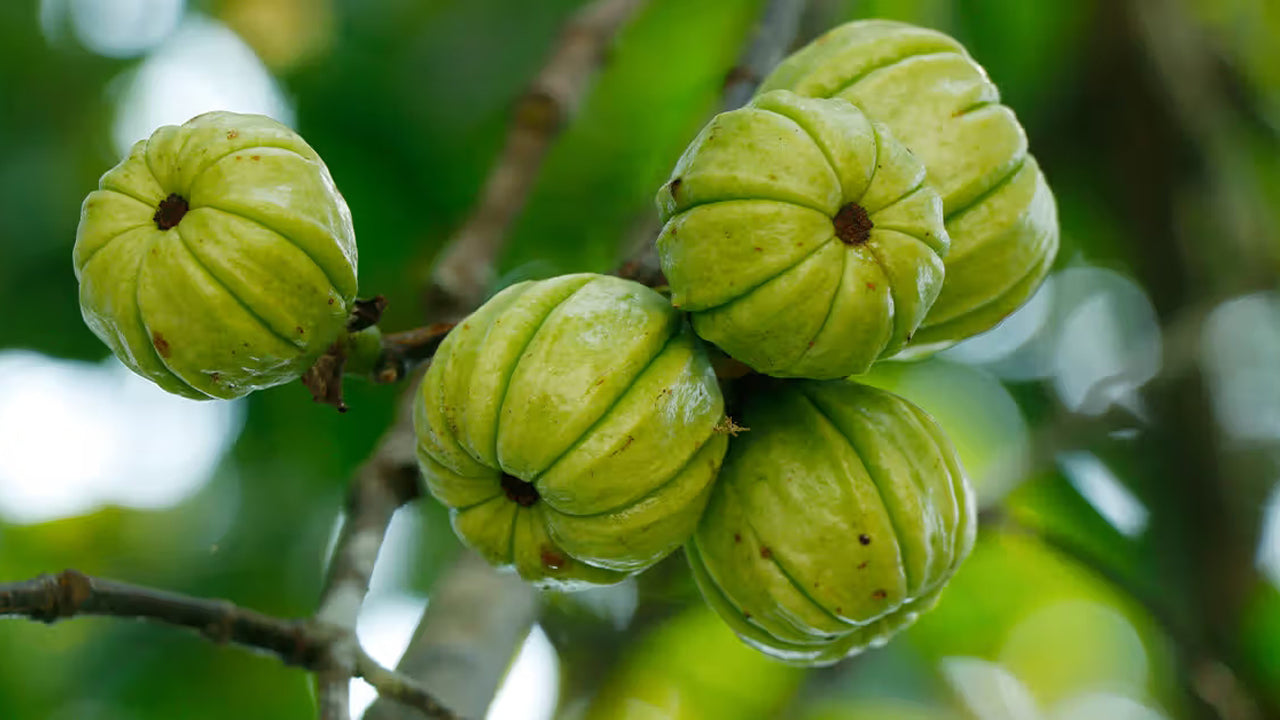
Malabar tamarind
Garcinia cambogia -
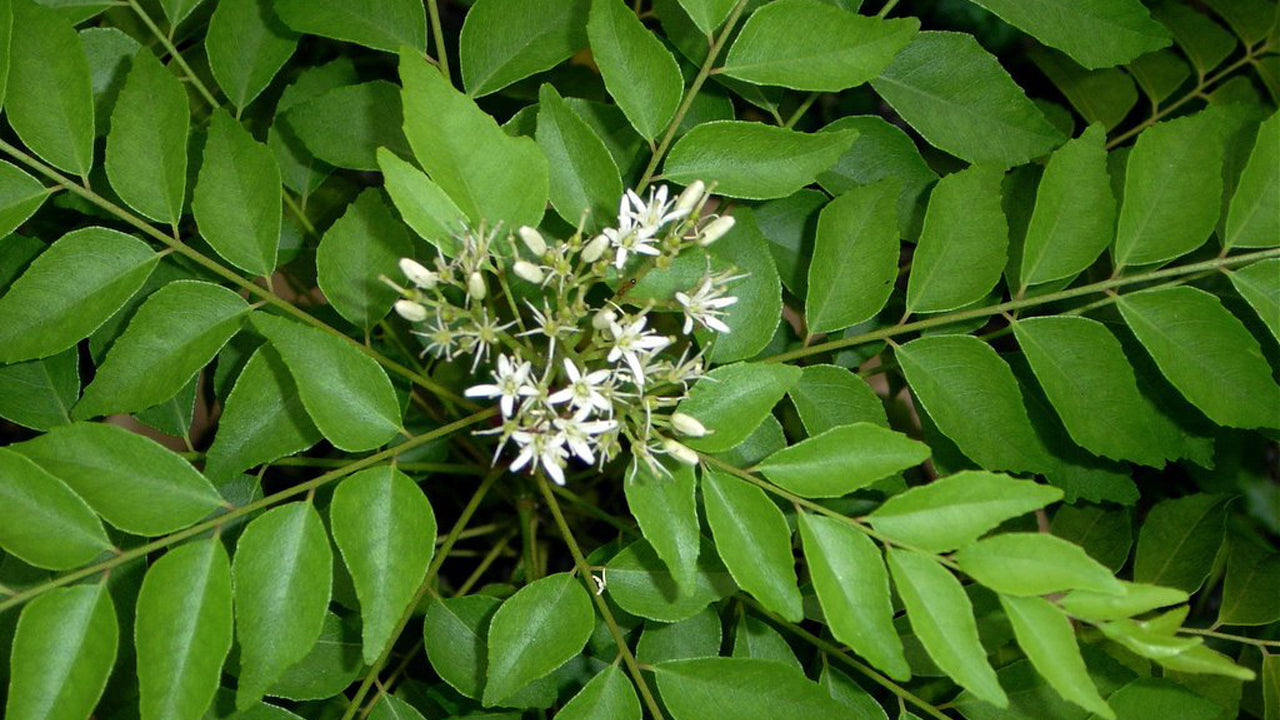
Curry leaf tree
Murraya koenigii -
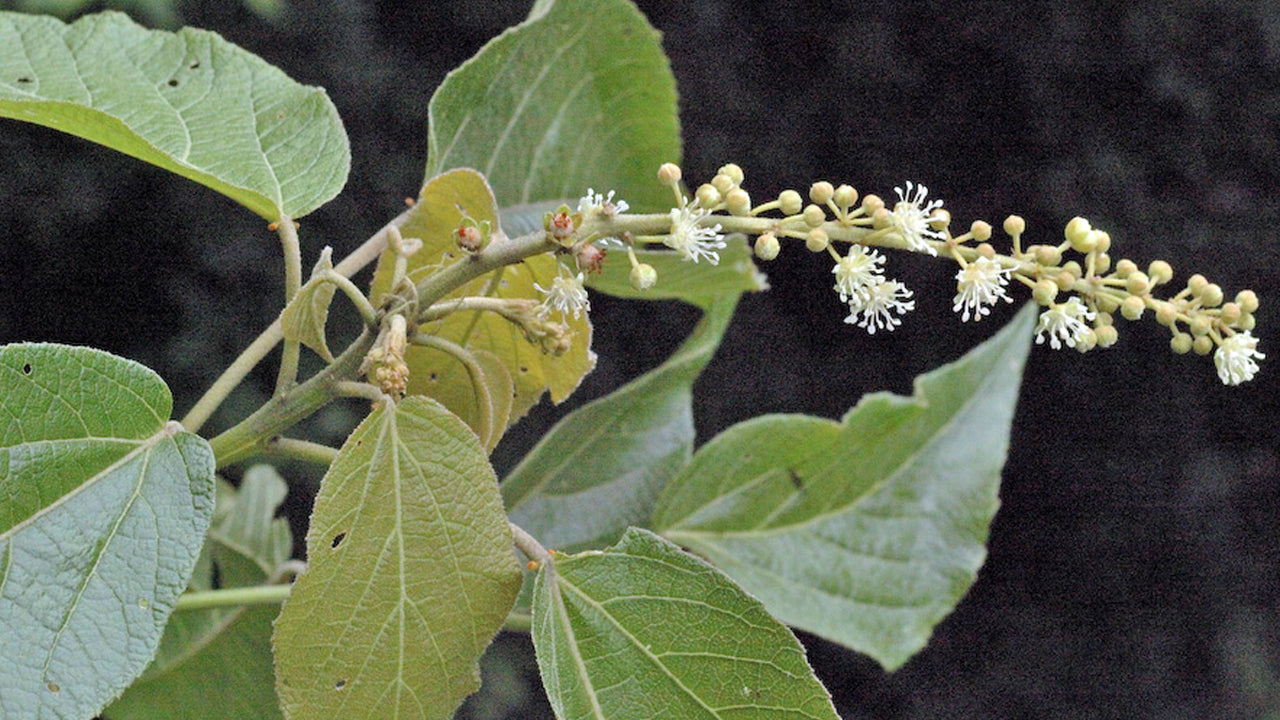
Kappetiya
Croton laccifer -
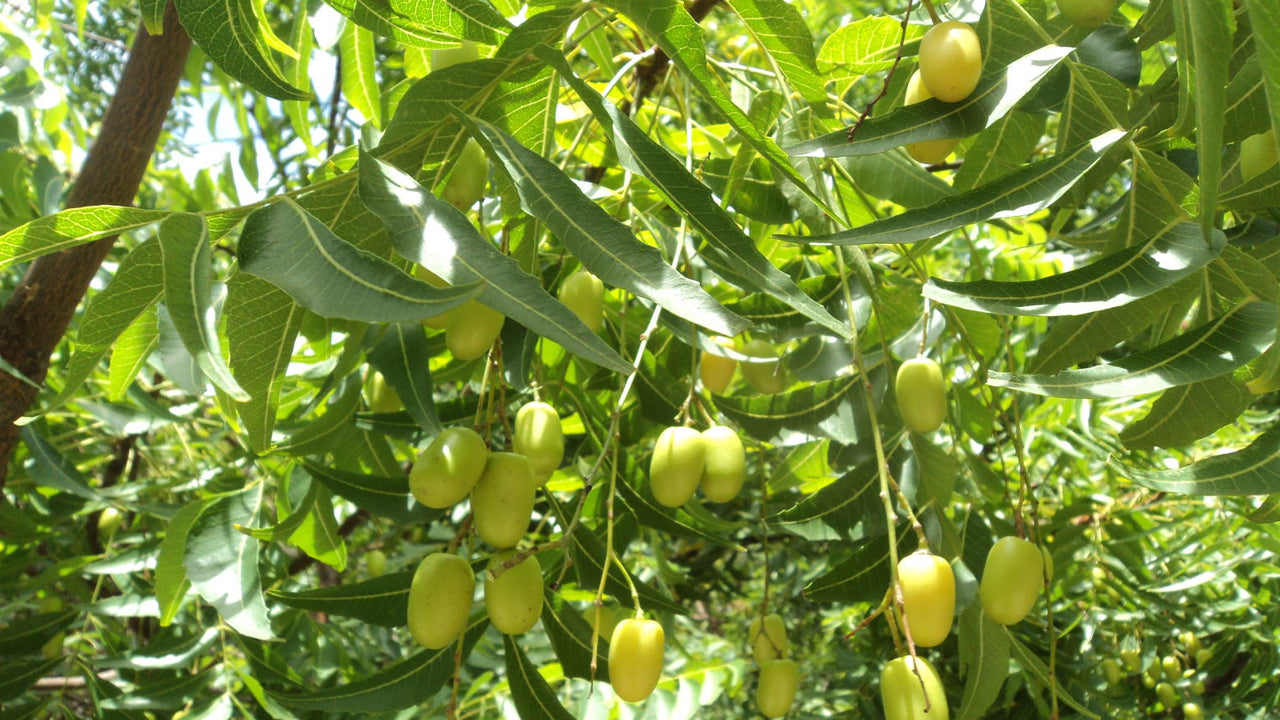
Indian lilac
Azadirachta indica -
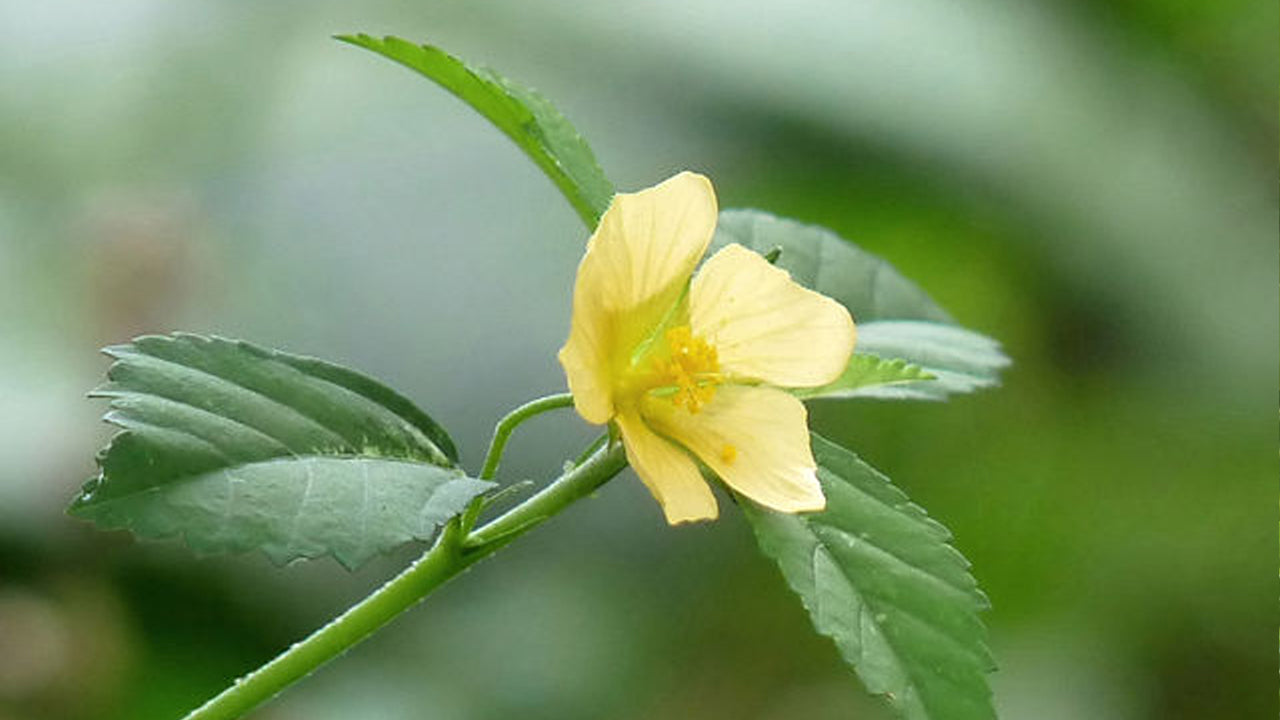
Spiny sida
Sida alba -
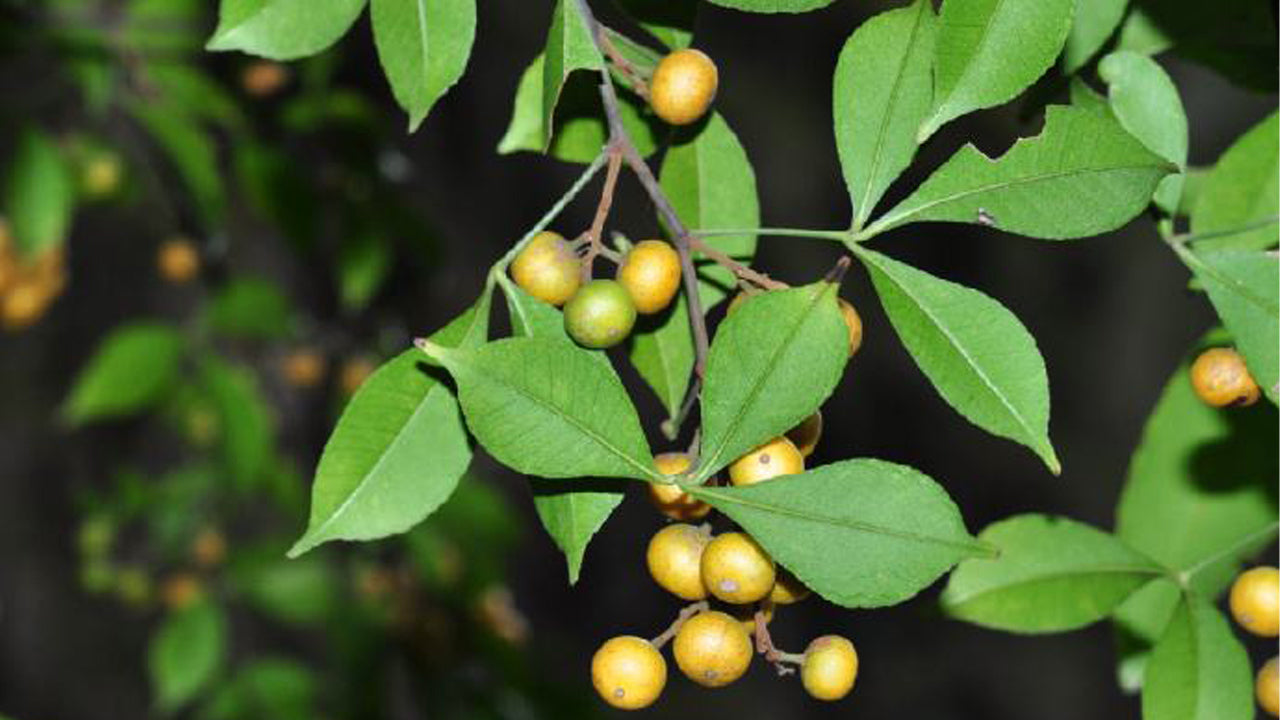
Orange climber
Toddlia asiatica -
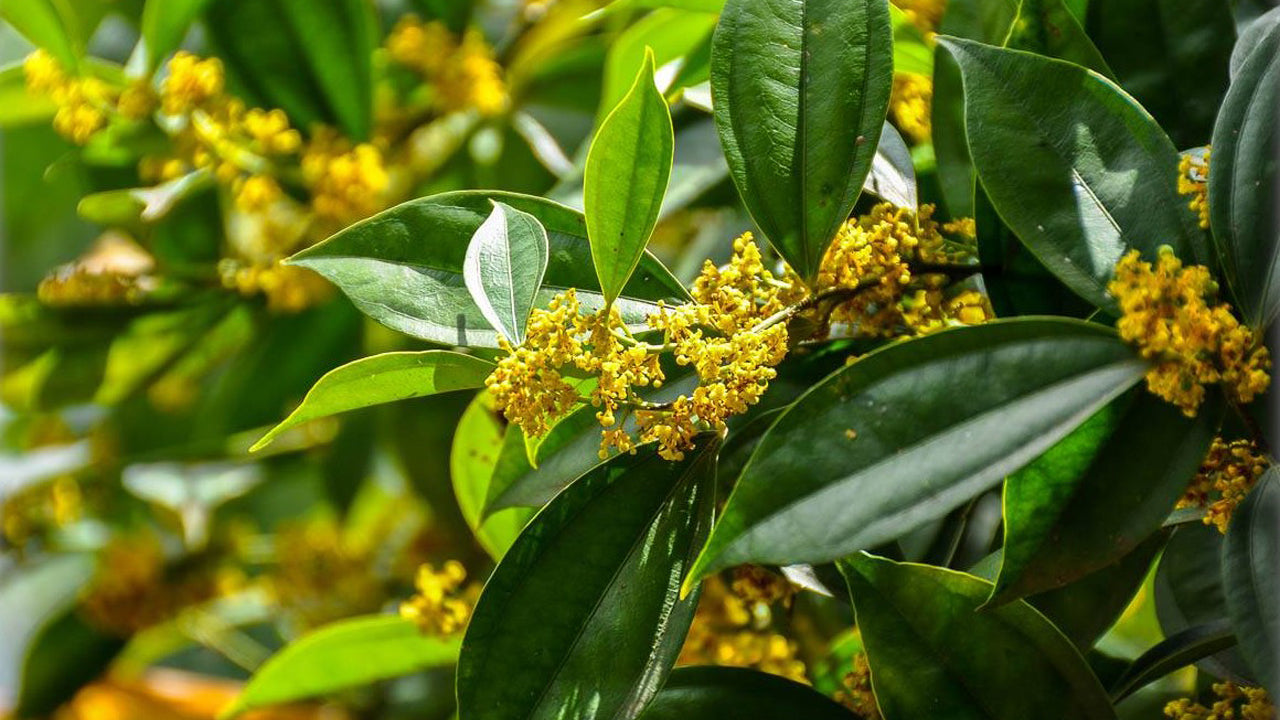
Ceylon cinnamon
Cinnamomum zeylanicum -
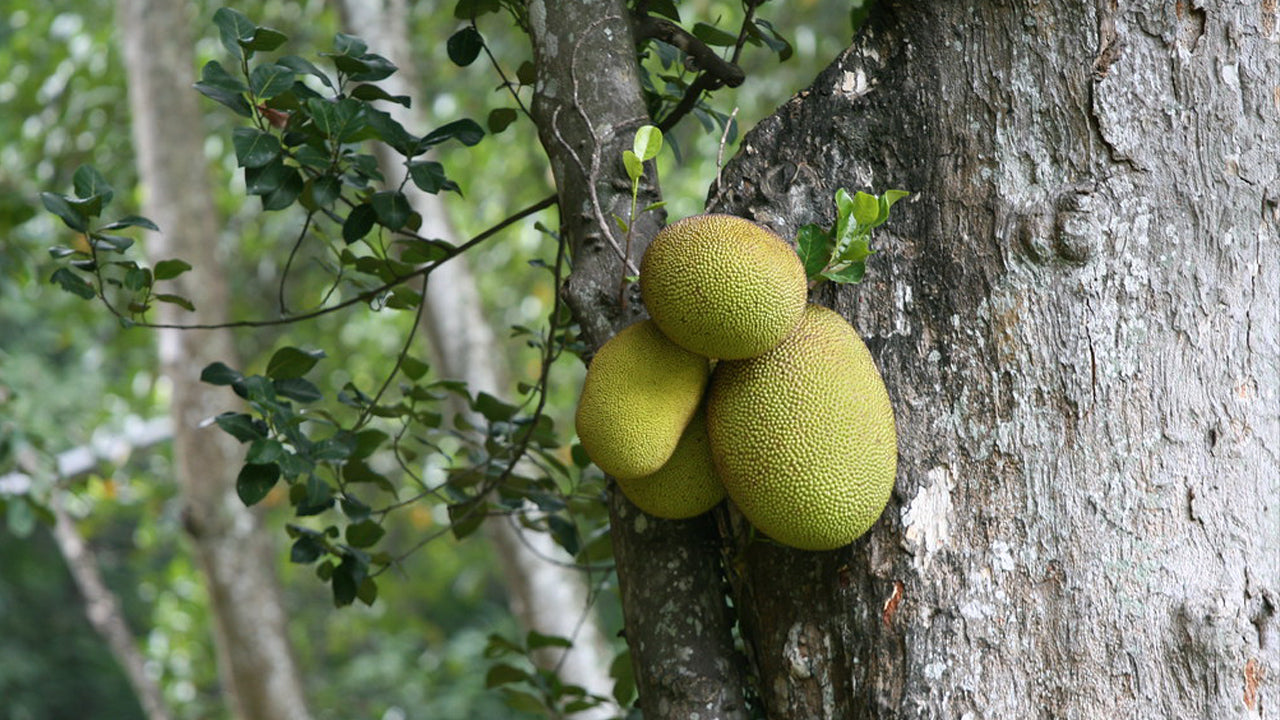
Jackfruit
Artocarpus heterophyllus -
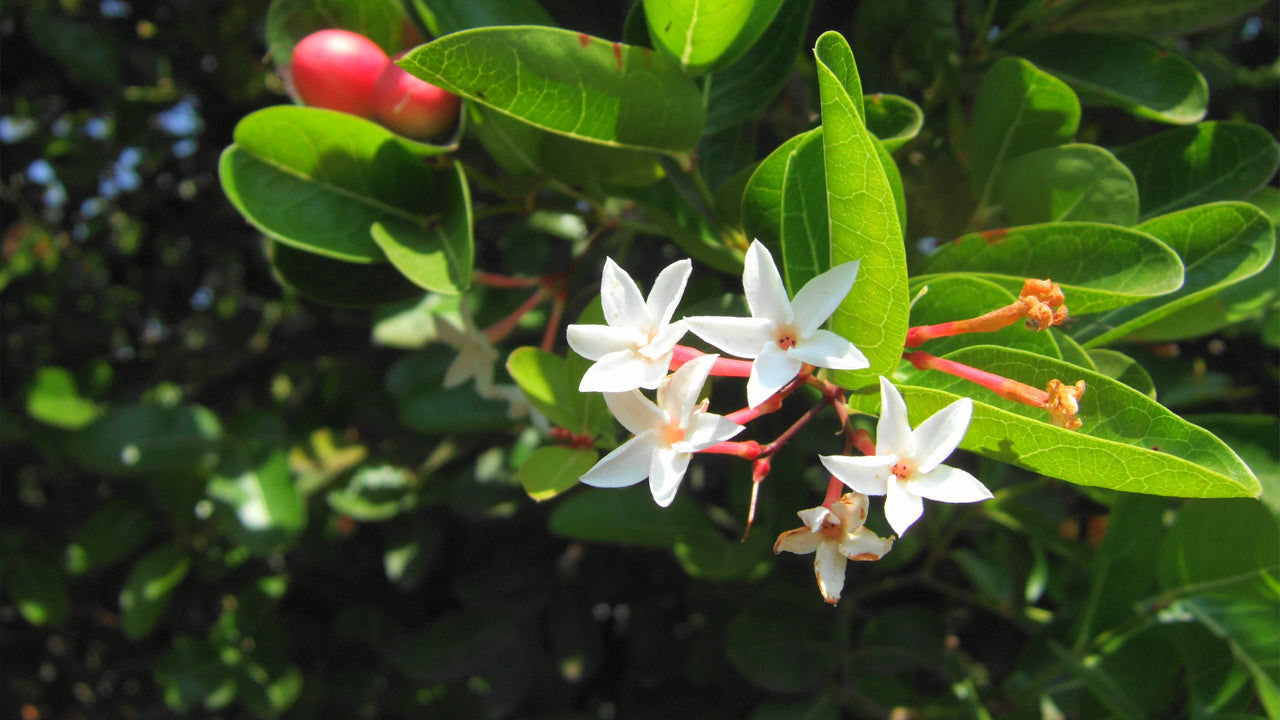
Karonda
Carissa carandas -
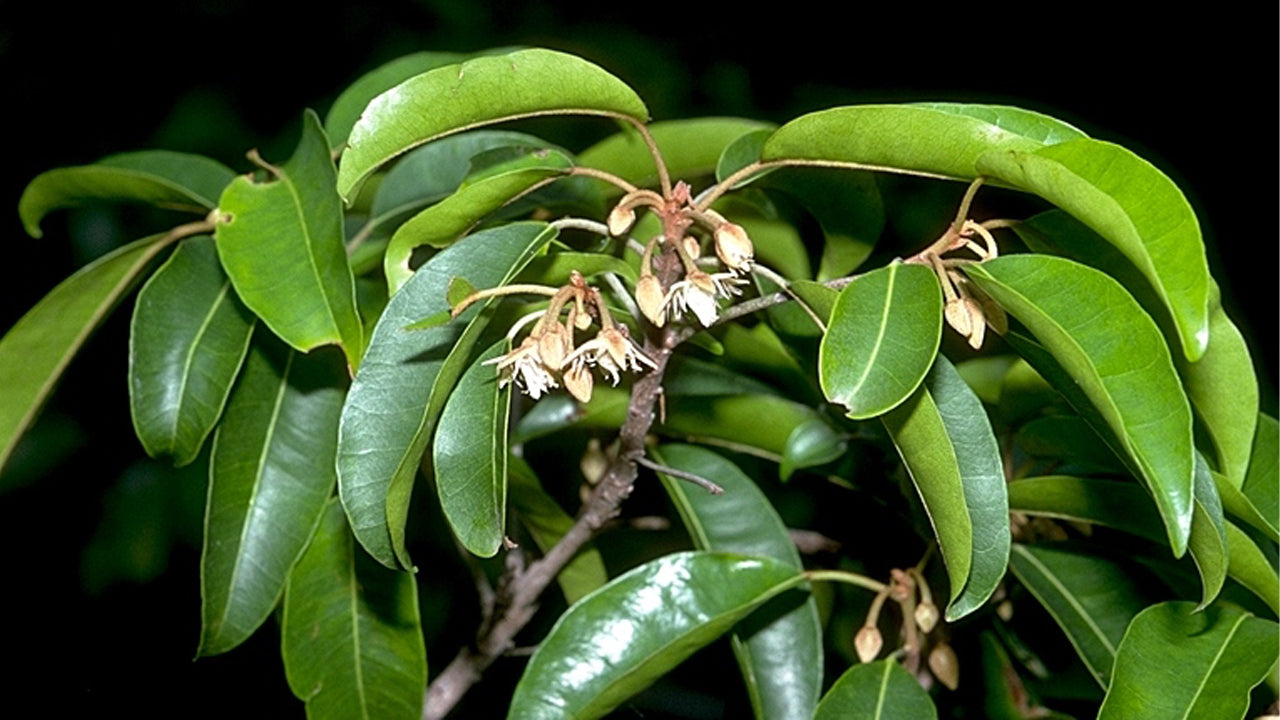
Spanish cherry
Mimusops elengi -
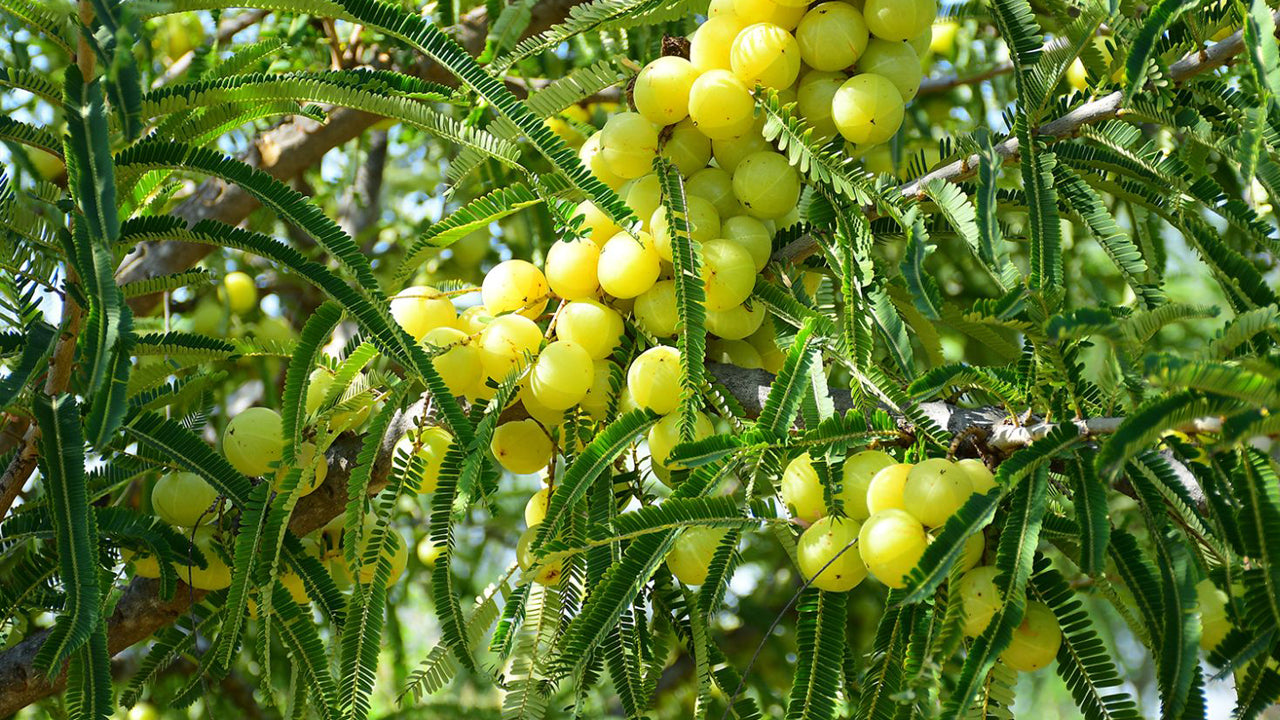
Indian gooseberry
Phyltanthus emblica -
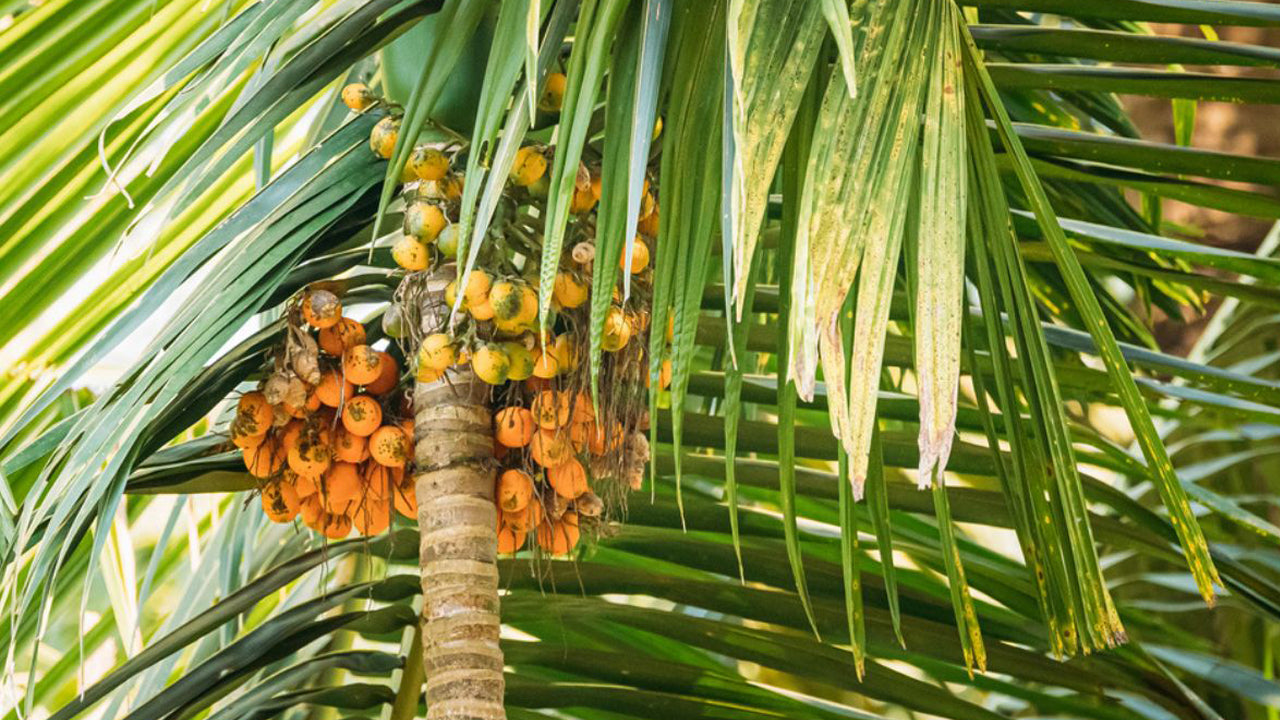
Betel palm
Areca catechu -
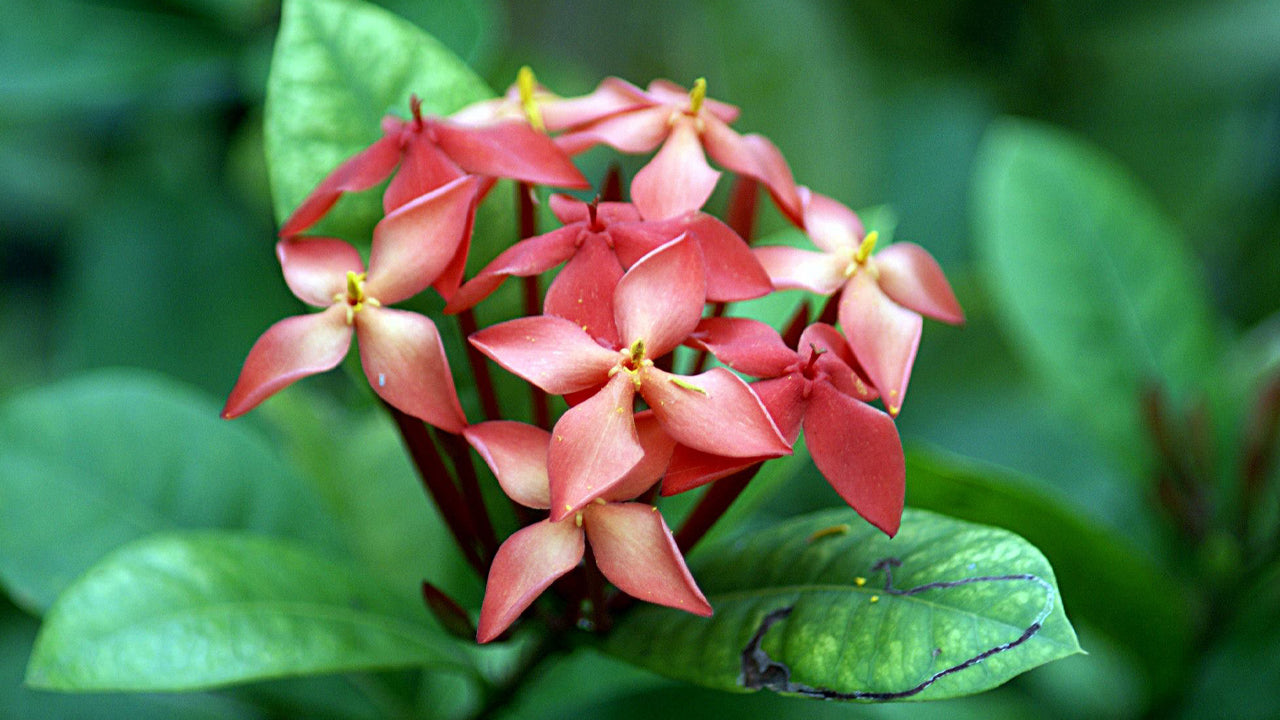
Jungle geranium
Ixora coccinea -
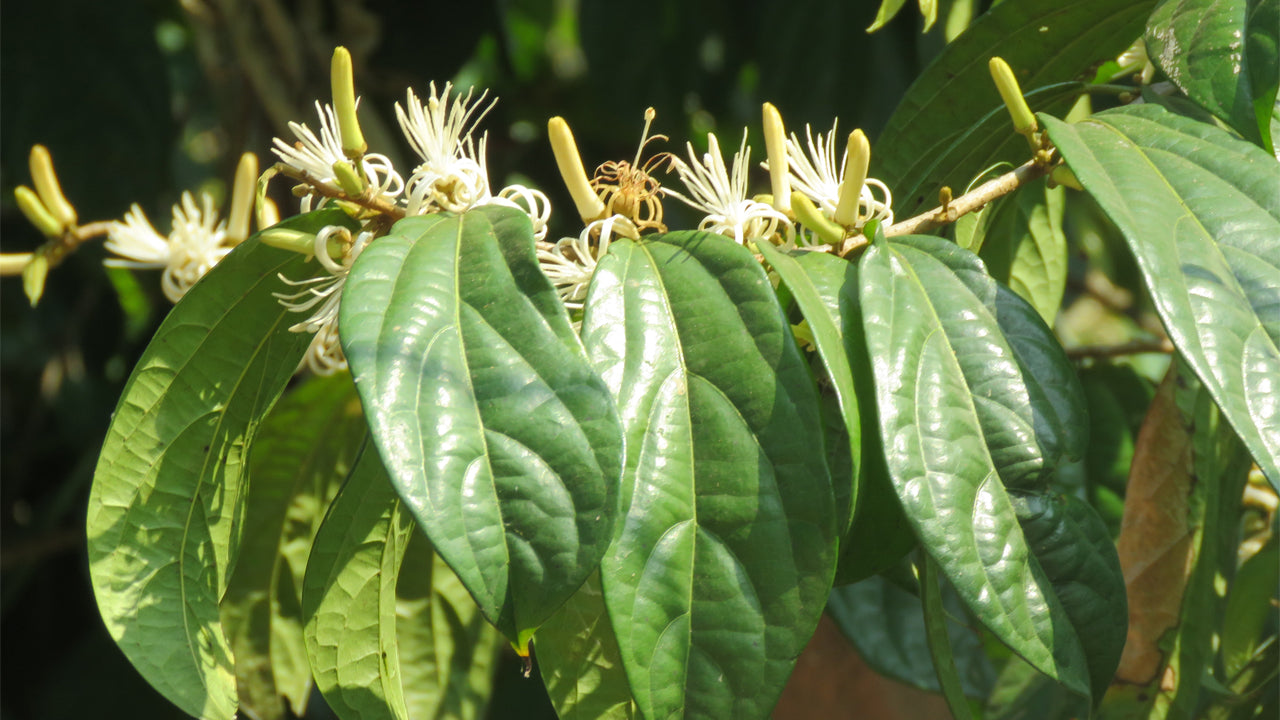
Sage-leaved alangium
Alangium salviifolium -
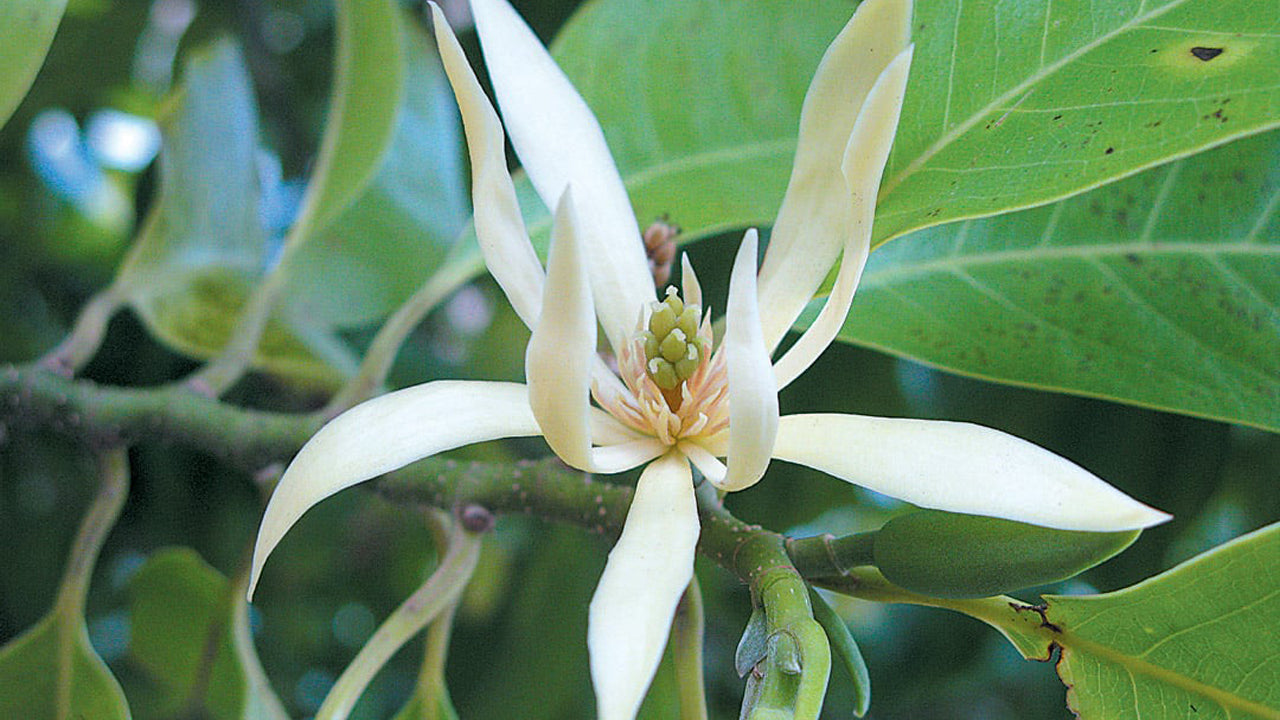
Champak
Michelia champaca -
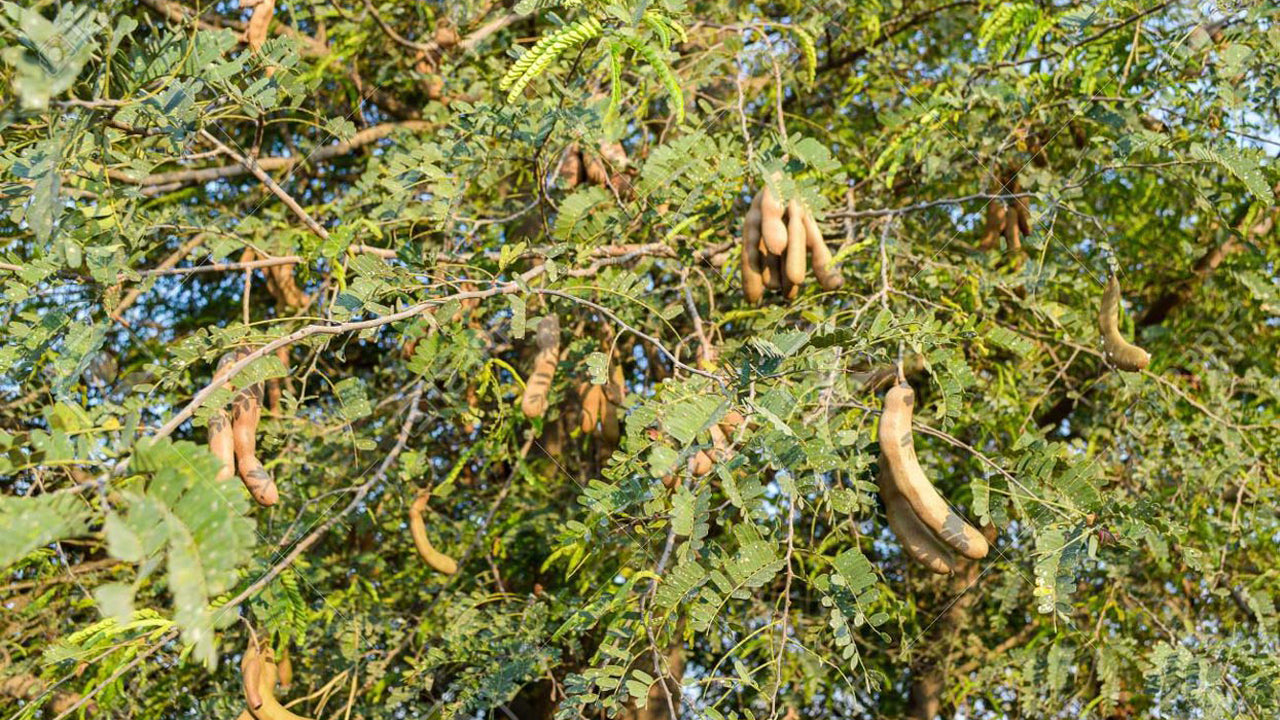
Tamarind
Tamarindus indica -
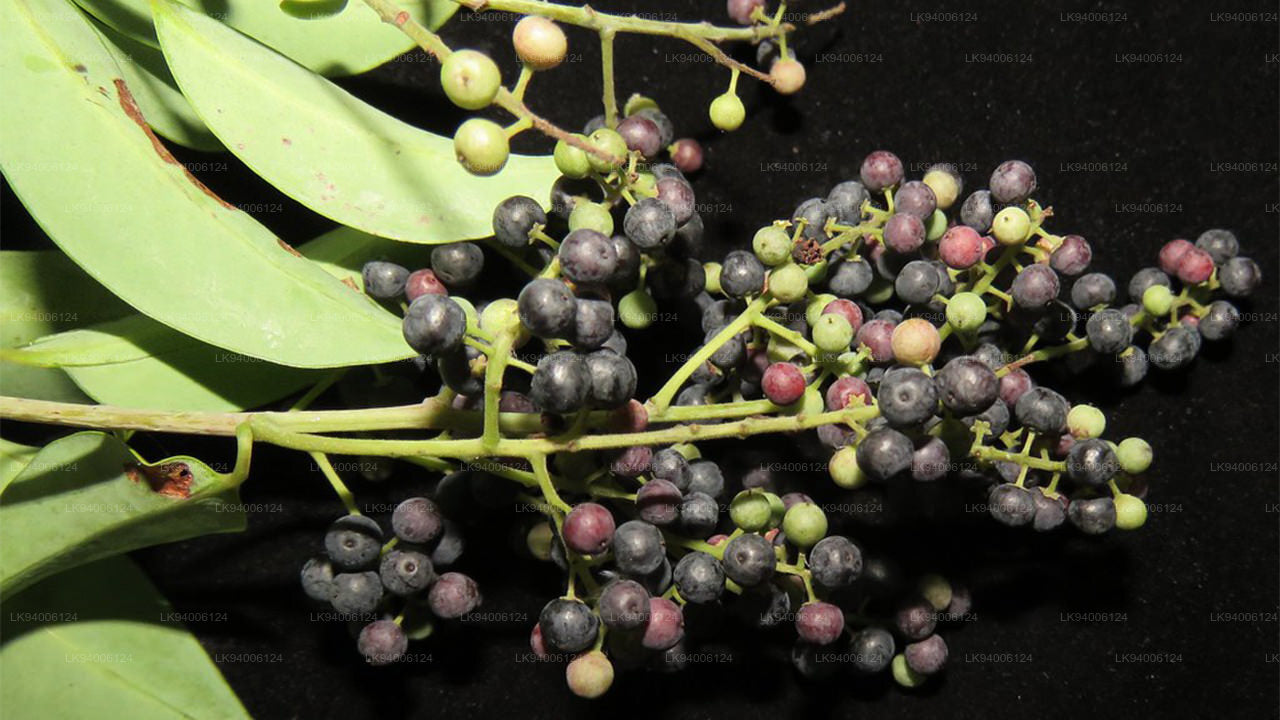
False Black Pepper
Embelia ribes -
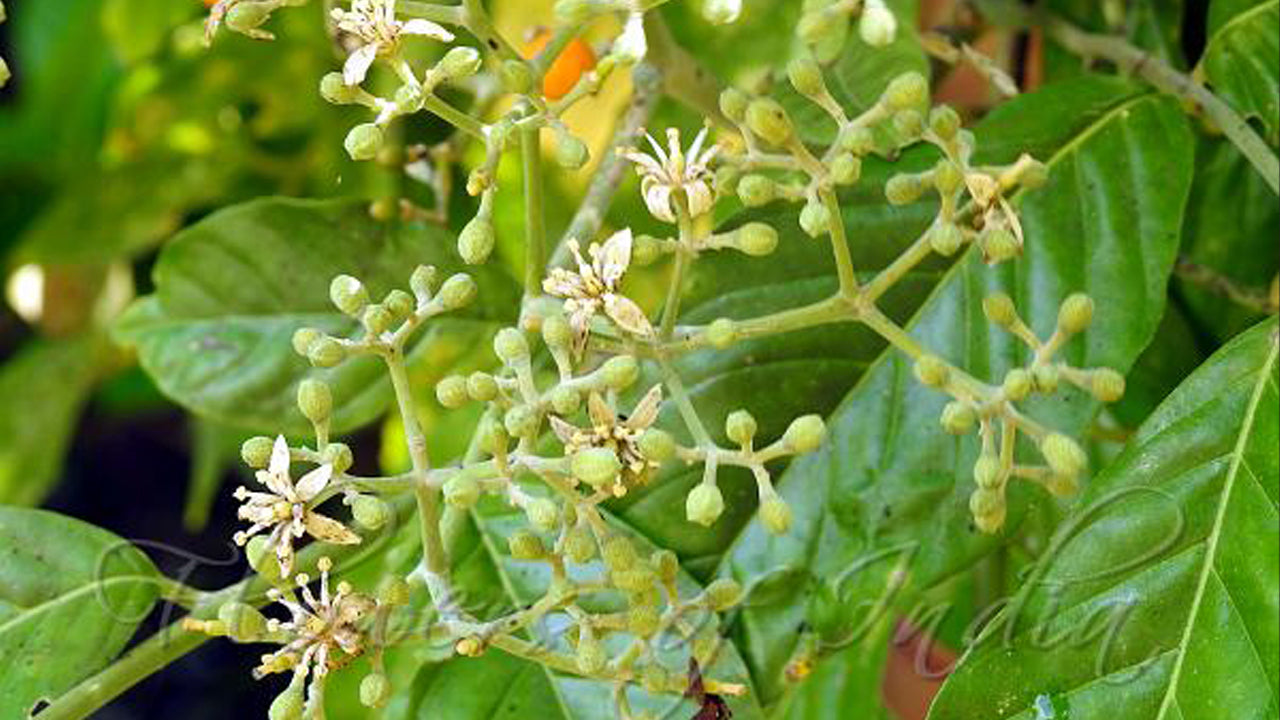
Limeberry
Micromelum ceylanicum -
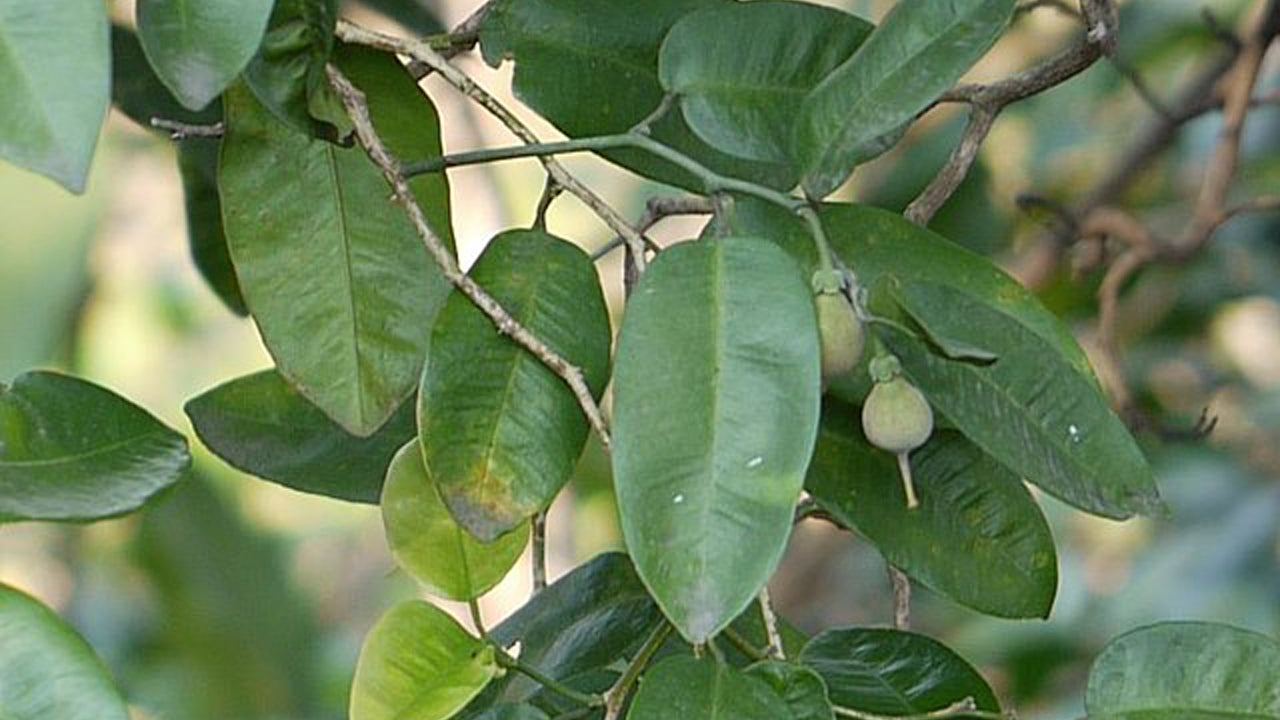
Climbing Atalantia
Paramignya monophylla



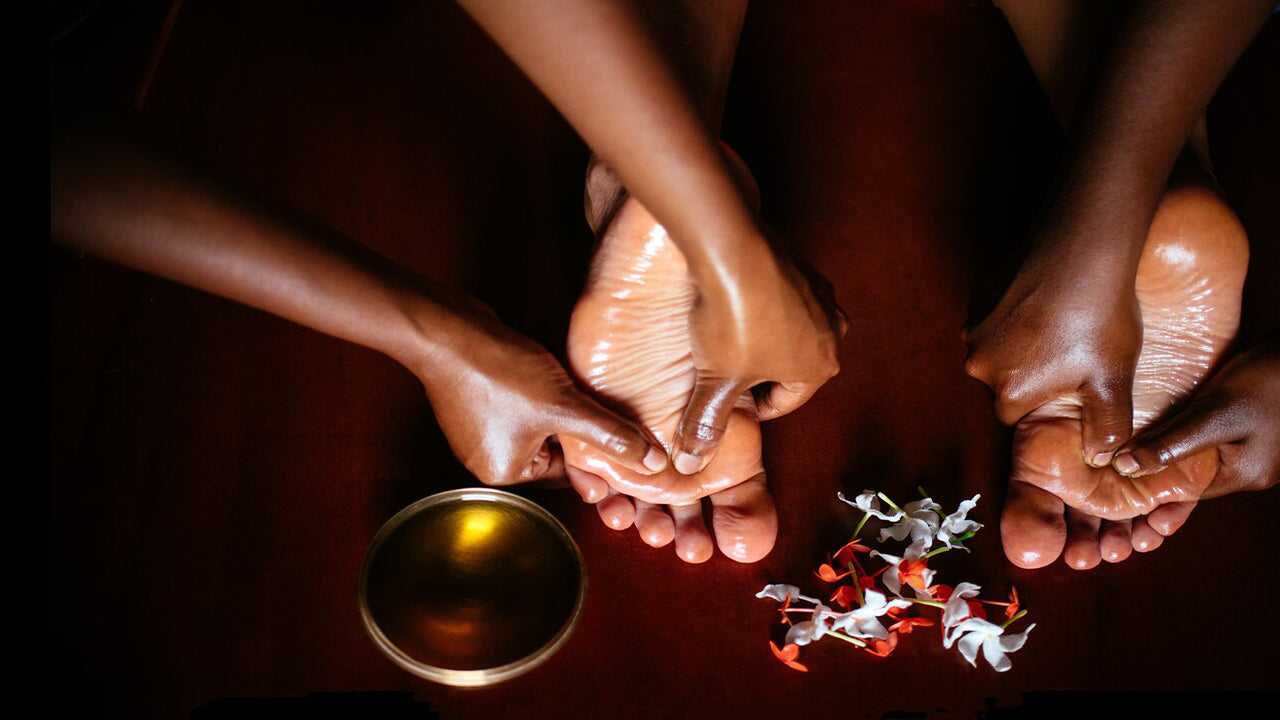

Ayurvedic and Herbal
-
싯달레파 아유르베다 허벌 밤
정가 $0.48 USD에서정가$0.54 USD할인가 $0.48 USD에서할인 -
링크 스와사 트리팔라 (30정)
정가 $1.74 USD에서정가$1.93 USD할인가 $1.74 USD에서할인 -
락푸라® 야생 사워솝(구아나바나, 그라비올라, 구아바노) 건조 잎 (통째로)
정가 $0.72 USD에서정가$0.81 USD할인가 $0.72 USD에서할인 -
 할인
할인세츠와 프라나지바 오일
정가 $3.85 USD에서정가$4.28 USD할인가 $3.85 USD에서할인