Lakpura
Lakpura®

Ahangama City

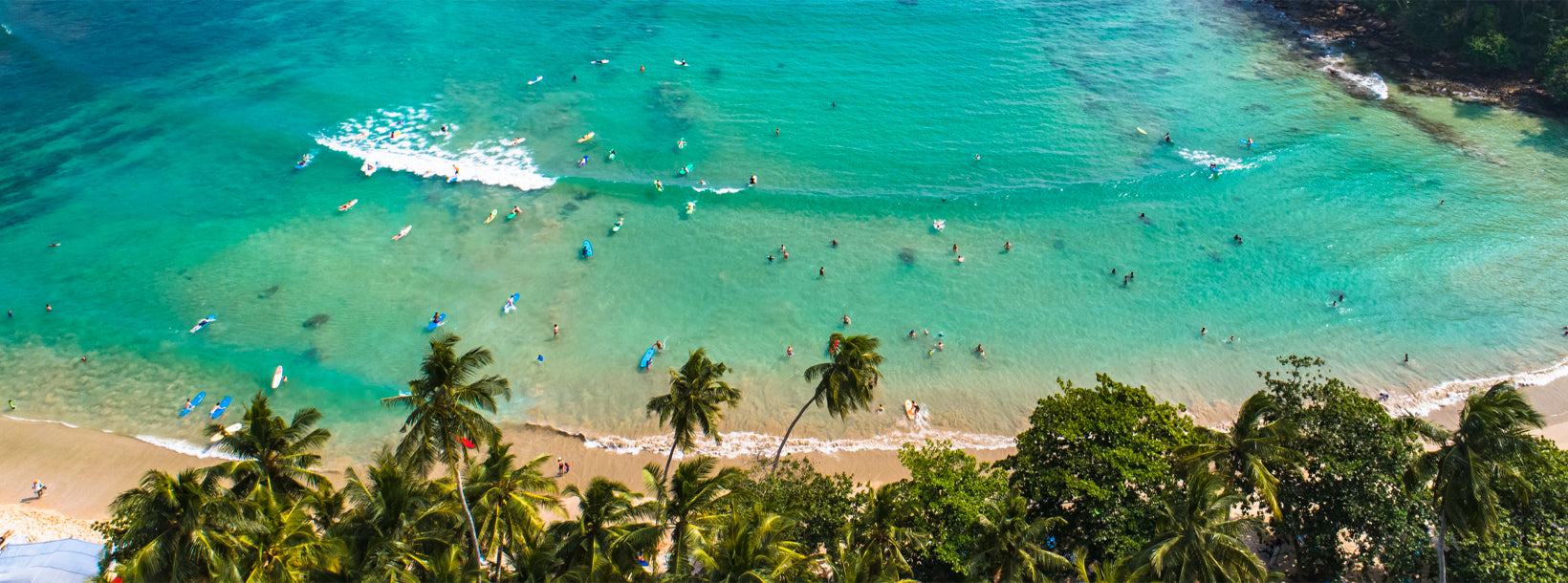
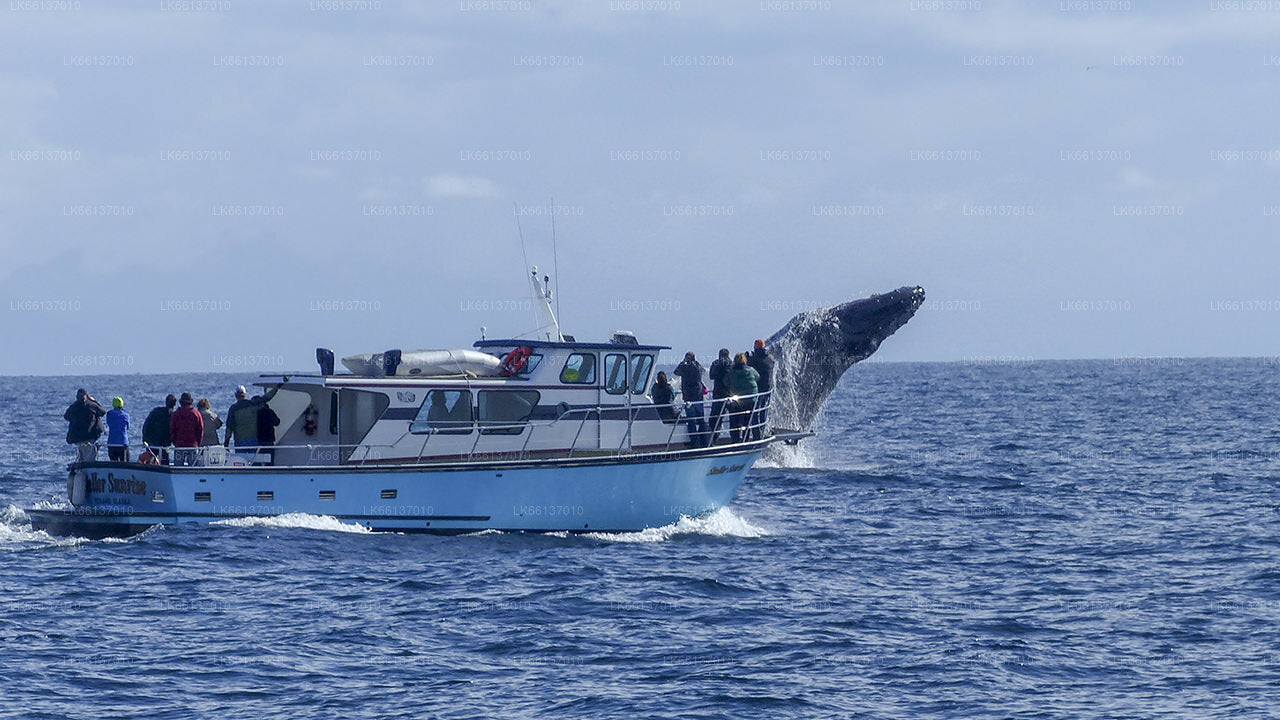
Ahangama sits quietly along Sri Lanka's Southern Province coastline, roughly midway between the historic fort city of Galle and the whale-watching hub of Mirissa. It draws a steady stream of surfers, slow-travel enthusiasts, and anyone keen to experience a working fishing village without the crowds that have gathered around better-known southern stops. The pace here is deliberate, the beaches are wide and relatively empty, and the sunsets over the Indian Ocean tend to do the talking.

What is Ahangama known for?

Three things define Ahangama's identity more than anything else: its surf, its stilt fishermen, and its unhurried atmosphere. The town has grown as a destination without losing the character of the coastal community that underpins it. Boutique guesthouses, surf camps, and small restaurants have appeared along the main road and down the lanes toward the water, but rice paddies and fishing nets are still more common sights than souvenir stalls.

Where exactly is Ahangama, and how do I get there?

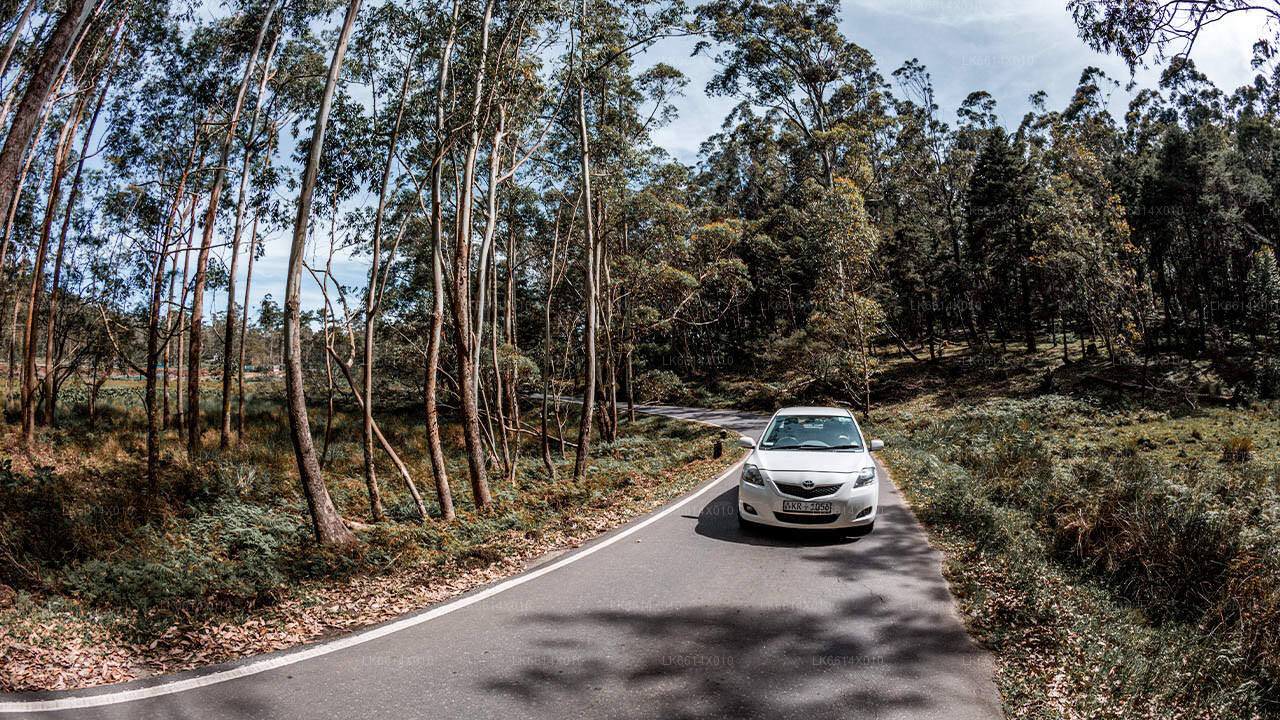
Ahangama is located on the A2 coastal highway, approximately 10 km east of Galle and around 140 km south of Colombo. The most comfortable way to arrive from Colombo or Bandaranaike International Airport is by private car or hired driver, which avoids luggage hassle on public transport and lets you stop along the route. The journey from the airport typically takes around three to three-and-a-half hours depending on traffic in Colombo's southern suburbs.

The Southern Expressway (E01) cuts travel time significantly compared to the old coastal road. Most drivers exit at Pinnaduwa near Galle, then continue east along the A2. The Ahangama railway station on the Colombo–Matara line is also an option — trains run regularly and the coastal route is scenic, though journey times are longer than by car.

When is the best time to surf in Ahangama?

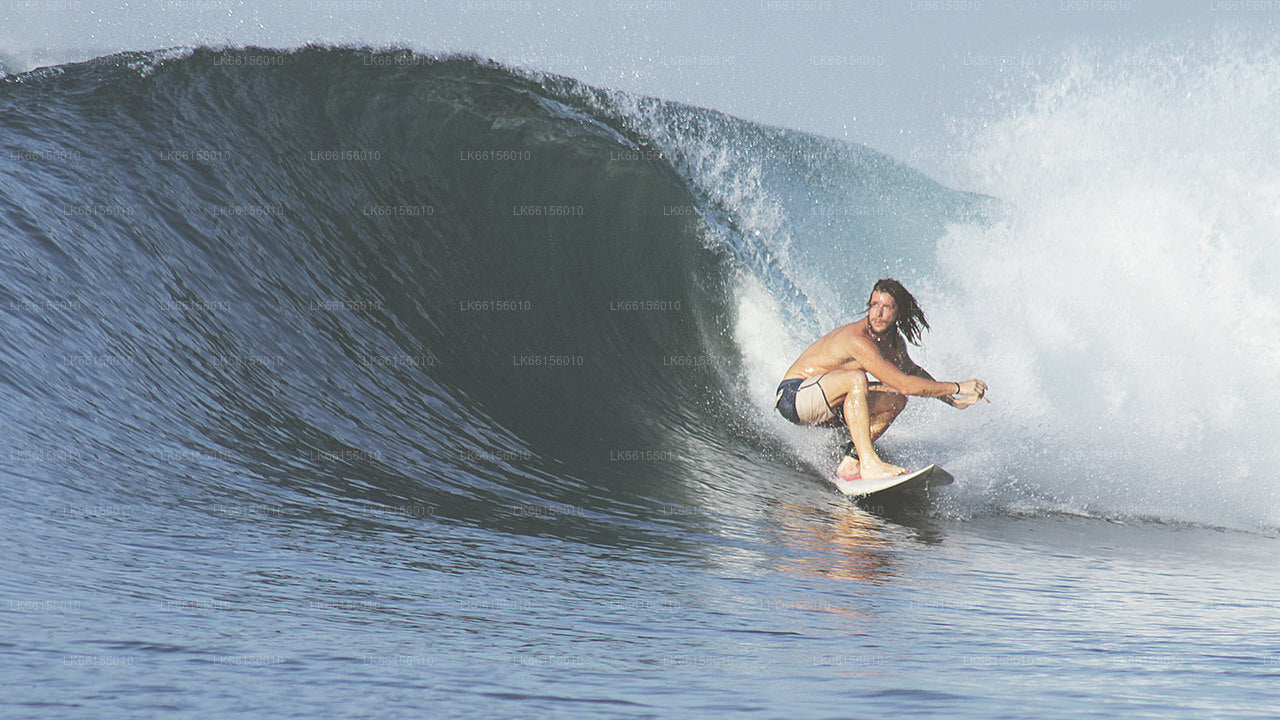
The surf season runs from November through April, when the northeast monsoon brings consistent swells to the southern and western shores. During these months, wave heights and wind conditions are generally ideal for both learners and experienced surfers. May to October sees the southwest monsoon arrive, which reverses conditions on the south coast — surfing becomes difficult and the sea can be rough and unsafe for swimming.

If surfing is not the main draw, the shoulder months of late October and early May can offer quieter beaches and lower accommodation rates, though you should expect some rain and less predictable sea conditions.

What are the main surf breaks at Ahangama?

Ahangama has several distinct breaks catering to different ability levels. Kabalana Beach is one of the most popular, offering a right-hand reef break that works well on mid-to-high tide and suits surfers with some prior experience. Midigama, just a few kilometres to the east, is often referenced alongside Ahangama and offers additional reef and point breaks. Beginners typically start on the softer beach breaks close to town, where several surf schools offer lessons and board hire.

  • Kabalana: Right-hand reef break, best at mid to high tide
  • Lazy Left: Consistent left-hand break suitable for intermediate surfers
  • Midigama nearby: A short tuk-tuk ride east, known for barrelling reef waves

What is stilt fishing, and can I see it at Ahangama?

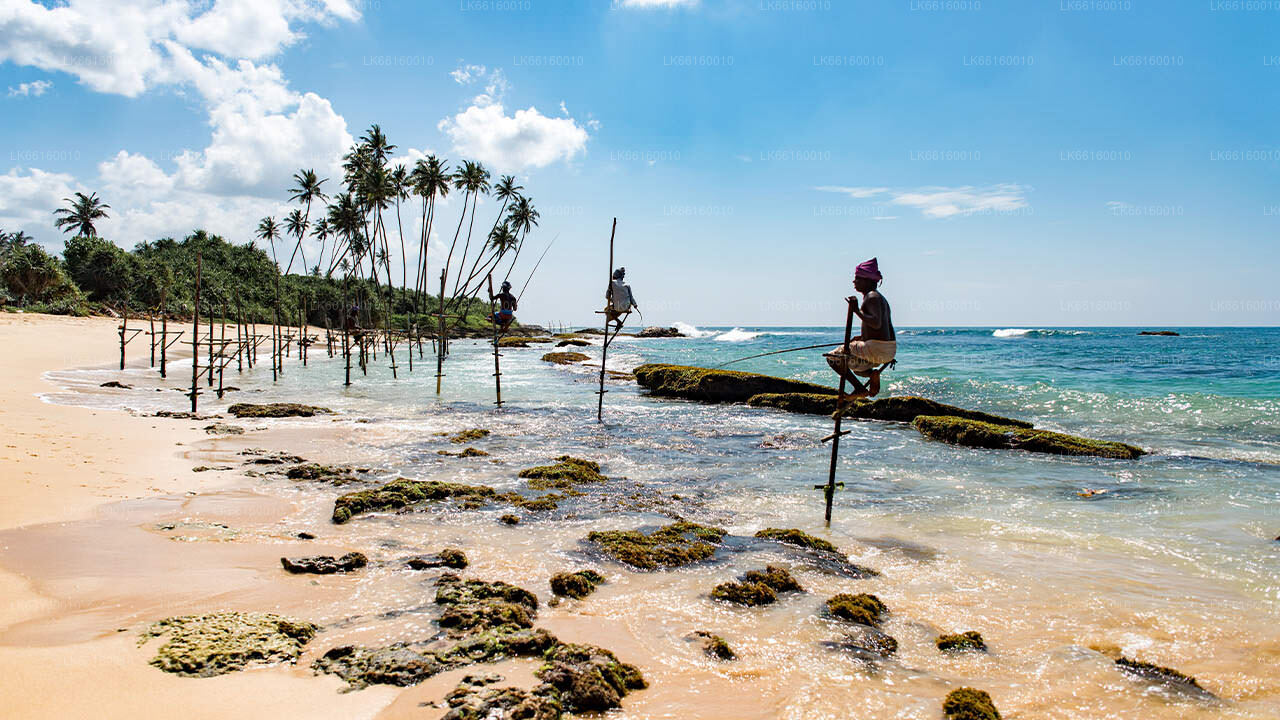
Stilt fishing is one of Sri Lanka's most recognisable traditional practices, and Ahangama is one of the best places along the southern coast to witness it. Fishermen perch on a crossbar fixed to a pole driven into the shallow seabed, just beyond the breaking waves. From this elevated position they cast a single line into the water, traditionally targeting small reef fish.

The practice evolved as a practical solution to fishing in the shallow, rocky shallows without a boat. Today it is both a livelihood and a cultural tradition, though tourist interest has made it something of a performance at some locations. In and around Ahangama, however, you can still find fishermen following the method for practical reasons, particularly in the early morning and late afternoon. Arriving at sunrise gives you the best light and the most authentic experience.

What are the beaches like at Ahangama?

Ahangama's beaches are narrower and more rugged than the broad sandy stretches at Galle's nearby Unawatuna, which is part of their appeal. The shoreline is dotted with rock outcroppings, palms, and the occasional fishing boat pulled onto the sand. Crowds are sparse compared to neighbouring resorts, making it a good choice for travellers who value space and quiet over facilities.

Swimming conditions vary by season and by the specific stretch of beach. During the surf season (November to April), currents can be strong near the reef breaks, so it is worth asking locally before entering the water. Calmer, sandy patches are generally found between the reef sections and are suitable for swimming in favourable conditions.

What else can I do around Ahangama?

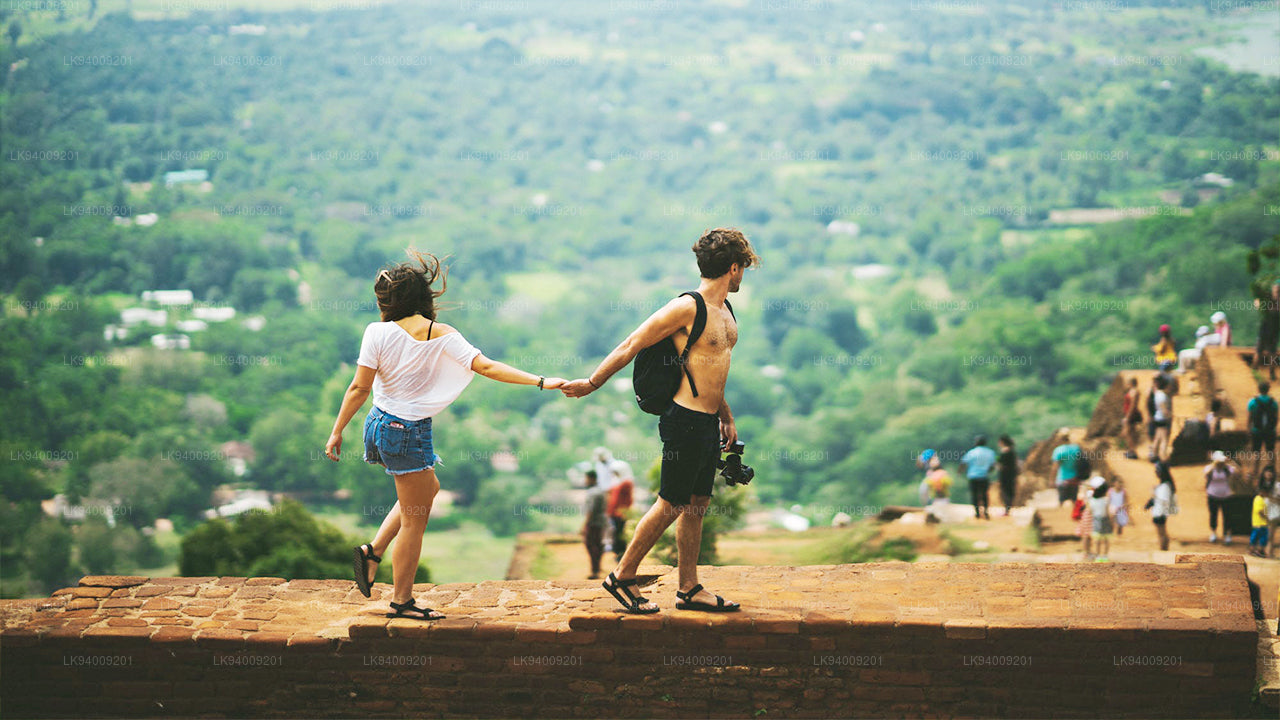
The town's location on the southern coast puts it within easy reach of several worthwhile experiences. Galle Fort, a UNESCO World Heritage Site, is a short drive west. The Koggala Sea Turtle Conservation Project is nearby and open to visitors interested in marine conservation. The Madu River Safari, a boat trip through the mangrove-lined Madu Ganga lagoon, is accessible within roughly 30 minutes by road.

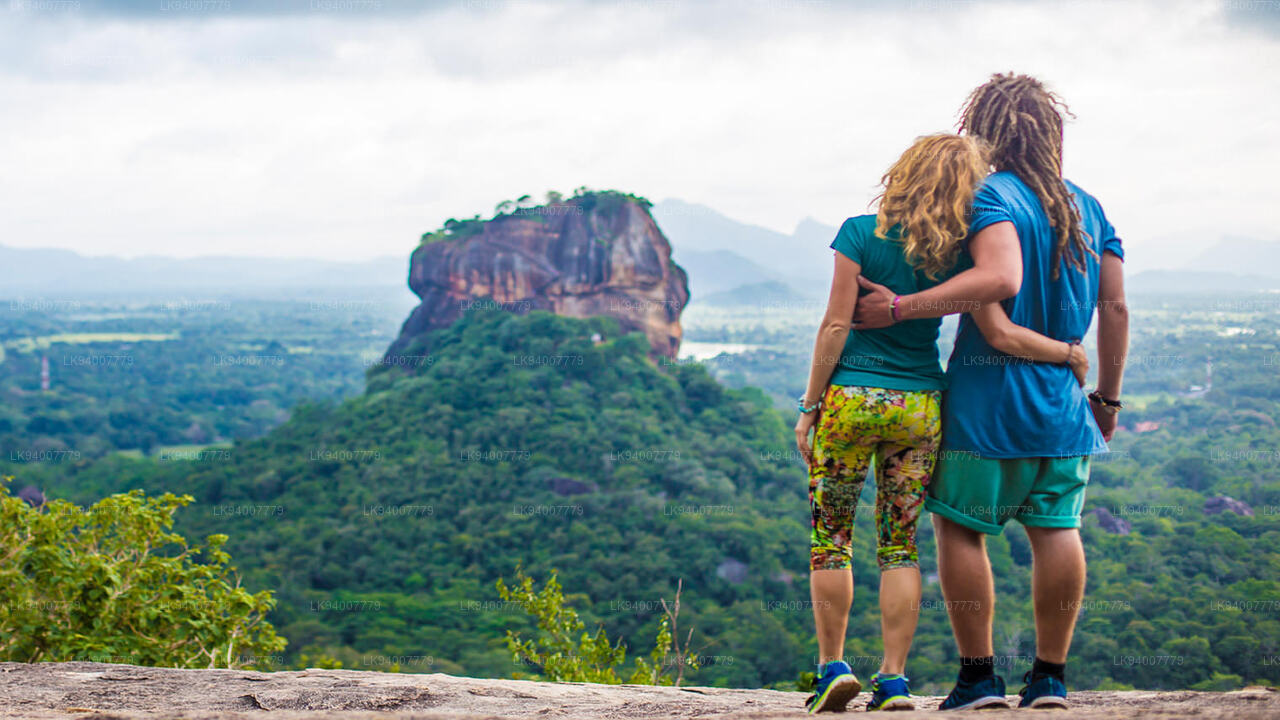
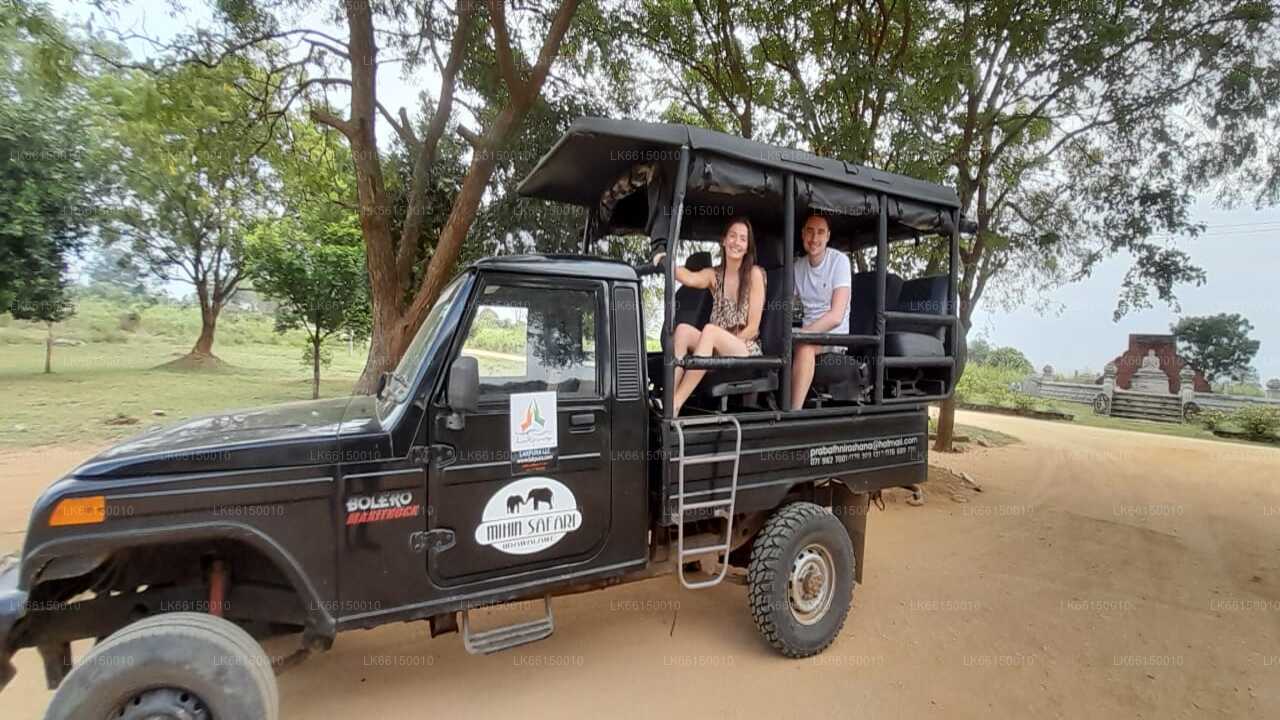
For those seeking a longer day out, the inland route toward Udawalawe National Park — home to Sri Lanka's largest resident elephant population — is well-suited to a combined full-day excursion. The Sinharaja Forest Reserve, a UNESCO-listed rainforest and biodiversity hotspot, is also within driving distance for those interested in birding or guided nature walks.

Where should I stay in Ahangama?

Accommodation in Ahangama skews toward boutique and independent properties rather than large resort hotels. Surf camps often include lessons, equipment, and communal meals as part of a package, making them efficient for travellers whose primary reason for visiting is the waves. Villas and guesthouses are scattered between the main road and the seafront, ranging from simple fan rooms to small luxury retreats with pools and sea views. Booking in advance is advisable during the peak surf season, particularly around Christmas and New Year.

What food and dining options are available in Ahangama?

Dining in Ahangama is informal and largely centred on fresh seafood, Sri Lankan rice-and-curry, and the kind of all-day café menus that cater to long-staying surfers. Several small restaurants along the main road serve both local dishes and Western options. For a more structured experience, a day trip to Galle opens up a broader restaurant scene within the fort walls. Those staying in villas can arrange cooking classes to learn Sri Lankan techniques using locally sourced ingredients — a worthwhile way to spend a morning.

Book this experience with Lakpura

Curated by our local team. Direct booking, instant confirmation.

Ask Lakpura® Agent