Negombo sits just 10 km north of Bandaranaike International Airport, making it the natural first or last stop on almost every Sri Lanka itinerary. Yet the town is far more than a transit waypoint. A layered history of Portuguese and Dutch colonial rule, a predominantly Catholic fishing community, and a lively lagoon fishery give Negombo a character you won't find anywhere else on the island.
What is the history behind Negombo?
The name Negombo is a Portuguese adaptation of the Sinhala Meegamuva — loosely translated as "the village of honey." Local folklore credits the name to a swarm of bees that once settled in a beached boat; the story stuck even though Negombo was never a significant honey-trading post. What it did trade in was spices, particularly cinnamon, which drew first the Portuguese in the early 16th century and then the Dutch, who seized control in 1640.
Both colonial powers left their mark. The Dutch built a canal system — still navigable today — that stretches roughly 120 km south toward Colombo, and they raised a fort on the southern bank of the Negombo lagoon. Remnants of that fortification, the Dutch Fort Negombo, survive near the fish market and are worth a short detour. Portuguese influence is most visible in the town's churches and wayside shrines; the Catholic community they converted remains the cultural backbone of the town, earning Negombo the affectionate nickname "Little Rome."
What can you see and do in Negombo?
The town rewards a half-day of unhurried exploration on foot or by tuk-tuk. Key sites include:
- St. Mary's Church — a large Catholic church in the town centre with a notable painted ceiling, reflecting the depth of Portuguese missionary influence.
- Dutch Fort and the Old Dutch Canal — the fort walls enclose a small prison today, but the surrounding area and the canal towpath offer a quiet walk through colonial-era infrastructure.
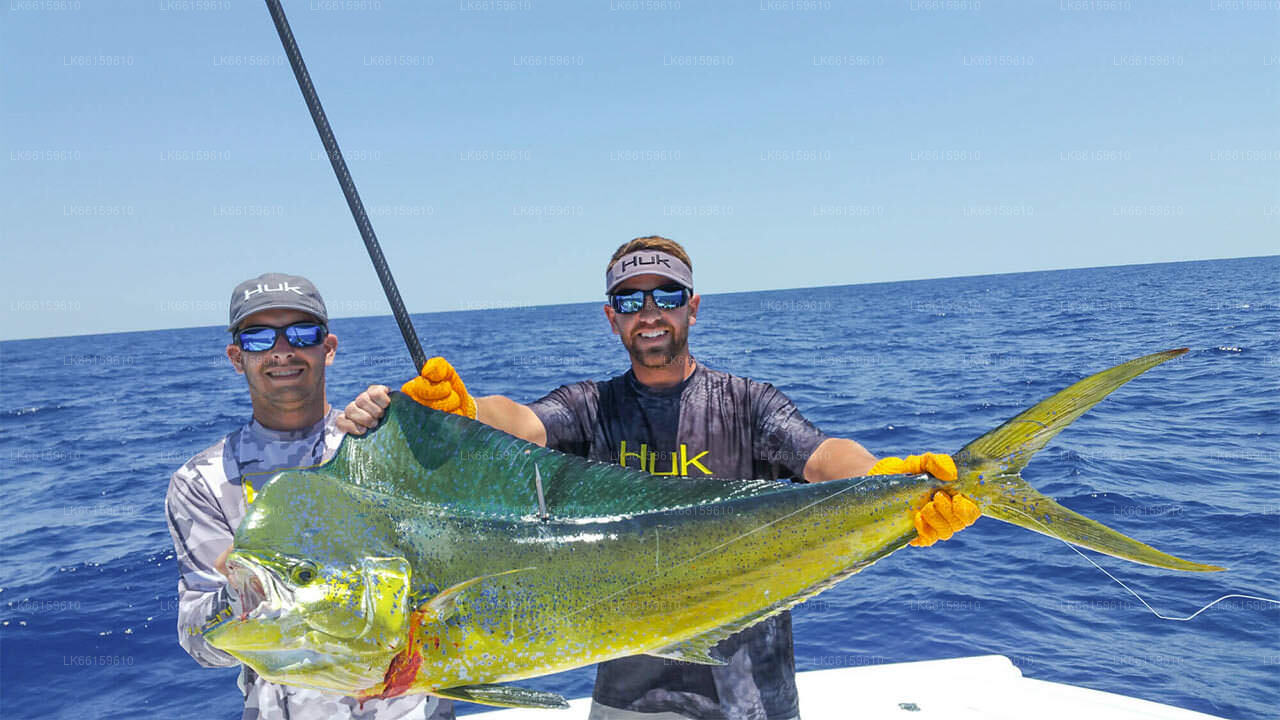
- Negombo Fish Market — one of Sri Lanka's most active fish markets. Arrive before 7 am to watch the overnight catch being sorted and auctioned. Over 500 edible species are said to inhabit the surrounding sea and lagoon.
- Hamilton Canal — a peaceful stretch of the Dutch waterway system where outrigger canoes and small boats drift past coconut palms.
- St. Sebastian's Church, Katana — a short drive north, this pilgrimage church draws large crowds during its annual festival.
The Negombo City Tour covers most of these landmarks in a structured half-day with a knowledgeable guide.
What is Negombo beach like?
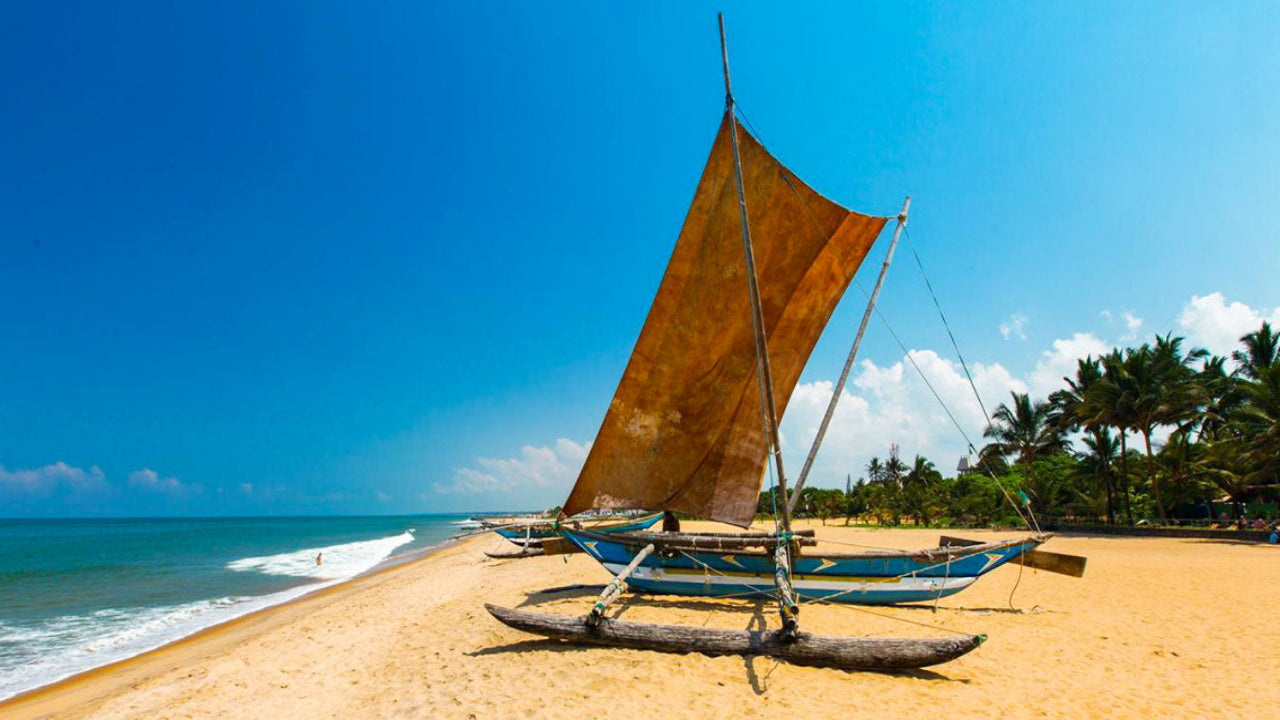
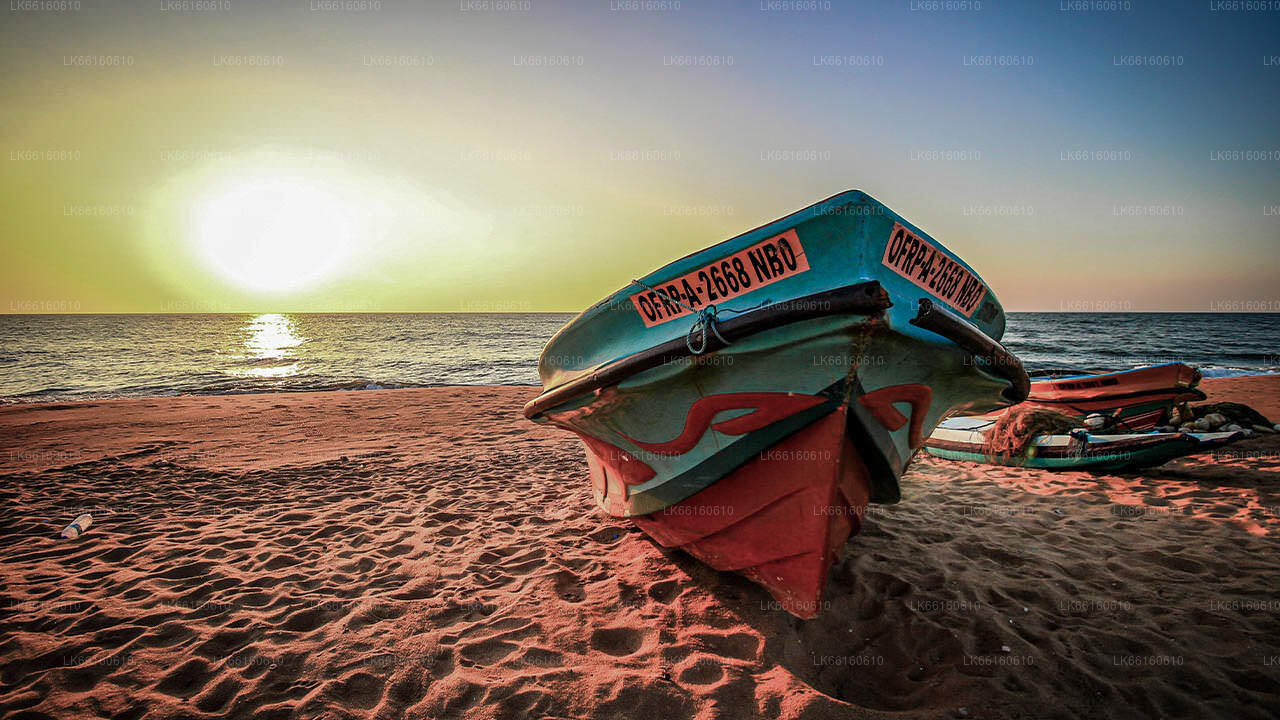
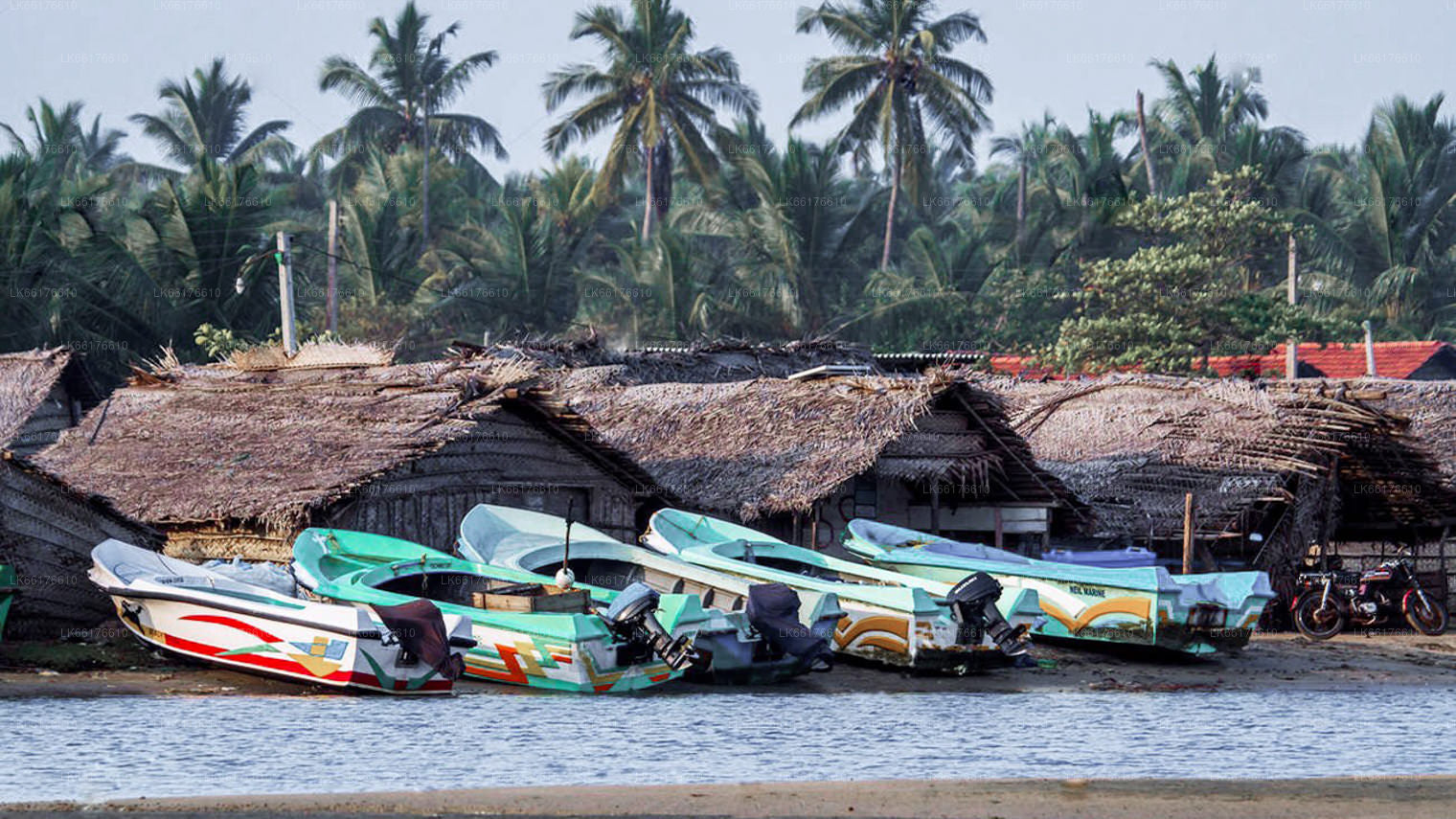
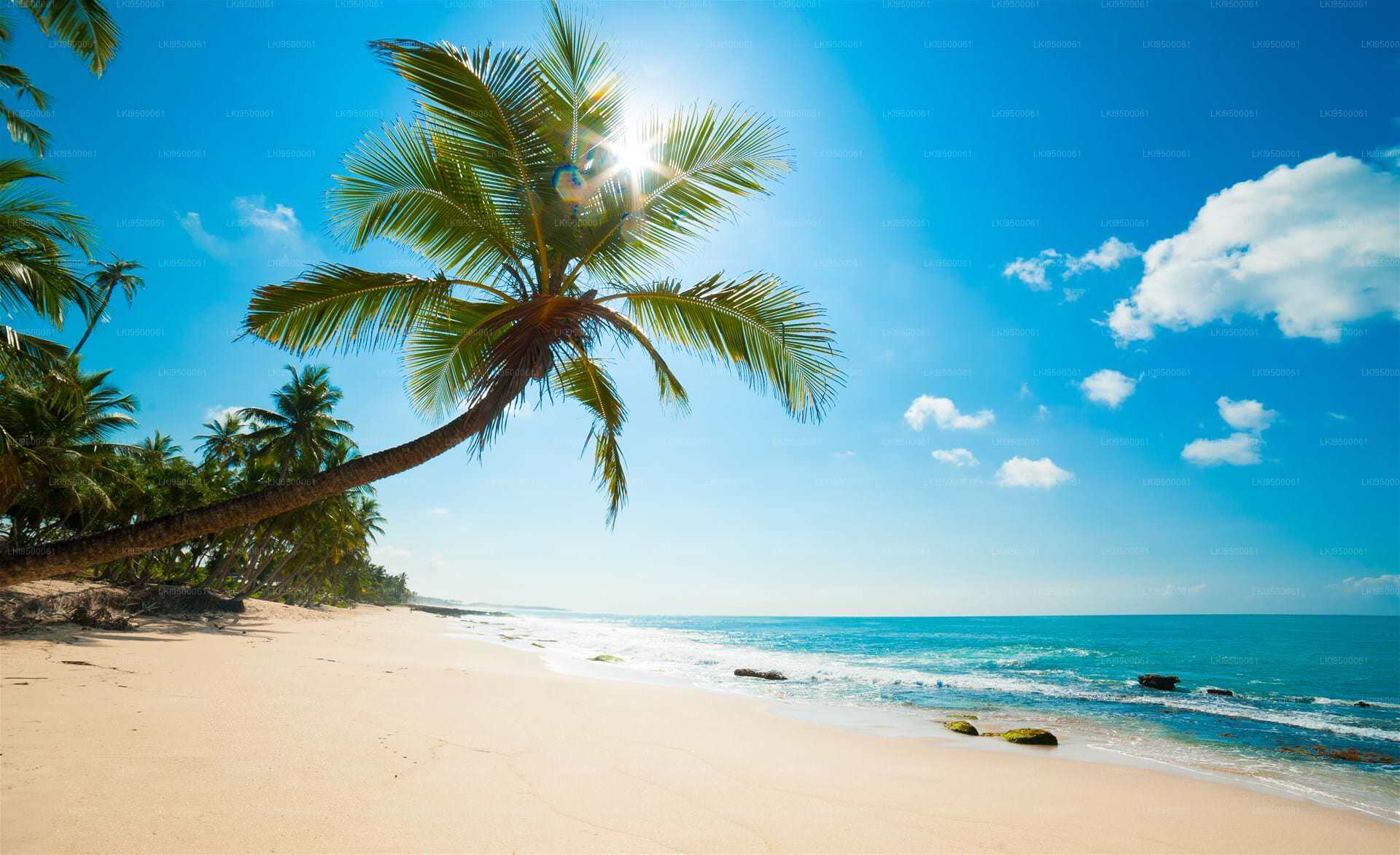
The beach runs for several kilometres along the western edge of town. The sand is dark and the surf can be strong, so it is better suited to walking and watching the traditional oruwa outrigger canoes than to swimming at certain points. The calmer lagoon side, accessible by a short tuk-tuk ride, is safer for paddling and kayaking.
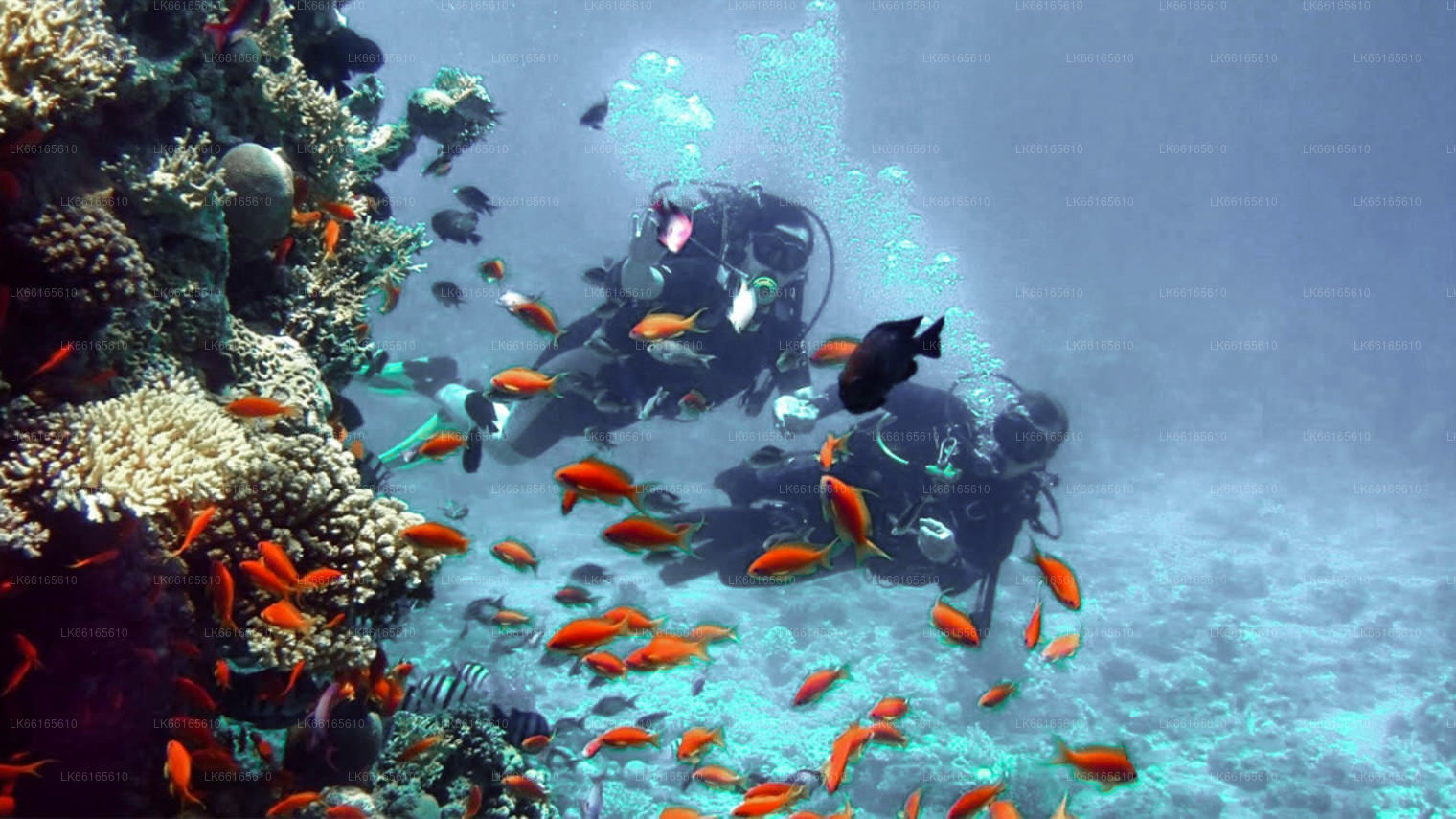
A coral reef offshore and a roughly 50-year-old shipwreck lying in relatively shallow water attract recreational divers. The wreck has become an artificial reef colonised by a variety of reef fish, and visibility is often reasonable during the west-coast dry season (November to April). Most dive operators in Negombo offer wreck dives and guided reef dives for all experience levels.
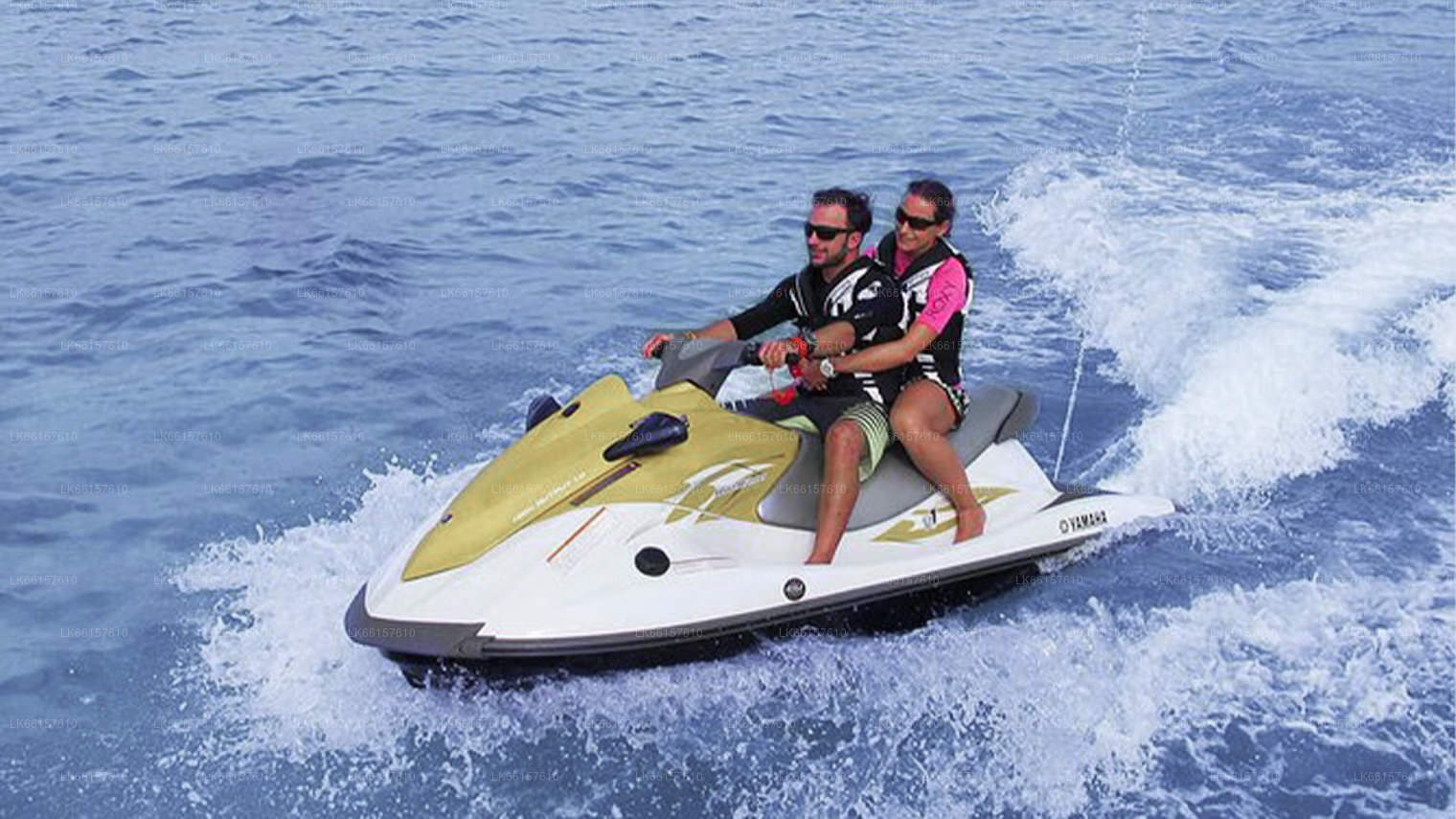
Catamaran rides can be arranged through most beachfront hotels and informal operators at the beach. Windsurfing and kayaking equipment is available at several properties along the strip.
When is the best time to visit Negombo?
Negombo sits on Sri Lanka's west coast and follows the southwest monsoon pattern. The driest and calmest period runs from November through April, when the sea is flat enough for snorkelling, diving, and boat trips. May to October brings the southwest monsoon; the beach remains accessible and the town fully operational, but the sea can be rough and water sports are limited.
The town's Catholic festival calendar peaks around Easter, when processions and church services draw pilgrims from across the island — an atmospheric time to visit if you don't mind crowds.
How do I get to Negombo from Colombo or the airport?
From Bandaranaike International Airport the town is approximately 10 km north — around 20 to 30 minutes by taxi depending on traffic. Pre-booked airport transfers are the most straightforward option and avoid the need to negotiate fares after a long flight.
From central Colombo the drive is typically 40 to 60 minutes on the expressway extension or via the coastal road. Public buses run regularly between Colombo's Bastian Mawatha bus station and Negombo, though journey times vary considerably with traffic. Trains on the Puttalam line stop at Negombo station, about 2 km from the beach strip.
What day trips can I take from Negombo?
Negombo's position near the airport and just north of Colombo makes it a practical base for excursions into the Cultural Triangle and beyond:
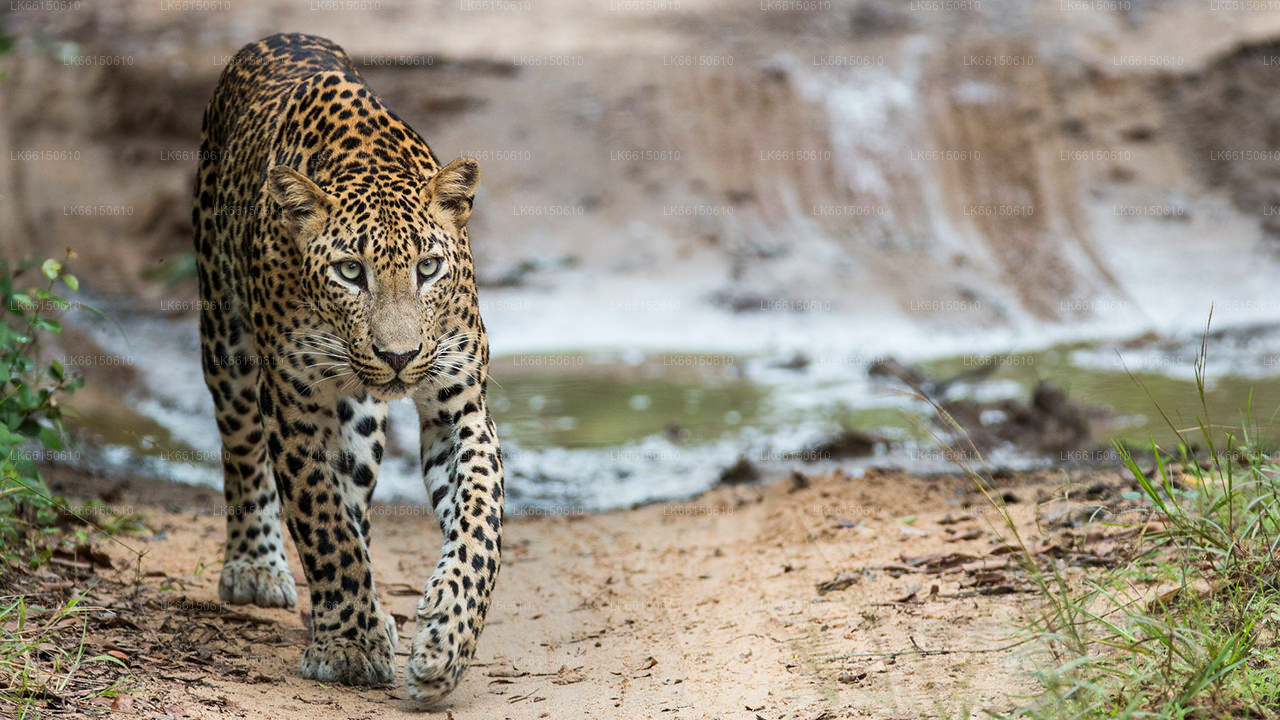
- Wilpattu National Park — Sri Lanka's largest national park by area lies around 90 km north of Negombo. An early morning departure allows a full safari day through leopard and sloth bear country. See the Wilpattu National Park guide for details on what to expect.
- Anuradhapura — the ancient capital is roughly 2.5 hours by road, feasible as a long day trip or combined with an overnight stay.
- Sigiriya and Pinnawala — a popular combination covering the iconic rock fortress and the elephant orphanage in a single day.
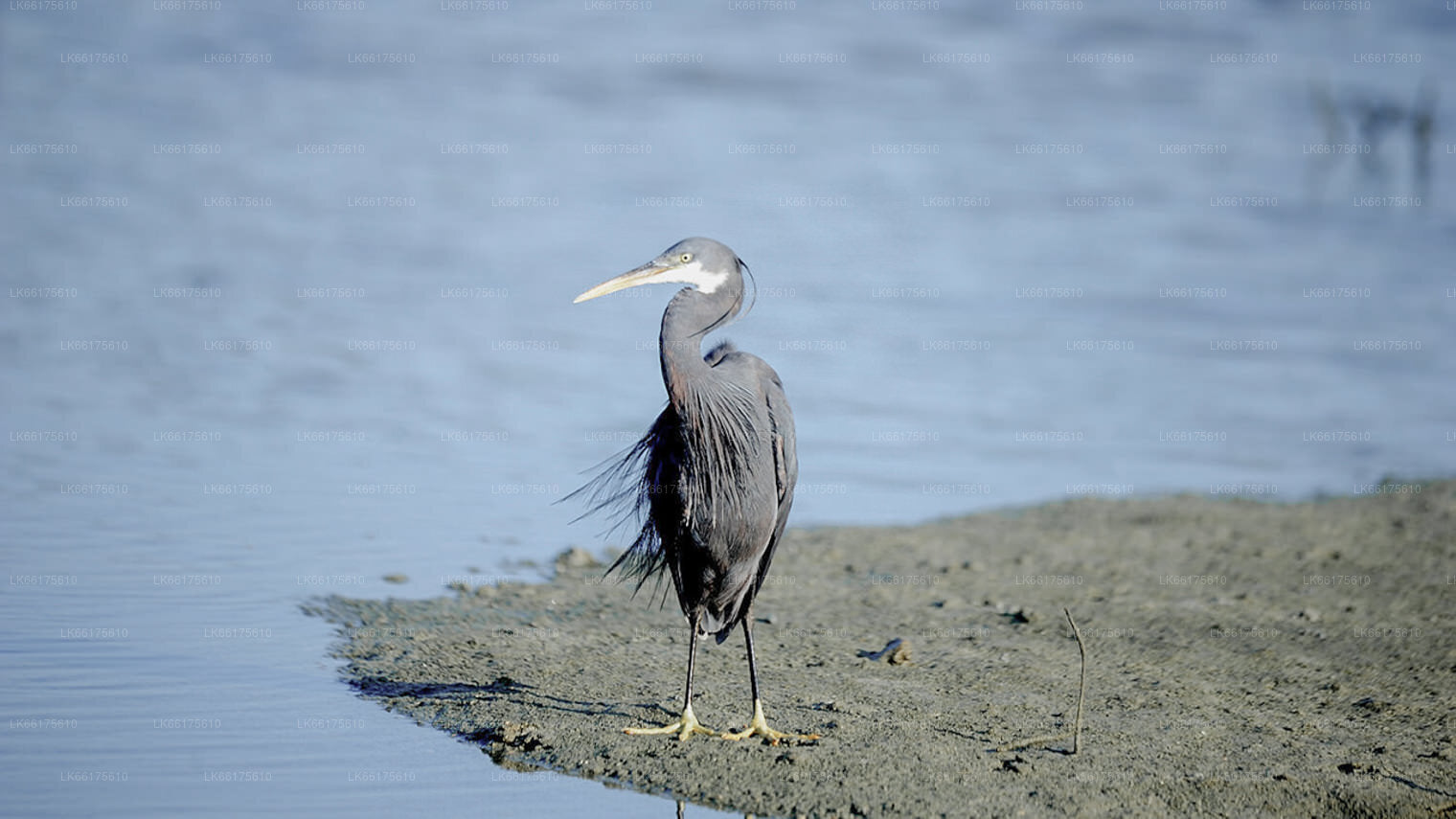
- Madu River — the mangrove-lined Madu River Safari near Balapitiya is a longer drive south but rewards with boat-based birdwatching and cinnamon island visits.
- Colombo — the capital is close enough for a half-day city tour, returning to Negombo in time for dinner.
Where should I stay in Negombo?
The beach strip north of the town centre — sometimes called Lewis Place and Poruthota Road — holds the greatest concentration of hotels, from small family guesthouses to international-standard beach resorts. The area has good restaurants, seafood stalls, and easy access to both the beach and the lagoon. For a quieter stay, properties on the lagoon side offer calmer water and a more local atmosphere than the main beach road.
What seafood should I try in Negombo?
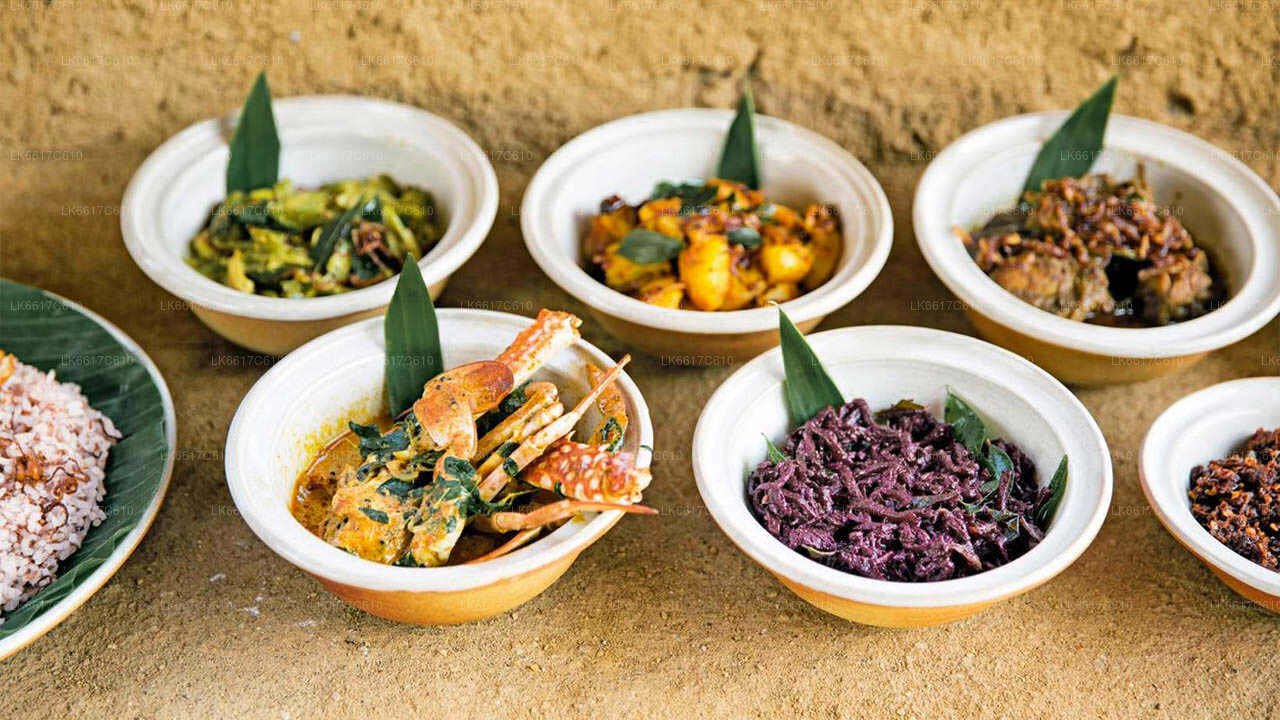
Given its status as one of Sri Lanka's principal fishing ports, Negombo is an excellent place to eat fresh seafood. Look for grilled thalapath (sailfish), crab curry, prawn dishes, and the local dried-fish preparations that are a staple of Sri Lankan home cooking. Most restaurants along the beach strip offer a catch-of-the-day menu; arrive early in the evening for the best selection. The Negombo fish market itself is also surrounded by small eateries favoured by locals.