Montagna Ritigala


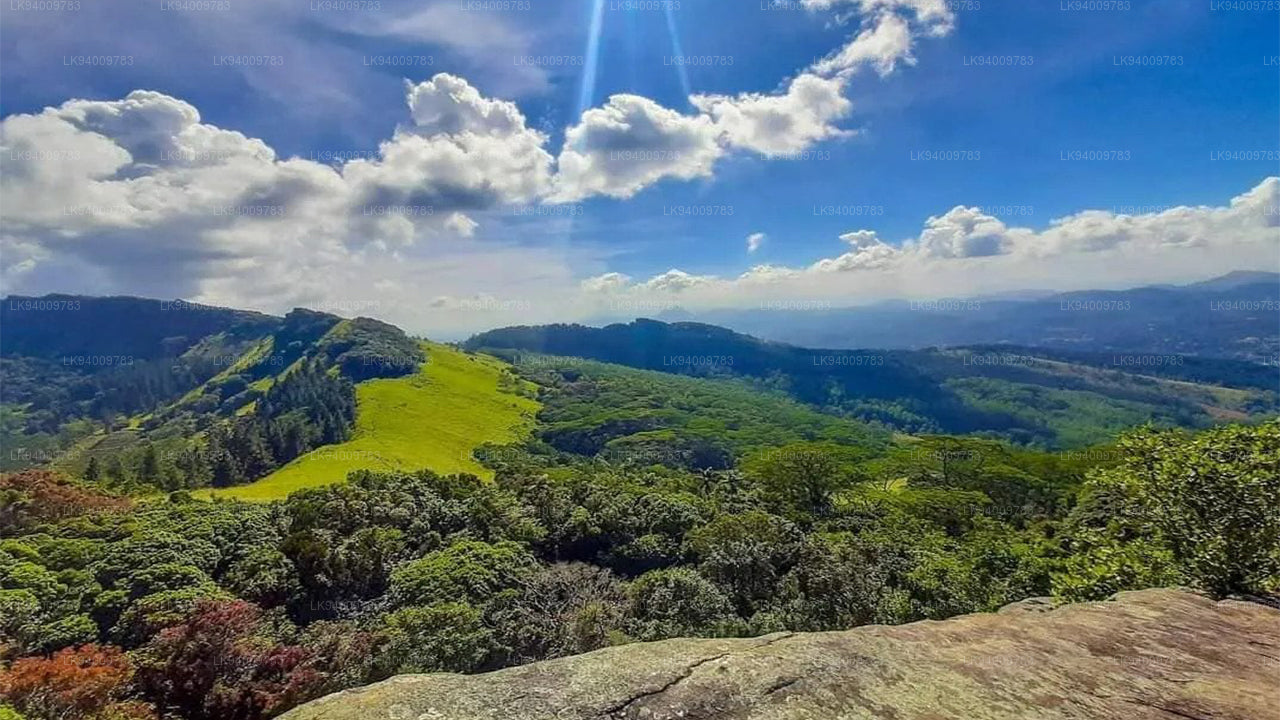
Ritigala è una montagna situata nel centro di Sri Lanka che ospita un antico monastero buddista. Le rovine e le iscrizioni rupestri di questo monastero risalgono al I secolo a.C. Si trova a 43 km dall’antica città monastica di Anuradhapura.
Il monte Ritigala è composto da quattro cime che si innalzano ripidamente dalla pianura circostante. La montagna è lunga 6,5 km ed è divisa in blocchi settentrionali e meridionali dalla gola Maha-Degala. La vetta più alta è Ritigala Kanda nel blocco meridionale.
A 766 m sopra il livello del mare e circa 600 m sopra le pianure circostanti, Ritigala è la montagna più alta del nord di Sri Lanka. Il nome moderno Ritigala deriva dall’antico nome Arittha Pabbata, che significa “Montagna Terribile”, menzionato nel Mahavamsa.
La sua altitudine è superiore a quella di altre famose attrazioni delle pianure centro-settentrionali, tra cui Sigiriya, Dambulla e Mihintale. L’importanza di questa caratteristica topografica risiede nella ripida scarpata del massiccio, nei suoi pendii boscosi e nel microclima umido presente sulla cima.
Clima
Le montagne intercettano i venti carichi di umidità e generano precipitazioni orografiche, rendendo le montagne più umide delle pianure circostanti. Durante il monsone di nord-est (dicembre fino a febbraio), Ritigala registra le precipitazioni più elevate in tutta la zona secca.
Il microclima umido di Ritigala è un fenomeno unico nelle pianure centro-settentrionali, all’interno dell’antica regione di Sri Lanka conosciuta come Wewu Bandi Rata, che significa “la terra dei serbatoi d’acqua piovana”.
Il clima sulla cima è in netto contrasto con quello alla base della montagna. È più fresco rispetto al clima caldo e secco della regione circostante. Nebbia e copertura nuvolosa durante il monsone di sud-ovest provocano un’elevata condensazione del vapore, mantenendo il suolo umido anche quando le pianure circostanti soffrono di siccità.
Riserva Naturale Rigida di Ritigala
Ritigala è una riserva naturale rigorosa che copre 1.528 ettari. È stata istituita il 7 novembre 1941 ed è gestita dal Dipartimento di Conservazione della Fauna Selvatica di Sri Lanka insieme al Dipartimento Forestale.
Leggende
Molte leggende sono associate a Ritigala. Una misteriosa credenza riguarda potenti erbe medicinali trovate vicino alla cresta della montagna. Si ritiene che un’erba chiamata Sansevi abbia il potere di conferire lunga vita e curare le malattie umane. Secondo la leggenda, tutta la vegetazione di Ritigala è protetta dagli Yakkas, gli spiriti guardiani della montagna.
Il venerabile Professor Walpola Sri Rahula Maha Thera, un monaco buddista e professore di storia e religioni, osservò che il termine Yaksa indica esseri sovrumani degni di rispetto. Potrebbe anche riferirsi alle comunità indigene pre-buddiste di Sri Lanka.
Un’altra leggenda afferma che il principe Pandukhabaya fu assistito dagli Yakkas durante le sue battaglie contro i suoi otto zii ai piedi di Ritigala. Un’altra storia parla di un duello tra due giganti, forse Yakkas, chiamati Soma e Jayasena. Soma fu ucciso nel duello, mentre Jayasena divenne una figura leggendaria.
La leggenda di Lord Hanuman e Ritigala
Secondo la credenza popolare, Lord Hanuman una volta passò sopra Ritigala mentre trasportava una parte di una montagna dell’Himalaya piena di erbe medicinali. Stava trasportando la montagna a Lanka per ottenere una rara erba necessaria a salvare la vita del principe Lakshmana, fratello di Lord Rama. Durante questo viaggio, si ritiene che un pezzo della montagna sia caduto su Ritigala.
Questa leggenda è spesso utilizzata per spiegare la vegetazione insolita trovata sulla cima di Ritigala, che differisce dalla tipica flora della zona secca presente sulle pendici inferiori e nelle pianure circostanti.
Un’altra storia descrive la precedente visita di Hanuman a Lanka mentre cercava Sita, la consorte di Lord Rama, che era stata rapita dal re Ravana. Secondo la leggenda, Hanuman utilizzò Ritigala Kanda come punto di partenza per un grande salto verso l’India meridionale.
Rovine dell’Antico Monastero di Ritigala
Le rovine del monastero di Ritigala si trovano sul lato orientale della montagna ai piedi della gola che separa la vetta principale dalla cresta settentrionale. Le rovine coprono un’area di circa 24 ettari. Il complesso monastico inizia vicino al bacino noto come Banda Pokuna.
Questo antico serbatoio è un impressionante esempio di ingegneria antica, con una diga che forma una circonferenza di circa 366 metri. La costruzione del serbatoio è tradizionalmente attribuita al re Pandukabhaya. Si ritiene che il serbatoio servisse come luogo di bagno rituale per i visitatori prima di entrare nel monastero.
La disposizione della vasca da bagno, delle rovine dell’ingresso e dei sentieri suggerisce che un gran numero di devoti visitasse il monastero in passato. Questo approccio rituale è simile alla tradizione di Kataragama, dove i pellegrini iniziano con un bagno purificatore prima di fare offerte religiose.
Seguendo il bordo del serbatoio si arriva a un ruscello e a una serie di ripidi gradini che salgono verso un sentiero di pietra splendidamente costruito. Questo percorso lastricato, largo circa 1,5 metri, si snoda attraverso la foresta e collega gli edifici principali del monastero. Il sentiero è composto da lastre di pietra interconnesse con piattaforme circolari di riposo poste a intervalli.
Ponti di Pietra, Piattaforme Rialzate e Cortili
Il monastero include strutture a doppia piattaforma conosciute come Padhanaghara, caratteristiche tipiche dei monasteri forestali. Strutture simili si trovano anche in luoghi come Arankele e in altri monasteri forestali vicino a Anuradhapura.
Queste strutture consistono in piattaforme rialzate costruite con grandi muri di contenimento in pietra e collegate da ponti di pietra. Le piattaforme probabilmente erano coperte e suddivise in stanze utilizzate per la meditazione, l’insegnamento e le cerimonie religiose.
Le rovine vicine indicano la presenza di un ospedale monastico dove venivano preparate erbe medicinali. Pietre per la macinazione e grandi bagni d’olio ayurvedici scolpiti nella pietra possono ancora essere osservati sul sito.
Il principale sentiero di pietra continua attraverso la foresta, passando punti panoramici raggiunti da sentieri che si snodano tra enormi radici di alberi. Vi è anche una cascata artificiale creata posizionando una lastra di pietra tra due rocce.
Più avanti lungo il sentiero si trovano cortili incassati contenenti alcune delle più grandi strutture a doppia piattaforma del complesso monastico. Una piattaforma conserva ancora i resti dei pilastri che un tempo sostenevano un edificio, mentre un’altra grande piattaforma si trova nelle vicinanze all’interno della stessa area del cortile.
-
 Pidurutalagala
Pidurutalagala or Mount Pedro in English, is an ultra prominent peak, and the tallest mountain in Sri Lanka, at 2,524 m (8,281 ft). Mount Pedro is located close to the city of Nuwara Eliya, and is easily visible from most areas of the Central Province. It is situated North-North-East from the town of Nuwara Eliya.
-
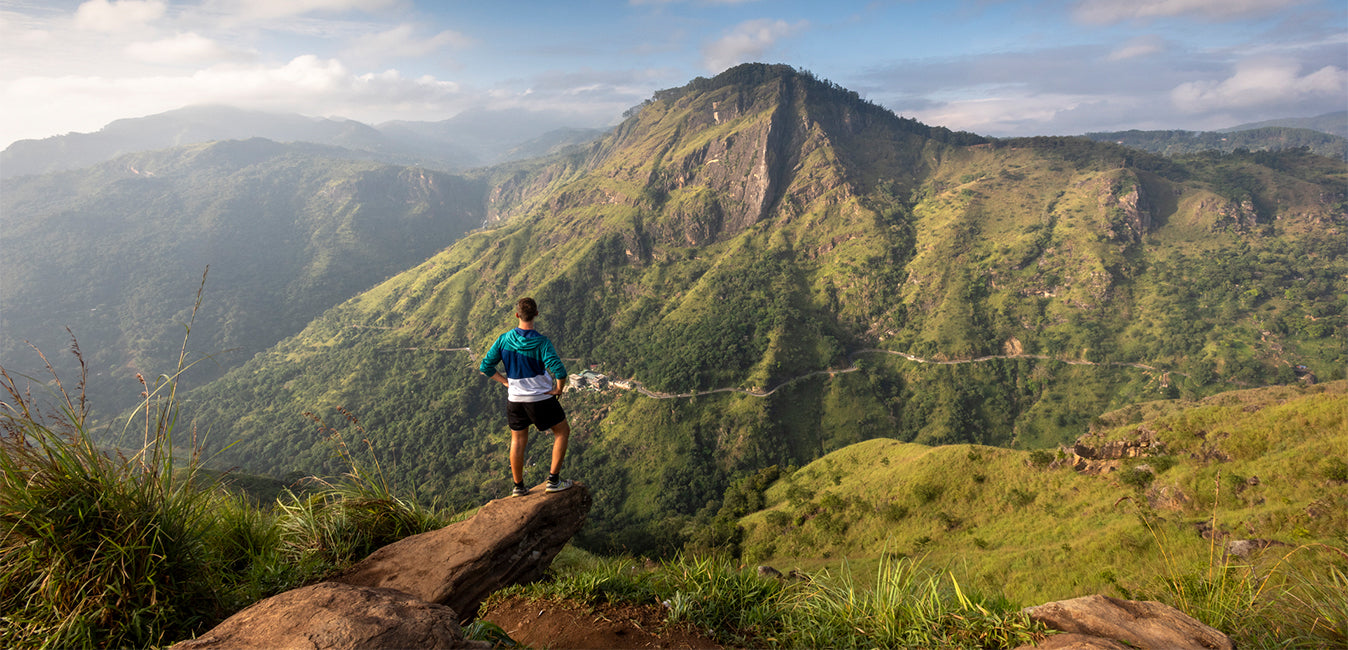
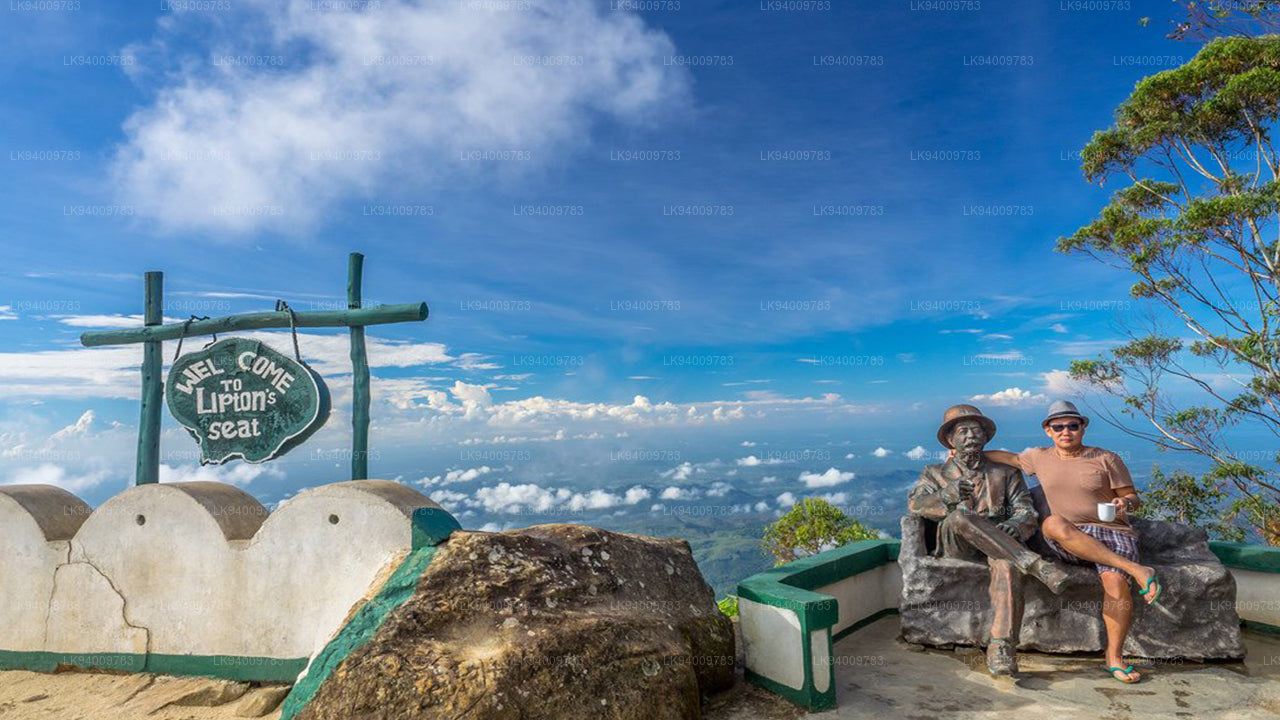 Lipton's Seat
Lipton’s Seat is a high observation point in the hills of Poonagala. Located on the top of the town’s namesake, Poonagala Hill, it is also near the Dambatenne Tea Factory. Lipton’s Seat is so named because the famed Scottish baron and tea planter Sir Thomas Lipton used it as the seat to survey his empire in a time long gone but not forgotten.
-
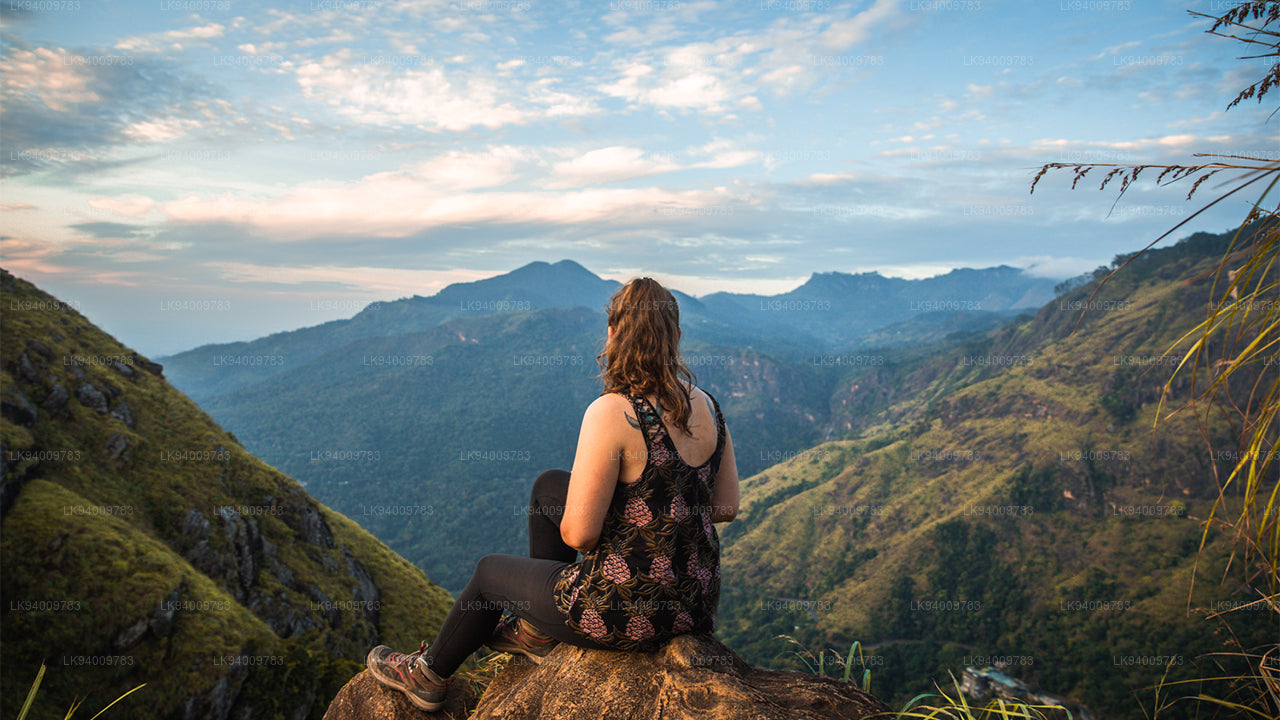 Little Adam’s Peak
Don’t defiance the beautiful tourism site in Sri Lanka, Little Adams Peak whether considering the word ‘Little’, it is named after the sacred Adams Peak (Sri Pada –where the foot print of Lord Buddha is preserved) regarding the similarity between the two mountains.
-
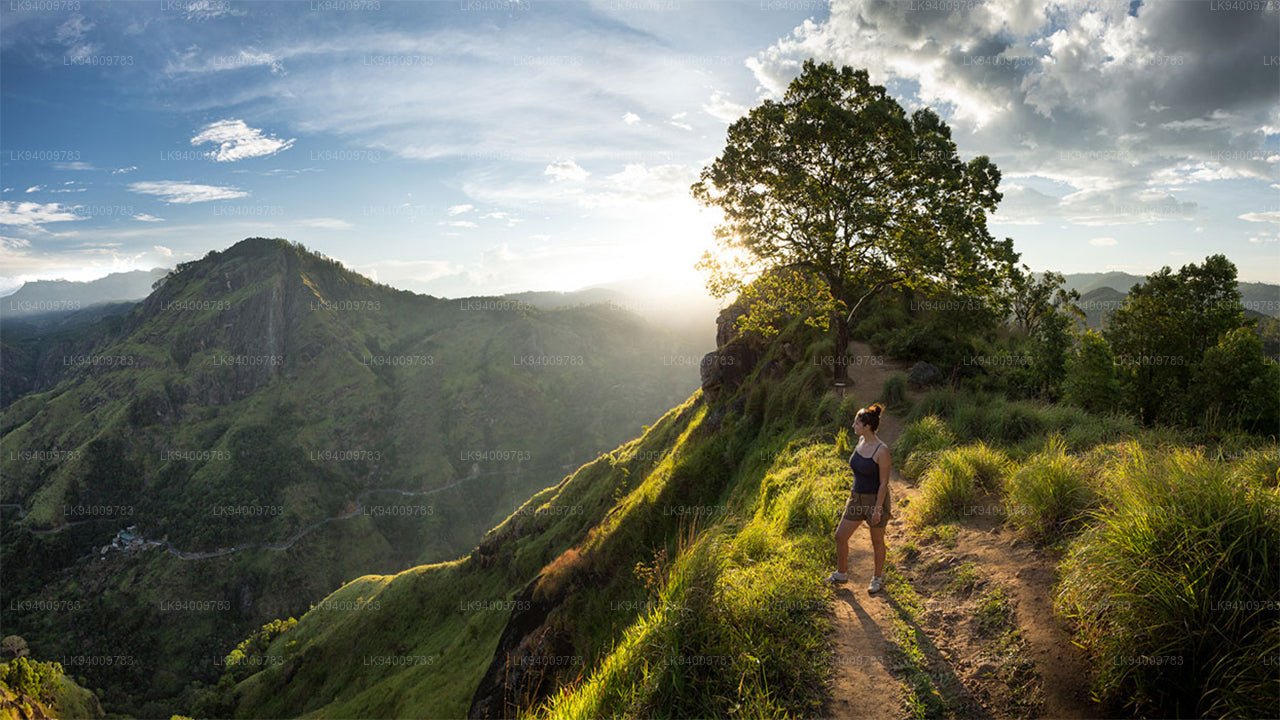 Ritigala
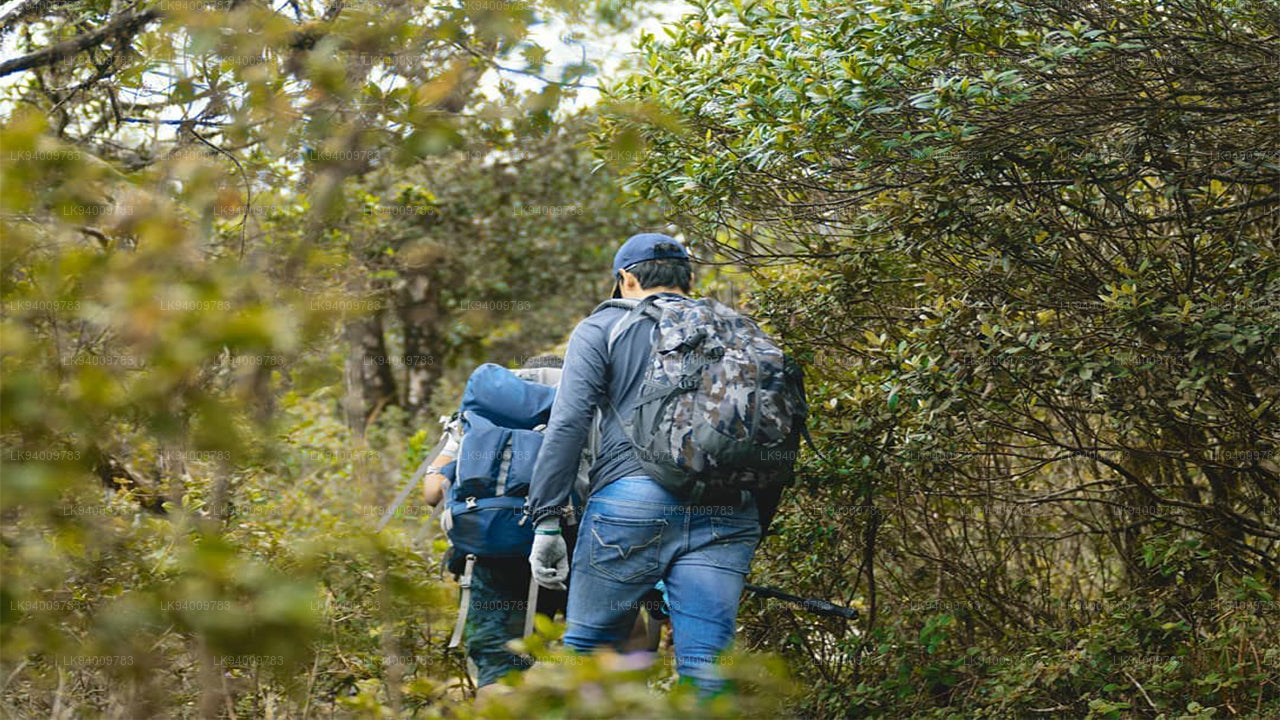
Ritigala can be reached from the turn-off from Habarana-Anuradhapura Road at a distance of 12 km from Habarana. Another 5 km along a graveled yet motorable road leads to the foot of the mountain.
-
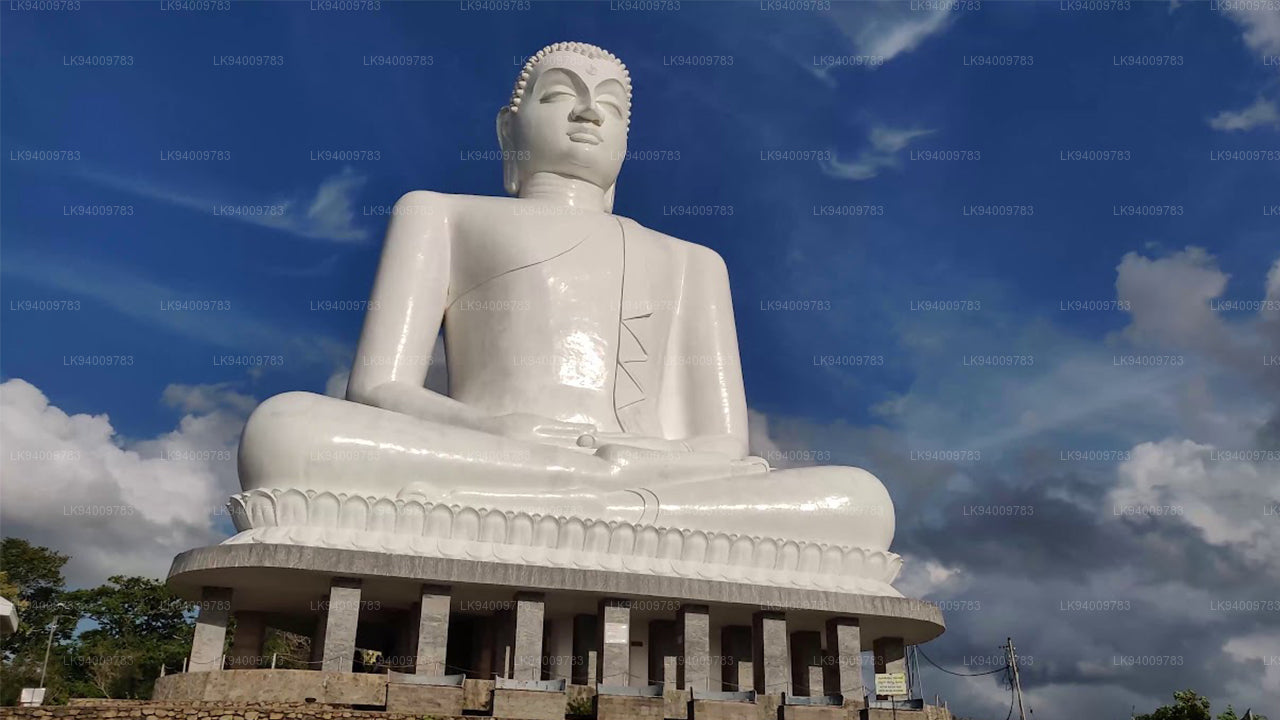 Ethagala (Elephnat Rock)
Ethagala (the Elephant Rock) is one of seven rocks that overlook the town of Kurunegala, in Sri Lanka. The rock face reaches 316 metres (1,037 ft) over the town and in its shape resembles a crouching elephant, which explains the rock’s name.
-
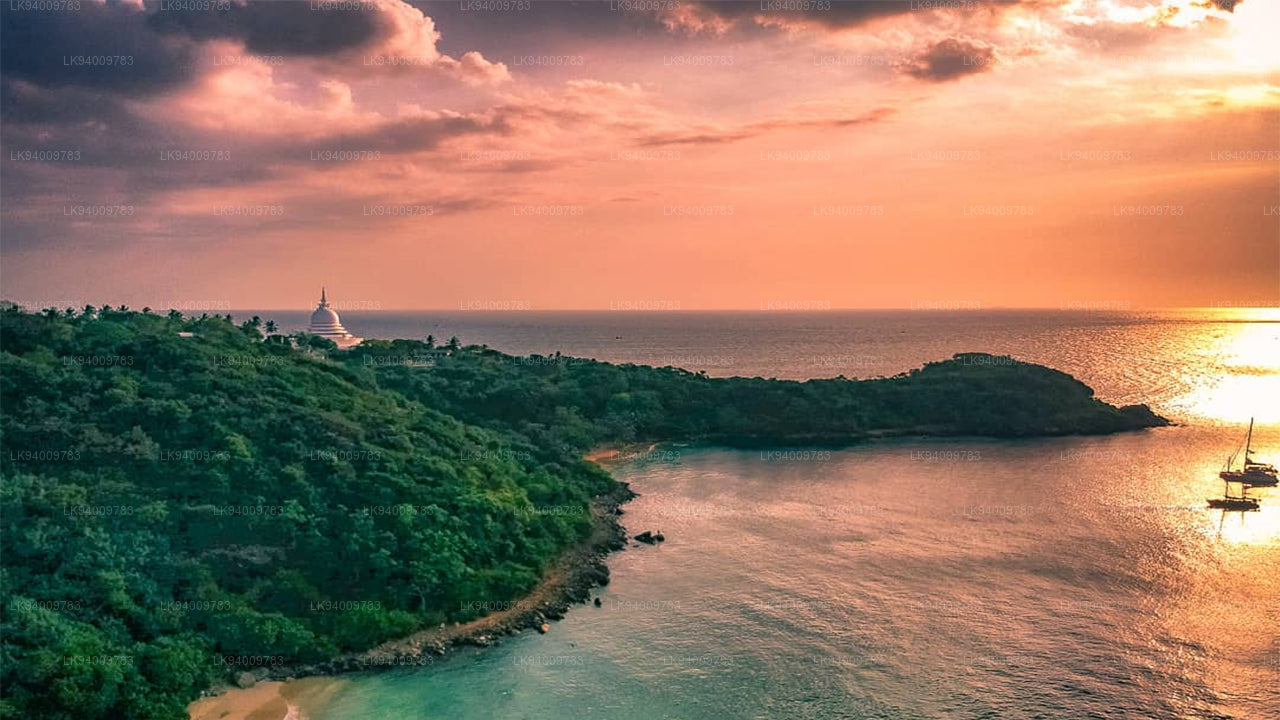 Rumasalla Mountain
Rumasalla Mountain. In the past, Rumassala was known as Buono Vista, a name that dates back to the colonial period, and most likely a corruption.
-
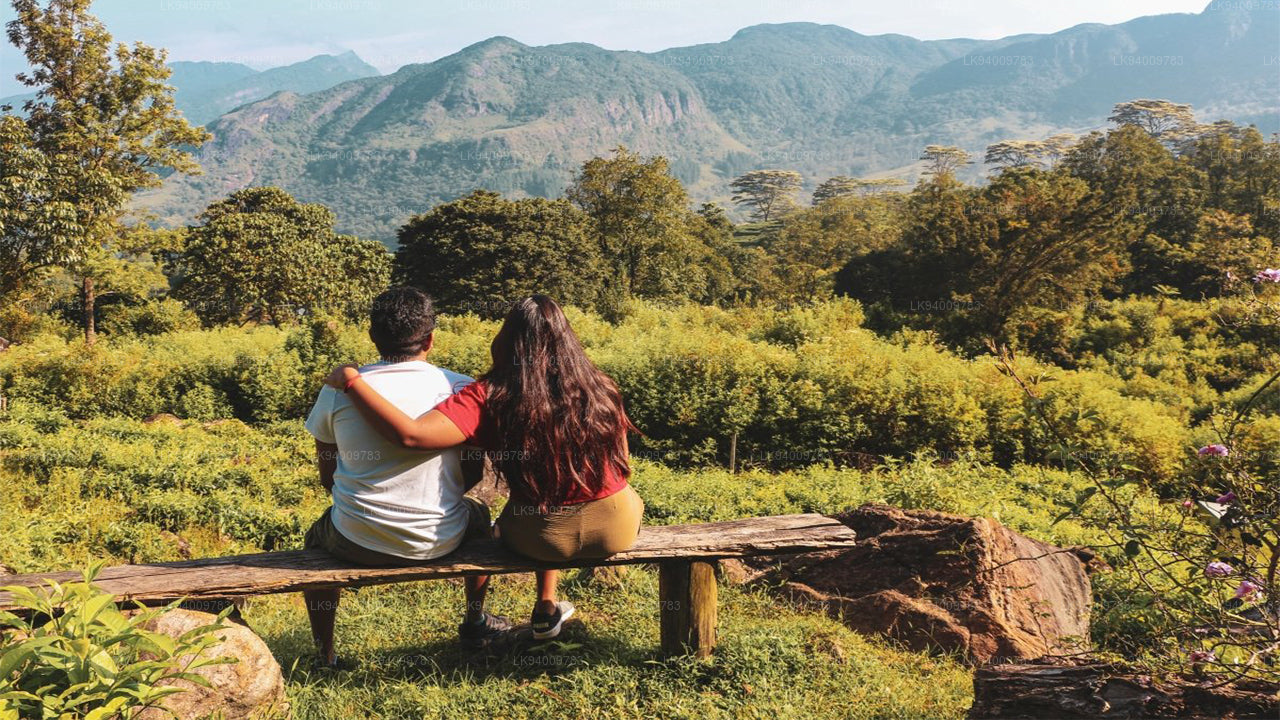 Knuckles Range
Knuckles range also called Dumbara mountain range is located off Kandy, in the northern end of Central Highlands of Sri Lanka. To the south and east of the mountain range is Mahaweli river basin while to the west are Matale plains.
-
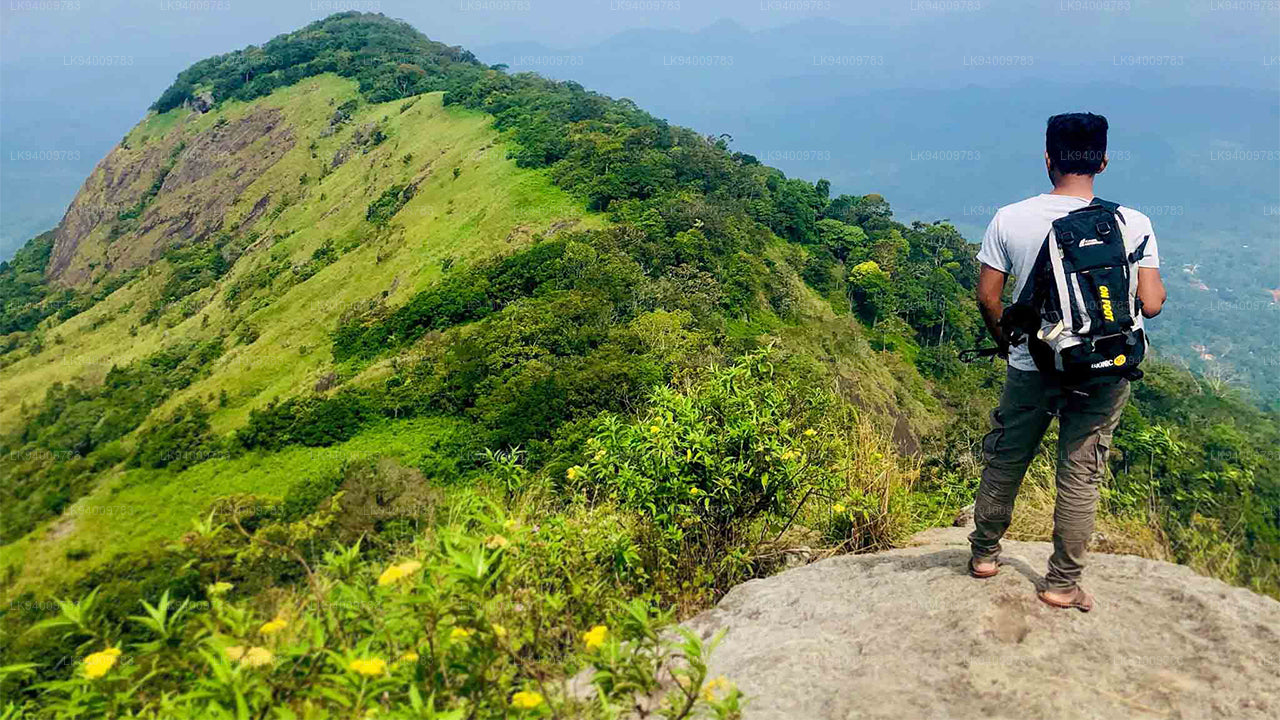 Alagalla Mountain Range
Alagalla Mountain Range. Alagalla Mountain Range or “Potato Range” is situated at the boundaries of the Central and Sabaragamuwa Provinces in Sri Lanka.
-
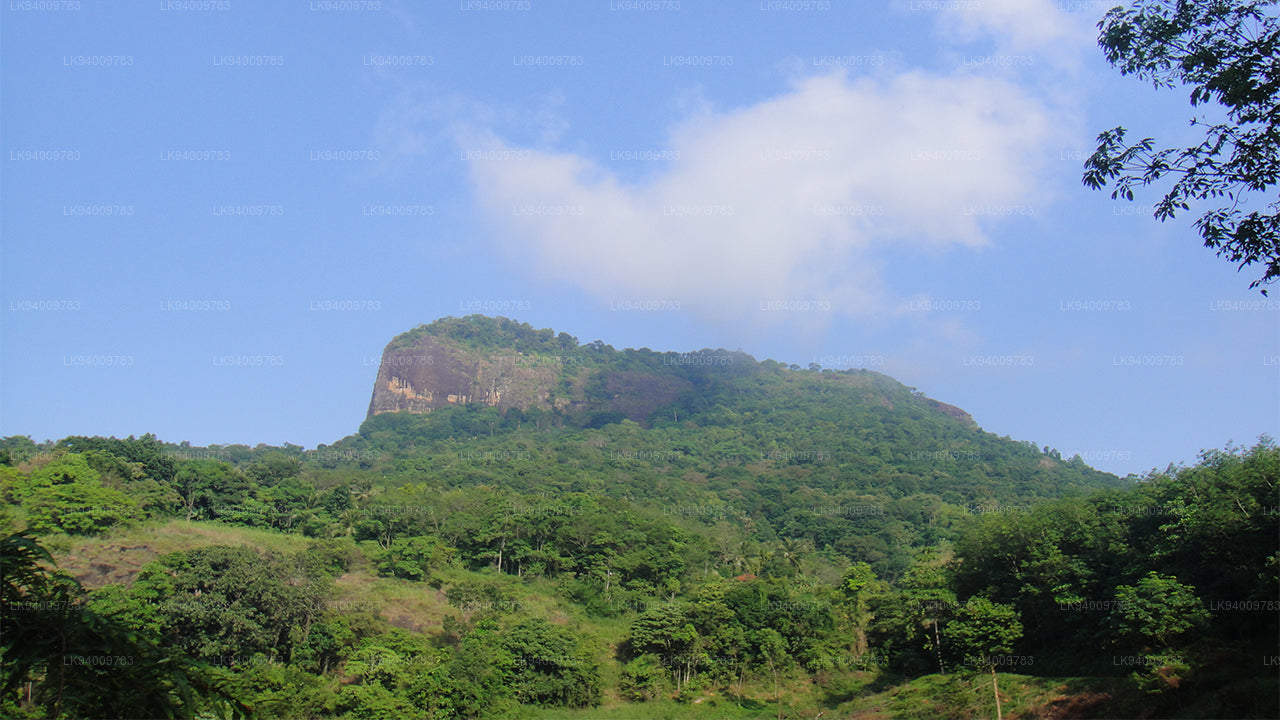 Bible Rock
Bible Rock is a mountain near Aranayake in Kegalle District in central Sri Lanka. It is known as the “Bible Rock” as its surface resembles.
-
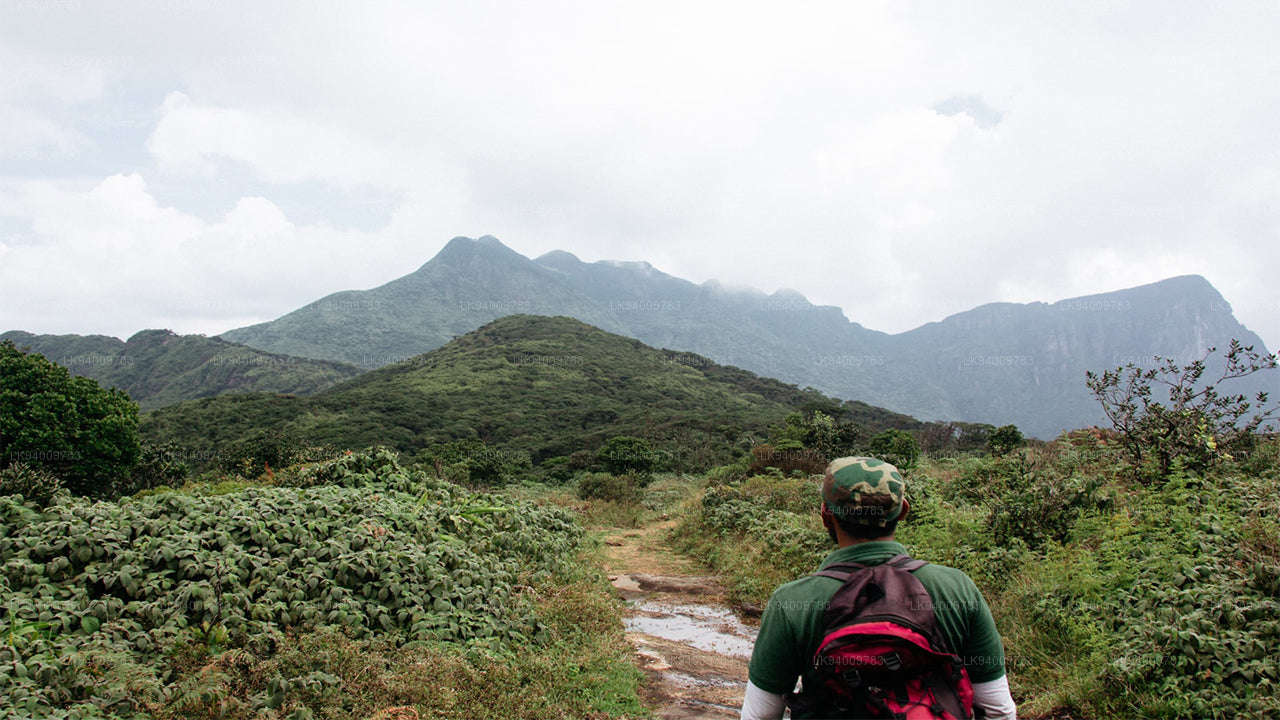 Monkey Mountain
Monkey Mountain. The Gal Oya area is resplendent with forest and lush with vegetation. Totally off-the-beaten-track and off-limits during the war, the area has avoided much development and the landscape is mostly unspoiled.
-
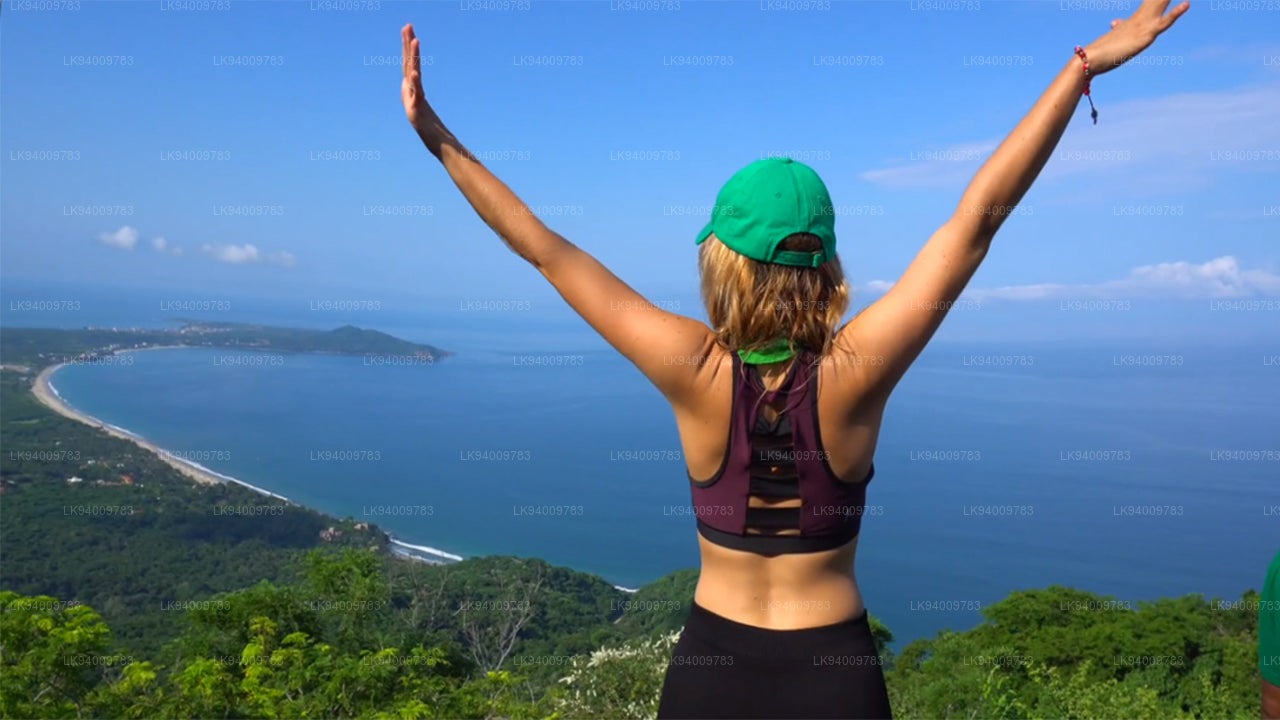 Yahangala
The great King Ravana’s body was kept after his death upon this rock called Yahangala( bedrock), for his countrymen to pay their last respects to their dear departed king.