Montagne
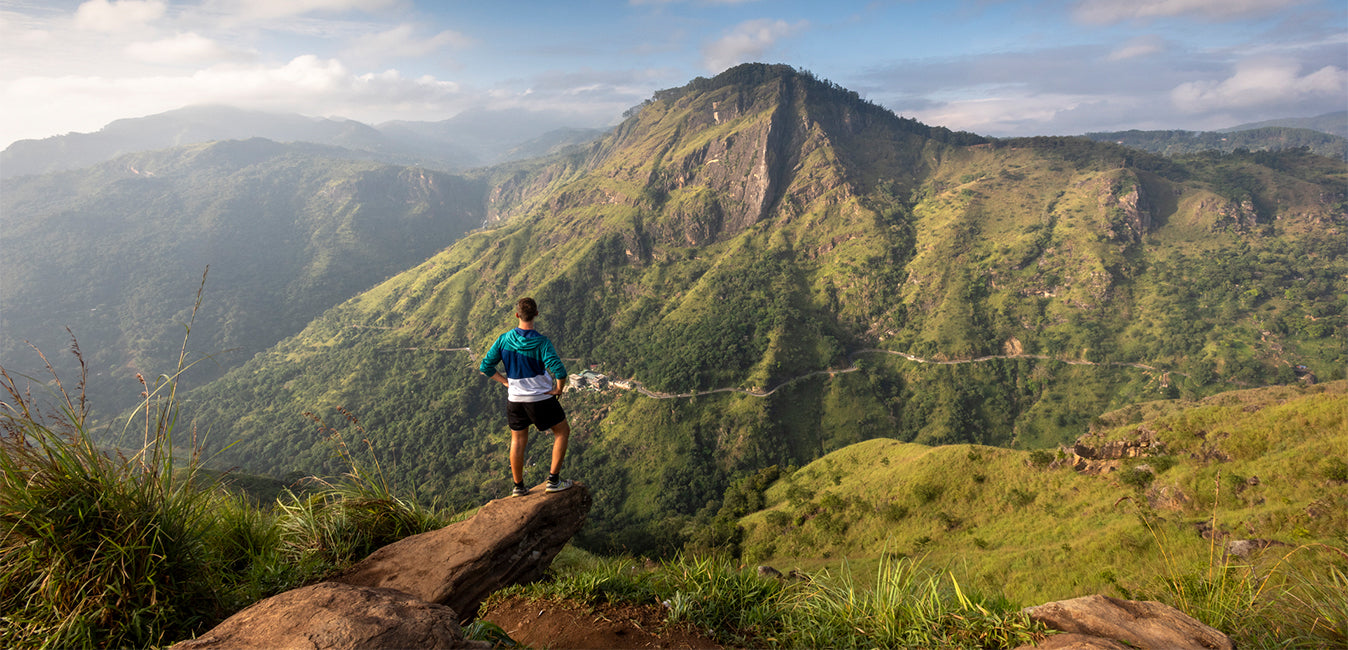
Ci sono numerose montagne in Sri Lanka che non solo tolgono il fiato ai viaggiatori, ma soddisfano anche la sete di avventura degli amanti del brivido. Date un'occhiata a questa lista delle montagne più belle che dovreste assolutamente conquistare durante un viaggio nella Perla dell'Oceano Indiano, lo Sri Lanka.
Pidurutalagala
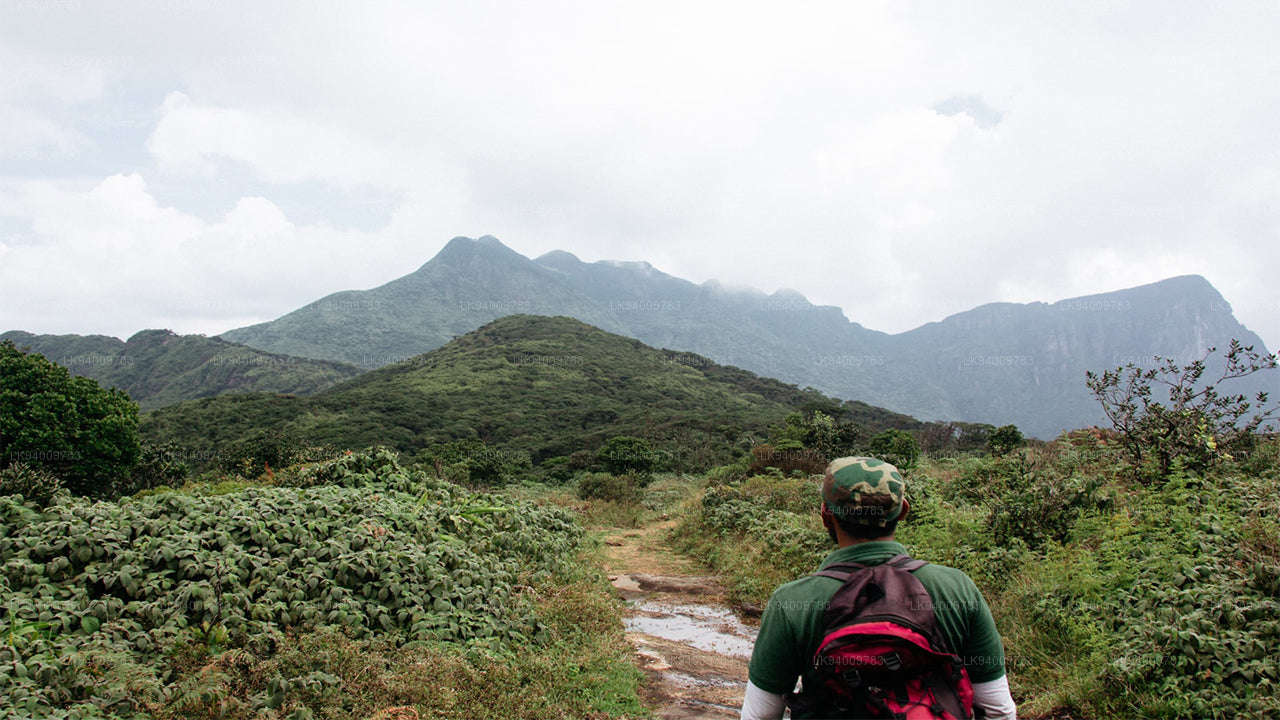
Pidurutalagala Mountain in Sri Lanka (literally translating to Straw Plateau Rock), which is also called Mount Pedro in English is the tallest mountain on the island and situated in the Central Province, north – northeast to the town of Nuwara Eliya. It is also the only ultra prominent peak on the island, and one of only 1515 ultra prominent peaks around the world. An ultra prominent peak is a mountain that has topographic prominence (height of the peak’s summit above the lowest contour line encircling it up to the highest summit) above 1500 meters. Mount Pedro has prominence and elevation of 2524m (8281 feet) (8292 feet according to the Survey Department).
The mountain of Pidurutalagala has a forest reserve surrounding it. The forest underwent damage five years ago in a forest fire, causing the loss of some 3 acres of forest. However, the damage is being repaired now with the assistance of nature and human intervention. The area of the mountain and forest reserve has been designated an ultra-high security zone due to the summit being used to house the communications array of the Sri Lankan Government and the Armed Forces of the country.
Pidurutalagala Mountain in Sri Lanka: Historical Background
The mountain was famed as a place to visit during the British regimen; and records show that, during the year of 1897, there were paths to climb the mountain by foot using a two and half hour trek or in a shorter time by horseback.
It was so popular that there were sedan chairs available for the ladies who wished to visit the mountaintop. Sedans were a form of wooden litter which was used primarily in Britain and Europe at the time. It was a chair placed on top of two long wooden poles (in the case of the chairs used on Mount Pedro, they were bamboo) and the parallel poles were borne by strong men on their shoulders. Some chairs had additional décor such as carved seats, hoods to keep out the sun, curtains to protect from the draft and etc. They were usually used by highborn ladies of the West. Hence their presence in the rural Sri Lanka of those ages shows the presence and visits of many such ladies to the mountain. The mountain gained its nickname ‘Pedro’ from the British as pronouncing the word ‘Pidurutalagala’ was a difficult feat for them.
Unlike most mountain summits which are rocky, Pidurutalagala Mountain in Sri Lanka had a cap of pale green vegetation on its somewhat flat summit as per eyewitness accounts of the 1940s. During the summer months the vegetation had a tendency to dry to a pale yellow giving it a straw-like appearance, and hence the name ‘Straw Laden Rock’ or ‘Pidurutalagala’ in Sinhala. During the early 20th century the mountain still had only a single human-made path to the summit. The only other trails were from the elephants that frequented the mountain. The rest of the mountain was all untouched vegetation. The forest visibly changed drastically from the lowland forests as the height increased. Most notably, the trees were shorter and the tops flattened higher up on the mountain; primarily due to the strong winds. They were also more gnarled and branched out and had lichen and moss clinging to them, displaying characteristics of cloud forests. The single man-made path had way stones with the height from sea level marked on them in feet.
Pidurutalagala Mountain in Sri Lanka: The Geology
-
PidurutalagalaPidurutalagala, o Monte Pedro in italiano, è una vetta molto imponente e la montagna più alta dello Sri Lanka, con i suoi 2.524 m (8.281 piedi). Il Monte Pedro si trova vicino alla città di Nuwara Eliya ed è facilmente visibile dalla maggior parte delle zone della Provincia Centrale. Si trova a nord-nord-est della città di Nuwara Eliya.
-
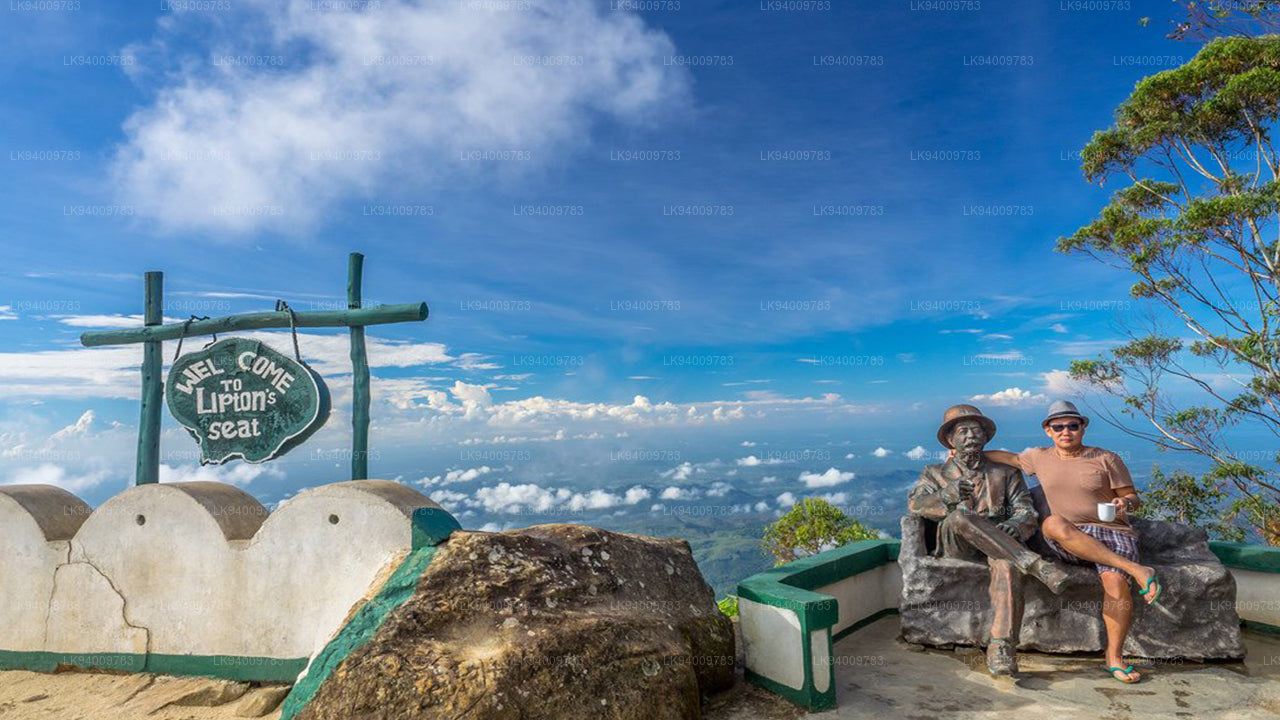
Il posto di LiptonLipton's Seat è un punto di osservazione elevato sulle colline di Poonagala. Situato in cima all'omonima collina della città, Poonagala Hill, si trova anche vicino alla fabbrica di tè Dambatenne. Lipton's Seat deve il suo nome al famoso barone e coltivatore di tè scozzese Sir Thomas Lipton che lo usava come sede per sorvegliare il suo impero in un'epoca lontana ma non dimenticata.
-
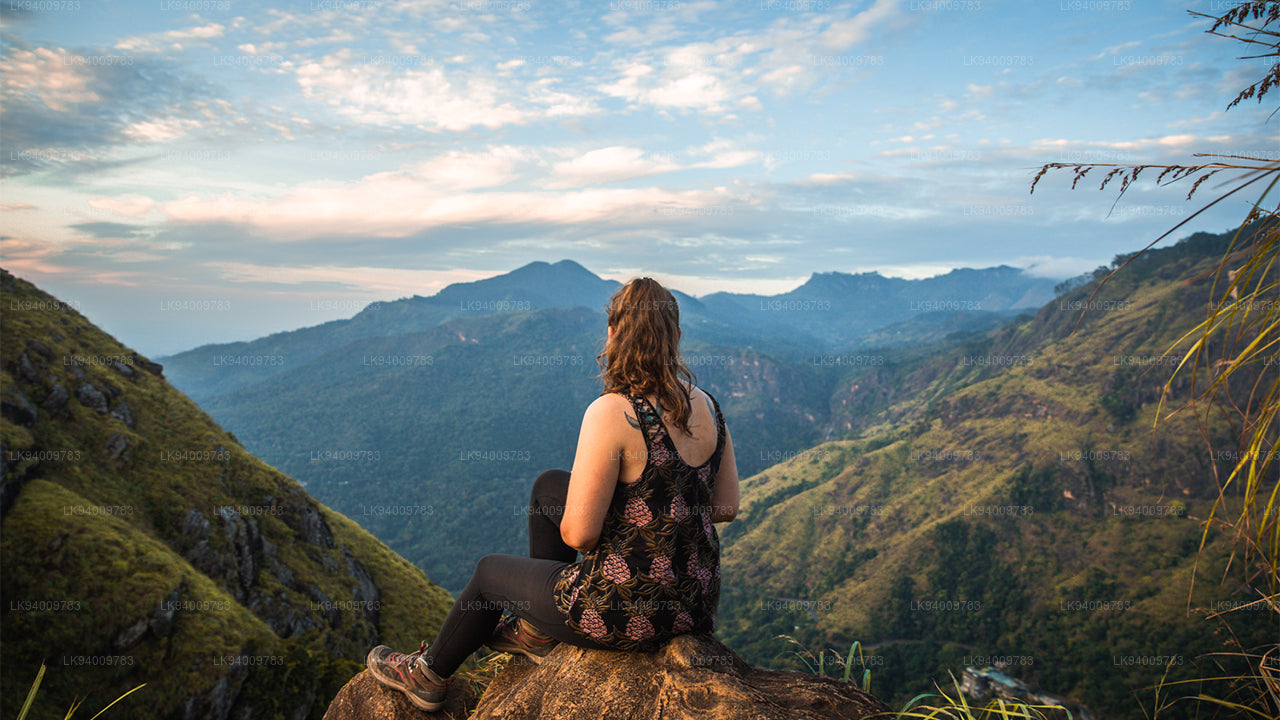
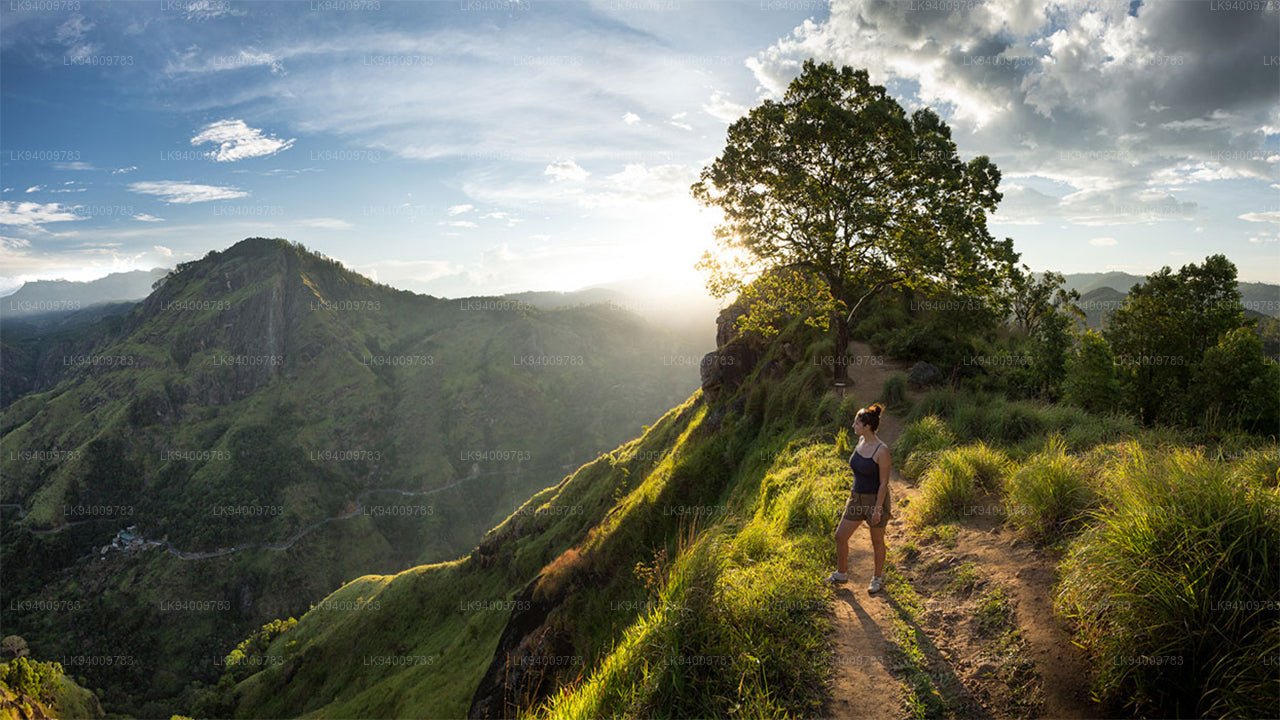
Piccolo Picco di AdamoNon sottovalutare il meraviglioso sito turistico dello Sri Lanka, Little Adams Peak, anche se, considerando la parola "Piccolo", prende il nome dal sacro Adams Peak (Sri Pada, dove è conservata l'impronta del piede del Signore Buddha) per via della somiglianza tra le due montagne.
-
RitigalaRitigala è raggiungibile dall'uscita della strada Habarana-Anuradhapura, a 12 km da Habarana. Altri 5 km lungo una strada sterrata ma percorribile in auto conducono ai piedi della montagna.
-
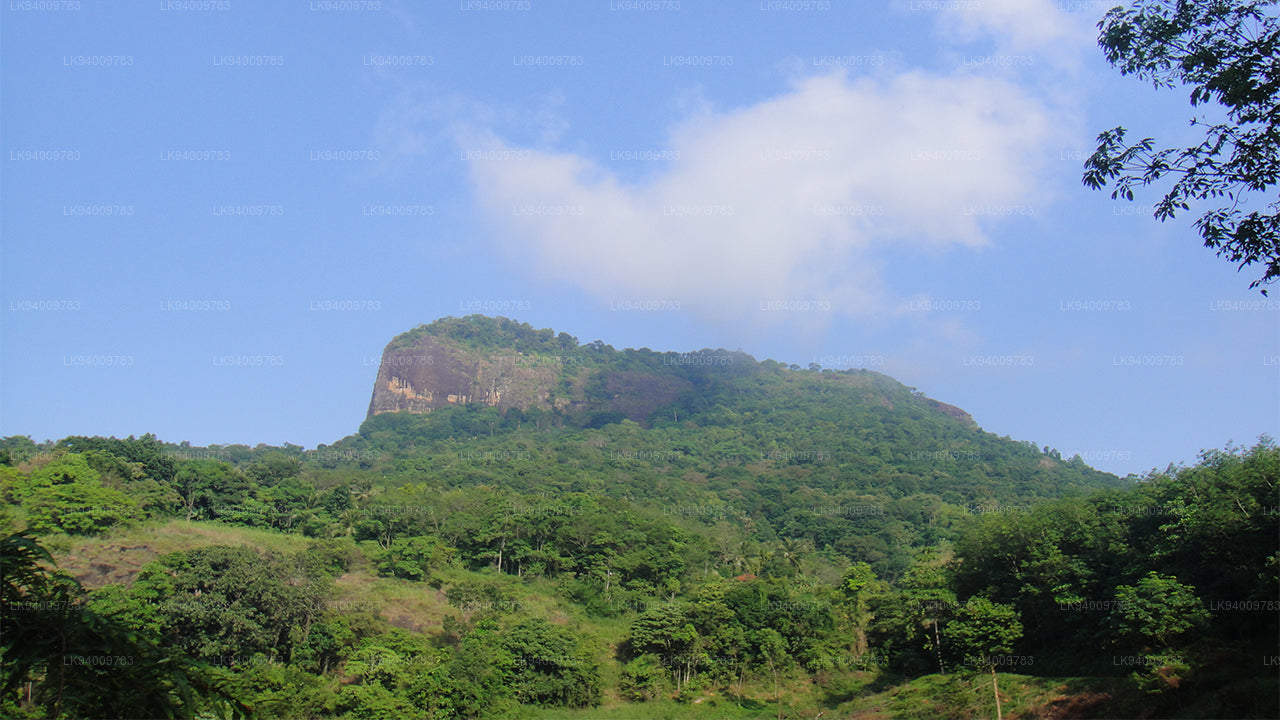
Ethagala (Roccia dell'Elefante)Ethagala (la Roccia dell'Elefante) è una delle sette rocce che dominano la città di Kurunegala, in Sri Lanka. La parete rocciosa raggiunge i 316 metri (1.037 piedi) sopra la città e la sua forma ricorda un elefante accovacciato, da cui il nome.
-
Montagna RumassalaMontagna di Rumassala. In passato, Rumassala era conosciuta come Buona Vista, un nome che risale al periodo coloniale e che molto probabilmente è una corruzione.
-
Gamma KnucklesLa catena montuosa Knuckles, nota anche come catena montuosa Dumbara, si trova al largo di Kandy, nell'estremità settentrionale degli altopiani centrali dello Sri Lanka. A sud e a est della catena montuosa si trova il bacino del fiume Mahaweli, mentre a ovest si trovano le pianure di Matale.
-
Catena montuosa di AlagallaCatena montuosa di Alagalla. La catena montuosa di Alagalla, o "catena delle patate", si trova al confine tra le province di Central e Sabaragamuwa, nello Sri Lanka.
-
Bibbia RockBible Rock è una montagna vicino ad Aranayake, nel distretto di Kegalle, nello Sri Lanka centrale. È conosciuta come "Bible Rock" per la sua superficie.
-
Montagna delle scimmieMonkey Mountain. L'area di Gal Oya è ricca di foreste e vegetazione lussureggiante. Completamente fuori dai sentieri battuti e interdetta all'accesso durante la guerra, la zona è rimasta pressoché incontaminata e il paesaggio è rimasto pressoché incontaminato.
-
YahangalaDopo la sua morte, il corpo del grande re Ravana fu conservato su questa roccia chiamata Yahangala (roccia), affinché i suoi connazionali potessero rendere l'ultimo omaggio al loro caro re defunto.