Mangifera zeylanica


Mangifera zeylanica or "Sri Lanka wild mango" is a wild species of mango tree endemic to Sri Lanka. This stately tree is the tallest member of the mango genus, Mangifera, and one of the two tallest trees in the family Anacardiaceae. The mango fruits are edible and have an excellent taste. It is called "aetamba" (???) or "wal amba" in Sinhala and “kaddu-ma” in Tamil. The well-known British botanist and explorer Joseph Dalton Hooker first described the tree in 1876.
The Sri Lanka mango is a rare wild mango species which is not cultivated and found only in Sri Lanka. The mangoes are deliciously juicy and have a sweet taste. They can grow to about 7 cm and turn from green to yellow-red when ripe. They only have their sweet taste when they are ripe, so it is important to wait for that. The fruits that the locals in Sri Lanka eat are mainly harvested from wild trees. This is because the species is not kept on plantations, as is the case with the common mango (Mangifera indica). Its natural populations are small, scattered and unfortunately threatened by logging.
It is the tallest mango species in the world with a maximum height of about 35 meters. However, we can keep the species as a house or tub plant, limiting its size. Pruning would also be possible. The temperature is best kept above 10 deg C, although slightly colder nights are not immediately a problem. Ensure a well-drained soil, regular watering and a sunny location. The species is self-pollinating, but it is not yet clear how easily the plant can fruit in a pot.
The fruit is eaten by villagers. The soft wood has been used for making tea cases and the like. The tree is not cultivated, but could be used for crossing and improving mango varieties and as a rootstock.
Mangifera zeylanica is part of the catalog of ayurvedic medicinal plants of Sri Lanka.


-
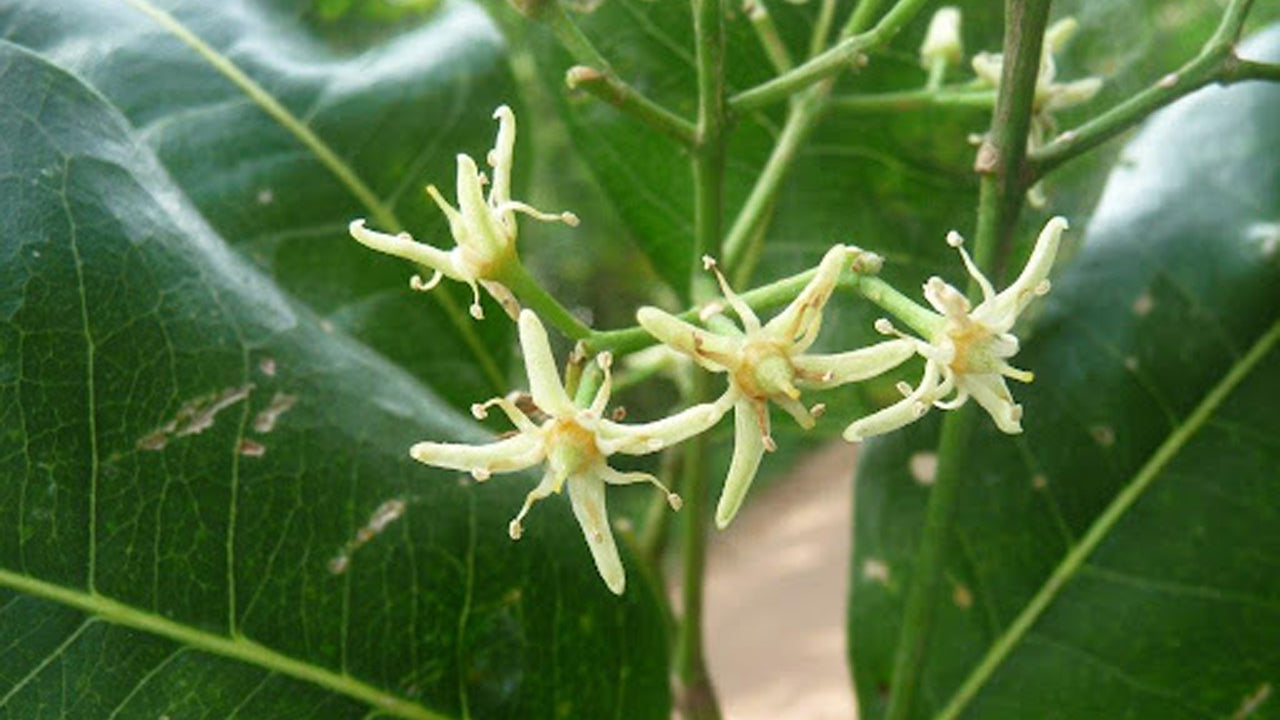
Claw-flowered laurel
Acronychia pedunculata -
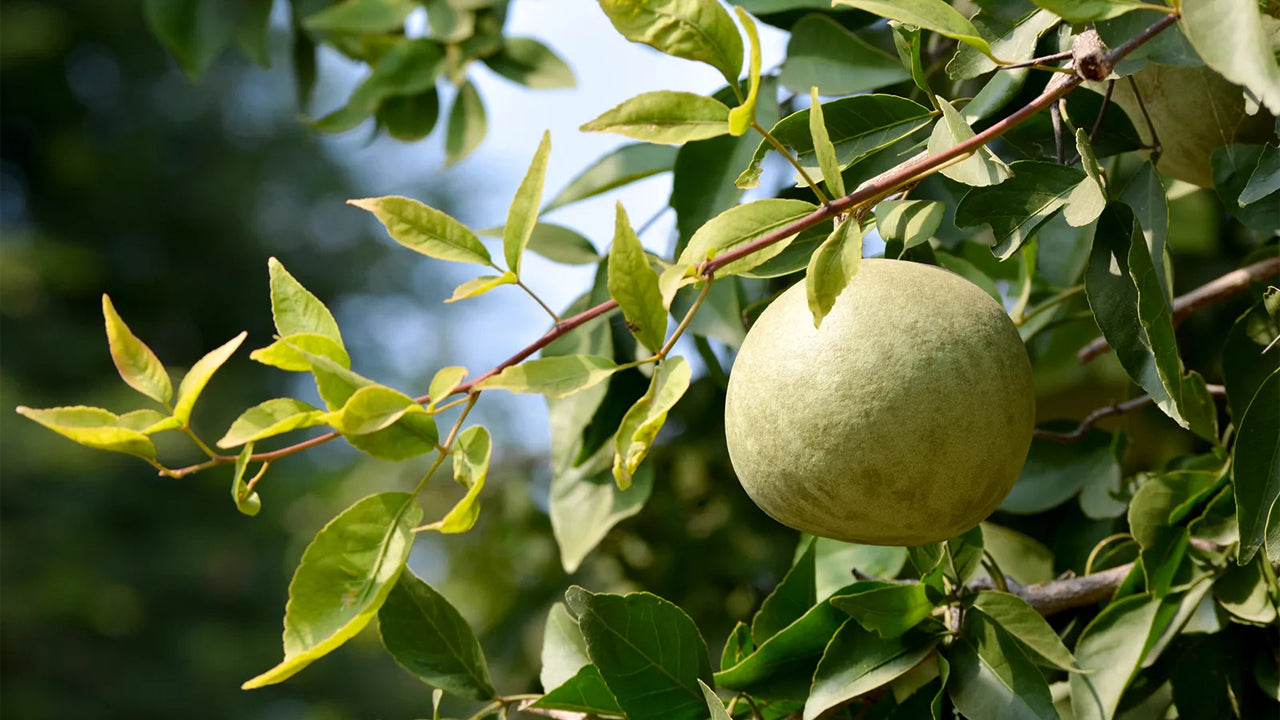
Bael
Aegle marmelos -
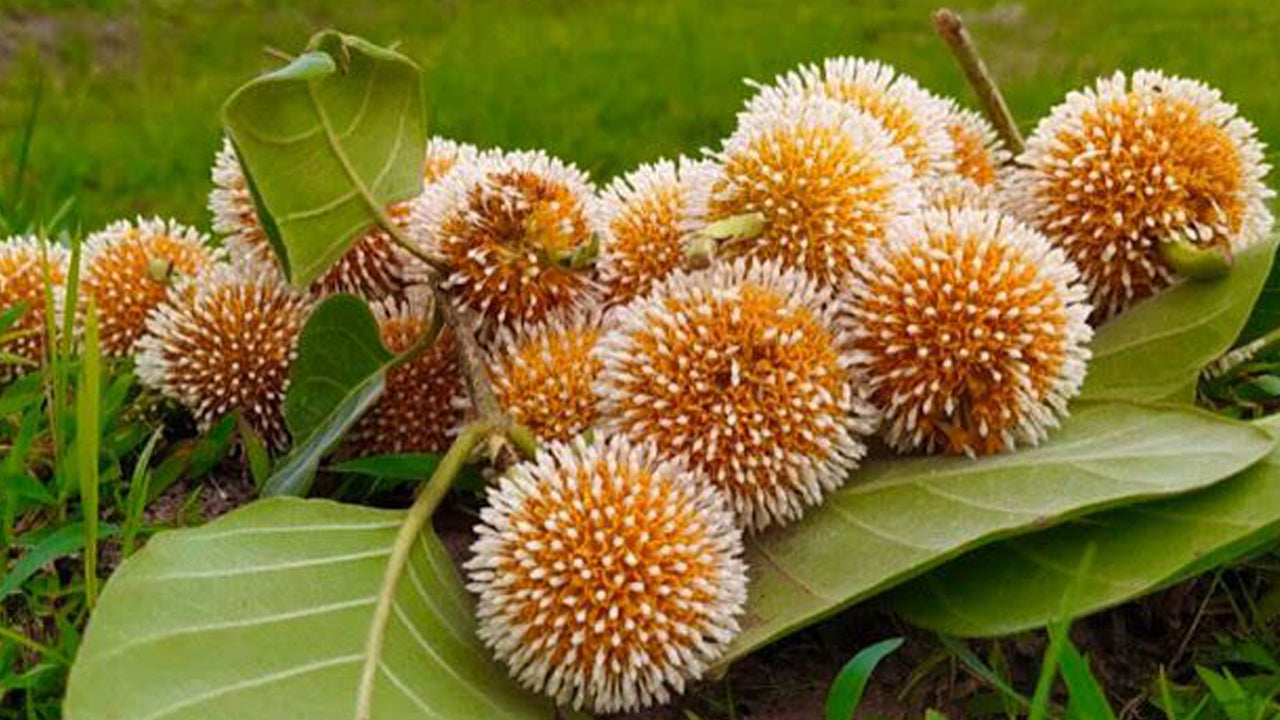
Leichhardt tree
Nauclea orientalis -
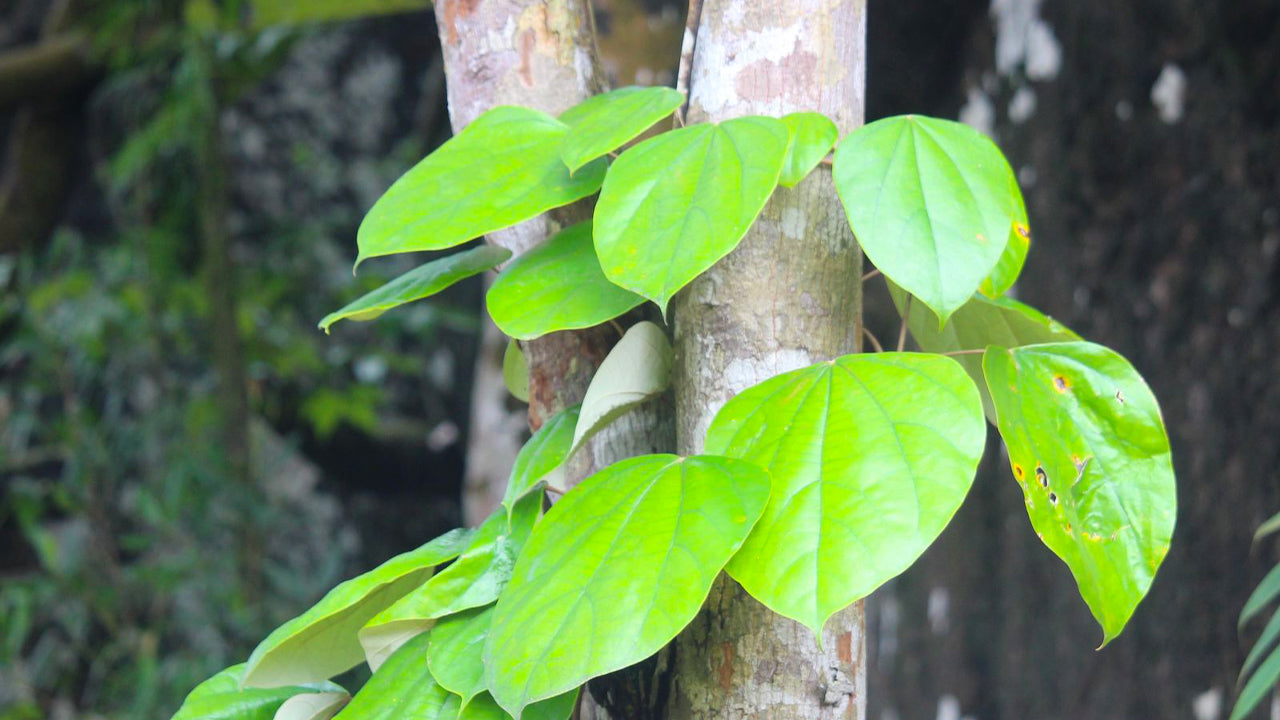
False Calumba
Coscinium fenestratum -

Malabar Gulbel
Tinospora malabarica -
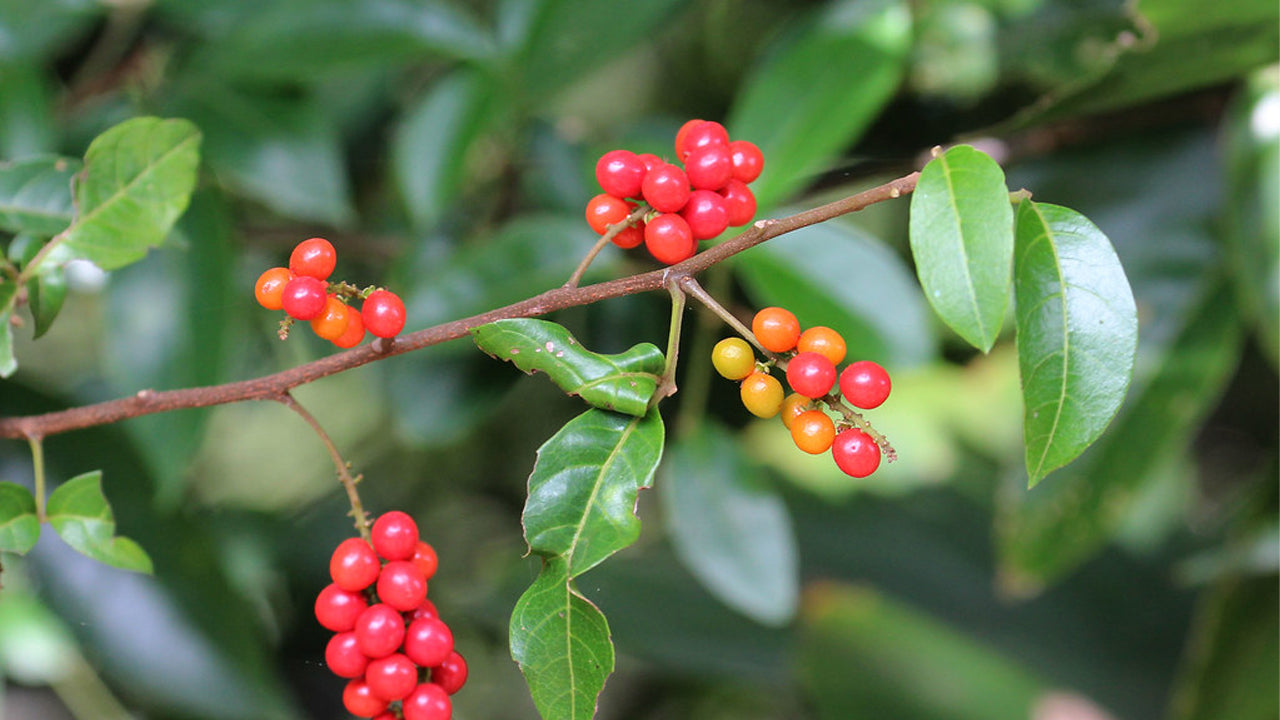
Titberry
Allophylus cobbe -
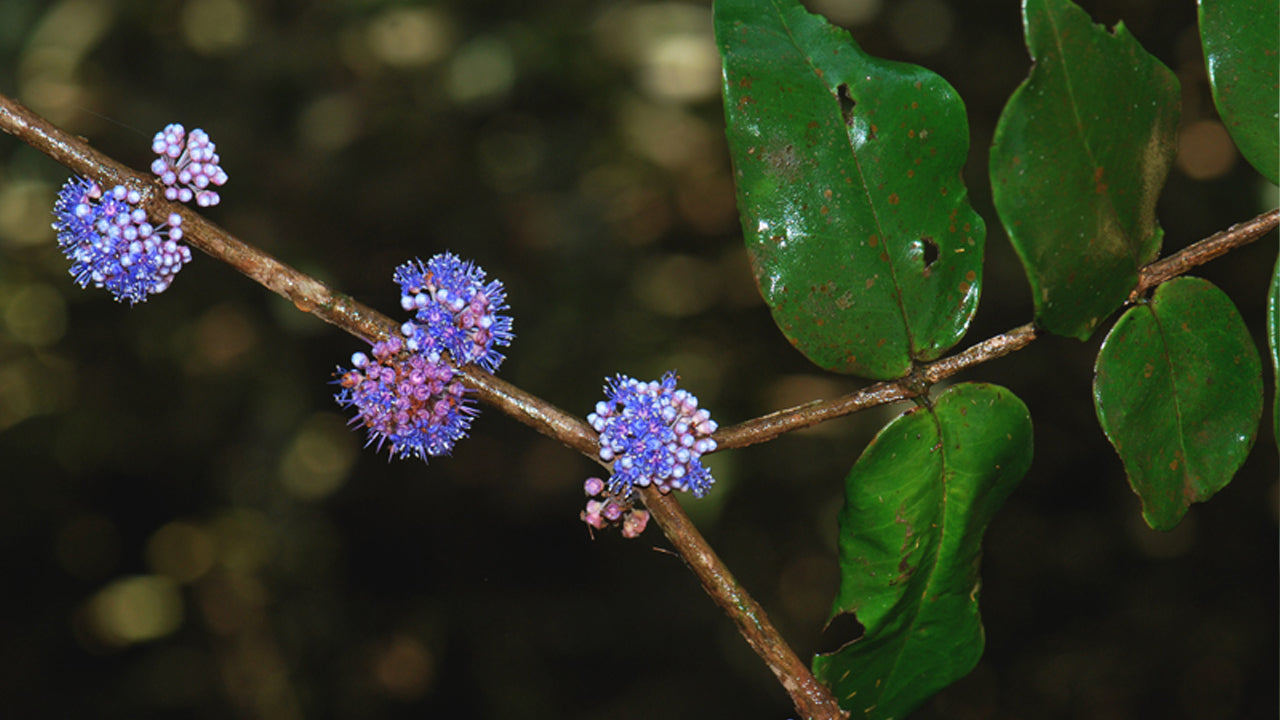
Ironwood Tree
Memecylon capitellatum -
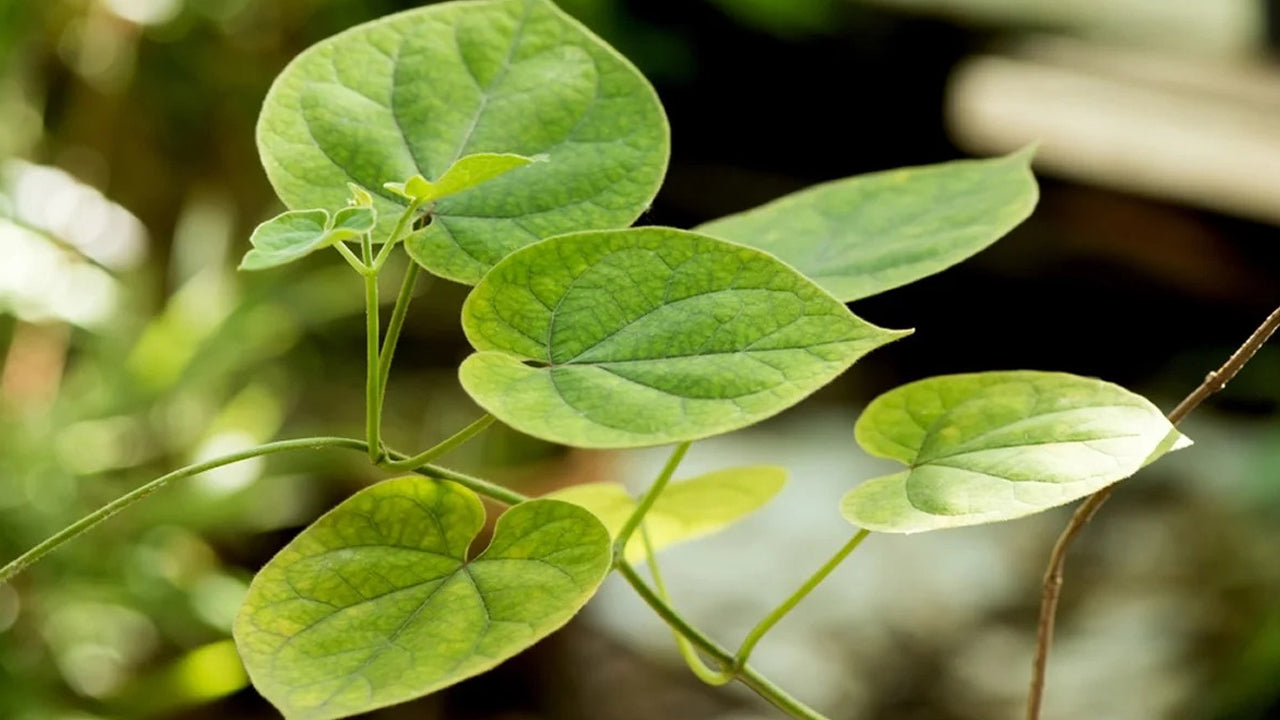
Velvet Leaf
Cissampelos pareira -
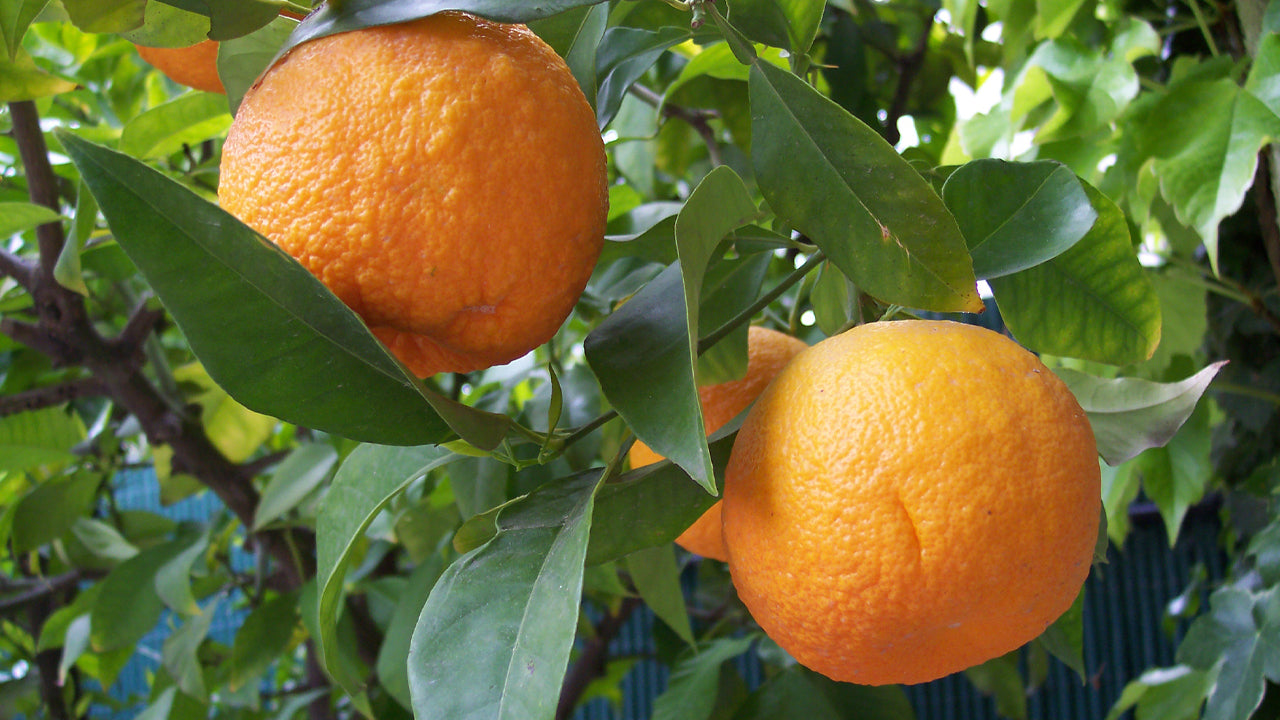
Bitter orange
Citrus aurantium -

Reinwardt's Tree Plant
Biophytun reinward -
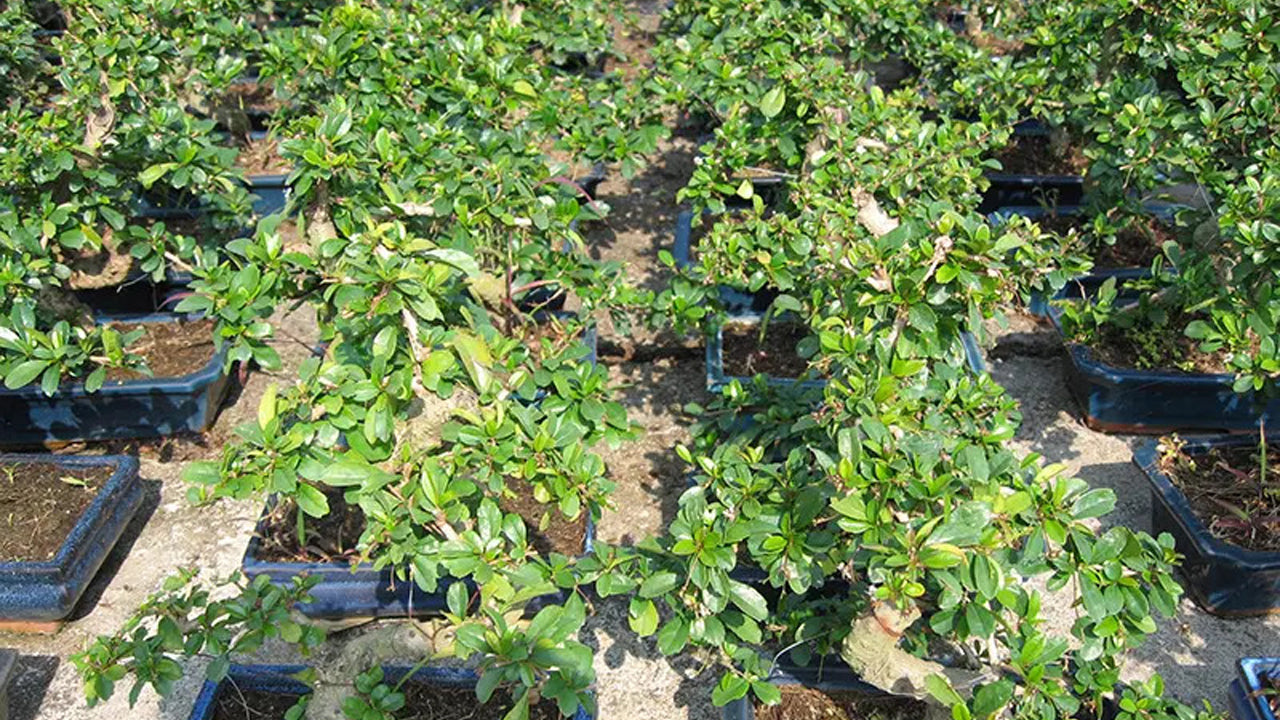
Fukien tea
Carmona microphylla -
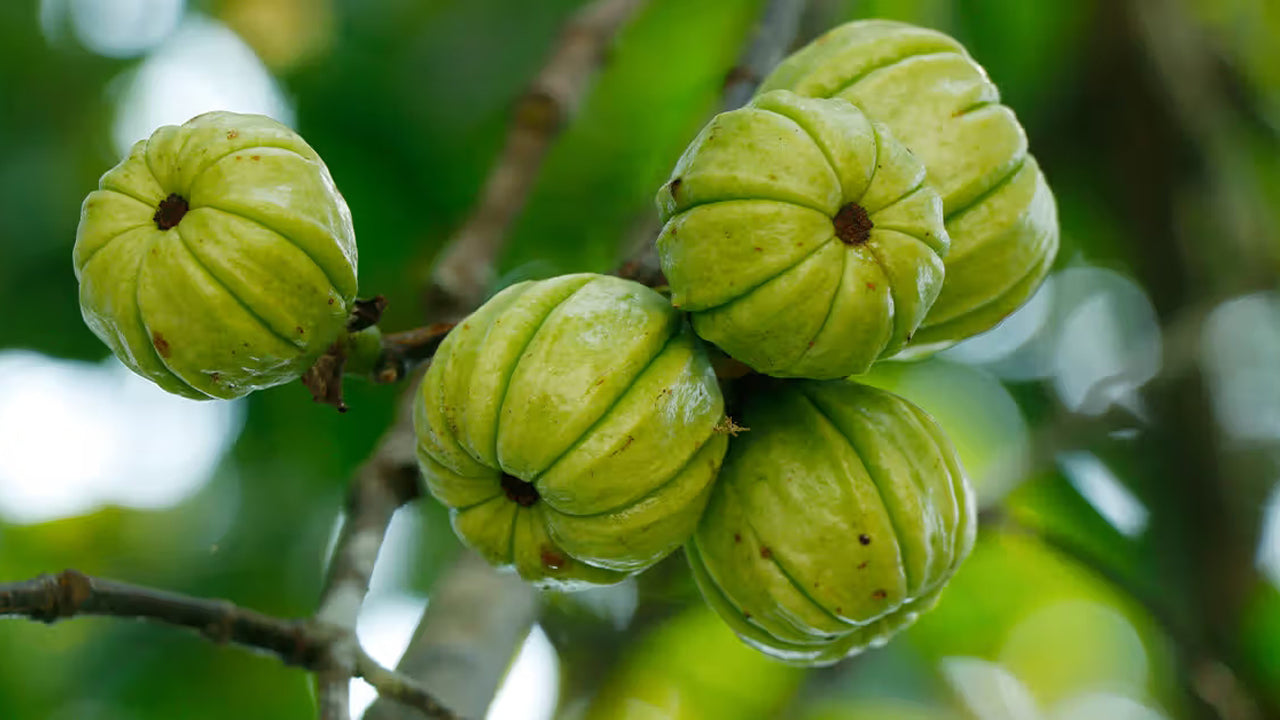
Malabar tamarind
Garcinia cambogia -
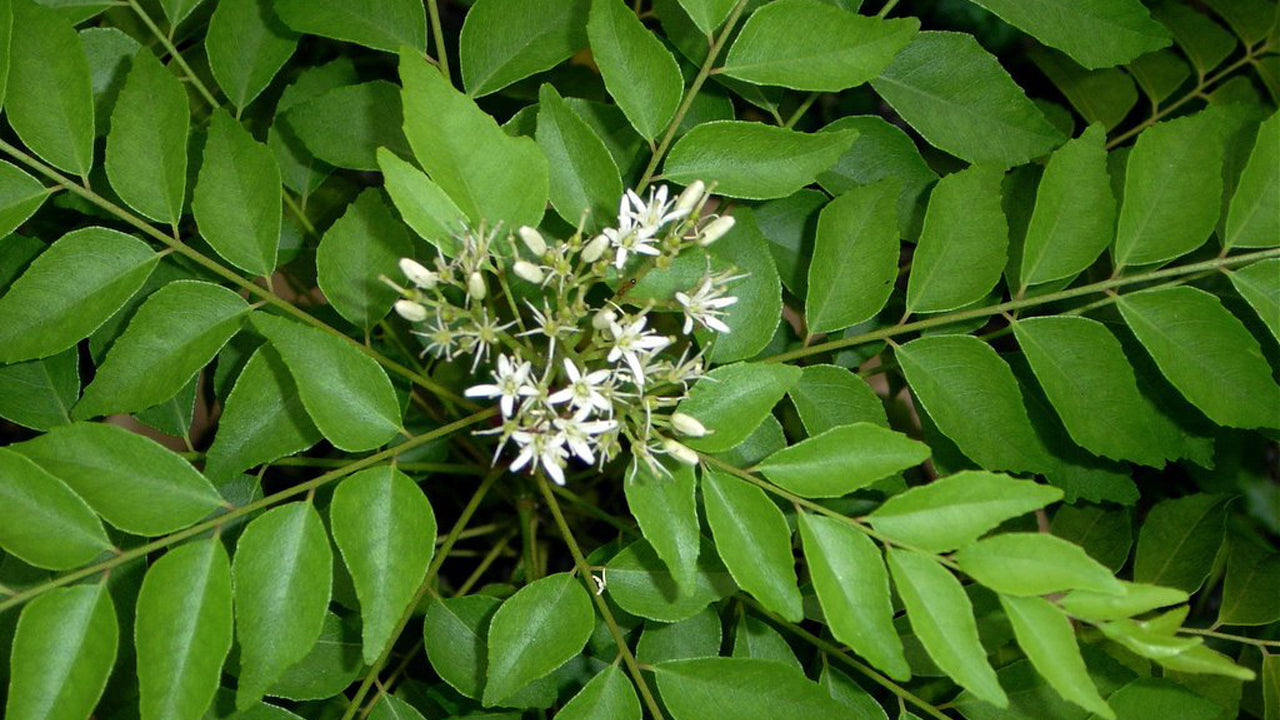
Curry leaf tree
Murraya koenigii -
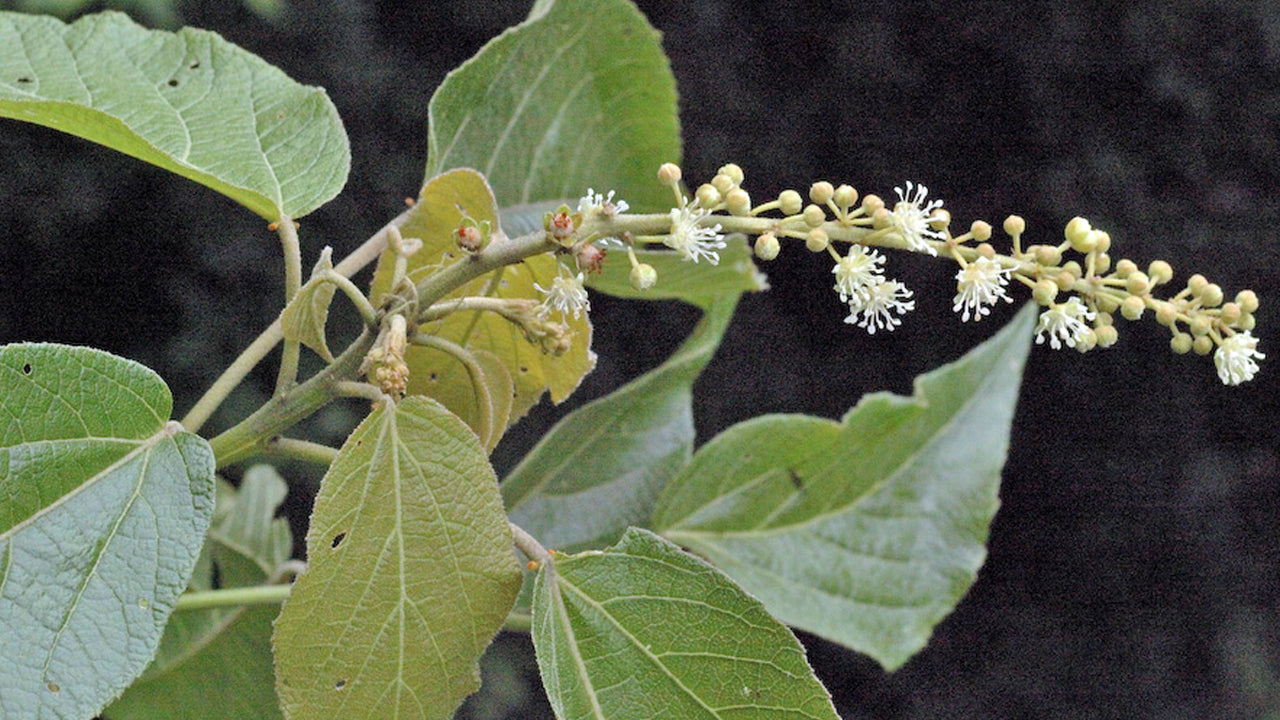
Kappetiya
Croton laccifer -
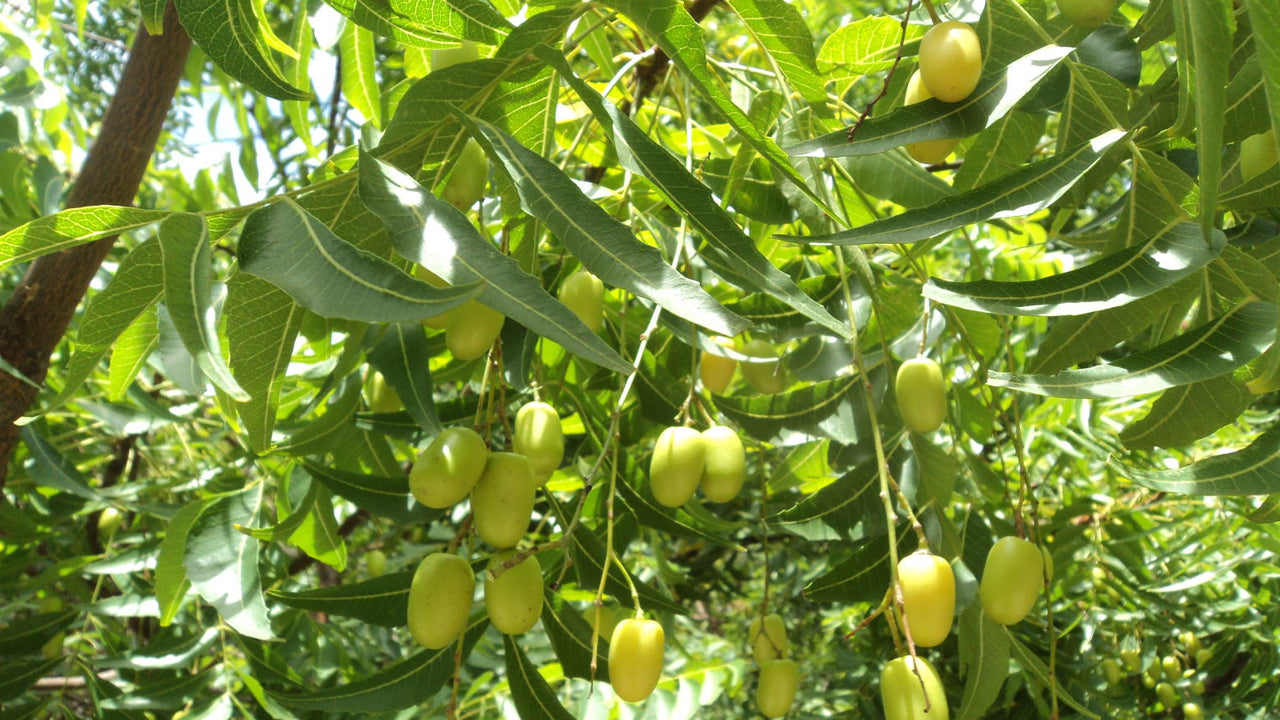
Indian lilac
Azadirachta indica -
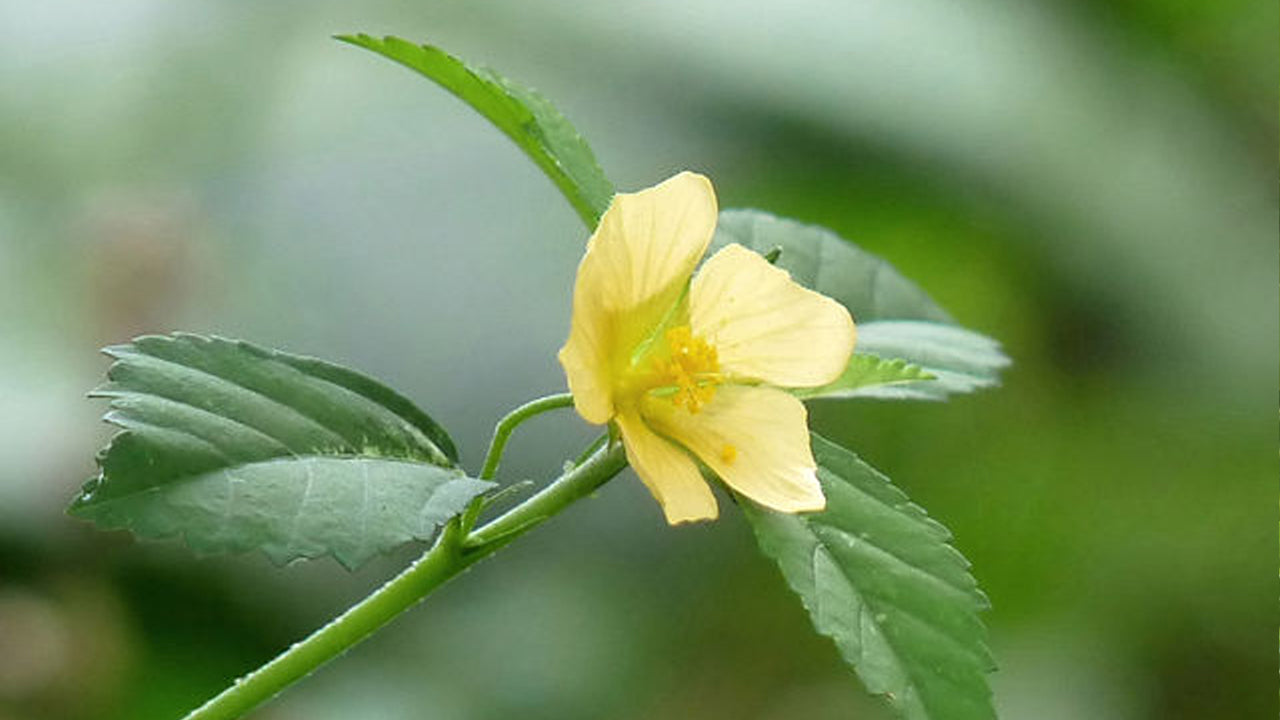
Spiny sida
Sida alba -
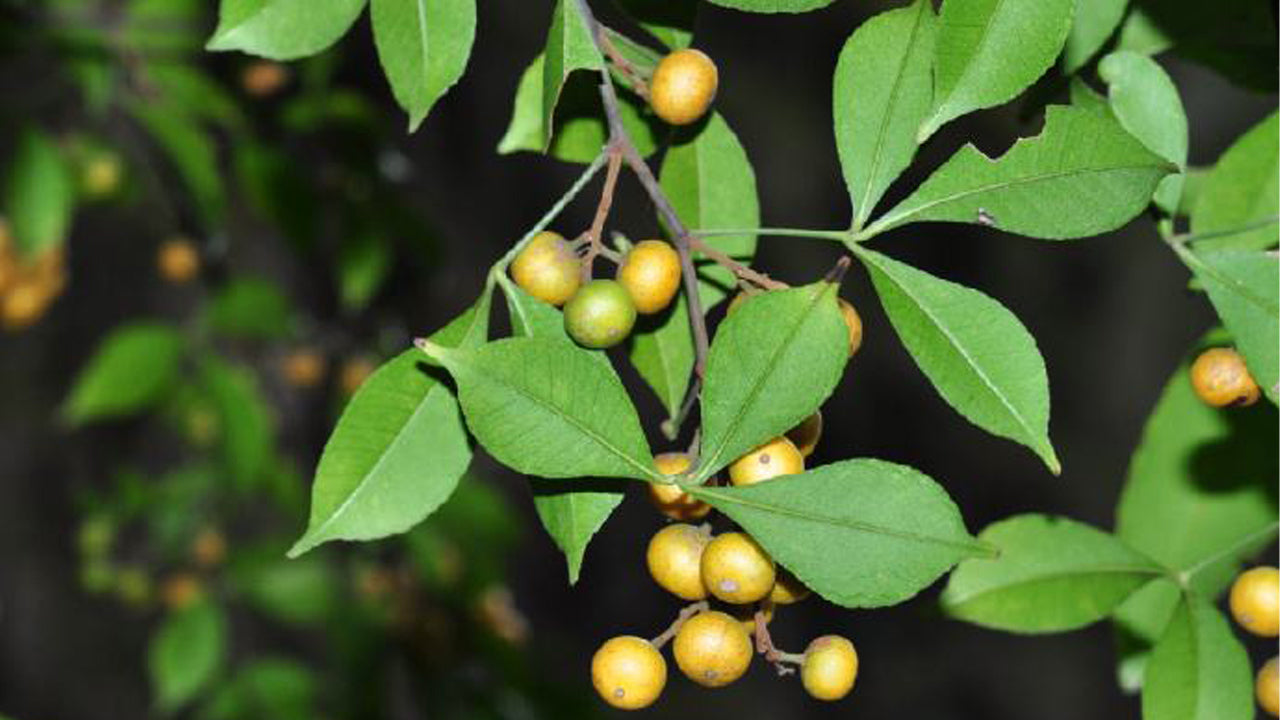
Orange climber
Toddlia asiatica -
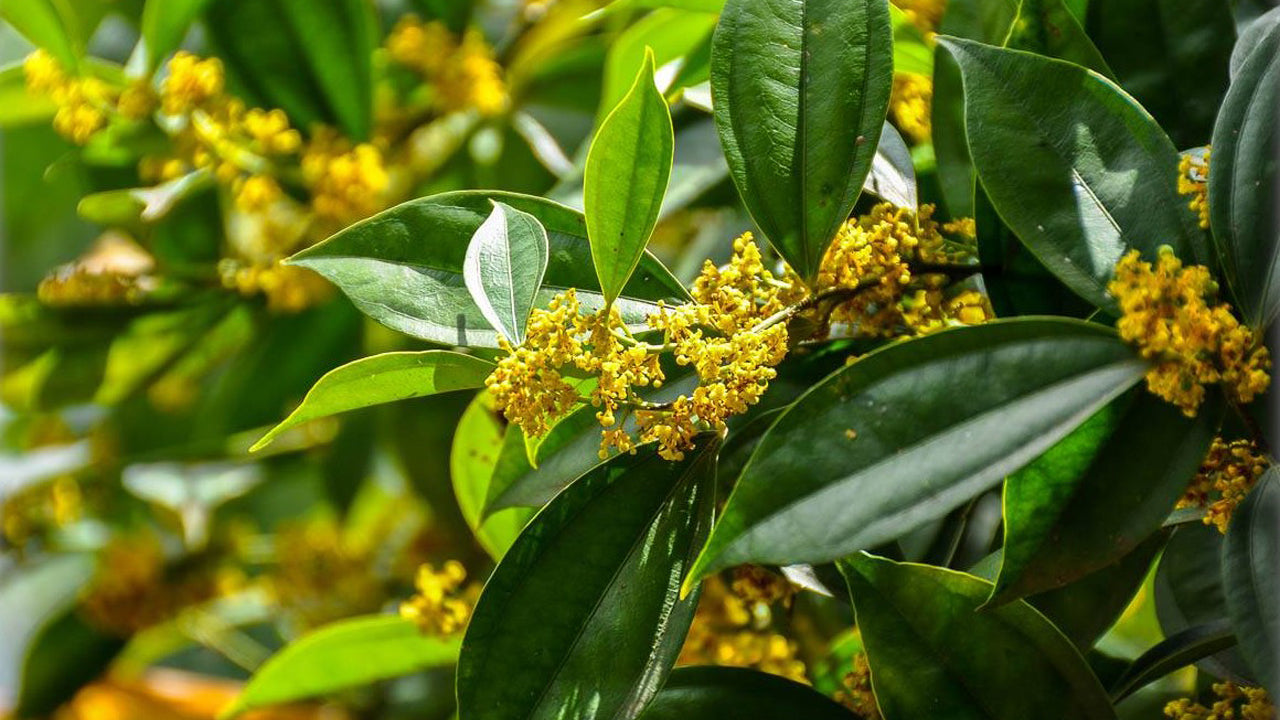
Ceylon cinnamon
Cinnamomum zeylanicum -
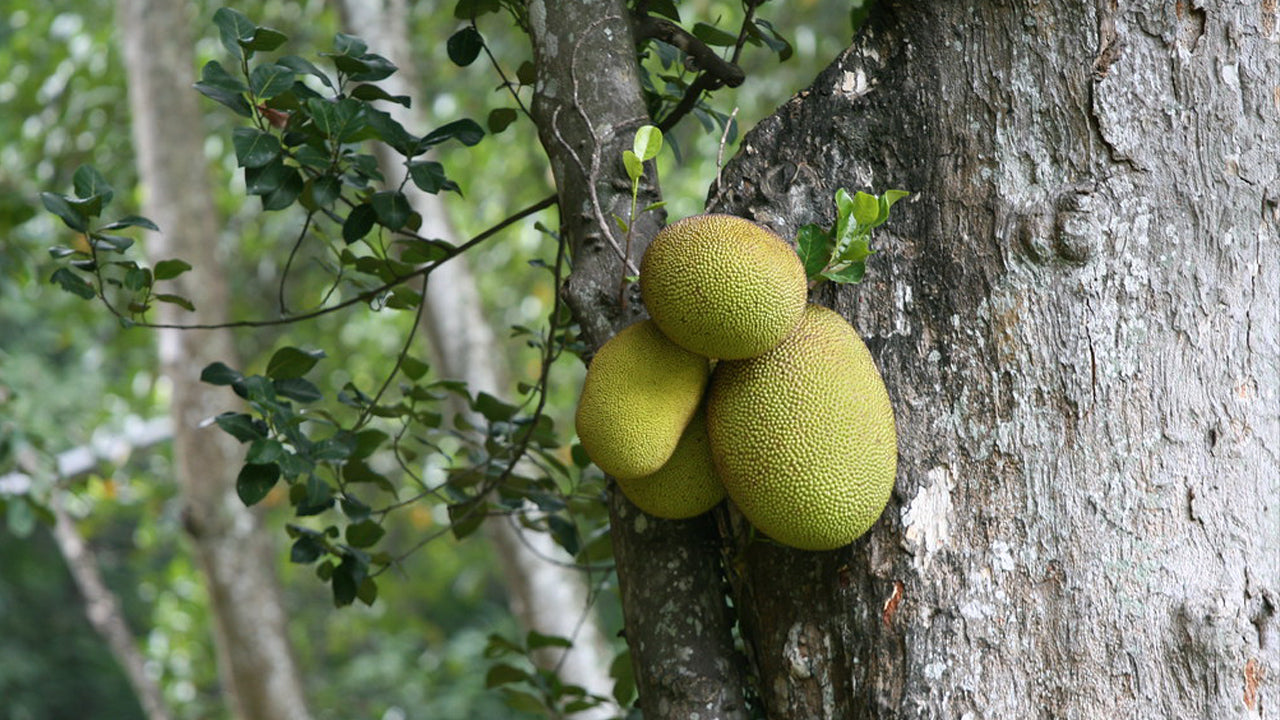
Jackfruit
Artocarpus heterophyllus -
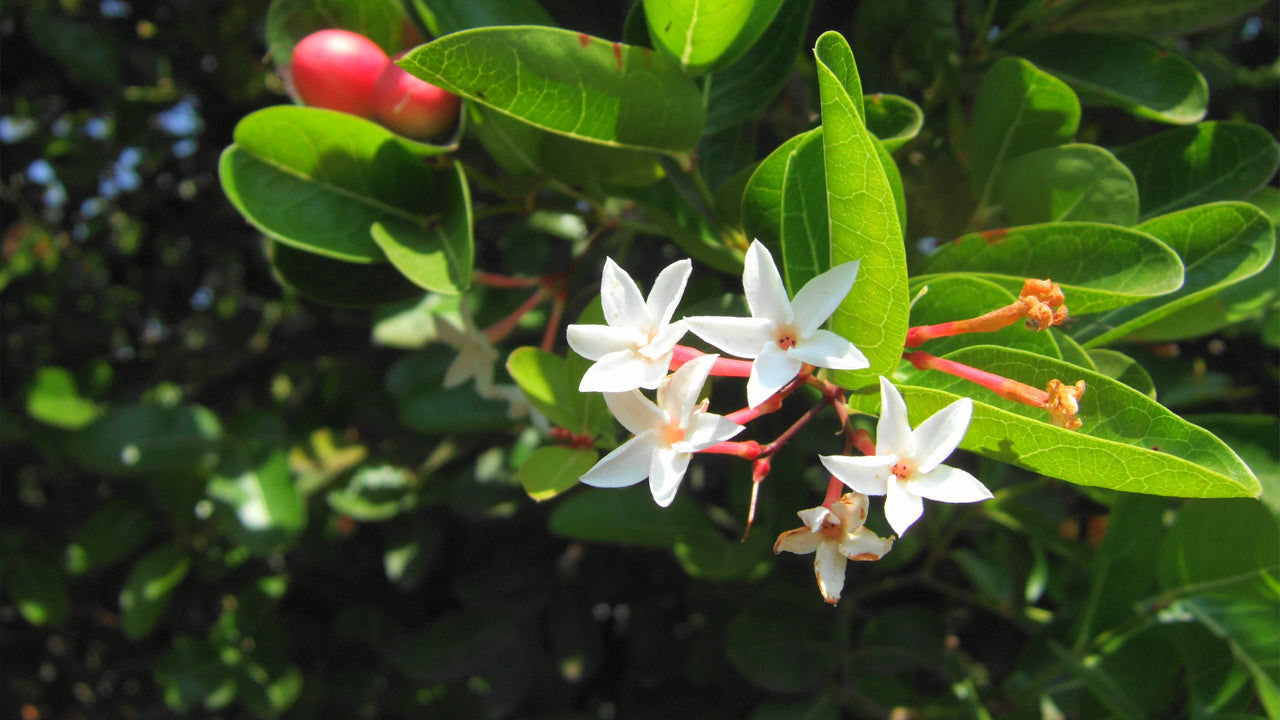
Karonda
Carissa carandas -
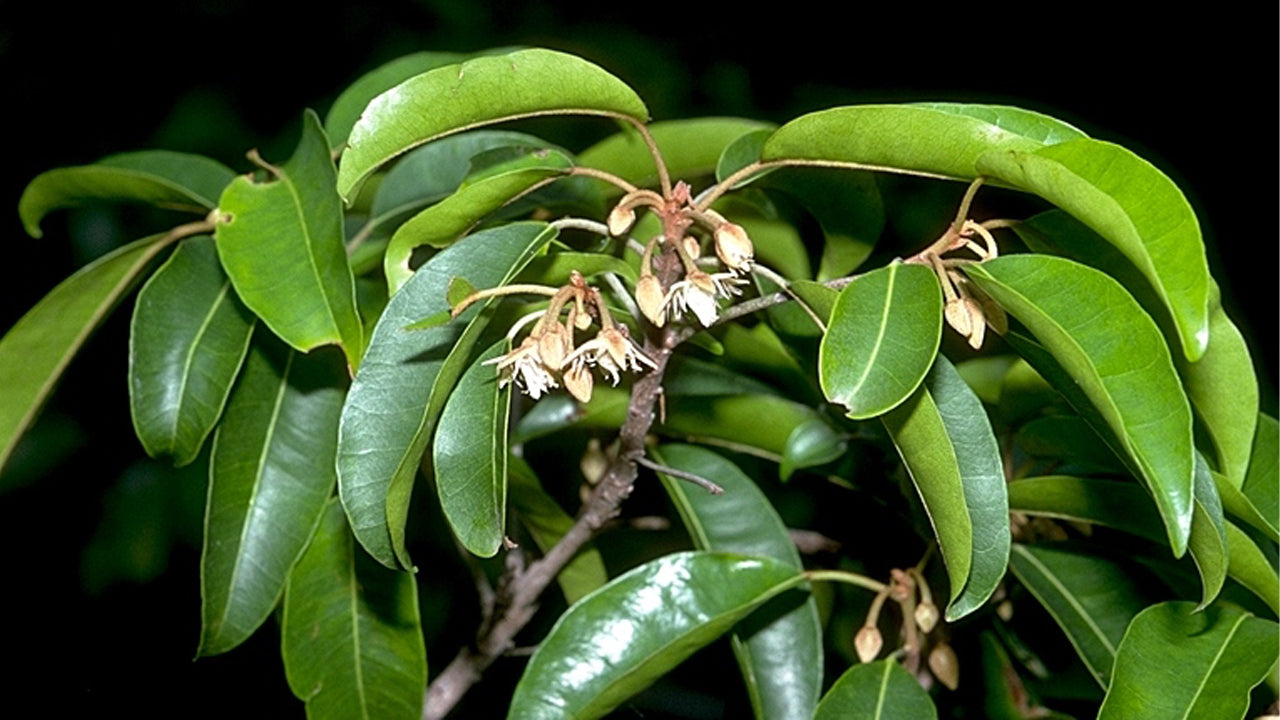
Spanish cherry
Mimusops elengi -
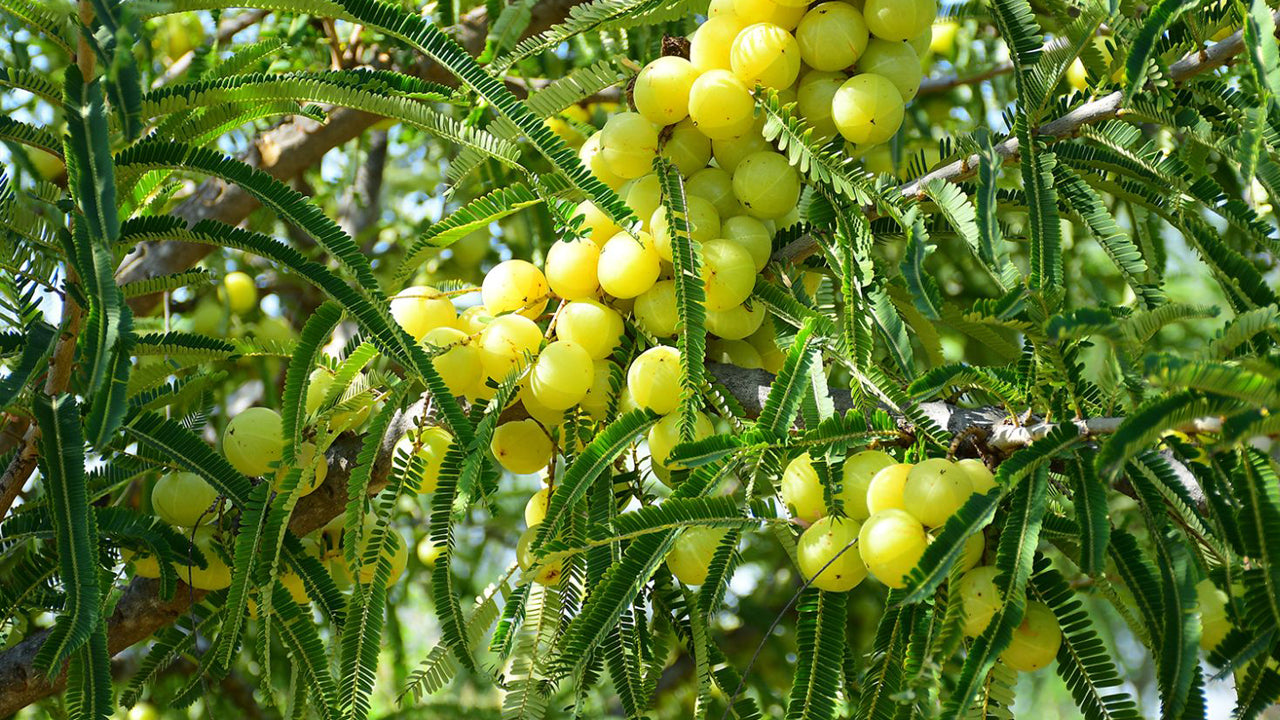
Indian gooseberry
Phyltanthus emblica -
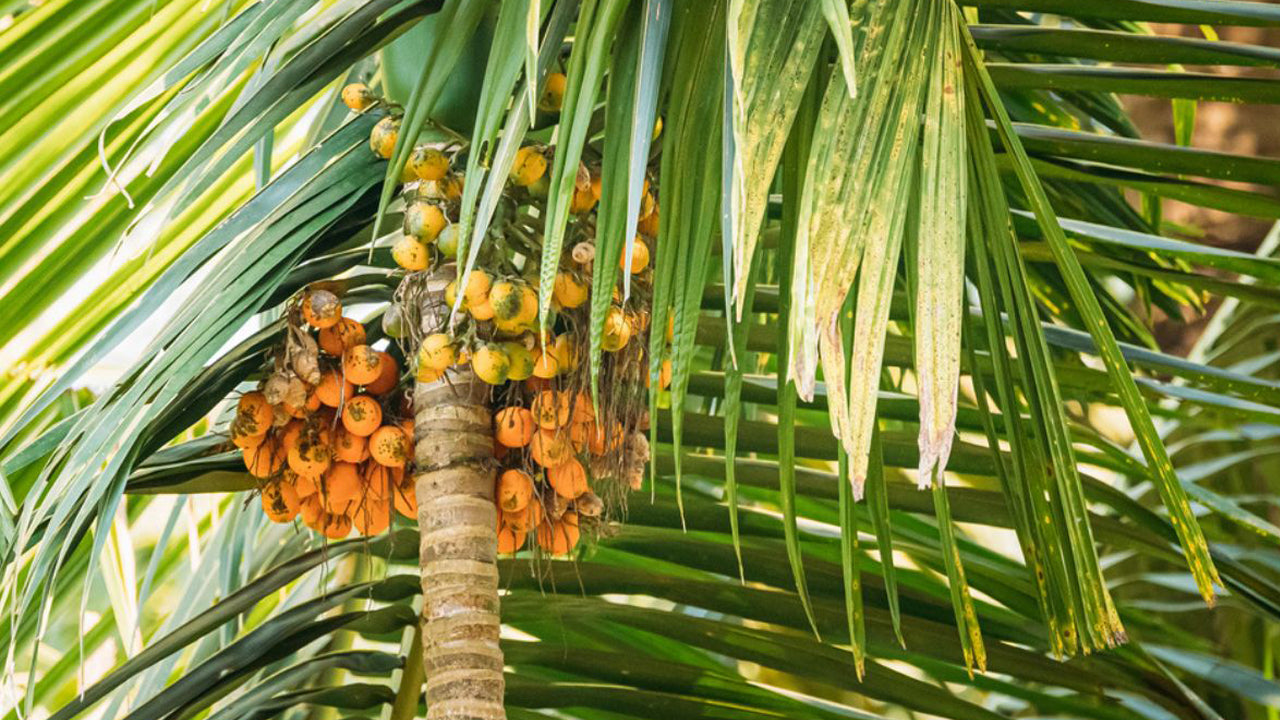
Betel palm
Areca catechu -
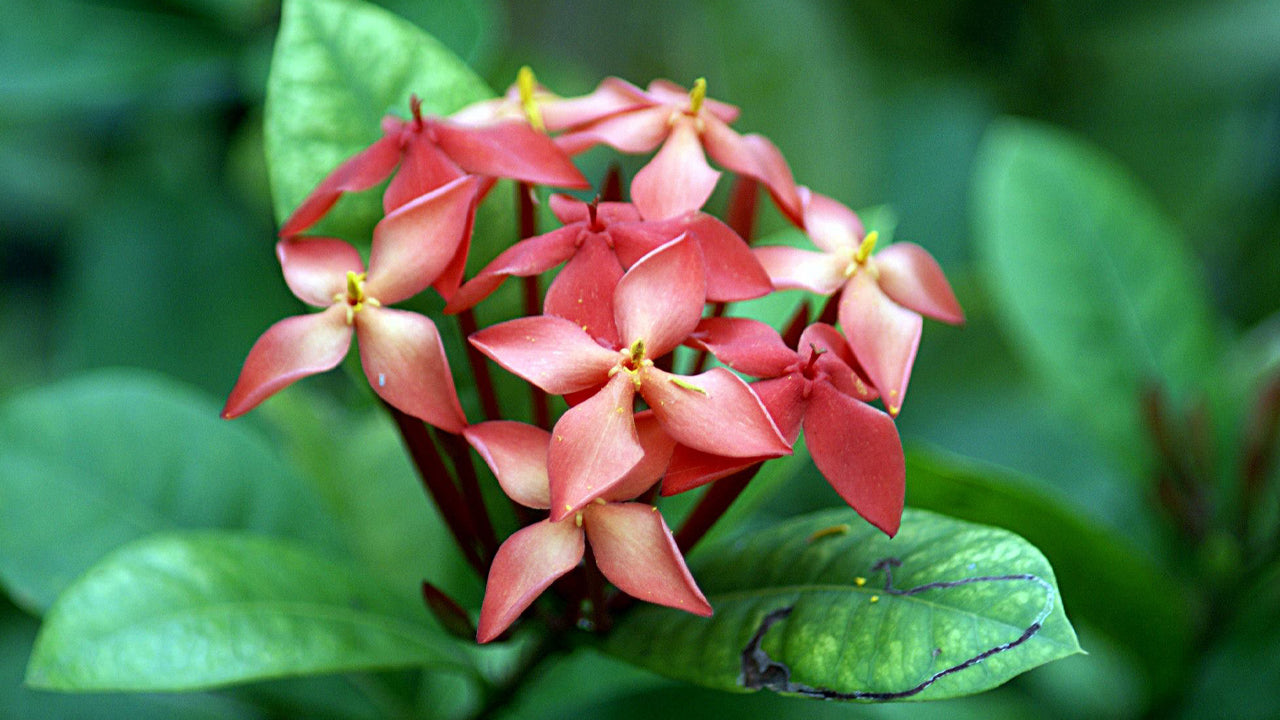
Jungle geranium
Ixora coccinea -
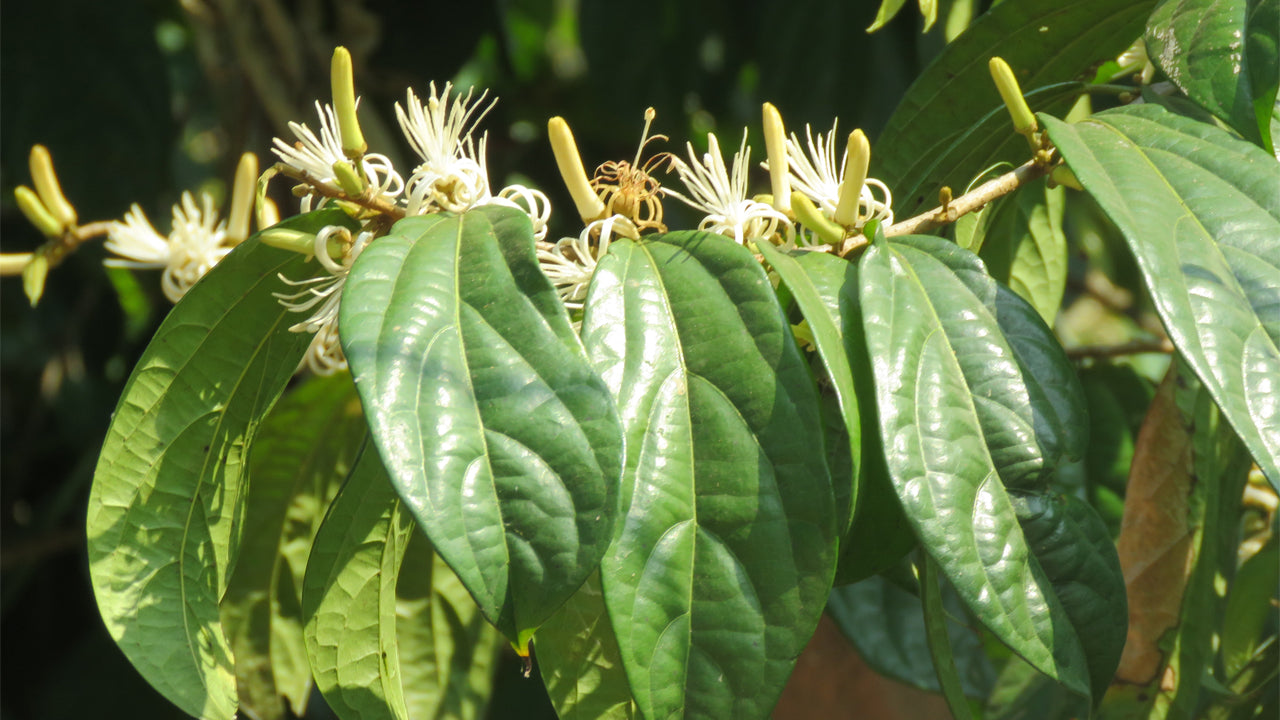
Sage-leaved alangium
Alangium salviifolium -
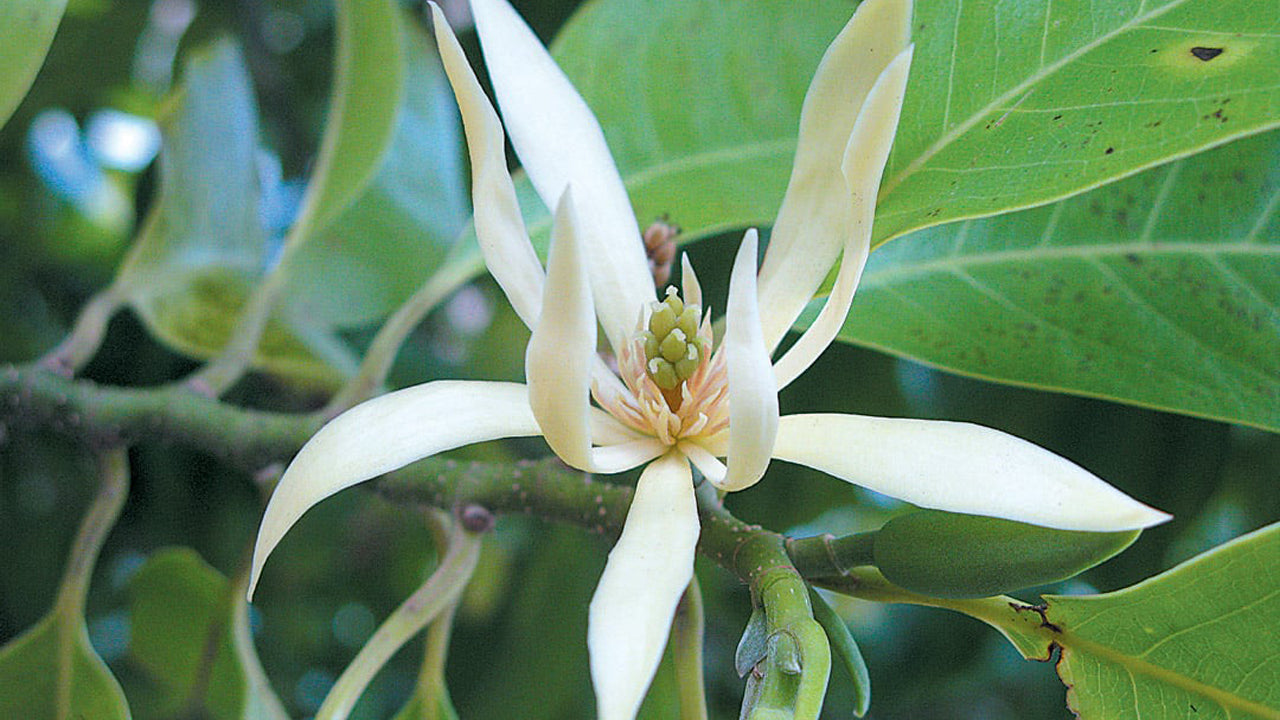
Champak
Michelia champaca -
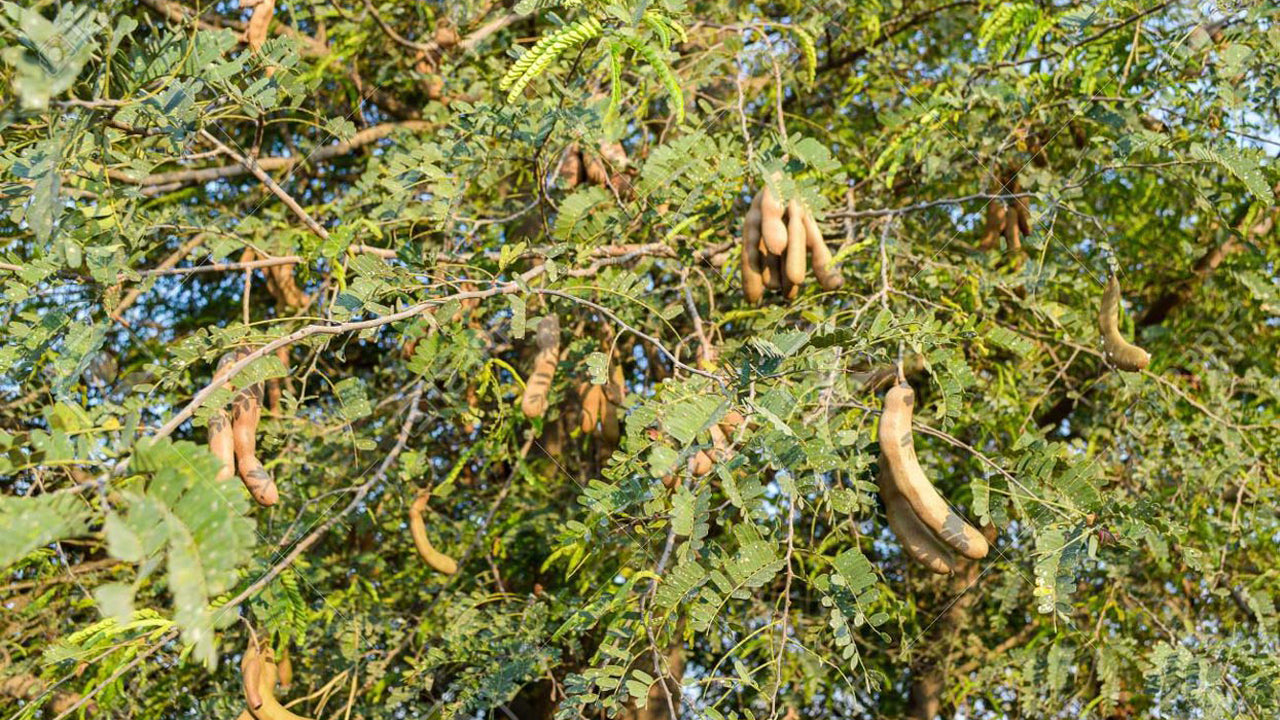
Tamarind
Tamarindus indica -
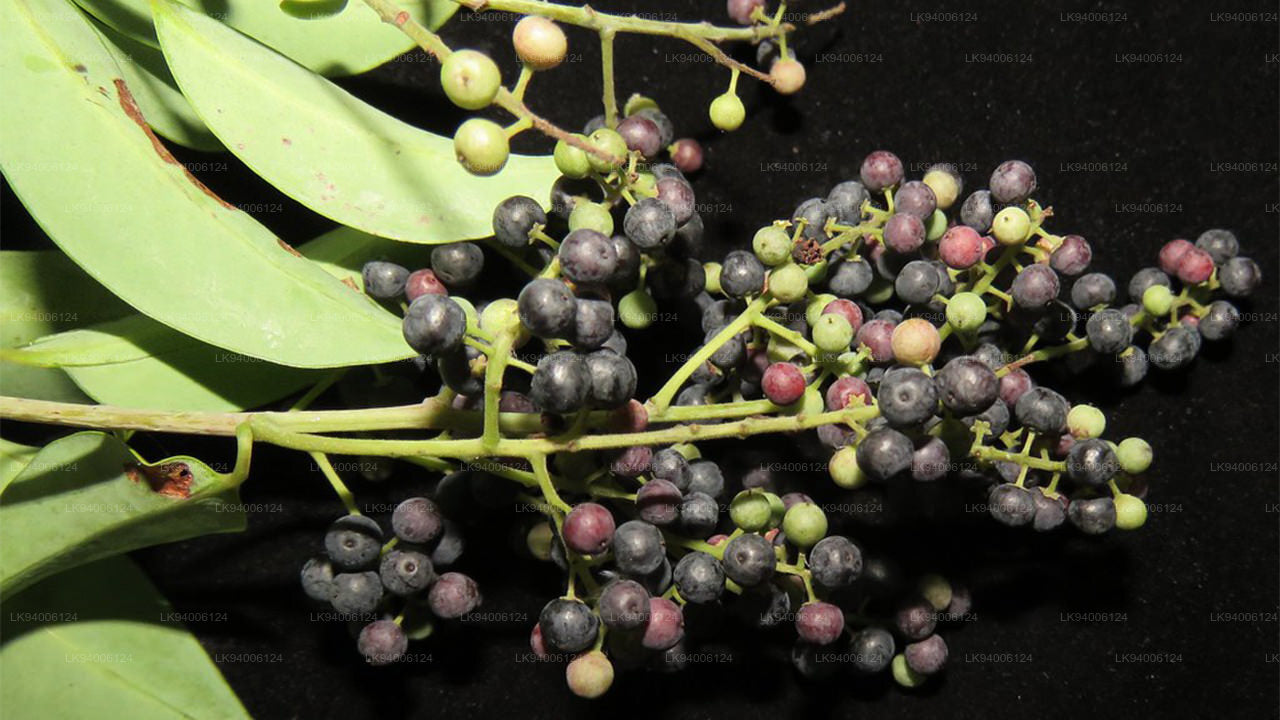
False Black Pepper
Embelia ribes -
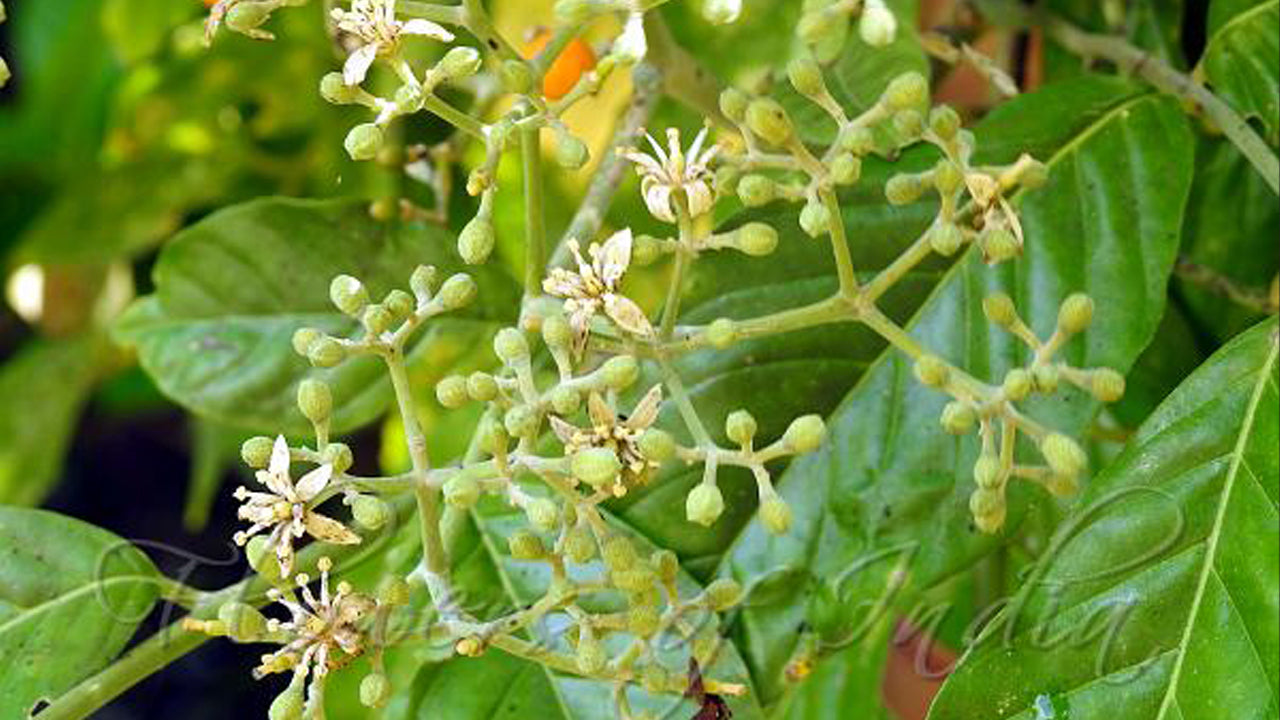
Limeberry
Micromelum ceylanicum -
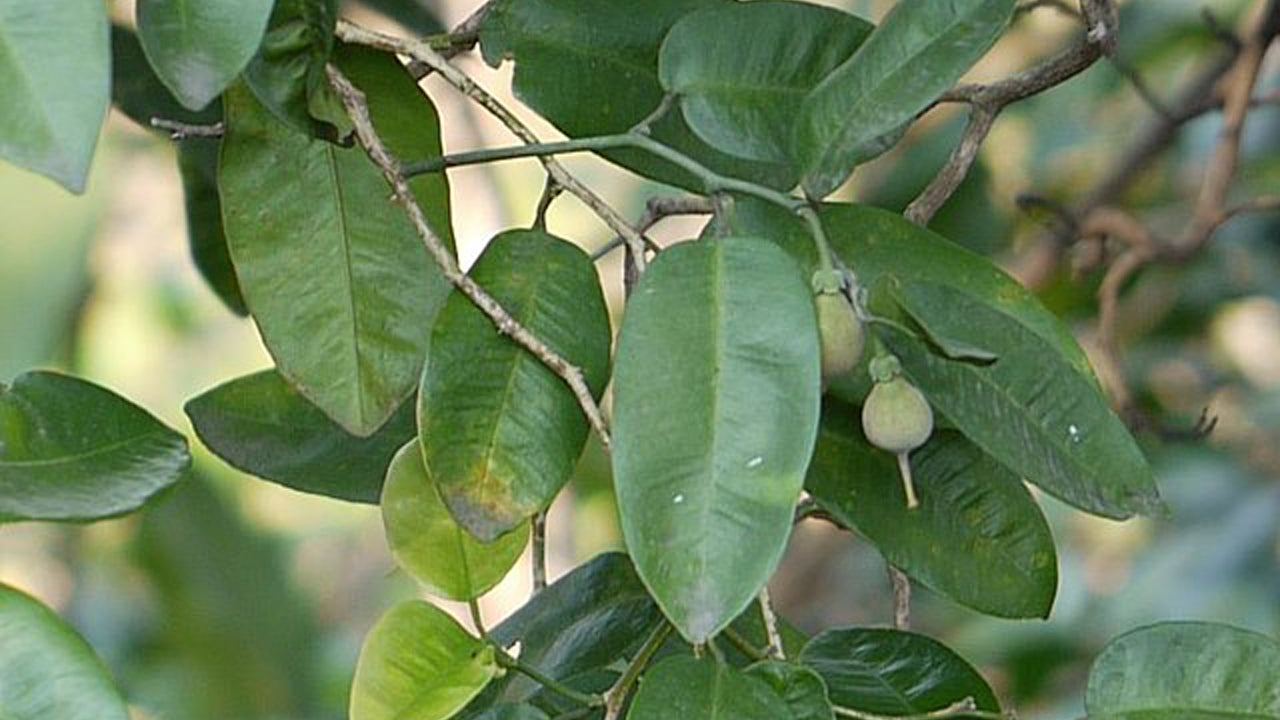
Climbing Atalantia
Paramignya monophylla


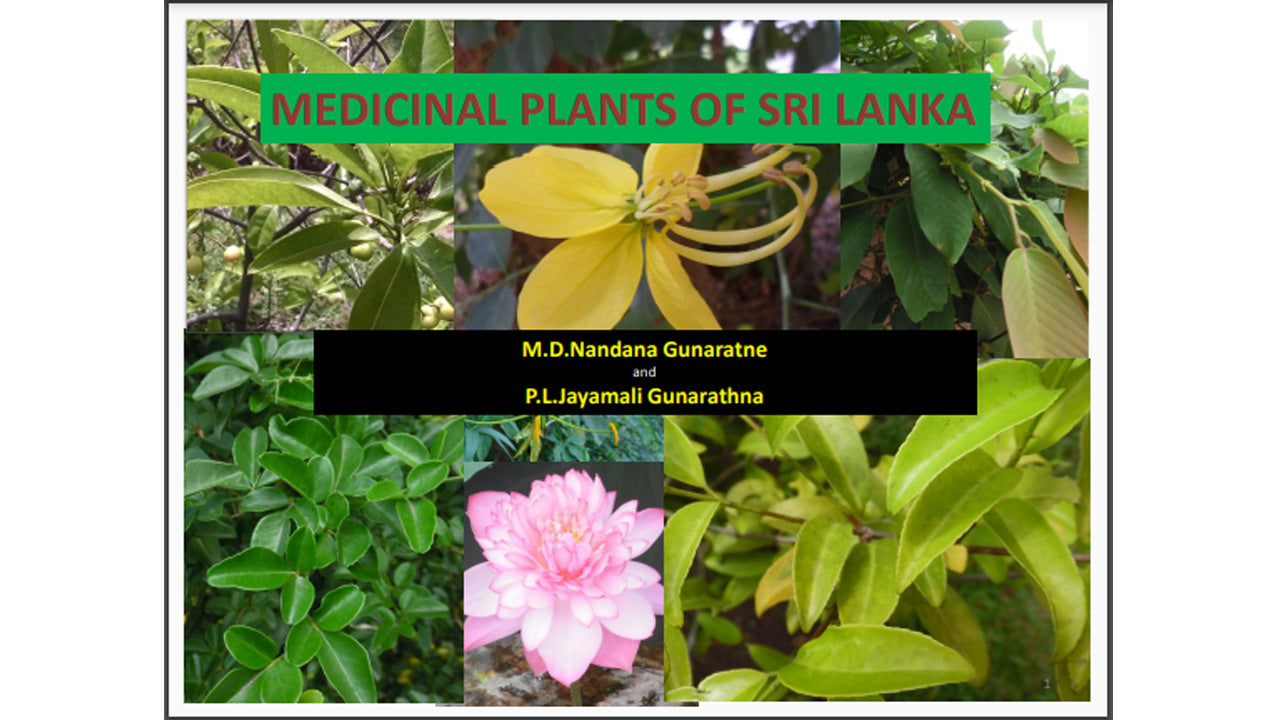



Ayurvedic and Herbal
-
 Promotion
Baume ayurvédique aux herbes Siddhalepa
Prix habituel À partir de $0.48 USDPrix habituel$0.54 USDPrix promotionnel À partir de $0.48 USDPromotion -
 Promotion
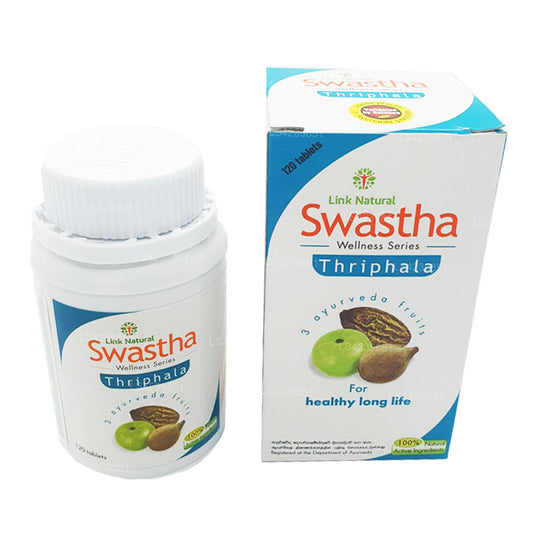
Link Swastha Thriphala (30 comprimés)
Prix habituel À partir de $1.74 USDPrix habituel$1.93 USDPrix promotionnel À partir de $1.74 USDPromotion -

Feuilles entières déshydratées de corossol sauvage Lakpura® (Guanabana, Graviola, Guyabano)
Prix habituel À partir de $0.72 USDPrix habituel$0.81 USDPrix promotionnel À partir de $0.72 USDPromotion -
 Promotion
Huile Setsuwa Pranajeeva
Prix habituel À partir de $3.85 USDPrix habituel$4.28 USDPrix promotionnel À partir de $3.85 USDPromotion