Jan's Worm Snake

Scientific Name: Indotyphlops janthinus
Family: Typhlopidae
Common Name(s): Jan's Worm Snake, Jan's Blind Snake
Overview:
Jan's Worm Snake (Indotyphlops janthinus) is a small, non-venomous species of blind snake found in South Asia. This elusive, fossorial (burrowing) snake is part of the Typhlopidae family, a group of snakes known for their secretive, underground lifestyle. With its specialized, worm-like appearance, it is often mistaken for an earthworm. Its small size and subterranean habits make it a rare sight, though it plays an important role in the ecosystem as a consumer of soil-dwelling insects and larvae.
Physical Description:
- Size: Jan's Worm Snake is a small species, typically measuring between 25 to 40 cm (10 to 16 inches) in length.
- Coloration: The snake has a smooth, glossy appearance, typically a dull brown or reddish-brown color. The body is cylindrical and slightly segmented, enhancing its earthworm-like appearance. The belly is often a lighter shade, typically pale or yellowish.
- Head: The head is small and blunt, not easily distinguishable from the body. The snake lacks functional eyes, as it is blind, an adaptation for its underground lifestyle.
- Tail: The tail is short and pointed, further contributing to its worm-like appearance, which helps it navigate through soil.
Habitat and Distribution:
- Geographical Range: Jan's Worm Snake is found primarily in the Indian subcontinent, including India, Sri Lanka, and parts of Bangladesh and Nepal.
- Habitat: This species is fossorial, spending most of its life underground. It prefers loose, sandy, or moist soils, often in forests, grasslands, or agricultural areas. It can be found burrowing under leaf litter, debris, or in loose soil where it hunts for prey.
Behavior and Diet:
- Burrowing Lifestyle: Like other members of the Typhlopidae family, Jan's Worm Snake is primarily burrowing. It spends nearly all of its time underground, using its small, blunt head to push through soil and search for food.
- Diet: This snake primarily feeds on soil-dwelling invertebrates, such as ants, termites, and insect larvae. It hunts by sensing vibrations and chemicals in the soil, locating its prey through specialized, sensitive skin rather than vision.
Reproduction:
- Reproductive Mode: Jan's Worm Snake is oviparous, meaning it lays eggs. The eggs are laid in a hidden location underground, where they incubate until they hatch. The young snakes are born fully developed and independent from birth.
Conservation Status:
- Threats: Jan's Worm Snake is not currently listed as endangered, but like many fossorial species, it faces threats from habitat loss due to deforestation and agricultural development. Its reliance on intact, loose soil habitats makes it vulnerable to changes in land use and soil degradation.
- Conservation Efforts:
-
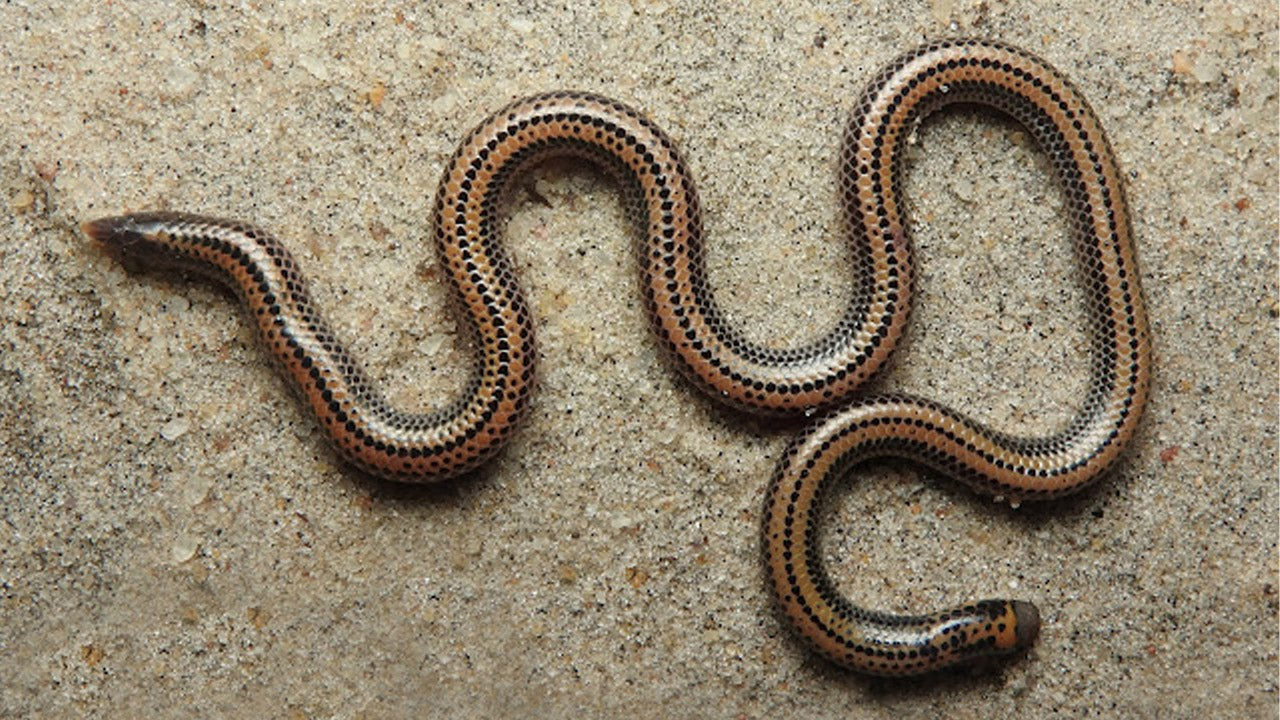 Muller's Shieldtail
Uropeltis mülleri
-
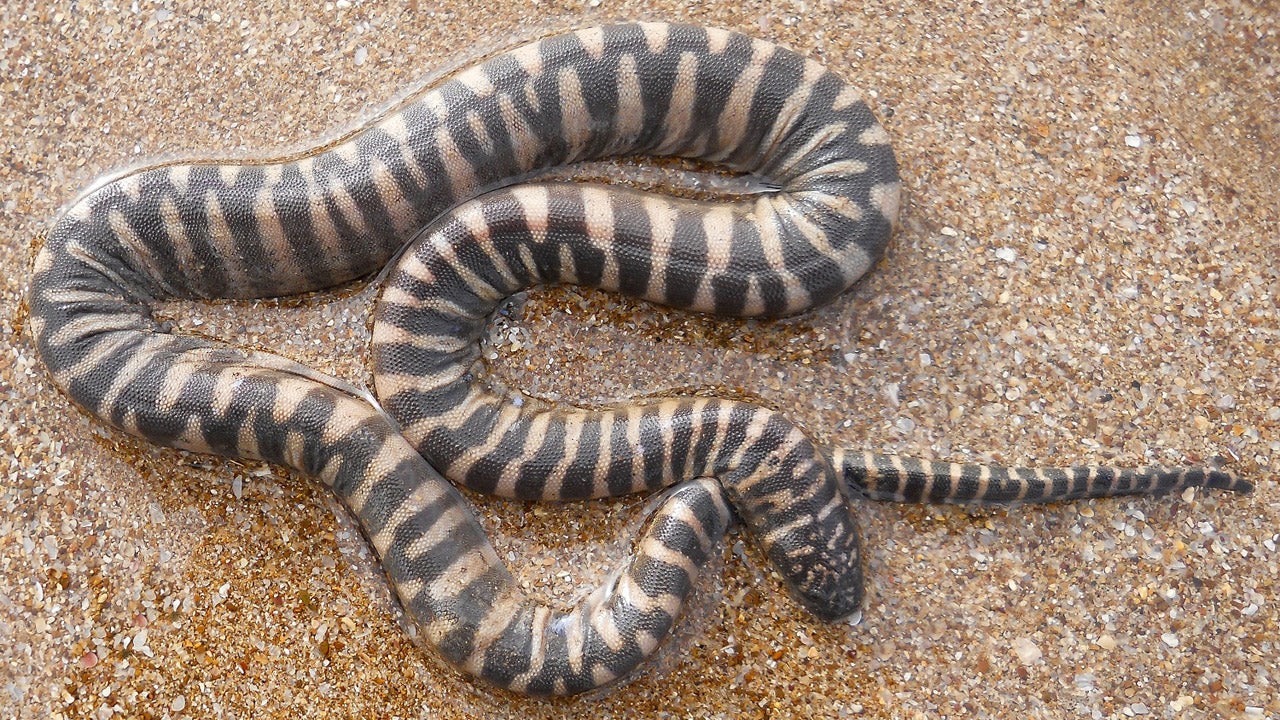 Wart Snake
Acrochordus
-
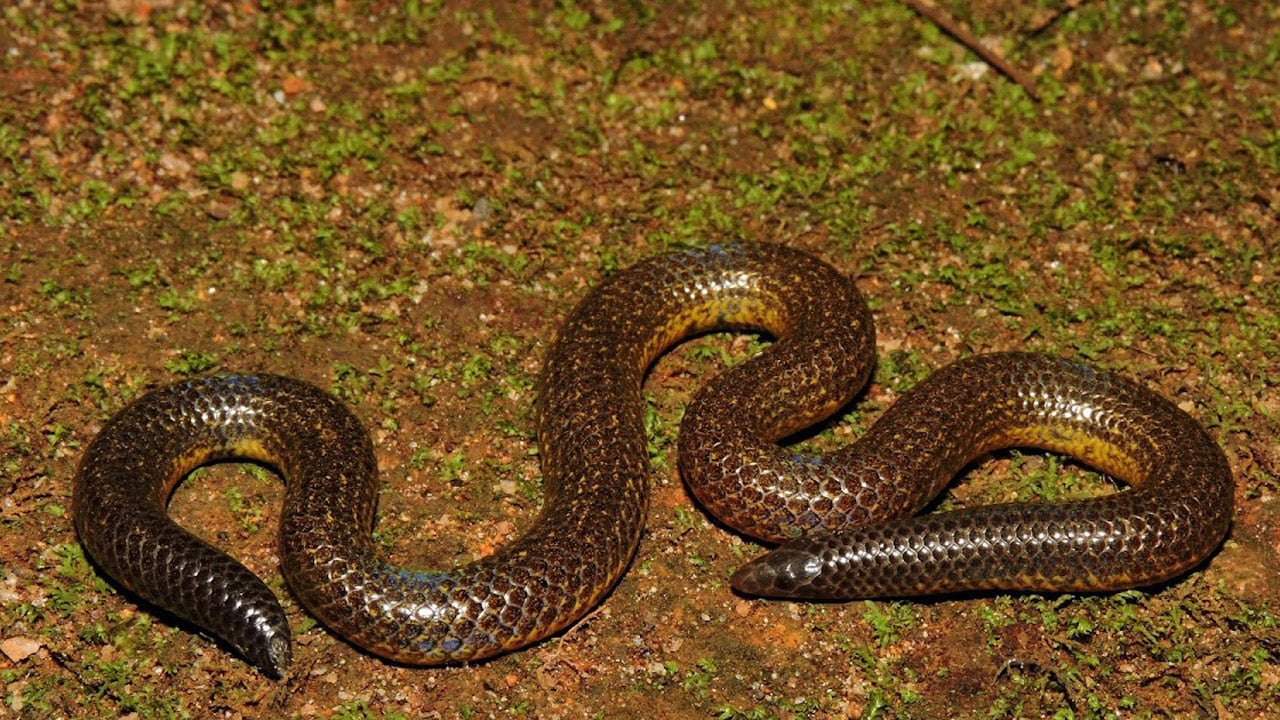 Drummond-Hay's Shieldtail
Rhinophis drummondhayi
-
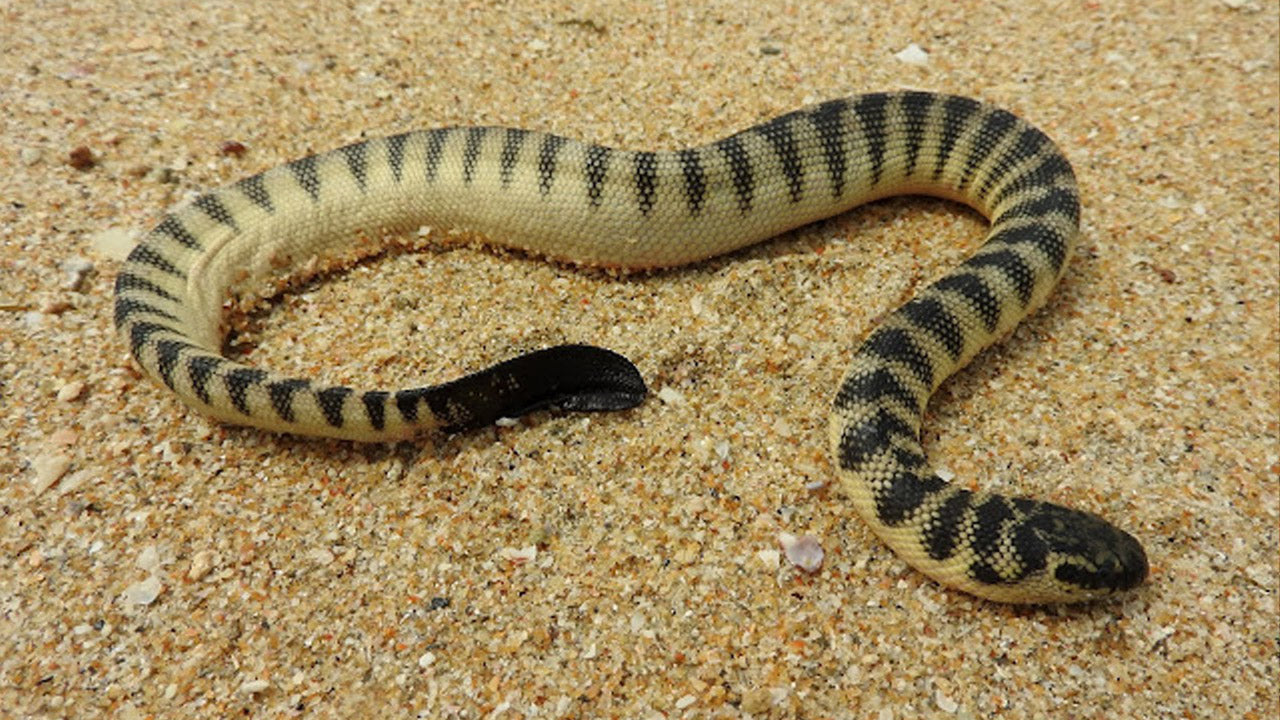 Shaw's Sea Snake
Hydrophis curtus
-
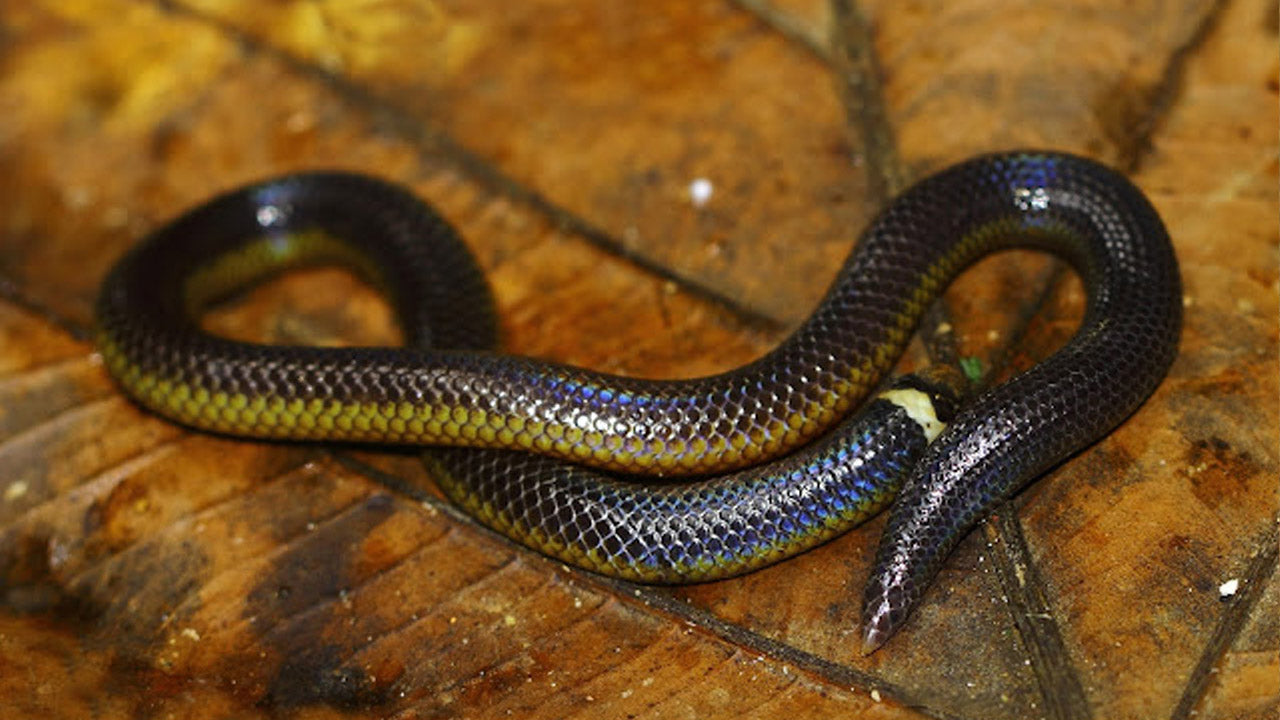 Deraniyagala's Shieldtail
Rhinophis tricoloratus
-
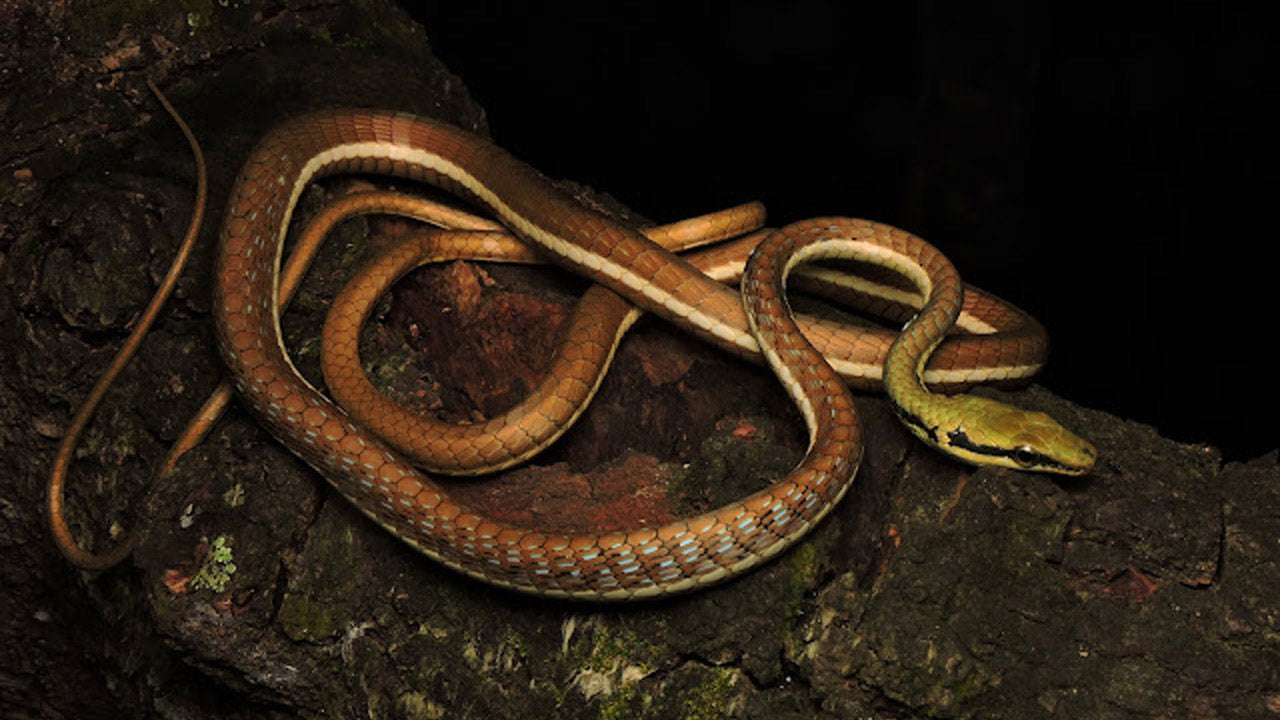 Wickramasinghe's Bronzeback
Dendrelaphis wickrorum
-
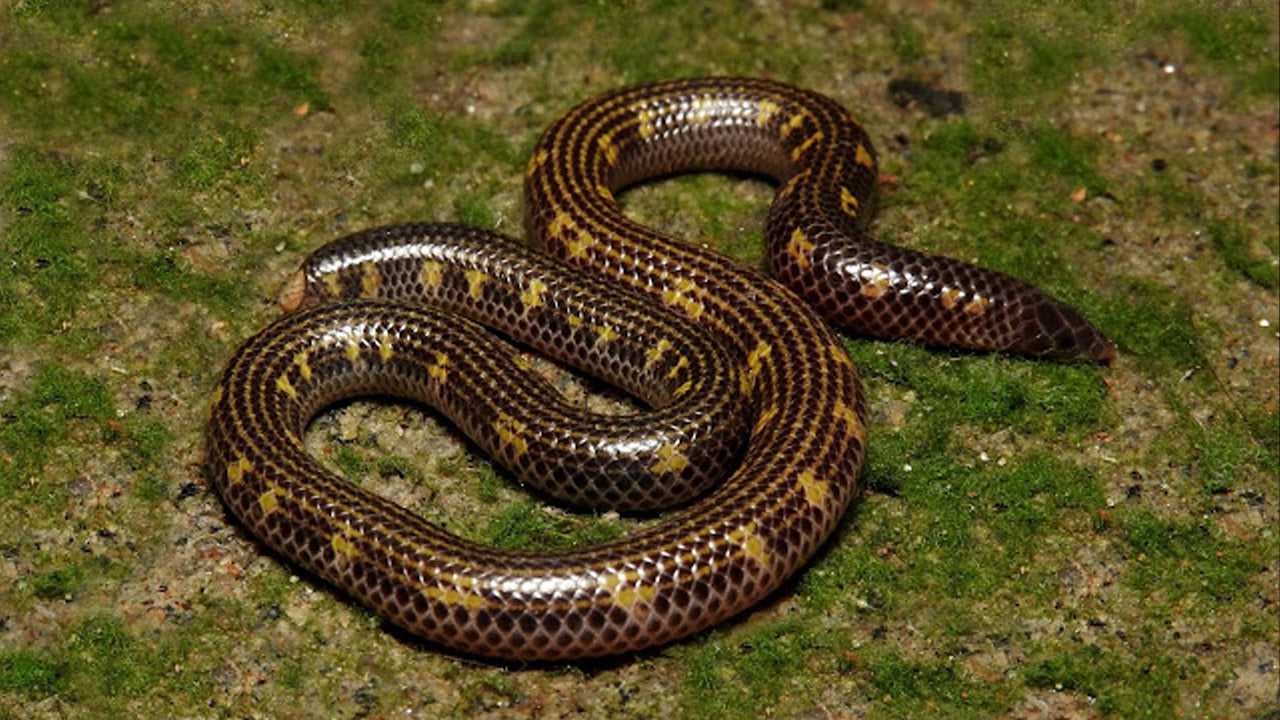 Phillip's Earth Snake
Rhinophis phillipsi
-
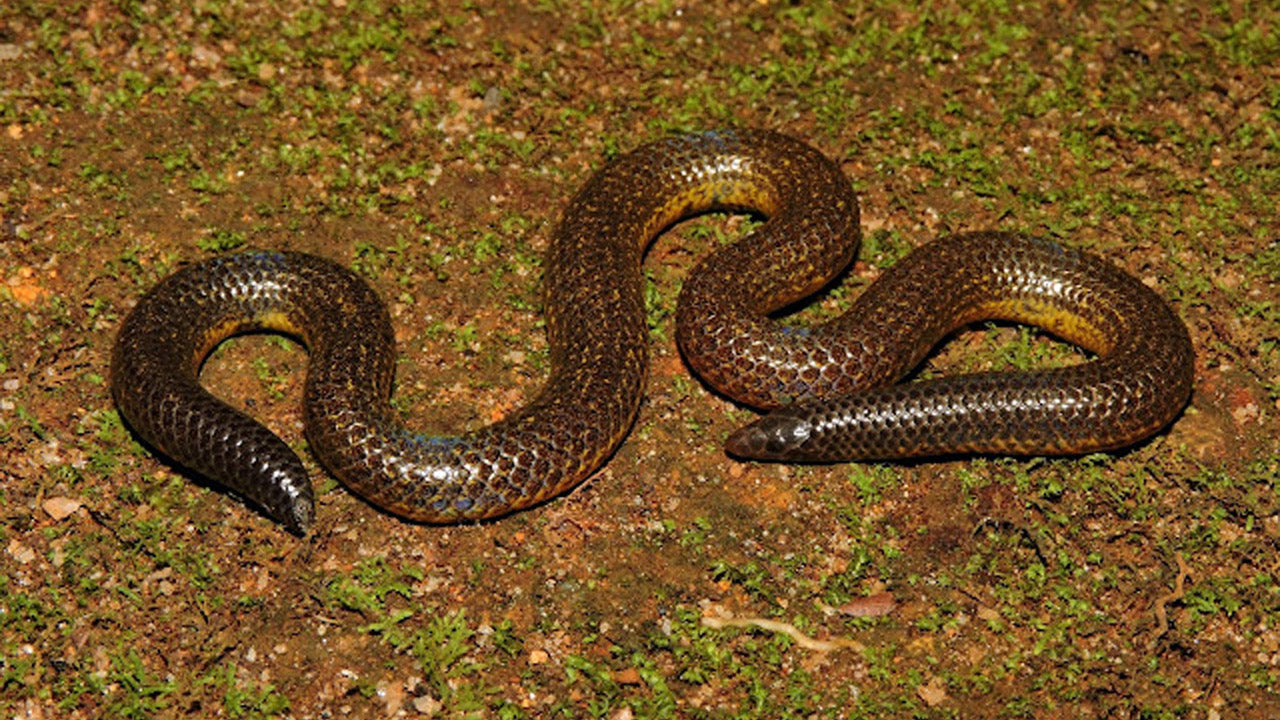 Gray's Earth Snake
Aparallactus grayi
-
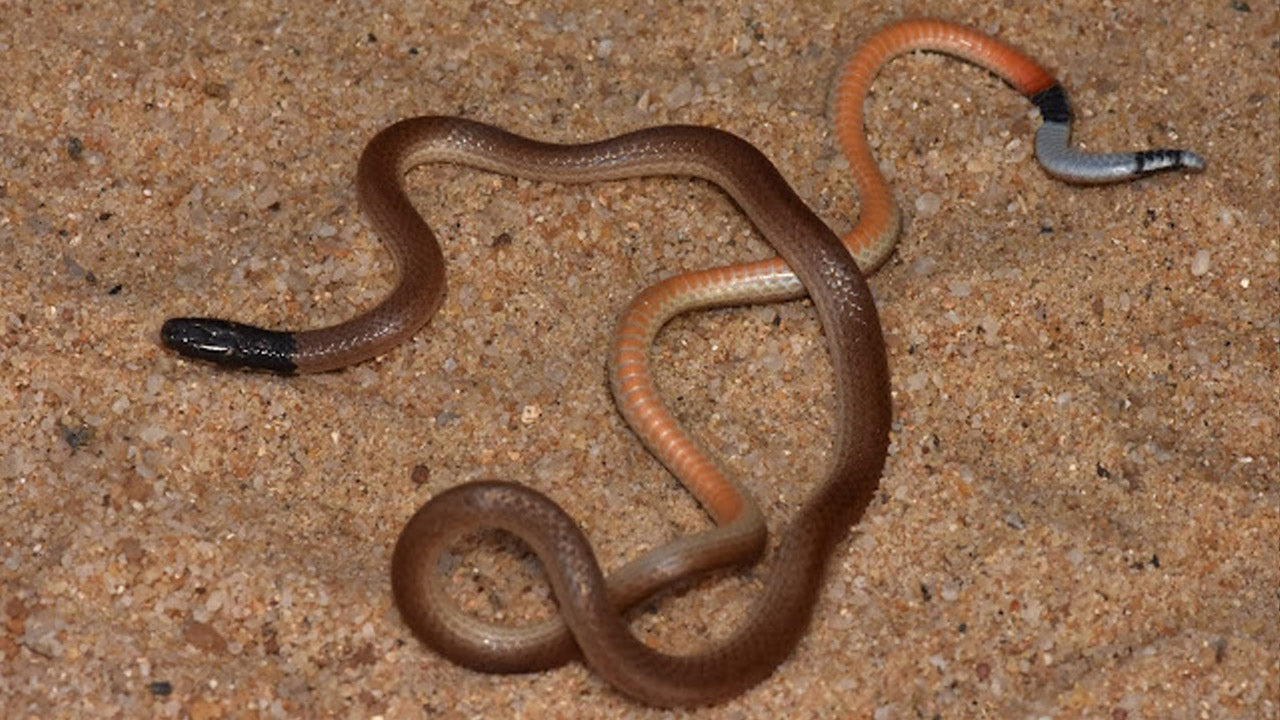 Slender Coral Snake
Calliophis Melanurus
-
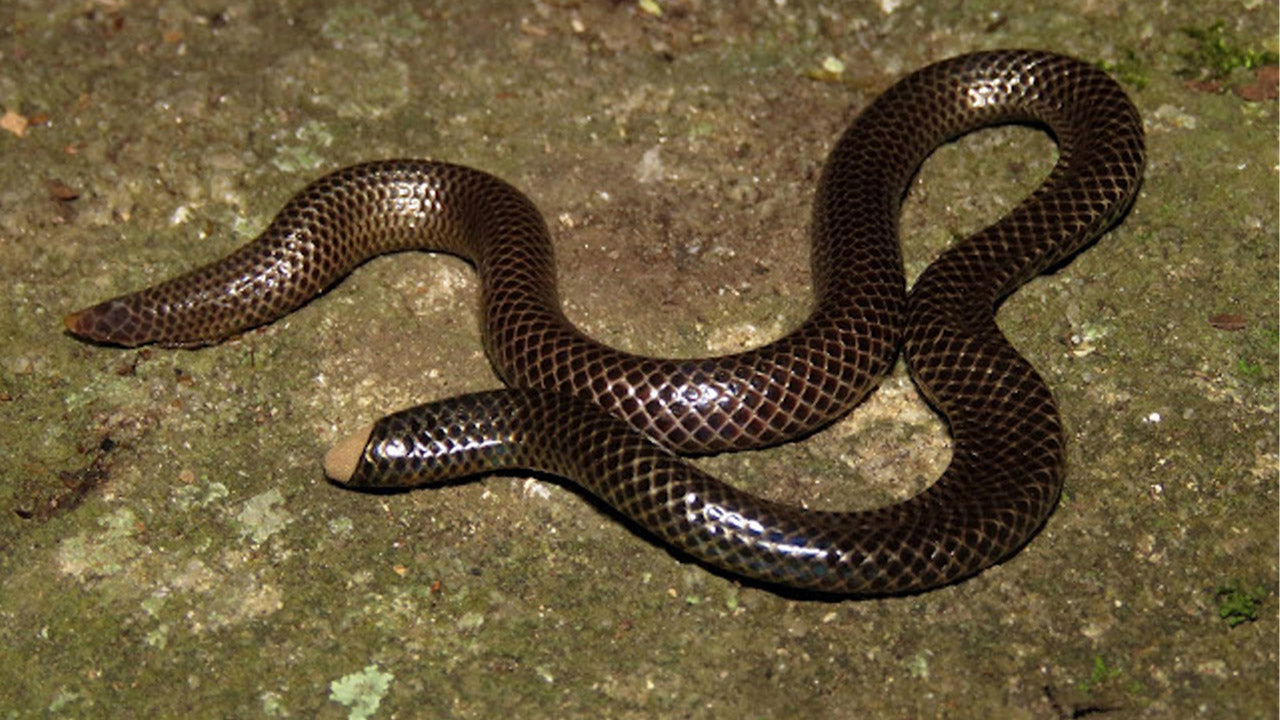 Cuvier's Shieldtail
Uropeltis ceylanica
-
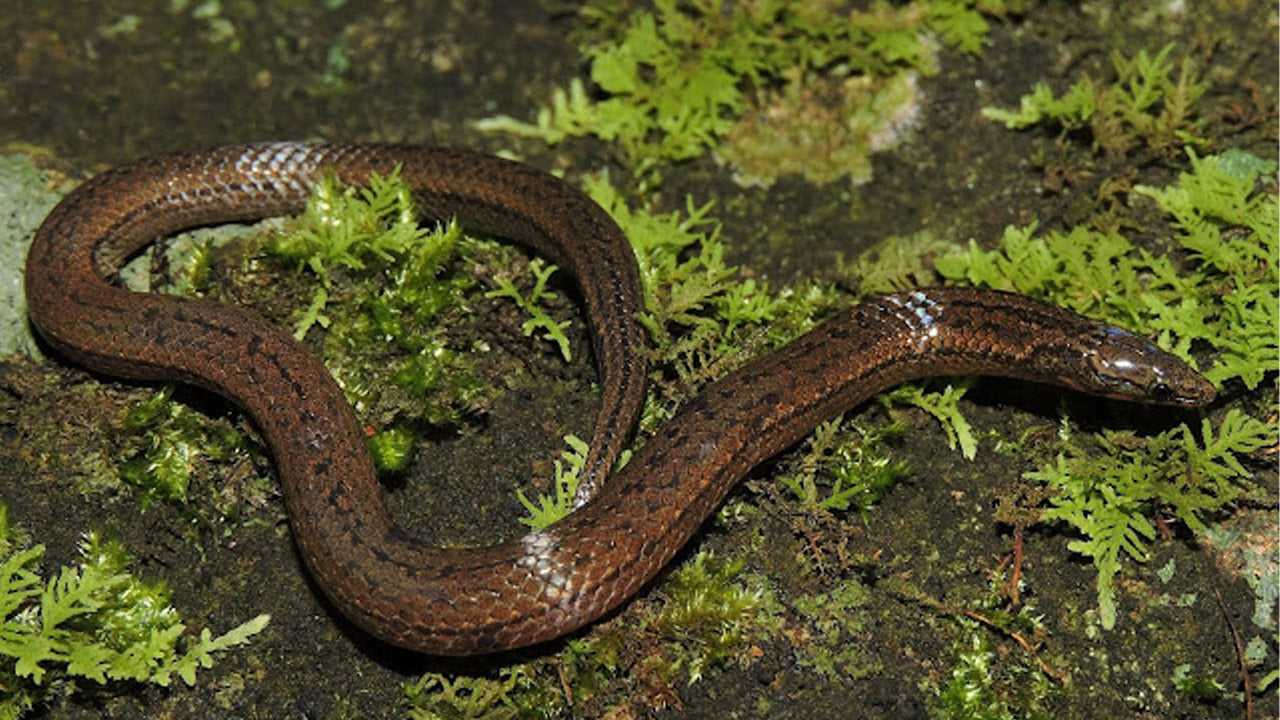 de Silva's Rough-sided Snake
Aspidura desilvai
-
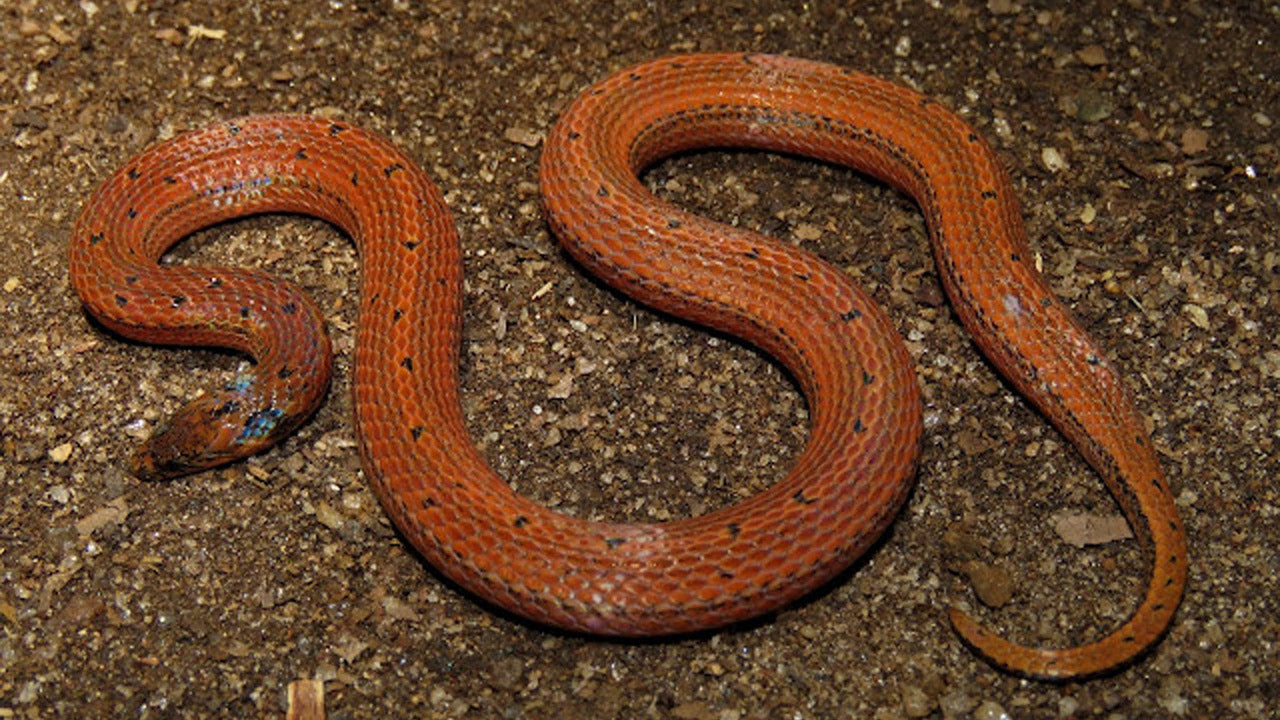 Boie's Rough-Sided Snake
Aspidura brachyorrhos
-
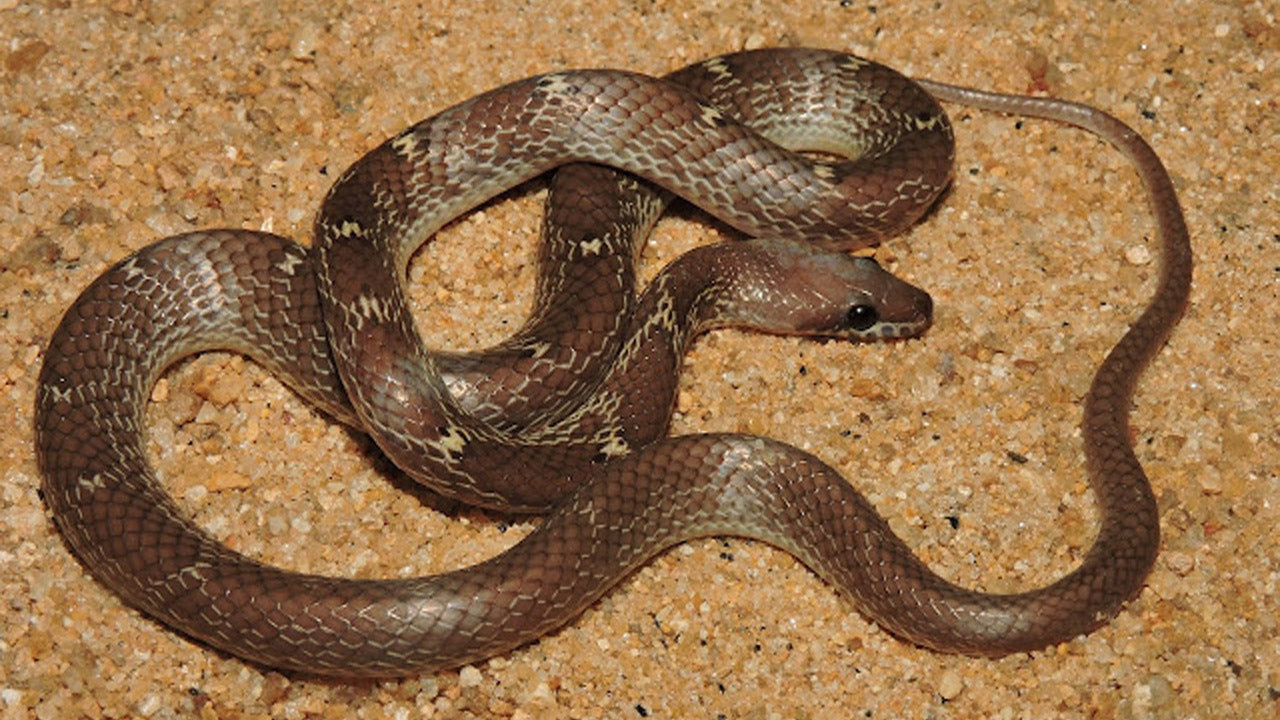 Flowery Wolf Snake
Lycodon anamallensis
-
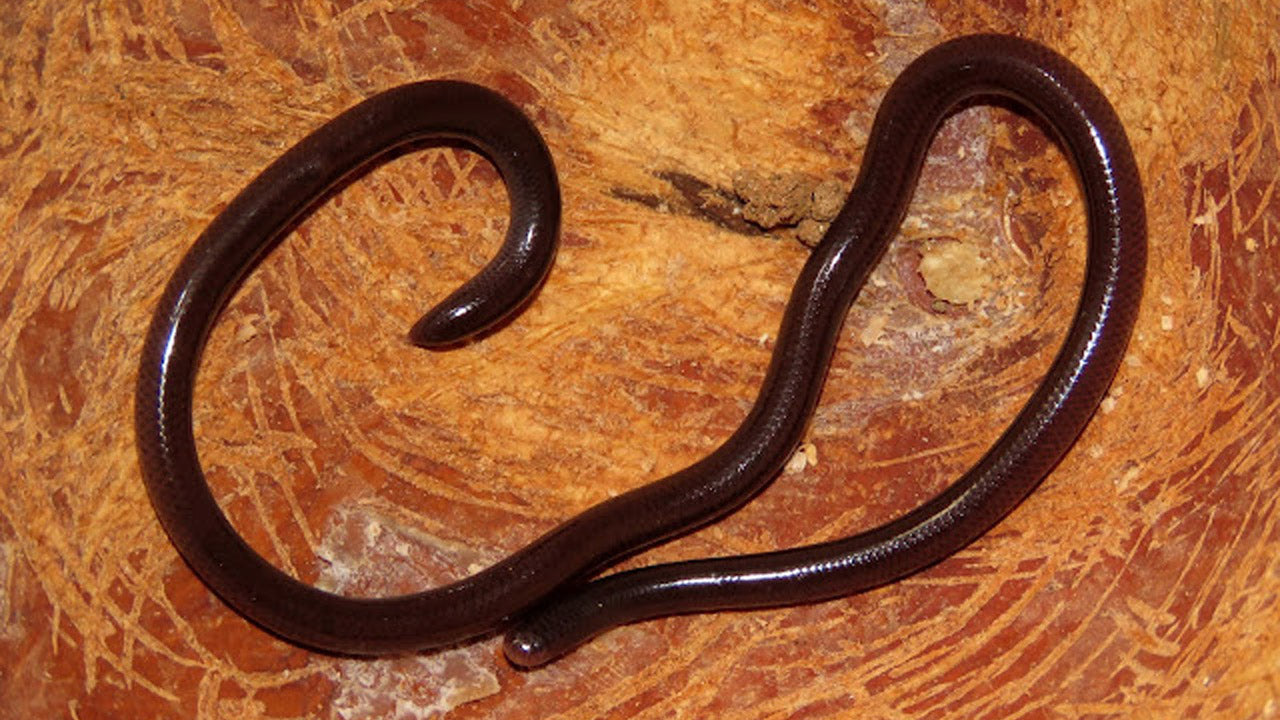 Brahminy Blind Snake
Indotyphlops braminus
-
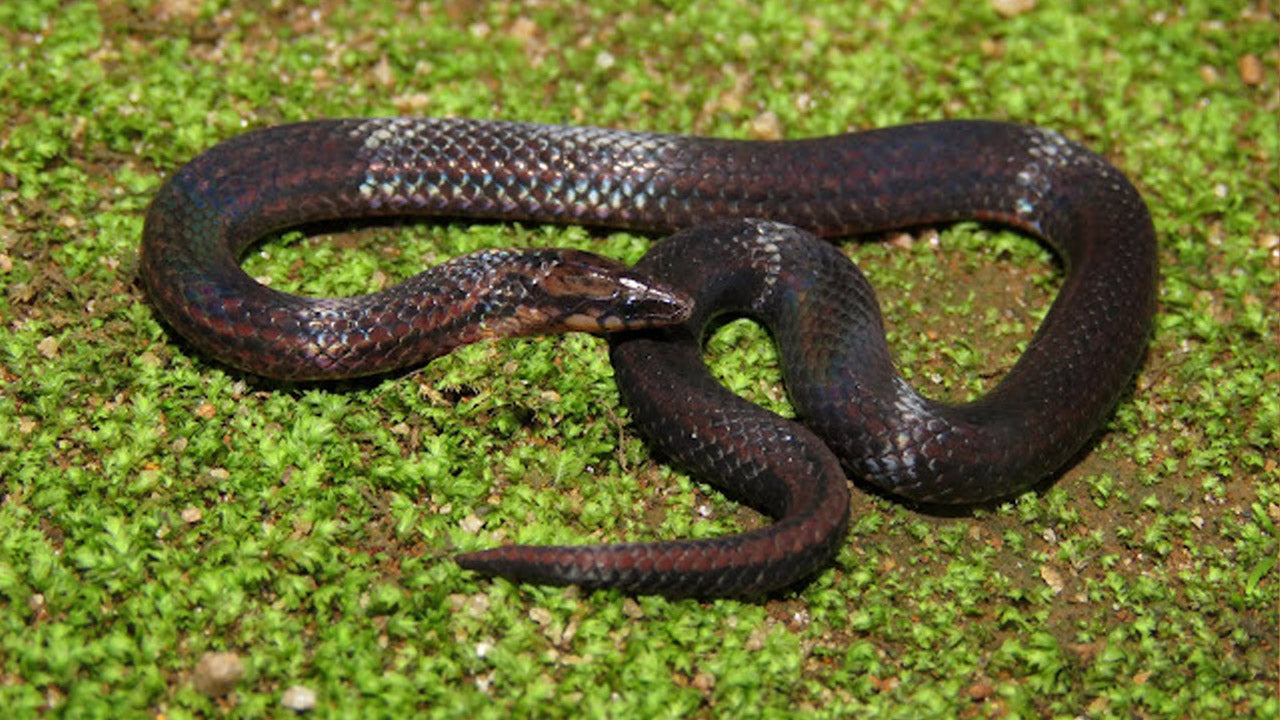 Common Rough-sided Snake
Aspidura trachyprocta
-
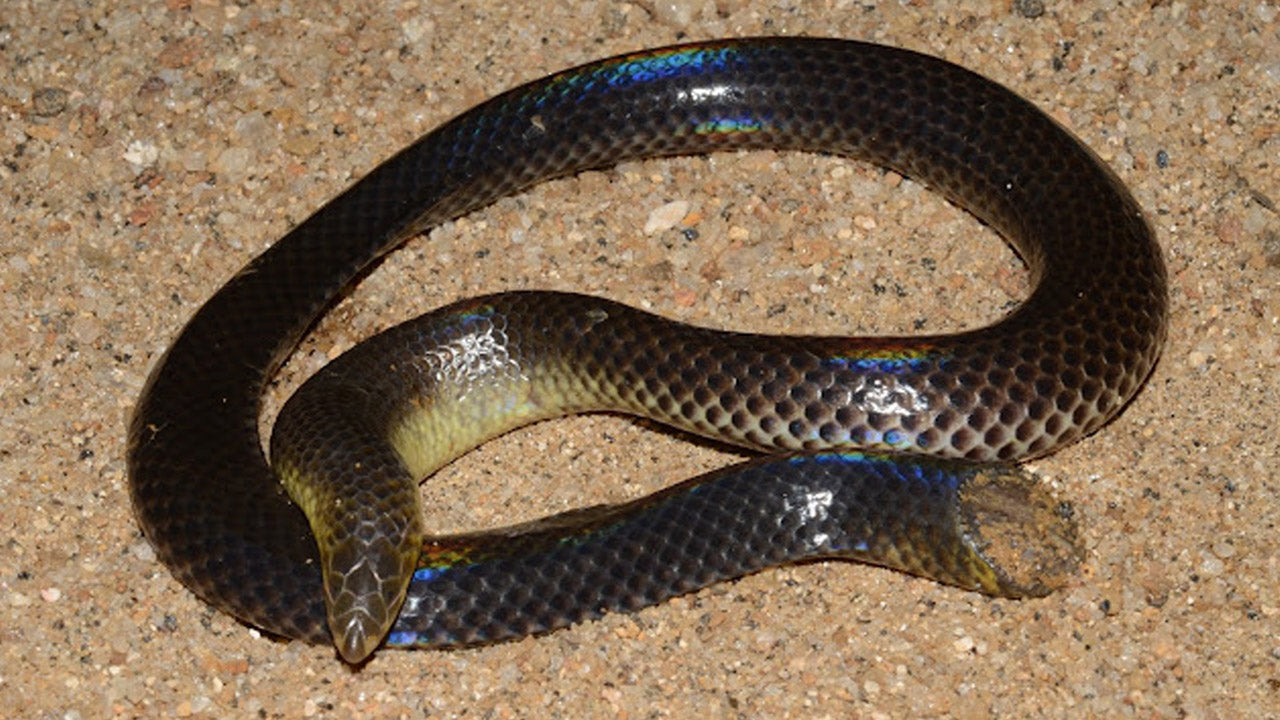 Large Shieldtail
Rhinophis saffragamus
-
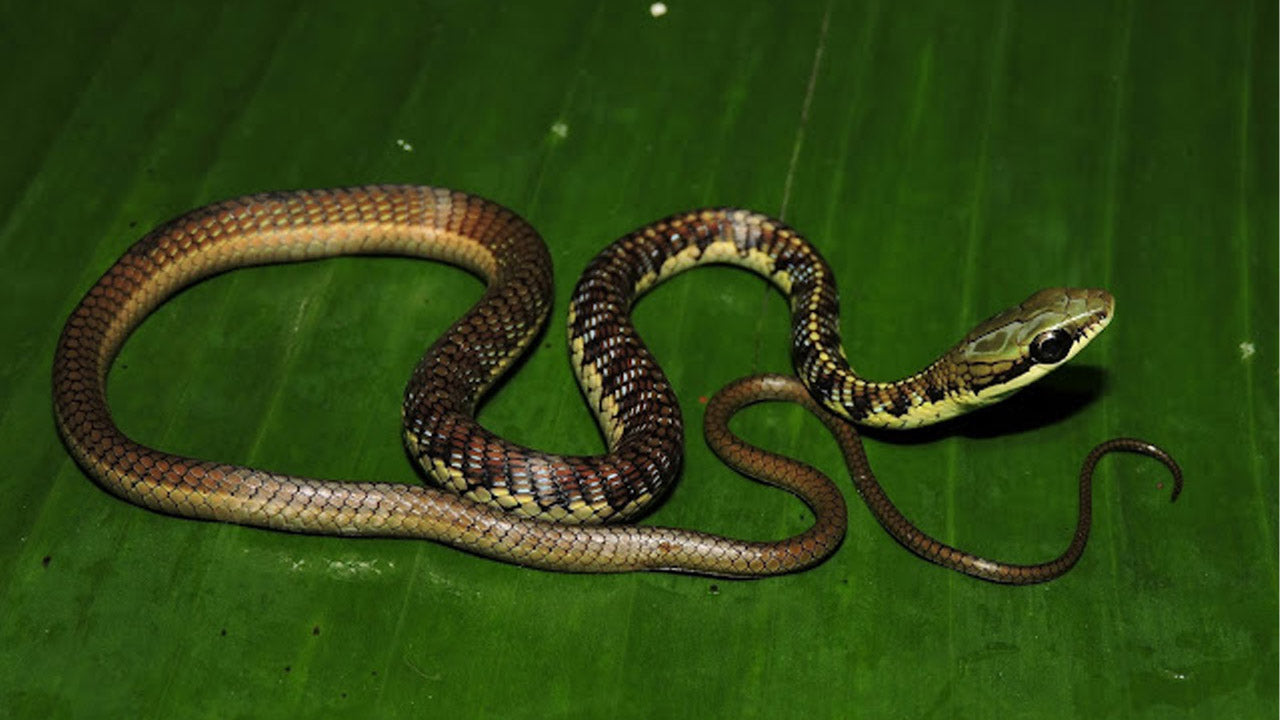 Schokar's Bronzeback
Schokar's bronzeback
-
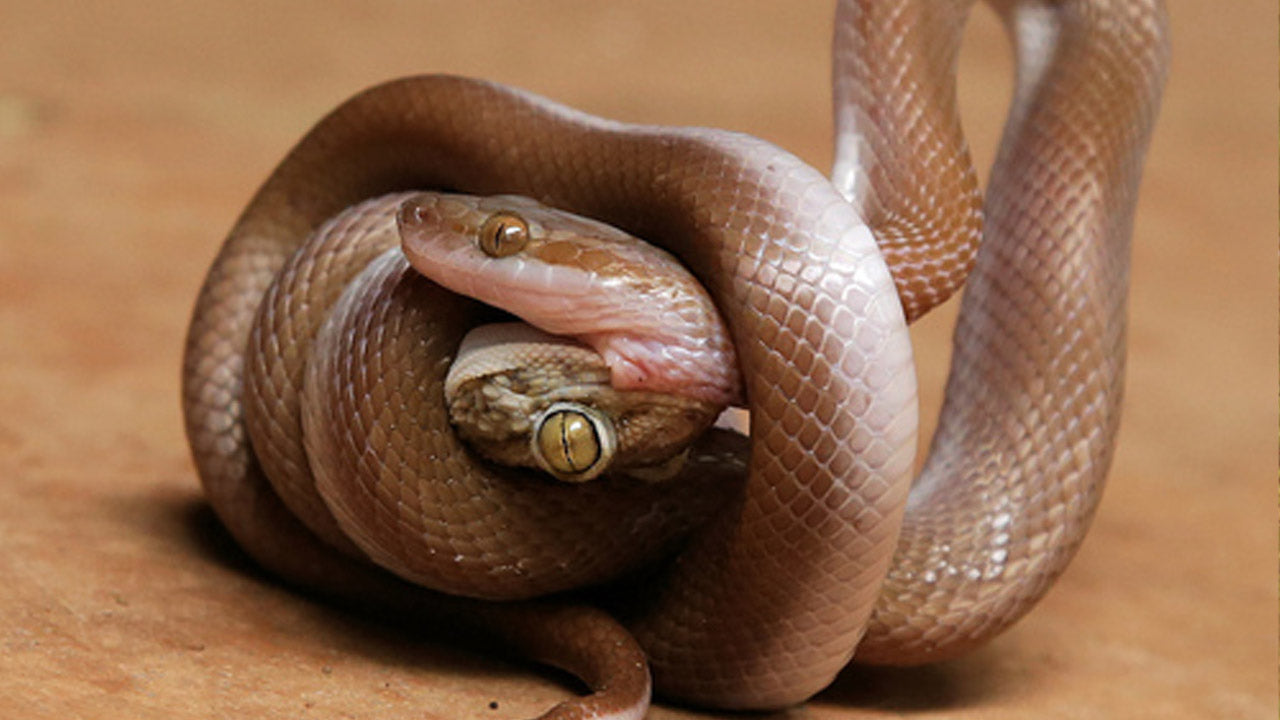 Jan's Worm Snake
Typhlops mirus
-
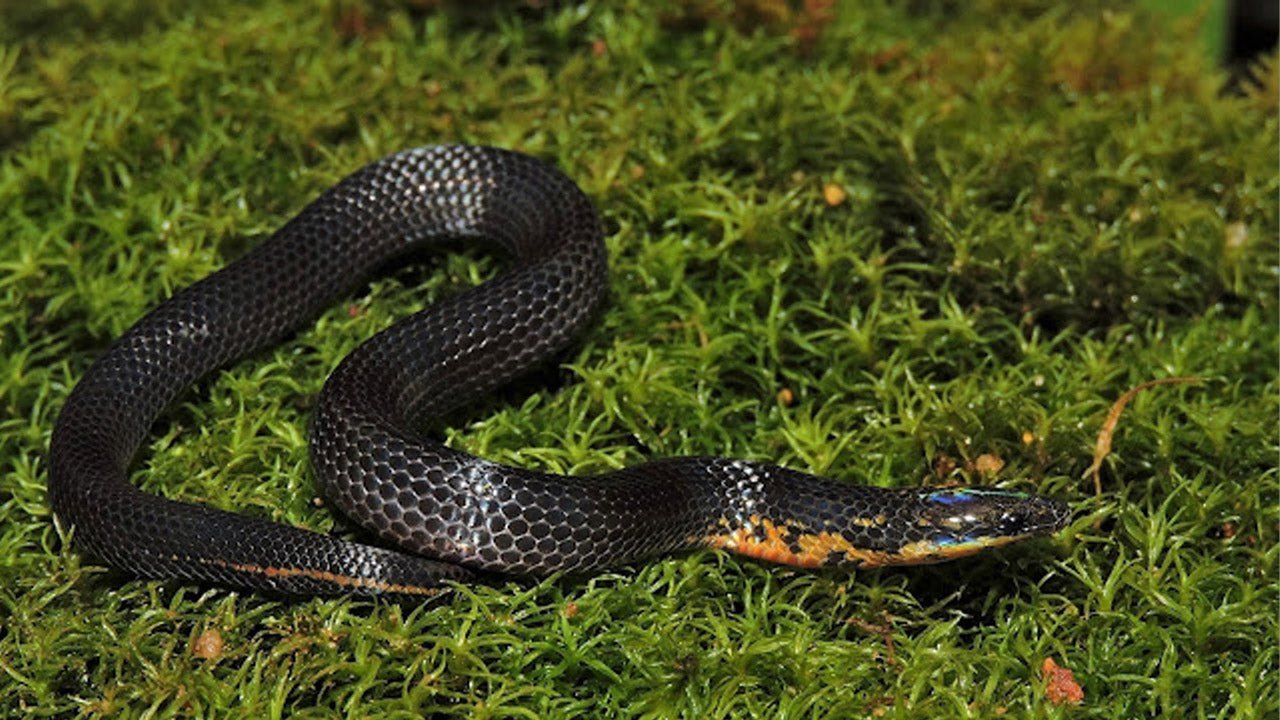 Ravana's Rough-sided Snake
Aspidura ravanai
-
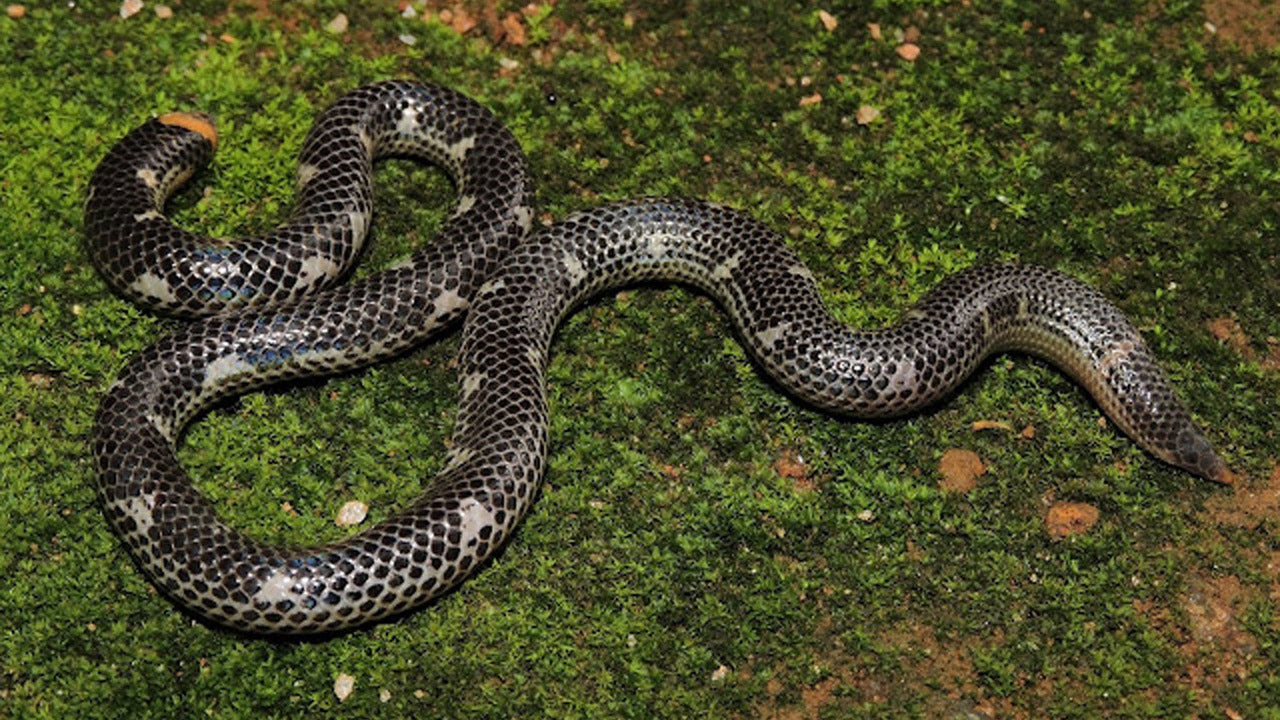 Hemprich's Shieldtail
Uropeltis hemprichii.
-
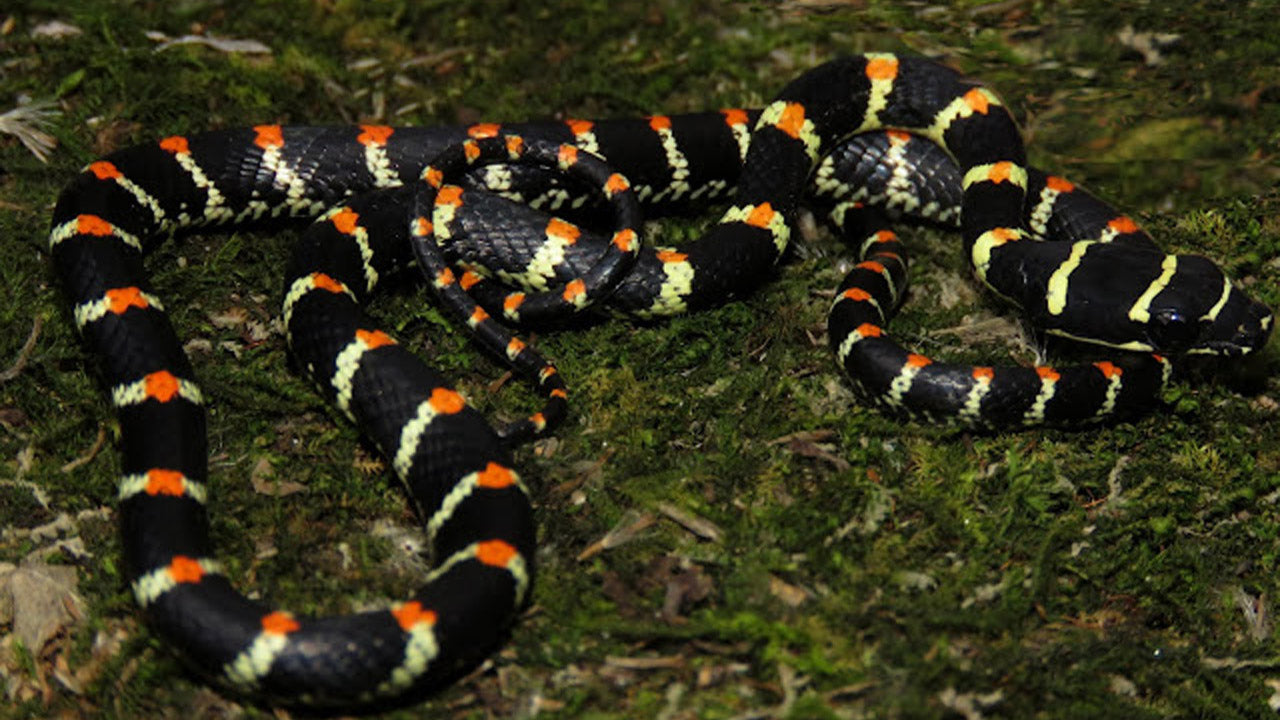 Ornate Flying Snake
Chrysopelea ornata
-
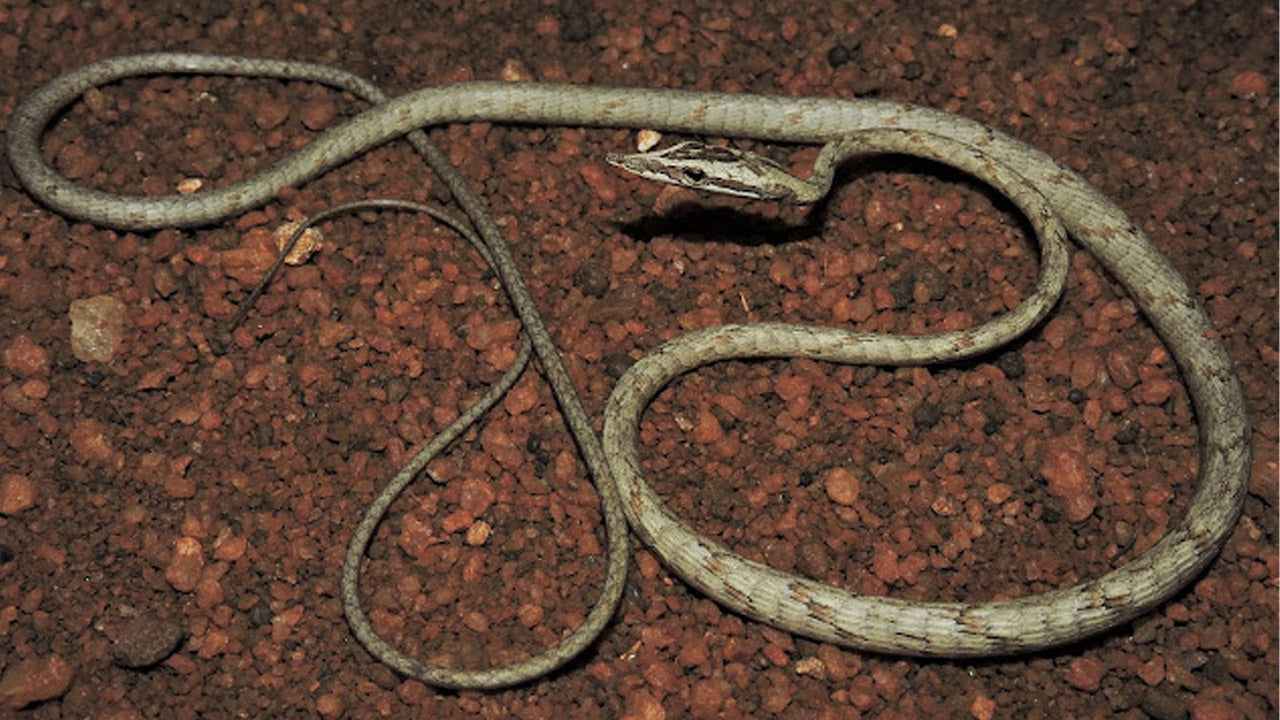 Brown Vine Snake
Ahaetulla pulverulenta
-
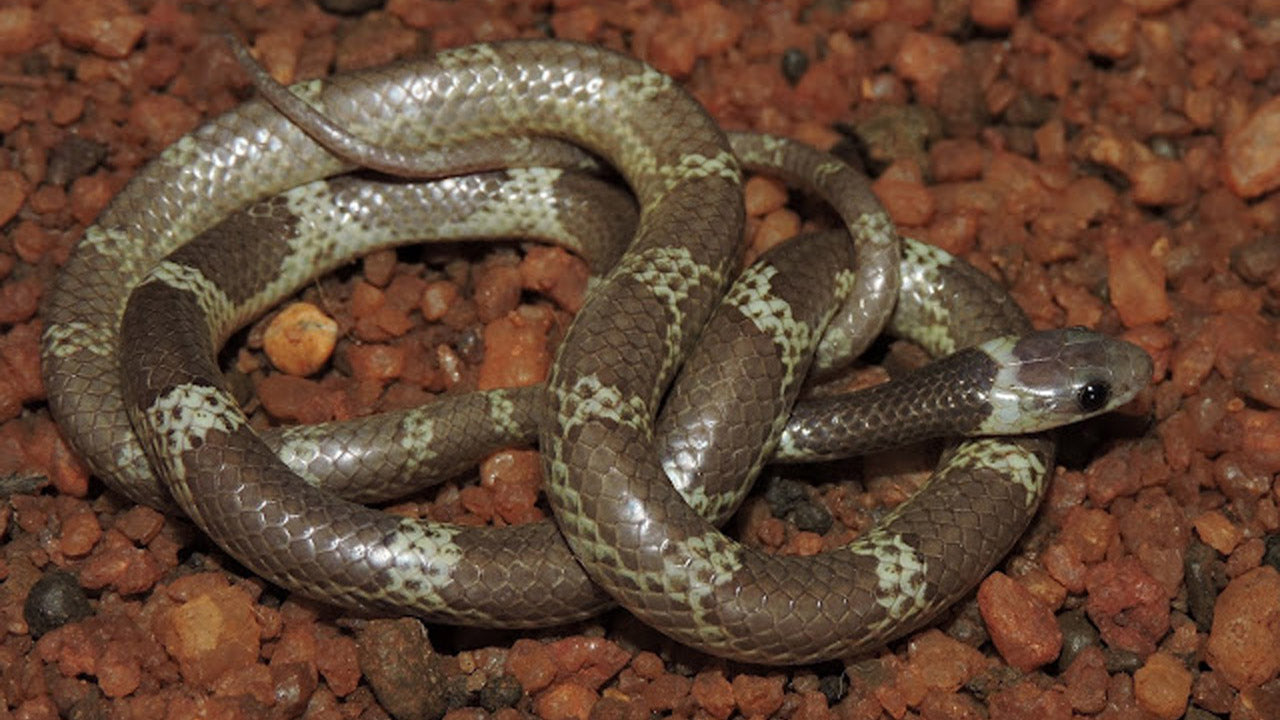 Common Bridal Snake
colubrid snake
-
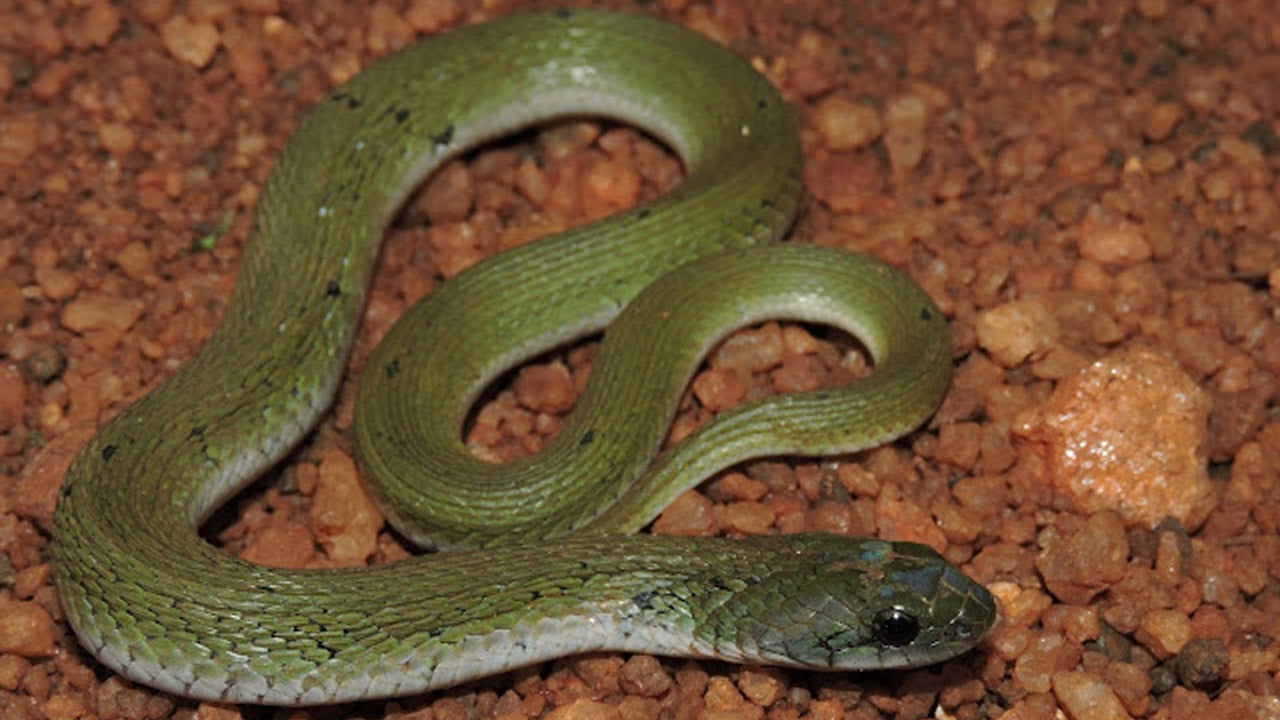 Green Keelback
Rhabdophis plumbicolor