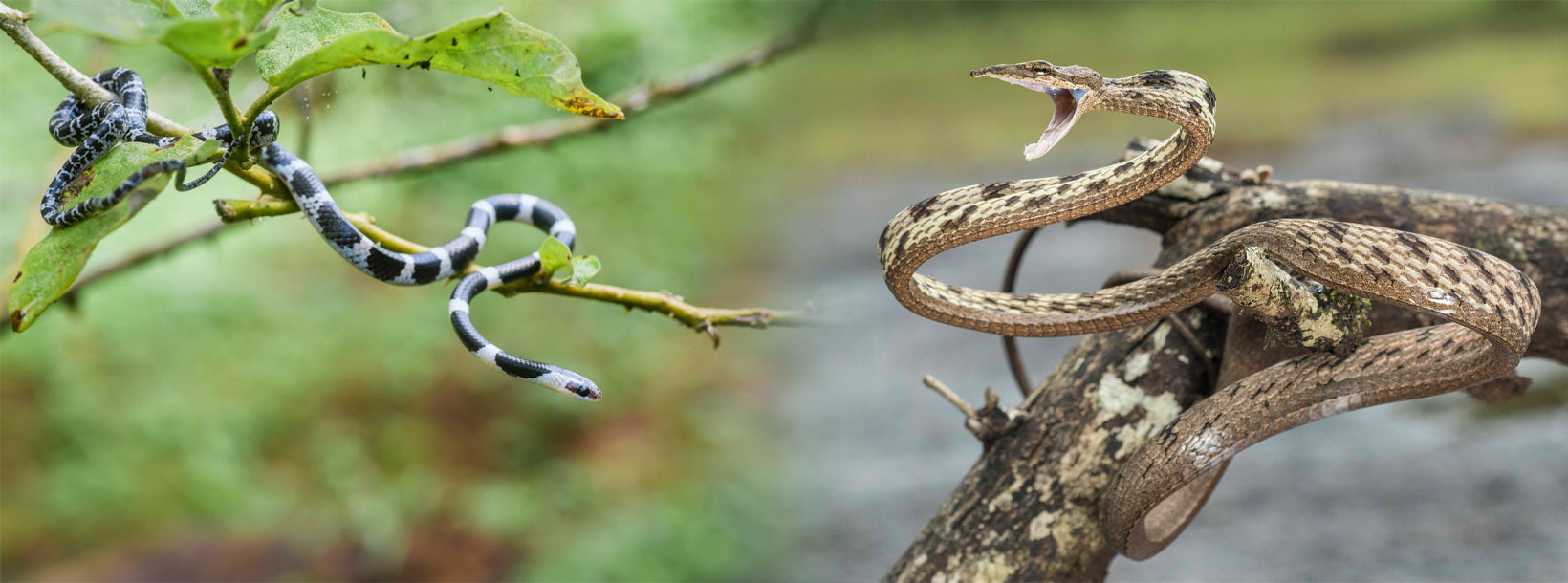
Phillip's Earth Snake


Scientific Name: Aparallactus phillipsi
Family: Aparallactidae
Common Name(s): Phillip's Earth Snake
Overview:
Phillip's Earth Snake (Aparallactus phillipsi) is a species of small, non-venomous, burrowing snake that is native to Sri Lanka. Named after the British herpetologist George Philip, who first described the species, this snake is part of the Aparallactidae family, known for its fossorial (burrowing) species. These snakes are secretive and rarely seen due to their underground lifestyle. Phillip's Earth Snake is endemic to Sri Lanka, where it inhabits the island’s moist, forested environments, particularly in the lowland and foothill regions.
Physical Description:
- Size: Phillip's Earth Snake is a relatively small species, with adults typically measuring around 30 cm to 50 cm (12 to 20 inches) in length.
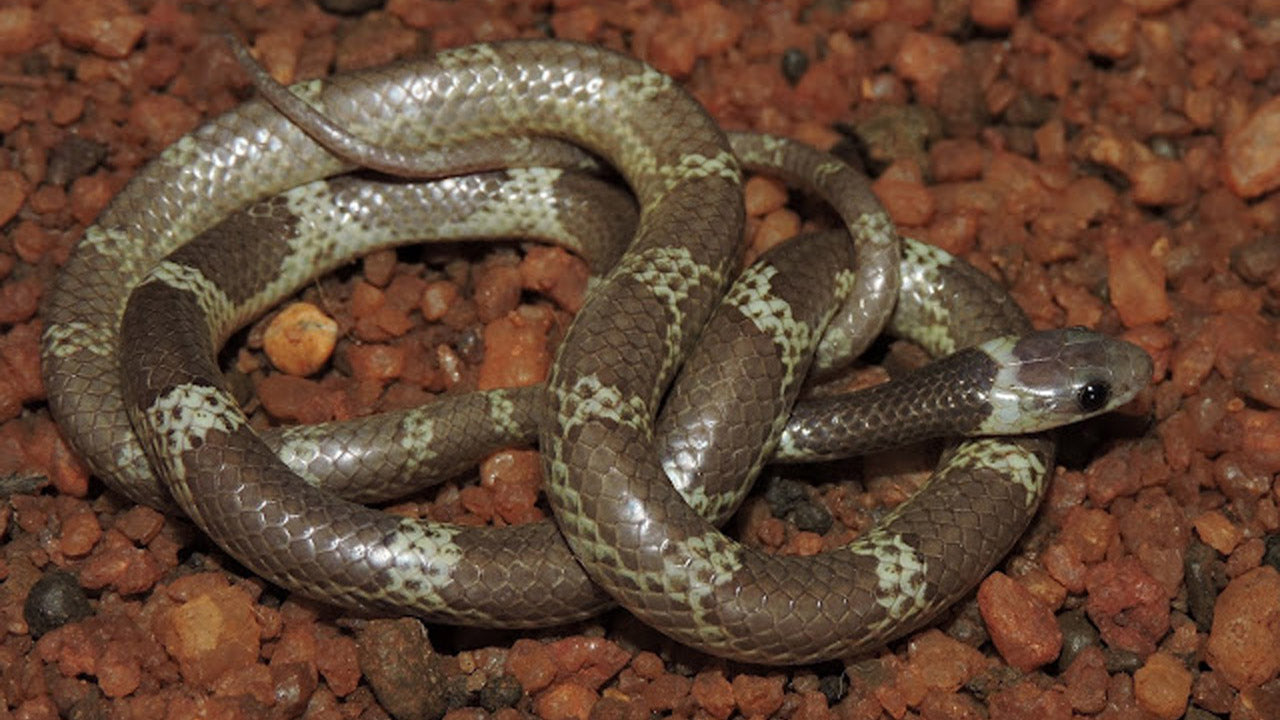
- Coloration: The snake's body is generally pale to light brown, with some individuals displaying subtle reddish or orange hues. Its underside is typically lighter in color, often cream or white. The coloration of the snake helps it blend into the soil and leaf litter in its underground habitat.
- Body: As a burrowing species, Phillip's Earth Snake has a cylindrical, smooth body that aids in moving through soil. The body is relatively slender, and the snake’s shape is well-suited for its fossorial lifestyle.
- Head: The head of Phillip's Earth Snake is small and somewhat flattened, blending seamlessly into the rest of the body. Its eyes are very small, a common feature among burrowing snakes, which reflects its reliance on other senses, like touch and smell, rather than vision.
Habitat and Distribution:
- Geographical Range: Phillip's Earth Snake is found exclusively in Sri Lanka. Its range is mainly limited to the island’s lowland and foothill forests, particularly in the central and southwestern parts of the country.
- Habitat: The species thrives in moist, tropical rainforests and forested areas with rich, loamy soil. It is typically found beneath leaf litter, in rotting wood, or in loose soil where it can burrow. It prefers areas with high humidity and dense vegetation, which provides both food sources and shelter from predators.
Behavior and Diet:
- Fossorial Lifestyle: Phillip's Earth Snake is primarily fossorial, meaning it spends most of its life underground. It uses its small, slender body and smooth scales to move through soil, leaf litter, or rotting wood in search of food and shelter. Due to its secretive nature, it is rarely seen by humans or other animals.
- Diet: This snake feeds primarily on small invertebrates, such as insects, earthworms, and other arthropods. It may also consume small amphibians or reptiles that it encounters while burrowing. Phillip's Earth Snake hunts by using its sense of smell and vibrations to detect prey in the soil.
- Behavior: As a secretive and burrowing species, Phillip's Earth Snake is no
-
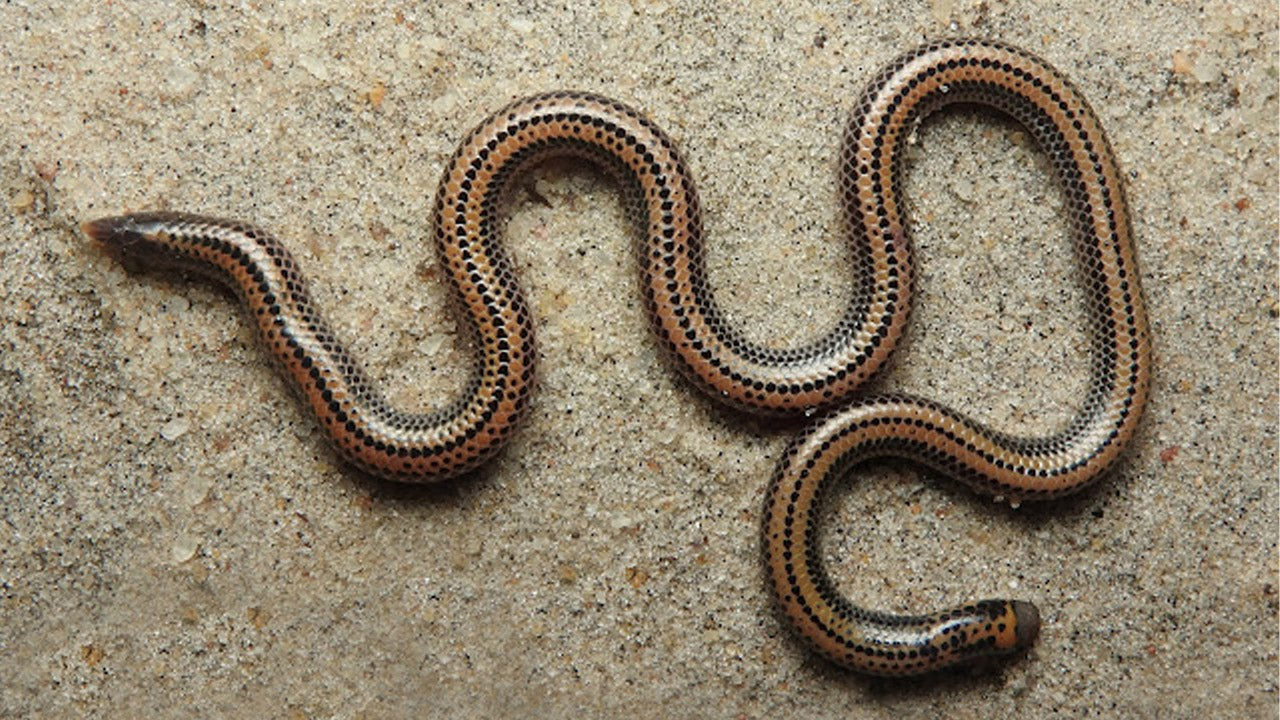 Muller's Shieldtail
Uropeltis mülleri
-
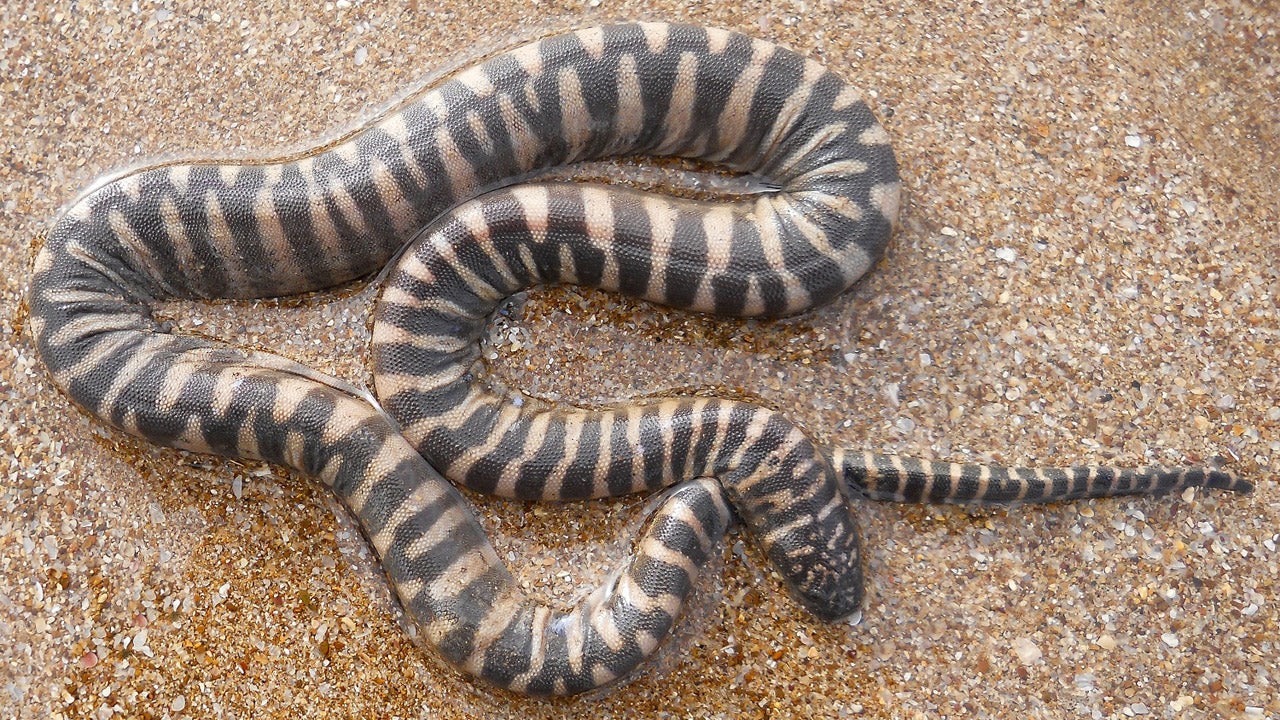 Wart Snake
Acrochordus
-
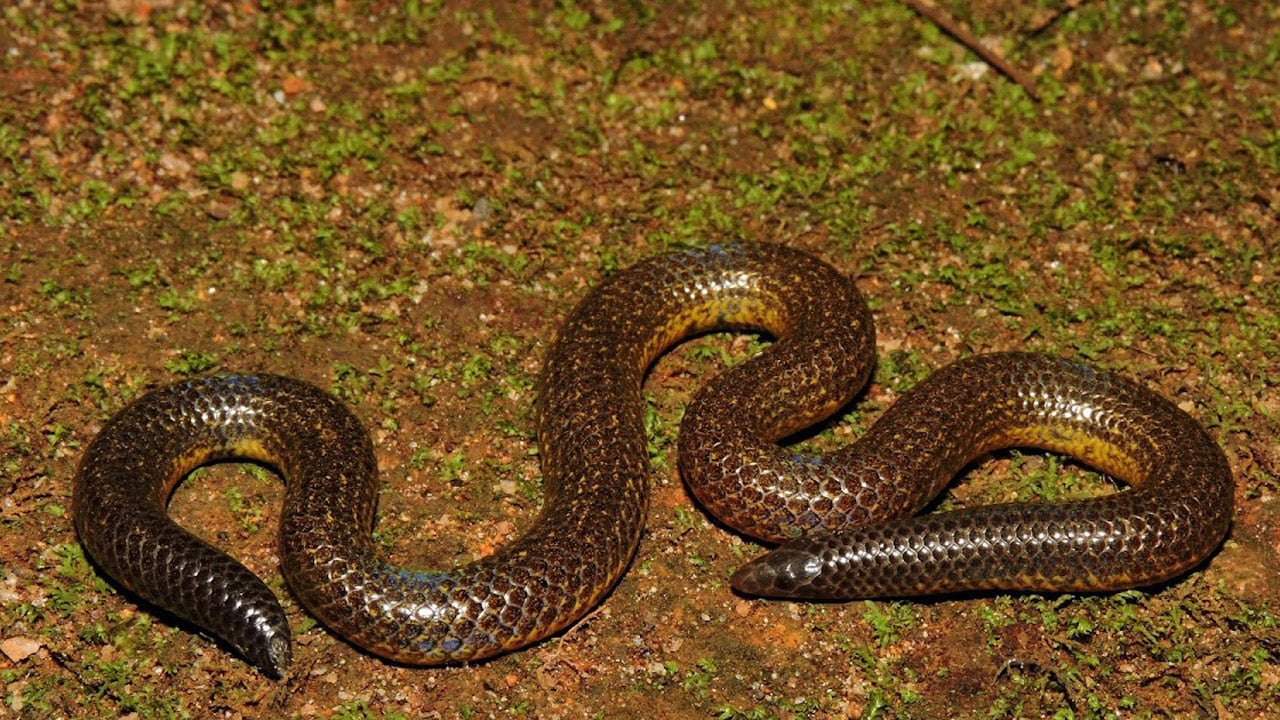 Drummond-Hay's Shieldtail
Rhinophis drummondhayi
-
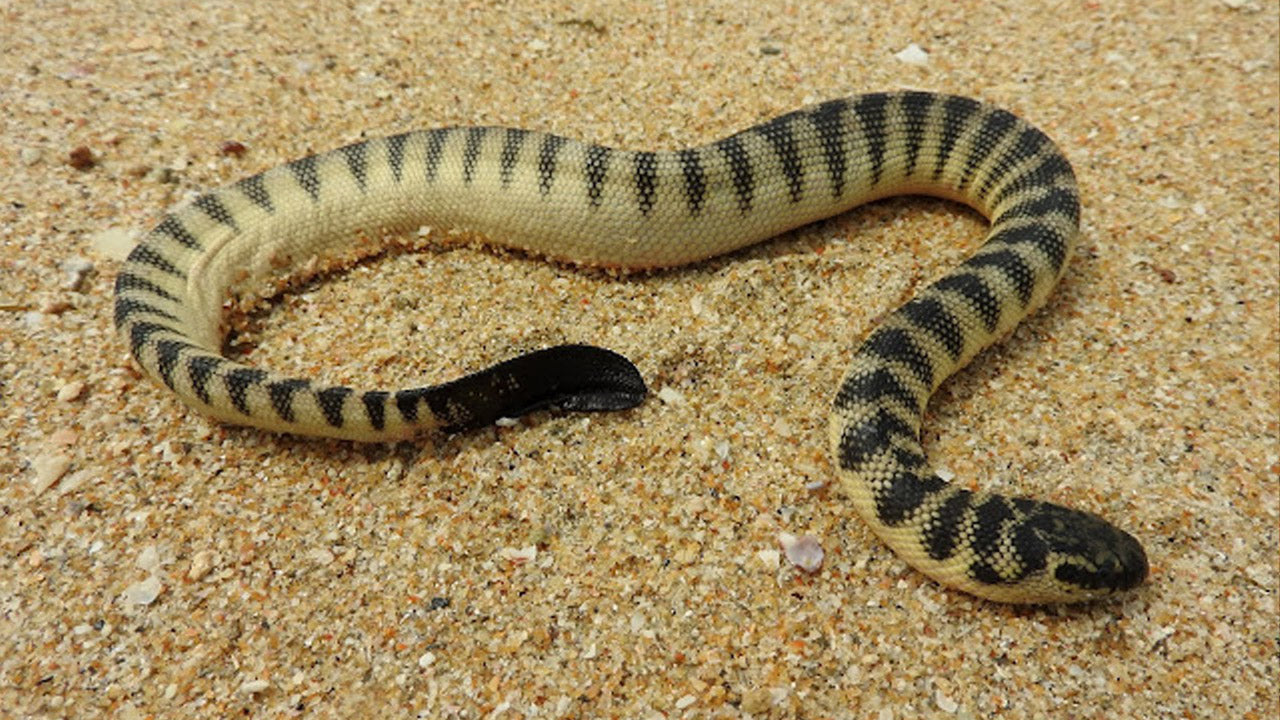 Shaw's Sea Snake
Hydrophis curtus
-
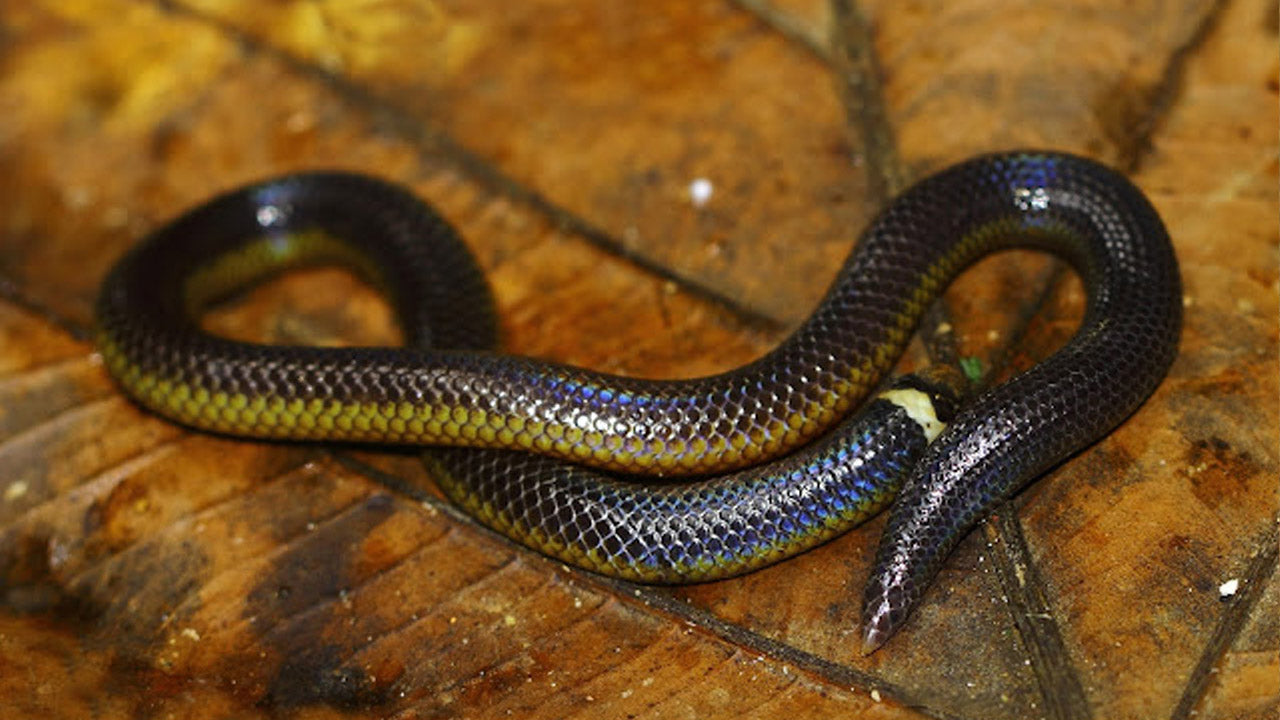 Deraniyagala's Shieldtail
Rhinophis tricoloratus
-
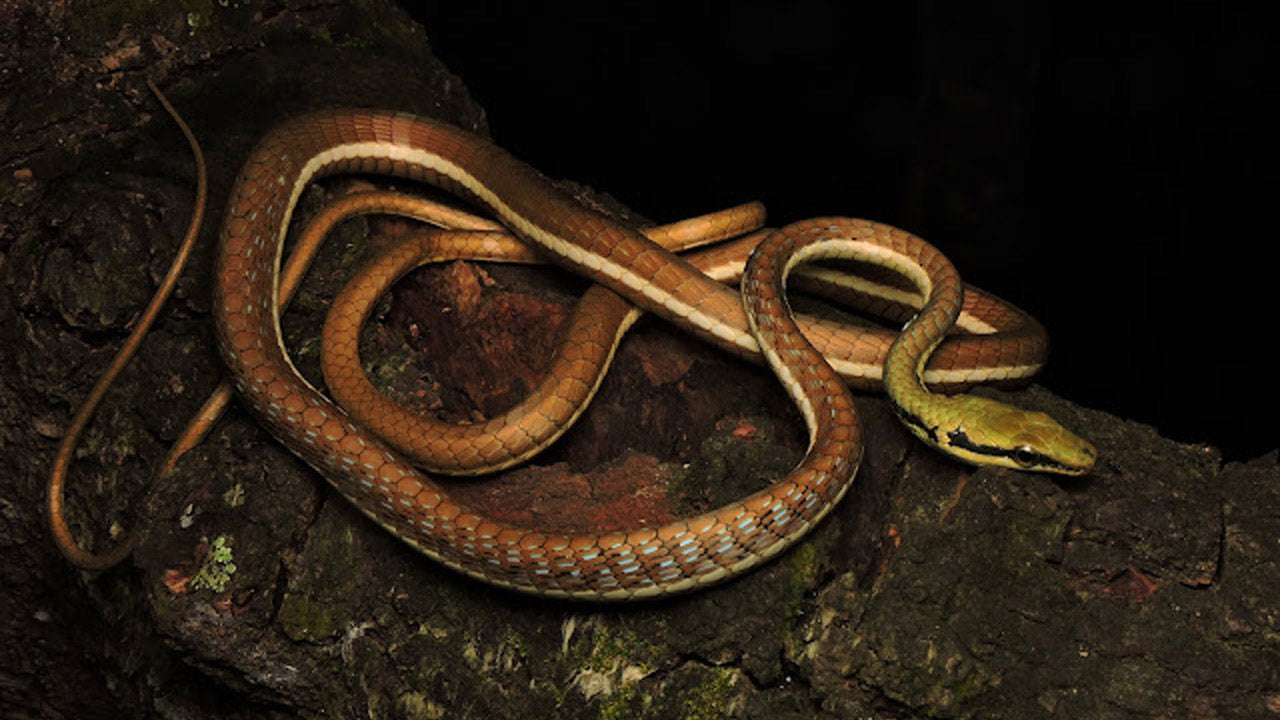 Wickramasinghe's Bronzeback
Dendrelaphis wickrorum
-
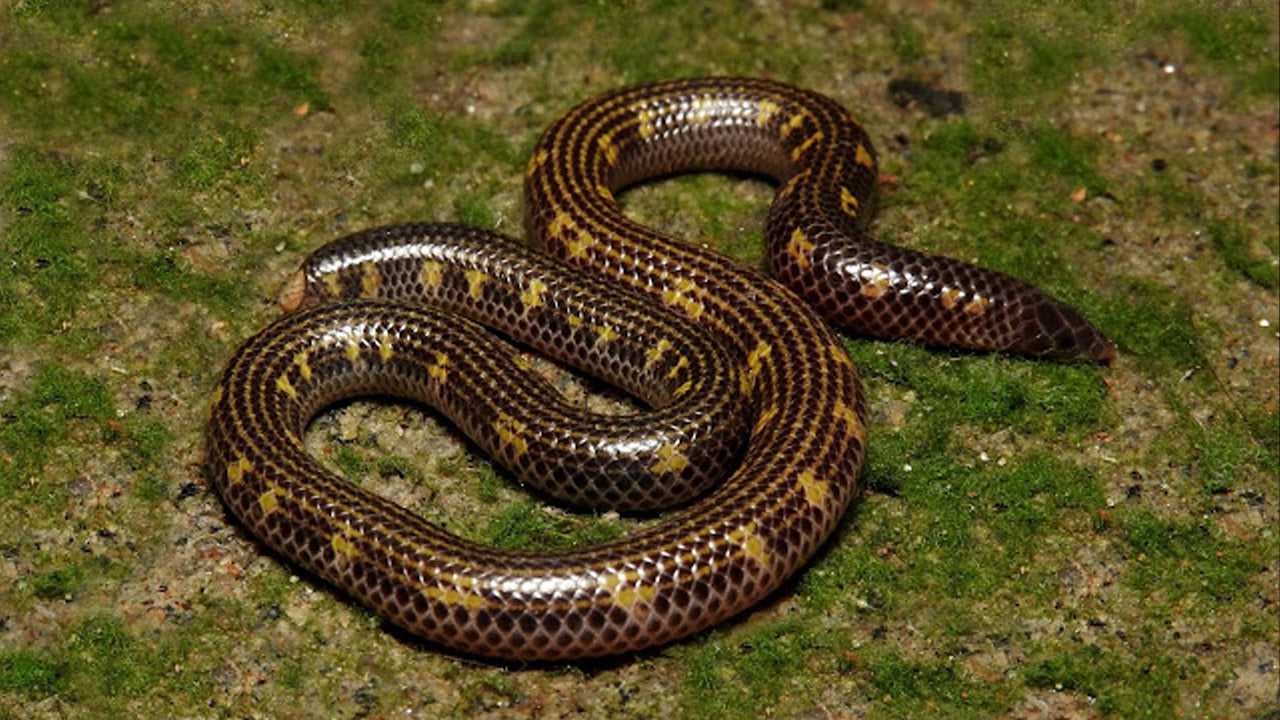 Phillip's Earth Snake
Rhinophis phillipsi
-
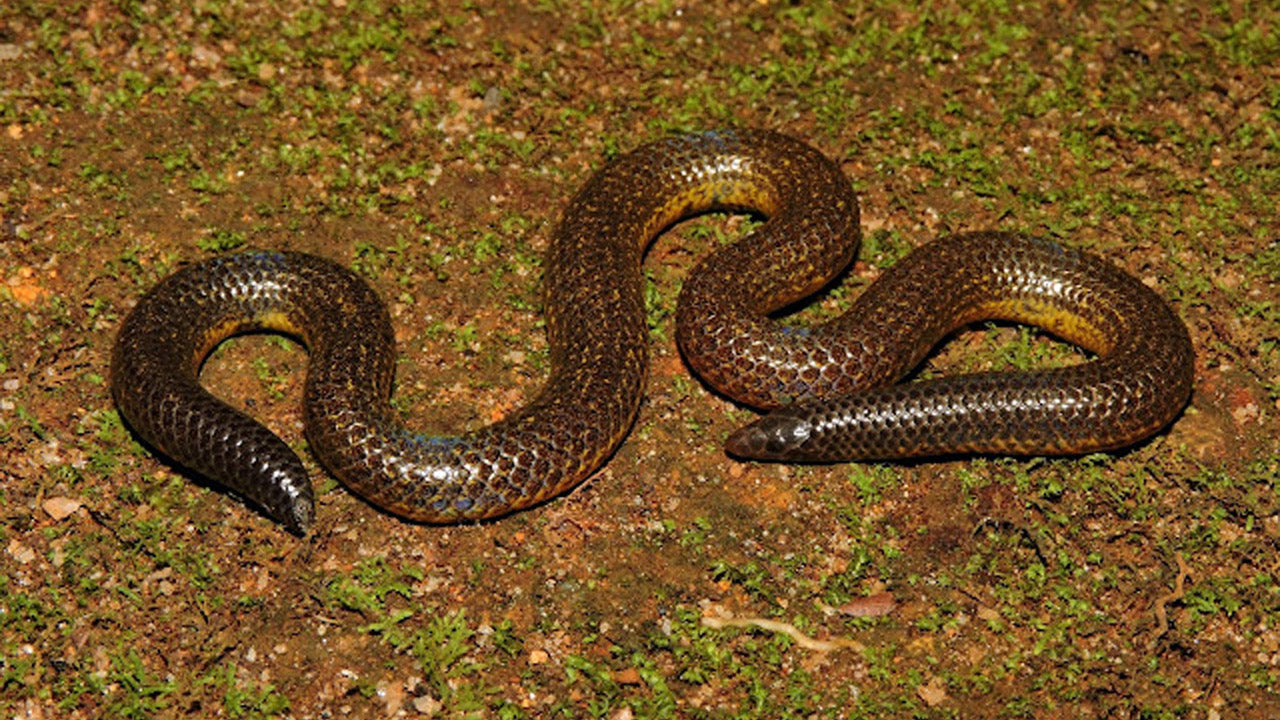 Gray's Earth Snake
Aparallactus grayi
-
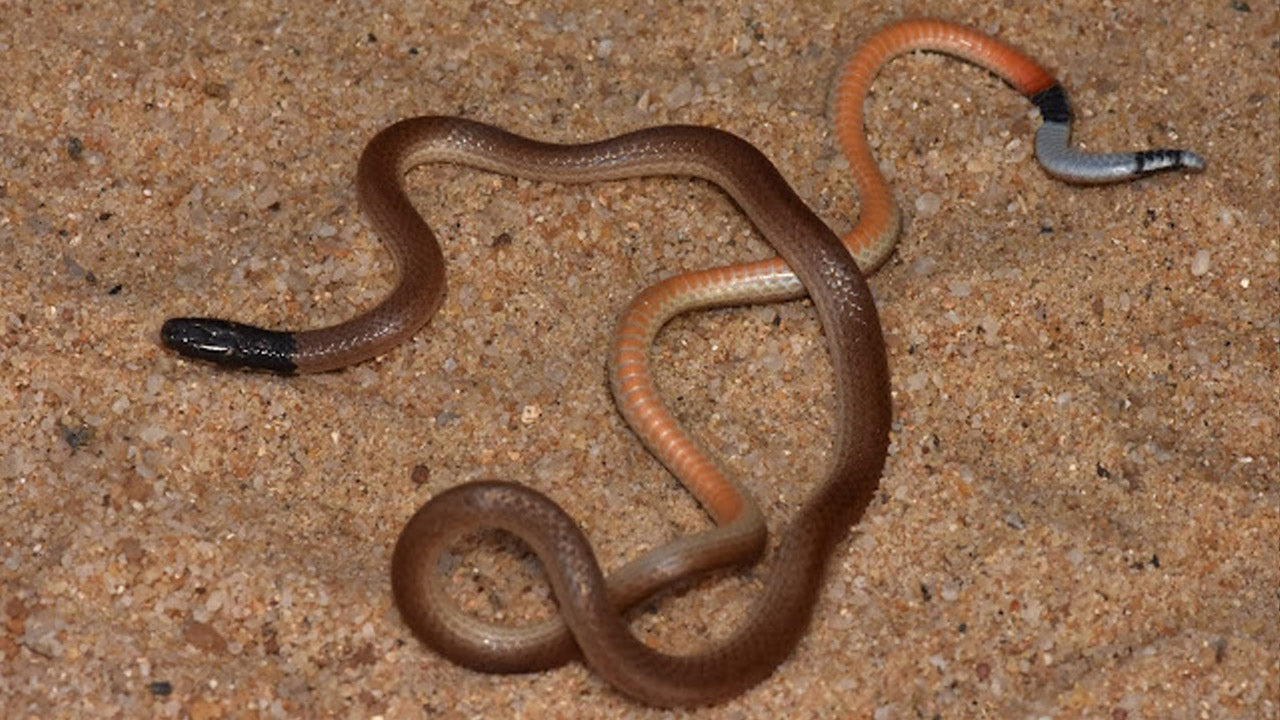 Slender Coral Snake
Calliophis Melanurus
-
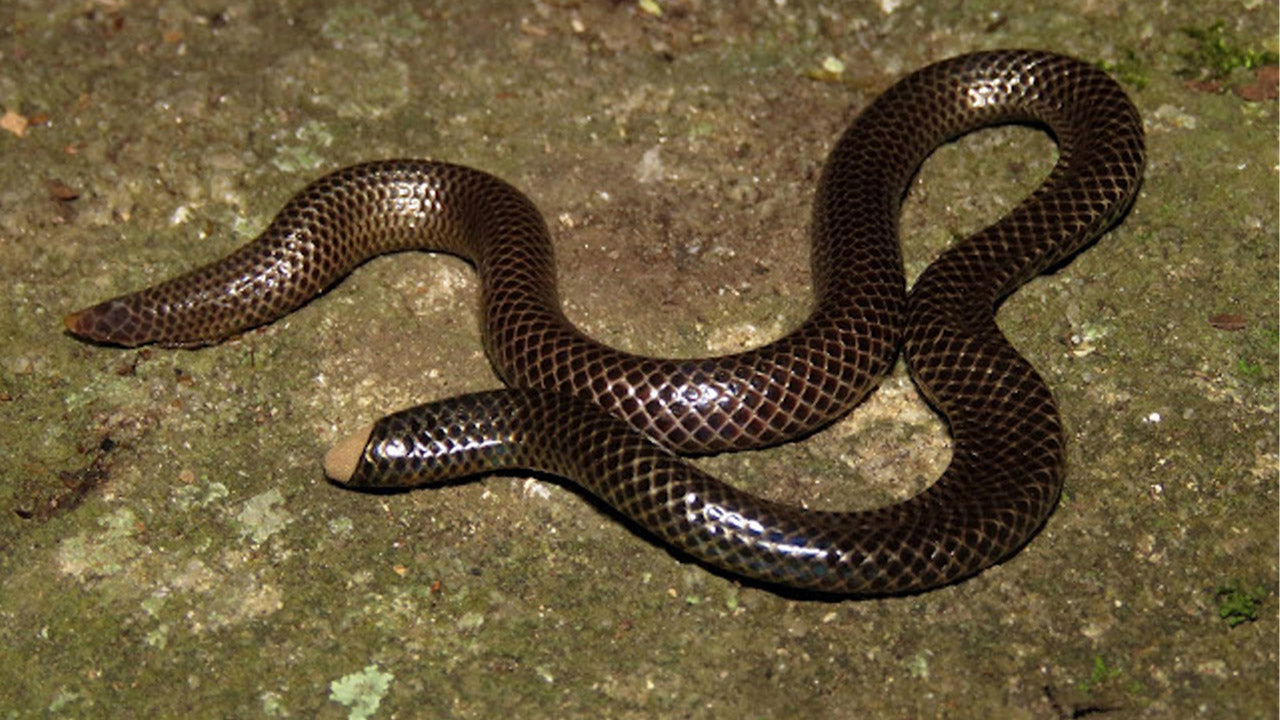 Cuvier's Shieldtail
Uropeltis ceylanica
-
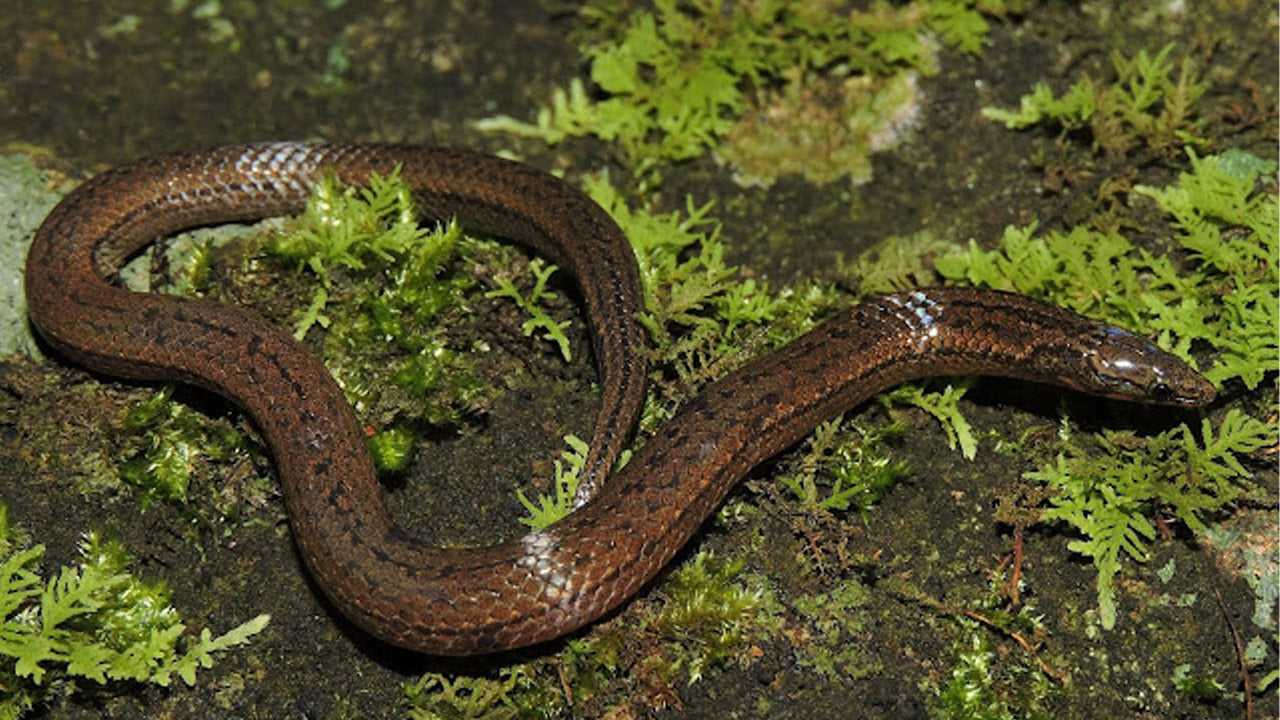 de Silva's Rough-sided Snake
Aspidura desilvai
-
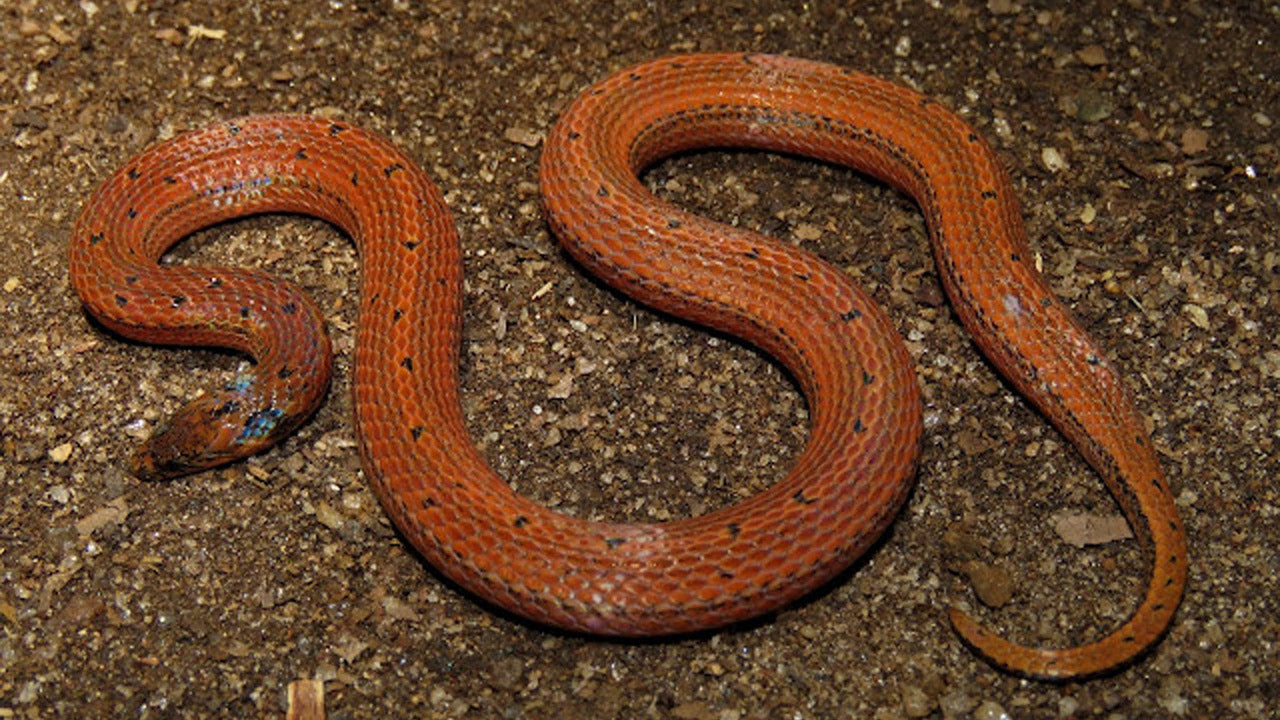 Boie's Rough-Sided Snake
Aspidura brachyorrhos
-
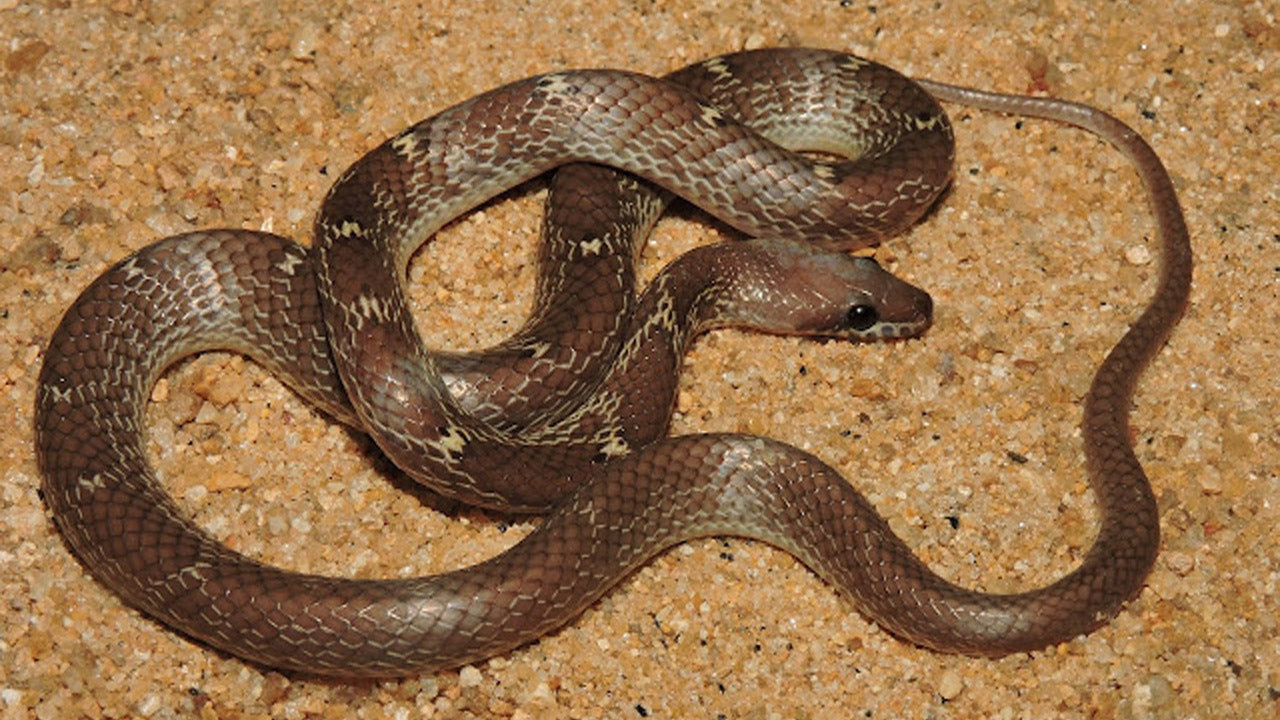 Flowery Wolf Snake
Lycodon anamallensis
-
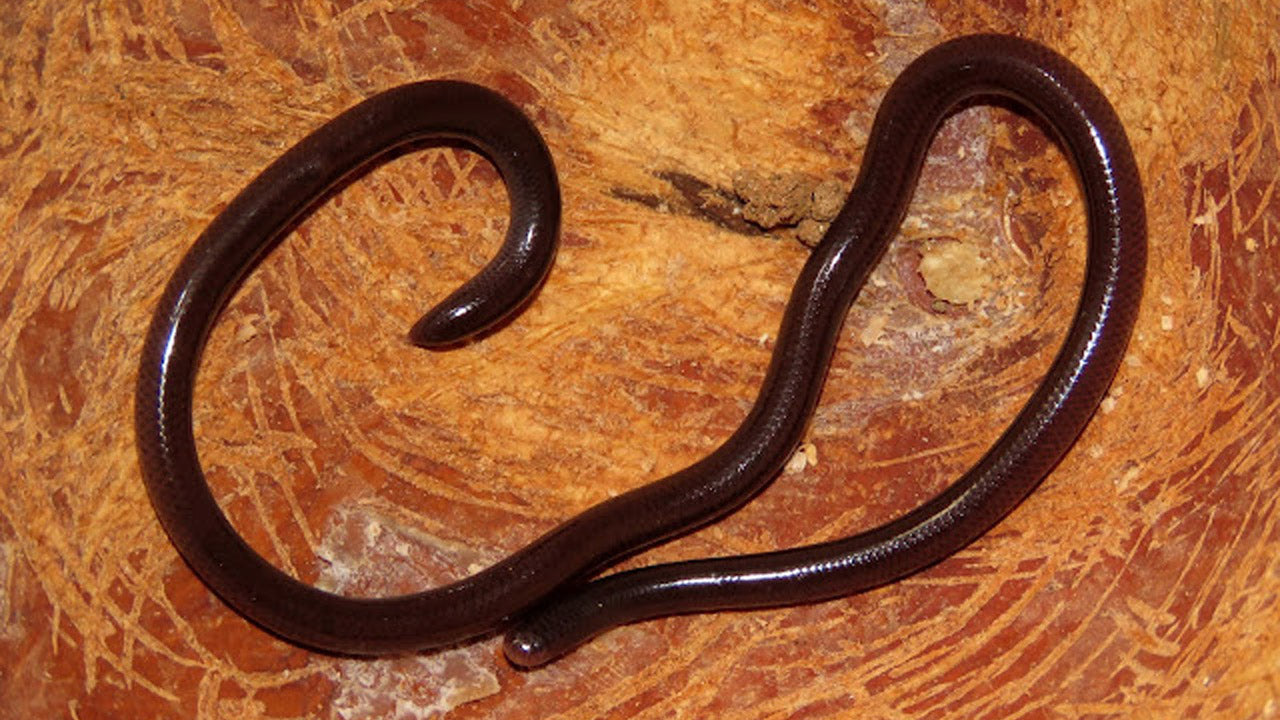 Brahminy Blind Snake
Indotyphlops braminus
-
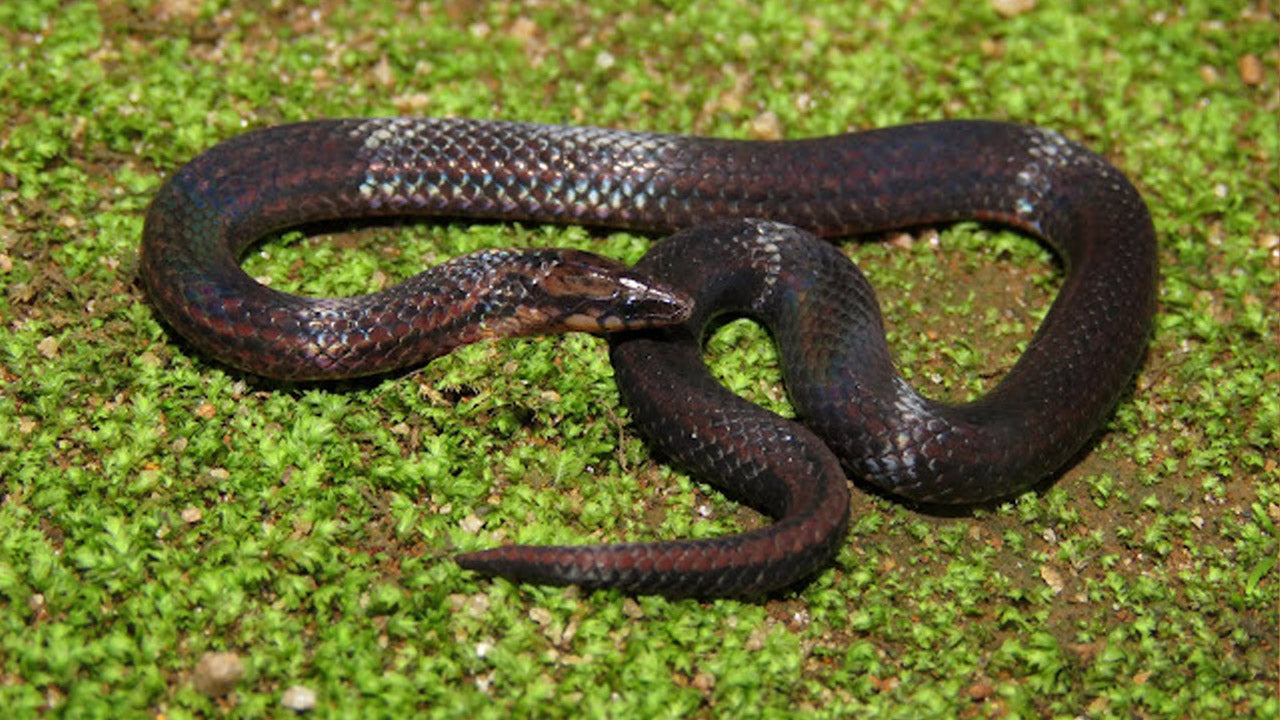 Common Rough-sided Snake
Aspidura trachyprocta
-
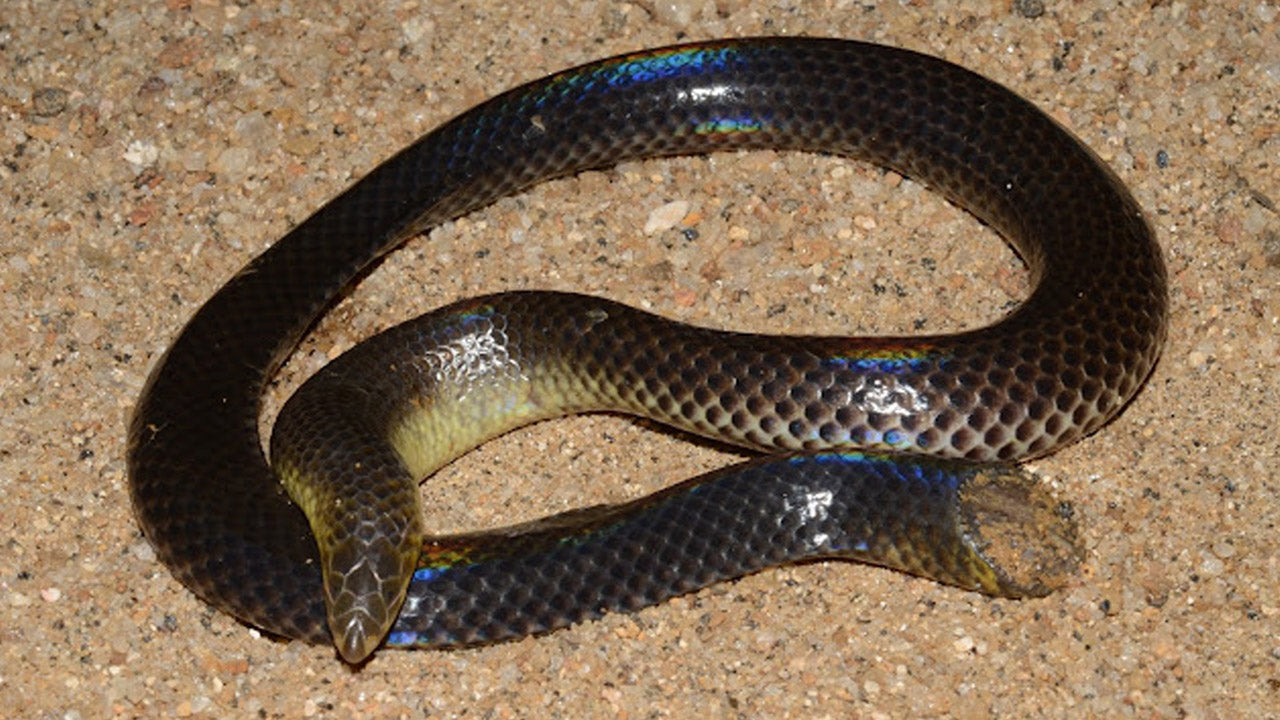 Large Shieldtail
Rhinophis saffragamus
-
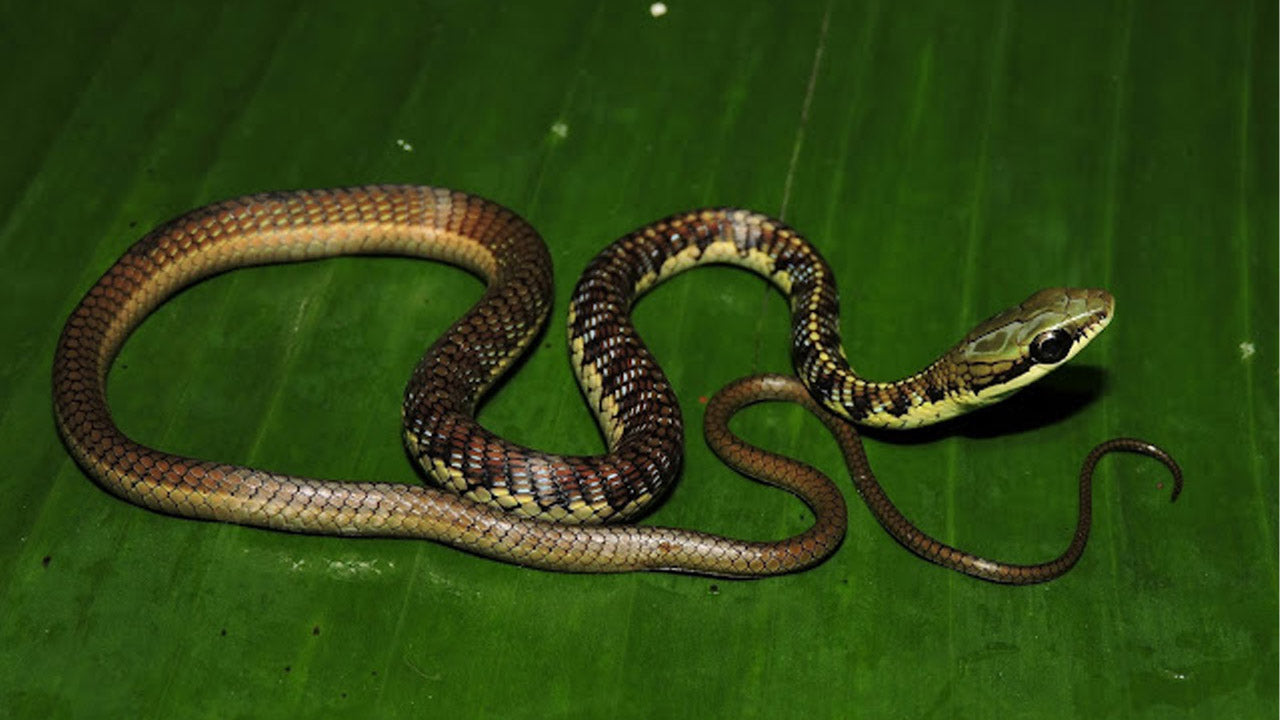 Schokar's Bronzeback
Schokar's bronzeback
-
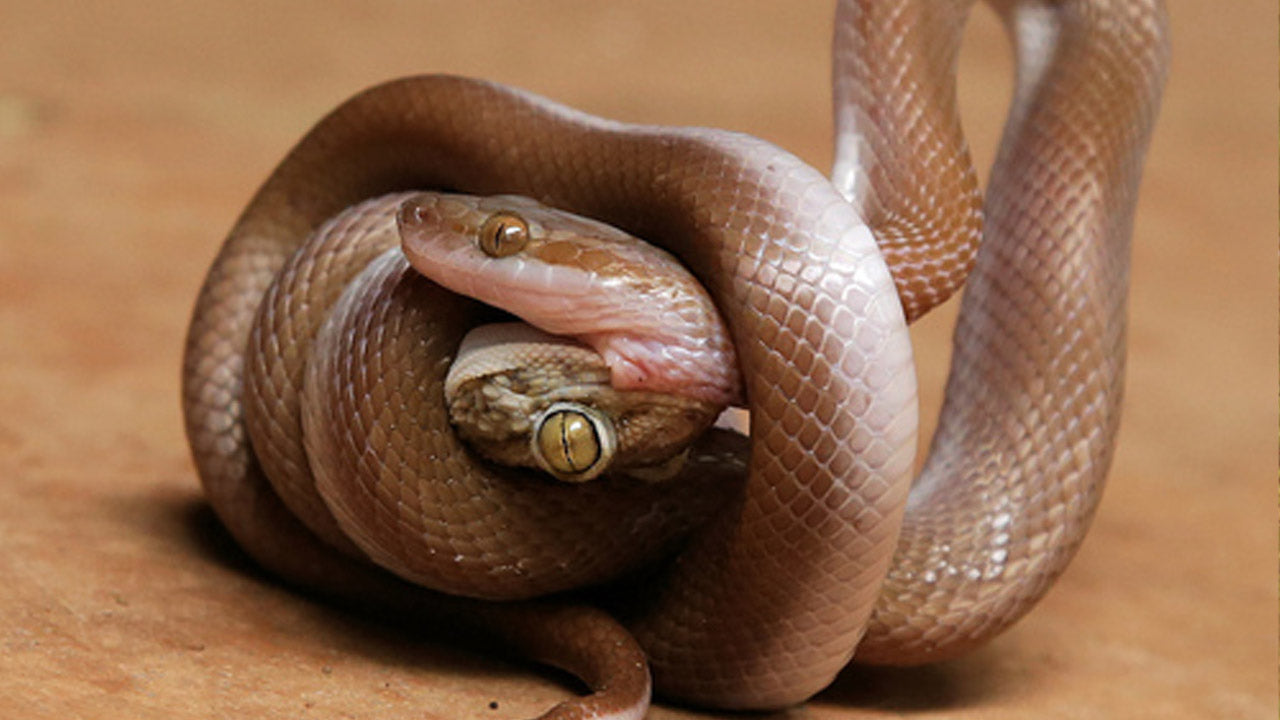 Jan's Worm Snake
Typhlops mirus
-
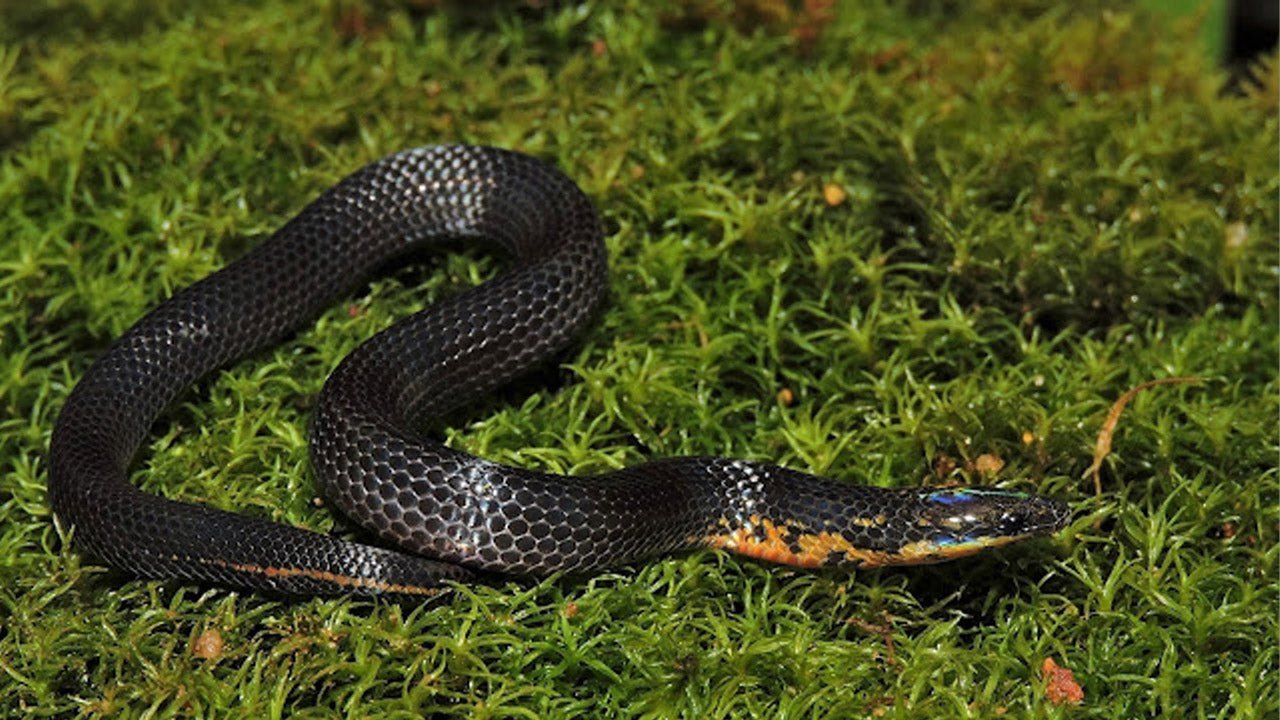 Ravana's Rough-sided Snake
Aspidura ravanai
-
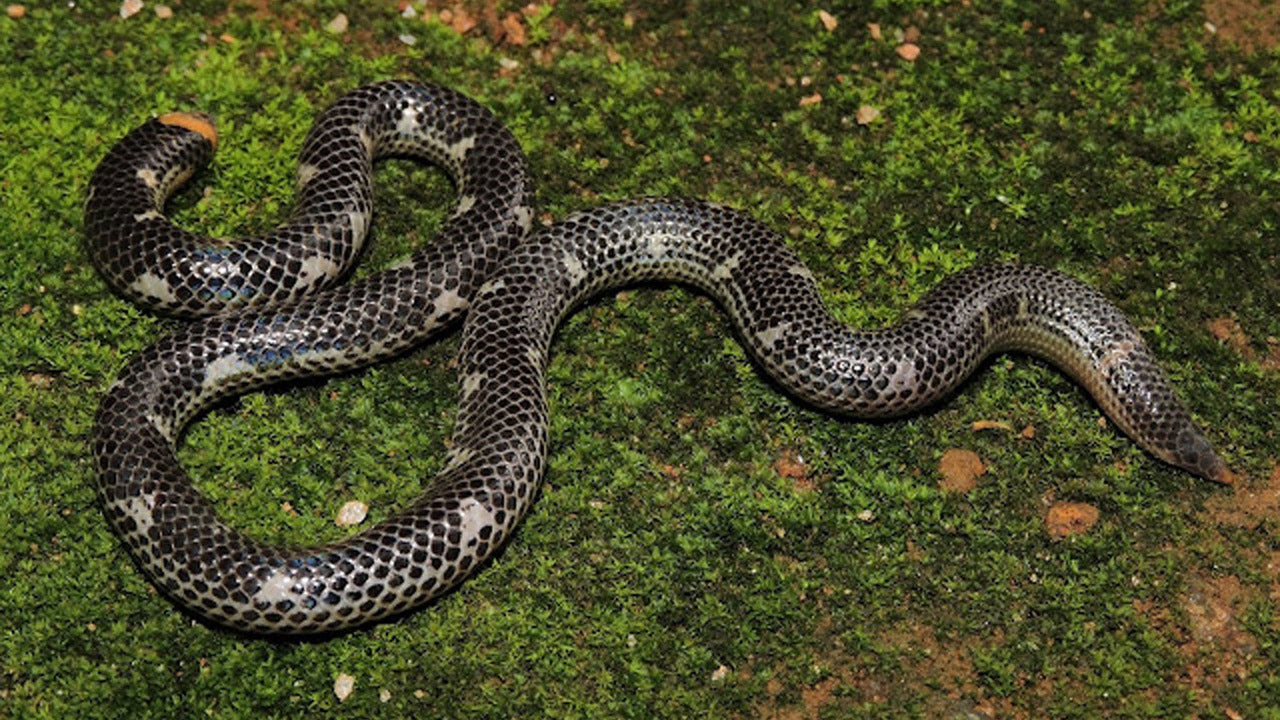 Hemprich's Shieldtail
Uropeltis hemprichii.
-
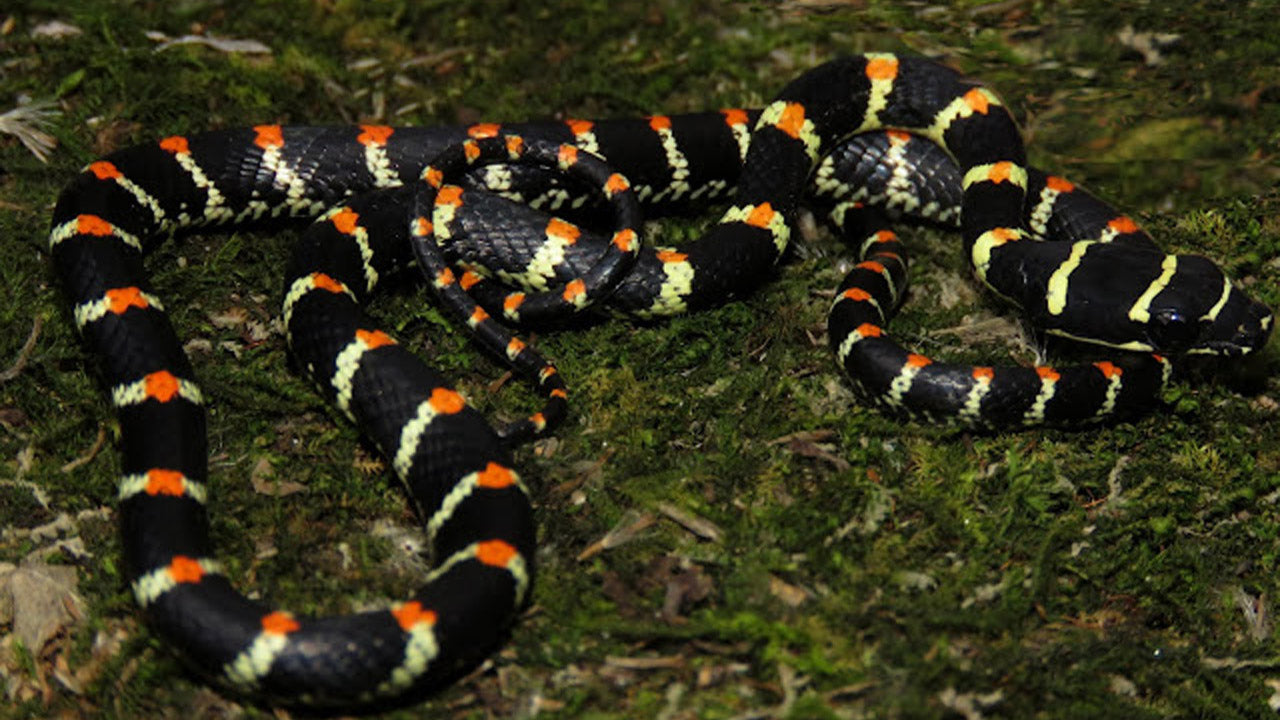 Ornate Flying Snake
Chrysopelea ornata
-
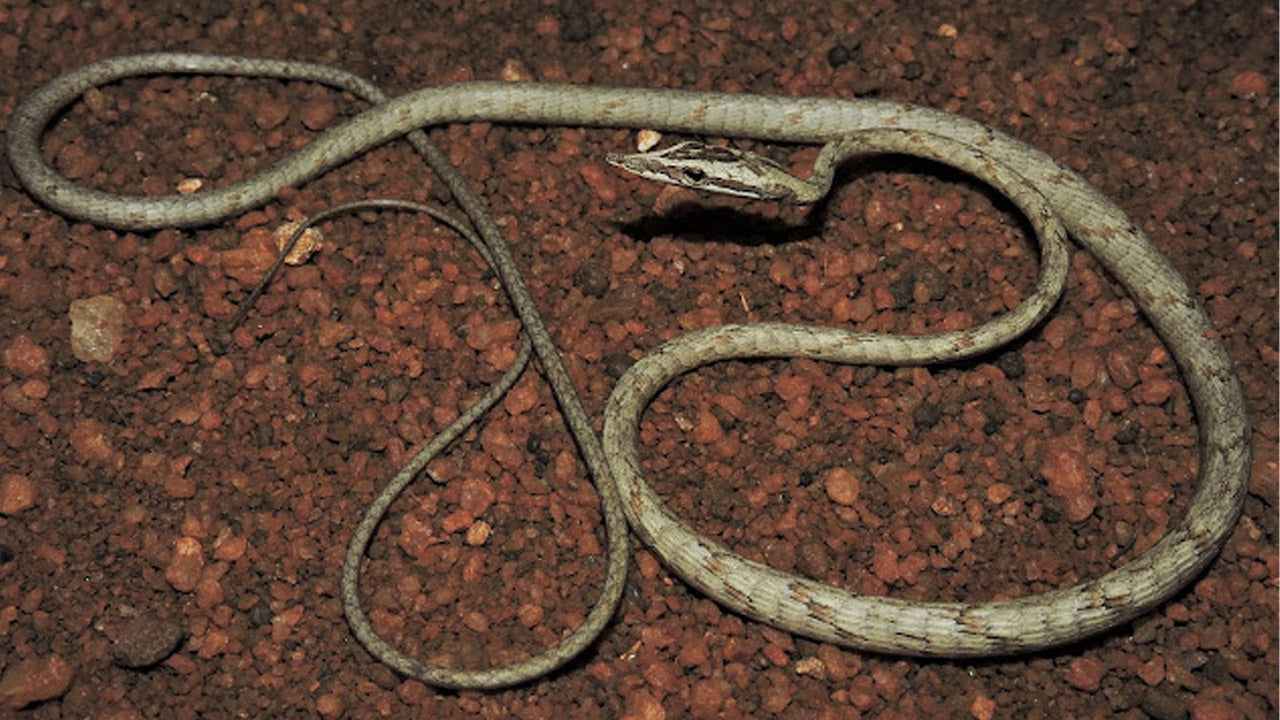 Brown Vine Snake
Ahaetulla pulverulenta
-
 Common Bridal Snake
colubrid snake
-
 Green Keelback
Rhabdophis plumbicolor