Polonnaruwa City
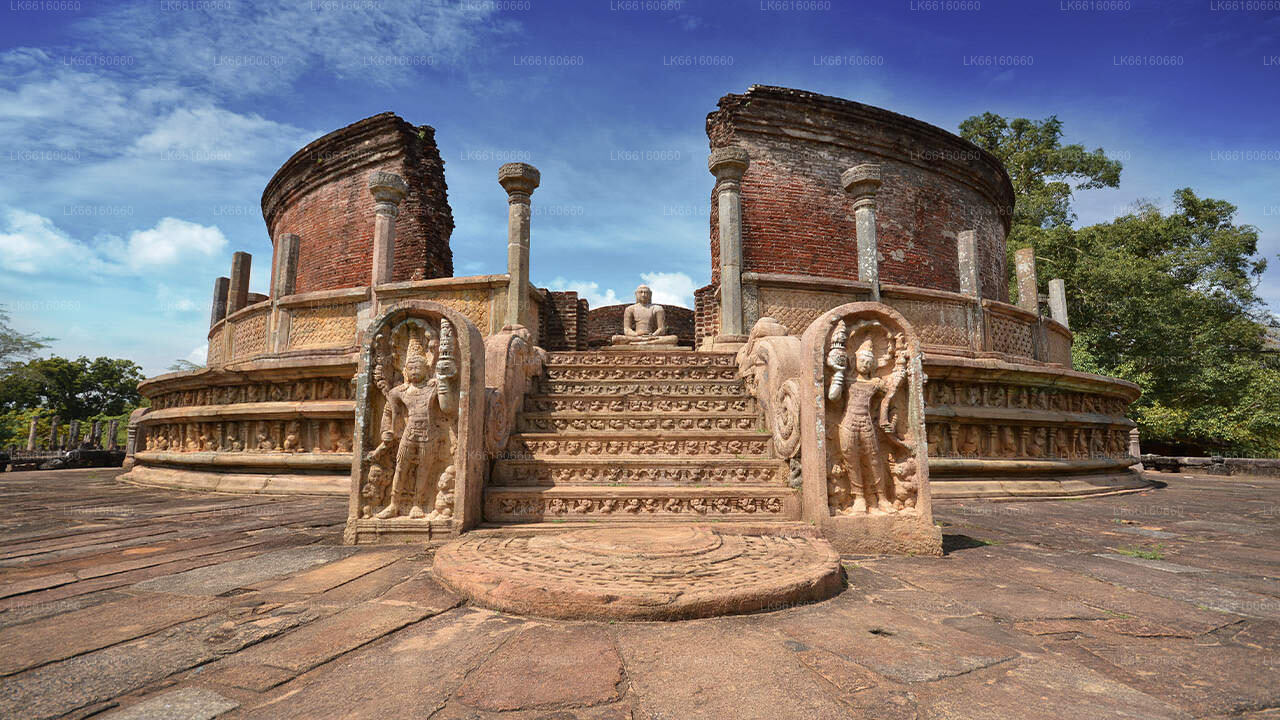
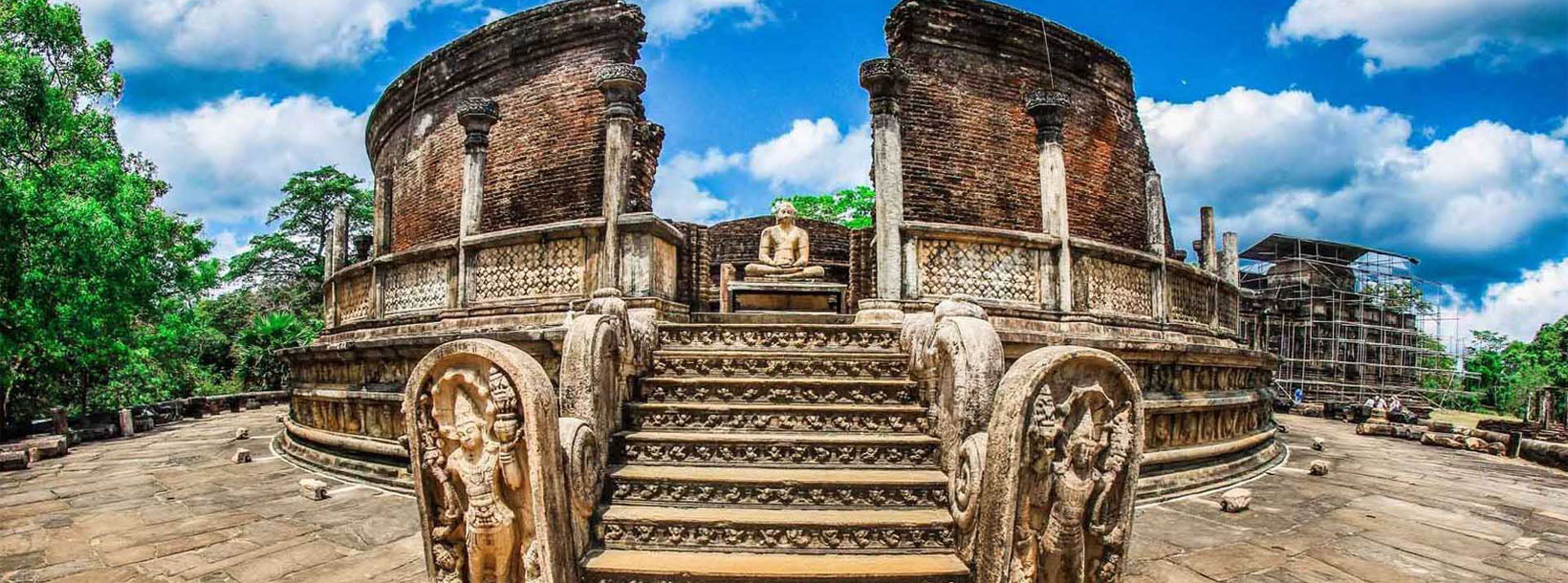
Polonnaruwa, a UNESCO World Heritage Site in Sri Lanka, was the country's medieval capital (11th-13th century). Renowned for its well-preserved ruins, including the iconic Gal Vihara statues, it showcases impressive architecture, reflecting the grandeur of the ancient Sinhalese civilization.
Dimbulagala
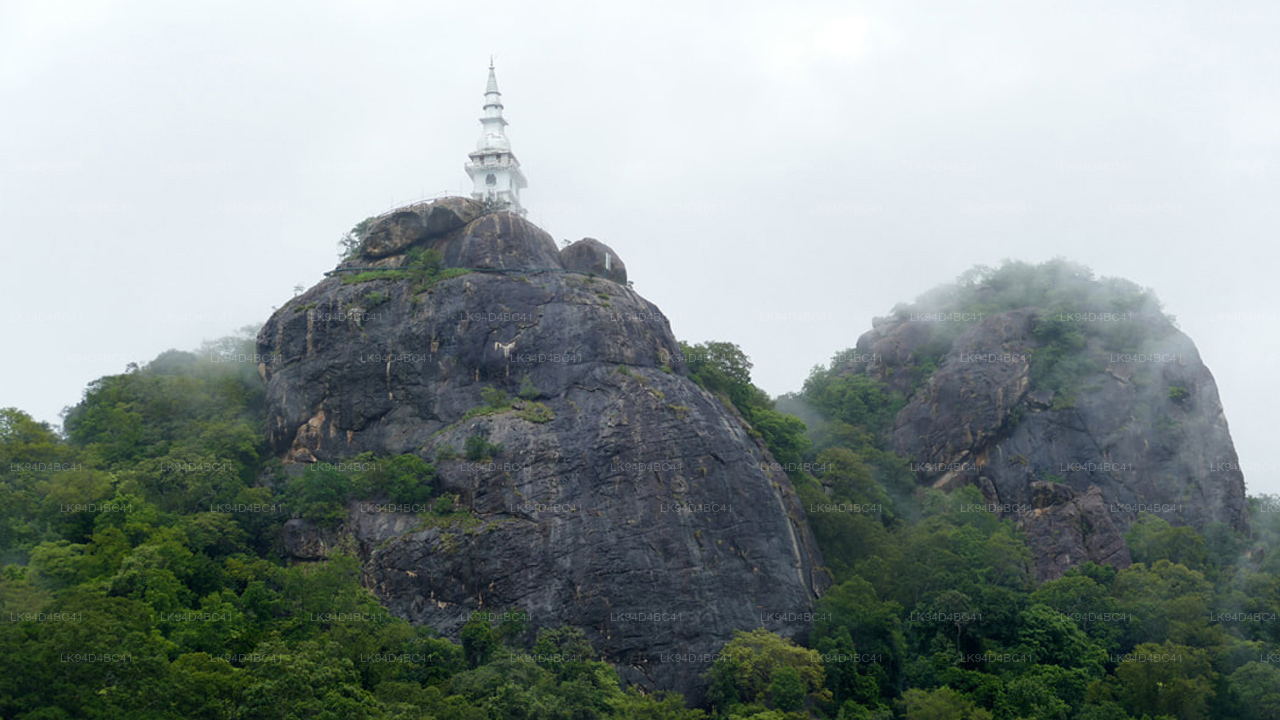
Dimbulagala, während der britischen Kolonialzeit auch als Gunner's Quoin oder Gunner's Rock bekannt, ist eine Felsformation im Bezirk Polonnaruwa in Sri Lanka . Als der Anthropologe Charles Gabriel Seligman 1911 den Ort besuchte, war eine Höhle im Felsen zu einem Zufluchtsort für das indigene Vedda-Volk geworden. Im 12. Jahrhundert n. Chr. errichteten die Singhalesen innerhalb der Felsformation ein buddhistisches Kloster. Das Kloster Dimbulagala Raja Maha Vihara wurde in den 1950er Jahren restauriert. Die Dorfbewohner rund um den Felsen sind gemischter Vedda- und Singhalesen-Abstammung.
Über den Bezirk Polonnaruwa
Polonnaruwa ist die zweitgrößte Stadt in der nördlichen Zentralprovinz Sri Lankas . Die antike Stadt Polonnaruwa wurde von der UNESCO zum Weltkulturerbe erklärt. Polonnaruwa hat eine lange Geschichte voller Eroberungen und Kämpfe hinter sich und bildet zu Recht das dritte Element im Kulturdreieck . Polonnaruwa liegt etwa 140 km nordöstlich von Kandy und bietet Geschichts- und Kulturliebhabern stundenlanges Vergnügen, da es zahlreiche bedeutende Sehenswürdigkeiten gibt.
Über die Nord-Zentralprovinz
Die Nord-Zentralprovinz, die größte Provinz des Landes, umfasst 16 % der gesamten Landfläche des Landes. Die Nord-Zentralprovinz besteht aus zwei Bezirken namens Polonnaruwa und Anuradhapure. Anuradhapura ist der größte Bezirk in Sri Lanka . Seine Fläche beträgt 7.128 km².
Die Nord-Zentralprovinz verfügt über zahlreiche Potenziale für Investoren, ihre Unternehmen zu gründen, insbesondere in der Landwirtschaft, in der Agrarindustrie und im Viehzuchtsektor. Mehr als 65 % der Bevölkerung der Nord-Zentralprovinz sind von der Grundlandwirtschaft und der Agrarindustrie abhängig. NCP wird auch „Wew Bendi Rajje“ genannt, da es in der Provinz mehr als 3.000 mittelgroße und große Panzer gibt. Sri Maha Bodiya, Ruwanweli Seya, Thuparama Dageba, das Abayagiri-Kloster, Polonnaruwa Rankot Wehera und Lankathilake sind beängstigende Orte in der Nord-Zentralprovinz.
About Polonnaruwa District
Polonnaruwa is the 2nd largest city in north central province in Sri Lanka. The ancient city of Polonnaruwa has been declared a World Heritage site by UNESCO Polonnaruwa has a great history of conquest and struggle behind it and rightfully forms the third element in the Cultural Triangle. Located about 140 kms north east from Kandy,Polonnaruwa offers hours of endless pleasure for history and culture lovers, as there are numerous sights of significance.
Much of the physical ruins standing today are credited to King Parakrama Bahu I who spent many royal resources on town planning, including parks, edifices, irrigation systems and so on. The period of his rule is considered a golden age where the kingdom thrived and prospered under a visionary ruler. The Parakrama Samudra is a mammoth tank and named after its patron. The popular kings Royal Palace, the Audience Hall encircled by beautifully carved stone elephants and the Bathing Pool reflect the superior engineering capabilities of the time.
About North Central Province
North Central Province which is the largest province in the country covered 16% of total country's land area. North Central Province consist two districts called Polonnaruwa and Anuradhapure. Anuradhapura is the largest district in Sri Lanka. Its area is 7,128 km².
North Central Province has numerous potentials for Investors to start their Businesses, especially Agriculture, agro based industries and Livestock sectors. More than 65% of North Central Province's people depend on basic Agriculture and agro base industries. NCP also called "Wew Bendi Rajje" because there are more than 3,000 medium and large scale tanks situated in the province. Sri maha bodiya, Ruwanweli seya, Thuparama dageba, Abayagiri Monastry, Polonnaruwa Rankot wehera, Lankathilake are scared