Lakpura
Lakpura®

Colombo City Center

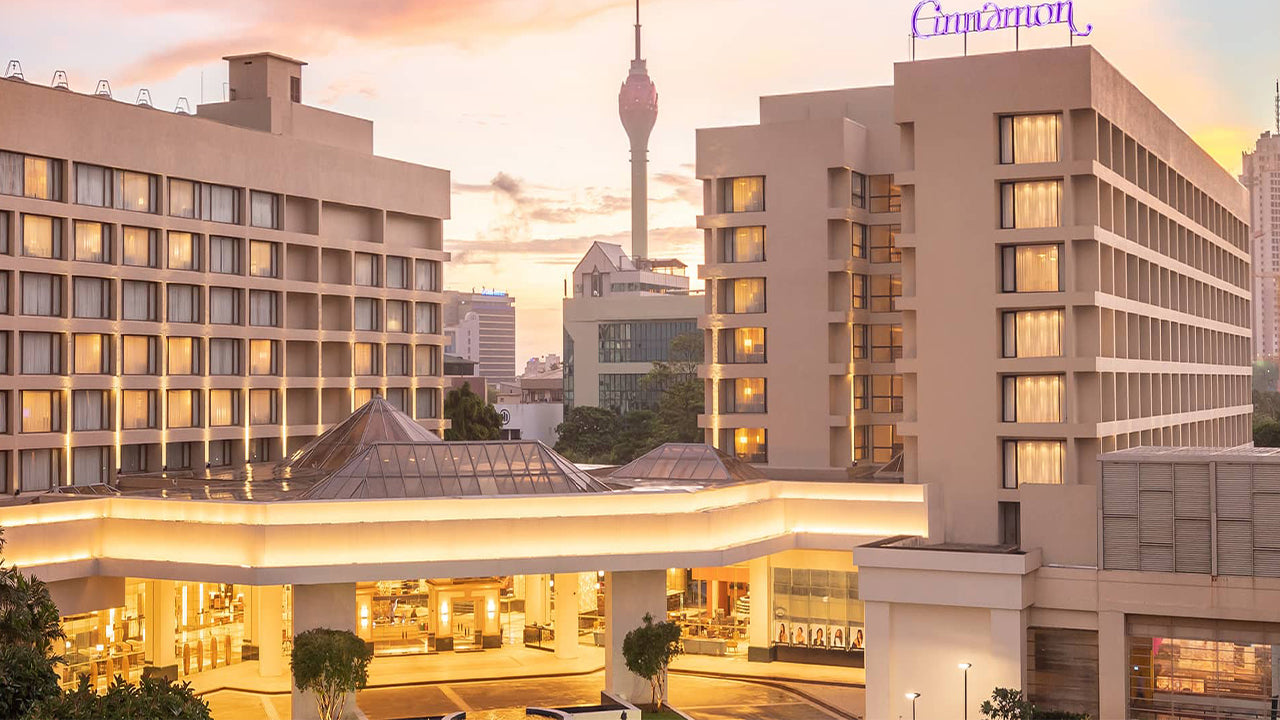
Colombo City Center sits at the intersection of Sri Lanka's commercial ambition and its rapidly evolving urban identity. Part upscale retail mall, part office tower, part serviced-residence block, the development occupies a prime parcel in Colombo 1 — the Fort and Slave Island corridor — where reclaimed waterfront land meets the city's oldest business district. For travelers arriving after a long journey, or spending a layover day in the capital before heading into the interior, the complex offers a practical and comfortable anchor point.

What is Colombo City Center?

Colombo City Center is a mixed-use high-rise development completed in the late 2010s. The project brought together a retail podium of several floors, corporate office space in upper floors, and a branded residential tower — a format that had been common in Southeast Asian capitals for decades but was relatively new to Colombo when it opened. The architectural language is glass-and-steel contemporary, a deliberate departure from the colonial-era verandah buildings and Art Deco facades that still define much of Fort and Pettah nearby.

The retail component hosts a curated mix of international and local brands spanning fashion, electronics, homeware, and personal care. A dedicated food-court level and several sit-down restaurants round out the commercial offering. The complex is air-conditioned throughout, which matters in a city where humidity and temperature remain high for most of the year.

Where exactly is Colombo City Center located?

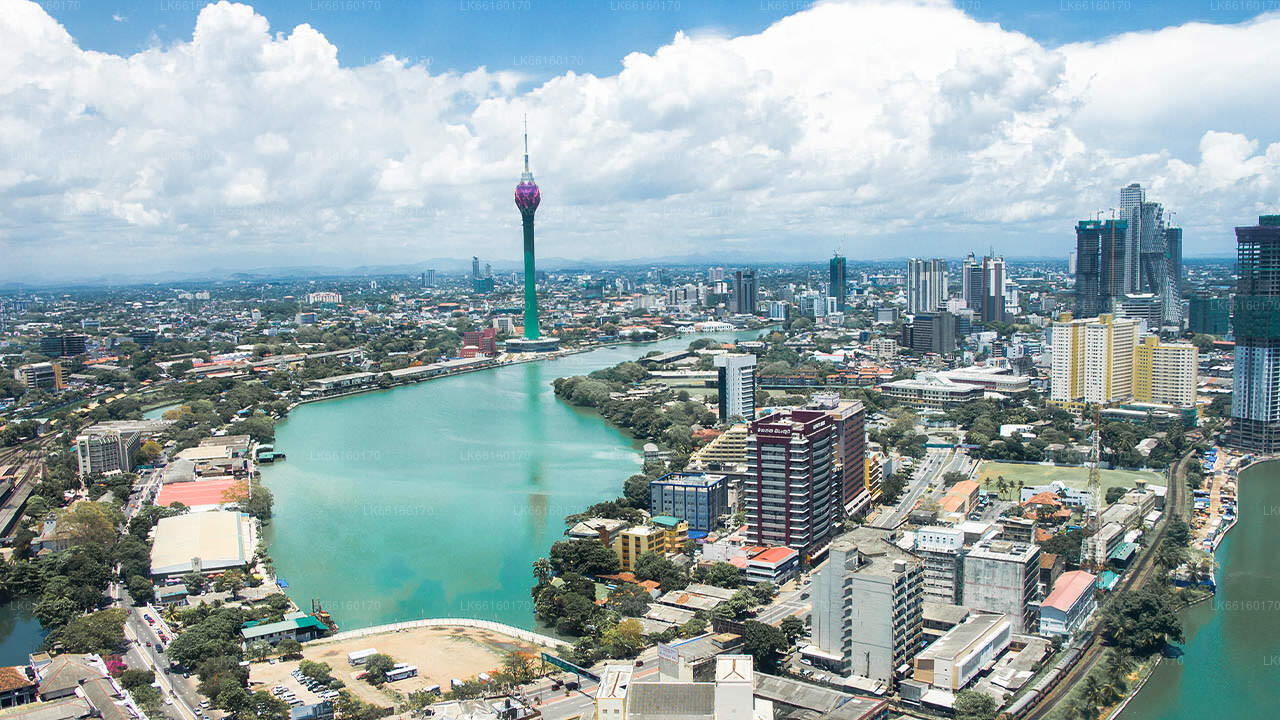
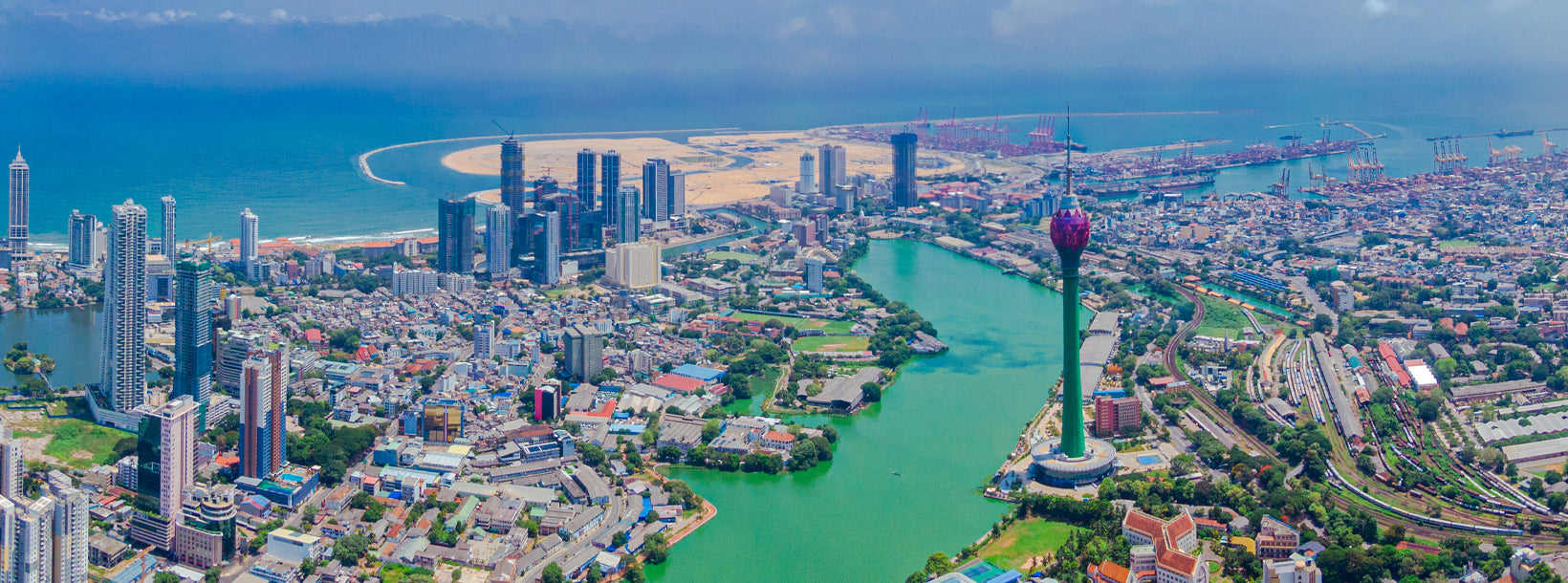
The development stands on Braybrooke Place, off Sir James Peiris Mawatha, adjacent to Beira Lake — one of Colombo's most recognizable urban water bodies. Beira Lake is not just a visual amenity; it marks a natural boundary between the Fort commercial district to the north and the Slave Island and Union Place neighborhoods to the south and east. That central position means Colombo City Center is within walking distance of several government offices, five-star hotels along Galle Road, and the Gangaramaya Temple, one of the most visited Buddhist sites in the capital.

For travelers using the Colombo City Tour itinerary, the area around Beira Lake is a logical midpoint — close enough to the National Museum, Pettah market, and the Colombo Fort railway station to make several stops in a single half-day loop.

What can visitors do at and around Colombo City Center?

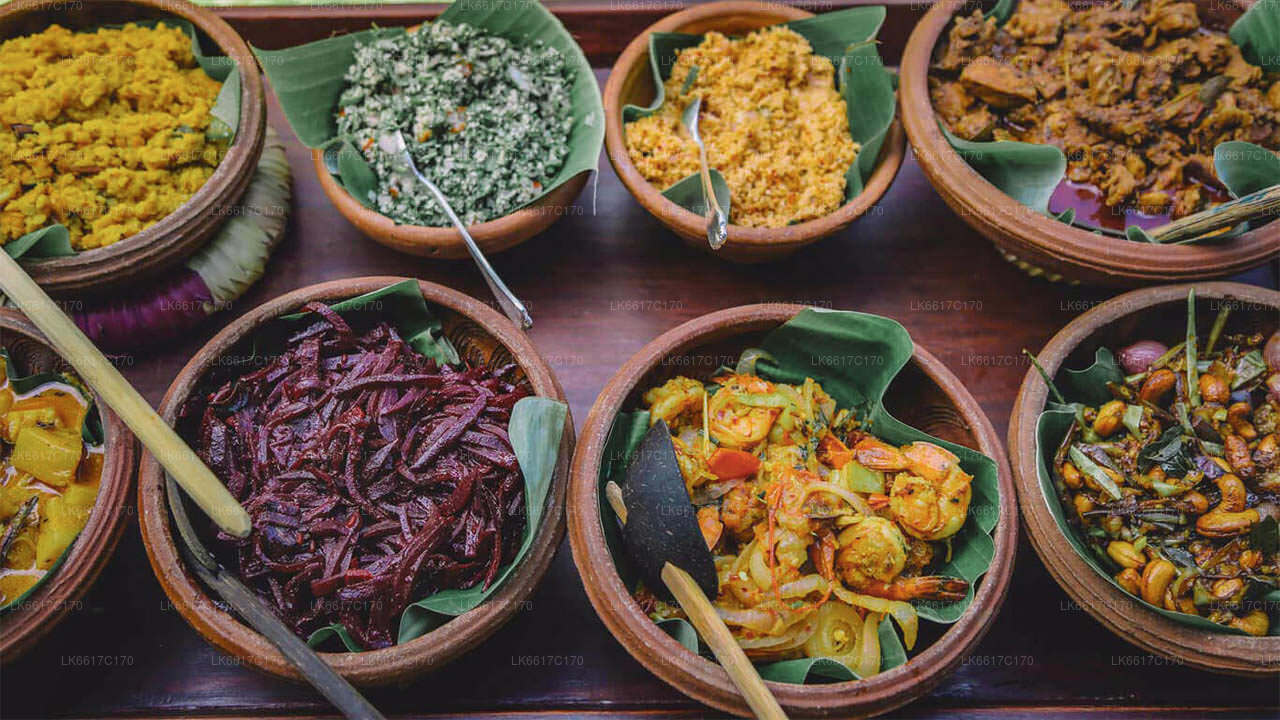
The complex itself is primarily a shopping and dining destination. Visitors browse international fashion labels alongside local designers who have carved out space in the retail mix. The food options span quick bites to full-service restaurants, with menus that reflect Colombo's cosmopolitan food scene — Sri Lankan rice-and-curry counters sit alongside Japanese, Chinese, Italian, and Middle Eastern outlets.

Beyond the mall boundary, the Beira Lake waterfront has been partially developed as a pedestrian promenade, giving visitors a low-key outdoor option. The Colombo Lotus Tower, Sri Lanka's tallest structure, is visible from this area of the city, and on clear evenings the lake reflects both that landmark and the surrounding high-rises in a way that reads as distinctly contemporary Colombo.

  • Shopping: International and local brands across fashion, electronics, and lifestyle goods.
  • Dining: Multi-cuisine restaurants and a food court covering Sri Lankan and international cuisines.
  • Leisure: A cinema multiplex and entertainment facilities within the complex.
  • Lakeside walking: Informal promenades around Beira Lake, with views of the city skyline.
  • Proximity to cultural sites: Gangaramaya Temple, Seema Malaka, and Pettah bazaar are all reachable within a short tuk-tuk or taxi ride.

When is the best time to visit Colombo City Center?

Because the bulk of the experience is indoors, Colombo City Center functions year-round without meaningful disruption from weather. Colombo as a city receives rainfall from two monsoon systems — the south-west monsoon between May and September and intermittent north-east monsoon influence between November and January — but short, heavy downpours are the norm rather than multi-day closures. The indoor environment makes the mall a practical refuge on wet afternoons.

Peak visitor numbers tend to cluster around Sri Lankan public holidays and the December–January festive season, when the retail areas run promotions and the dining outlets fill quickly at lunch and dinner. Weekday mornings are the quietest window if browsing without crowds is a priority.

How do I get to Colombo City Center from the airport?

Bandaranaike International Airport (CMB) in Katunayake is roughly 30 kilometers north of Colombo City Center. By private car or taxi, the journey takes anywhere from 40 minutes to over an hour depending on traffic on the Colombo–Katunayake Expressway (E03) and city-center congestion. The Expressway significantly reduced journey times compared with the old Negombo Road, and most airport transfers now default to that route.

Public bus and the suburban rail network serve central Colombo, though neither offers a seamless connection from the international terminal without at least one change. A pre-arranged private transfer remains the most practical option for travelers with luggage. Tuk-tuks (auto-rickshaws) are widely available within the city itself for shorter hops once you are already in Colombo.

OriginApproximate distanceTypical travel timeRecommended mode
Bandaranaike International Airport (CMB)~30 km40–70 minPrivate transfer or metered taxi
Colombo Fort Railway Station~2 km10–20 minTuk-tuk or on foot
Galle Face Green~1.5 km5–15 minTuk-tuk or on foot
Kandy (via Colombo–Kandy Highway)~115 km2–3 hrsPrivate car or intercity bus

Is Colombo City Center worth visiting if I only have one day in Colombo?

It depends on your priorities. If contemporary urban retail and dining is what you are looking for, the complex is one of the more polished options in the city. If your interest leans toward history and culture, the same day is better spent at the National Museum of Colombo, the Dutch-period architecture of Pettah, or the temple complex at Kelaniya — and you can pass by the Beira Lake waterfront en route without committing significant time to the mall itself.

For most international travelers, Colombo City Center works best as a convenient stop rather than a primary destination — a place to grab a meal, pick up essentials, or spend a couple of hours between check-out and an evening flight. The concentration of dining options on a single floor makes it notably practical for groups with mixed tastes.

What else is worth seeing near Colombo City Center?

The immediate neighborhood rewards short detours. Gangaramaya Temple, a few hundred meters south along Sir James Peiris Mawatha, is one of Colombo's most architecturally layered Buddhist sites — the complex incorporates a museum, a library, and a reclining Buddha hall, and it hosts one of the city's major annual festivals. The Seema Malaka meditation hall, designed by Geoffrey Bawa and set on platforms over Beira Lake, is technically part of the Gangaramaya complex and offers a quieter, reflective counterpoint to the mall's energy.

Pettah, Colombo's oldest commercial bazaar district, lies about two kilometers northeast. Its covered market streets specialize in everything from electronics to spices, and the chaos of the wholesale stalls is a genuine contrast to the curated retail of Colombo City Center. The Dutch-period church on Wolfendhal Street and the Jami Ul-Alfar Mosque — a red-and-white striped landmark visible from surrounding streets — sit within the same walkable precinct.

Ask Lakpura® Agent