Lakpura
Lakpura®

Thosai (තෝසේ)

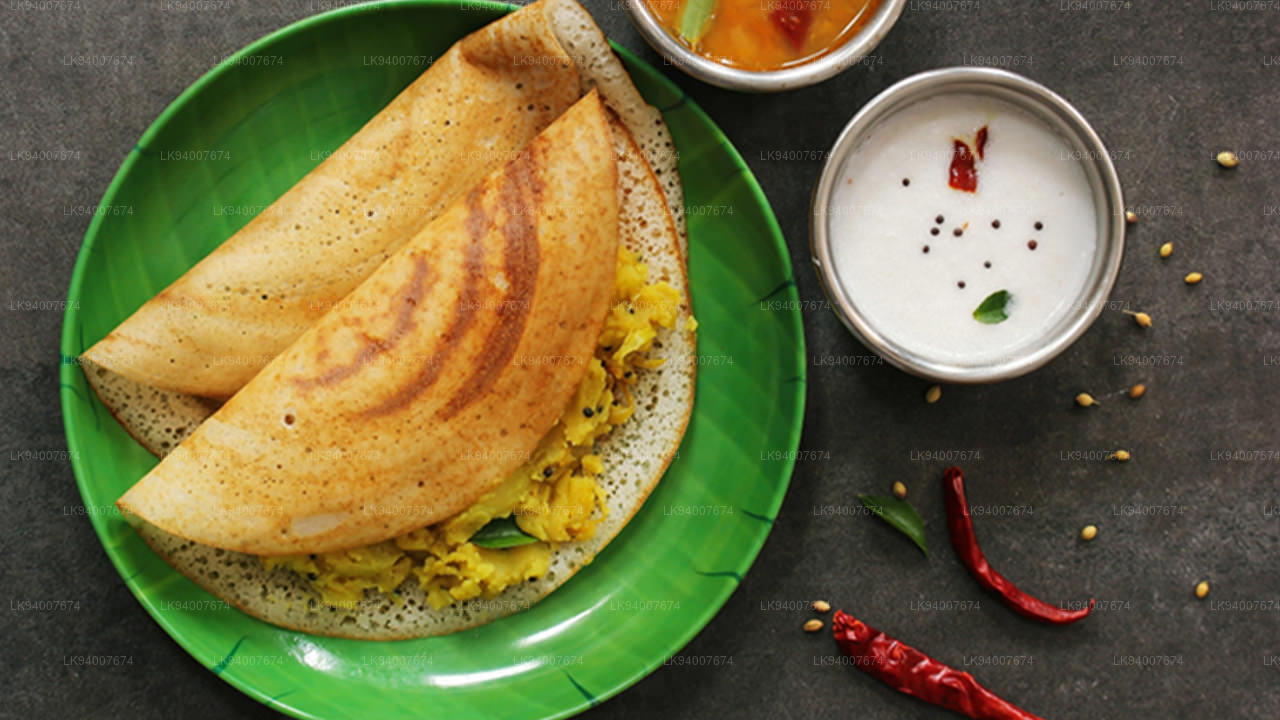
Thosai is a thin, savoury pancake made from a fermented batter of rice and pulses, cooked on a flat griddle until lightly crisp at the edges and golden underneath. Eaten widely across Sri Lanka and South India, it appears most often at breakfast, paired with sambar, coconut chutney, or a simple curry. Its mild tang, open texture, and versatility have kept it a staple on family tables and roadside eateries alike for well over a thousand years.

Where does thosai come from?

The dish has deep roots in Tamil culinary history. One of the earliest recorded references appears in Tamil Sangam literature from around the sixth century CE, where similar fermented pancakes are described as everyday food. A Sanskrit text from the twelfth century, the Manasollasa, mentions a dish called dhosaka — made from pulses alone, without rice — suggesting that the recipe evolved gradually into what is eaten today.

In Sri Lanka, thosai arrived through centuries of trade and cultural exchange with South India, and it became firmly embedded in the island's food culture, particularly among Tamil communities in the north and east, as well as in urban centres where South Indian-style breakfast shops have long been popular.

What goes into a traditional thosai batter?

The core ingredients are urad dhal (black gram), rice, rice flour, fenugreek seeds, and salt. Each plays a distinct role: urad dhal provides the body and helps the batter aerate during fermentation; fenugreek adds a faint bitterness and assists the fermentation process; rice lightens the texture; and rice flour adjusts the consistency of the finished pancake.

  • Urad dhal (black gram) — soaked for around six hours before blending
  • Fenugreek seeds (halba) — soaked alongside the dhal; a small quantity goes a long way
  • Cooked rice — added to the blended dhal for a softer, more pliable result
  • Rice flour — stirred in at the end to reach the right batter consistency
  • Salt — added before fermentation

Traditionally, a stone grinder is used to blend the soaked dhal and rice to a very smooth paste. Many cooks still prefer this method, arguing that the slow grinding action produces a finer, silkier batter than a modern blender can achieve.

How is thosai batter fermented?

After blending, the batter is left to ferment at room temperature for at least twelve hours — often overnight. During fermentation, naturally occurring bacteria produce lactic acid, which gives thosai its characteristic mild sourness and makes it easier to digest. The batter should roughly double in volume and develop a slightly domed, bubbly surface when it is ready. In cooler climates, fermentation may take longer; in Sri Lanka's tropical warmth, the process tends to proceed quickly.

How is thosai cooked?

A heavy flat griddle — traditionally cast iron — is heated and lightly coated with oil. A ladleful of fermented batter is poured onto the centre of the griddle, then spread outward in a circular motion using the flat base of the ladle to form a thin, even disc. The pancake cooks until small bubbles appear across the surface and the underside turns golden brown. It is then flipped briefly, folded in half, and slid off the griddle.

The entire process from pour to plate takes only two to three minutes per thosai, which is part of why it suits a busy breakfast kitchen. A well-seasoned griddle and confident spreading technique are the two factors that separate a lacy, even thosai from a thick, unevenly cooked one.

What are the most common types of thosai?

While the plain thosai is the benchmark, several variations are widely eaten in Sri Lanka:

  • Masala thosai — filled with spiced potato before folding; the most popular variant in Sri Lankan town restaurants
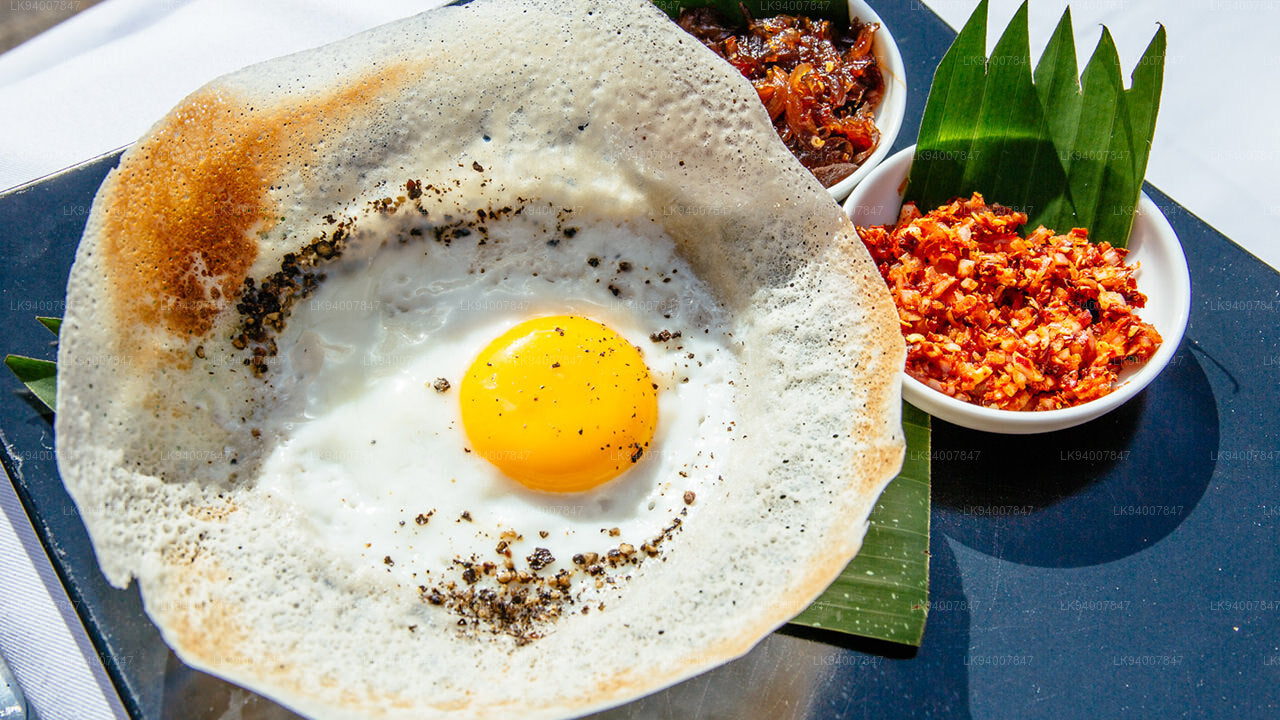
  • Egg thosai — an egg is cracked onto the batter just before it sets, then folded in
  • Kurakkan (finger millet) thosai — made with finger millet flour replacing part of the rice flour, giving a darker colour and earthier flavour
  • Rava thosai — uses coarse semolina rather than the standard batter, producing a crispier, lacier texture
  • Set thosai — thicker, softer discs cooked in a mould rather than spread flat, resembling a small steamed cake

What is thosai typically served with?

The accompaniments are as important as the pancake itself. The classic combination includes:

AccompanimentDescription
SambarA tamarind-based lentil and vegetable stew, typically made with drumstick, tomato, and shallots
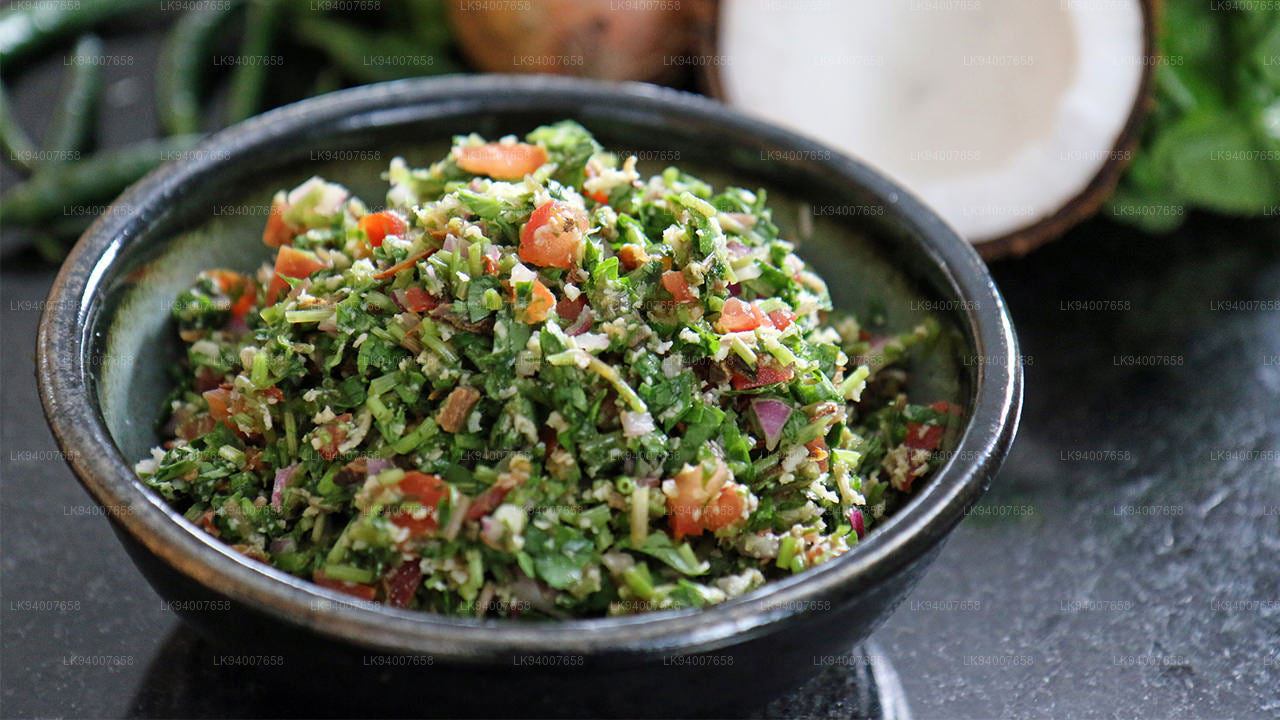
Coconut chutneyFresh coconut ground with green chilli, ginger, and tempered mustard seeds
Tomato chutneyA cooked, slightly sweet-sour chutney common in Sri Lankan Tamil households
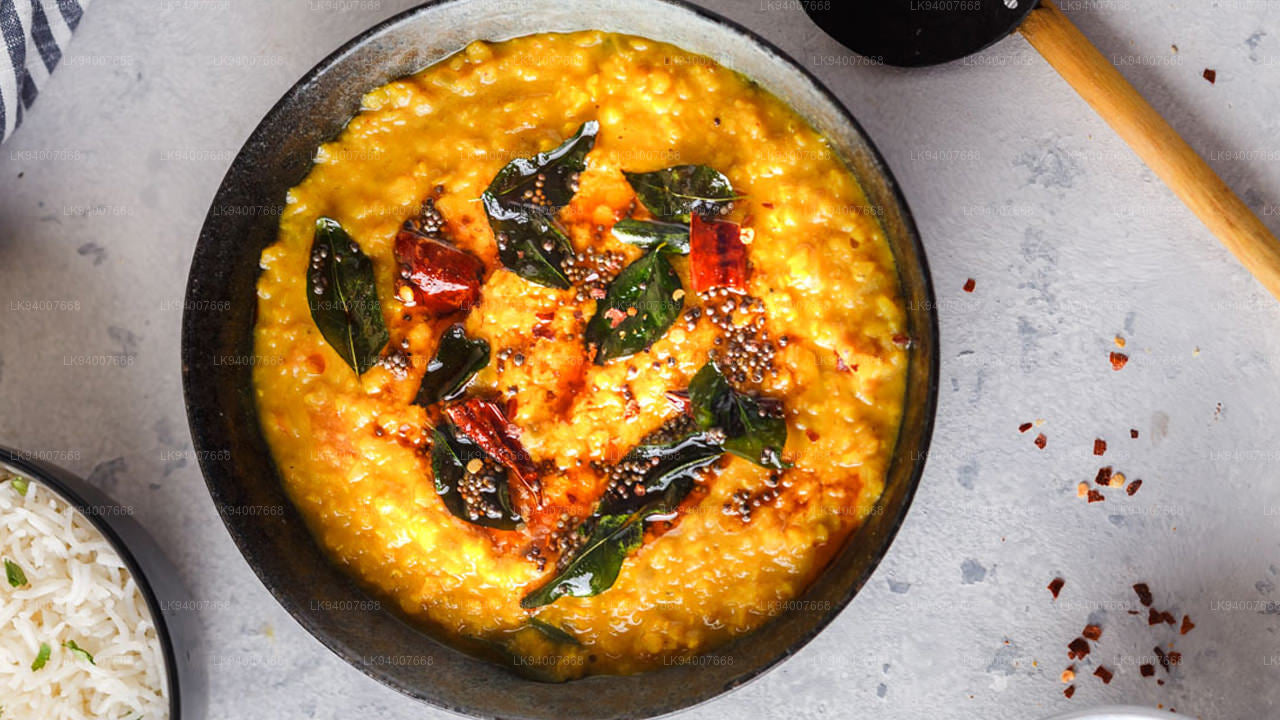
Dhal curryA simpler alternative to sambar, often made with red lentils and coconut milk

In Sri Lanka, thosai is served at dedicated South Indian–style breakfast shops as well as in the canteens of hotels, hospitals, and offices throughout the morning hours. It is rarely eaten after midday in a traditional context, though restaurant menus increasingly list it all day.

How does thosai fit into Sri Lankan food culture?

Sri Lanka's food culture is a layered conversation between Sinhalese, Tamil, Malay, Moor, and colonial culinary traditions. Thosai belongs firmly to the Tamil strand of that conversation, but it has crossed communal boundaries to become genuinely national. You will find it on the menu at a modest Colombo kottu shop, at a five-star hotel buffet in Kandy, and at a roadside stall near Ella — each prepared with small local variations but recognisable as the same dish.

For visitors to Sri Lanka, eating thosai at a local breakfast shop is one of the more straightforward ways to experience the island's South Indian culinary heritage without needing to travel north. The dish is inexpensive, filling, and almost always freshly made to order.

Can I make thosai at home using a ready-made mix?

Pre-mixed thosai flour — combining ground urad dhal, rice flour, and sometimes fenugreek — is widely available in Sri Lankan supermarkets and specialty grocery stores. Ready-made mixes shorten preparation to a matter of minutes: the flour is combined with water and salt, left to rest briefly, and then cooked in the usual way. While the fermentation depth of a from-scratch batter is harder to replicate exactly, a good-quality mix produces a very acceptable result for everyday cooking.

Book this experience with Lakpura

Curated by our local team. Direct booking, instant confirmation.

Ask Lakpura® Agent