Lakpura
Lakpura®

Activities

Sri Lanka packs an extraordinary range of experiences into a relatively compact island. Within a single day you can walk through a UNESCO-listed rainforest in the morning, watch wild elephants at a national park in the afternoon, and end the evening at a colonial-era fort on the coast. This page maps the main categories of activities and day excursions available across the island, so you can match them to your interests, travel pace, and the region you happen to be in.

What wildlife and safari activities are available in Sri Lanka?

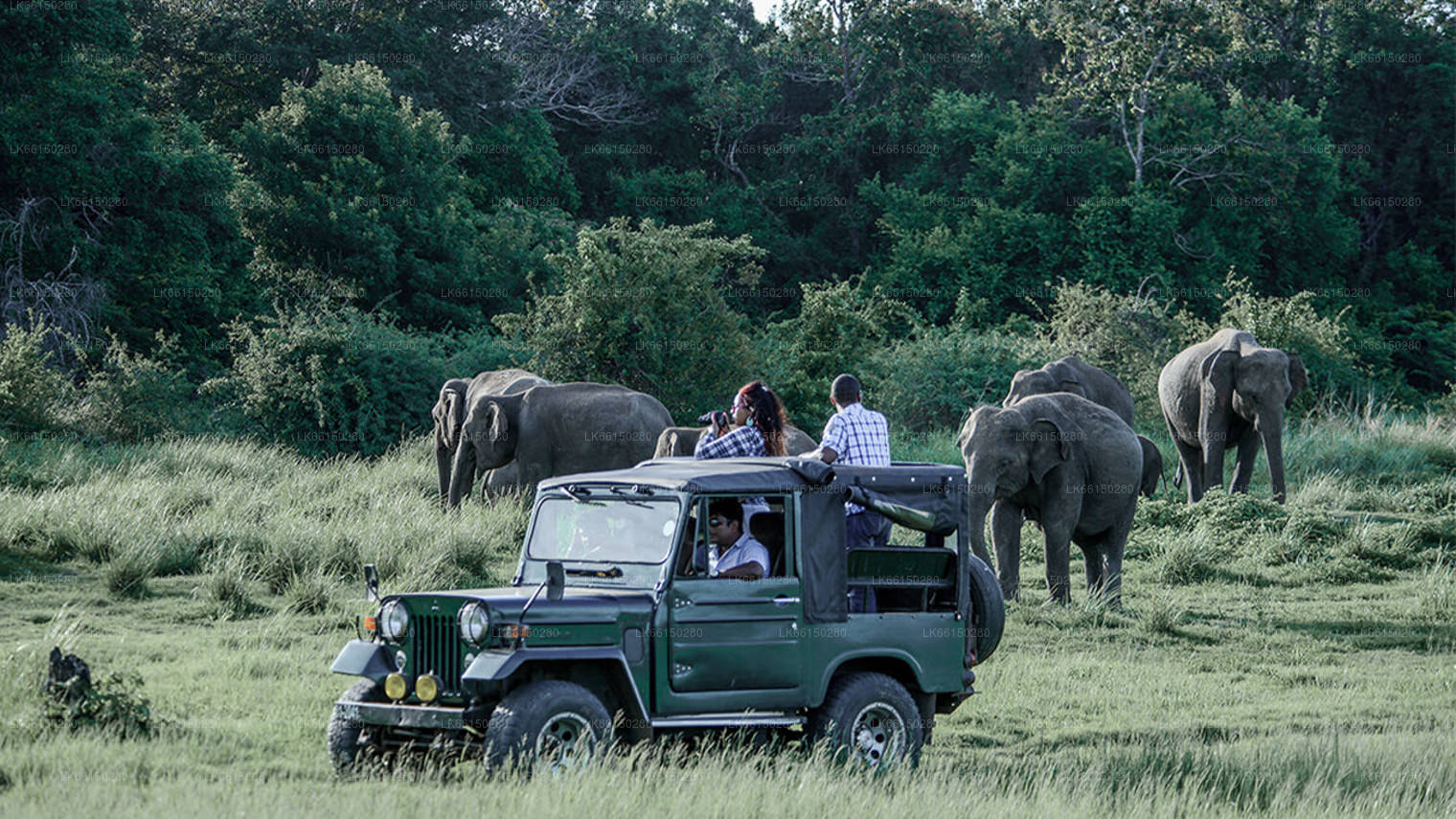
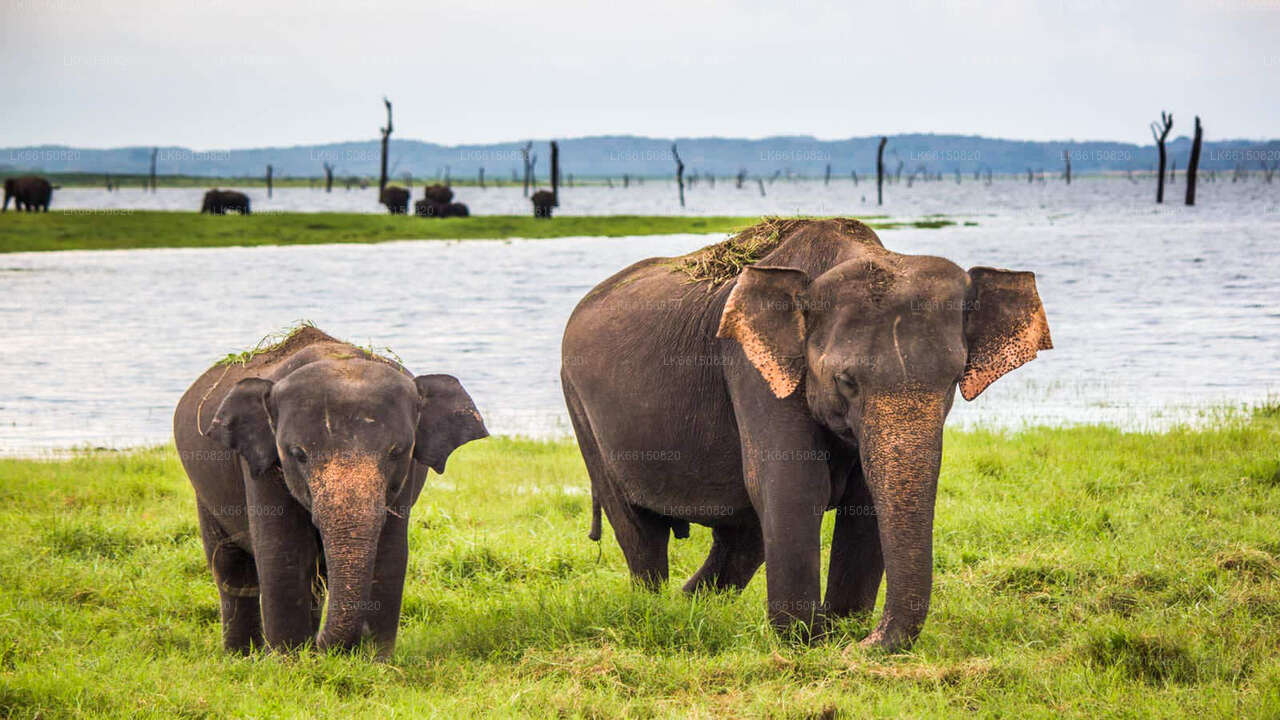
Safari touring is one of the most popular reasons visitors extend their itineraries beyond the cultural sites. Sri Lanka's national parks cover a wide spread of ecosystems — from the dry-zone scrub forests of the north to the wet-zone jungle of the south-west. The best-known circuits are in the south, where Udawalawe National Park offers some of the most reliable elephant sightings on the island, typically in open grassland that makes photography straightforward.

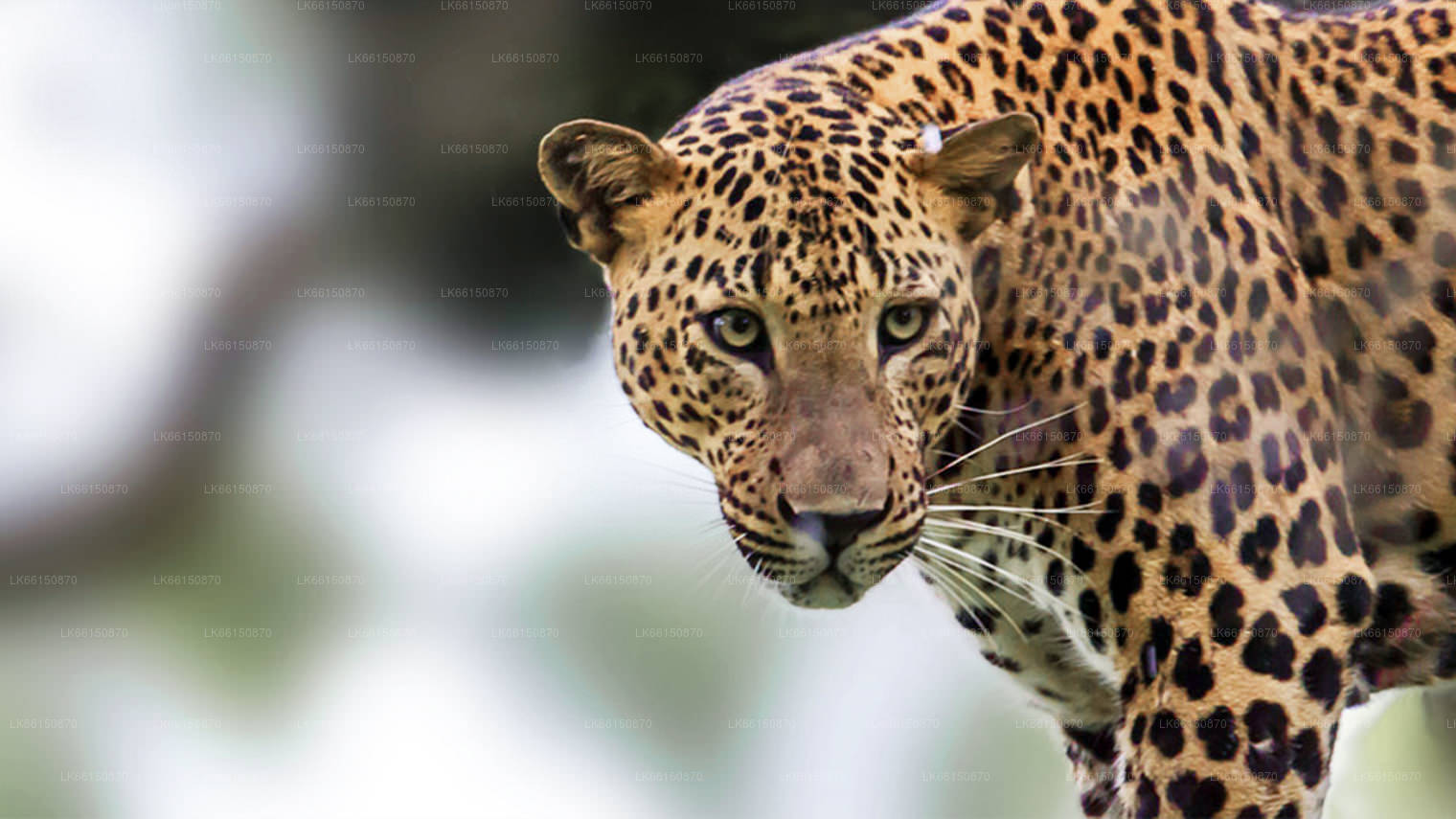
Further north, Wilpattu National Park is Sri Lanka's largest protected area and is particularly valued for leopard sightings, though patience is required. The park's distinctive villus — natural, water-filled basins — attract a wide range of bird and mammal species year-round.

For visitors interested in wildlife rehabilitation rather than just observation, the Elephant Transit Home near Udawalawe offers a structured programme for rescued elephant calves before their release into the wild.

What adventure activities can I do in Sri Lanka?

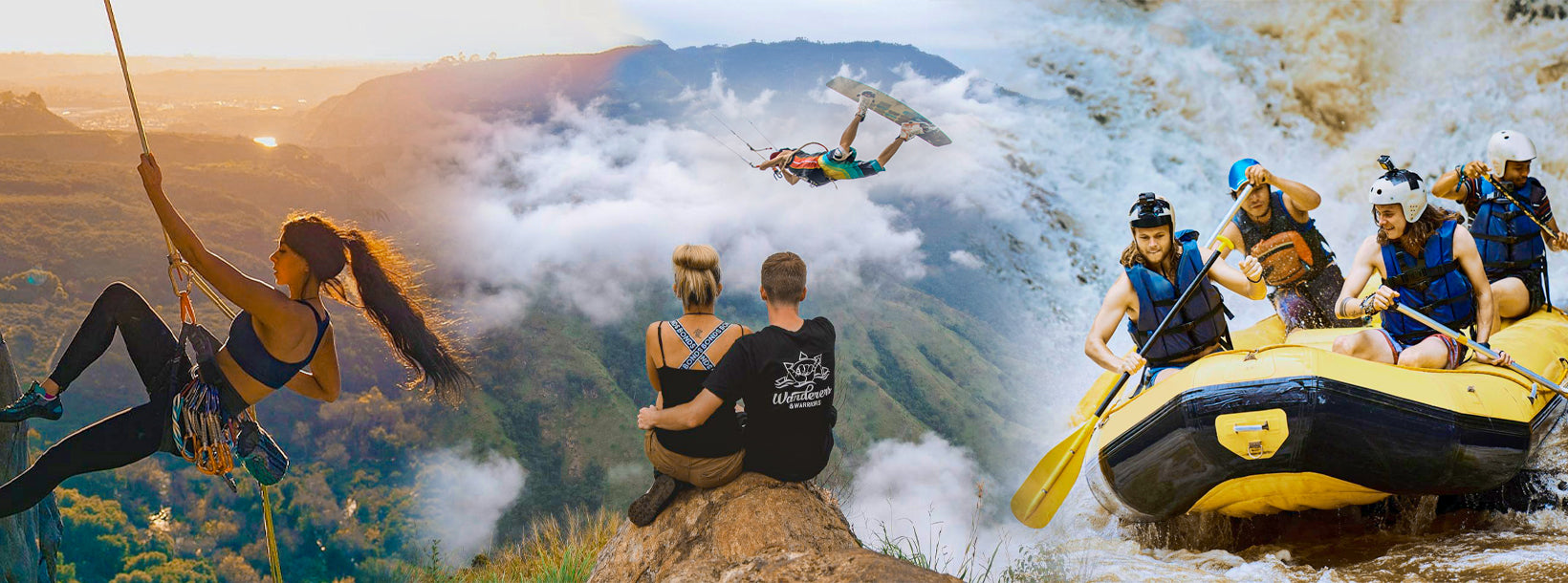
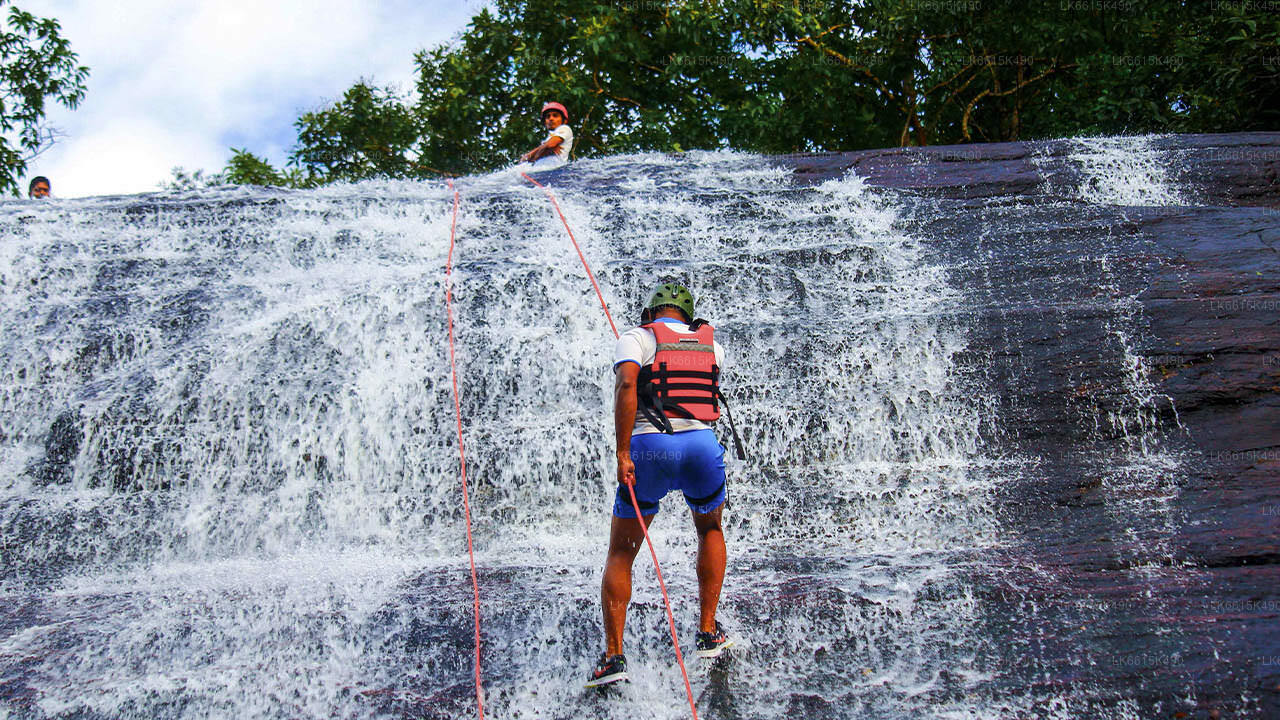
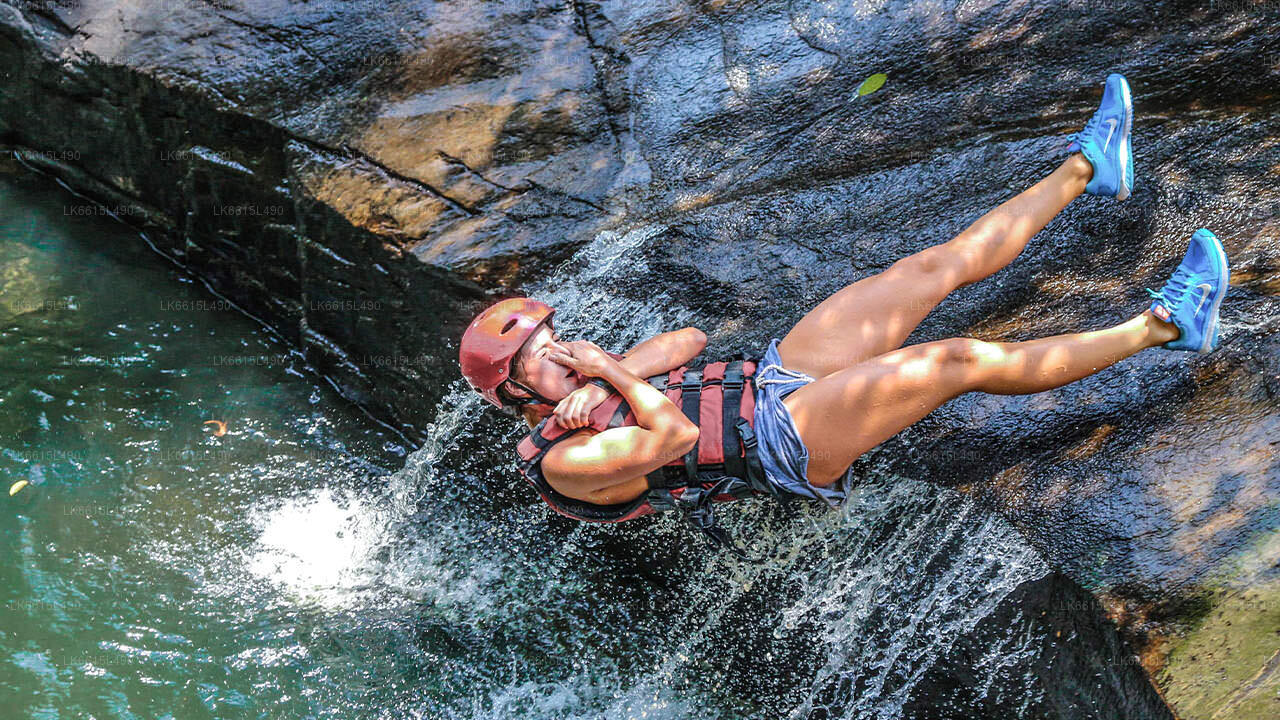
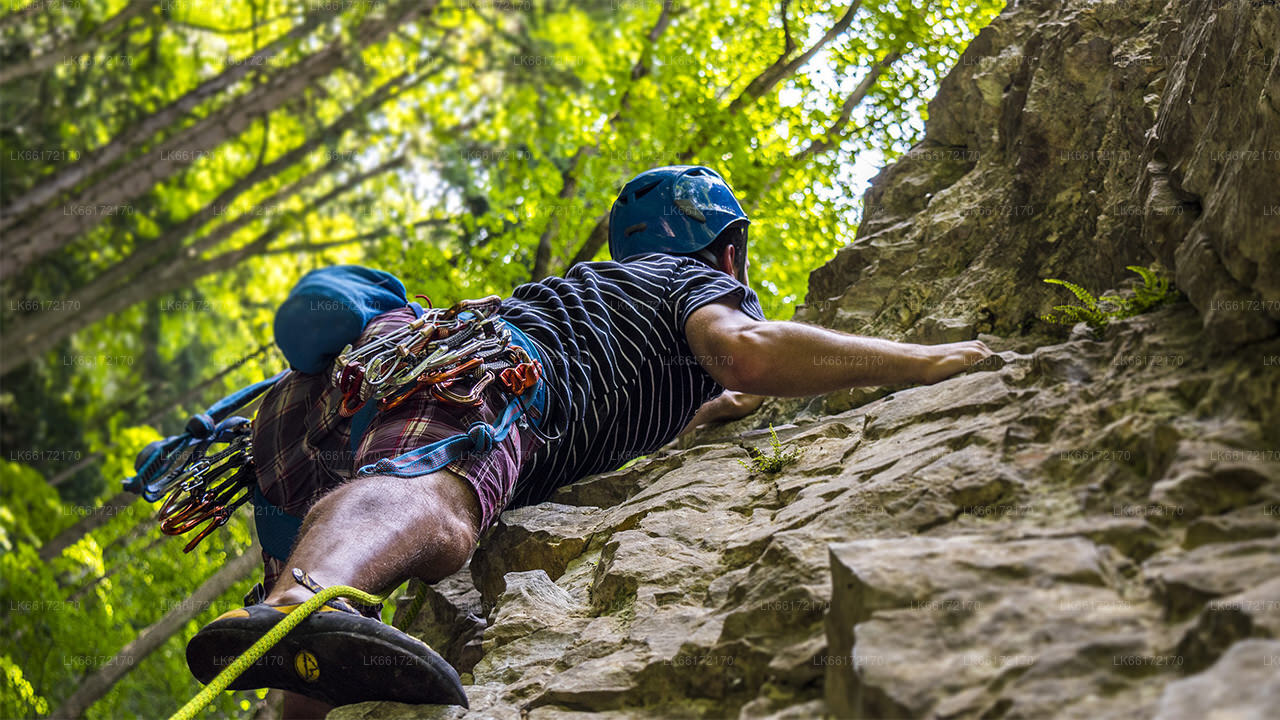
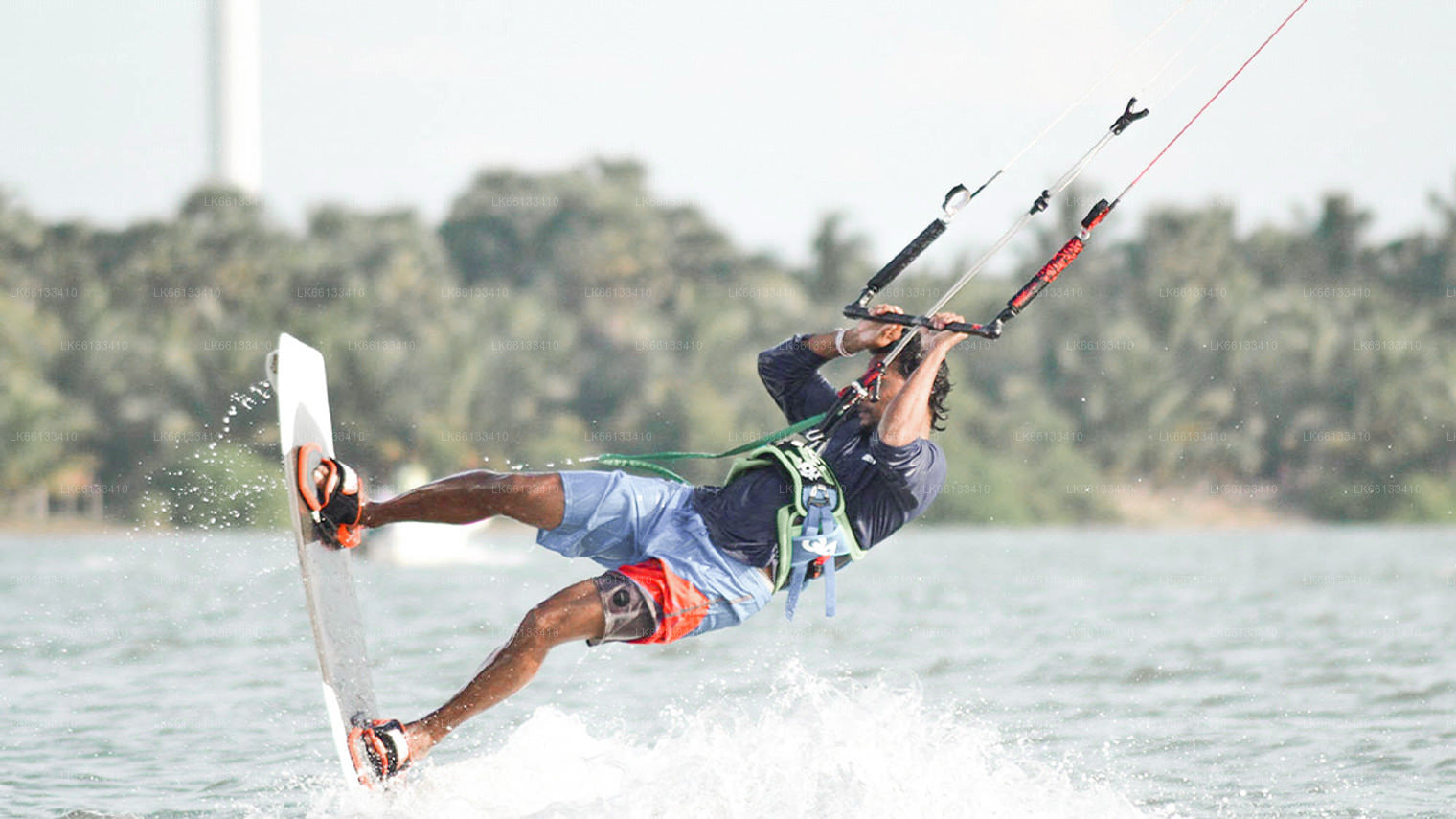
Adventure options are broadly divided between water-based and land-based pursuits, and the island has credible infrastructure for both.

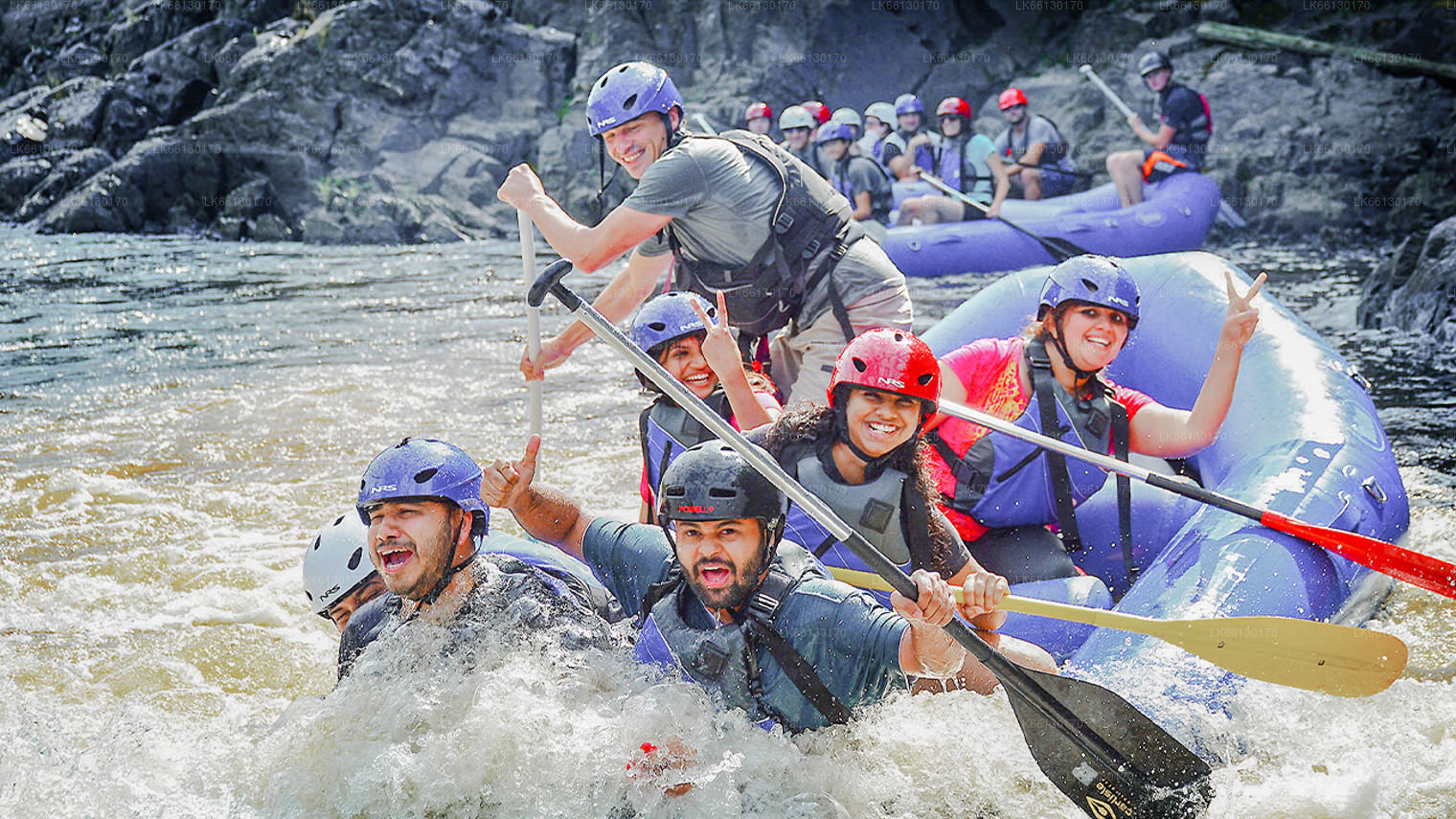
  • White-water rafting: The Kelani River near Kitulgala is the main venue, offering Grade 3–4 rapids suitable for beginners with a guide as well as more experienced paddlers.
  • Hot-air ballooning: Balloon flights typically depart from the Cultural Triangle area around Dambulla and Sigiriya at dawn, providing aerial views of ancient rock fortresses and jungle canopy.
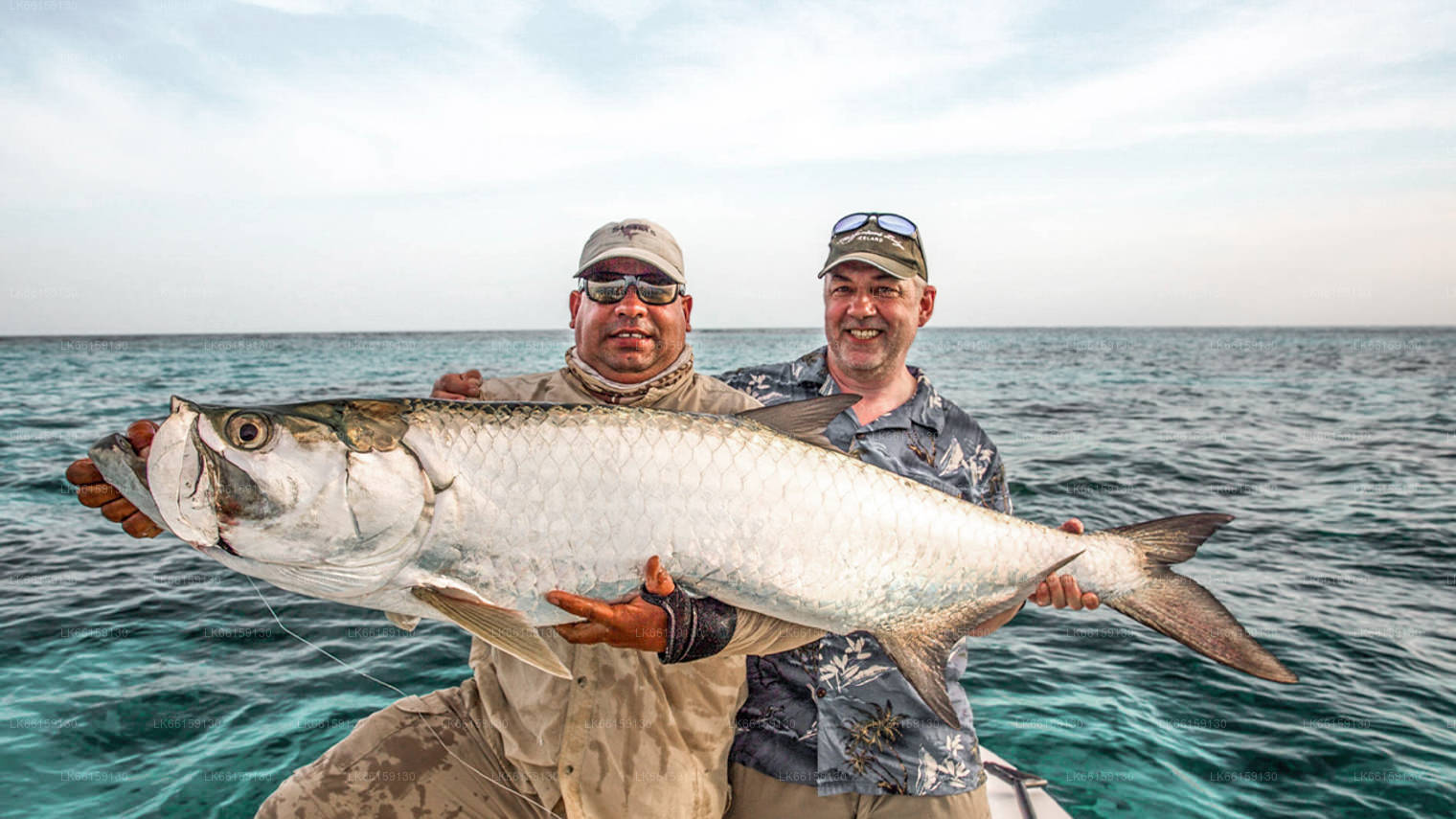
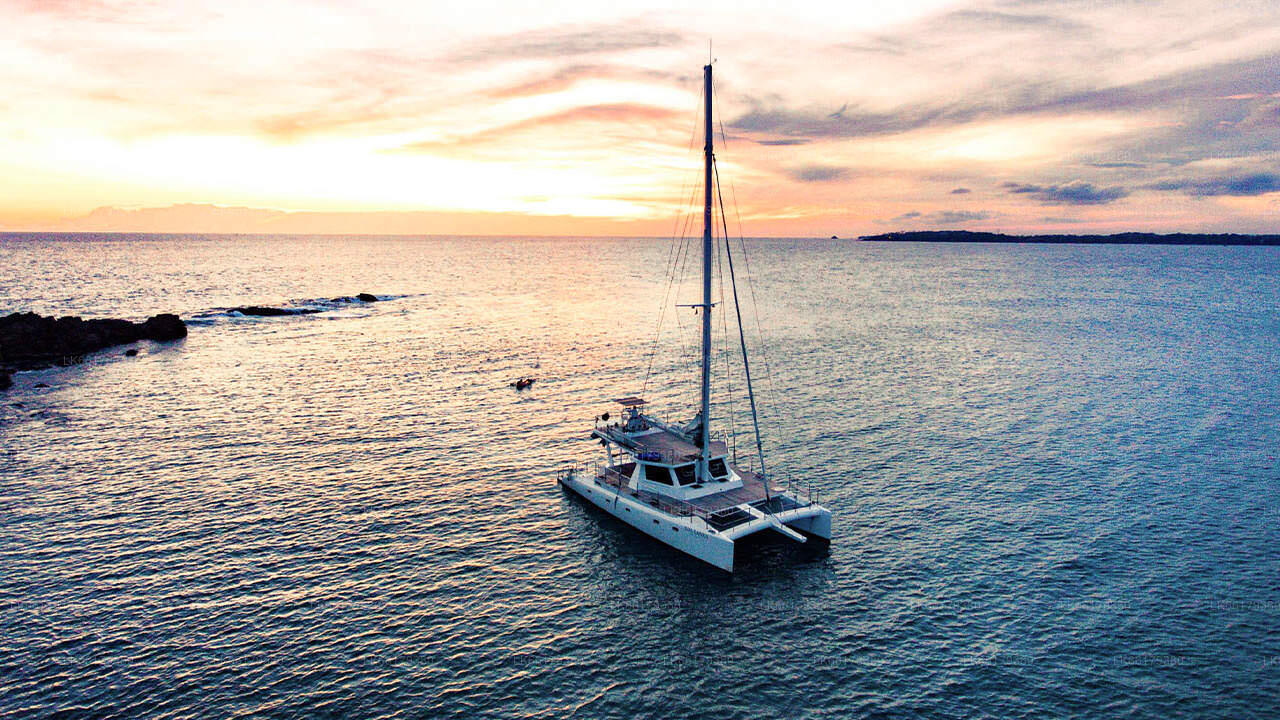
  • Deep-sea fishing: The waters off Sri Lanka's south and west coasts hold tuna, marlin, and barracuda. Organised deep-sea fishing charters are available from several coastal bases.
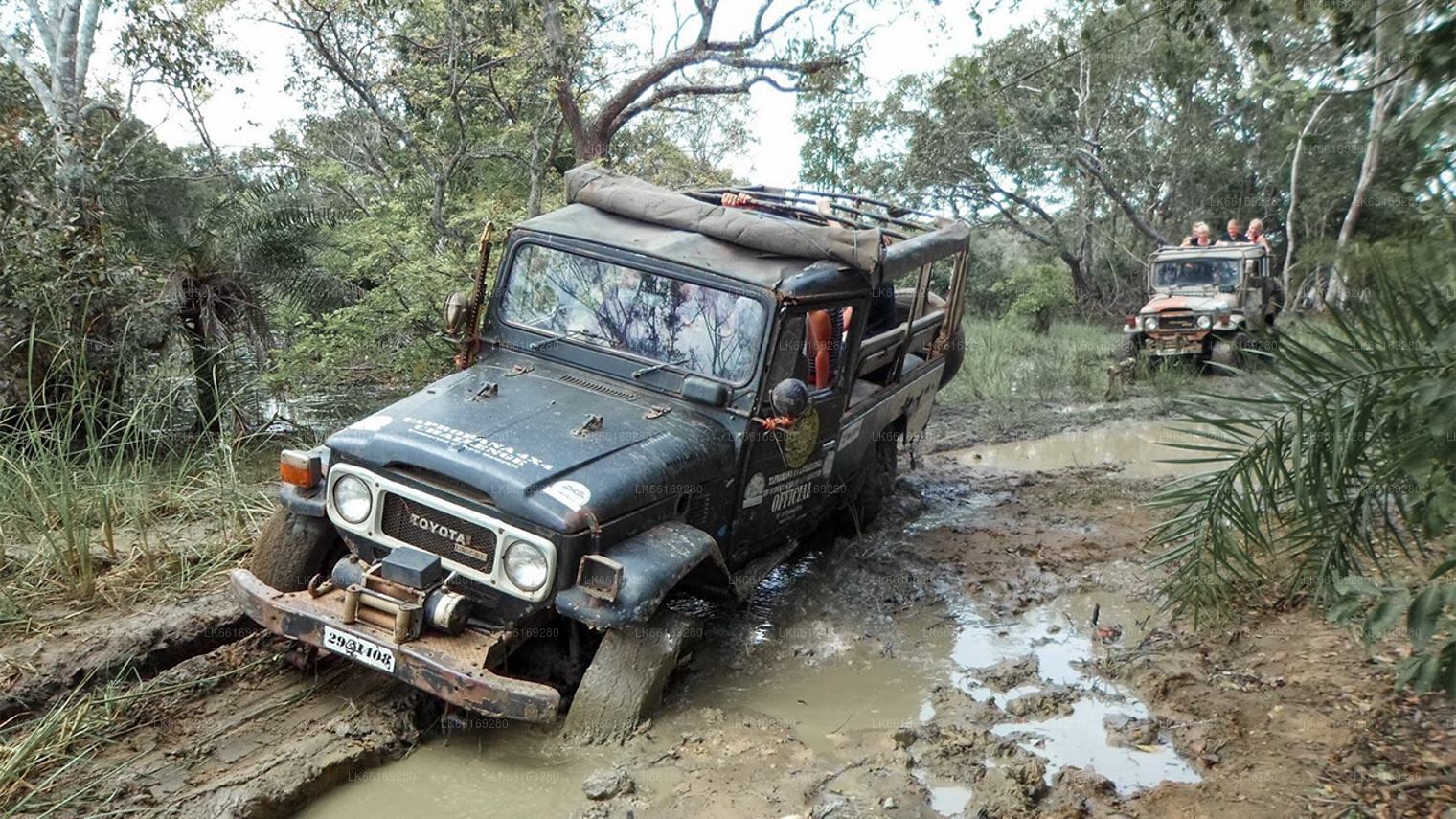
  • Tuk-tuk safari: A lighter alternative to jeep safaris, a tuk-tuk safari through village roads and paddy fields offers a ground-level look at rural life.
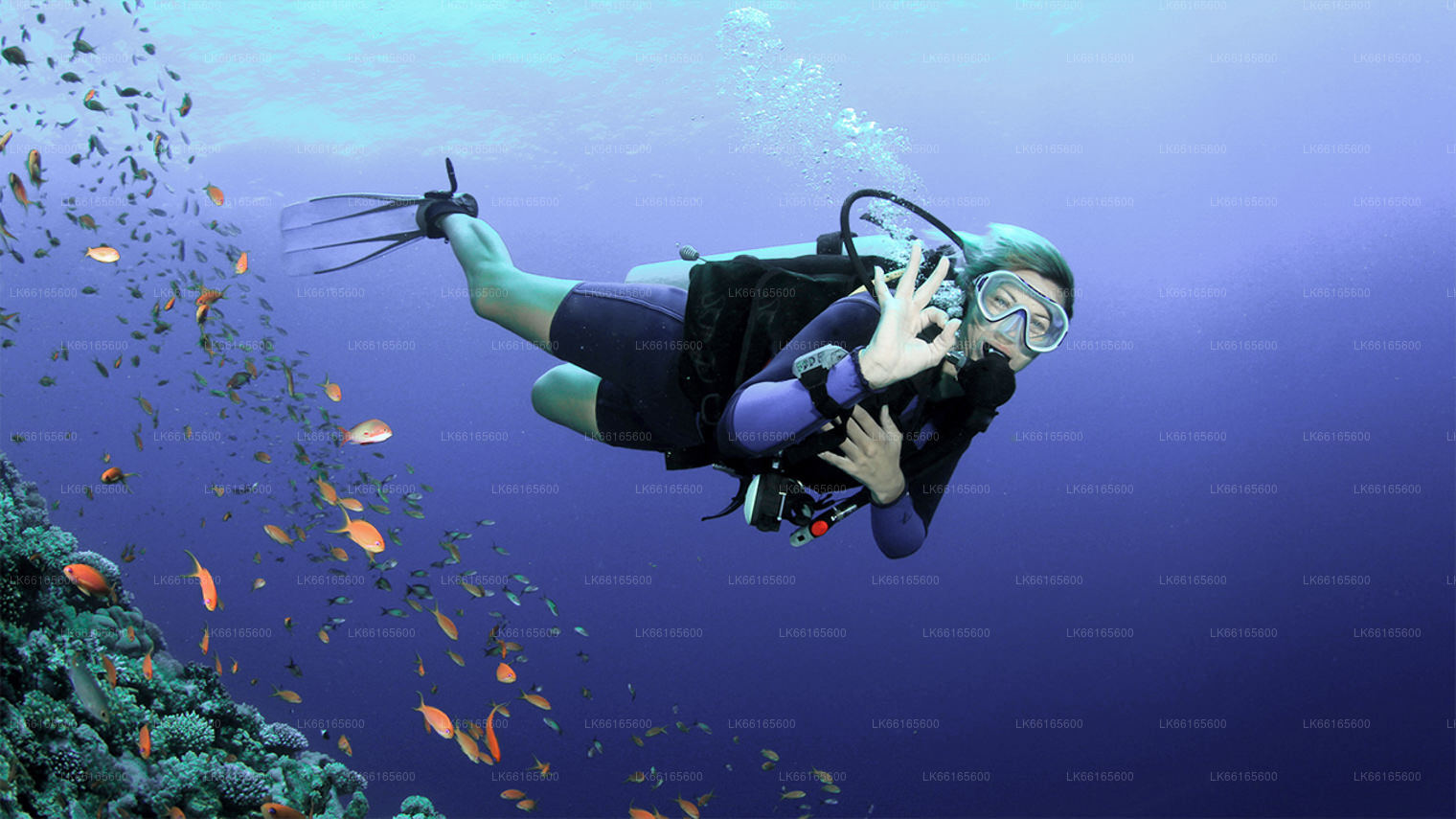
  • Diving and snorkelling: Pigeon Island near Trincomalee and the reefs around Hikkaduwa are the two main dive destinations, each accessible as a day trip from the nearest coastal accommodation.

What cultural and city tour options are there?

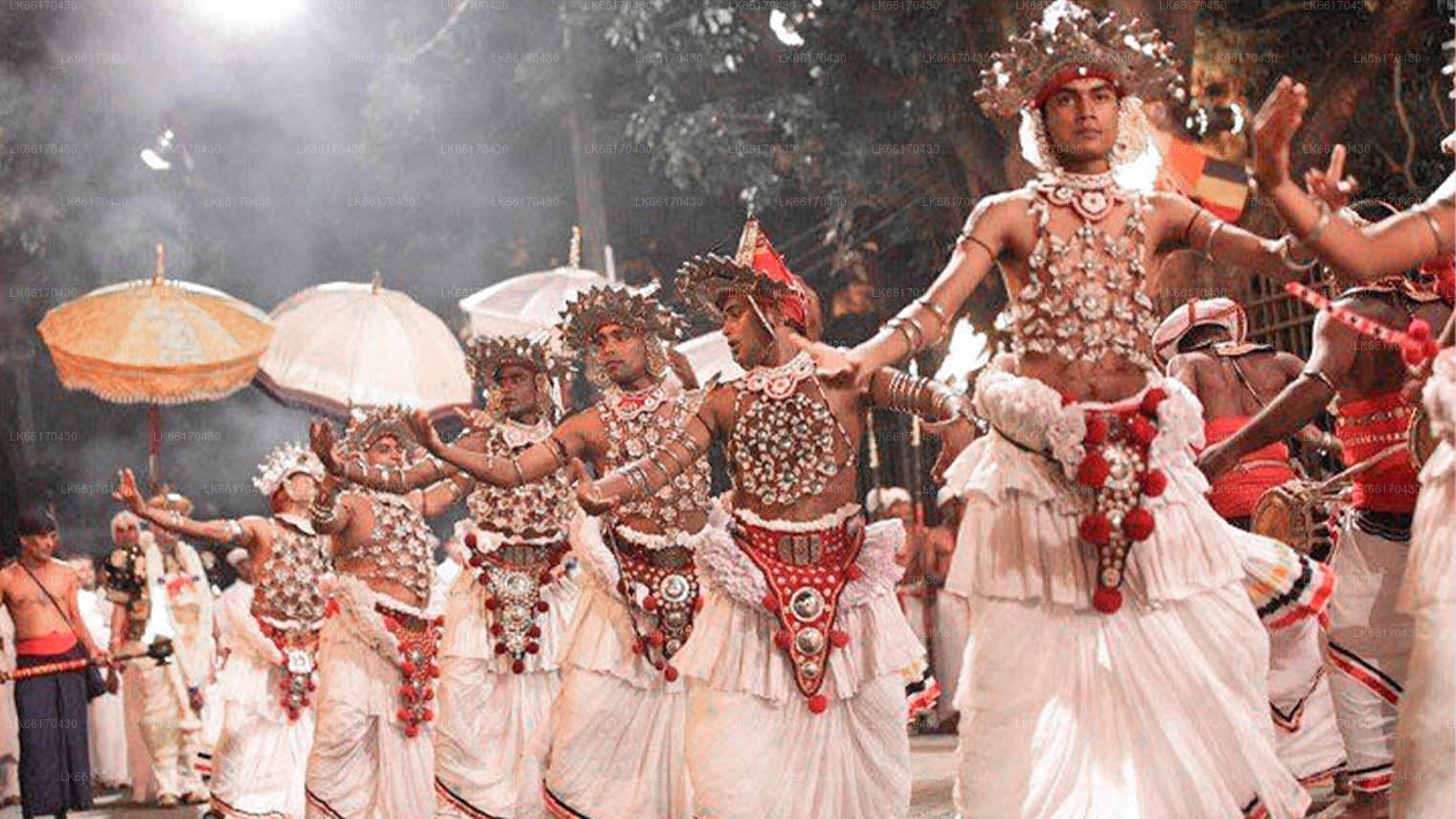
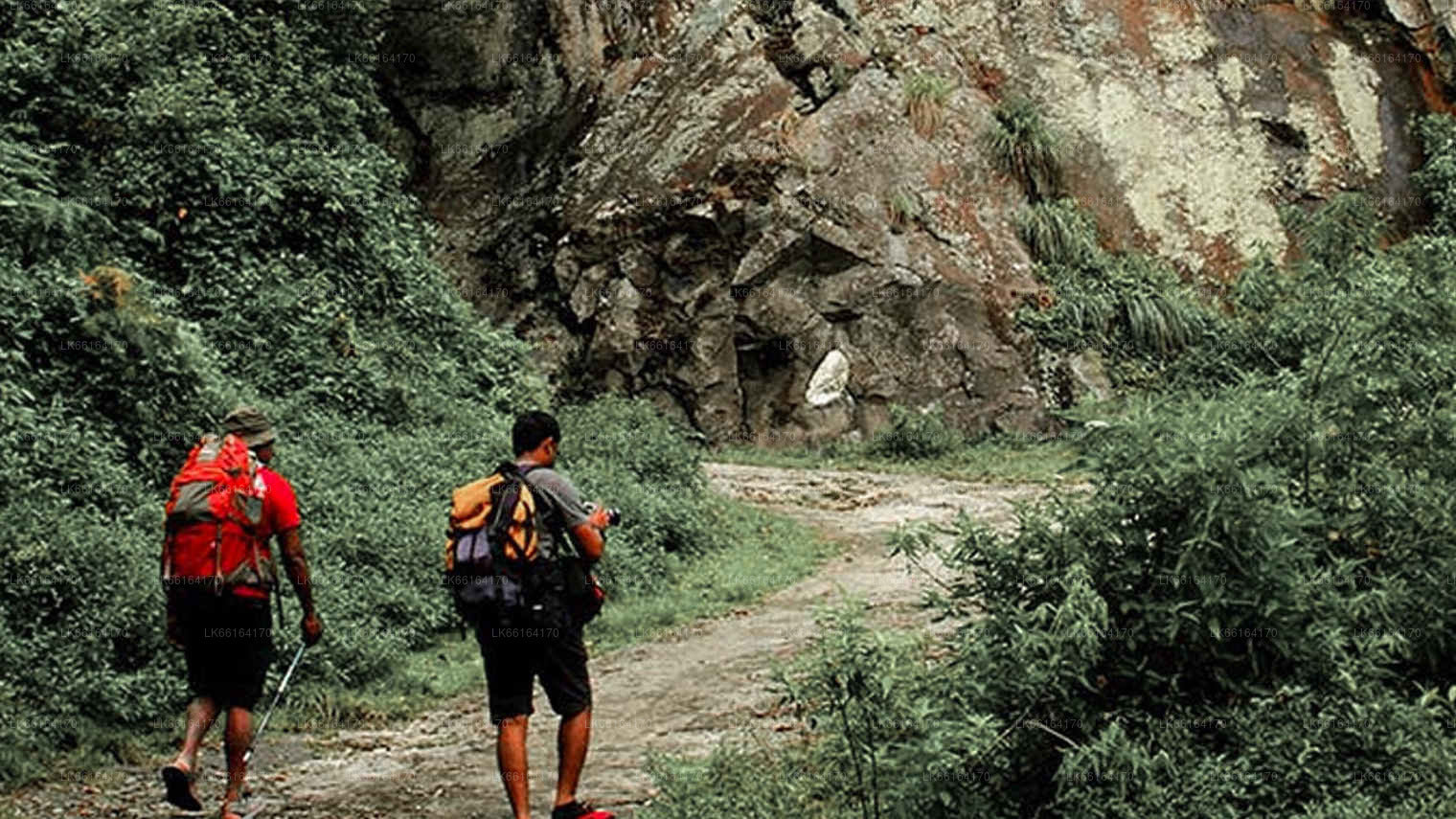
Cultural day tours cover a wide spectrum — from structured visits to UNESCO World Heritage sites to informal village walks that require no advance booking beyond a guide.

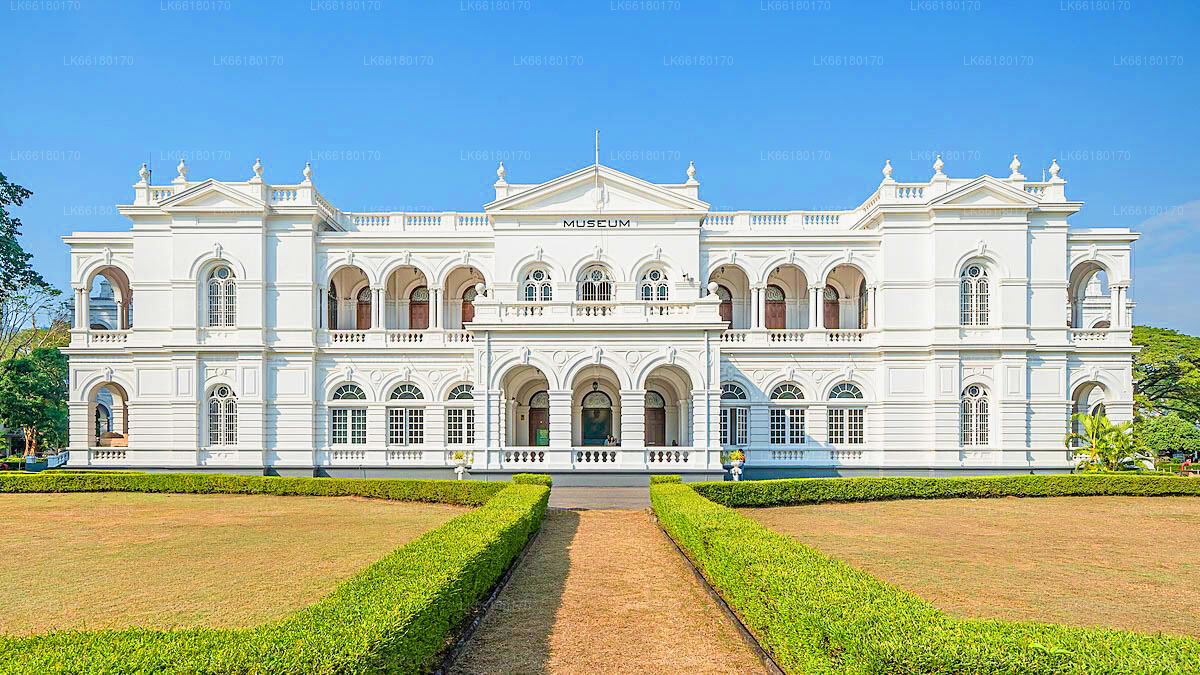
City tours are an efficient way to orient yourself in Sri Lanka's main urban centres. Lakpura arranges half-day and full-day tours in Colombo, Kandy, Galle, and Negombo, each with a distinct character — Colombo for its layered colonial and contemporary architecture, Kandy for its temple and highland setting, Galle for its Dutch-built fort, and Negombo for its fishing heritage and church-lined canals.

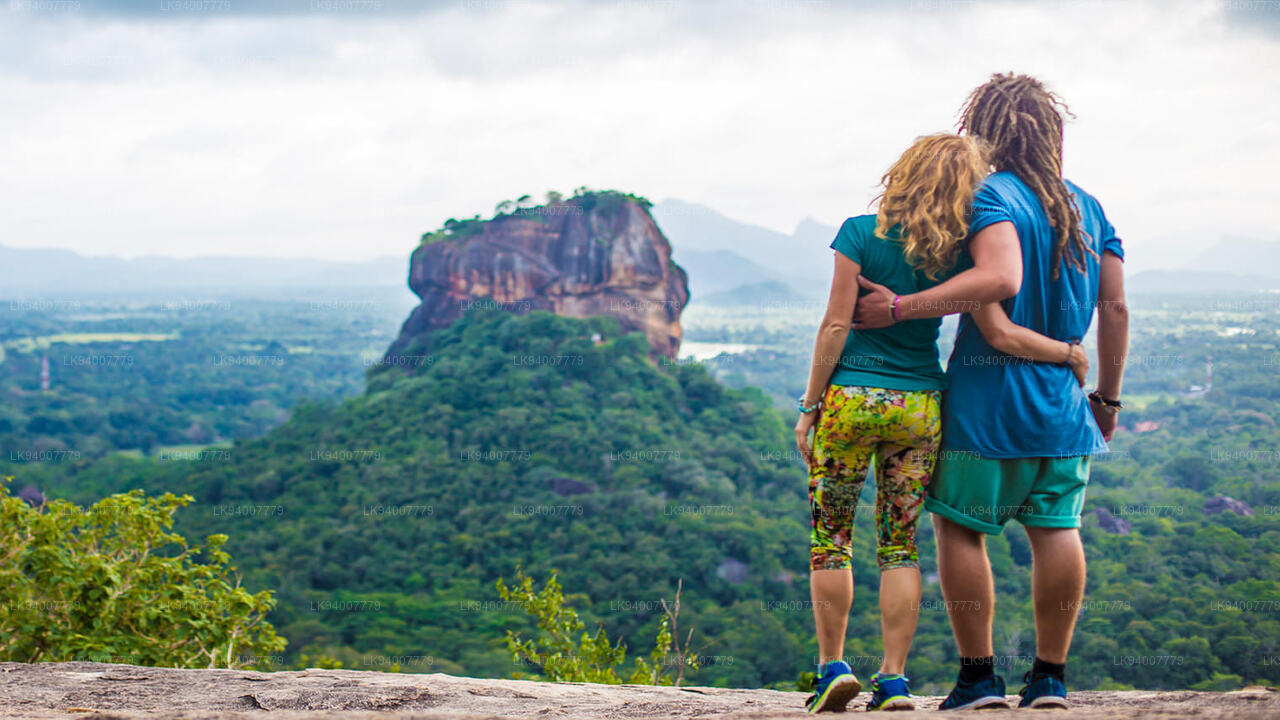
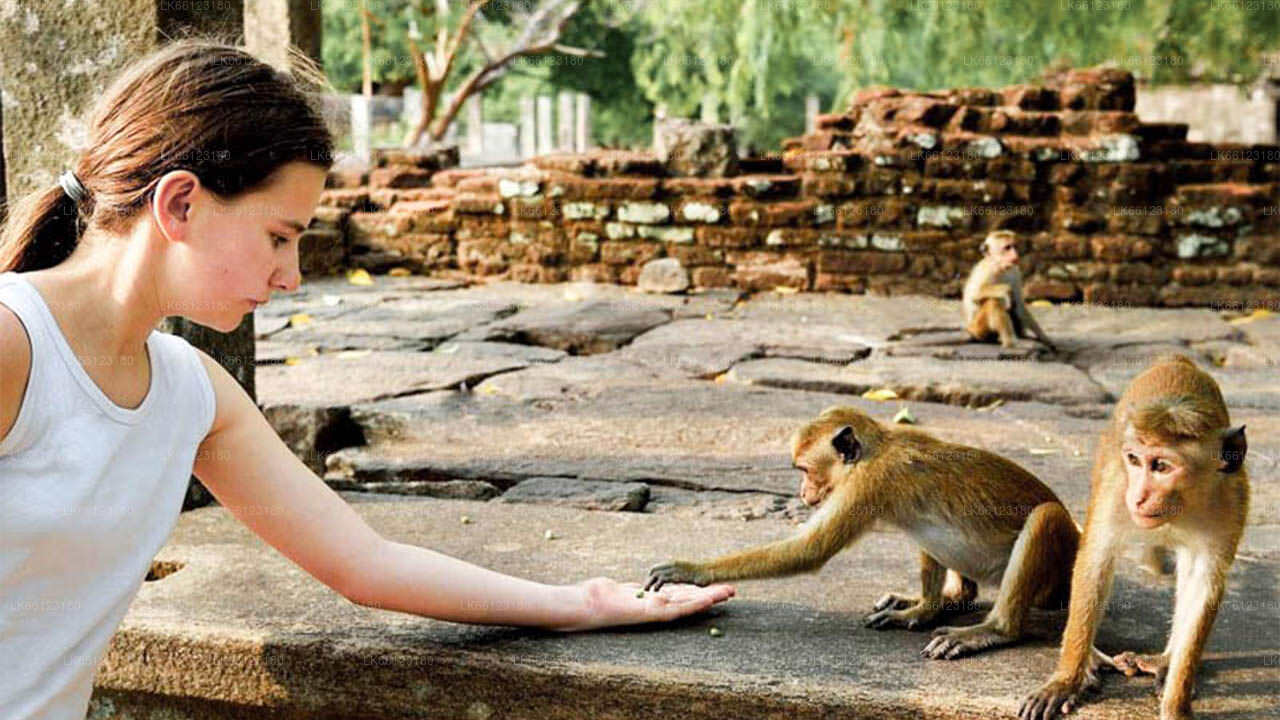
Beyond city boundaries, Polonnaruwa — Sri Lanka's medieval royal capital — is one of the island's most rewarding half-day archaeological excursions. The ruins are well-preserved and laid out in a logical sequence that rewards a knowledgeable guide. The ancient rock fortress of Sigiriya is commonly combined with Polonnaruwa on a single day from a base in the Cultural Triangle.

What nature-based experiences are available outside national parks?

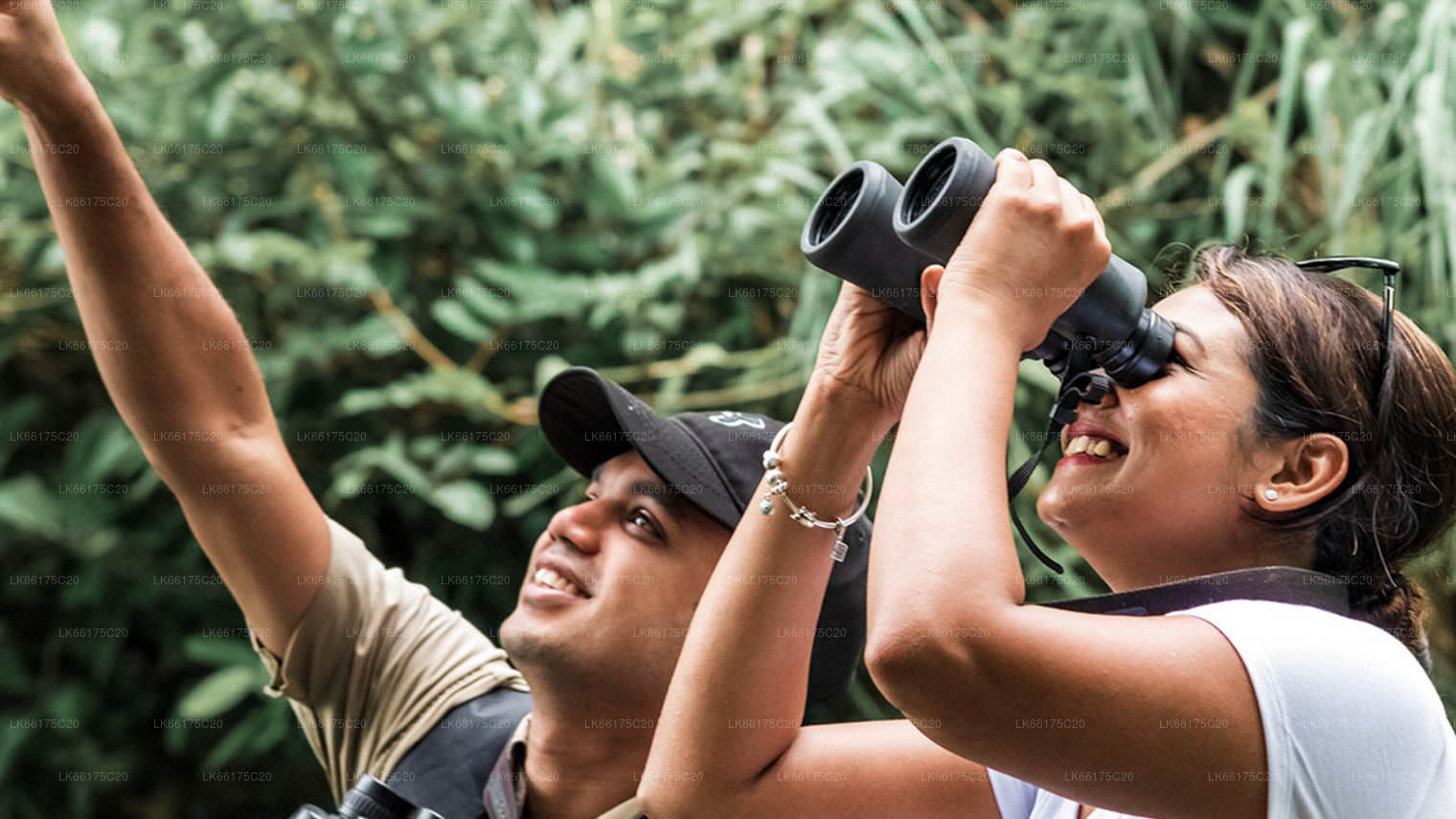
Sri Lanka's natural environments extend well beyond its gazetted parks. The Sinharaja Forest Reserve — a UNESCO World Heritage rainforest in the island's south-west — supports over half of Sri Lanka's endemic bird species and a dense understorey of rare flora, making it one of the most rewarding destinations for birders and botanists.

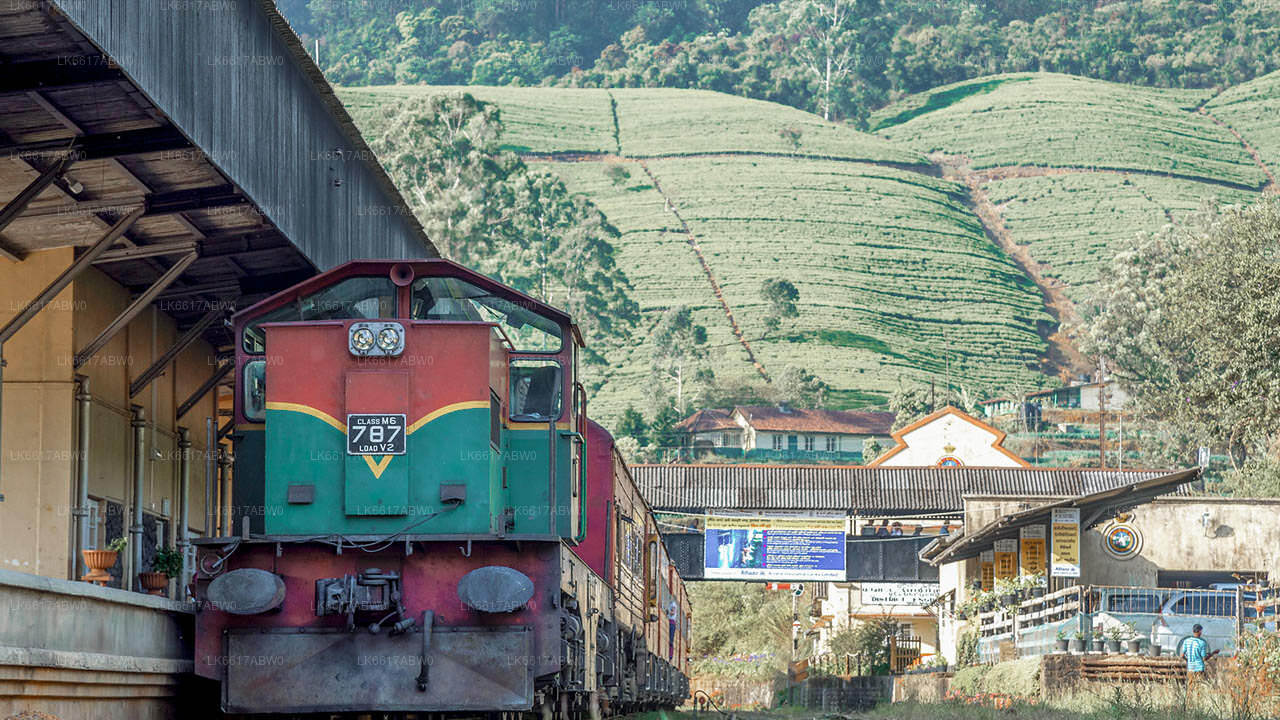
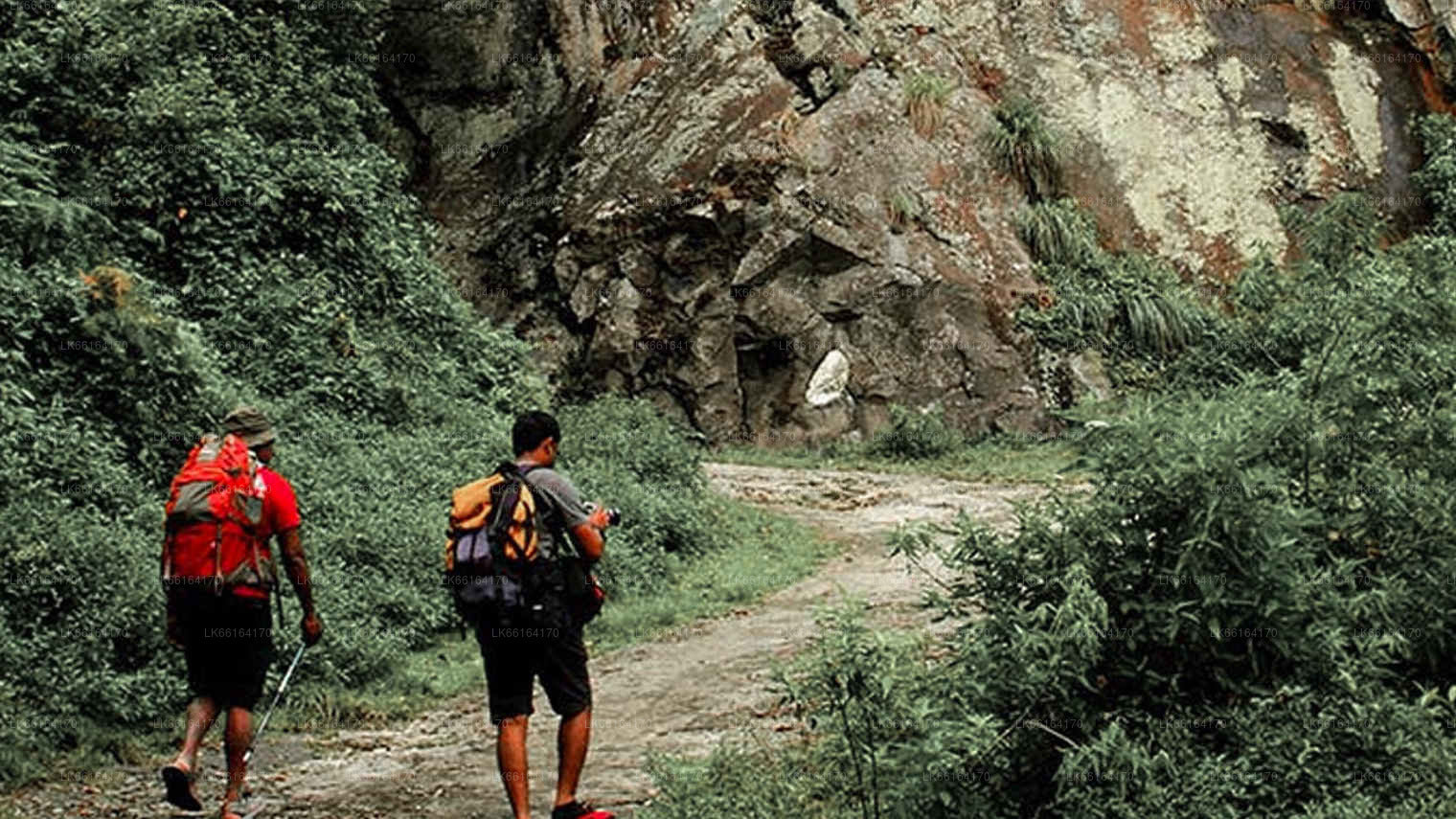
At higher elevations, Horton Plains National Park offers a plateau walk to World's End, a sheer escarpment with clear views down to the southern lowlands on fine mornings. The walk is best started before 9 a.m. to avoid cloud cover. The nearby hill town of Ella is a useful base for trekking routes and train journeys through tea country.
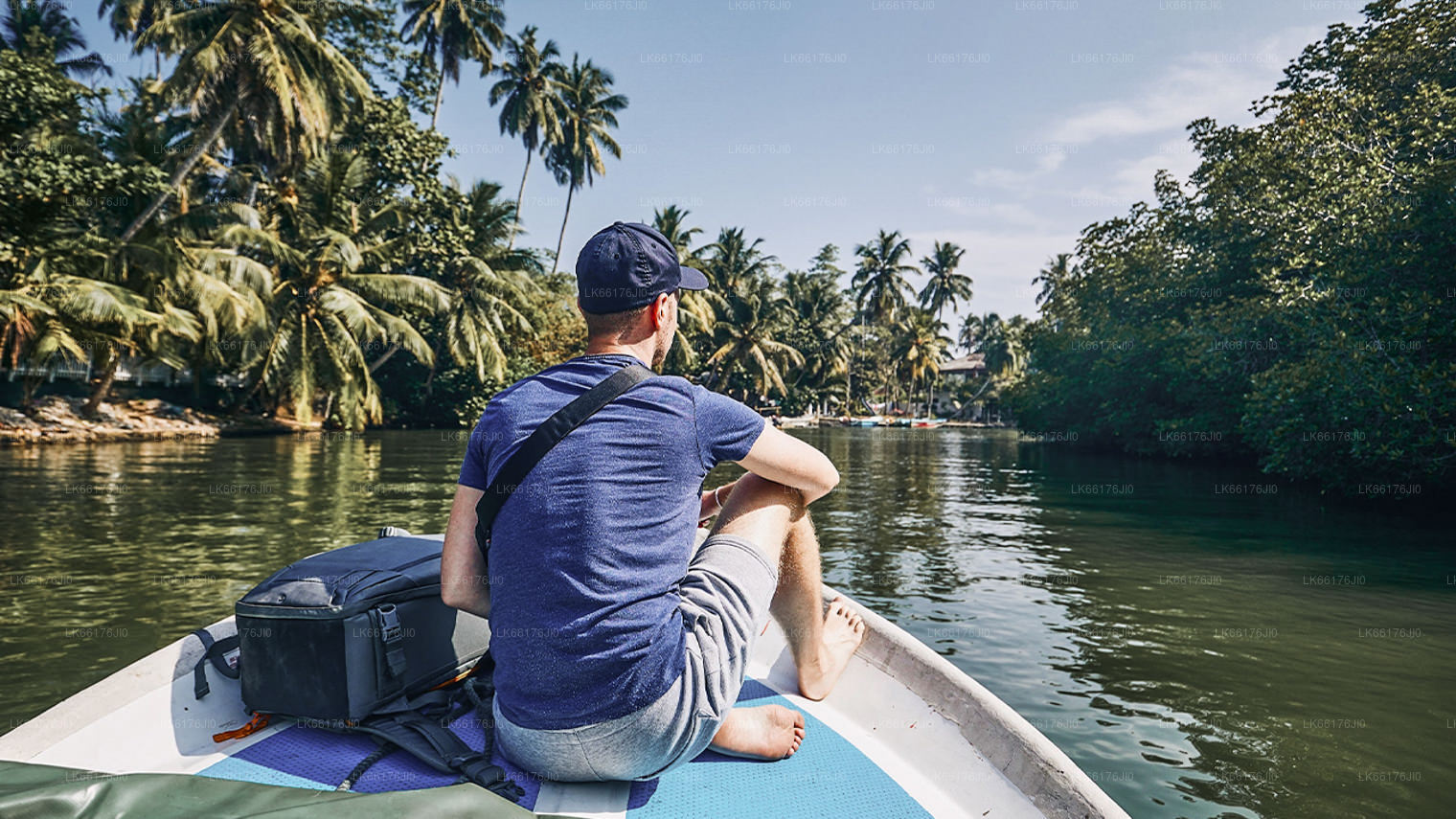
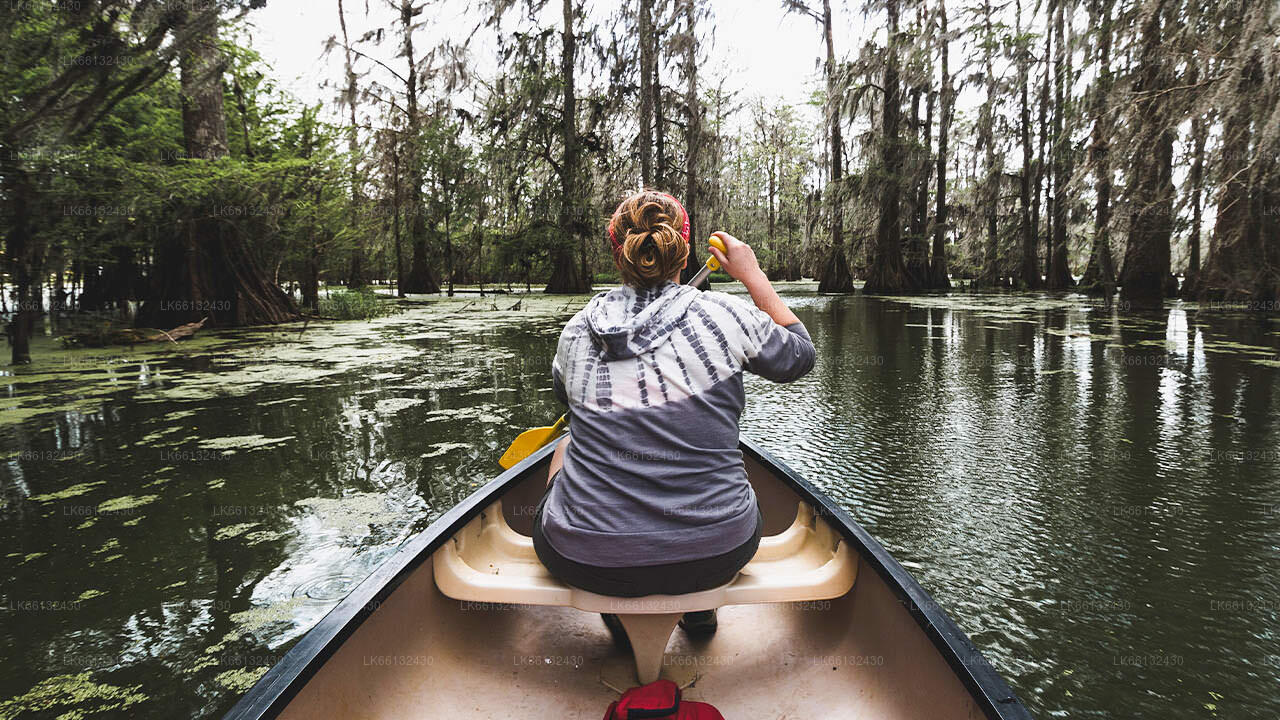
River-based excursions are another option. The Madu River Safari on the Madu Ganga — a protected mangrove estuary near Balapitiya — takes visitors through a network of mangrove channels by boat, with stops for crocodile watching and visits to cinnamon-growing islands.

Are there yoga, wellness, and slower-paced activities in Sri Lanka?

Not every visitor is looking for an early-morning jeep ride or a river crossing. Sri Lanka has a well-developed wellness tourism infrastructure, particularly in the hill country and along the south-west coast. Yoga tours combine daily practice sessions with guided cultural experiences, typically over multi-day programmes rather than single excursions. Ayurvedic treatments, cooking classes, and spice garden visits can generally be slotted into a standard itinerary as half-day add-ons.

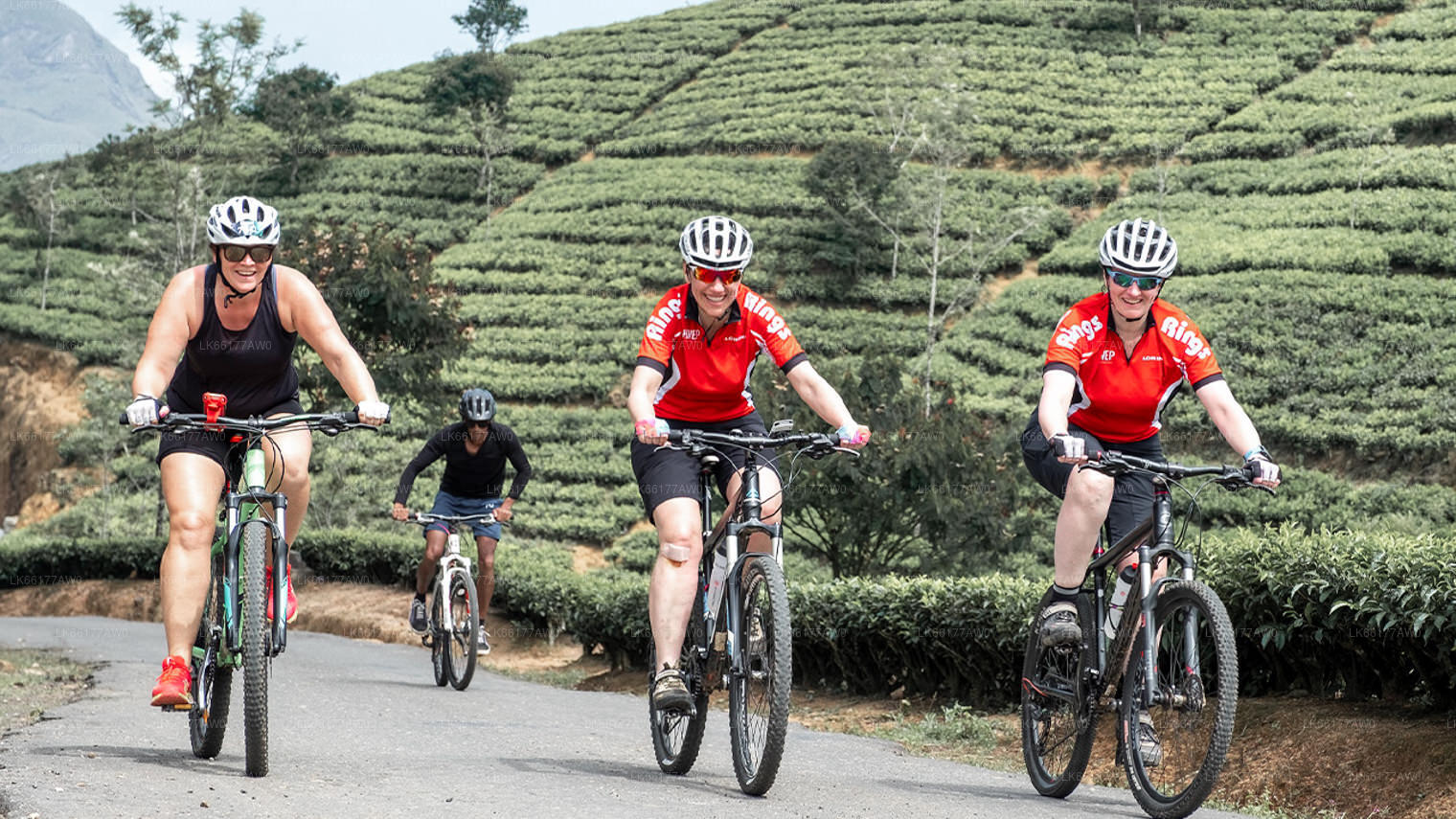
Tea estate visits are a consistently popular choice for travellers passing through Nuwara Eliya or Ella. Bluefield Tea Gardens allows visitors to walk the estate, watch the plucking and rolling process, and taste freshly produced Ceylon tea — a practical hour's diversion that connects a familiar product to its origin.

How should I plan day excursions around Sri Lanka?

The most common planning mistake in Sri Lanka is underestimating travel times. Road conditions and traffic — particularly between the Cultural Triangle and the coast — mean that distances look shorter on a map than they feel on the ground. A rule of thumb: budget around 60–80 km per hour of comfortable road travel, less on mountain routes.

Group and private arrangements differ meaningfully in flexibility. Shared group excursions are cost-effective for solo travellers and couples open to a fixed departure time and route. Private day tours — arranged through a DMC like Lakpura — allow departure times, pace, and itinerary to be adjusted on the day, which matters when wildlife sightings or weather are involved.

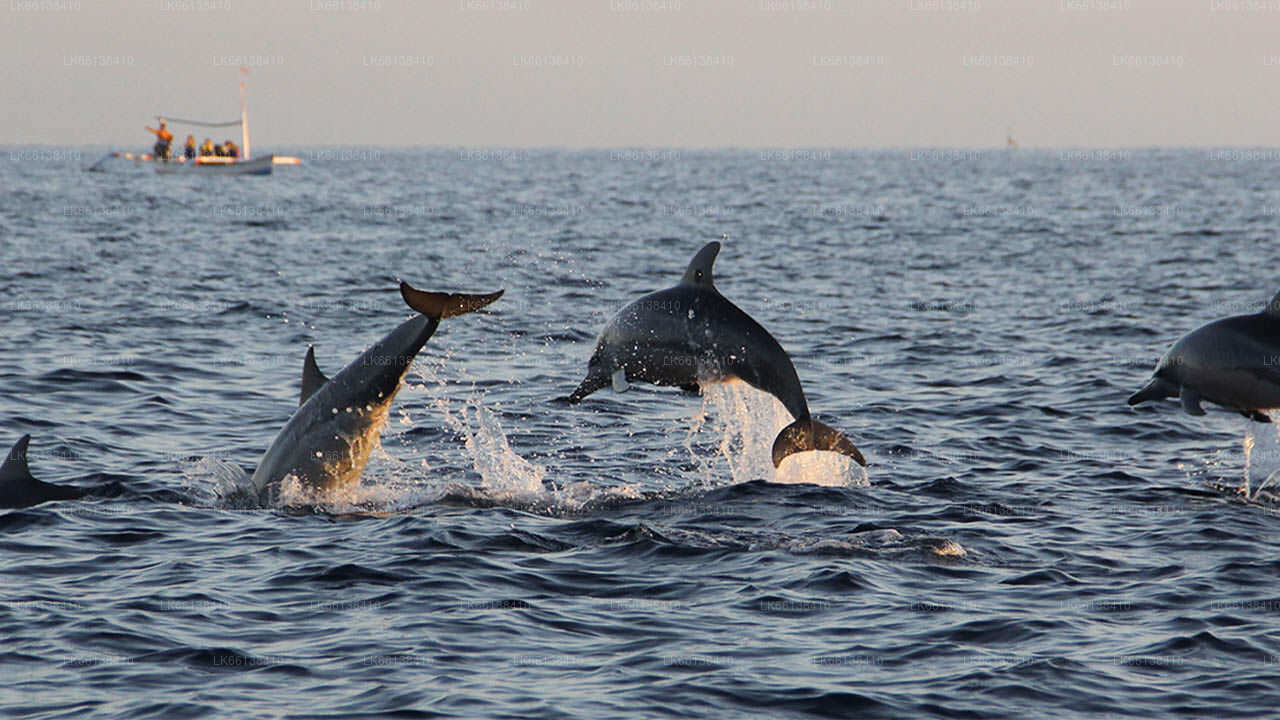
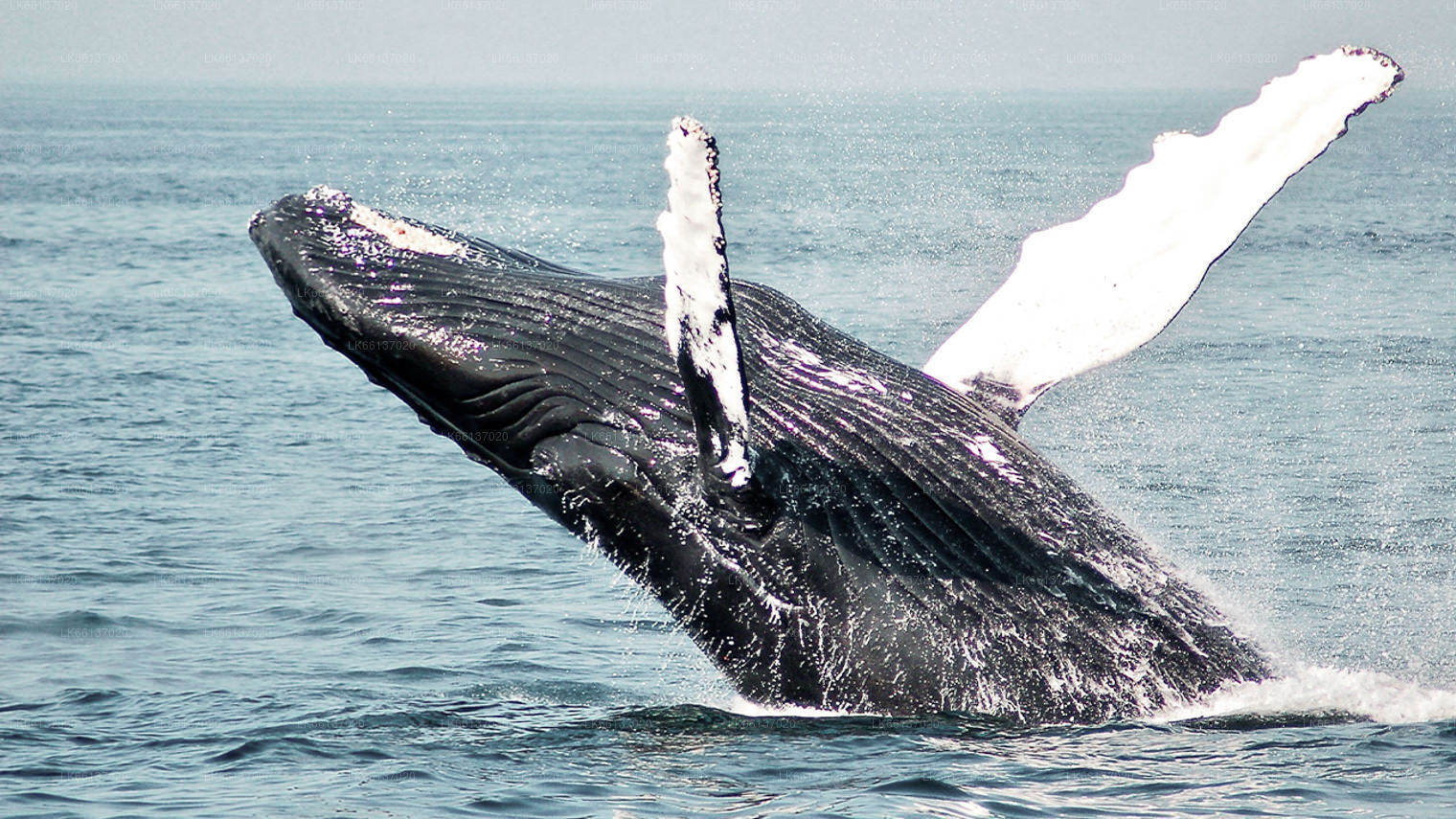
Seasonality affects some activities significantly. Whale watching off Mirissa is typically concentrated between November and April. Diving visibility on the east coast (Trincomalee, Pigeon Island) is best from May to October, while the west coast (Hikkaduwa, Unawatuna) is clearest from November to April. Safari conditions vary less dramatically, but the dry season concentrates wildlife around water sources, generally improving sightings at most parks.

What conservation and community-based activities can I participate in?

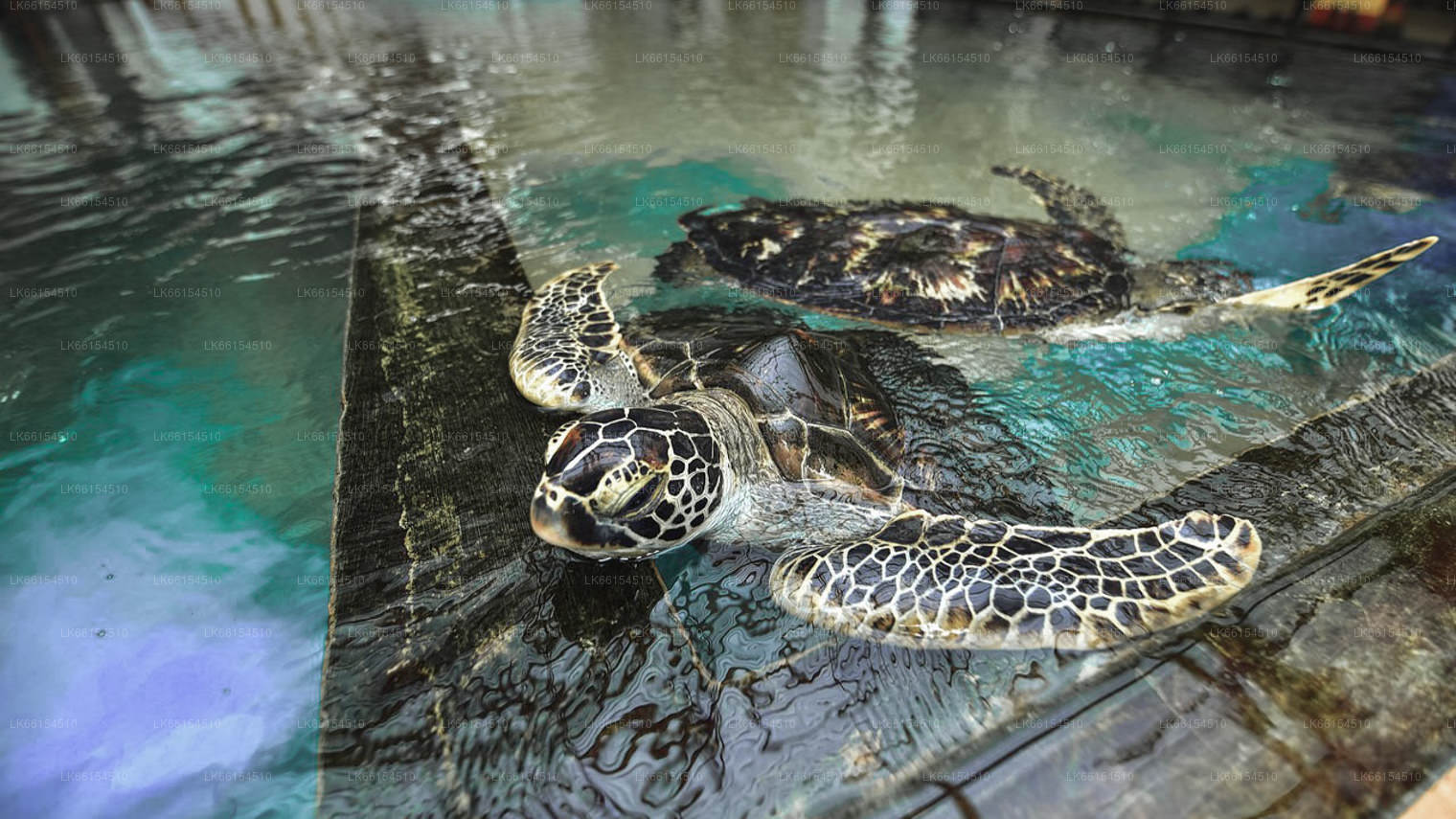
Several of Sri Lanka's most memorable excursions are structured around conservation or community outcomes rather than pure tourism. The Kosgoda Sea Turtle Conservation Project accepts visitors who want to observe nesting and hatchling release programmes on the south-west coast. The Hikkaduwa Turtle Hatchery operates a similar programme further along the same coastal stretch.

Village-based experiences — paddy field walks, kitul tapping demonstrations, and visits to working spice gardens — offer a different kind of engagement with rural Sri Lanka. These are typically arranged as add-ons to longer cultural itineraries but can be organised as standalone half-days from nearby accommodation.

Book this experience with Lakpura

Curated by our local team. Direct booking, instant confirmation.

Ask Lakpura® Agent