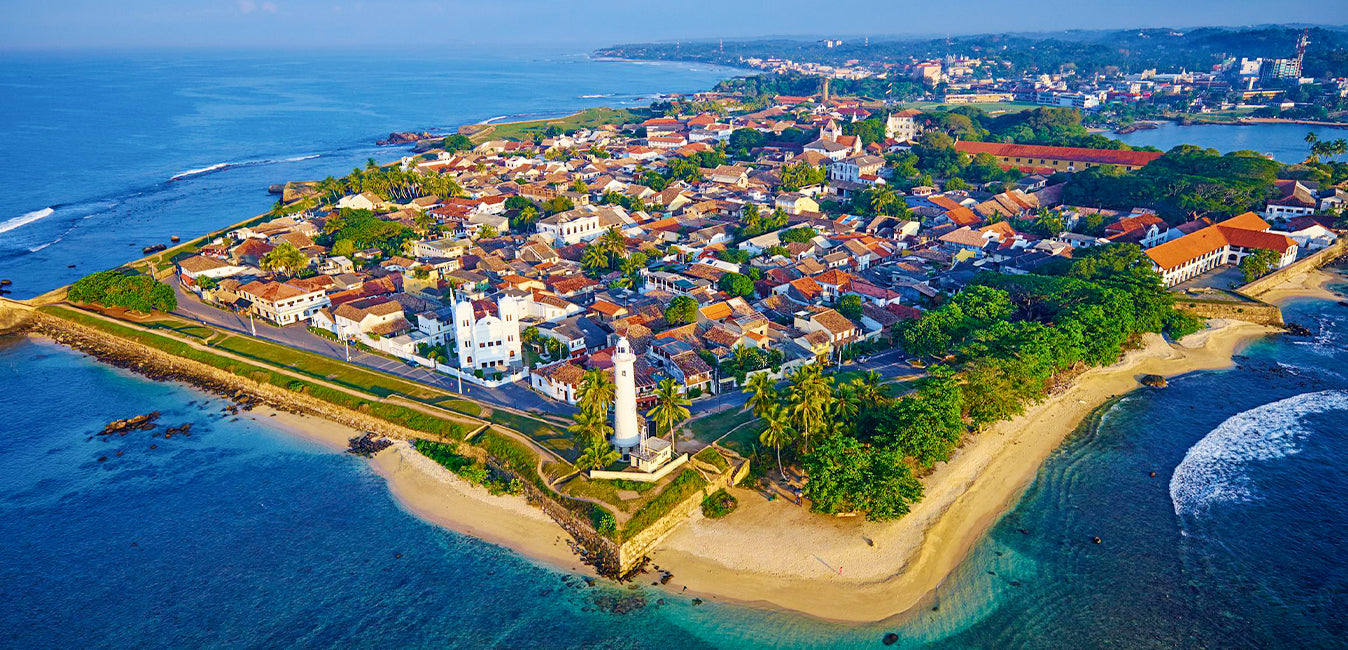
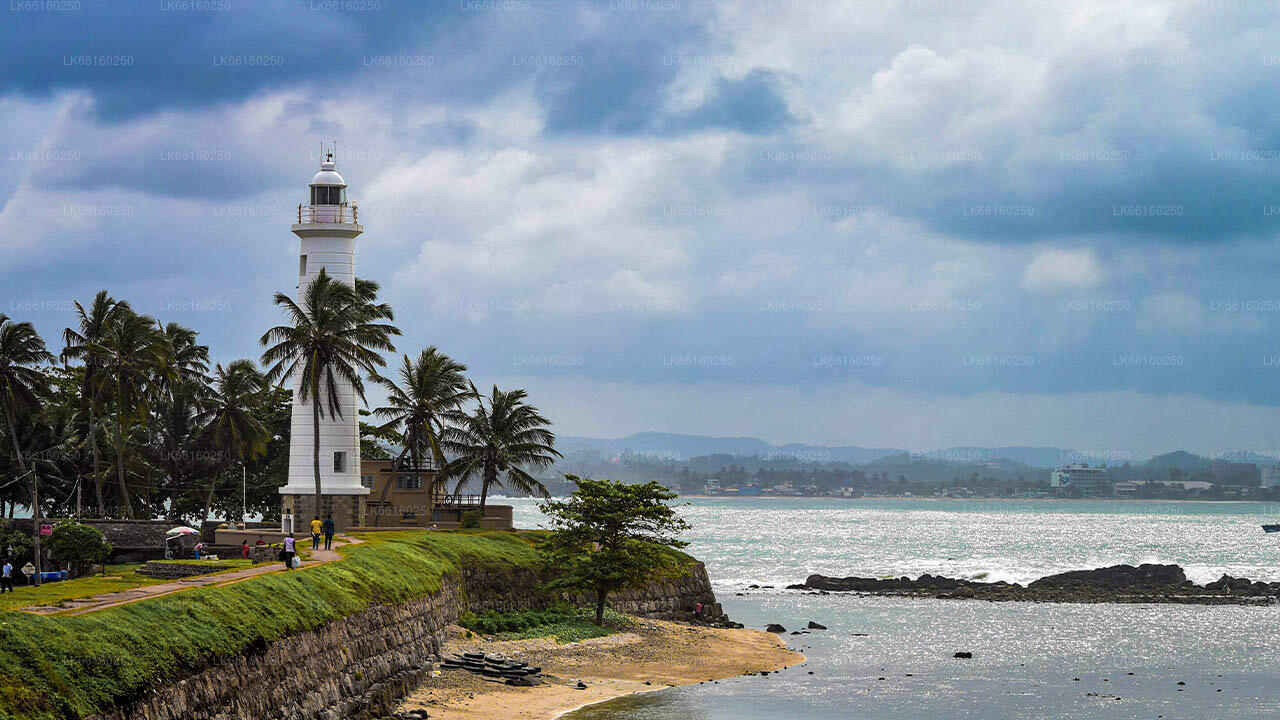
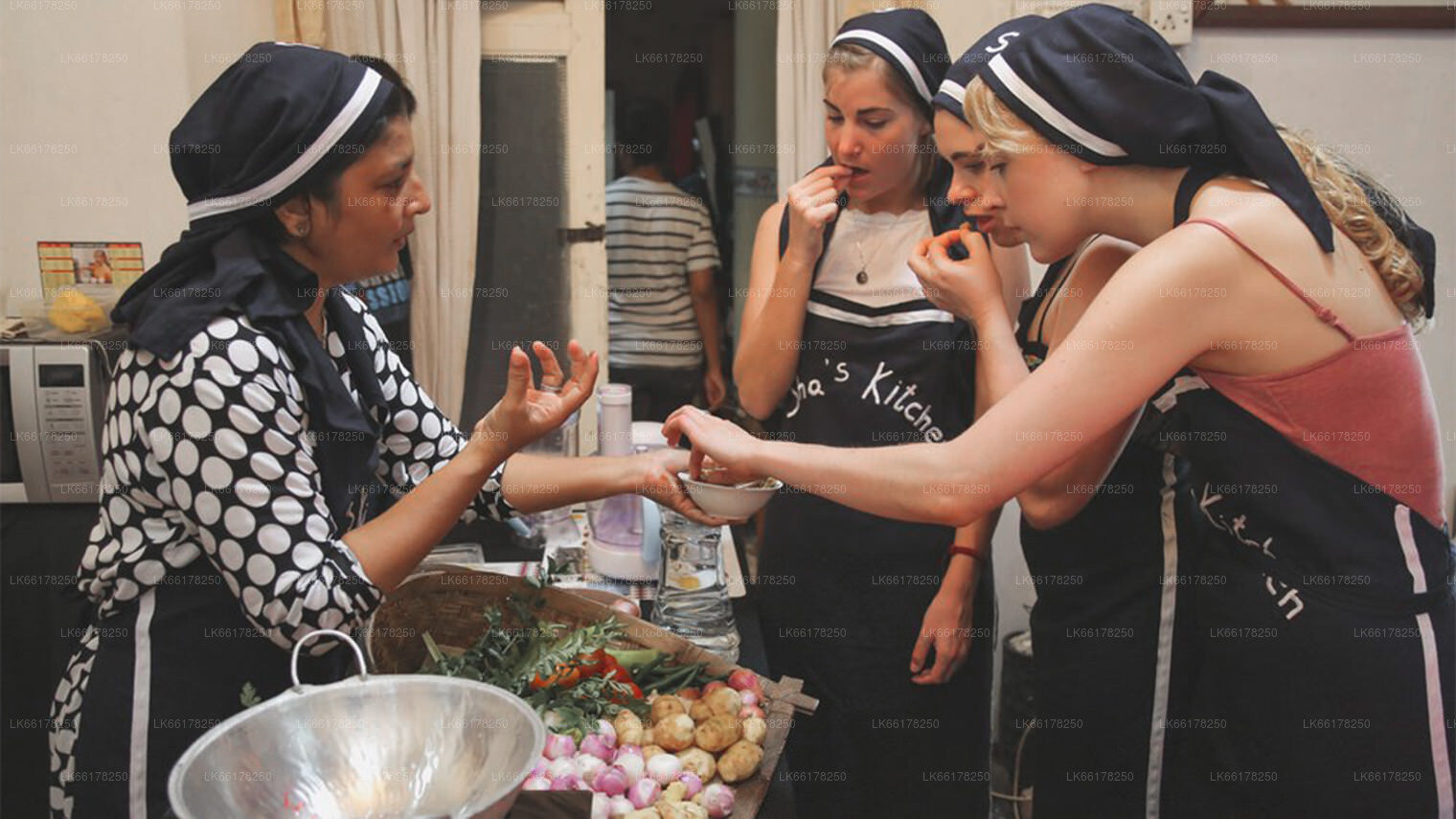
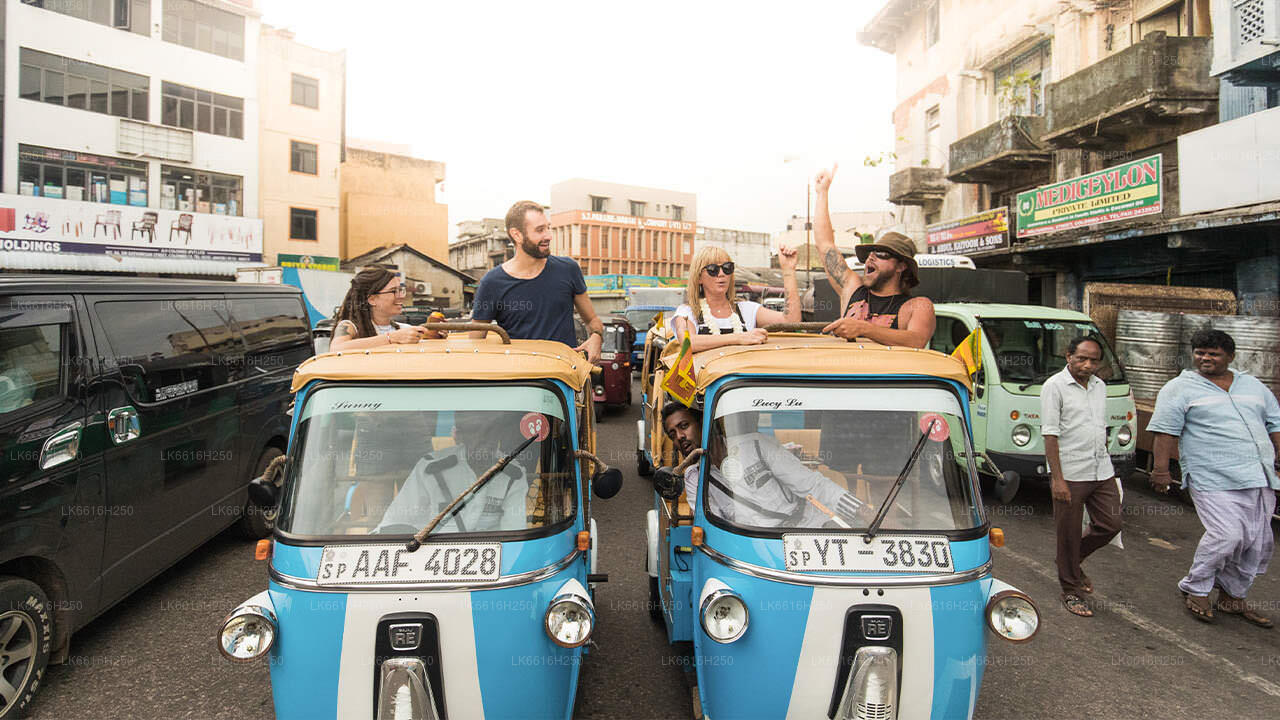
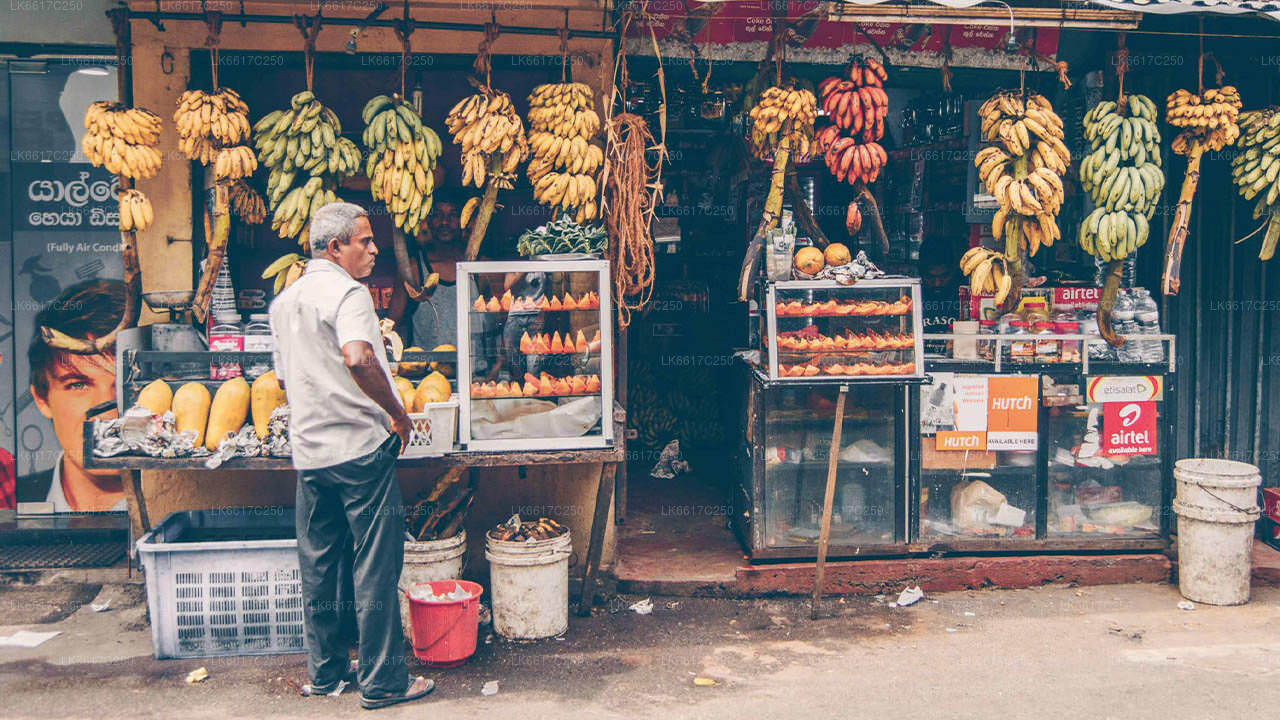
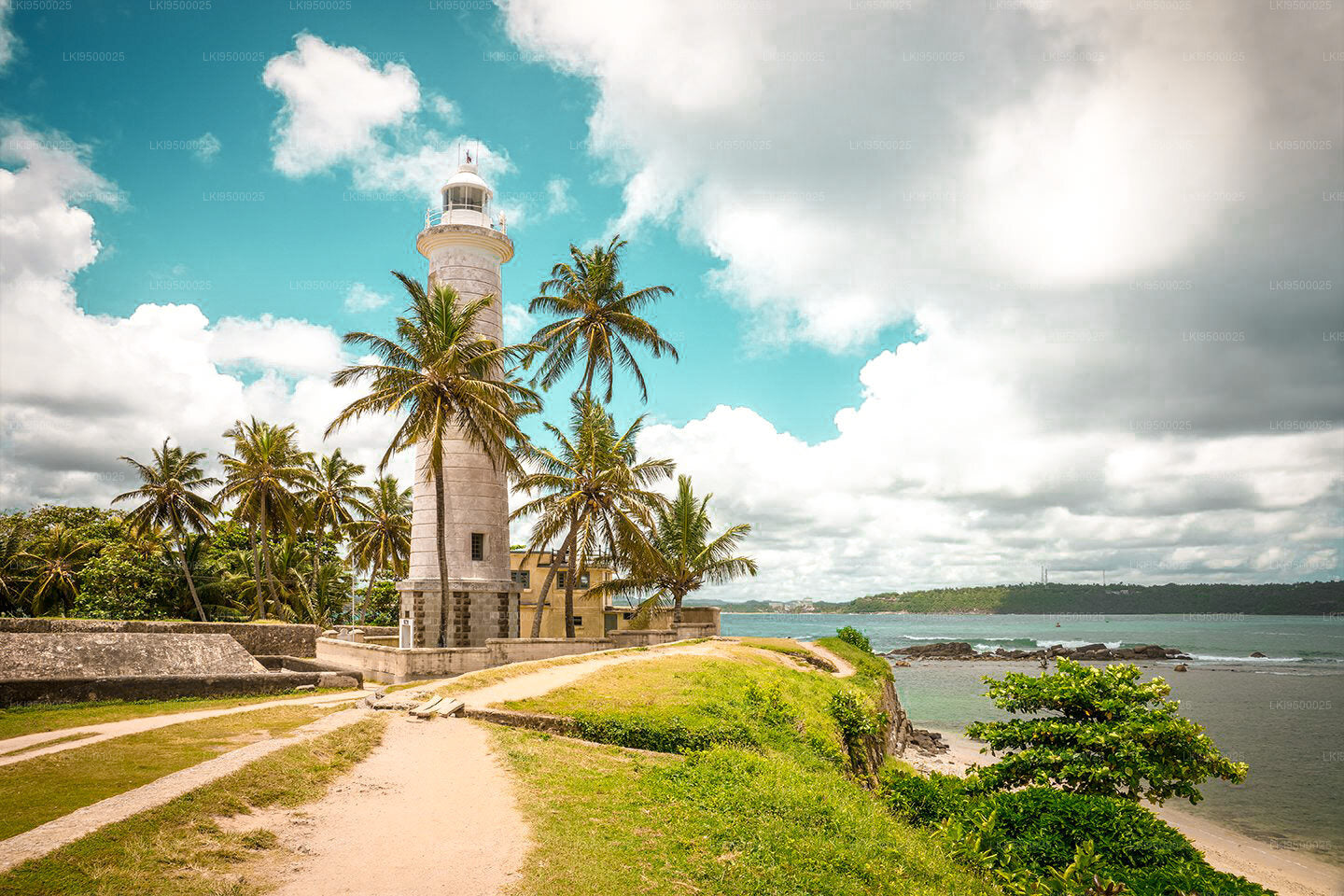
Galle, uma encantadora cidade costeira do Sri Lanka, possui uma rica história e uma cultura vibrante. Seu icônico Forte Holandês, Patrimônio Mundial da UNESCO, é um testemunho da influência colonial. Explore praias intocadas, mergulhe em festivais culturais e saboreie a culinária local em meio ao charme antigo de Galle.
St. Joseph’s Chapel, located within Galle Fort, is a small yet significant place of worship that reflects the deep-rooted Catholic heritage within this historic area. The chapel is believed to have been established during the Dutch colonial period when Catholicism was introduced and spread by missionaries. While Galle Fort is primarily known for its Dutch Reformed Church, St. Joseph’s Chapel stands as a symbol of the enduring Catholic faith in the region.
Architecturally, St. Joseph’s Chapel is relatively modest compared to some of the grander churches in Sri Lanka, such as St. Mary’s Cathedral. However, its simple design and serene atmosphere offer a peaceful retreat for both worshippers and visitors exploring the fort. The chapel is a single-story structure with basic features such as wooden pews, a small altar, and simple stained-glass windows that lend it a quaint charm. The structure’s understated beauty reflects the humility and devotion of the local Catholic community that it serves.
One of the most striking aspects of St. Joseph’s Chapel is its proximity to other religious landmarks within Galle Fort, such as the Dutch Reformed Church and several Buddhist temples. This close proximity of different places of worship showcases the religious diversity that exists in Galle, making it a symbol of harmony and coexistence in the fort.
For visitors exploring the fort’s rich colonial history, St. Joseph’s Chapel offers a glimpse into the Catholic heritage of the area. Whether attending a quiet service or simply reflecting in the peaceful ambiance, tourists can appreciate the chapel’s role in maintaining the spiritual fabric of the Galle Fort community.
In summary, St. Joseph’s Chapel, though small and modest, is an important religious and historical site within Galle Fort, symbolizing the presence of Catholicism in this culturally diverse region.
Sobre o Distrito de Galle Galle é uma cidade situada na ponta sudoeste do Sri Lanka, a 119 km de Colombo. Galle é o melhor exemplo de uma cidade fortificada construída por europeus no sul e sudeste da Ásia, mostrando a interação entre os estilos arquitetônicos europeus e as tradições do sul da Ásia. O Forte de Galle é um Patrimônio Mundial da UNESCO e a maior fortaleza remanescente na Ásia construída por ocupantes europeus. Galle é uma cidade de porte considerável para os padrões do Sri Lanka, com uma população de 91.000 habitantes, a maioria de etnia cingalesa. Há também uma grande minoria moura do Sri Lanka, particularmente na área do forte, descendente de mercadores árabes que se estabeleceram no antigo porto de Galle. Sobre a Província do Sul A Província do Sul do Sri Lanka é uma pequena área geográfica composta pelos distritos de Galle, Matara e Hambantota. A agricultura de subsistência e a pesca são as principais fontes de renda para a grande maioria da população desta região. Entre os pontos turísticos importantes da Província do Sul, destacam-se os santuários de vida selvagem dos Parques Nacionais de Yala e Udawalawe, a cidade sagrada de Kataragama e as antigas cidades de Tissamaharama, Kirinda e Galle. (Embora Galle seja uma cidade antiga, quase nada sobreviveu do período anterior à invasão portuguesa.) Durante o período português, dois poetas cingaleses famosos, Andare, de Dickwella, e Gajaman Nona, de Denipitiya, no distrito de Matara, compuseram poemas sobre o homem comum.