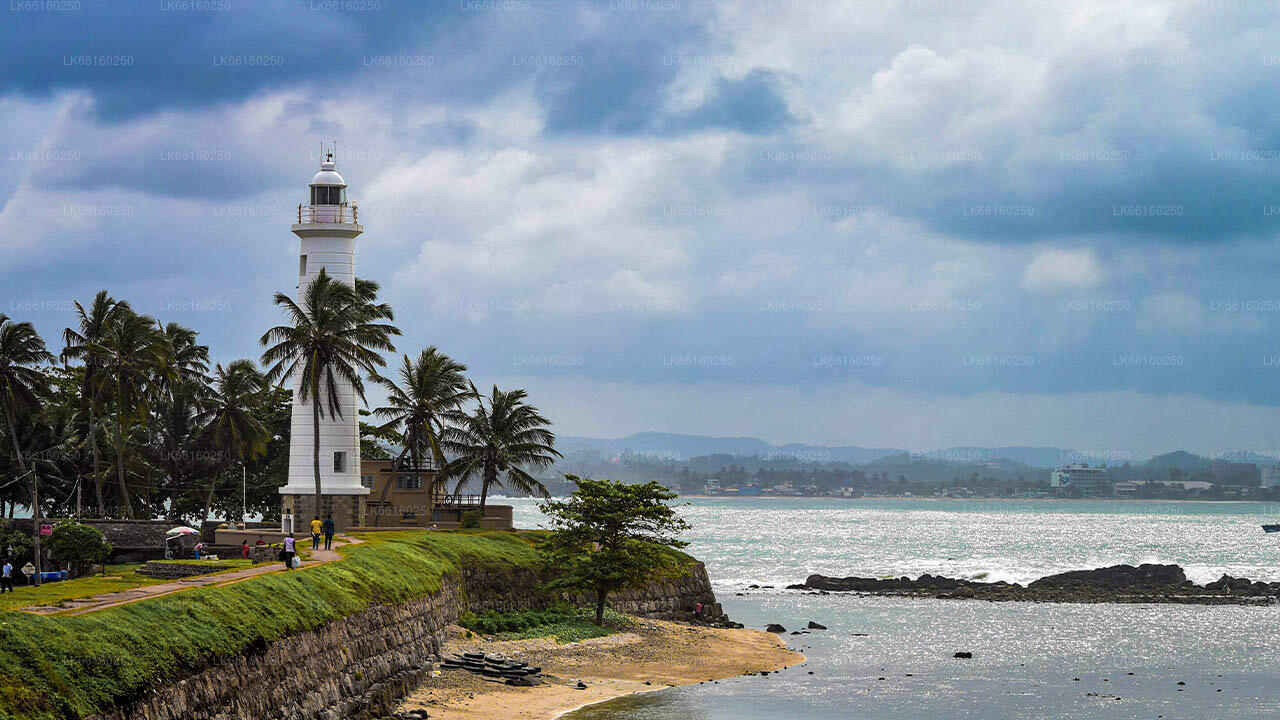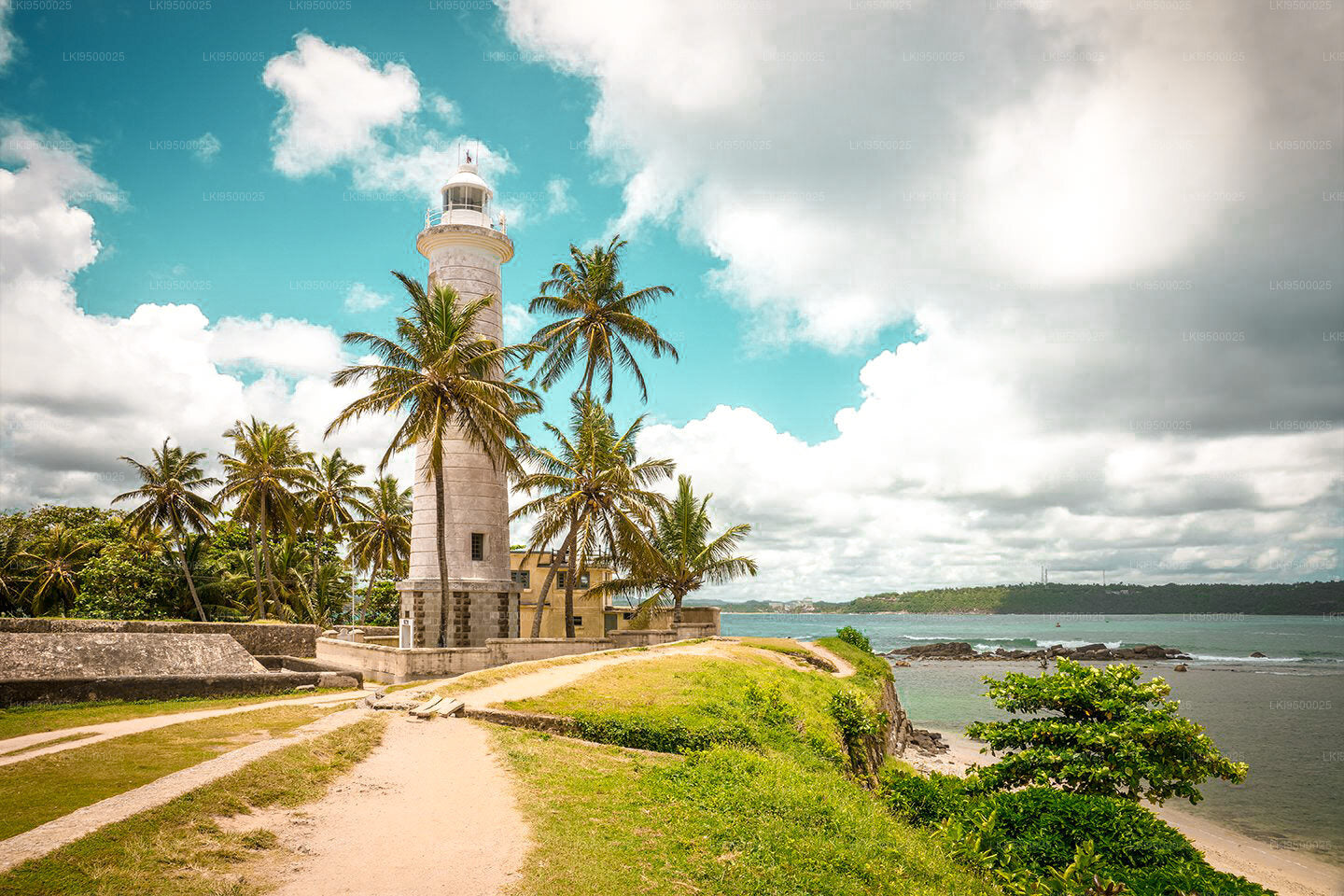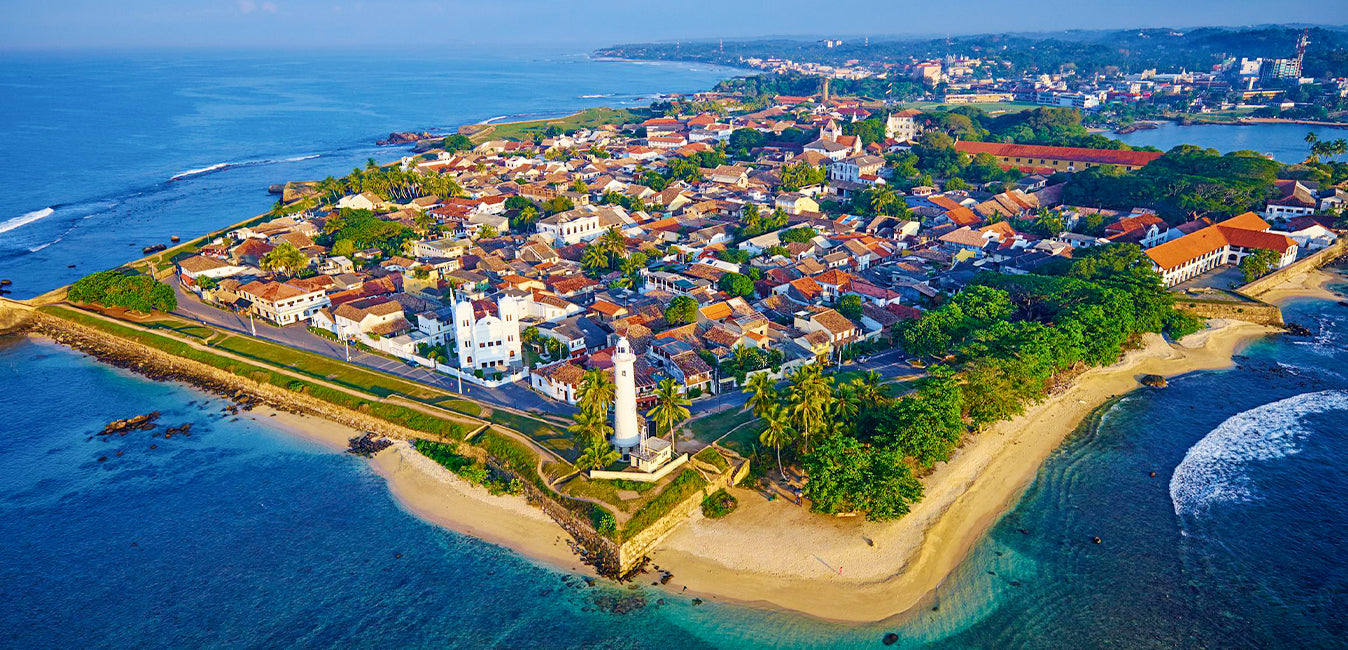
Standing quietly at the seaward edge of Galle Fort, the Moon Bastion is one of three bastions that define the Dutch-era defensive layout of this UNESCO World Heritage Site. While it draws far fewer visitors than the nearby lighthouse or Dutch Reformed Church, the bastion rewards those who seek it out with sweeping Indian Ocean views and a layered colonial history that spans Portuguese, Dutch, and British rule.
What is the history of the Moon Bastion?
The Moon Bastion — known to the Dutch as Middelpunt (meaning "middle point") — was constructed in 1667, following the Dutch capture of the Portuguese fort of Santa Cruz. When the Dutch took Galle from the Portuguese in 1640, they inherited a modest wooden palisade fortification. Over the following decades, they systematically replaced it with a far more formidable structure in solid coral stone and granite.
The three principal bastions built during this period each took a celestial name: Sao Lago (Sun Bastion), Middelpunt (Moon Bastion), and Zeepunt (Star Bastion). Together, they anchored the seaward defences of the fort against both naval attack and monsoon swells. The Moon Bastion occupies the central position among the three, pointing out toward the open ocean.
When the British supplanted the Dutch in 1796, they chose not to commission the Moon Bastion for active military use. It fell into a kind of honourable dormancy — maintained within the walls of the fort but no longer a working gun platform. That hands-off approach has, in a sense, preserved its character. The bastion retains much of its Dutch-period stonework, making it one of the more authentic remnants of 17th-century military engineering in Sri Lanka.
Where exactly is the Moon Bastion within Galle Fort?
The Moon Bastion sits on the northern rampart wall, flanked by the Sun Bastion to its east and the Star Bastion to its west. Immediately adjacent to the bastion is the New Gate — the principal entrance connecting the modern city of Galle to the historic 16th-century town within the fort walls. Travellers arriving from the Galle bus stand or main road will pass through or near the New Gate, making the Moon Bastion one of the first fortification elements encountered on entering the fort.
The rampart walk here is wide enough to stroll comfortably and offers unobstructed views across Galle Harbour on one side and toward the fort's interior lanes on the other. Early morning, before the heat builds, is generally the most pleasant time to walk this stretch.
What can you see at the Moon Bastion today?
The bastion itself is an open, elevated platform with low parapet walls. There are no formal exhibits or visitor facilities at the bastion — it is simply a well-preserved architectural feature of the rampart circuit. Most visitors encounter it as part of a longer walk along the fort walls rather than as a standalone destination.
- Panoramic sea views: The seaward face looks directly out over the Indian Ocean. On clear days, fishing outriggers and occasional container ships can be seen from the platform.
- New Gate: Set into the rampart directly beside the bastion, the New Gate is a functional Dutch-era archway still used as the main vehicular and pedestrian entrance into the fort.
- Rampart walk: The broader fort wall circuit — around 1.3 km in total — connects the Moon Bastion to the Sun and Star Bastions, the Flag Rock, and the lighthouse at the fort's southern tip.
- Architectural detail: Look closely at the coral-stone construction. The Dutch used locally quarried coral extensively, and the texture and weathering of these blocks speak directly to the bastion's 350-plus-year age.
How does the Moon Bastion fit into the broader Galle Fort?
Galle Fort as a whole covers around 52 hectares and contains within its walls a living town — not just ruins. Streets of Dutch-period townhouses, colonial churches, mosques, and boutique hotels sit cheek by jowl with the ramparts. For context on the fort's full scope, a Galle city tour typically covers the Moon Bastion alongside landmarks such as the Dutch Reformed Church, the National Museum, and the lighthouse.
The fort was inscribed as a UNESCO World Heritage Site in 1988, recognised for its outstanding example of a fortified trading port built by Europeans in South and Southeast Asia, showing the interaction of European architecture and South Asian traditions.
When is the best time to visit the Moon Bastion?
The Moon Bastion and the rampart walk are accessible year-round and are not subject to restricted entry hours in the way that ticketed museums are. The fort's southern and western coastal areas are best avoided during the south-west monsoon (roughly May to September), when heavy swells and rain reduce visibility and make the exposed ramparts uncomfortable. The north-east monsoon period (October to January) brings drier weather to the south coast, making it the more reliable season for a visit to Galle.
Time of day matters too. The bastions face west and north-west, which means late afternoon light falls directly onto the stonework — a good time for photography. Sunrise walks along the rampart are also popular with those staying inside the fort, when the lanes are quiet and the air is cooler.
How do I get to the Moon Bastion from Colombo?
Galle is around 120 km south of Colombo along the Southern Expressway (E01). By road, the journey typically takes between 90 minutes and two hours depending on traffic. The Coastal Railway from Colombo Fort station to Galle is a scenic alternative, with trains running several times daily and the journey taking roughly two to two-and-a-half hours. From Galle railway station, the fort is a short three-wheel ride or a 10-minute walk.
Once inside the fort, the Moon Bastion is near the New Gate — the main entrance — so it is difficult to miss. No vehicle is needed to reach it from within the fort.
Are there entry fees to visit the Moon Bastion?
The ramparts of Galle Fort, including the Moon Bastion, are freely accessible to visitors. There is no entry fee to walk the walls. Some specific sites within the fort — such as the National Museum — do charge a small admission, but the open rampart circuit does not. Standard considerations apply: carry water, wear sun protection, and wear flat shoes if you plan to walk the full wall circuit.
What else is worth seeing near the Moon Bastion?
The fort interior offers a half-day of exploration on its own. Beyond the ramparts, the Dutch Reformed Church (dating to 1755), the Groote Kerk, the Galle National Museum, and the streets around Church Street and Leyn Baan Street are all within easy walking distance. The fort also has a range of cafes, boutique shops, and guesthouses operating out of restored colonial buildings.
For those with more time in the Southern Province, the coastal wetlands of Madu Ganga are around 25 km north of Galle and offer a very different natural experience — mangrove channels, cinnamon islands, and river life — that pairs well with a Galle Fort visit on the same day.