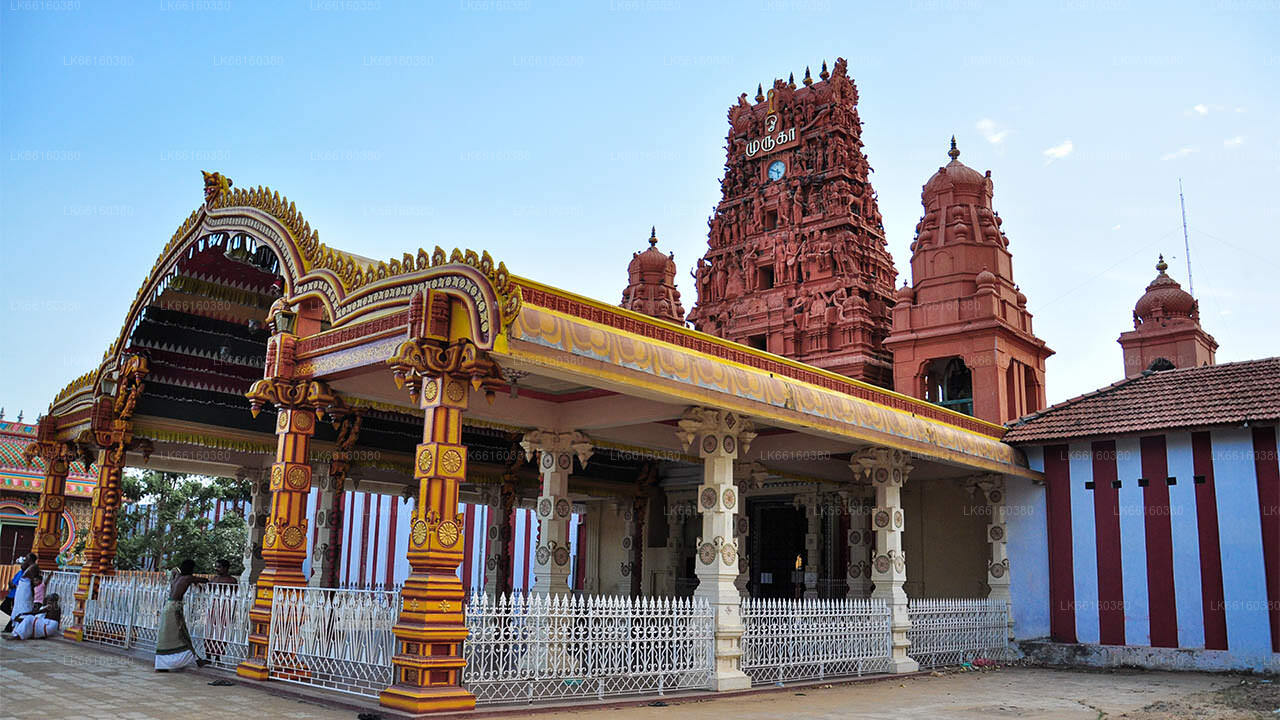
Templo Maruthanamadam Anjaneyar

Maruthanar Madam Anjanajar Temple Maruthanar Madam Anjanajar Temple Maruthanar Madam Anjanajar Temple

O templo Maruthanar Madam Anjanajar é um santuário hindú reverenciado localizado no distrito de Mannar, no norte de Sri Lanka, profundamente ligado à tradição Ramayana e à adoração de Lorde Anjaneya (Hanuman). Situado em meio a uma paisagem rural serena, o templo tem significado espiritual, cultural e histórico para os devotos em toda a ilha, especialmente dentro da comunidade hindu hindú tamil. Seu ambiente pacífico e suas associações sagradas fazem dele não apenas um lugar de culto, mas também um local de reflexão e devoção.

De acordo com a tradição, acredita-se que Maruthanar Madam seja um dos lugares onde Lorde Hanuman descansou durante sua jornada até Lanka em busca da deusa Sita. O próprio nome reflete essa crença, com "Maruthanar" se referindo a Hanuman, o filho do deus do vento. Essa associação coloca o templo firmemente dentro do amplo caminho Ramayana de Sri Lanka, que conecta vários locais sagrados em toda a ilha a episódios do antigo épico. Para os devotos, visitar o templo é tanto um ato religioso quanto uma maneira de se conectar com um patrimônio cultural compartilhado que se estende por séculos.

A divindade principal, Lorde Anjaneya, é adorada como um símbolo de força, devoção, lealdade e coragem. Muitos devotos visitam o templo para buscar bênçãos para proteção, sucesso, boa saúde e alívio de obstáculos. Orações especiais e ofertas são comumente feitas aos sábados, considerados dias auspiciosos para a adoração de Hanuman, assim como durante os períodos festivos ligados à tradição Ramayana. A atmosfera durante esses tempos é marcada por cânticos, observâncias rituais e um forte senso de fé comunitária.

No contexto de Sri Lanka, o templo Maruthanar Madam Anjanajar também representa a resiliência das tradições religiosas na província do norte, especialmente em uma região que experimentou desafios históricos significativos. O templo continua a servir como um ancla espiritual para as comunidades locais, enquanto acolhe peregrinos de outras partes do país. Sua simplicidade, rituais centrados na devoção e fortes associações mitológicas a distinguem de templos urbanos maiores, oferecendo aos visitantes uma experiência enraizada na humildade e respeito.

Hoje, o templo se ergue como um marco significativo no cenário religioso de Sri Lanka, refletindo as tradições espirituais pluralistas da ilha. O templo Maruthanar Madam Anjanajar não é apenas um lugar ligado à lenda, mas um espaço vivo de culto onde fé, história e cultura se encontram em tranquila harmonia.

Maruthanar Madam Anjanajar Temple Maruthanar Madam Anjanajar Temple Maruthanar Madam Anjanajar Temple

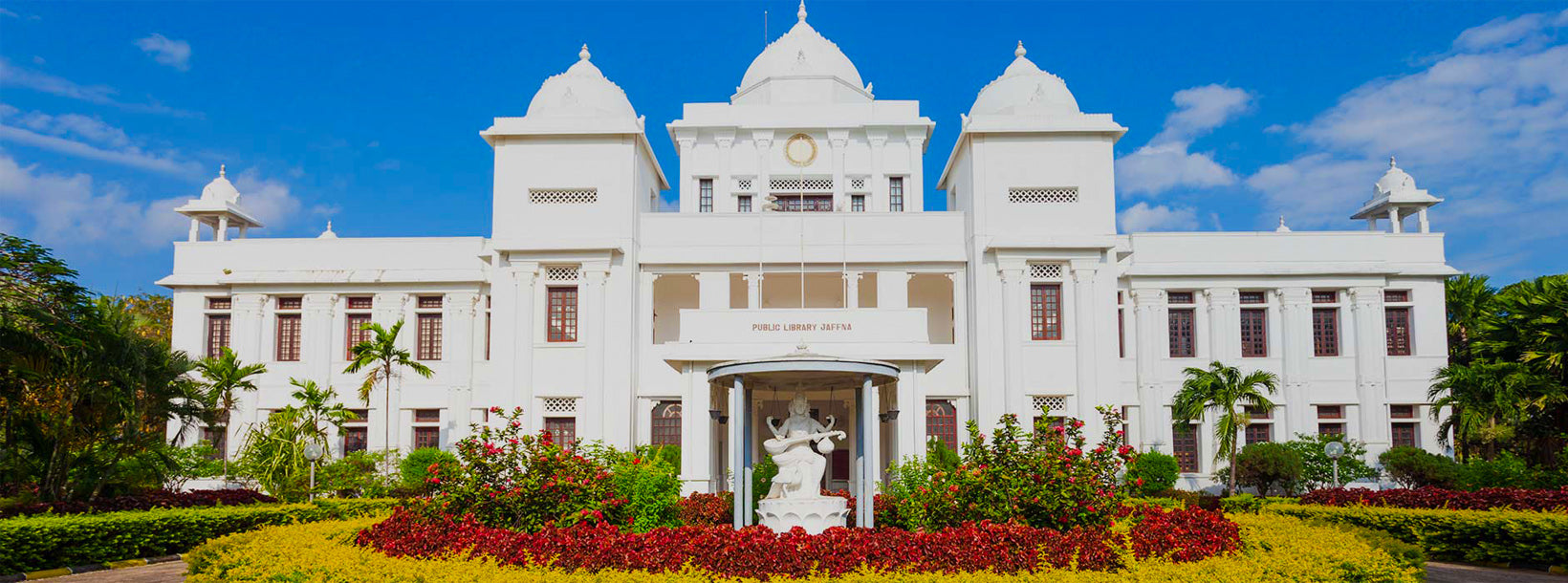
About Jaffna District

Jaffna is the capital city of the Northern Province, Sri Lanka. 85% of the populations of the Jaffna and Kilinochchi districts are Hindus. The Hindus follow the Saivite tradition. The remainders are largely Roman Catholics or Protestants, some of whom are descendants of colonial settlers, known as Burghers. The Tamils are divided along caste lines, with the farmer-caste Vellalar forming the majority. Sea products, red onion, and tobacco are the main products in Jaffna.

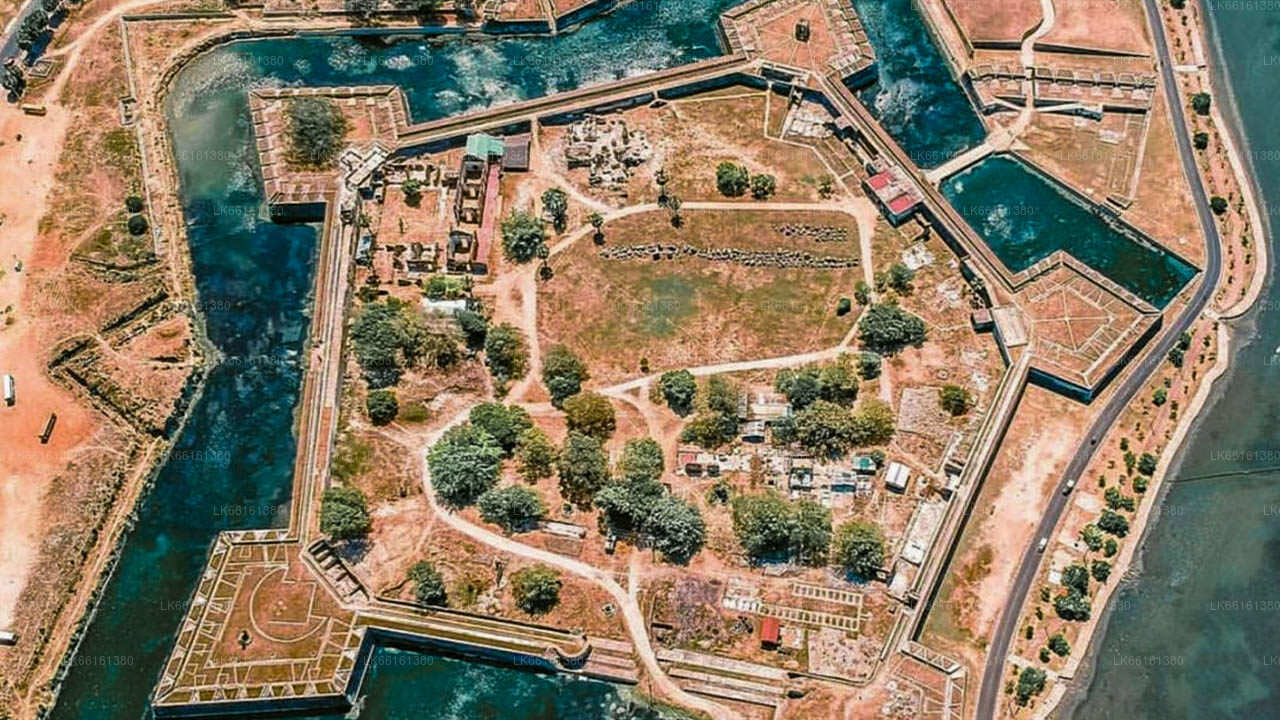
Jaffna is home to beautiful Hindu temples. An Old Dutch Fort still stands well preserved within which is an old Church. Another example of Dutch architecture is the King's House. No visit to Jaffna is complete without tasting the exquisite Jaffna mango, reputed for its sweetness. About 3 km away is the majestic Nallur Kandaswamy Temple, home to the largest religious festival in Jaffna. The Kayts Harbour is an ancient ship docking site in the Jaffna region.

About Northern Province

The Northern Province is one of the 9 provinces of Sri Lanka. The provinces have existed since the 19th century but they didn't have any legal status until 1987 when the 13th Amendment to the 1978 Constitution of Sri Lanka established provincial councils. Between 1988 and 2006 the province was temporarily merged with the Eastern Province to form the North-East Province. The capital of the province is Jaffna.

Northern Province is located in the north of Sri Lanka and is just 22 miles (35 km) from India. The province is surrounded by the Gulf of Mannar and Palk Bay to the west, Palk Strait to the north, the Bay of Bengal to the east and the Eastern, North Central and North Western provinces to the south.The province has a number of lagoons, the largest being Jaffna Lagoon, Nanthi Kadal, Chundikkulam Lagoon, Vadamarachchi Lagoon, Uppu Aru Lagoon, Kokkilai lagoon, Nai Aru Lagoon and Chalai Lagoon.Most of the islands around Sri Lanka are to be found to the west of the Northern Province. The largest islands are: Kayts, Neduntivu, Karaitivu, Pungudutivu and Mandativu.

The Northern Province's population was 1,311,776 in 2007. The majority of the populations are Sri Lankan Tamils, with a minority Sri Lankan Moor and Sinhalese population. Sri Lankan Tamil is the major language spoken in the province by the vast majority of the population. The other language spoken is Sinhala by 1 percent of the population. English is widely spoken and understood in the cities.