Kandy City
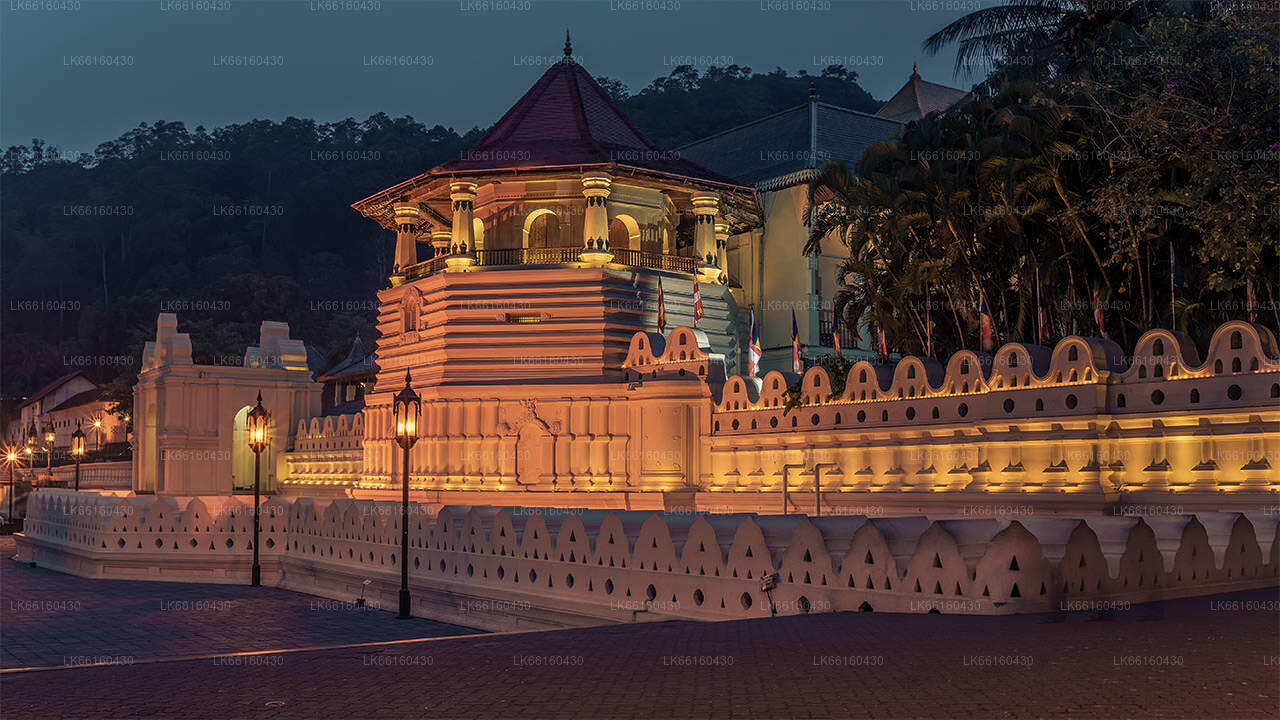
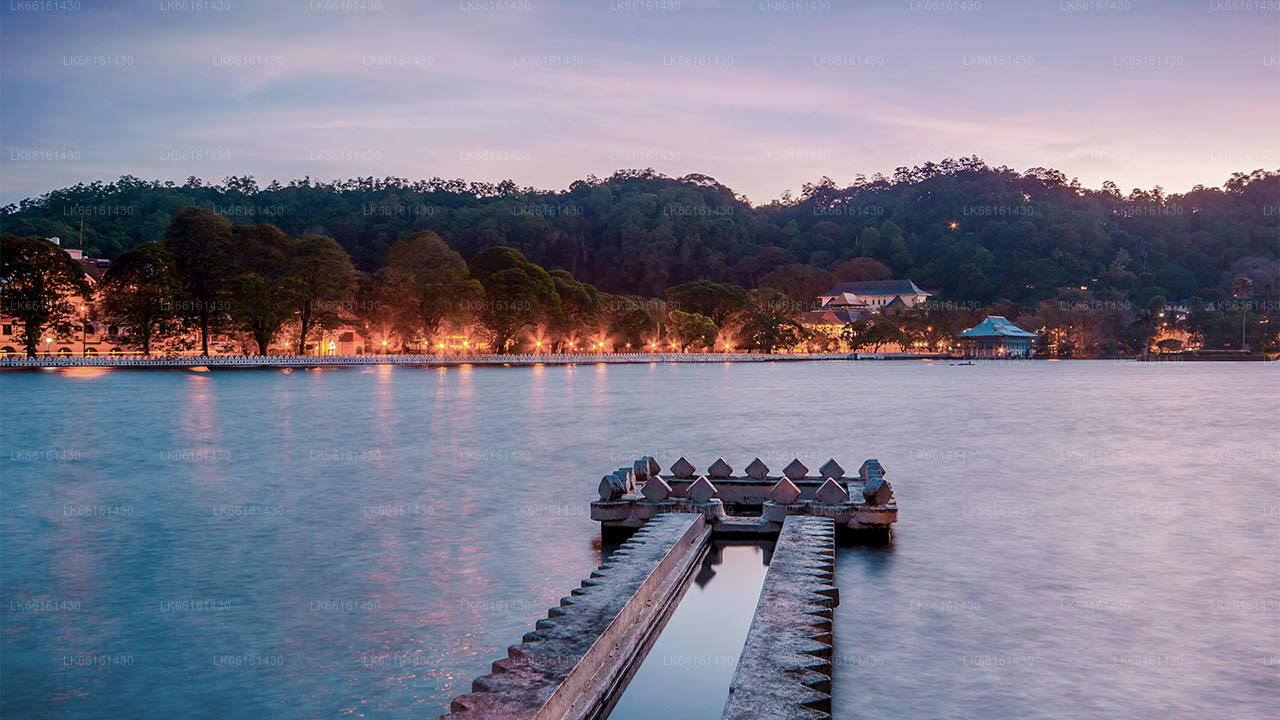
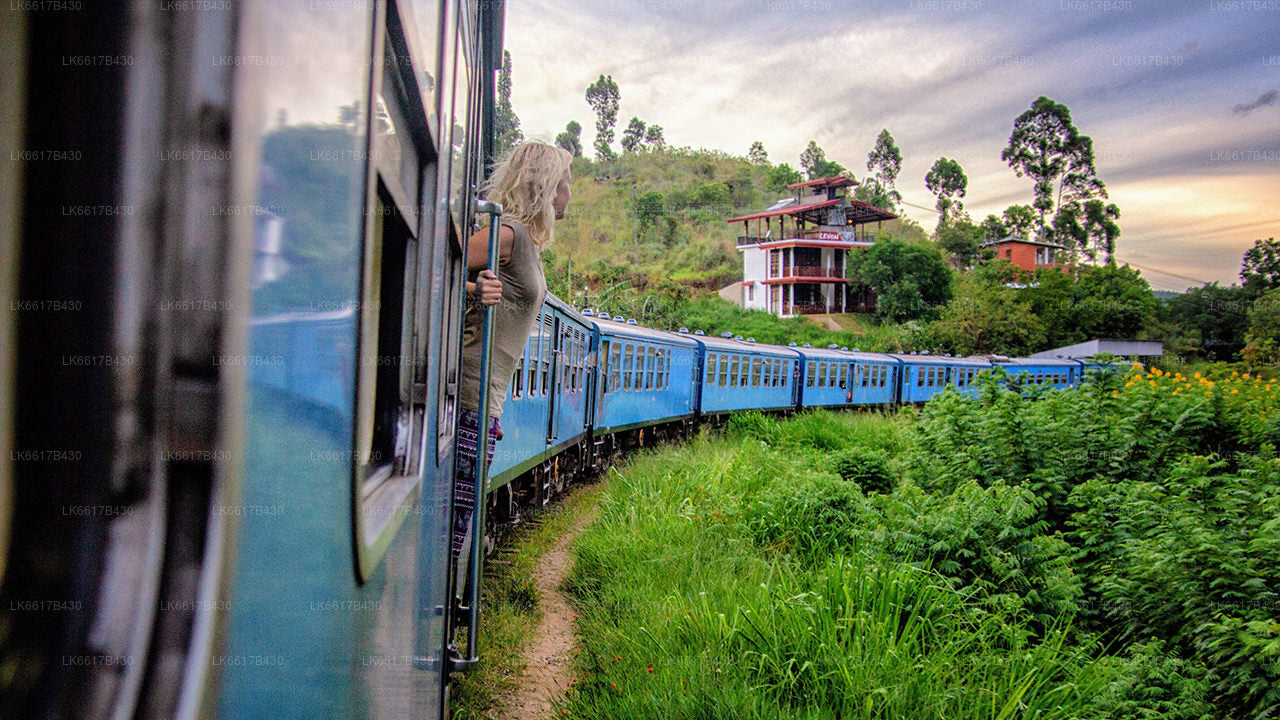
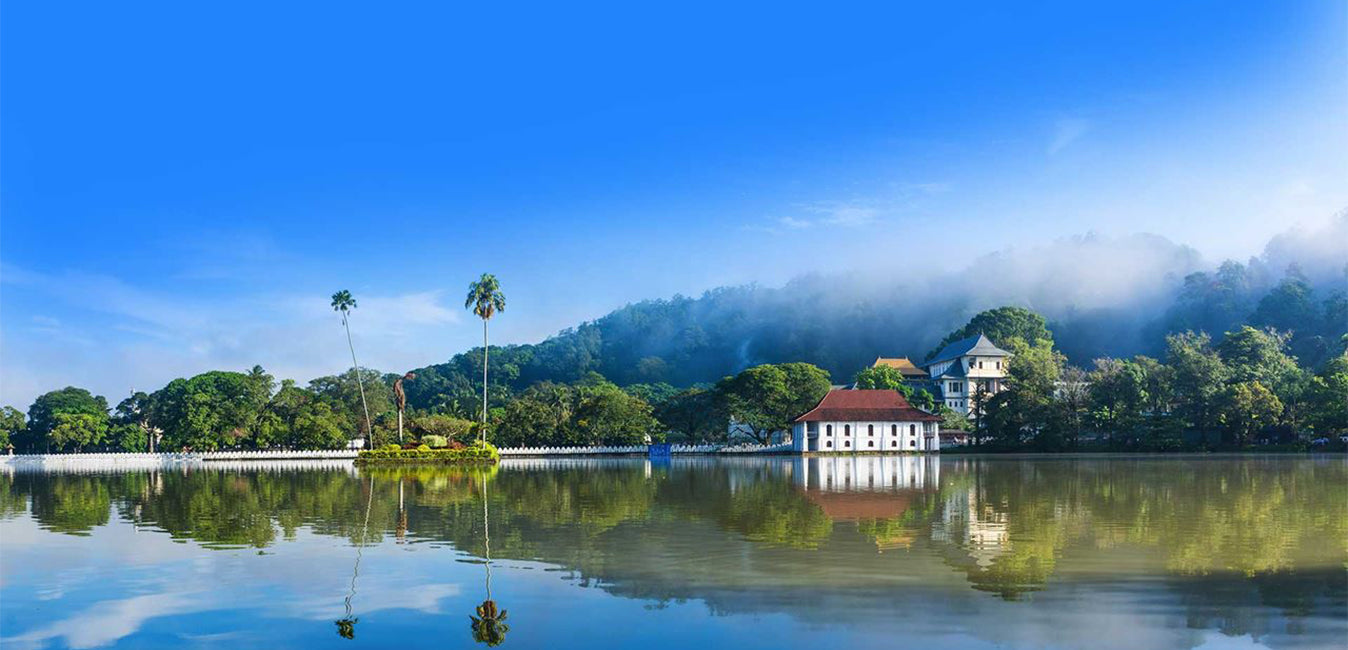
Kandy, a picturesque city in central Sri Lanka, is renowned for its rich cultural heritage, vibrant festivals, and scenic beauty. Nestled amidst lush hills, it is home to the Temple of the Tooth Relic, a UNESCO World Heritage Site, and offers a captivating blend of history and natural splendor.
Embekka Devalaya (Templo)
Templo de Embekke no Sri Lanka: Um lugar com algumas das melhores marcenarias do mundo
Na área de Udu Nuwara, no distrito de Kandy, encontra-se um templo com uma história de mais de seis séculos. Construído durante o reinado do rei Wickremabahu III (1371-1394 d.C.), que governou o Reino de Gampola, o templo é praticamente coberto por entalhes em madeira. O trabalho em madeira é confirmado pela UNESCO como um dos melhores e mais detalhados do mundo. O templo é dedicado ao deus conhecido como 'Murugan' pelos hindus e como 'divindade de Katharagama' pelos budistas.
A História
A lenda conta que a consorte do rei Vickramabahu III, Henakanda Biso Bandara, despertou de um sonho estranho no qual o deus apareceu e pediu que ela construísse um templo para ele. Ao descobrir que um percussionista, Rangama, teve o mesmo sonho, eles consideraram isso um presságio e construíram um templo juntos. Acredita-se que o templo original era um edifício de três andares que, infelizmente, não resistiu aos estragos do tempo.
A Estrutura
O templo consiste em três áreas principais. A primeira é o Santuário de Garagha, que é o santuário interno onde as estátuas do deus estão localizadas. Em seguida, vem o Salão de Dança ou Digge, que representa a consorte do rei Henakanda Bandara, e onde eventos de dança eram realizados nos tempos dos reis. A seção final é o Salão dos Percussionistas, representando o percussionista Rangama e onde eventos musicais eram realizados antigamente.
A Marcenaria
Exceto pelo Santuário, o resto do templo é feito quase inteiramente de madeira. Desde pilares de madeira entalhada nos Salões com lados abertos até o telhado lindamente trabalhado, toda a área é coberta por entalhes. As bases dos pilares são de forma octogonal, enquanto seus topos terminam em forma de quatro folhas empilhadas em um quadrado. Os pilares têm várias imagens esculpidas nas laterais das bases. Além disso, entalhes adornam as vigas, caibros e batentes das portas.
Entalhes notáveis entre essas obras-primas incluem cisnes entrelaçados, águias de duas cabeças, desenhos de cordas entrelaçadas, uma imagem de amamentação, um soldado lutando a cavalo, dançarinas, lutadores, mulheres emanando de uma veia, híbridos de pássaro-humano, híbridos de elefante-touro, híbridos de elefante-leão, e muito mais. Os entalhes de todo o templo incluem 125 séries de decorações, 256 desenhos do tipo liyawela, 64 desenhos de lótus, 30 padrões decorativos e desenhos de telhado, resultando em 514 desenhos únicos.
O telhado do templo é um excelente exemplo da arquitetura antiga em madeira, onde os 26 caibros são suportados por um único pino de madeira.
Ruínas Relacionadas
Cerca de um oitavo de milha de distância do templo, existem algumas ruínas com um grupo de pilares de pedra. Os entalhes nos pilares são idênticos aos do templo de Embekke. Diz-se que outrora um telhado de madeira repousava sobre esses pilares, mas agora eles caíram em ruínas.
Tanto o Templo de Embekke quanto as ruínas próximas valem a visita para os amantes tanto da história quanto da arte.
About Kandy District
Kandy district is situated in the centrel province of Sri Lanka. One of the seven World Heritage Sites in Sri Lanka, Kandy was once home to the Kandyan Kings of yore in the 16th-century and a fountainhead for all the music, arts, crafts and culture in the country. About 129 km away from Colombo, Kandy is ensconced amongst a hilly terrain and all eyes are drawn to the centre of the city, where the Kandy Lake forms a charming feature. Kandy retains great religious significance for Sri Lanka, because it is in this charming city that the Dalada Maligawa or "Temple of the Tooth" is located, within which the sacred tooth relic of Lord Buddha lies well guarded.
The Royal Botanical Garden, Peradeniya is situated about 5 km to the west of the city centre at Peradeniya and is visited by 1.2 million people per year. It is the largest botanical garden on the island. The Udawatta Kele (Udawatta Forest) is a protected sanctuary situated in the heart of the city, just north of Temple of the Tooth.
Kandy is a Sinhala majority city; there are sizeable communities belonging to other ethnic groups, such as Moors and Tamils. Kandy is second only to Colombo the center of the Sri Lankan Economy. Many major co operations have large branch officers in Kandy and many industries include textiles, furniture, Information Technology and jewellery are found here. Many agriculture research centers are located in the city.
And a fountainhead for all the music, arts, crafts and culture in the country. About 129 km away from Colombo, Kandy is ensconced amongst a hilly terrain and all eyes are drawn to the centre of the city, where the Kandy Lake forms a charming feature. Kandy retains great religious significance for Sri Lanka , because it is in this charming city that the Dalada Maligawa or Temple of the Toothis located, within which the sacred tooth relic of Lord Buddha lies well guarded.
About Central Provincce
The Central Province of Sri Lanka consists primarily of mountainous terrain. The province has an area of 5,674 km², and a population of 2,421,148. Some major towns include Kandy, Gampola (24,730), Nuwara Eliya and Bandarawela. The population is a mixture of Sinhalese, Tamil and the Moors.
Both the hill capital Kandy and the city of Nuwara Eliya are located within the Central Province as well as Sri Pada. The province produces much of the famous Ceylon tea, planted by the British in the 1860s after a devastating disease killed all the coffee plantations in the province. Central Province attracts many tourists, with hill station towns such as Kandy, Gampola, Hatton and Nuwara Eliya. Temple tooth or Dalada maligawa is the main sacred place in Centrel province.
The climate is cool, and many areas about 1500 meters often have chilly nights. The western slopes are very wet, some places having almost 7000 mm of rain per year. The eastern slopes are parts of the mid-dry zone as it is receiving rain only from North-Eastern monsoon. The Temperatures range from 24°C at Kandy to just 16°C in Nuwara Eliya, which is located 1,889 m above sea level. The highest mountains in Sri Lanka are located in the Central Province. The terrain is mostly mountainous, with deep valleys cutting into it. The two main mountain regions are the central massif and the Knuckles range to the east of Kandy.