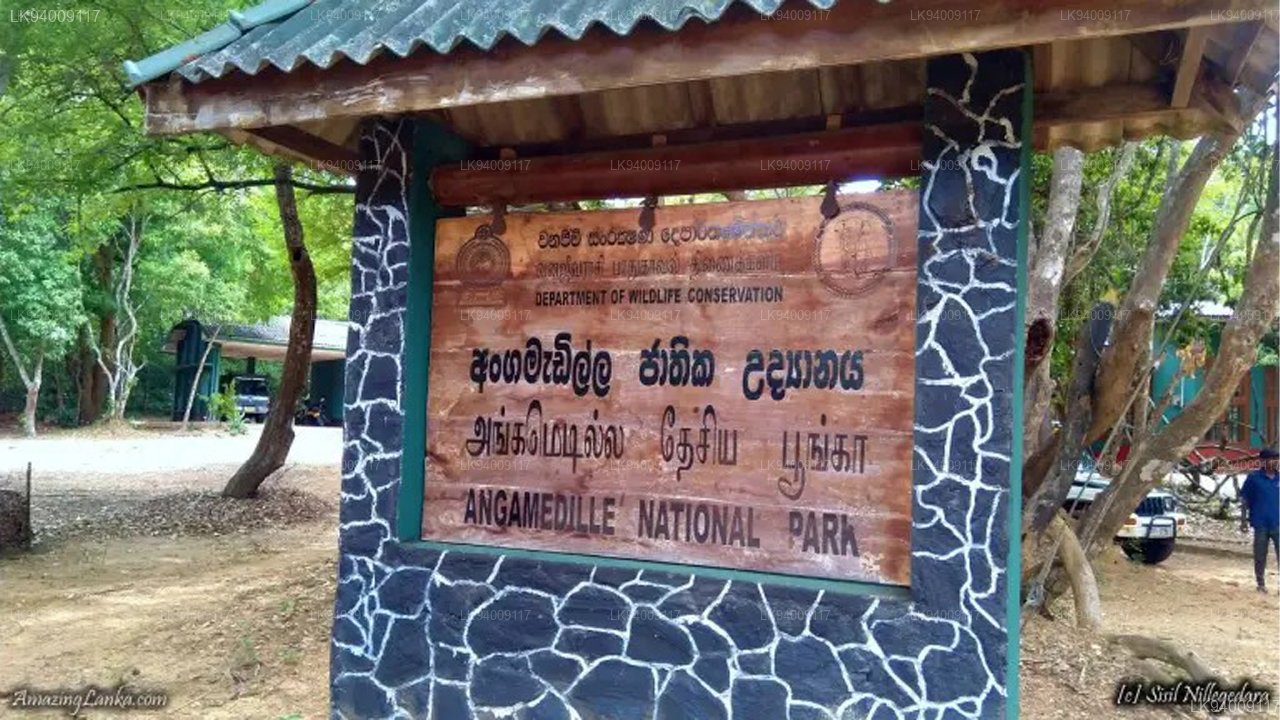
Angammedilla National Park

Angammedilla National Park Angammedilla National Park Angammedilla National Park
Angammedilla National Park is one of the new national parks in Sri Lanka. The region was designated national park on 6 June 2006. Originally Angammedilla was a forest reserve within the Minneriya-Girithale Sanctuary declared on 12 February 1988. The park is declared mainly to protect the drainage basin of Parakrama Samudra. Angammedilla also secures the drainage basins of Minneriya and Girithale irrigation tanks, water sources in Sudu Kanda (White hill) and habitats and wildlife of the adjacent forests. It is located 225 kilometres (140 mi) away from Colombo in Polonnaruwa District.

Physical features

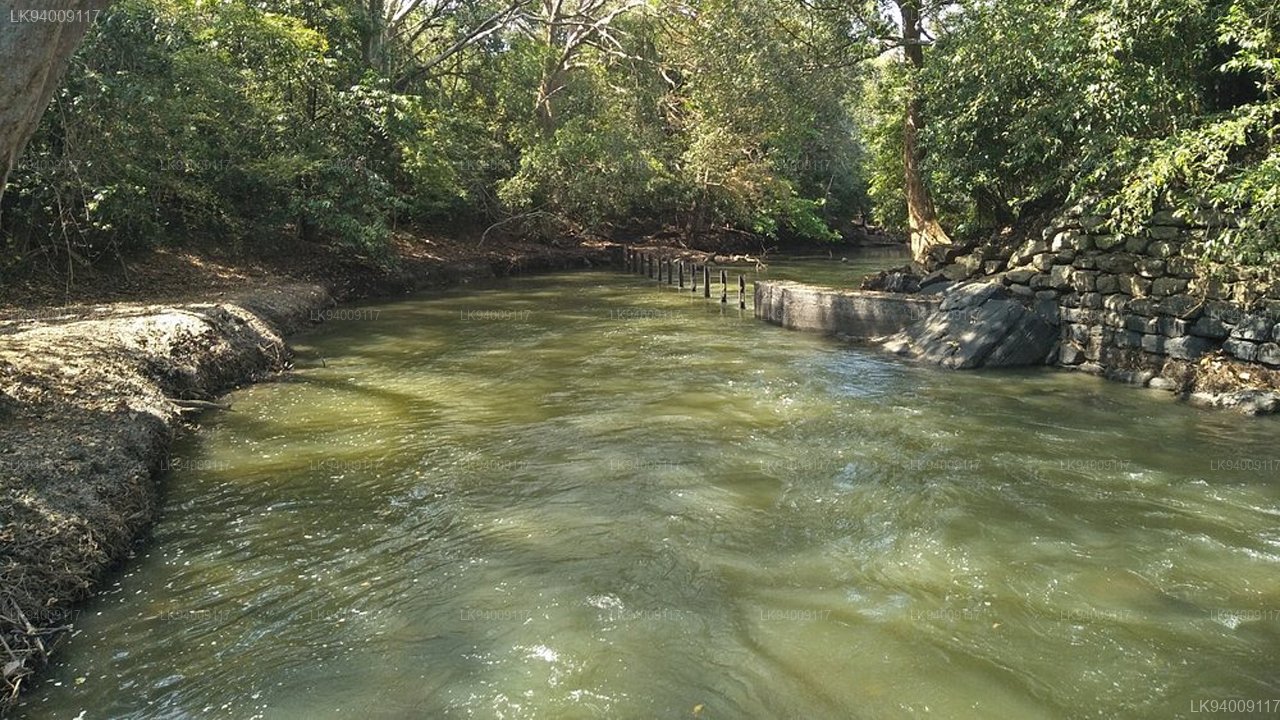
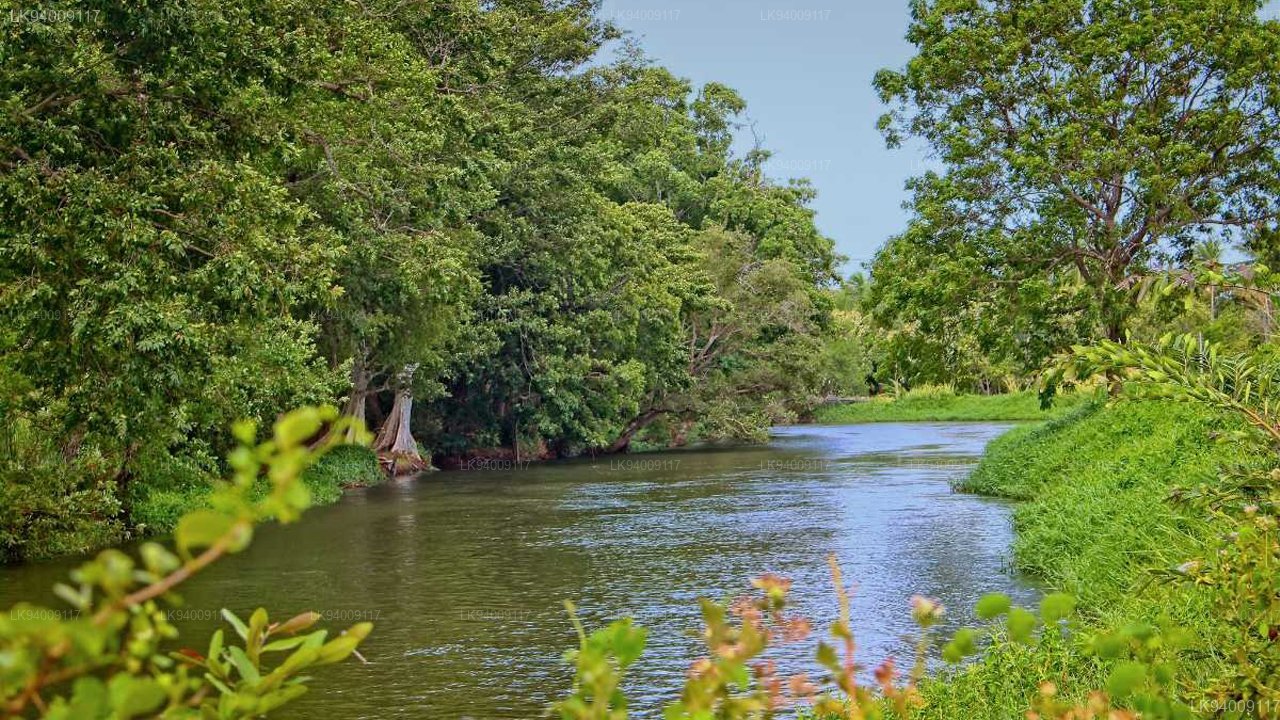
Amban river which is sourced by Sudu Kanda forms the southern border of the park. A mountain range stretches across the park from Girithale to Minneriya. In the drought period the park is very dry. In the rainy season, mountainous area receives more rainfall than the plains. Since a mix wet and dry climate persists in the park the vegetation is a mix of wet zone and dry zone plants.

In the ancient times water has irrigated from Amban river to Parakrama Samudra in a canal done in stone. The rocky wall of the canal called royal wall by the villagers.

Flora and fauna

The vegetation of the park is predominantly dry evergreen forests. Diospyros ebenum is one of the dominant plant species in the forest. Manilkara hexandra (Palu), Cholorocylon swetenia (Burutha), Vitex pinnata (Milla), and Adina cordifolia (Kolon) are common in natural vegetation.

Mesua ferrea trees are grown in communities.

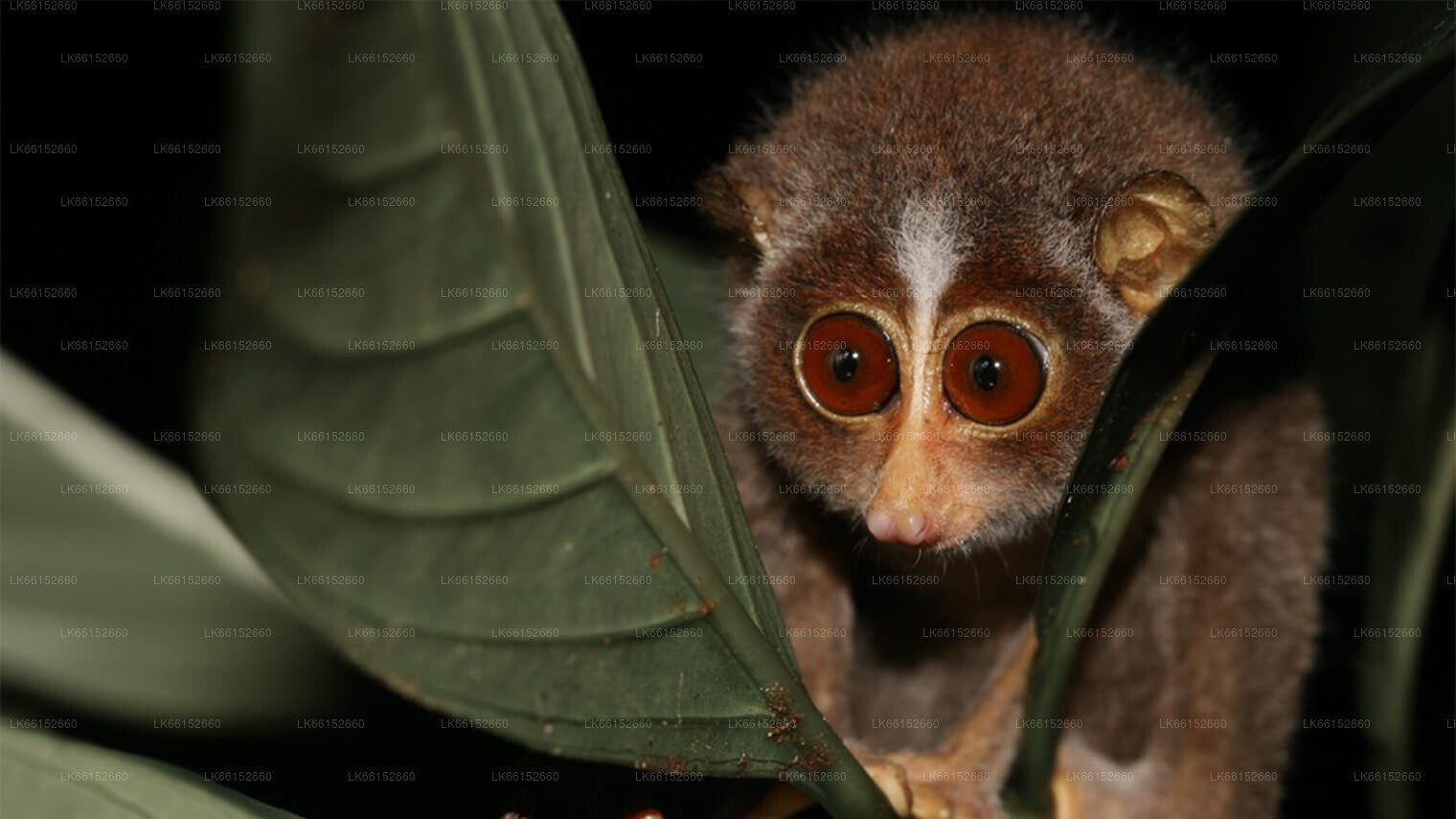
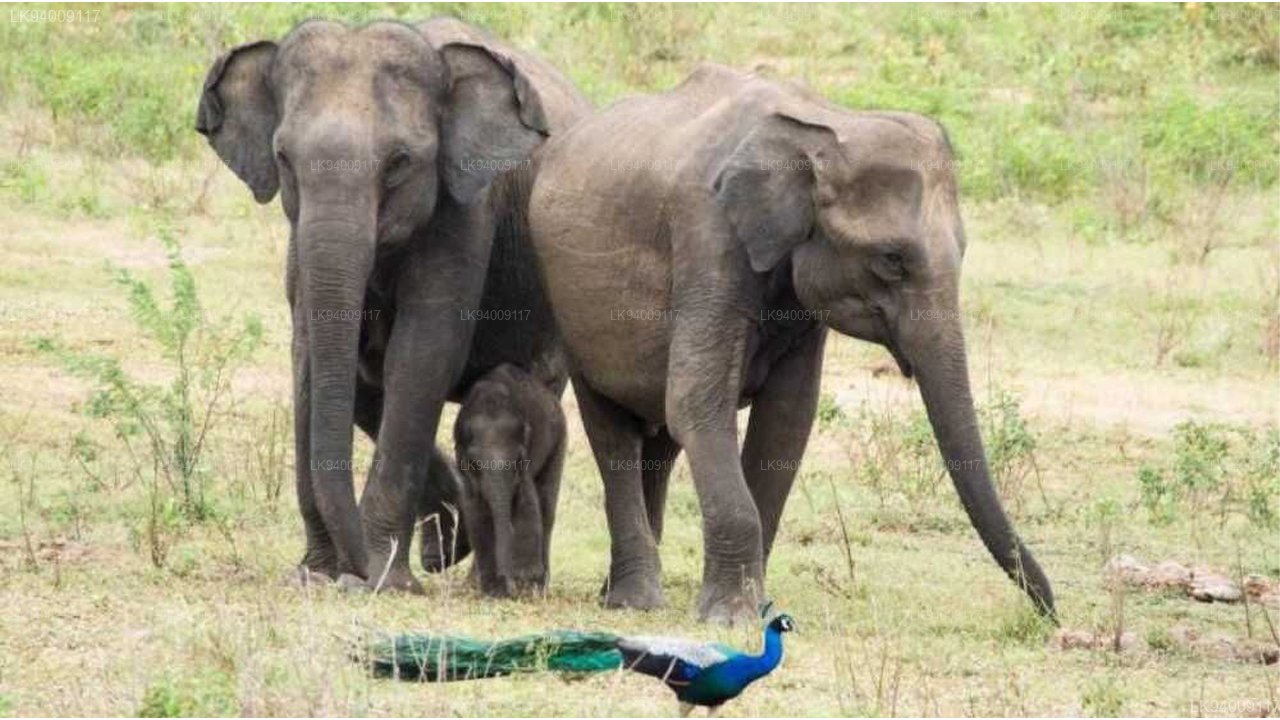
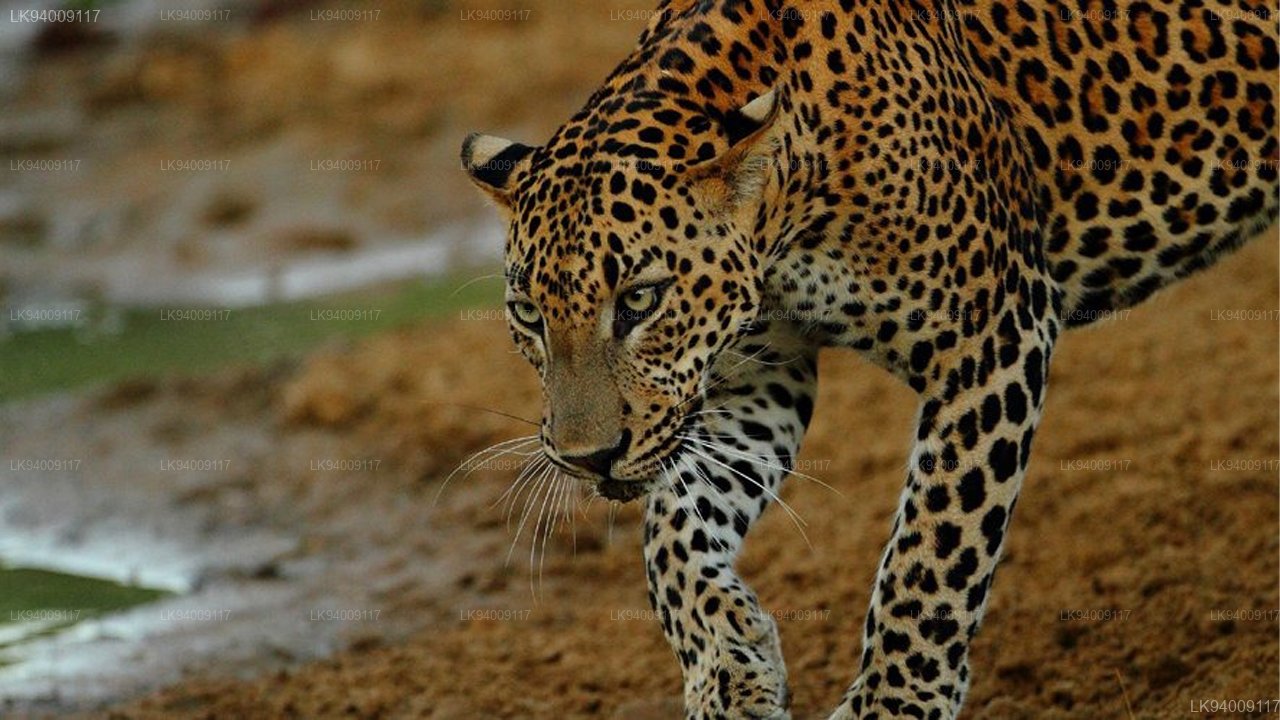
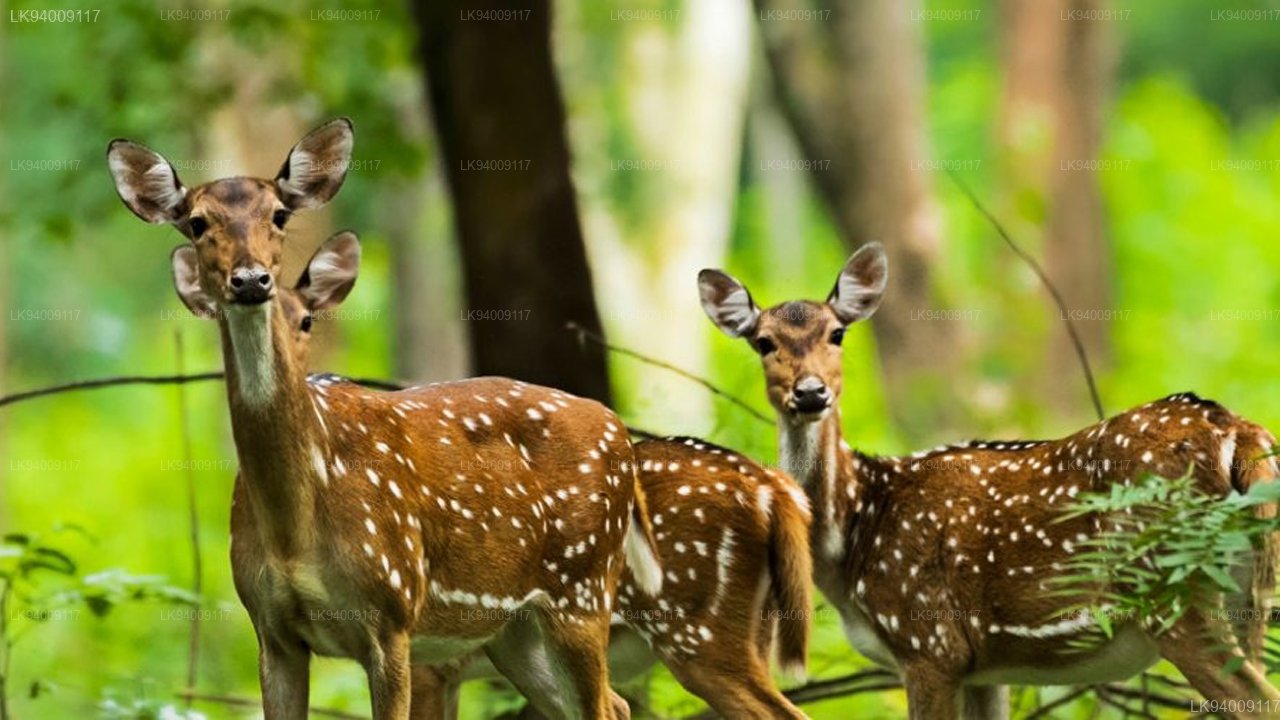
Sri Lankan elephant, Sri Lankan sambar deer, Indian muntjac, Sri Lankan axis deer, water buffalo, wild boar, and peafowl are common within the park. However Sri Lanka leopard, sloth bear, grizzled giant squirrel and Sri Lanka junglefowl are sometimes seen. The primate species red slender loris, tufted gray langur, and purple-faced langur are seen also.
Angammedilla National Park Angammedilla National Park Angammedilla National Park

Sobre o distrito de Polonnaruwa

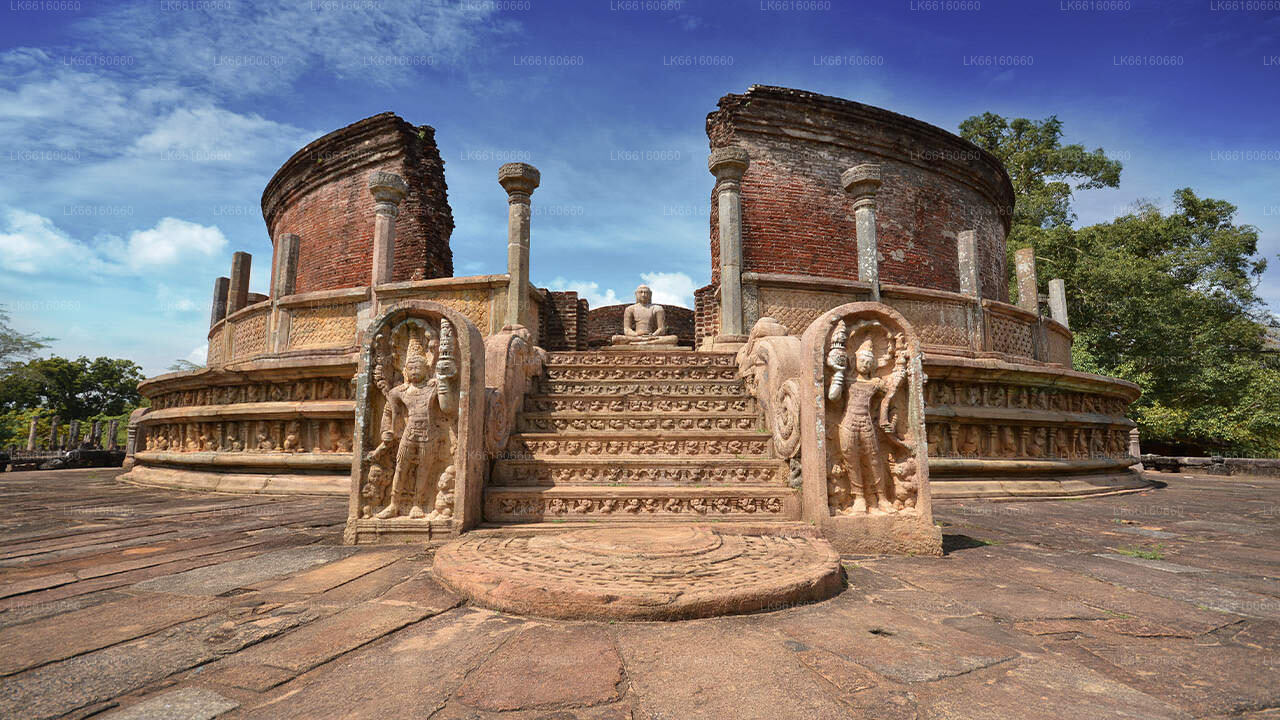
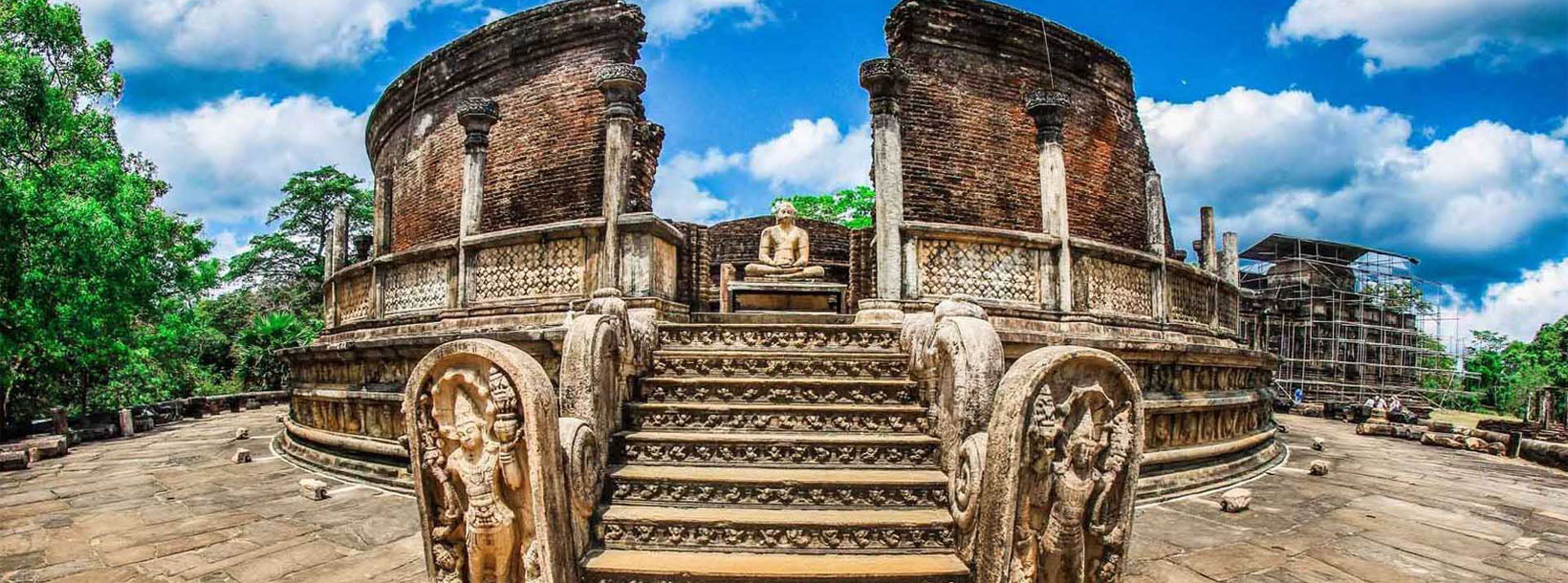
Polonnaruwa é a segunda maior cidade da província centro-norte do Sri Lanka. A antiga cidade de Polonnaruwa foi declarada Patrimônio Mundial pela UNESCO. Polonnaruwa possui uma longa história de conquistas e lutas, formando, com razão, o terceiro elemento do Triângulo Cultural. Localizada a cerca de 140 km a nordeste de Kandy, Polonnaruwa oferece horas de prazer sem fim para os amantes de história e cultura, com inúmeros pontos turísticos importantes.

Muitas das ruínas físicas que existem hoje são atribuídas ao Rei Parakrama Bahu I, que investiu muitos recursos reais no planejamento urbano, incluindo parques, edifícios, sistemas de irrigação e assim por diante. O período de seu reinado é considerado uma era de ouro, na qual o reino prosperou sob um governante visionário. O Parakrama Samudra é um tanque gigantesco e recebeu o nome de seu patrono. O popular Palácio Real do rei, o Salão de Audiências cercado por elefantes de pedra lindamente esculpidos e a Piscina de Banho refletem as capacidades superiores da engenharia da época.

Sobre a Província Centro-Norte

A Província Centro-Norte, a maior do país, cobre 16% da área total do país. A Província Centro-Norte é composta por dois distritos chamados Polonnaruwa e Anuradhapura. Anuradhapura é o maior distrito do Sri Lanka, com uma área de 7.128 km².

A Província Centro-Norte oferece inúmeras oportunidades para investidores iniciarem seus negócios, especialmente nos setores de agricultura, agroindústrias e pecuária. Mais de 65% da população da Província Centro-Norte depende da agricultura básica e das agroindústrias. O NCP também é chamado de "Wew Bendi Rajje" devido à presença de mais de 3.000 tanques de médio e grande porte na província. Sri Maha Bodiya, Ruwanweli Seya, Thuparama Dageba, Abayagiri Monastry, Polonnaruwa Rankot Wehera e Lankathilake estão entre os mais afetados.