Samudragiri Pichchamal Viharaya


Kuchchaveli is a small coastal fishing village located about North of Trincomalee. The Pichchamal Viharaya at Kuchchaveli lies on a small rocky outcrop at the sea about 4 km to the North where the Yan Oya meets the sea.

Such temples are generally called Samudragiri temples or Muhudu Viharas. They were build on a high ground bordering the sea. Some other temples belonging to this category of temples are Ambalantota Gotha Pabbatha at the mouth of Walawe River, Bundala, Kirinda, Okanda, Sastrawela, Gokanna at the entrance to the Trincomalee harbour (where the Koneswaram Kovil stands today), Lanka Patuna at Foul Point and Dambakola Patuna in Jaffna.

As with the most other sea coast temples, sea erosion has washed away most of the temple but few ruins still remain today. The most intriguing is the engraving of 16 stupas on face of a rock on panel of 4’x4' neatly divided in to 16 squares. No such carvings had been found anywhere in the island and is believed to be of Mahayana origin. On top of a small rock by the sea lies a restored stupa and some of the archaeological artifacts found at various times. This rocky hill is locally known as ‘Karandi Malai’ in tamil which translates in to ‘Walas Kanda’ in Sinhala.

Another important artifact is a standing buddha statue. The torso and the face has been found separately and based on the artistic style of this statue Ven. Ellawala Medhananda Thero has placed it to 2nd century. An inscription written is Sanskrit lies on a another rock face which has been dated to 6th century. This inscription was deface
O dystrykcie Kandy

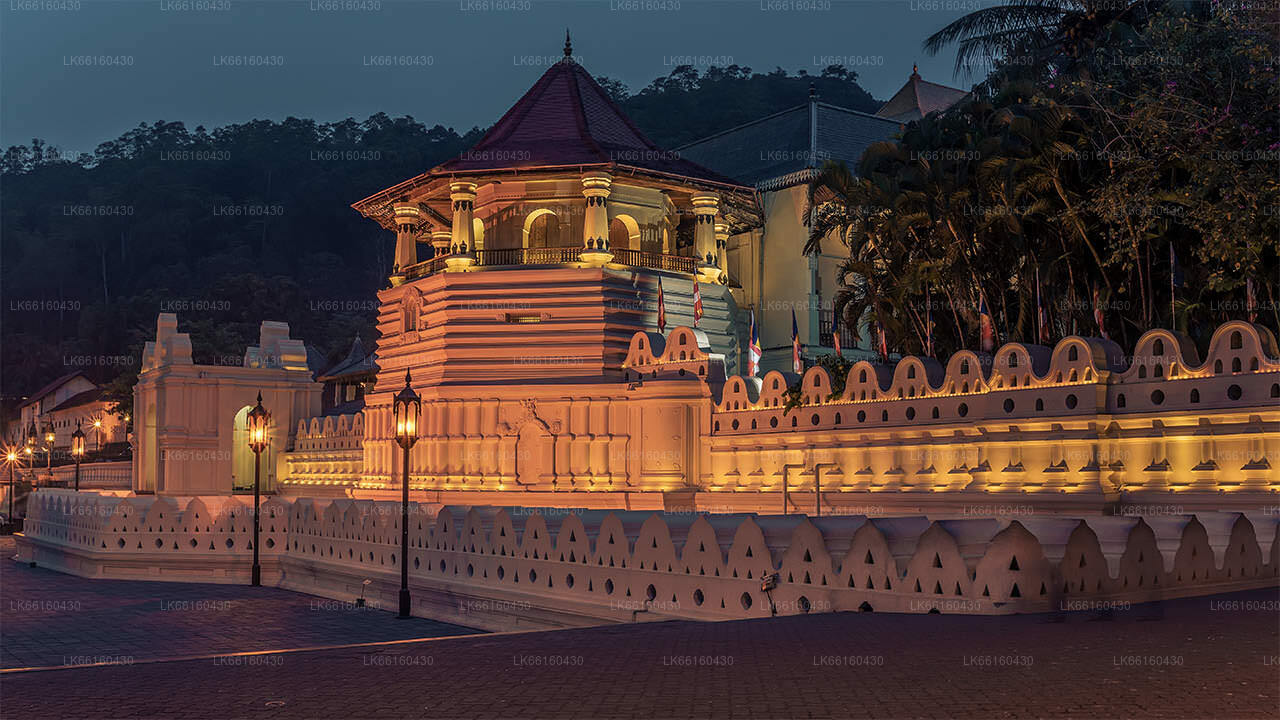
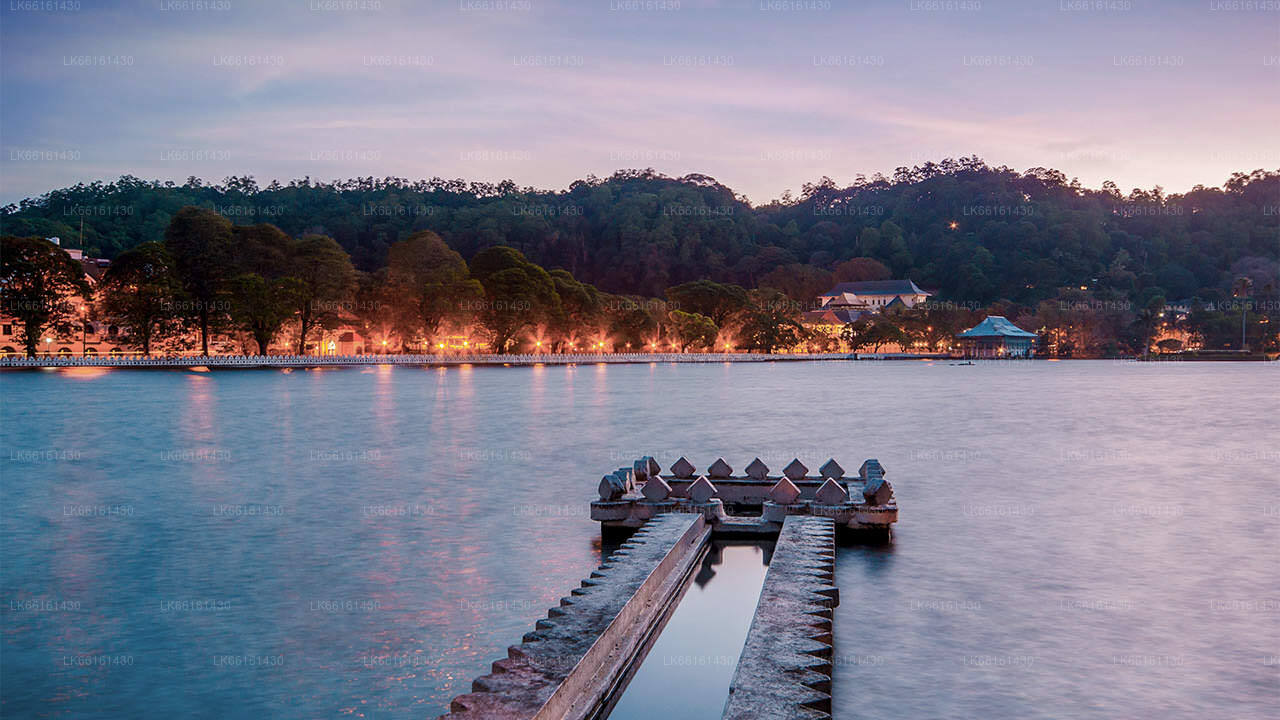
Dystrykt Kandy to dystrykt w Prowincji Centralnej Sri Lanki. Jego powierzchnia wynosi 1906,3 km². Stolicą dystryktu jest Kandy. Kandy to duże miasto na Sri Lance, położone w Prowincji Centralnej. Było ostatnią stolicą starożytnej ery królów Sri Lanki. Miasto leży pośród wzgórz na płaskowyżu Kandy, który przecina obszar tropikalnych plantacji, głównie herbaty. Kandy jest zarówno miastem administracyjnym, jak i religijnym, a także stolicą Prowincji Centralnej. W Kandy znajduje się Świątynia Zęba (Sri Dalada Maligawa), jedno z najświętszych miejsc kultu w świecie buddyjskim. Zostało wpisane na listę światowego dziedzictwa UNESCO w 1988 roku.

O prowincji centralnej

Prowincja Centralna jest jedną z dziewięciu prowincji Sri Lanki, pierwszego szczebla podziału administracyjnego kraju. (Prowincje istnieją od XIX wieku, ale nie miały statusu prawnego aż do 1987 roku, kiedy to XIII poprawka do Konstytucji Sri Lanki ustanowiła rady prowincjonalne). Prowincja Centralna znajduje się głównie w centralnej części górzystego regionu Sri Lanki. Jest szóstą co do wielkości prowincją pod względem powierzchni i liczy 2,5 miliona mieszkańców. Graniczy z prowincją Północno-Centralną od północy, prowincją Uva od wschodu, prowincją Północno-Zachodnią od zachodu oraz prowincją Sabaragamuwa od południa i zachodu. Stolicą prowincji jest Kandy.

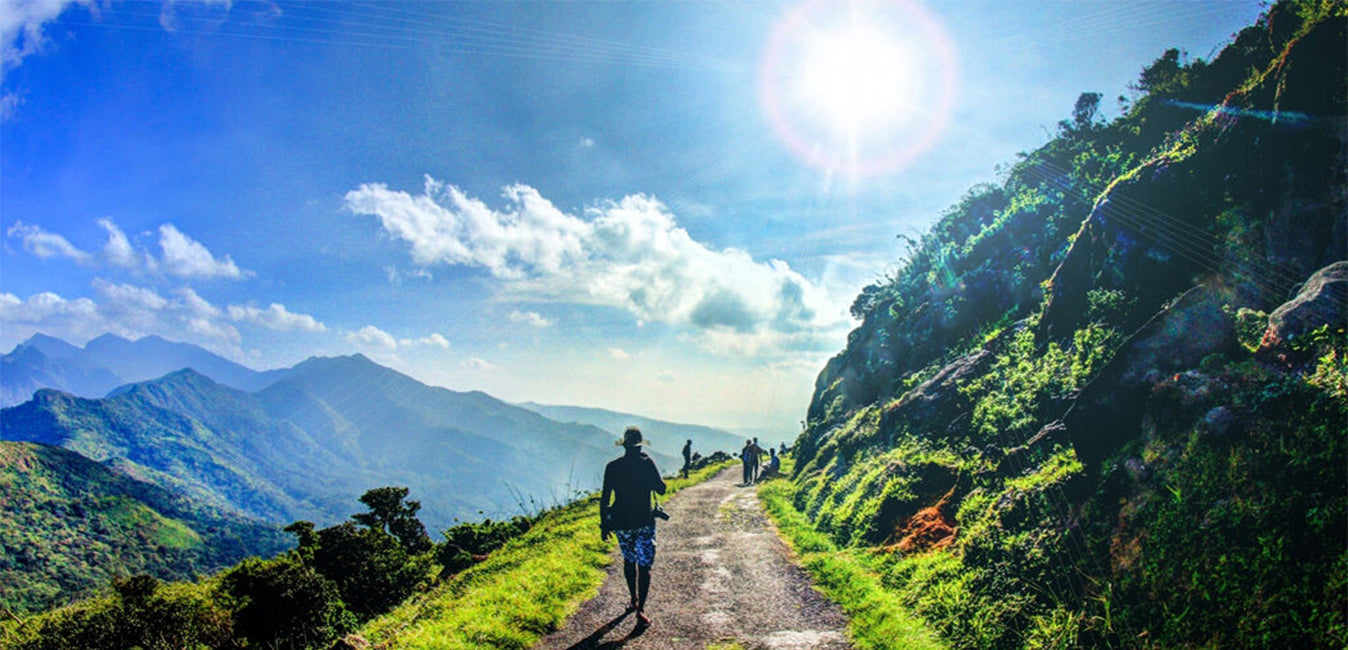
Miasta Matale i Nuwara Eliya znajdują się w Prowincji Centralnej. Prowincja słynie z produkcji herbaty cejlońskiej, uprawianej przez Brytyjczyków w latach 60. XIX wieku po tym, jak wyniszczająca choroba zniszczyła wszystkie plantacje kawy w prowincji. Prowincja Centralna przyciąga wielu turystów, a jej górskie kurorty, takie jak Gampola, Hatton i Nuwara Eliya, to popularne miejscowości turystyczne.