Świątynia Koneswaram


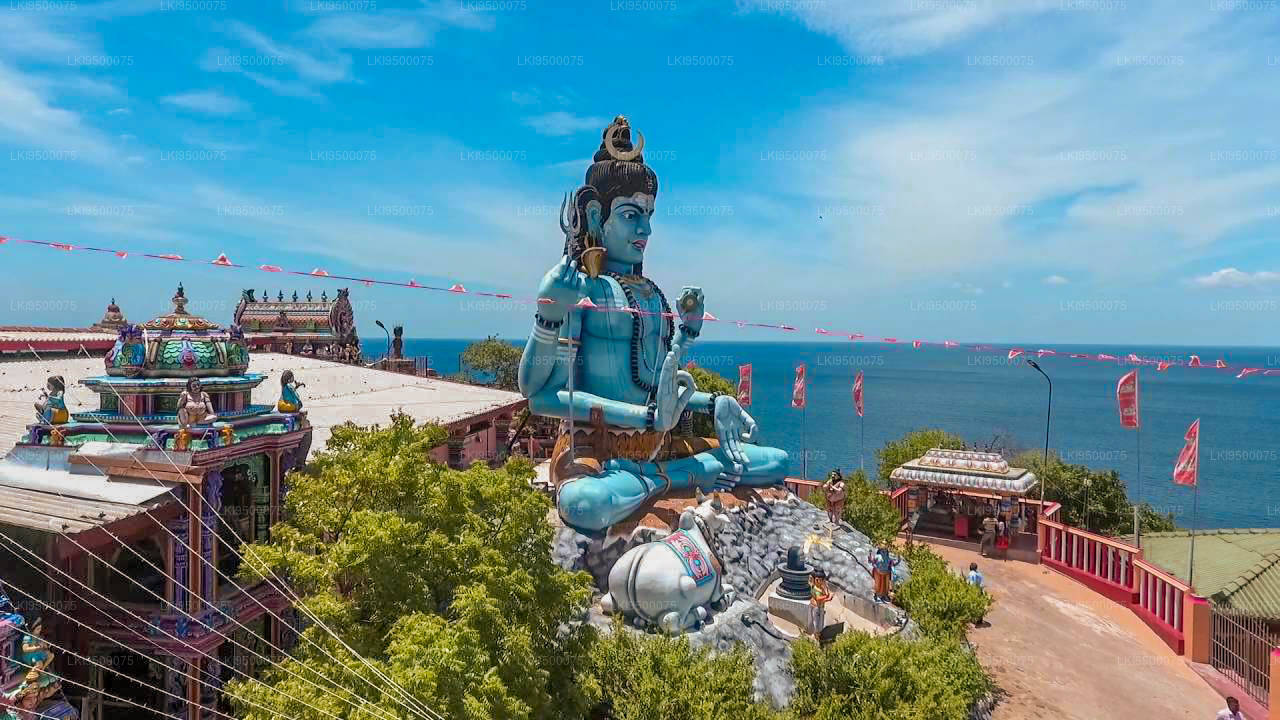
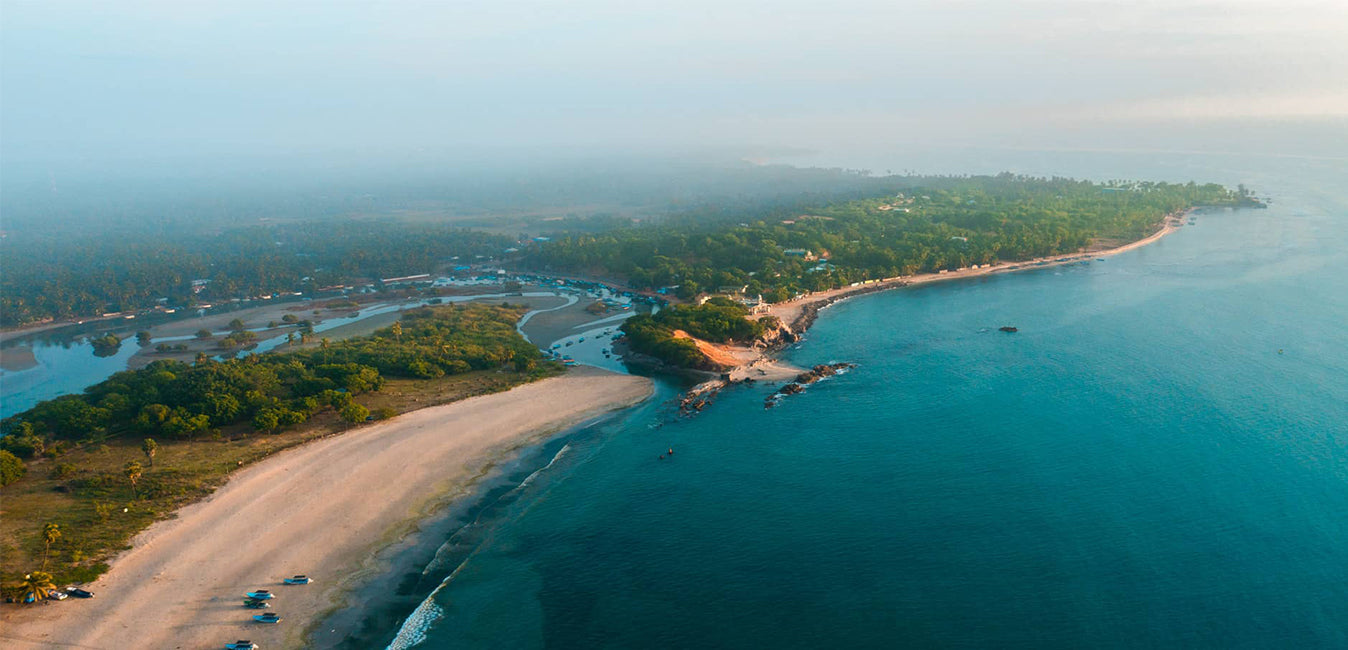
Świątynia Koneswaram w Trincomalee lub Świątynia Thirukonamalai Konesar – Świątynia Tysiąca Kolumn i Dakshina-Then Kailasam to klasyczny średniowieczny kompleks hinduskich świątyń w Trincomalee, hinduskim ośrodku pielgrzymkowym w prowincji wschodniej, Sri Lance. Najświętsza z pięciu Ishwaram Sri Lanki, została zbudowana głównie za panowania wczesnych Chola i pięciu Dravida z wczesnego Królestwa Pandyan na szczycie Konesar Malai, wzniesienia z widokiem na dystrykt Trincomalee, zatokę Gokarna i Ocean Indyjski. Jej projekt Pallava, Chola, Pandyan i Jaffna odzwierciedla trwały wpływ tamilskiego Saivizmu w regionie Vannimai od czasów klasycznych. Pomnik zawiera główną świątynię poświęconą Shivie w postaci Kona-Eiswara, skróconą do Konesara. Połączony z ujściem rzeki Mahavilli Ganga z odciskiem stopy Shivy na Sivan Oli Padam Malai u źródła rzeki, świątynia symbolicznie ukoronowuje przepływ Gangesu od głowy Shivy na górze Kailash do jego stóp.
Rozwój rozpoczął się od 205 roku p.n.e., a pierwotny kovil łączył kluczowe cechy, aby stworzyć podstawowy plan świątyni Dravida, takie jak jego sala z tysiącem kolumn – "Aayiram Kaal Mandapam" – i Jagati, którą rozszerzył król Elara Manu Needhi Cholan. Uważana za największy budynek swojej epoki pod względem architektury, została ozdobiona skomplikowanymi bas-reliefami na czarnej granitowej megalitycznej skale, podczas gdy jej liczne złocone wieże gopuram zostały rozbudowane w okresie średniowiecza. Jest to jedna z trzech głównych hinduskich świątyń na przylądku z ogromną wieżą gopuram, stojącą wyraźnie na najwyższym punkcie przylądka.
Podróż pielgrzymów w mieście zaczyna się od otwarcia Konesar Road i prowadzi przez świątynie dziedzińca kompleksu do bóstw Bhadrakali, Ganesh, Vishnu Thirumal, Surya, Raavana, Ambal-Shakti, Murukan i Shivy, który przewodzi na szczycie przylądka. Coroczny festiwal Koneswaram Temple Ther Thiruvilah obejmuje świątynię Bhadrakali w Trincomalee, Pavanasam Theertham przy zachowanej świętej studni Papanasuchunai oraz pobliską Back Bay Sea (Theertham Karatkarai), która otacza Konesar Malai.
Król Cejlonu Gajabahu II, który panował w Polonnaruwa w latach 1131–1153, opisany jest w Konesar Kalvettu jako oddany wielbiciel boga Shivy i dobroczyńca świątyni Konamalai. Spędził swoje ostatnie dni w przyległej osadzie bramińskiej w Kantalai.
Kompleks został zniszczony podczas kolonialnych ataków religijnych w latach 1622–1624, a na jego ruinach zbudowano fort. Świątynia zbudowana w 1632 roku, znajdująca się z dala od miasta, przechowuje niektóre z jej oryginalnych posągów. Zainteresowanie na całym świecie wzrosło po odkryciu jej podwodnych i lądowych ruin, rzeźb oraz brązów Chola przez archeologów i Arthura C. Clarke'a. Została zachowana dzięki restauracjom, z ostatnią w latach 50. XX wieku. W okresie swojego rozkwitu otrzymała własność wiosek, które utworzyły Dystrykt Trincomalee, a wioska Trincomalee znajduje się na przylądku w obrębie kompleksu. Dochody ze świątyni zapewniają usługi i żywność dla lokalnych mieszkańców.