Lakpura
Lakpura®

Trichopus zeylanicus (Bimpol)

Trichopus zeylanicus, known locally as Bimpol, is a small herbaceous plant native to the lowland and intermediate-altitude forests of Sri Lanka and parts of southern India. It belongs to one of only two species in the genus Trichopus, and while it was once classified in its own family, Trichopodaceae, current botanical consensus places it within the family Dioscoreaceae — the same family as yams. Despite its unassuming stature, the plant occupies a notable place in Sri Lankan and Indian traditional medicine.

What does Trichopus zeylanicus look like?

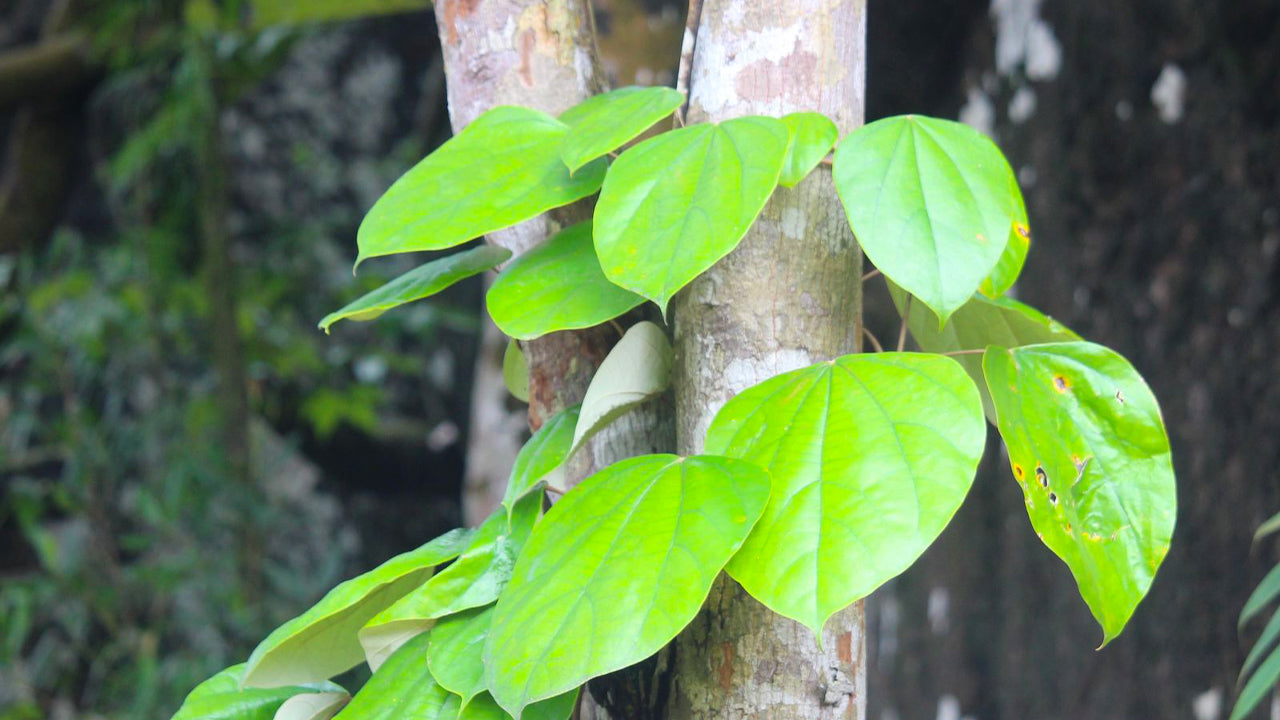
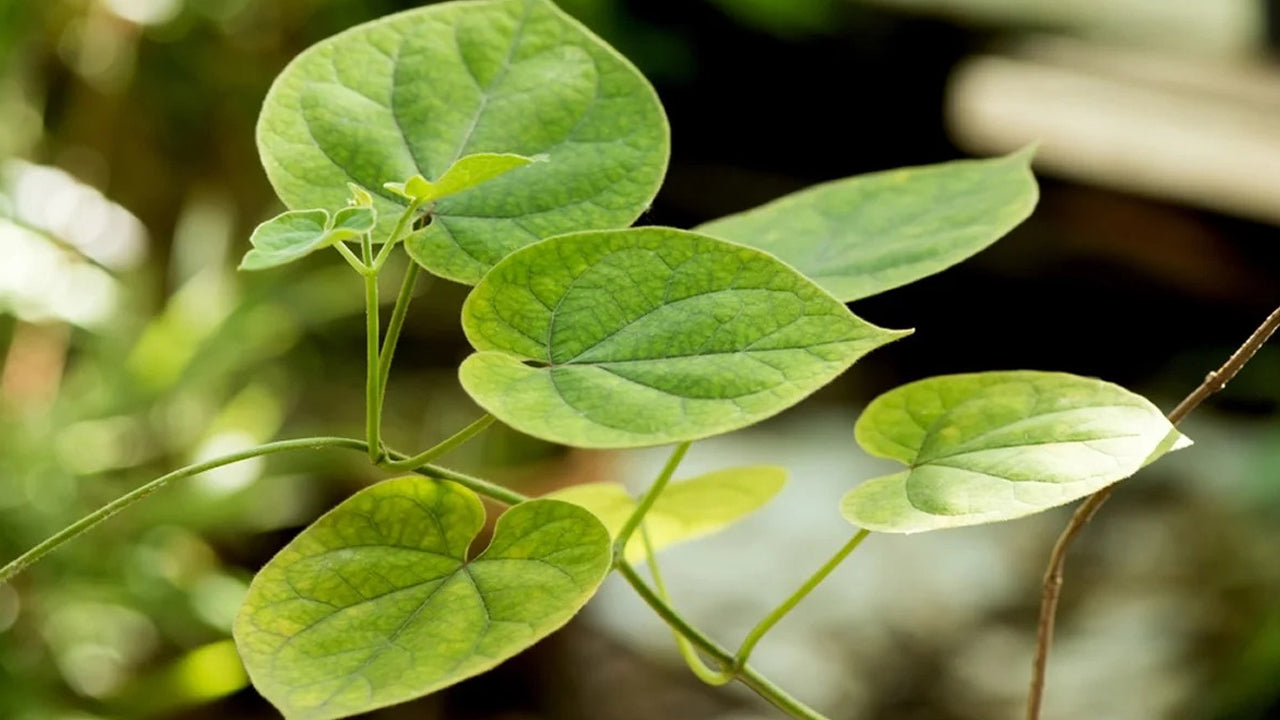
Trichopus zeylanicus is a low-growing, shade-tolerant herb that spreads from a rhizome rather than woody stems. Its leaves are typically around 20 centimetres long and most commonly cordate (heart-shaped), though leaf form can vary considerably even among plants growing in the same location — an unusual degree of variability for a single species. The flowers are small and distinctively purplish-black, setting the plant apart from many other understorey herbs.

Flowering occurs throughout the year. The fruits are believed to be dispersed by water, which explains the plant's preference for sandy soils near rivers and streams. Its dependence on shaded, moist conditions means it is largely confined to intact forest understorey.

Where does Bimpol grow in Sri Lanka?

The plant is found in lowland wet-zone forests and at intermediate altitudes, typically in riparian habitats — along river banks and seasonal streams where the canopy remains dense. The Sinharaja Forest Reserve, Sri Lanka's UNESCO-listed lowland rainforest, represents exactly the kind of closed-canopy, high-humidity environment this species favours.

Because Trichopus zeylanicus depends on shaded forest floor conditions, it is sensitive to habitat disturbance. Forest clearance and the fragmentation of wet-zone lowland forest are the primary threats to wild populations. In India, particularly in the Western Ghats, the Kani tribal community has long maintained traditional knowledge of this plant — knowledge that became internationally significant in a landmark case involving benefit-sharing from bioprospecting.

What are the traditional medicinal uses of Bimpol?

In Sri Lankan and South Indian ethnobotany, various parts of Trichopus zeylanicus have been used for generations. The fruit is consumed as food, and the leaves and fruit are incorporated into traditional remedies. Practitioners of Ayurveda and related systems have used the plant in preparations associated with:

  • Fatigue and general debility
  • Stamina and physical endurance
  • Immune system support
  • Digestive complaints, including stomach ulcers
  • Liver health
  • Reduced libido and related concerns
  • Weight management

The plant is sometimes described as an adaptogen — a category of plants thought to help the body resist physiological and psychological stress — though this classification is debated in pharmacological literature.

What does scientific research say about Trichopus zeylanicus?

Interest from pharmaceutical researchers grew significantly after studies at the Jawaharlal Nehru Tropical Botanic Garden and Research Institute (JNTBGRI) in Kerala identified bioactive glycolipids in the fruit. Laboratory and animal studies have explored the plant's potential antifatigue and immunostimulatory effects, with results that supported some traditional claims. However, large-scale clinical trials in humans remain limited, and Trichopus zeylanicus is not currently approved as a pharmaceutical drug in mainstream medicine.

The case of this plant also drew international attention to questions of bioprospecting ethics. In the 1990s, JNTBGRI developed a herbal formulation called Jeevani partly based on knowledge shared by the Kani community. A benefit-sharing agreement was subsequently reached — one of the earliest examples of its kind under the Convention on Biological Diversity framework.

How is Bimpol used alongside other Sri Lankan medicinal plants?

Traditional Sri Lankan medicine — primarily Ayurveda and Deshiya Chikitsa (indigenous healing) — rarely relies on a single plant in isolation. Trichopus zeylanicus is sometimes used alongside other botanicals in compound formulations. Readers interested in the broader tradition of Sri Lankan medicinal plants may find useful context in related species: Pongamia pinnata, for instance, is another plant with deep roots in Ayurvedic practice found across Sri Lanka's forest edges and coastal zones.

Similarly, Acacia chundra represents another native tree whose bark and extracts have long featured in traditional formulations, illustrating the richness of Sri Lanka's botanical pharmacopoeia.

Is Trichopus zeylanicus safe to use?

As with any plant-based remedy, responsible use depends on preparation method, dosage, and individual health context. The fruit is consumed as food in communities where the plant grows natively, suggesting it is not acutely toxic at typical dietary amounts. However, concentrated extracts or supplements derived from the plant should be approached with the same caution applied to any herbal preparation: consult a qualified Ayurvedic physician or medical professional before use, particularly if you are pregnant, managing a chronic condition, or taking pharmaceutical medications.

The plant is not widely available as a commercial supplement outside South Asia, and wild harvesting is discouraged given the sensitivity of its forest habitat.

Can visitors encounter Bimpol in Sri Lanka's forests?

Travellers exploring Sri Lanka's wet-zone forests — particularly in the Sabaragamuwa and Southern provinces — may encounter Trichopus zeylanicus in intact understorey near stream courses, though its small size makes it easy to overlook. Guided nature walks in reserves where local naturalists are present offer the best chance of an informed encounter. The plant's purplish-black flowers are its most distinctive field mark.

Sri Lanka's biodiversity extends far beyond iconic megafauna: the island hosts an extraordinary density of endemic plant species, and Trichopus zeylanicus is one of the more scientifically significant among them.

Ask Lakpura® Agent