Lakpura
Lakpura®

Sida cordifolia

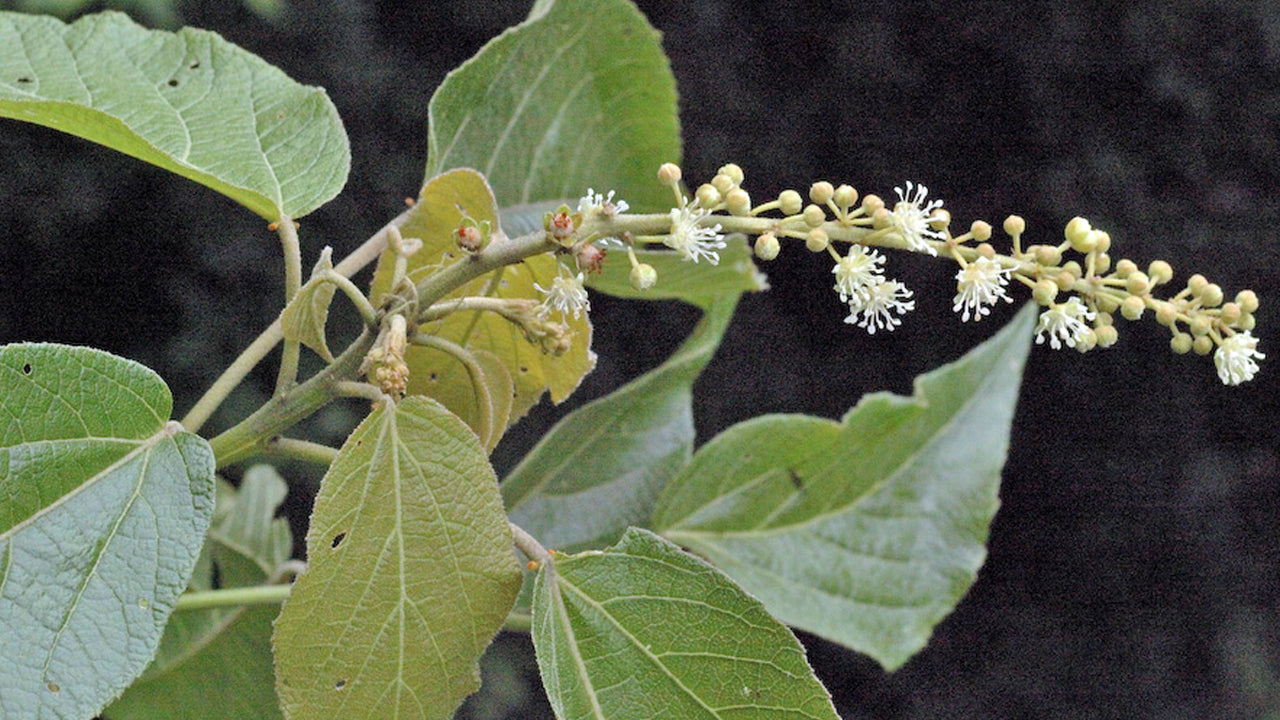
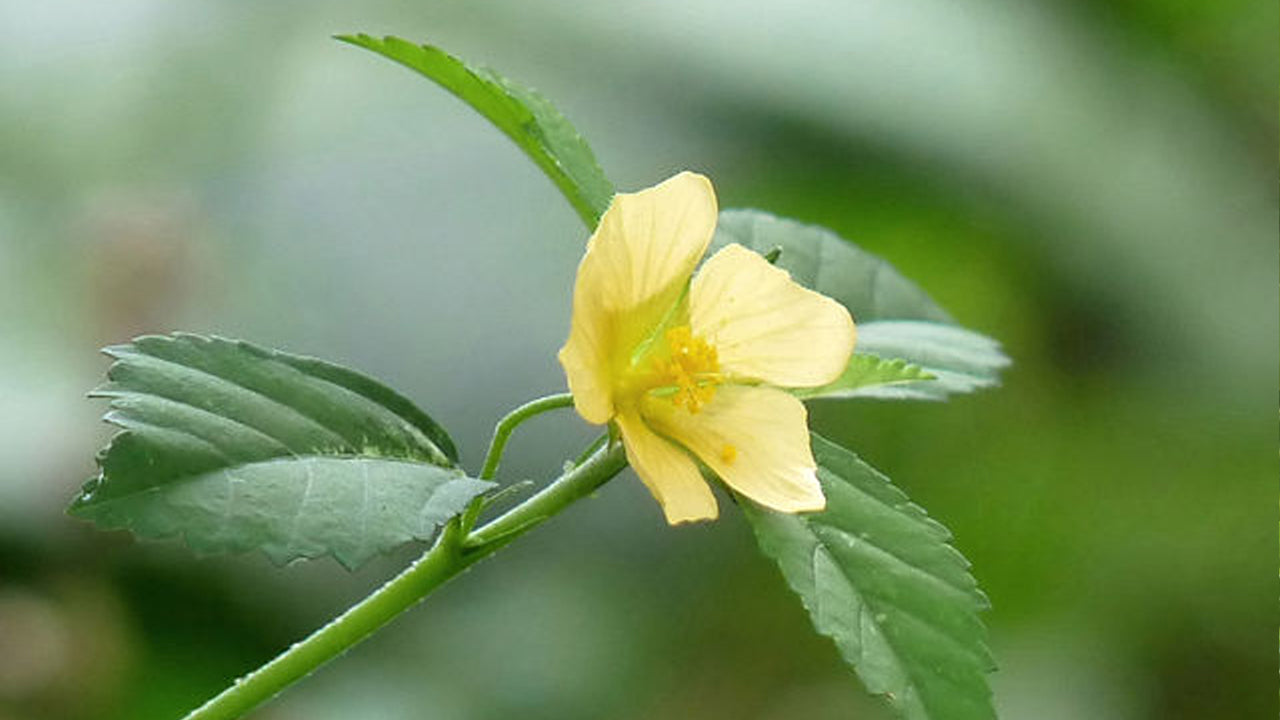
Sida cordifolia, commonly called flannel weed, is one of the better-documented medicinal plants in Sri Lanka's Ayurvedic pharmacopoeia. An erect perennial shrub, it grows anywhere from 50 to 200 cm tall and is instantly recognisable by the soft, white felt-like hair that covers the entire plant — stems, leaves, and all. That dense coating is where the name flannel weed comes from, and it distinguishes this species at a glance.

What does Sida cordifolia look like?

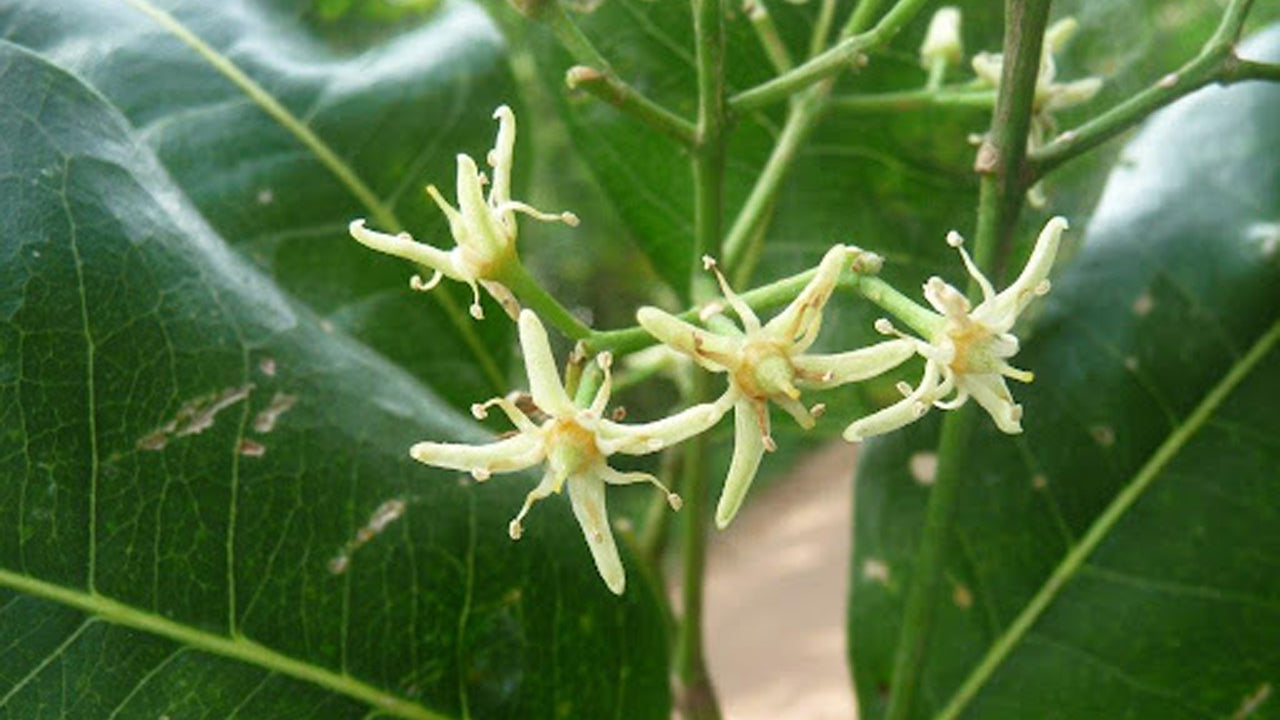
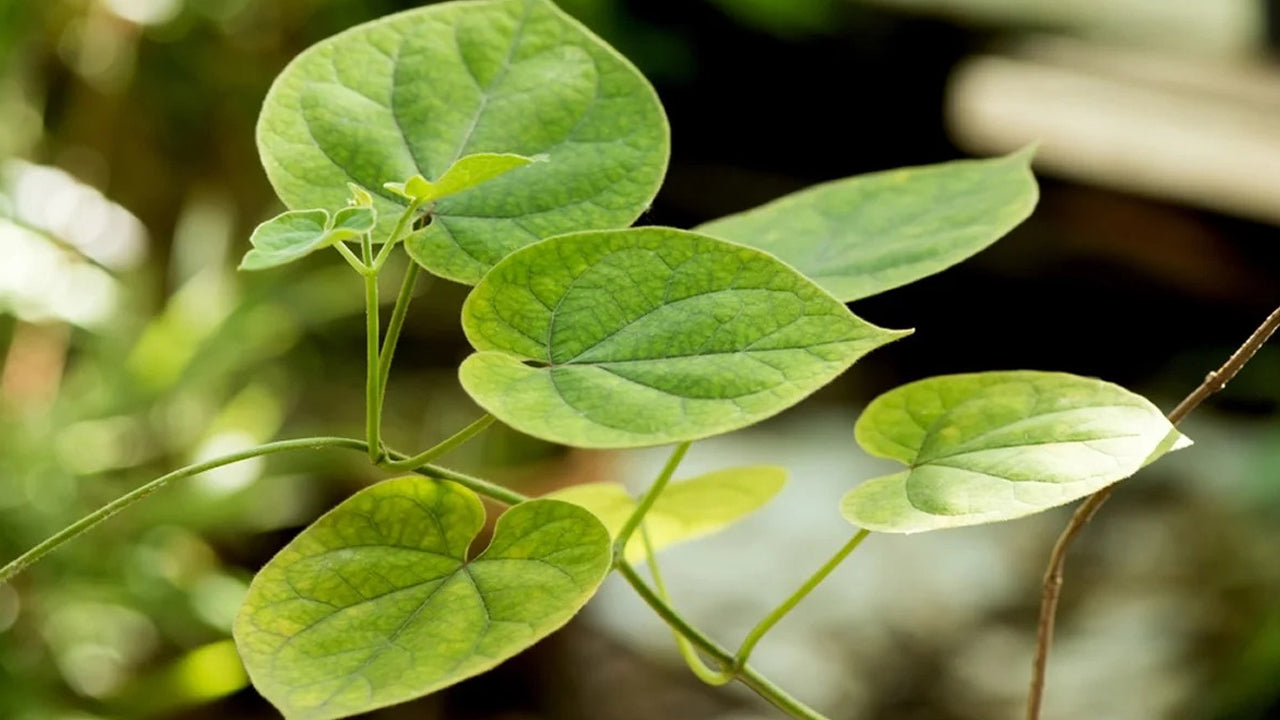
The stems are long, slender, and yellow-green. Leaves share the same yellow-green hue and are oblong-ovate in shape, typically 3.5 to 7.5 cm long and 2.5 to 6 cm wide, with a noticeably hairy surface on both sides. The flowers are a deep yellow and relatively small, appearing throughout much of the year in Sri Lanka's tropical climate.

The plant belongs to the family Malvaceae and is closely related to other economically important plants in that family. It thrives in disturbed soils, roadsides, and open scrubland across the island, from coastal lowlands to mid-elevation zones.

What is Sida cordifolia used for in Ayurveda?

In the Ayurvedic tradition, Sida cordifolia — known in Sanskrit as Bala, meaning strength — holds a respected position as a tonic and rejuvenating herb. Practitioners have long prescribed it across a wide range of conditions. Its documented Ayurvedic applications include:

  • Antirheumatic and analgesic use for joint and muscle pain
  • Antipyretic treatment to manage fever
  • Antiasthmatic and nasal decongestant applications
  • Antiviral support in traditional formulations
  • Laxative and diuretic functions
  • Aphrodisiac use in classical formulations
  • Hypoglycaemic support — traditionally used in managing blood sugar
  • Hepatoprotective applications to support liver function
  • Adjunct treatment in conditions presenting with symptoms similar to Parkinson's disease, given its natural alkaloid content

Sida cordifolia is formally catalogued as part of the Ayurvedic medicinal plant inventory recognised by Sri Lanka's Department of Ayurveda, underscoring its continued relevance in the country's traditional health system.

How is Sida cordifolia applied topically?

Beyond internal use, the plant is applied directly to the skin in a number of traditional contexts. Practitioners use it in formulations intended to address:

  • Numbness and nerve pain
  • Muscle cramps and spasms
  • Skin disorders and surface tumours
  • Joint pain associated with osteoarthritis and rheumatoid arthritis
  • Wound healing and ulcer care
  • Traditional first-aid for scorpion stings and snakebites

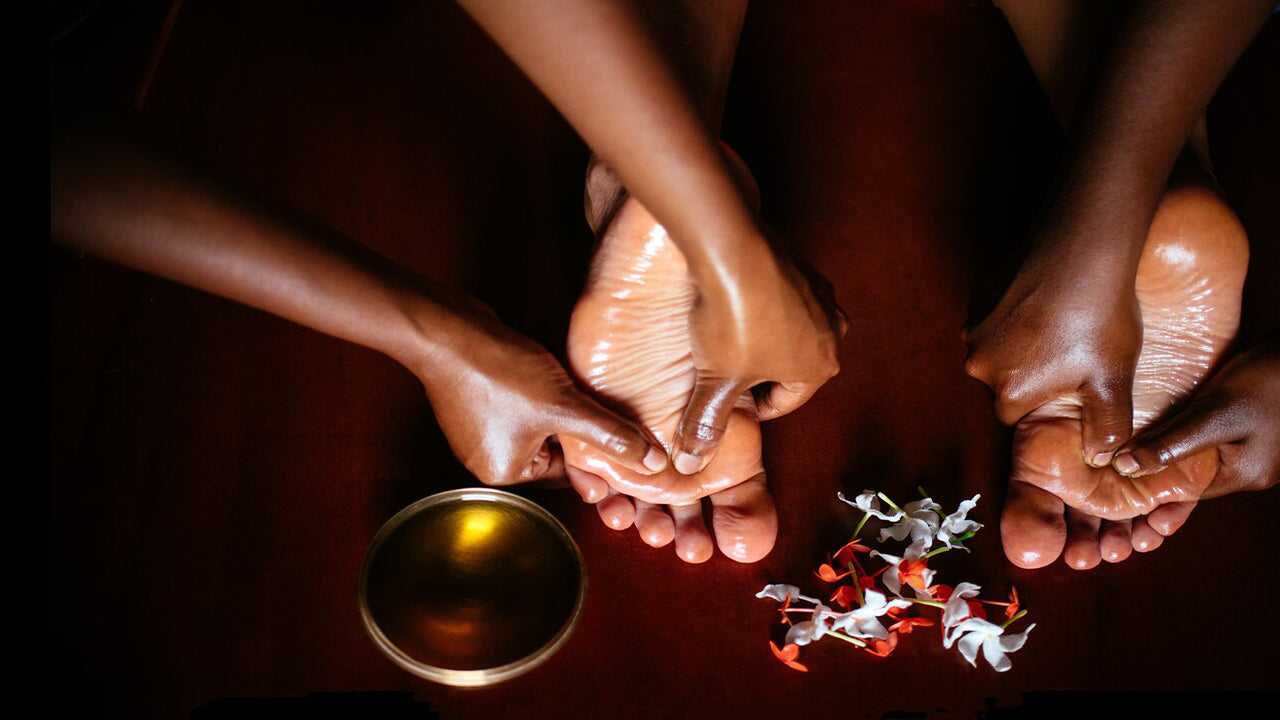
It is also processed into massage oils, where it is often combined with other plant-based ingredients. These preparations are a standard part of Ayurvedic treatment protocols at traditional wellness centres across Sri Lanka.

Which part of the plant is used medicinally?

Almost all parts of Sida cordifolia have documented medicinal utility. The roots are perhaps the most prized, used in tonics and rejuvenating preparations. The seeds contain alkaloids — most notably ephedrine — which partly explain the plant's bronchodilatory and stimulant properties. The leaves and stem bark are used in external preparations. Whole-plant decoctions appear in classical Ayurvedic texts including the Charaka Samhita and Sushruta Samhita.

Where does Sida cordifolia grow in Sri Lanka?

The plant is widespread across Sri Lanka and not confined to a single ecological zone. It is commonly found along roadsides, in home gardens, on the margins of agricultural land, and in areas of secondary growth. Its tolerance for disturbed habitats makes it one of the more accessible medicinal plants for rural communities. Related Ayurvedic species such as Acacia chundra and Pongamia pinnata share similar distribution patterns across the island's dry and intermediate zones.

How does Sida cordifolia fit into Sri Lanka's Ayurvedic tradition?

Sri Lanka has maintained an unbroken tradition of Ayurvedic practice for over two millennia. The island's biodiversity supports hundreds of medicinal plant species, and Sida cordifolia sits within a group of foundational herbs that appear repeatedly in classical formulations. It features in compound preparations designed for long-term tonic use, not just acute treatment — a distinction that reflects Ayurveda's emphasis on building constitutional resilience rather than simply suppressing symptoms.

Modern phytochemical research has lent some scientific context to traditional claims, identifying alkaloids, flavonoids, and fatty acids in various parts of the plant. That said, clinical evidence in the contemporary biomedical sense remains limited, and Sida cordifolia is best understood within its traditional framework rather than as a replacement for evidence-based medicine.

Are there any precautions when using Sida cordifolia?

Because the seeds contain ephedrine-related alkaloids, preparations made from them carry a real potential for cardiovascular effects at higher doses — including elevated heart rate and blood pressure. Traditional Ayurvedic practitioners account for this through careful formulation and dosage, but self-administration without guidance is not advisable. Pregnant women and individuals with heart conditions are typically advised to avoid preparations containing Sida cordifolia seed extracts. As with all medicinal herbs, consultation with a qualified Ayurvedic physician is the appropriate first step.

Book this experience with Lakpura

Curated by our local team. Direct booking, instant confirmation.

Ask Lakpura® Agent