Lakpura
Lakpura®

Schleichera oleosa; Koan; කෝන්

Schleichera oleosa, known in Sinhala as Koan (කෝන්), is a large, shade-giving tree native to South and Southeast Asia and found across Sri Lanka's dry and intermediate zones. Long recognised in traditional medicine and rural livelihoods, it is one of those quietly significant trees that rarely draws tourist attention yet has shaped everyday Sri Lankan life for centuries — through its durable timber, its seed oil, and its place in Ayurvedic practice.

What does Schleichera oleosa look like?

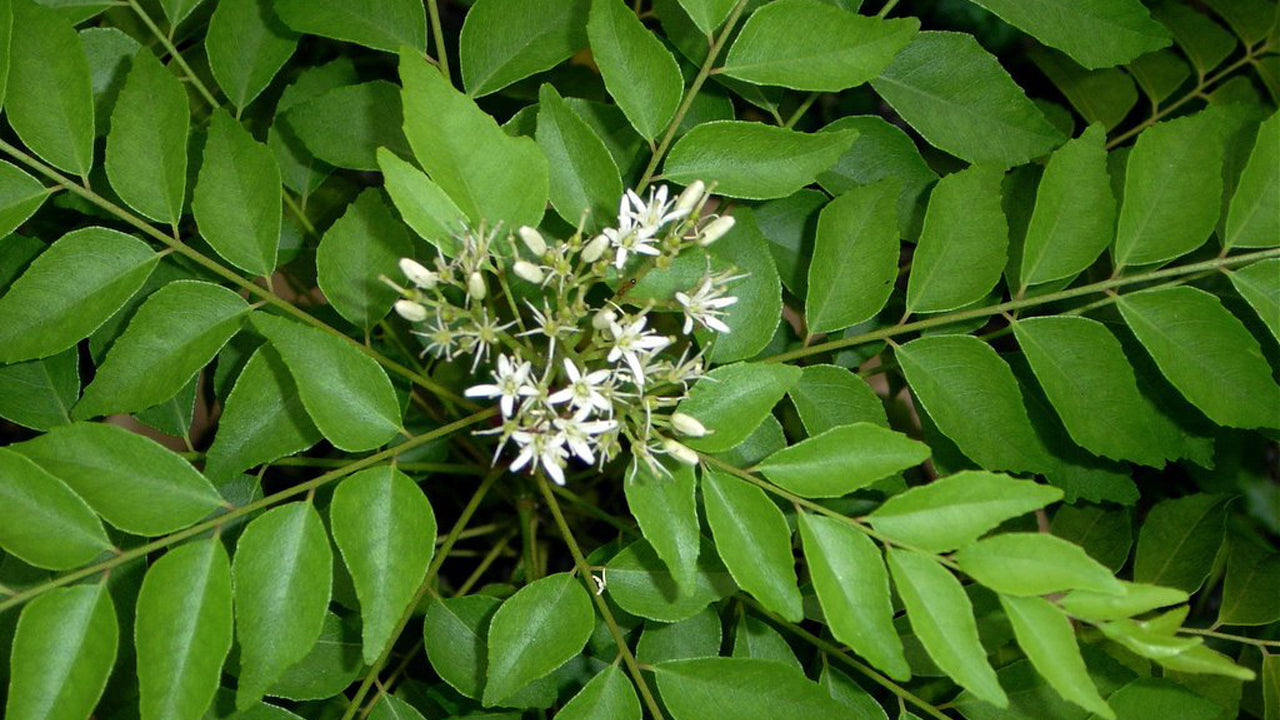
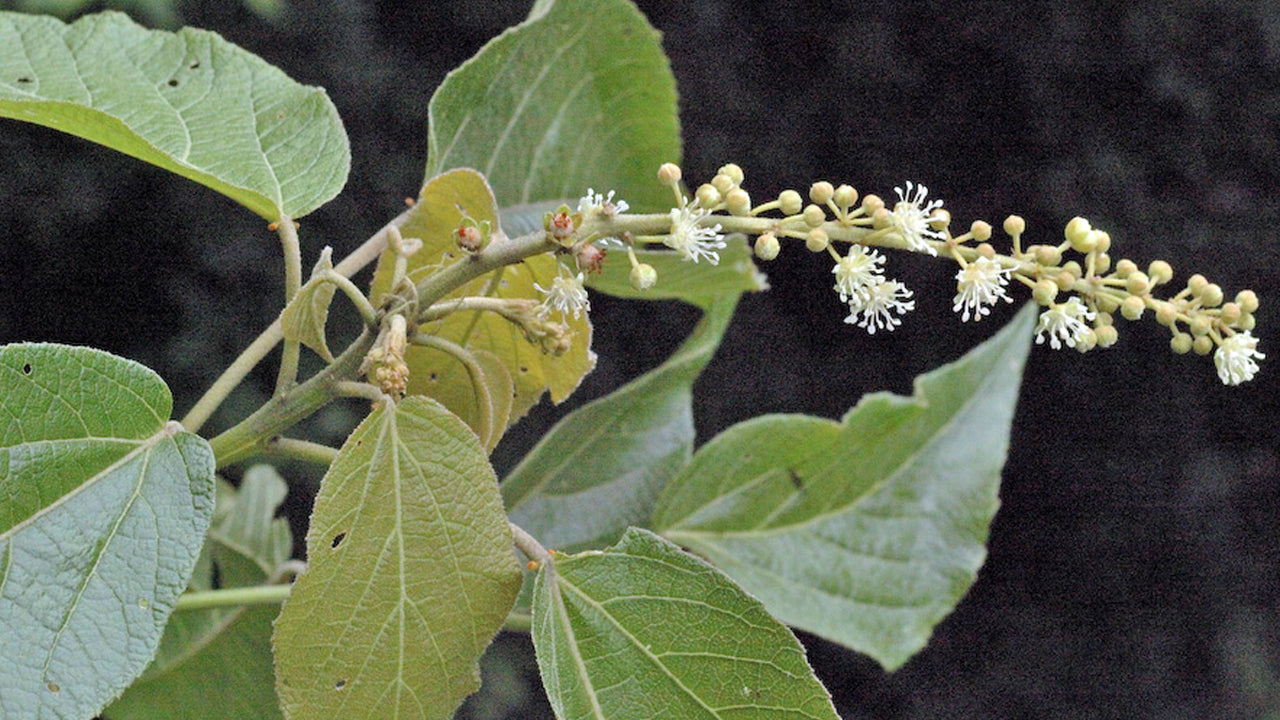
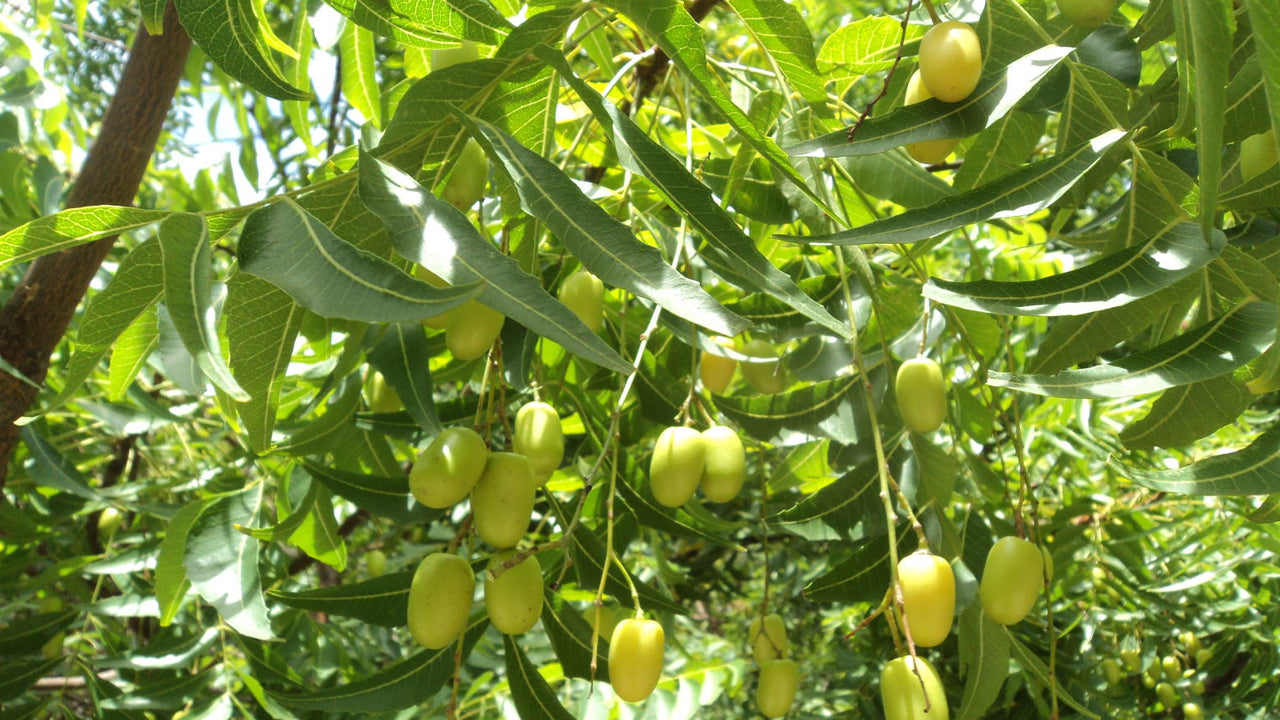
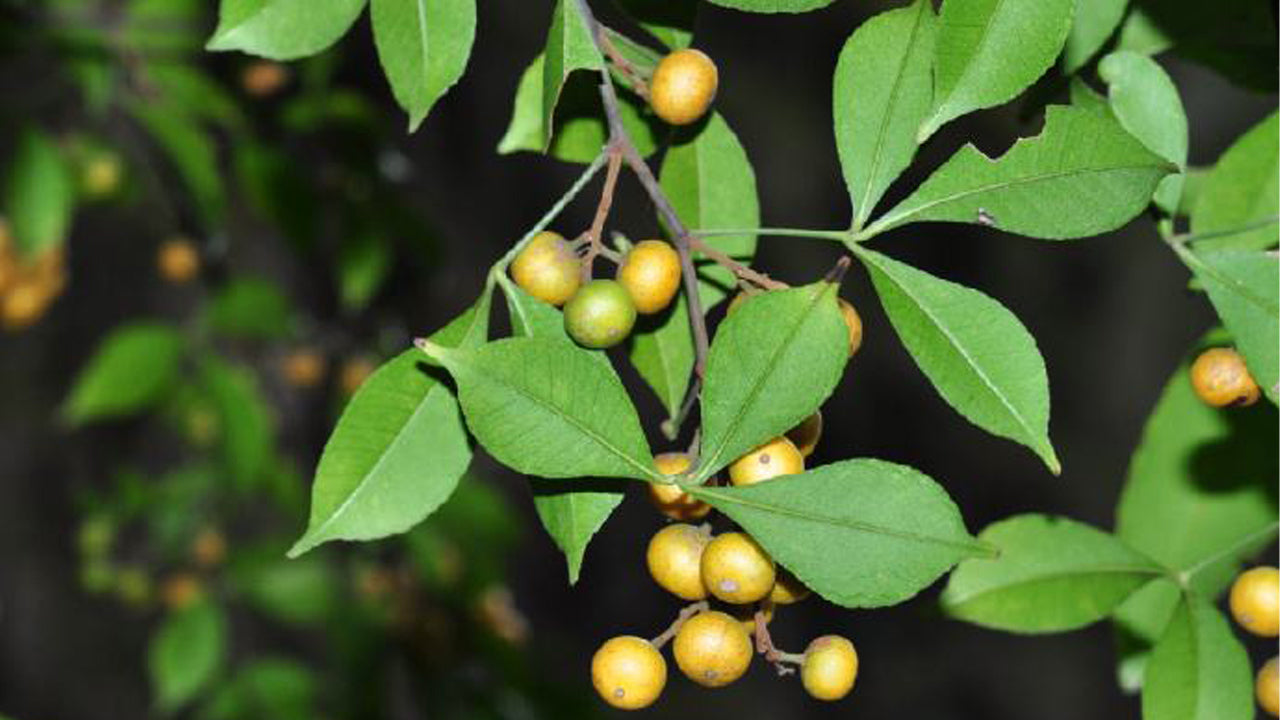
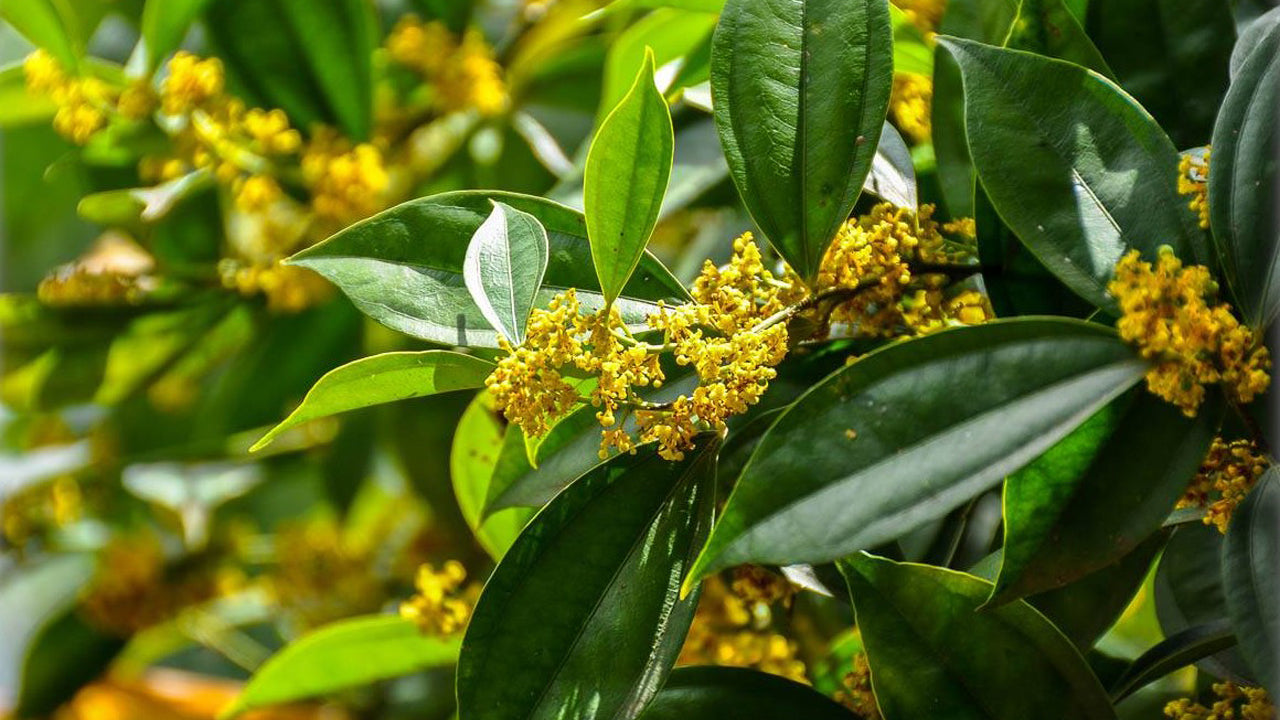
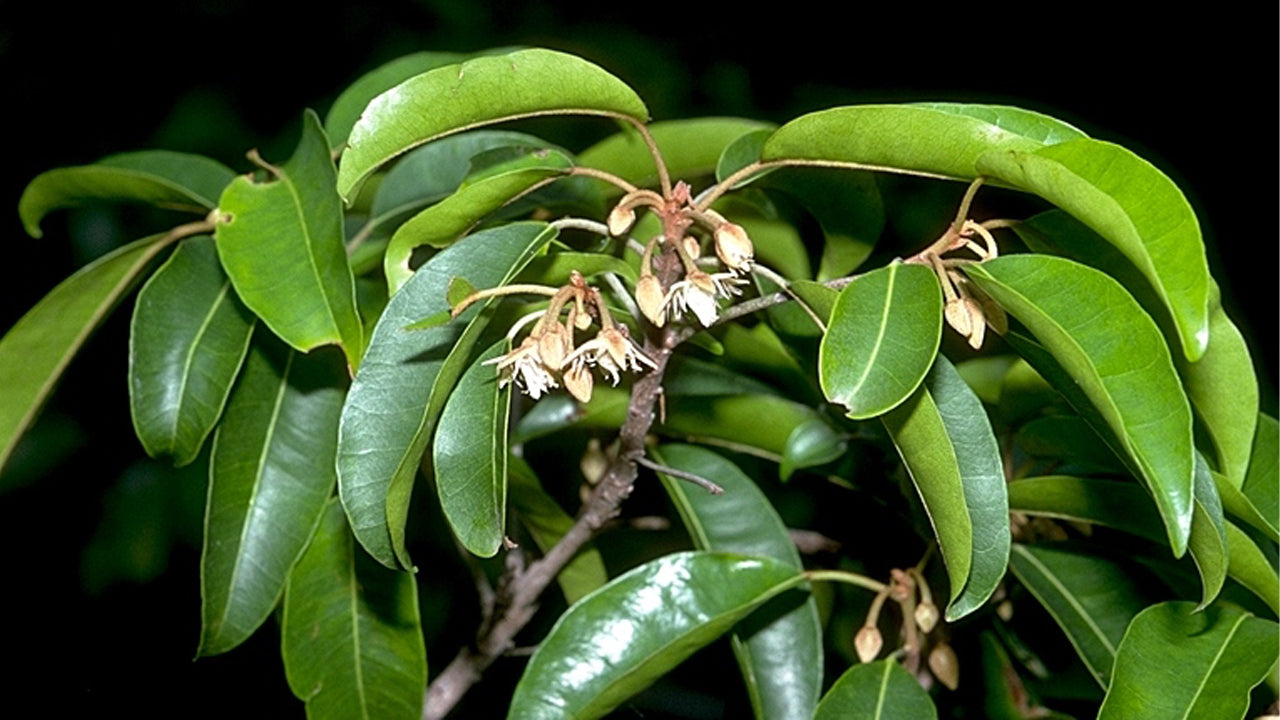
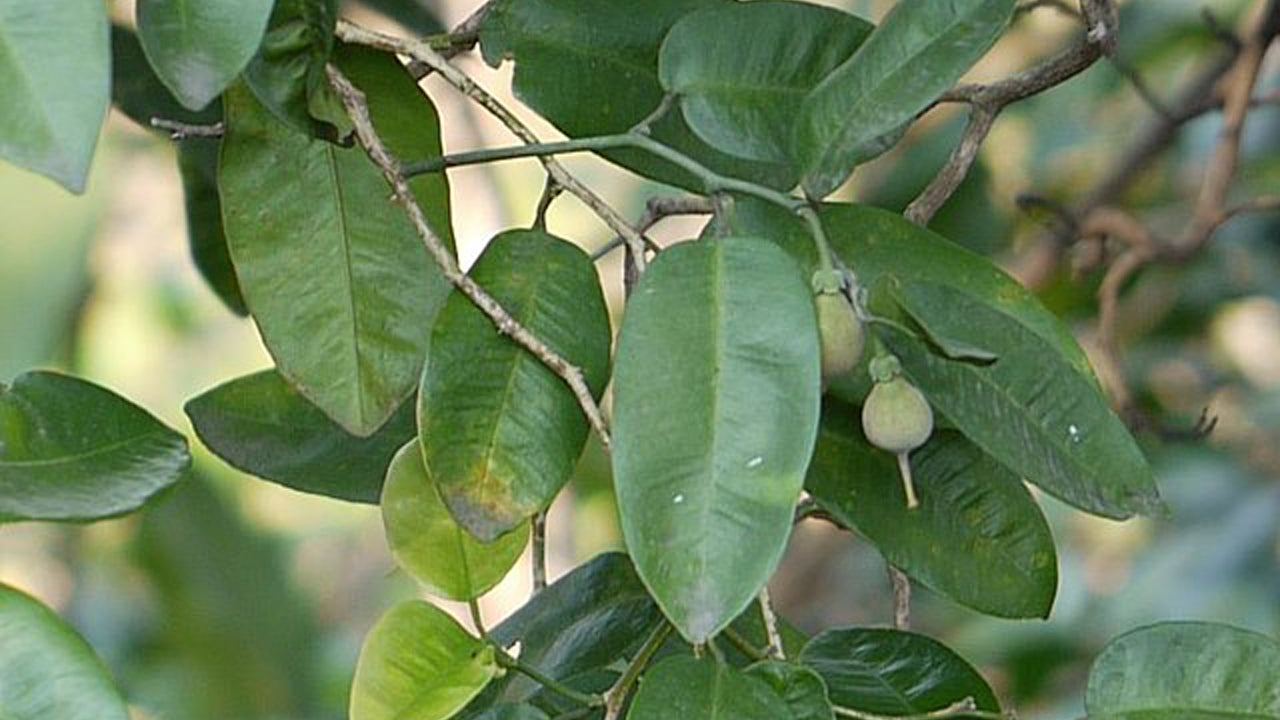
The Koan tree is an imposing deciduous species that can grow to considerable height, forming a dense, spreading canopy that provides generous shade. Its leaves are pinnate, each bearing two to four pairs of leaflets that are leathery and glossy. New growth often emerges in coppery or pinkish tones before maturing to deep green.

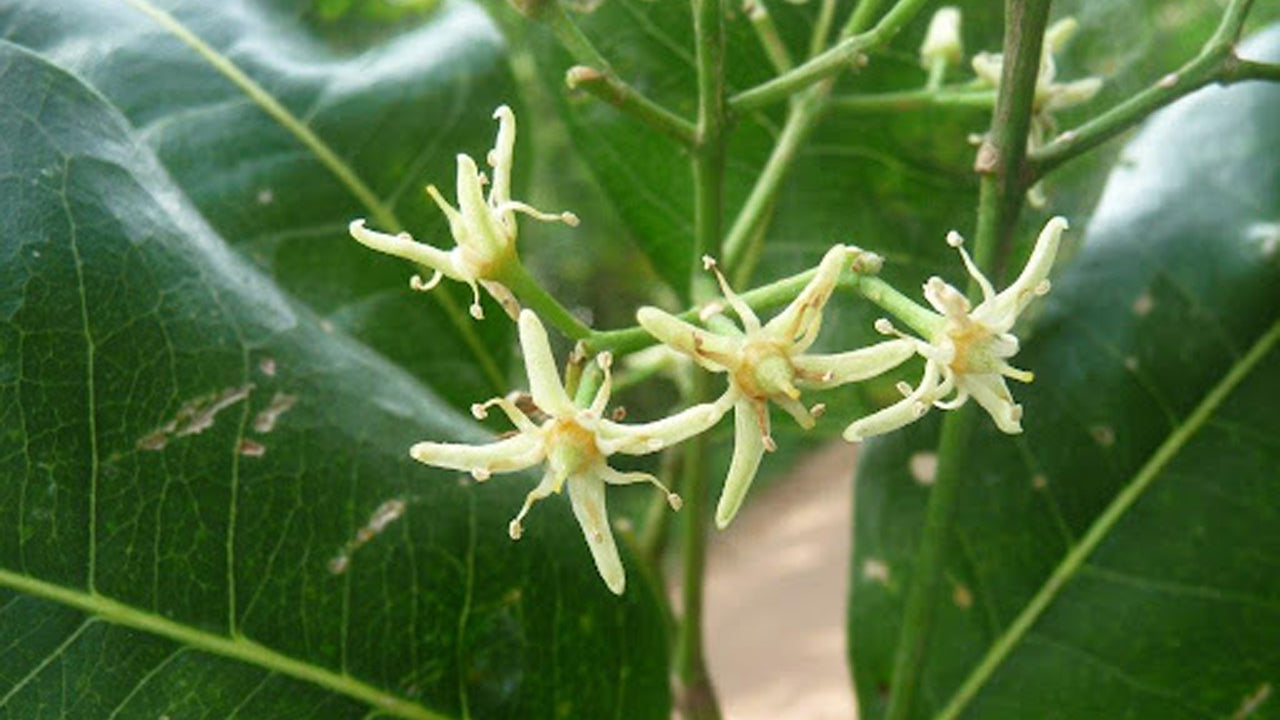
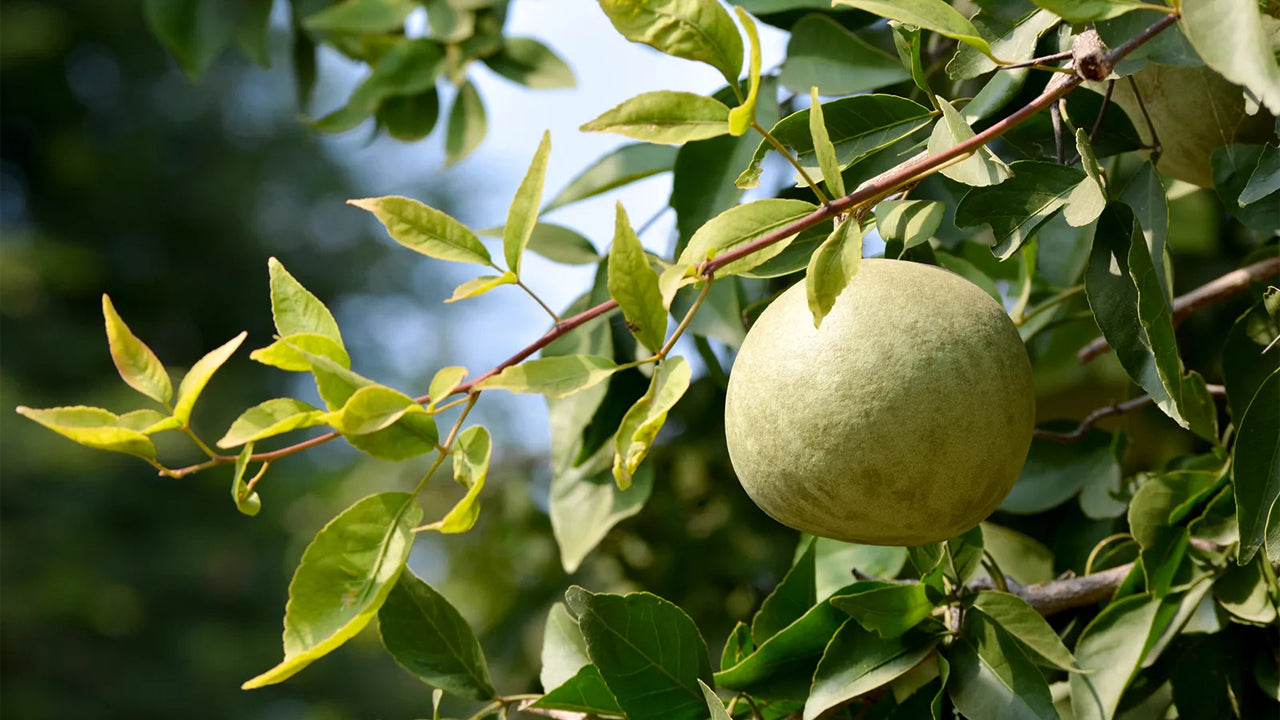
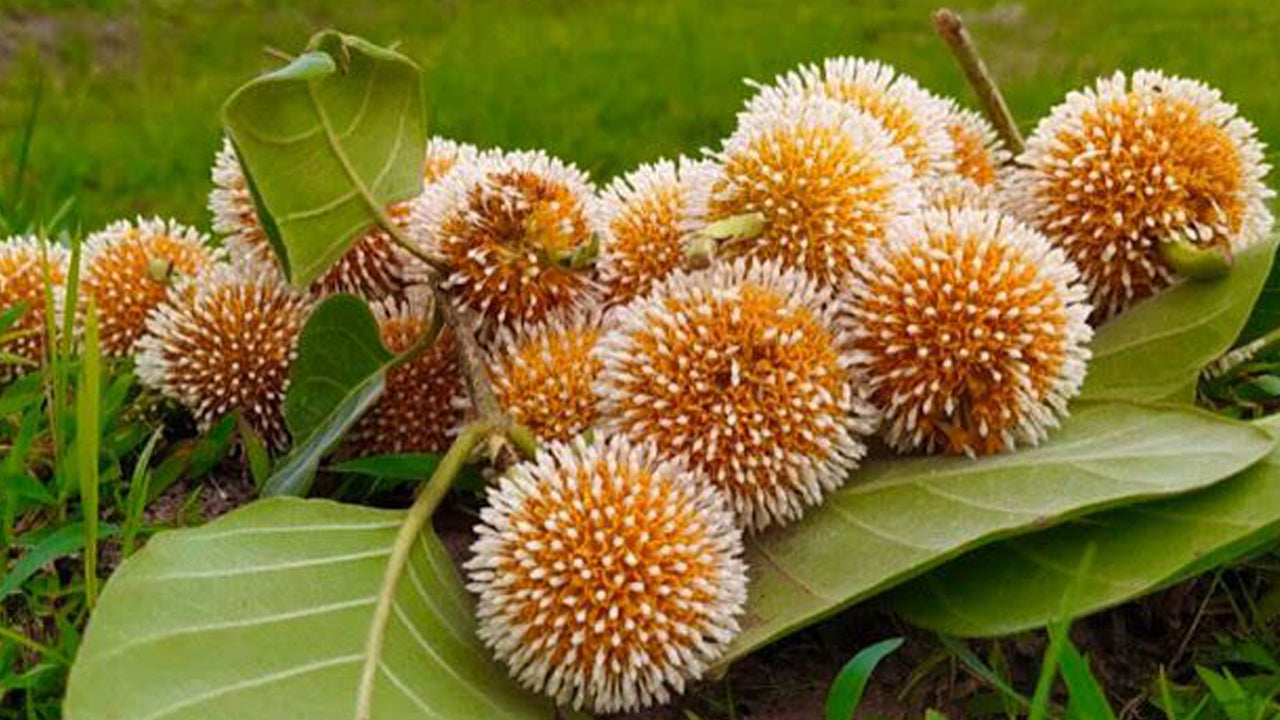
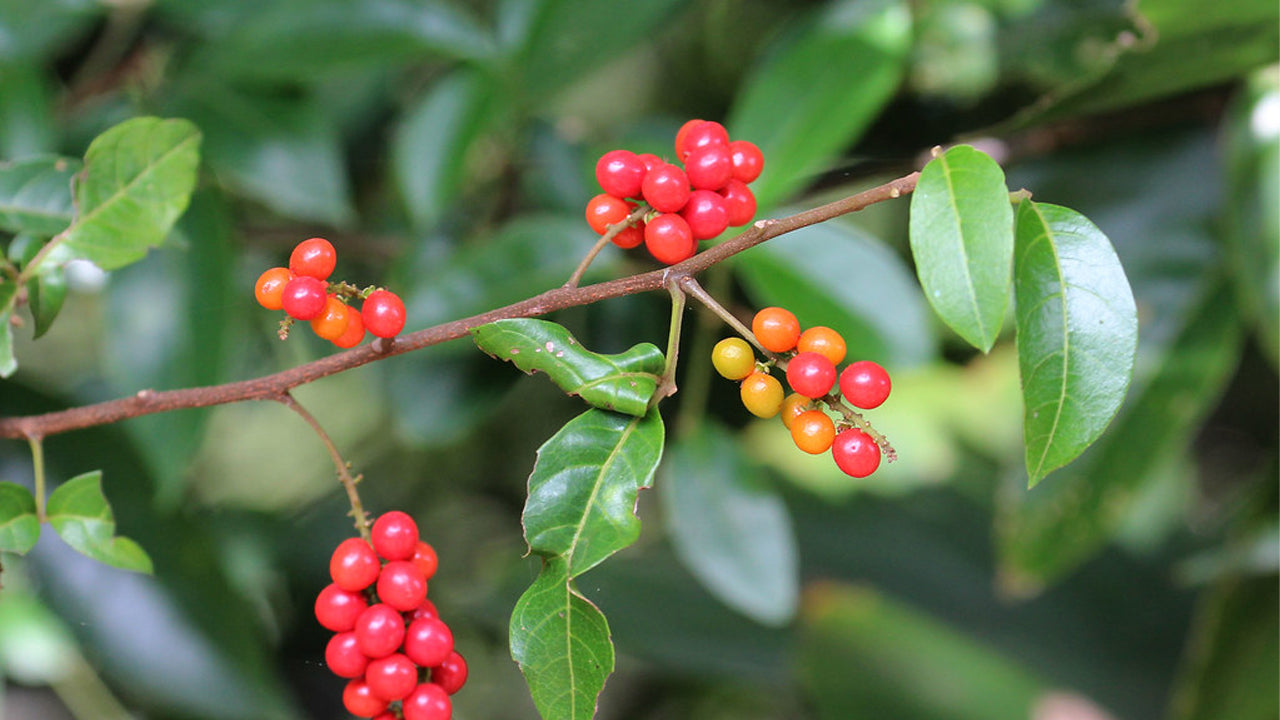
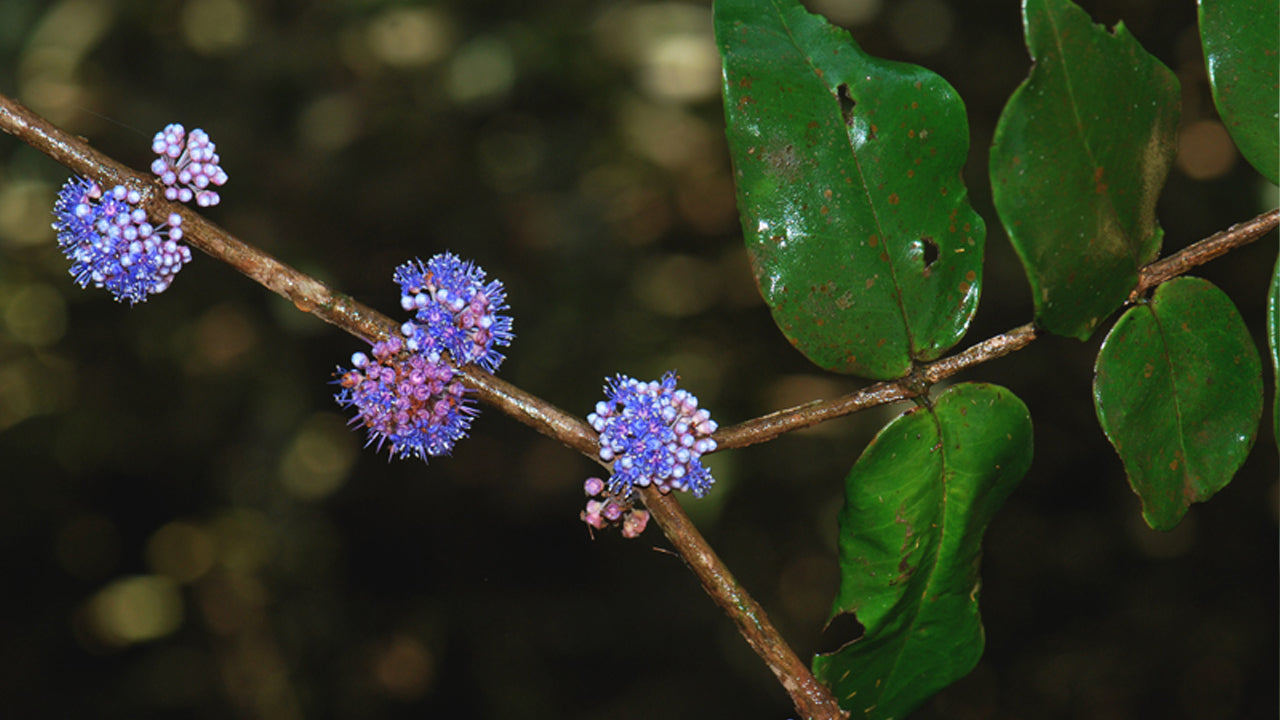
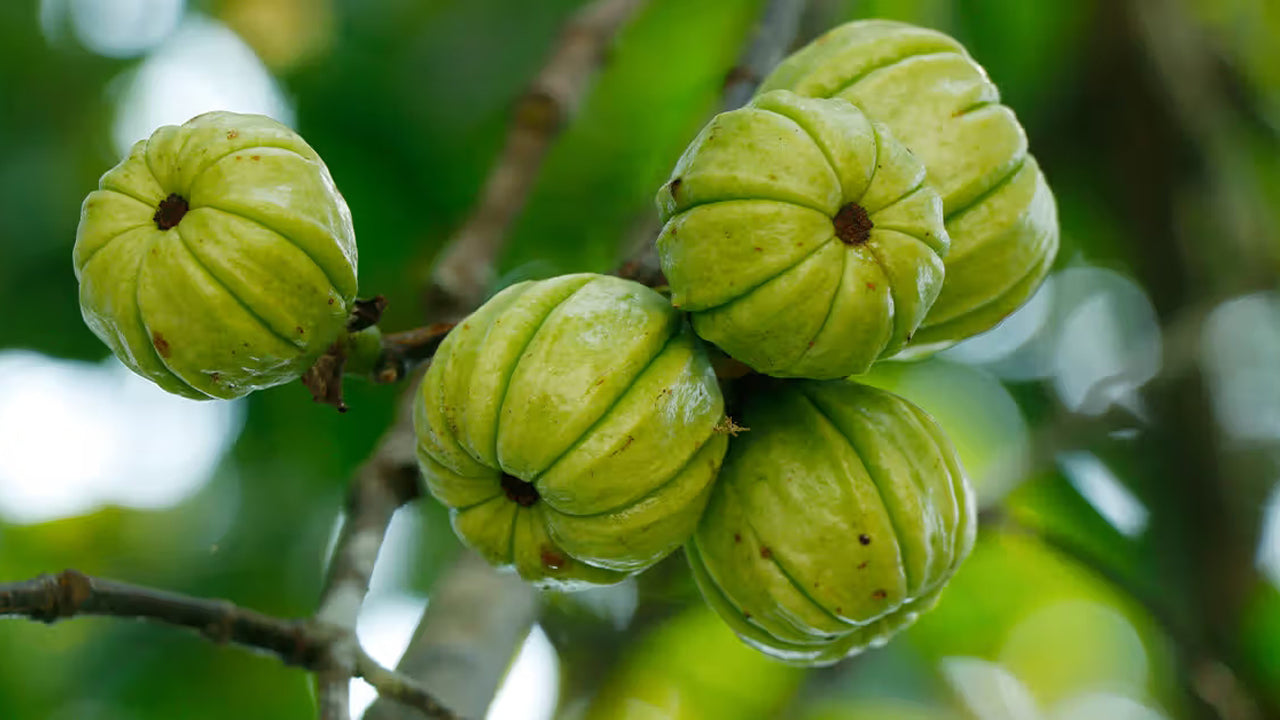
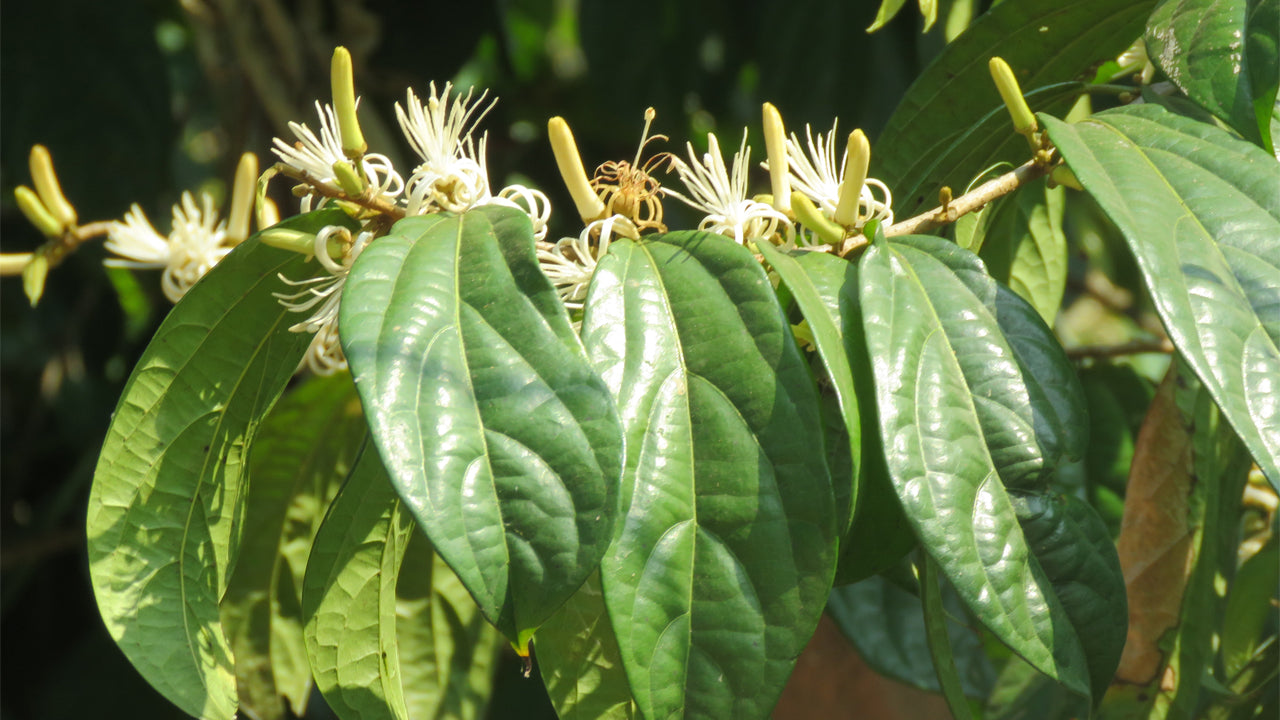
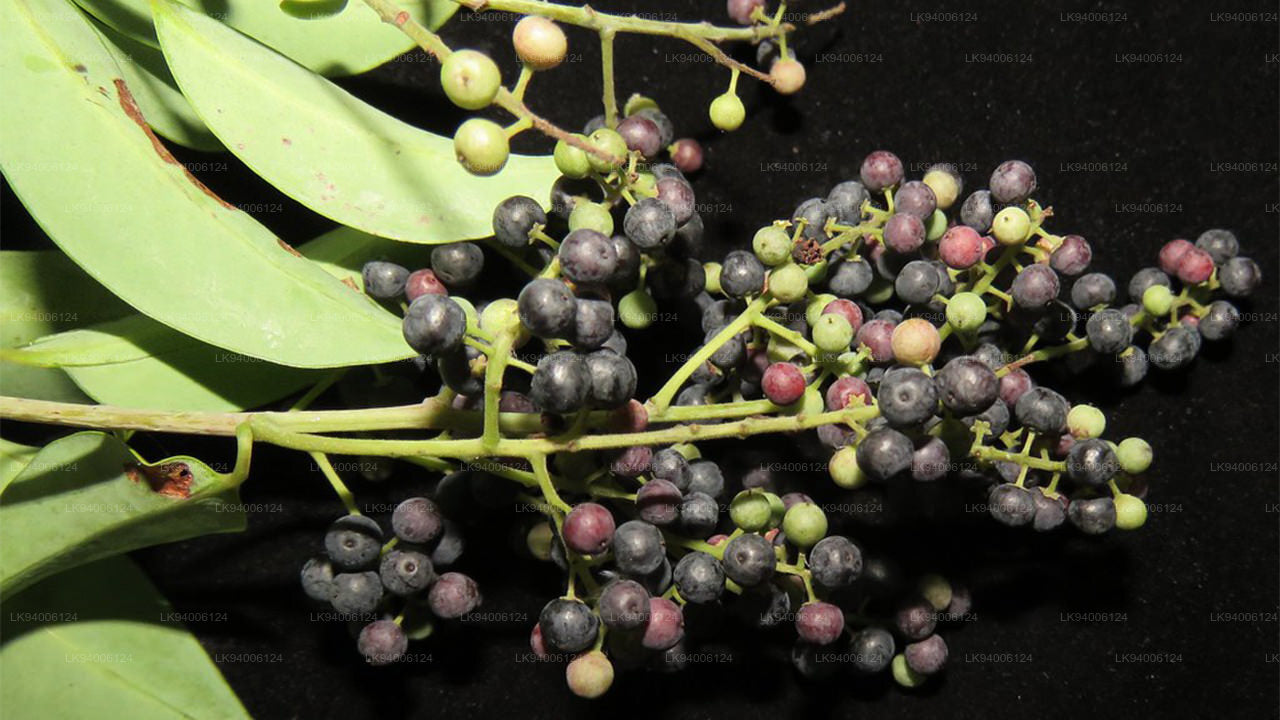
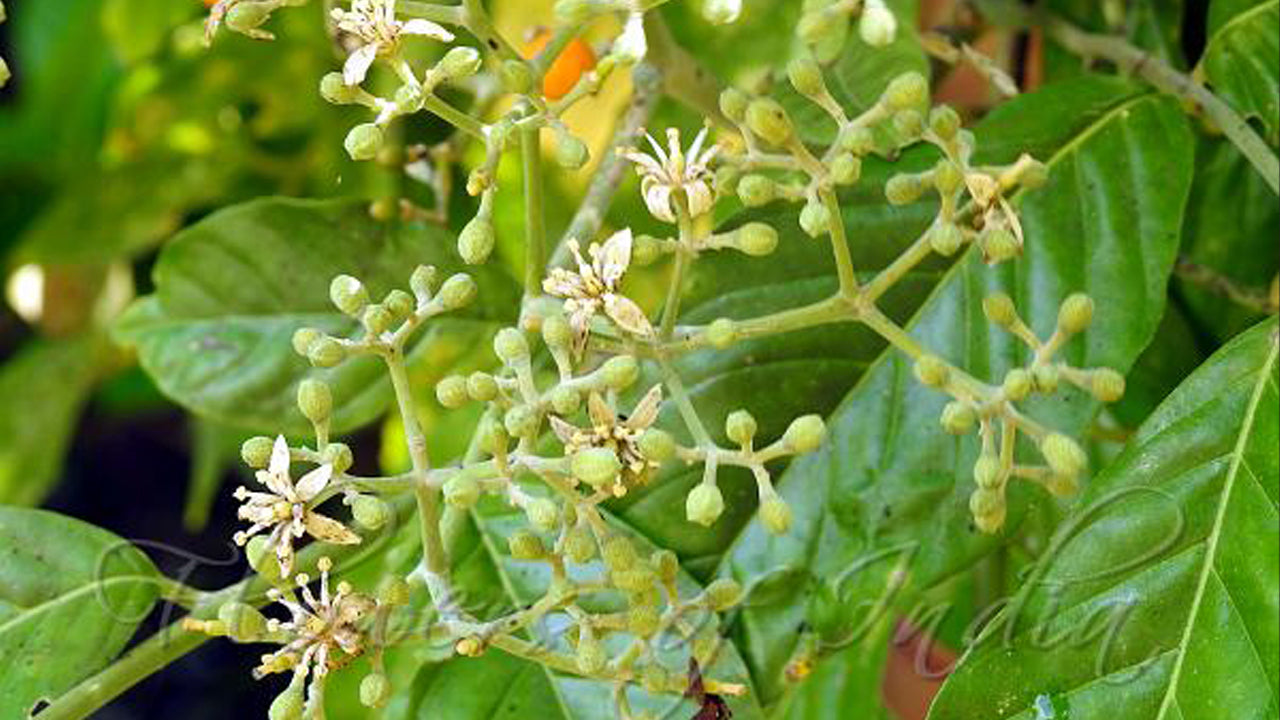
The flowers are tiny and inconspicuous, arranged in short, dense yellow clusters along the branches. They offer nectar to a range of insects and visiting birds. The fruit is a broadly ovoid to sub-globular berry, typically 15–25 mm in size, with a thin, hard shell enclosing one or two seeds. It is these seeds that yield the tree's most commercially and medicinally valued product: Koan oil (Kon tel).

What is Koan oil and how is it used?

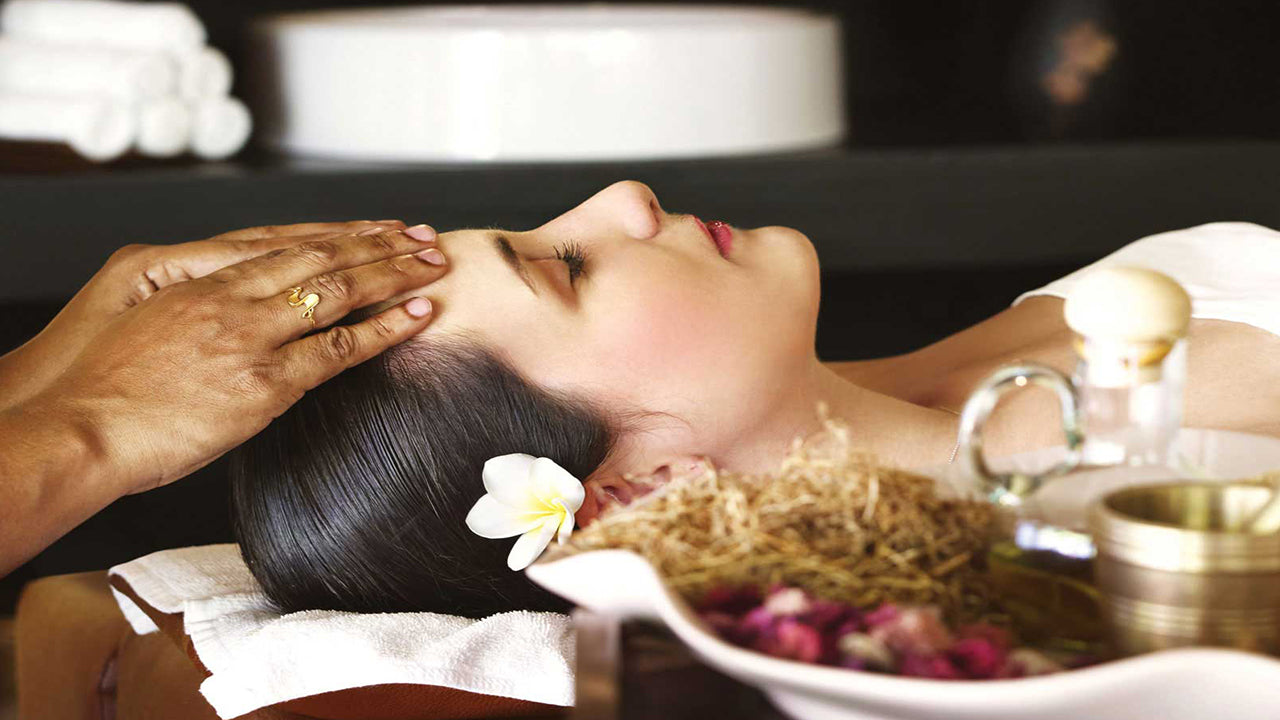
Koan oil — pressed from the seeds of Schleichera oleosa — has been used across South Asia for generations as a hair and skin treatment. In Sri Lanka it is traditionally applied to the scalp as a hair stimulant, believed to strengthen roots and address conditions such as dandruff and scalp itch. The oil has a thick consistency and a mild, slightly nutty character.

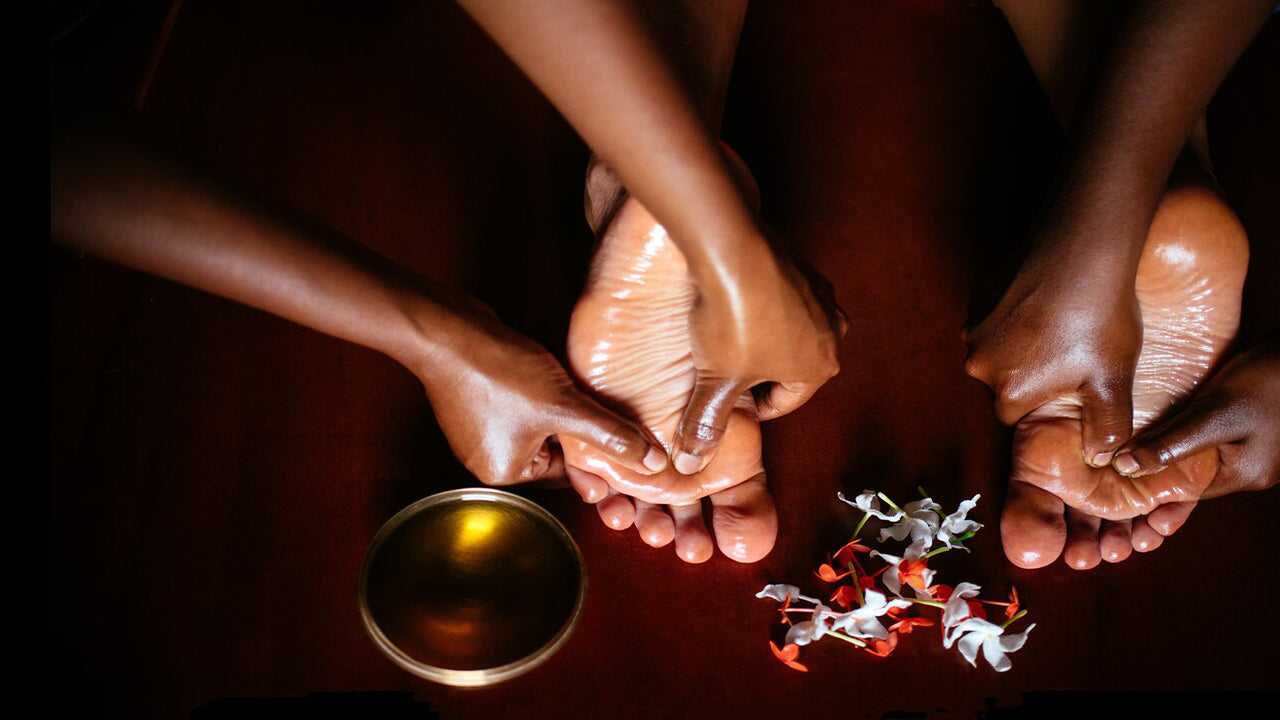
Beyond hair care, Koan oil is used externally in traditional Ayurvedic practice for a range of skin conditions, including acne, minor burns, itching and other inflammatory skin complaints. It has also been applied as a liniment to ease rheumatic pain and joint discomfort. In some regions it has historically served as a cooking oil, though this use is less common today.

  • Hair care: applied as a scalp oil to stimulate growth and address itch
  • Skin conditions: used externally for acne, burns and skin inflammations
  • Rheumatism: rubbed onto joints as a traditional liniment
  • Culinary use: historically used as an edible oil in some communities

What are the medicinal properties of the bark?

The bark of Schleichera oleosa is astringent in nature and has a documented place in traditional medicine systems across South Asia. It has been used topically to treat skin inflammations, ulcers and leprotic skin conditions. An infusion prepared from the bark has been taken internally in folk medicine as a remedy against malaria, though this use falls within traditional practice rather than modern clinical application.

These properties align with the broader pharmacological interest in Schleichera oleosa observed in Ayurvedic and Unani medical traditions, where the tree appears under various regional names. Related plants with similarly documented traditional uses include Pongamia pinnata, another Sri Lankan tree whose seed oil has long served medicinal and practical purposes.

How is the timber of Schleichera oleosa used?

The wood of the Koan tree is notably hard and heavy, with good resistance to wear. Traditionally it has been used in construction — particularly for beams and structural elements — and for crafting agricultural implements such as ploughs and tool handles. Its durability makes it well suited to heavy-use applications, though modern alternatives have reduced its prevalence in construction.

In some parts of South Asia, branches of Schleichera oleosa are used as host trees for lac insects, which produce shellac — a natural resin with wide industrial applications. This association has added further economic value to the species beyond its timber and oil.

Where does Schleichera oleosa grow in Sri Lanka?

The Koan tree is most commonly found in Sri Lanka's dry zone, where it thrives in the warm, seasonally dry conditions of the north-central and north-western lowlands. It is a familiar tree in village landscapes and forest margins in areas such as the dry plains around Polonnaruwa, where large deciduous trees form part of the ancient agrarian landscape.

The species is also found in secondary forests and along roadsides in intermediate zone areas. It tolerates a range of soils and is considered relatively drought-hardy once established, making it a practical tree for dryland agroforestry systems.

Does Schleichera oleosa have ecological value?

Beyond its human uses, the Koan tree supports local biodiversity. Its flowers attract insects and are visited by small nectar-feeding birds. The fruit, while not widely eaten by people, is consumed by various wildlife species. As a large, long-lived tree, it provides nesting and roosting habitat and contributes to canopy cover in degraded or seasonal forest landscapes.

Traditional Sri Lankan villages often retained large Koan trees for their shade as much as for their practical uses — a form of informal conservation that preserved mature specimens in cultivated landscapes where forest cover had otherwise diminished.

How is Koan related to Ayurvedic and traditional Sri Lankan medicine?

Schleichera oleosa is recognised within the Sri Lankan Ayurvedic pharmacopoeia as a plant with multiple therapeutic applications. The seed oil, bark, and to a lesser extent the leaves all feature in traditional formulations. Its primary use remains the seed oil for topical skin and hair conditions, and it appears alongside other traditional remedies in locally produced herbal preparations.

Sri Lanka's tradition of plant-based medicine draws on a diverse range of native trees and forest species, many of which — like Schleichera oleosa — are quietly embedded in everyday rural practice rather than prominent in modern commercial herbal markets. The Sinharaja Forest Reserve and surrounding lowland forests harbour many such medicinally significant plants, reflecting the depth of Sri Lanka's botanical heritage.

Ask Lakpura® Agent