Lakpura
Lakpura®

Oldenlandia corymbosa (Pathpadagam)

Oldenlandia corymbosa, known in Sri Lanka as Pathpadagam (පත්පාඩගම්), is a small annual herb that holds a recognised place in the catalogue of Ayurvedic medicinal plants of Sri Lanka. Delicate in appearance, it grows close to the ground in disturbed soils, roadsides, paddy field margins, and open grasslands across the island. Despite its modest size, it has attracted considerable attention in ethnobotanical and pharmacological literature for the range of traditional therapeutic applications attributed to it.

What is the botanical identity of Oldenlandia corymbosa?

Oldenlandia corymbosa belongs to the family Rubiaceae and is a close relative of several other species within the genus Oldenlandia. An older synonym still encountered in some publications is Hedyotis corymbosa, though Oldenlandia corymbosa is the currently accepted botanical name according to international taxonomic databases.

Confusion with related species is common, particularly with Oldenlandia diffusa, which is widely used in Chinese herbal medicine under the name Bai Hua She She Cao. In Chinese, Oldenlandia corymbosa is more precisely referred to as Shui Xian Cao, a distinction that matters when evaluating research literature, since studies on one species are not always applicable to the other. Images and references on some commercial websites conflate the two species, so it is worth cross-checking botanical descriptions when researching either plant.

The herb produces tiny white flowers in cymose clusters — corymbosa referring to the corymb-like arrangement of those flowers — and thin, lance-shaped leaves. Plants typically reach no more than 30–40 cm in height.

Where does Pathpadagam grow in Sri Lanka?

The plant is widespread across the lowland wet and dry zones of Sri Lanka, commonly found as a weed in cultivated fields, along roadsides, and at the edges of forest clearings. It tolerates a variety of soil types and thrives in warm, humid conditions — making it one of the more easily encountered wild herbs on the island. It is also found across tropical Asia, sub-Saharan Africa, and parts of the Americas, reflecting its adaptability as a species.

In Sri Lanka, traditional vedamahattaya (Ayurvedic practitioners) have long been familiar with Pathpadagam as a component of herbal preparations, particularly in communities where access to formal medical care has historically been limited and plant-based remedies form the backbone of primary healthcare.

What are the traditional uses of Oldenlandia corymbosa?

Within Sri Lankan and broader South Asian traditional medicine, Pathpadagam has been associated with a range of applications. Practitioners have historically used preparations of the whole plant — often as a decoction or expressed juice — in contexts relating to:

  • Febrile conditions and infections
  • Liver complaints, including conditions recognised in Ayurveda as analogous to hepatitis
  • Skin ailments and inflammatory conditions
  • Eye complaints
  • Wound healing and bleeding disorders

These applications are rooted in centuries of empirical use within traditional systems, and Pathpadagam is catalogued accordingly by the Department of Ayurveda, Sri Lanka as part of the island's official Ayurvedic materia medica.

Related Ayurvedic compound preparations such as Kaishore Guggulu and Yogaraja Guggulu illustrate how individual herbs like Pathpadagam are often integrated into multi-ingredient formulations rather than used in isolation.

What does research say about Oldenlandia corymbosa?

Laboratory studies have investigated several bioactive compounds present in Oldenlandia corymbosa, including flavonoids, iridoid glycosides, and oleanolic acid derivatives. In vitro (cell-based) experiments have explored potential antiviral, anticancer, anti-inflammatory, and hepatoprotective effects. These findings are preliminary and are consistent with the traditional use of the plant, but they do not yet constitute clinical evidence of efficacy in humans.

It is important to draw a clear distinction between laboratory findings and clinical outcomes. As yet, robust human clinical trials confirming therapeutic benefit for any of the conditions attributed to this plant are not widely available in peer-reviewed literature. Researchers and practitioners advise caution in interpreting in vitro or animal-model data as direct evidence for human applications.

One area requiring particular care involves reports from ethnobotanical studies in Tanzania, where Oldenlandia corymbosa was among several plants used by women to induce uterine contractions. On the basis of this evidence, use during pregnancy is considered inadvisable by practitioners familiar with the research.

How does Pathpadagam fit into Sri Lanka's Ayurvedic tradition?

Sri Lanka has one of the oldest continuous traditions of Ayurvedic medicine in Asia, with documented practice stretching back more than two thousand years. The island's rich biodiversity — spanning dry zone scrublands, montane forests such as those found in Horton Plains National Park, and the lowland wet zone — supports an extraordinary range of medicinal plant species, of which Pathpadagam is one small but notable example.

The formal catalogue of Ayurvedic medicinal plants maintained by Sri Lanka's government recognises hundreds of native and naturalised species. Pathpadagam's inclusion reflects its longstanding role in traditional practice. Contemporary Ayurvedic physicians on the island typically prescribe it as part of compound formulations rather than as a standalone remedy, tailoring its use to an individual patient's constitution and condition in keeping with classical Ayurvedic principles.

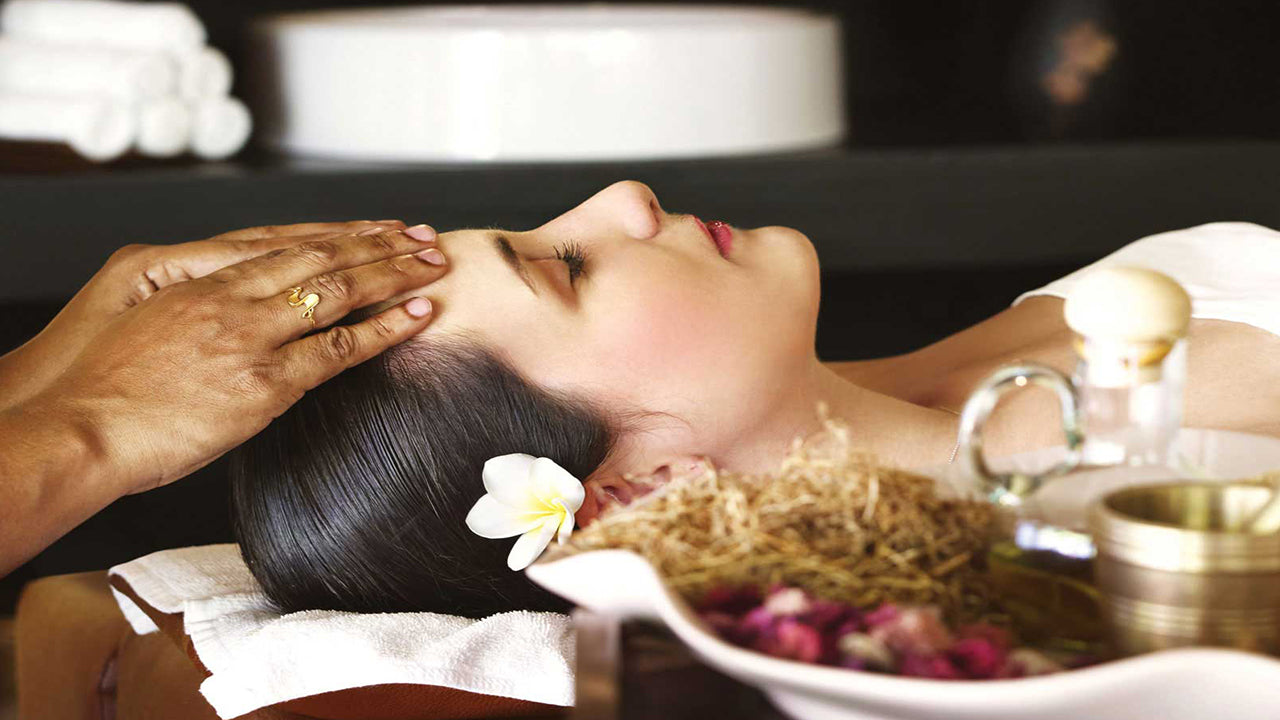
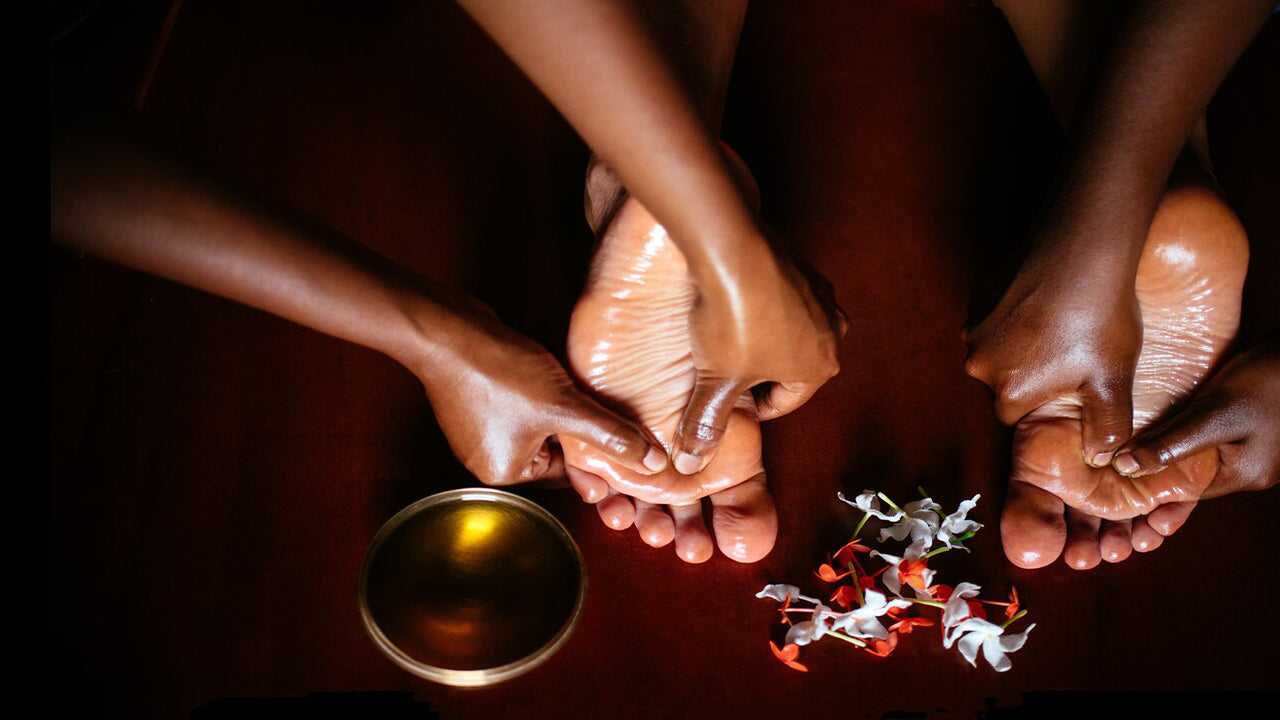
Visitors with an interest in Sri Lanka's herbal heritage can encounter living examples of many such plants on guided walks through the island's forests and botanical gardens, or through Ayurvedic wellness centres that incorporate plant education alongside treatment programmes.

Are there safety considerations when using Oldenlandia corymbosa?

As with any herbal remedy, use of Pathpadagam should be discussed with a qualified Ayurvedic physician or healthcare provider before beginning any course of treatment. The key considerations noted in the literature include:

  • Pregnancy: Avoid use during pregnancy given evidence of uterine-stimulating activity in animal studies.
  • Substitution risk: Ensure that any preparation labelled with Chinese names such as Bai Hua She She Cao is correctly identified as either O. diffusa or O. corymbosa, as these are distinct plants with potentially different chemical profiles.
  • Self-medication: Traditional remedies complement rather than replace evidence-based medical care. Serious conditions such as hepatitis, cancer, or severe infections require clinical diagnosis and management.
  • Source quality: Wild-harvested plants should be correctly identified by a knowledgeable practitioner to avoid confusion with superficially similar species.

What is the significance of Pathpadagam in Sri Lanka's ethnobotanical heritage?

Plants like Pathpadagam represent a thread connecting contemporary Sri Lankans to an ancient body of knowledge accumulated over generations of close observation of the natural world. The island's Ayurvedic tradition is not merely historical — it remains a living system practised by licensed physicians, taught in dedicated faculties of Ayurvedic medicine, and integrated into the national healthcare system alongside modern medicine.

For travellers curious about Sri Lanka's relationship with its flora, specialist herbal garden tours and Ayurvedic resort experiences offer an accessible introduction to plants including Pathpadagam. The overlap between Sri Lanka's biodiversity and its healing traditions is particularly well illustrated in areas where forest and farmland meet — scenes familiar to anyone who has travelled the island's rural interior.

Ask Lakpura® Agent