Lakpura
Lakpura®

Madhuca longifolia

Madhuca longifolia — known locally as Mee in Sinhala and Illupai in Tamil — is one of Sri Lanka's most ecologically and culturally significant native trees. A member of the Sapotaceae family, it grows across the dry and intermediate zones of the island, where it has been woven into local livelihoods, traditional medicine, and forest ecosystems for centuries. Though widely associated with the Indian subcontinent, the mahua tree has deep roots in Sri Lankan agroforestry and remains a valued species in rural communities to this day.

What does Madhuca longifolia look like?

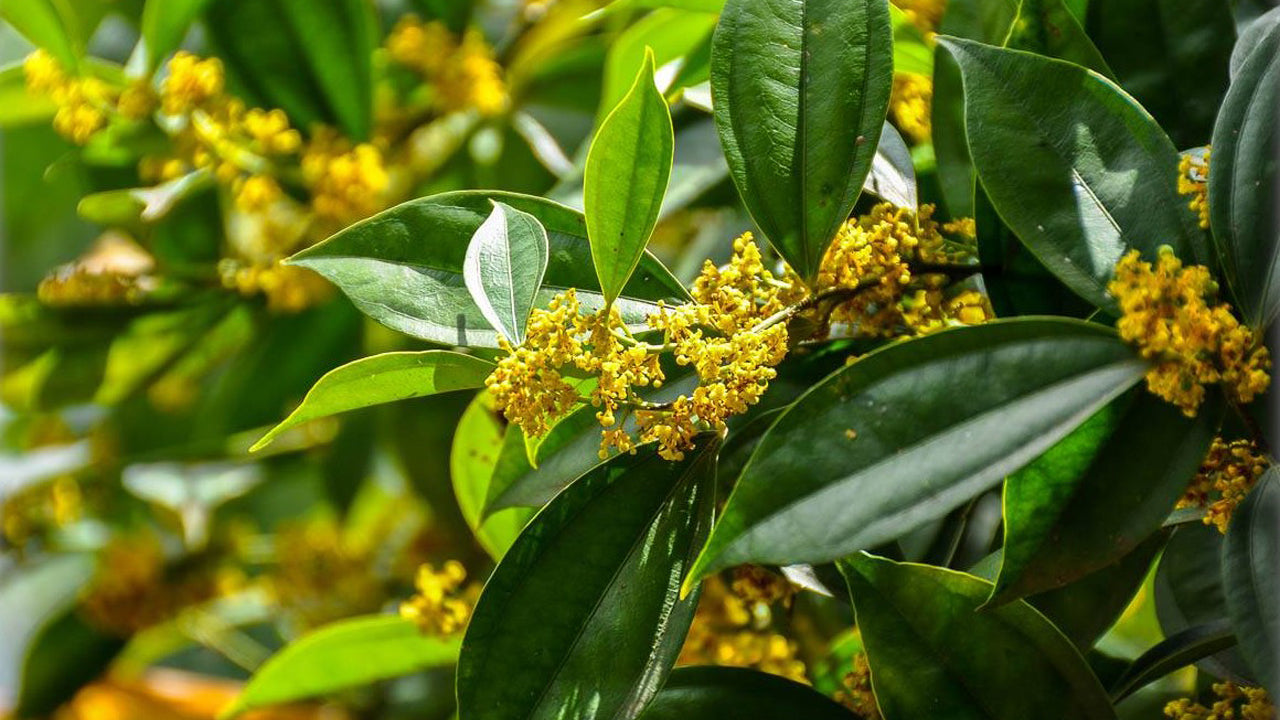
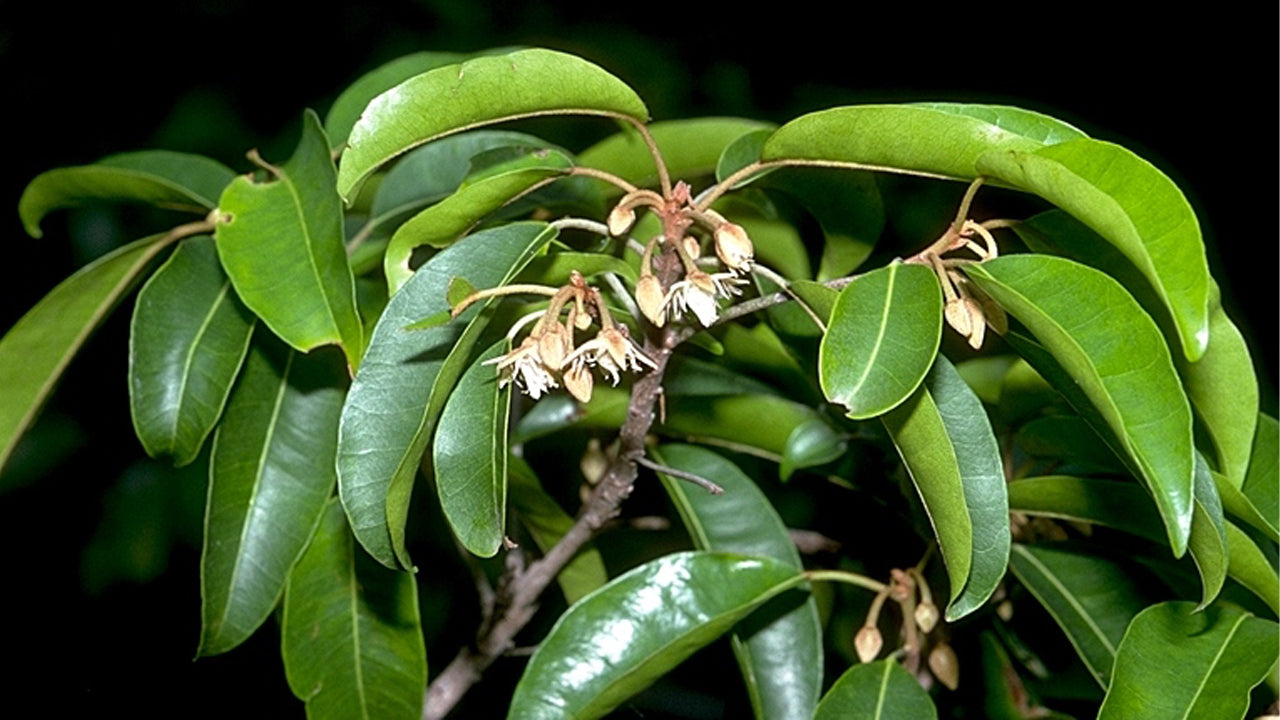
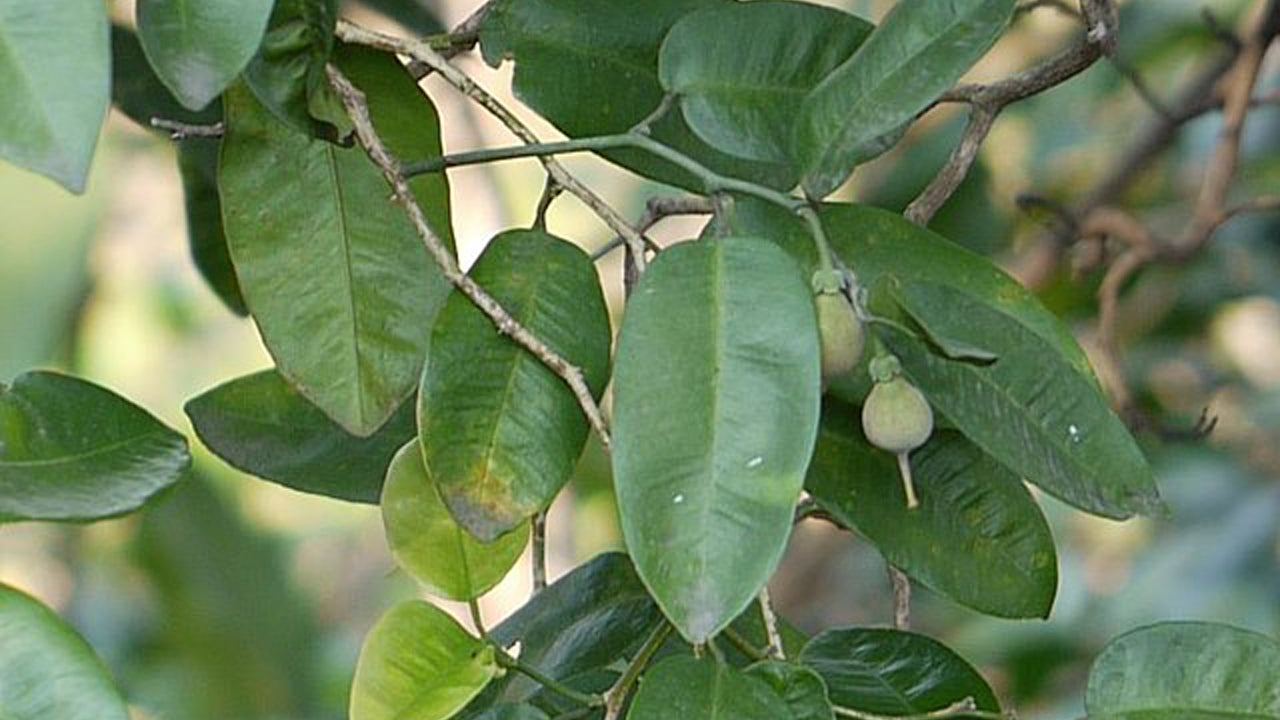
Madhuca longifolia is a large, semi-evergreen tree that can grow up to 30 metres in height. Its spreading canopy produces dense, glossy foliage that provides generous shade — a quality that makes it a popular choice in village homegardens and along agricultural land. The bark is rough and grey-brown, while young branches carry a distinctive fleshy texture.

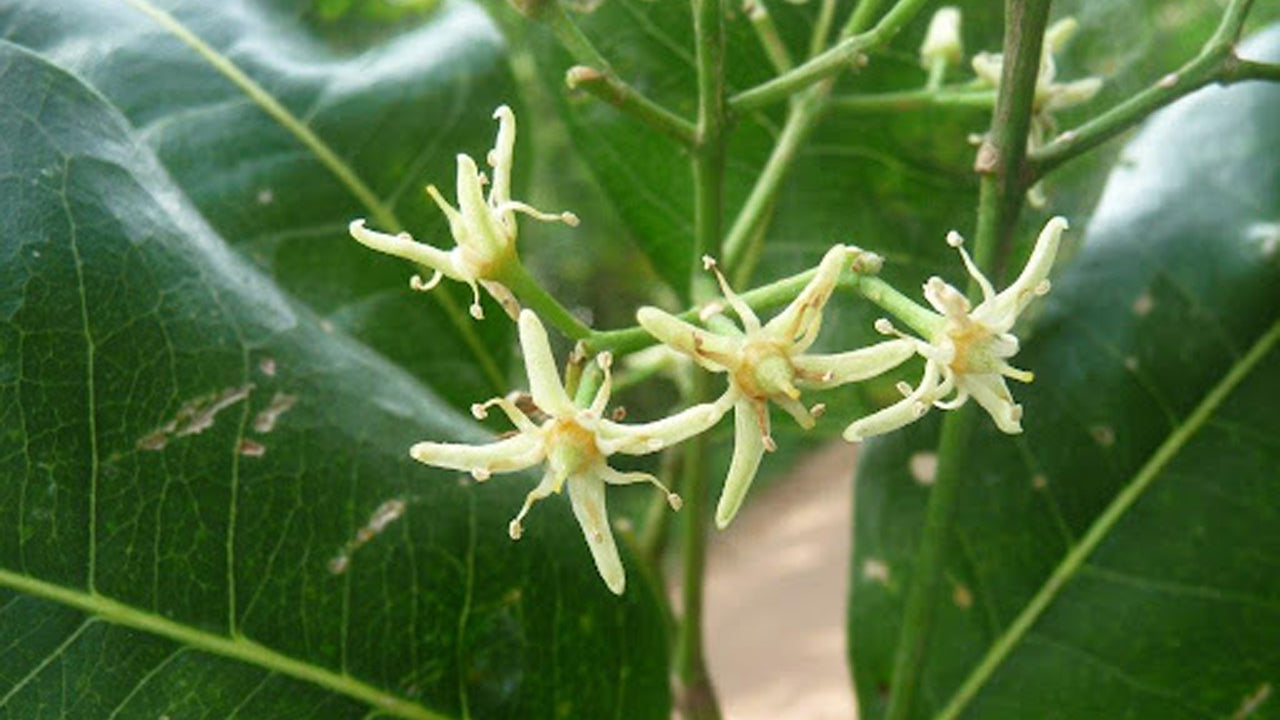
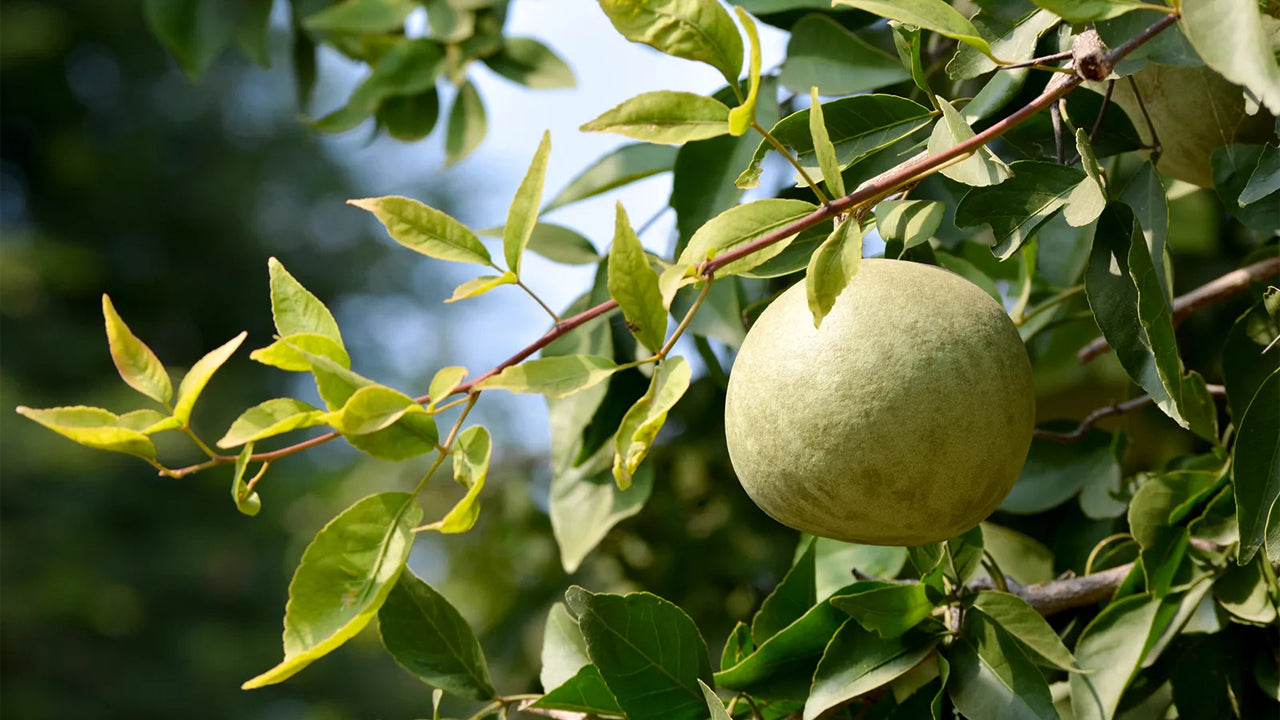
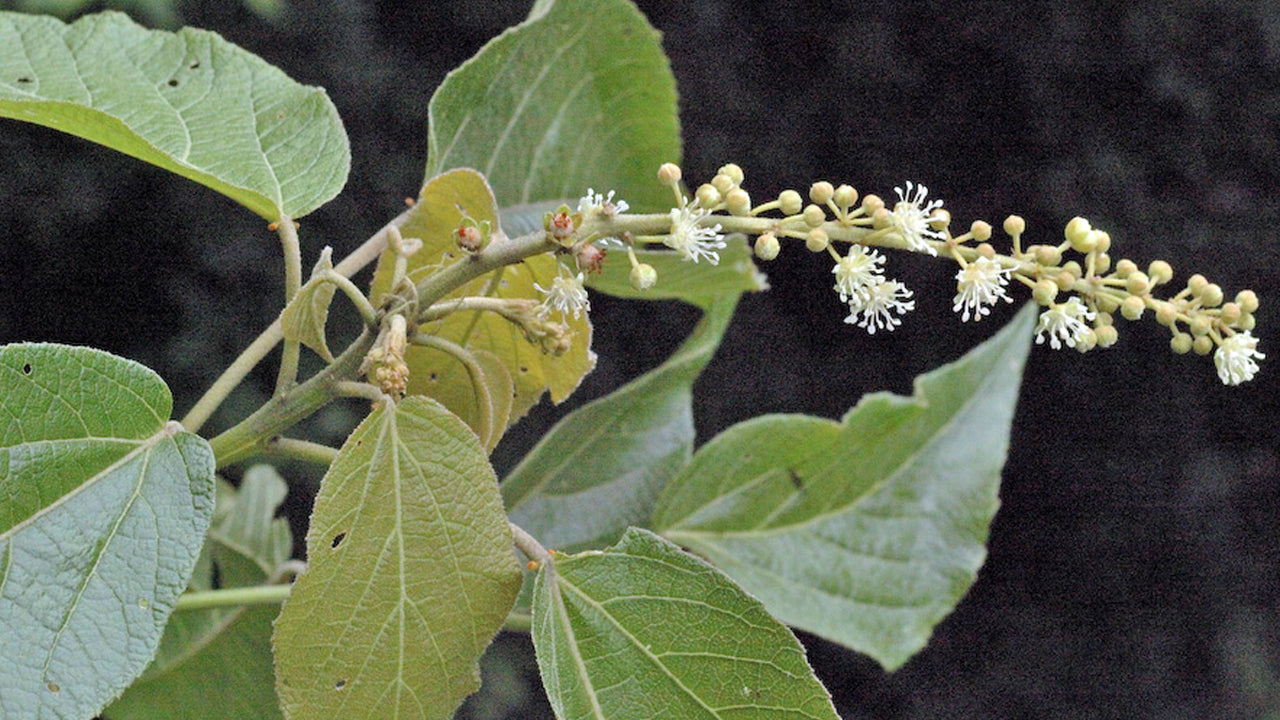
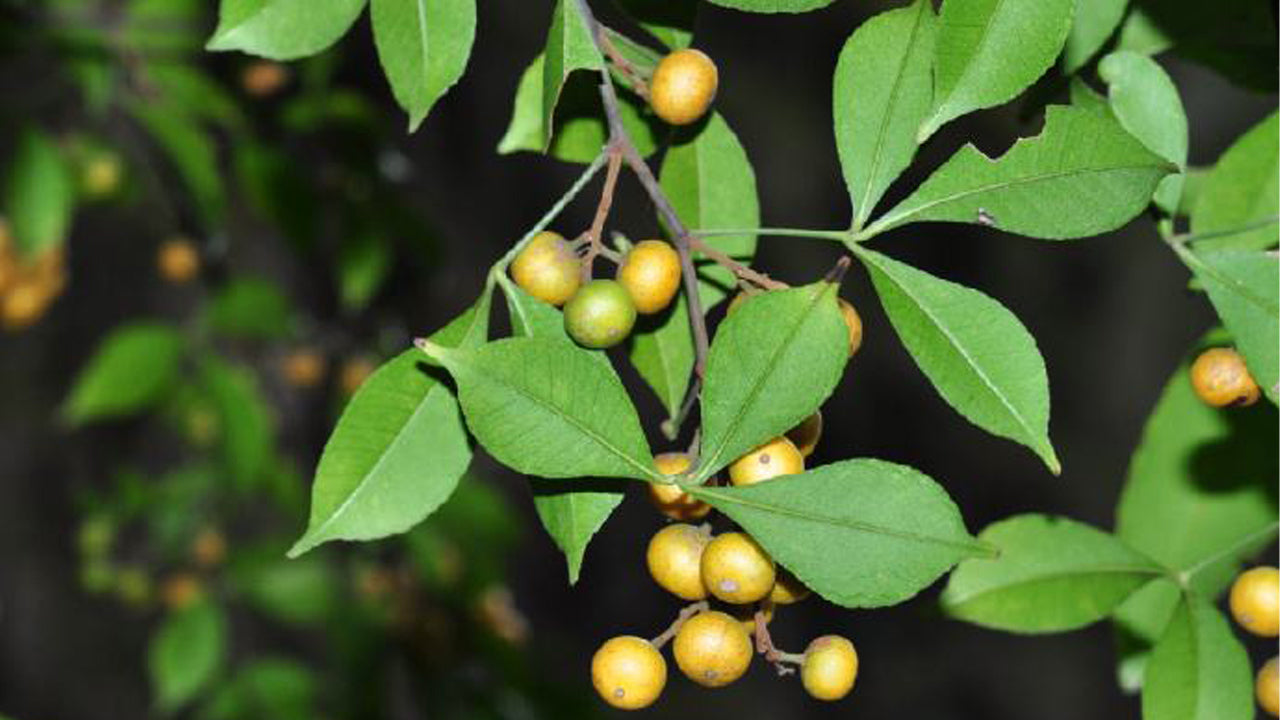
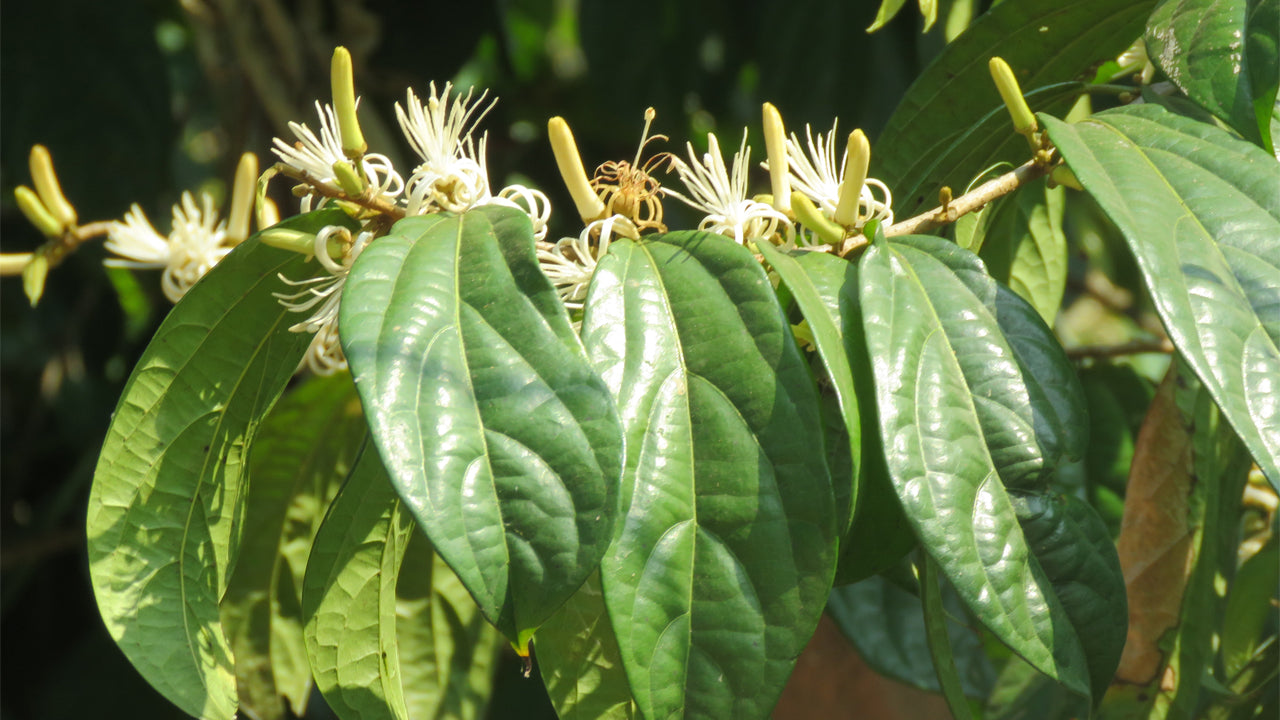
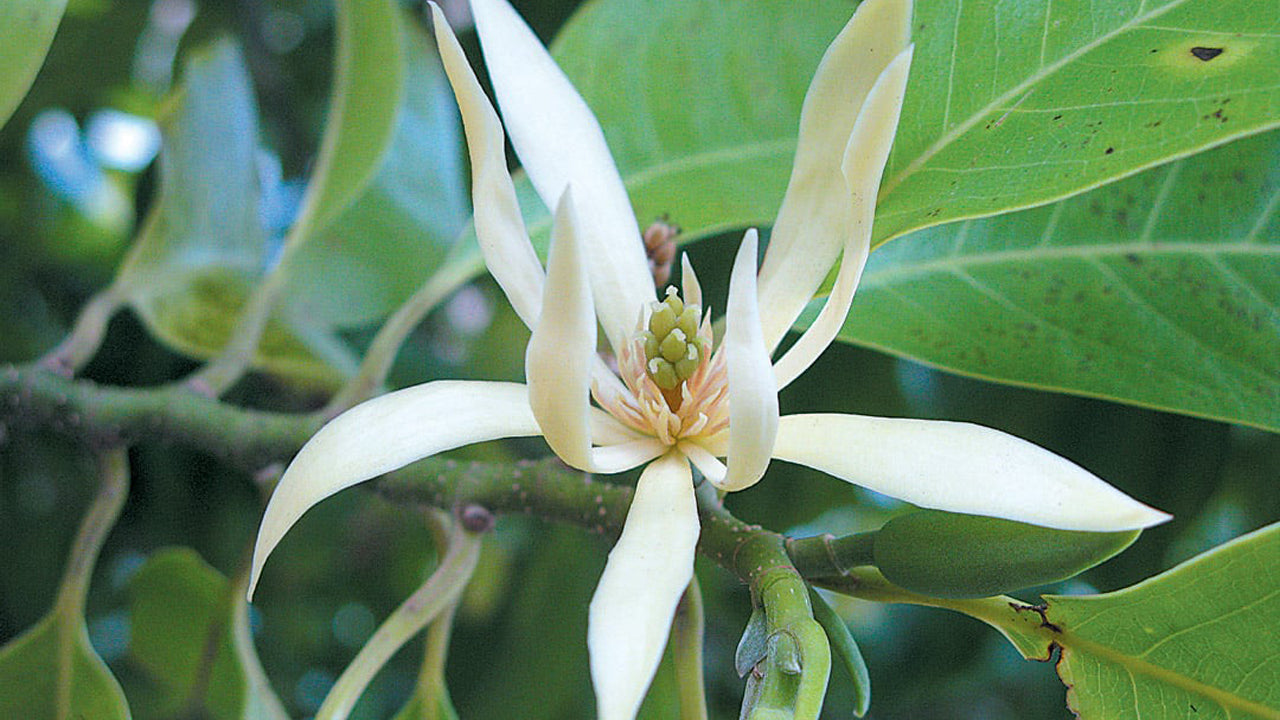
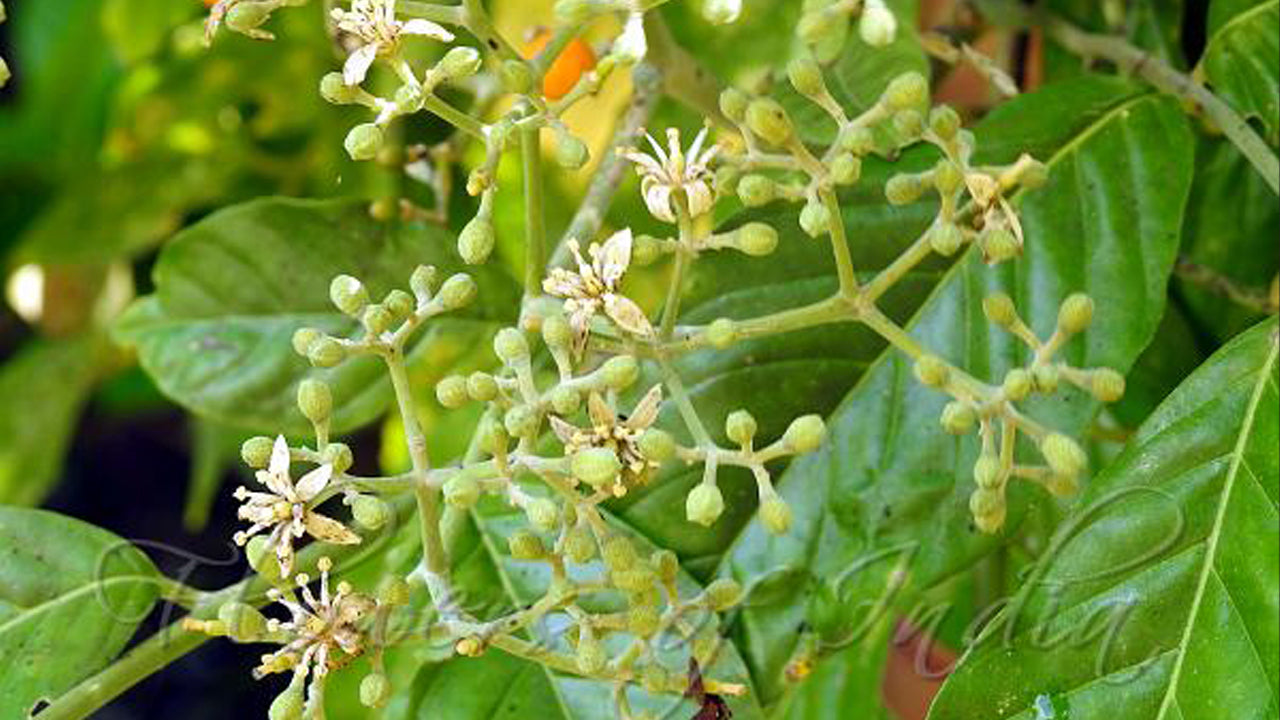
The most recognisable feature of the tree is its flowers: creamy-white, fleshy, and intensely fragrant, they appear in drooping clusters at the branch tips. Flowering typically occurs between March and May, drawing an abundance of wildlife and marking the season for traditional harvesting activities. The fruit that follows is a soft, oval berry containing one to four oil-rich seeds.

What is Madhuca longifolia used for in traditional medicine?

In Ayurveda, almost every part of the mahua tree has a documented application. The bark is used in formulations addressing skin conditions, inflammation, and joint pain. The flowers, rich in sugars and active compounds, are incorporated into remedies for respiratory complaints and general tonic preparations. Leaf extracts have historically been applied to wounds and used in treatments for rheumatic conditions.

The seeds yield a thick, pale yellow oil — commonly called mahua butter or illupai oil — that serves both culinary and cosmetic purposes. In rural communities, it is used as a cooking medium, a base for skin and hair preparations, and as a lubricant for traditional tools. Its high oleic acid content gives it a stability valued in both folk and modern cosmetic contexts. The tree also appears in classical Ayurvedic compound formulations used across the region.

Where does Madhuca longifolia grow in Sri Lanka?

The mahua tree is best adapted to dry, deciduous forest environments with well-drained soils. It tolerates drought and poor soils remarkably well, which explains its prevalence in the dry zone districts of the North Central, Northern, and Eastern provinces. Stands of Mee trees are a familiar sight in the dry-zone forests around areas such as Wilpattu National Park, where the tree forms part of the diverse woodland understorey.

The species is also found in the intermediate zone, particularly in degraded forest patches and private land. Unlike strictly forest-dependent trees, Madhuca longifolia persists well in cultivated landscapes and is frequently retained when land is cleared, a practice that speaks to the respect rural communities hold for it.

How does Madhuca longifolia support local ecosystems?

The ecological value of the mahua tree extends well beyond its utility to humans. Its nectar-rich flowers are a critical late dry-season food source for fruit bats, which in turn act as important pollinators. Bees forage heavily on the flowers, and several bird species are attracted to both the nectar and the insects the blooms support.

The tree's dense canopy creates favourable microhabitats beneath it, and its leaf litter enriches soil organic matter over time. In agroforestry systems, Madhuca longifolia is valued for its ability to improve soil conditions without competing aggressively with understorey crops. For dryland farmers, it offers shade, seasonal food resources, and biomass with minimal management demands — a combination that aligns well with low-input farming. This ecological resilience makes it a species of interest in discussions around sustainable land use, alongside other native trees such as Acacia chundra and Pongamia pinnata.

What is the cultural significance of the mahua tree?

Across the Indian subcontinent, Madhuca longifolia carries deep cultural meaning for indigenous and forest-dwelling communities. The flowers are traditionally fermented to produce a mildly alcoholic beverage used in ceremonial and ritual contexts. In Sri Lanka, the tree's Sinhala name — Mee — appears in place names and folk references, suggesting a long historical presence in the cultural landscape.

In rural Sri Lanka, the flowering of the Mee tree marks an informal seasonal calendar point. Communities in the dry zone use the fallen flowers as supplementary animal feed and sometimes consume them directly, as the petals are naturally sweet. The oil pressed from the seeds has also traditionally been used in oil lamps, connecting the tree to domestic and religious life.

What is the scientific classification of Madhuca longifolia?

CategoryDetail
Common Name (Sri Lanka)Mee
Tamil NameIllupai
English NameMahua / Butter Tree
Scientific NameMadhuca longifolia
KingdomPlantae
FamilySapotaceae
GenusMadhuca
SpeciesM. longifolia
Average HeightUp to 30 metres
Flowering SeasonMarch to May
Preferred HabitatDry and intermediate zone forests

Is Madhuca longifolia of interest to visitors in Sri Lanka?

For travellers with an interest in ethnobotany, traditional medicine, or dry-zone ecology, encountering the Mee tree in its natural setting adds a meaningful layer to a Sri Lanka itinerary. The dry-zone national parks and forest reserves — particularly those in the North Central Province — offer the best opportunity to observe mature specimens in a natural forest context.

The tree's flowering season in March and May coincides with the dry season, when wildlife viewing is also at its peak in parks like Udawalawe National Park. Rural village experiences, especially in the cultural heartland around Polonnaruwa, may also offer encounters with Mee trees growing alongside paddy land and homesteads — a living reminder of how deeply this species is embedded in Sri Lanka's agricultural tradition.

Ask Lakpura® Agent