March sits in a sweet spot on the Sri Lanka travel calendar. The north-east monsoon is winding down, the south-west monsoon has not yet arrived, and long stretches of clear sky settle over the southern, western, and central parts of the island. Temperatures are warm across the lowlands, the seas off the south and west coasts are calm, and national park vegetation has thinned just enough to make wildlife easier to spot. If you are planning a first visit or returning after the northern-hemisphere winter, March is a strong choice.
What is the weather like in Sri Lanka in March?
Most of Sri Lanka enjoys dry, sunny conditions in March. The south-west and west coasts — including Colombo, Galle, Mirissa, and Hikkaduwa — receive reliable sunshine with only occasional short showers. The Hill Country can see some afternoon cloud and light rain, but mornings are typically clear. The north and east coasts (Trincomalee, Nilaveli, Batticaloa) are transitioning out of the north-east monsoon and can still experience unsettled weather and higher rainfall, so beach holidays in those areas are better planned from April onwards.
Which beaches are best to visit in March?
The southern and western coastlines are at their most appealing in March. Hikkaduwa, Unawatuna, Mirissa, Tangalle, and Bentota all enjoy calm waters and good sunbathing conditions. Sea temperatures hover around 27–29 °C, ideal for swimming. Resorts are busy but not overwhelmingly so — the Christmas–February peak has passed, and you can often find better rates than in December or January without sacrificing the weather.
Is March a good time for whale and dolphin watching?
March is one of the most reliable months for whale watching along the southern coast. Blue whales — the largest animals on Earth — migrate through the waters south of Mirissa, and sightings remain frequent throughout the month. Sperm whales and Bryde's whales are also regularly recorded. Dolphin watching is productive around Kalpitiya, where large pods of spinner dolphins are commonly seen close to the boats, and in Trincomalee Bay if weather permits.
What wildlife can I see in Sri Lanka's national parks in March?
March is an excellent month for safari. Vegetation has thinned after months of dry weather in the south and west, so animals concentrate around the remaining water sources and are more visible. Leopard sightings at Wilpattu National Park are a highlight — the park's natural lakes (villus) draw an exceptional variety of wildlife, and visitor numbers are manageable. Yala National Park continues to offer reliable leopard, elephant, and sloth bear sightings. Wasgamuwa and Kumana are worth considering for a quieter experience, and Bundala is productive for wading birds as migratory species begin their northward journey.
- Yala National Park — leopards, elephants, mugger crocodiles, and extensive birdlife
- Wilpattu National Park — leopards, sloth bears, deer, and waterbirds around the villus
- Wasgamuwa National Park — elephants, sloth bears, and river-edge birds
- Kumana National Park — exceptional migratory birdwatching near the lagoon
- Bundala National Park — flamingos and waders in the coastal wetlands
- Horton Plains National Park — sambar deer, endemic birds, and the famous World's End escarpment
What water sports and marine activities are available in March?
Calm seas on the south and west coasts open up a wide range of marine activities.
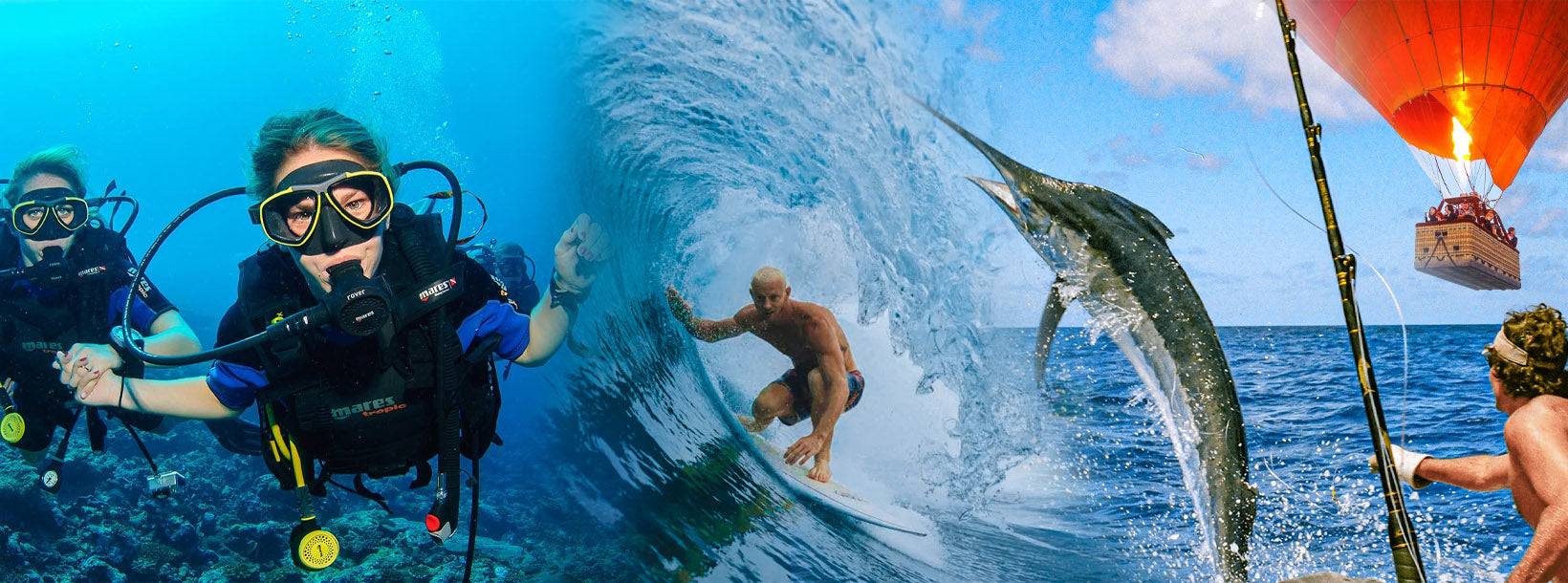
Scuba diving is rewarding along the western and southern reefs. Hikkaduwa's coral sanctuary and the rocky outcrops around Unawatuna offer underwater visibility that can reach 15–20 metres in March. Wreck dives — including the famous wreck off Hikkaduwa — are accessible and uncrowded.
Snorkelling is excellent at Bentota, Hikkaduwa, and around Pigeon Island near Trincomalee if conditions on the east coast cooperate. Turtle encounters are common at several sites. For responsible turtle observation, the Hikkaduwa Turtle Hatchery and the Kosgoda conservation project give useful context.
Kitesurfing at Kalpitiya remains popular through March. The lagoon's flat, shallow water is ideal for beginners taking discovery courses, while stronger riders head to the open sea channels. Wind conditions at Kalpitiya in March are typically consistent and manageable rather than extreme.
Deep sea fishing is productive off Mirissa, Negombo, and Galle. Marlin, yellowfin tuna, and sailfish are the principal targets, and the calm swells make long offshore runs comfortable.
What cultural sights and experiences are worth visiting in March?
March falls outside the main festival calendar, which makes it a relaxed time to explore cultural sites without the crowds that gather around major Buddhist celebrations. The ancient cities of the Cultural Triangle — Sigiriya, Polonnaruwa, and Anuradhapura — are comfortable to visit with warm but not oppressive temperatures in the morning hours. The Sigiriya rock fortress is best climbed before 9 a.m. to beat both the heat and the midday rush.
In the Hill Country, Ella is a pleasant base for hiking, visiting tea estates, and watching trains cross the Nine Arch Bridge. The tea-growing regions around Nuwara Eliya and Haputale are green year-round; a visit to Bluefield Tea Gardens gives a hands-on look at how Ceylon tea moves from bush to cup.
A Madu River safari on the Madu Ganga estuary near Balapitiya is a peaceful way to spend a morning — the mangrove channels shelter monitor lizards, waterbirds, and small fishing communities largely unchanged by tourism.
Are there any festivals or events in Sri Lanka in March?
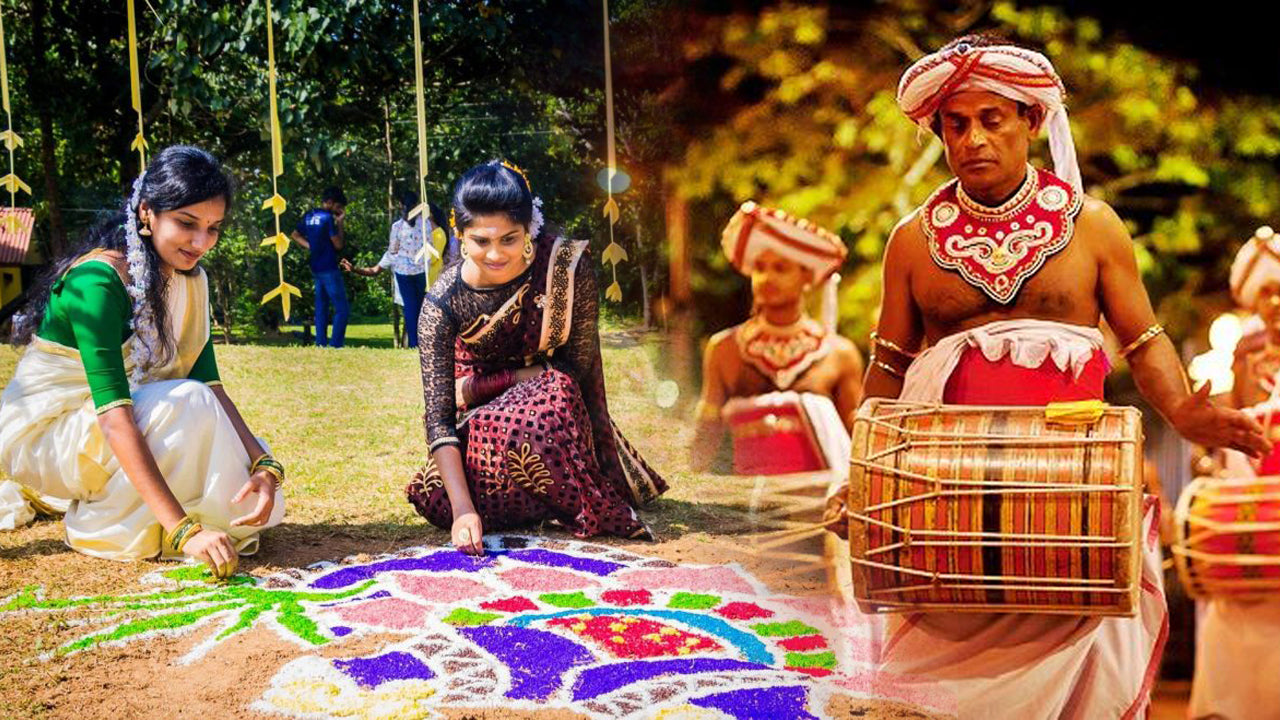
March does not carry a major national public holiday, but the month builds quietly towards the Sinhala and Tamil New Year in mid-April. Village-level events, temple fairs, and school sporting meets are common, and travellers staying in smaller guesthouses or rural properties often stumble across them. The Kosgoda Sea Turtle Conservation Project runs nightly nest-protection patrols that visitors can join — a low-key but genuinely meaningful experience.
How should I get around Sri Lanka in March?
Road conditions across the south and west are good in March, and private vehicle hire is the most flexible option for covering multiple regions. The scenic Colombo–Kandy–Ella–Yala circuit works well in 10–14 days. The coastal railway between Colombo and Galle is a pleasant alternative for the western leg, and the hill-country train from Kandy to Ella is consistently regarded as one of the great rail journeys in Asia. For day excursions in cultural towns, a tuk-tuk safari or guided Kandy city tour covers the highlights comfortably.
What should I pack for a Sri Lanka holiday in March?
- Lightweight, breathable clothing for coastal and lowland areas
- A light layer or jacket for Hill Country evenings, where temperatures can drop to around 12–15 °C
- High-SPF sunscreen — the equatorial sun is strong even on overcast days
- Reef-safe sunscreen if you are snorkelling or diving
- Modest clothing (shoulders and knees covered) for temple and dagoba visits
- Insect repellent for national park visits, particularly at dusk