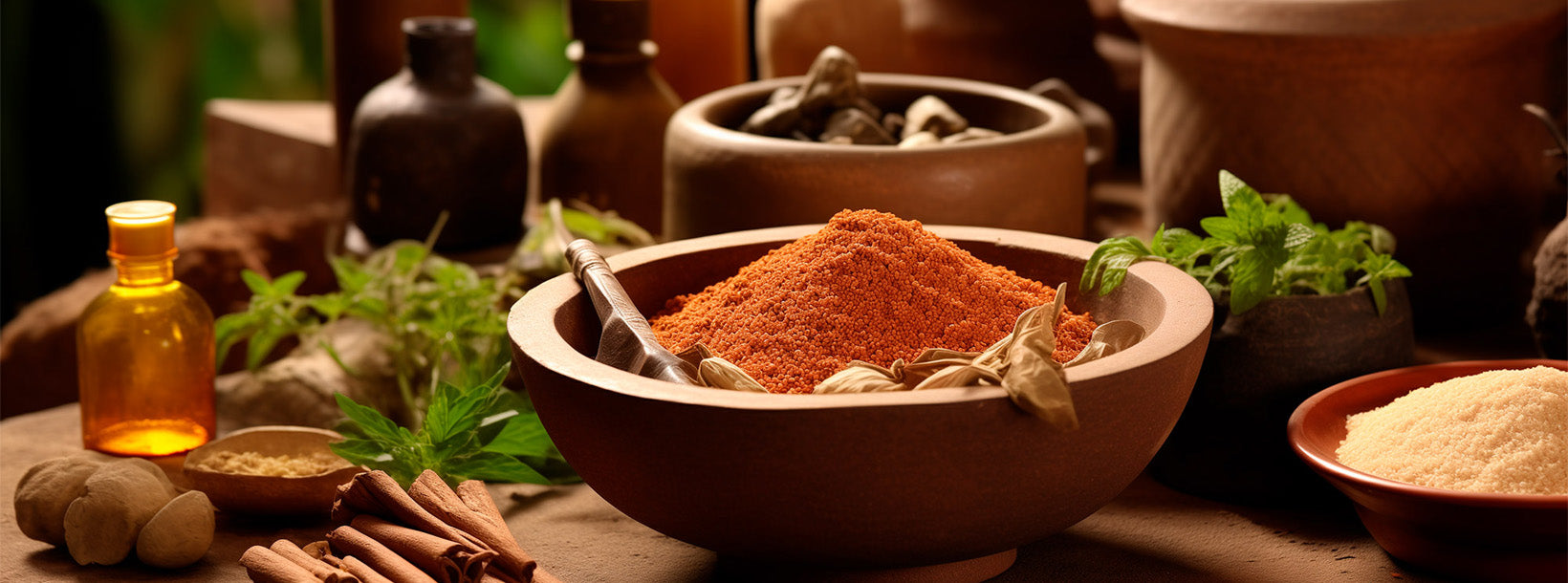
Ayurvedic and herbal practices focus on natural healing using plant-based remedies. Ayurvedic medicine, rooted in ancient Indian traditions, emphasizes balance in the body through diet, lifestyle, and herbal treatments. Herbal medicine utilizes the therapeutic properties of plants to treat various ailments, promoting overall well-being. Both approaches aim for holistic health and prevention.
Paspanguwa (translating to "five portions") is perhaps the most revered household remedy in Sri Lankan history. Rooted in a 3,000-year-old Ayurvedic tradition, this herbal decoction is more than just a drink; it is a cultural staple used by over 70% of the island's population to combat early symptoms of the common cold, flu, and physical fatigue. While modern medicine has evolved, Paspanguwa remains a trusted first line of defense due to its powerful blend of bioactive compounds that work synergistically to balance the body’s "Doshas."
The Power of Five: Our Core Ingredients
The efficacy of Paspanguwa lies in the precise combination of five major herbs. Each serves a unique therapeutic purpose:
Coriander (Coriandrum sativum): Known as "Kothamalli," these seeds are the backbone of the formula. They possess high phenolic content and act as a natural febrifuge to reduce body temperature during fevers.
Ginger (Zingiber officinale): Dried ginger rhizomes provide the "warmth" in the decoction. Ginger is globally recognized for its anti-inflammatory and anti-emetic properties, helping to soothe sore throats and stimulate appetite.
Pathpadagam (Hedyotis corymbosa): This cooling herb is specifically included for its ability to reduce thirst and burning sensations associated with high fever. It is also known for its hepatoprotective (liver-protecting) qualities.
Katuwalbatu (Solanum xanthocarpum): Also known as Thai Eggplant or Yellow-berried Nightshade, this herb is a potent expectorant. It helps clear the respiratory tract of phlegm and eases coughs and bronchial asthma.
Venivalgata (Coscinium fenestratum): Often called "Yellow Vine," it is rich in Berberine. This ingredient acts as a powerful natural antibiotic and antiseptic, helping the body fight off bacterial and viral infections.
The Science of Synergy
Recent pharmacological studies have validated what ancient physicians knew: Paspanguwa is rich in antioxidants and flavonoids. Research indicates that the combined extract of these five herbs offers a "synergistic effect," meaning the mixture is more effective at scavenging free radicals and inhibiting protein denaturation (a marker of inflammation) than any of the ingredients taken individually. This makes it an excellent choice for reducing the oxidative stress that occurs when the body is fighting an infection.
Usage and Enhanced Preparation
To experience the full therapeutic potential of Paspanguwa, proper extraction is key. The traditional method is to prepare a "Peyawa" or concentrated decoction.
Preparation: Place the contents of the sachet into a pot with 3 to 4 cups of water.
Boiling: Simmer the mixture for 10–15 minutes until the water reduces to about half its original volume. This ensures the heavy bioactive molecules in the woody stems (like Venivalgata) are fully extracted.
Consumption: Strain the golden-brown liquid into a cup.
Enhancements: For a traditional touch and to balance the natural bitterness, enjoy it with a piece of Jaggery (palm sugar). To further boost the "Agni" (digestive fire), you may add a few crushed Black Peppercorns or a pinch of Cinnamon.
When to Use Paspanguwa
Paspanguwa is most effective when consumed at the very first sign of illness. It is recommended for:
Respiratory Relief: Sneezing, runny nose, and persistent cough.
Pain Management: General body aches, headaches, and joint pains associated with the flu.
General Wellness: Enhancing immunity during seasonal changes or when feeling physically exhausted.
Note: For adults, half a cup twice a day is recommended. For children under 12, a quarter cup twice a day is suitable.