Oregano


Description/Taste
Oregano is a shrub-like herb with multiple-branched stems, growing either upright or in a creeping manner, depending on the variety. It can grow as tall as three feet in height. The leaves are narrow and pinnate, or arrow-shaped, and have a soft, fuzzy texture. They grow in pairs, well-spaced out along tender stems. As the plant grows, the more mature stems become woody at the base. In the late summer, small white flowers bloom from the flower spikes (bracts) at the top of the stems. Typically, Oregano is harvested just before the flowers bloom, when the flavor and aroma is at its peak. Oregano is said to have a ‘balsamic’ flavor; a combination of mint (a closely related herb), thyme, and rosemary. The taste is strong and somewhat bitter.
Seasons/Availability
Oregano is available year-round.
Current Facts
Oregano is botanically classified as Origanum vulgare, and is often referred to as “Wild Marjoram.” While marjoram is also in the genus Origanum, the two are different species. The major differences between the two herbs can be found in the compounds contained in each plant’s volatile (or “essential”) oils. Oregano has long been used as a culinary and medicinal herb in Europe and more recently worldwide.
Nutritional Value
Oregano is a good source of iron, manganese, vitamin K, fiber and calcium. It also contains omega-3 fatty acids The two main compounds in essential oils obtained from Oregano are thymol and carvacrol, which are the primary natural chemicals that give Oregano its specific flavor profile. The compounds have strong anti-bacterial and anti-fungal properties. Phytonutrients in Oregano give the herb four times more antioxidant power than blueberries. For the best health benefits, Oregano is often brewed into a tea or the essential oils are extracted from the leaves for use in supplements, diffusers and some cosmetics.
Applications
Oregano is a traditional Mediterranean herb and plays a prominent role in Greek and Italian cuisine. Pair fresh and dried oregano with cured olives, sheep's milk cheeses, tomatoes, pork, lamb, potatoes, pasta and rices. It is an ideal aromatic for meat stews and can compliment olive oil sauces for grilled and baked fish. Keep cool and dry until ready to use.
Ethnic/Cultural Info
To the ancient Romans and Greeks, Oregano was seen as a symbol for happiness and joy. Wreaths of Oregano sprigs were worn as crowns by the bride and groom on their wedding day; the herb was thought to bring blessings of happiness to the couple. In other folk remedies from Europe to Australia, Oregano was used as a cure-all for sickness, digestive troubles, detoxification and maintaining good heart health.
Geography/History
Oregano is native to the Mediterranean and the region stretching east towards Asia. The botanical name Origanum vulgare comes from the Greek oros for “mountain” and ganos for “joy,” named for its favorite growth habit – the warm, dry mountainsides of Greece. Oregano was cultivated in France since the Middle Ages and is a major component of Mediterranean cuisine. The herb was unknown to Americans until the 20th century when soldiers returning from World War I brought Oregano back from Italy. There are many plants that are r
-
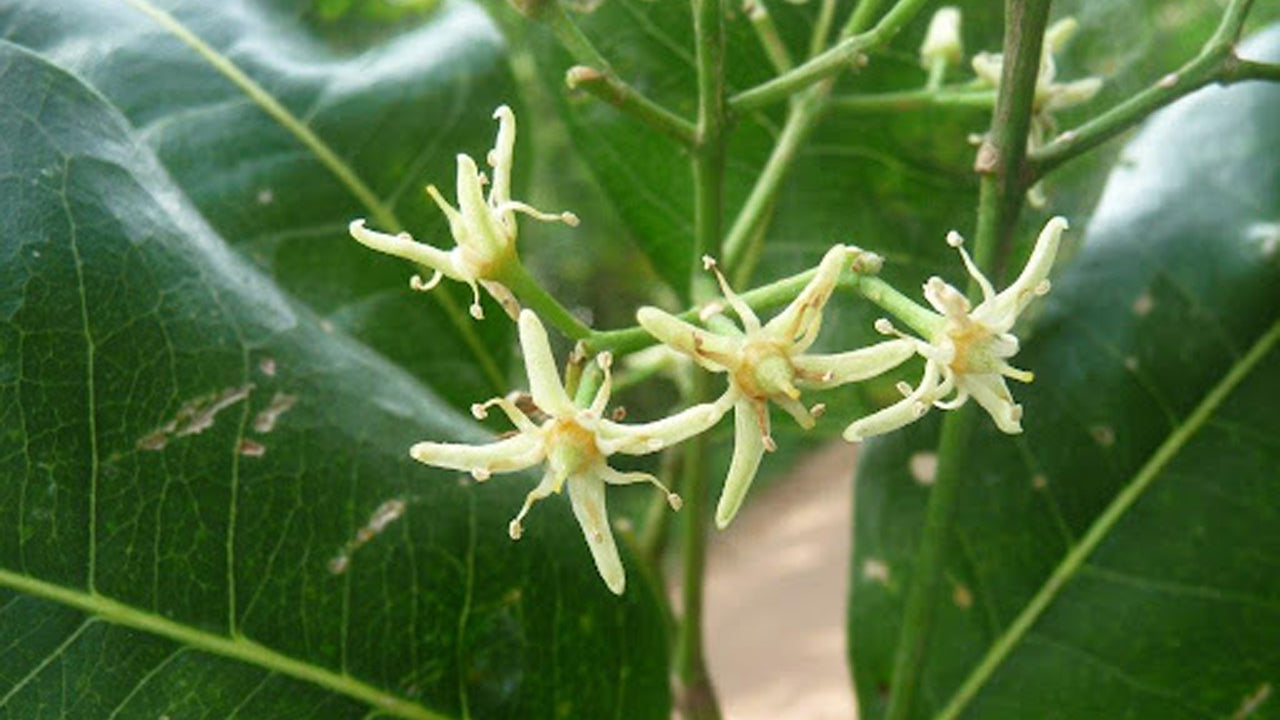
Claw-flowered laurel
Acronychia pedunculata -
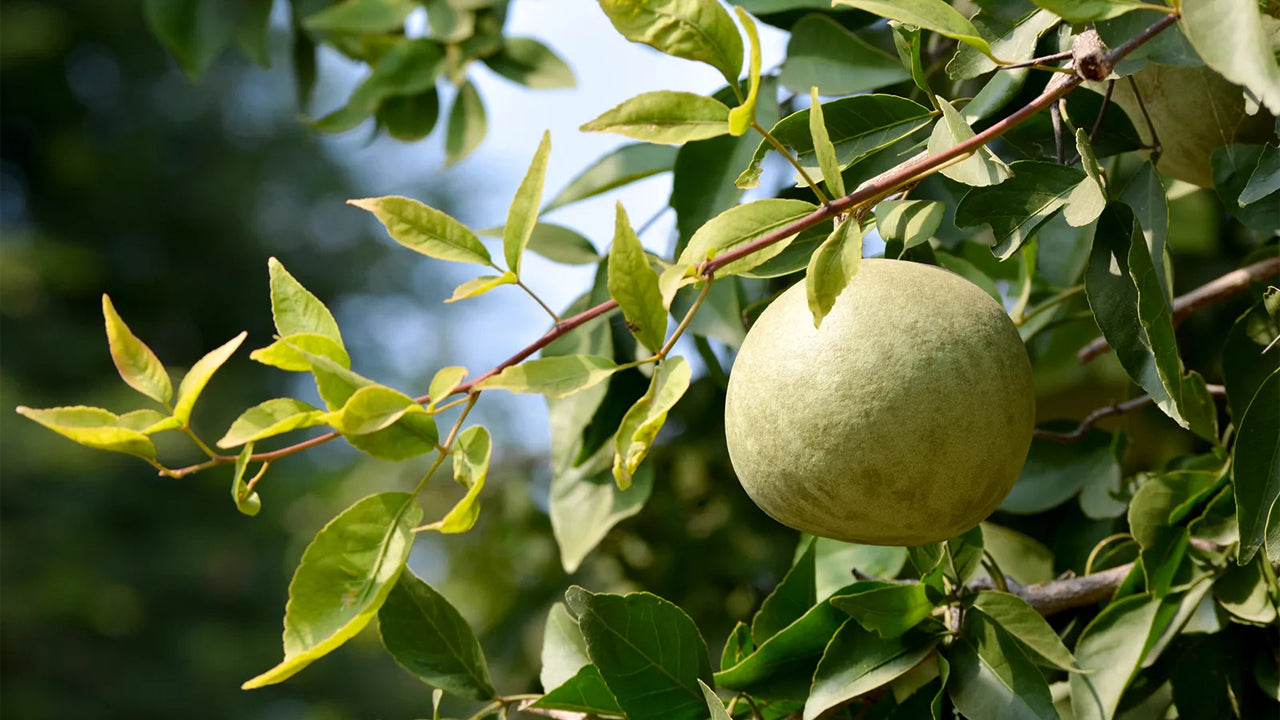
Bael
Aegle marmelos -
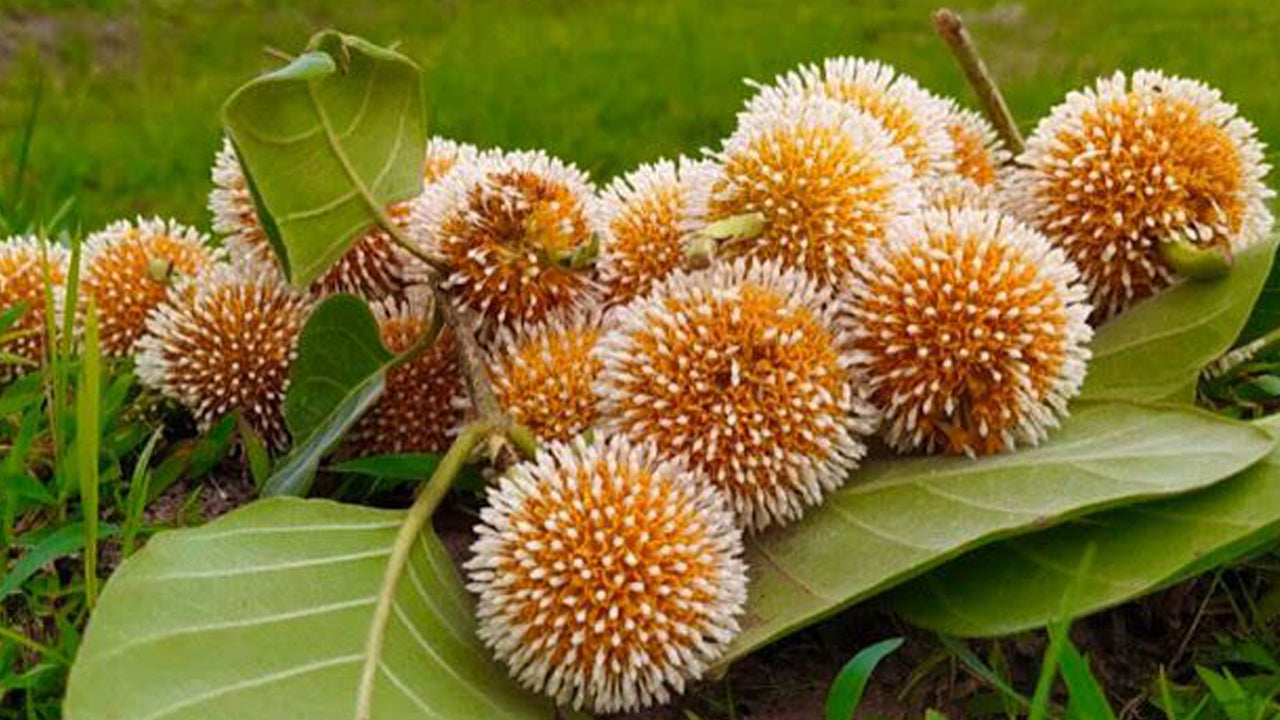
Leichhardt tree
Nauclea orientalis -
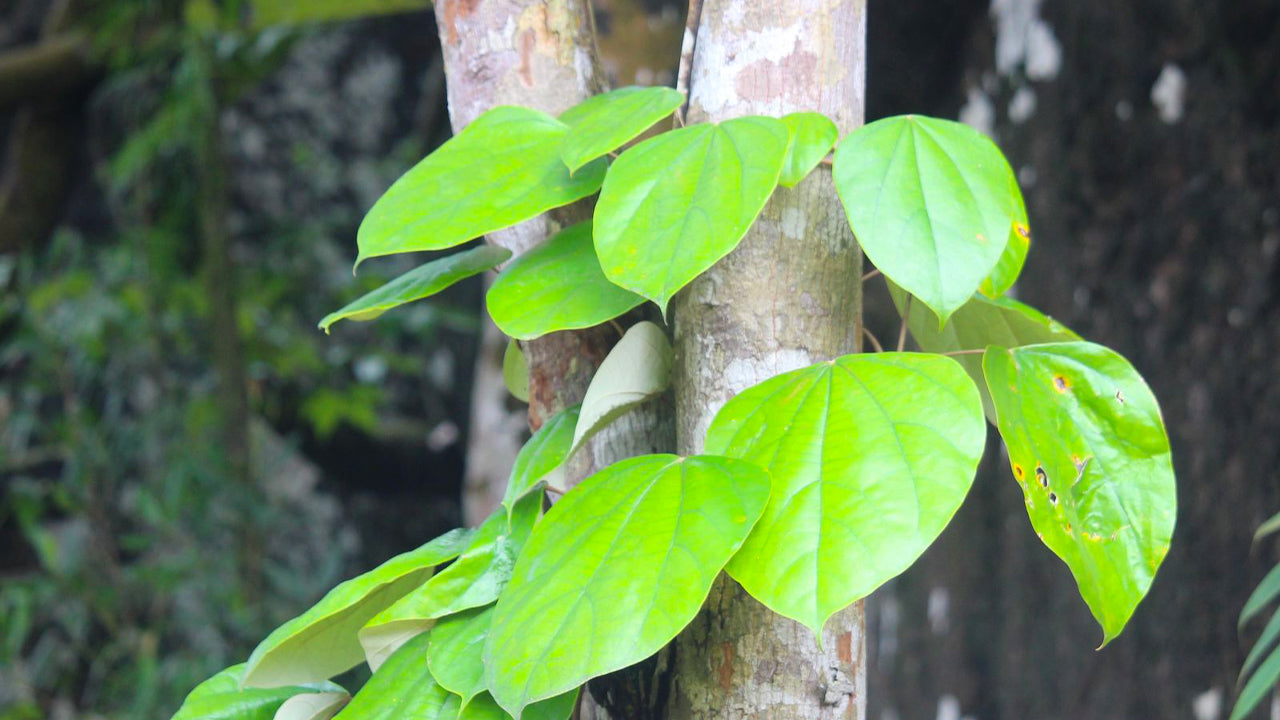
False Calumba
Coscinium fenestratum -

Malabar Gulbel
Tinospora malabarica -
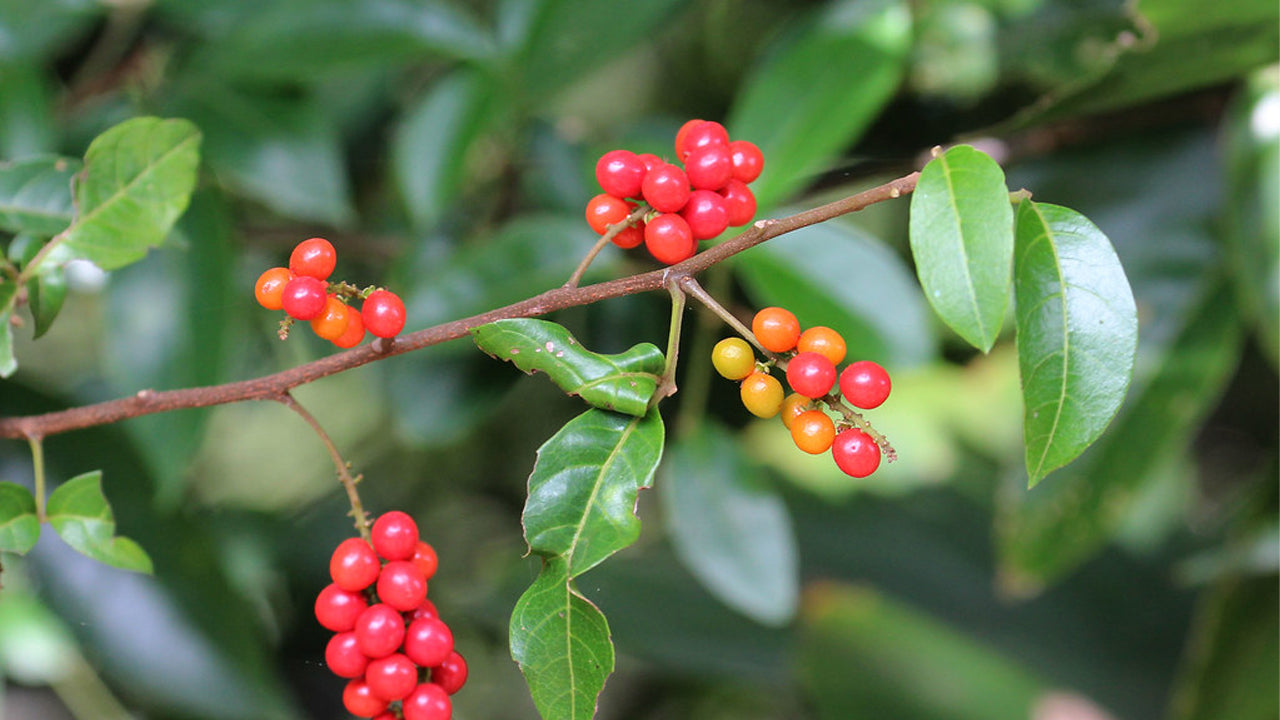
Titberry
Allophylus cobbe -
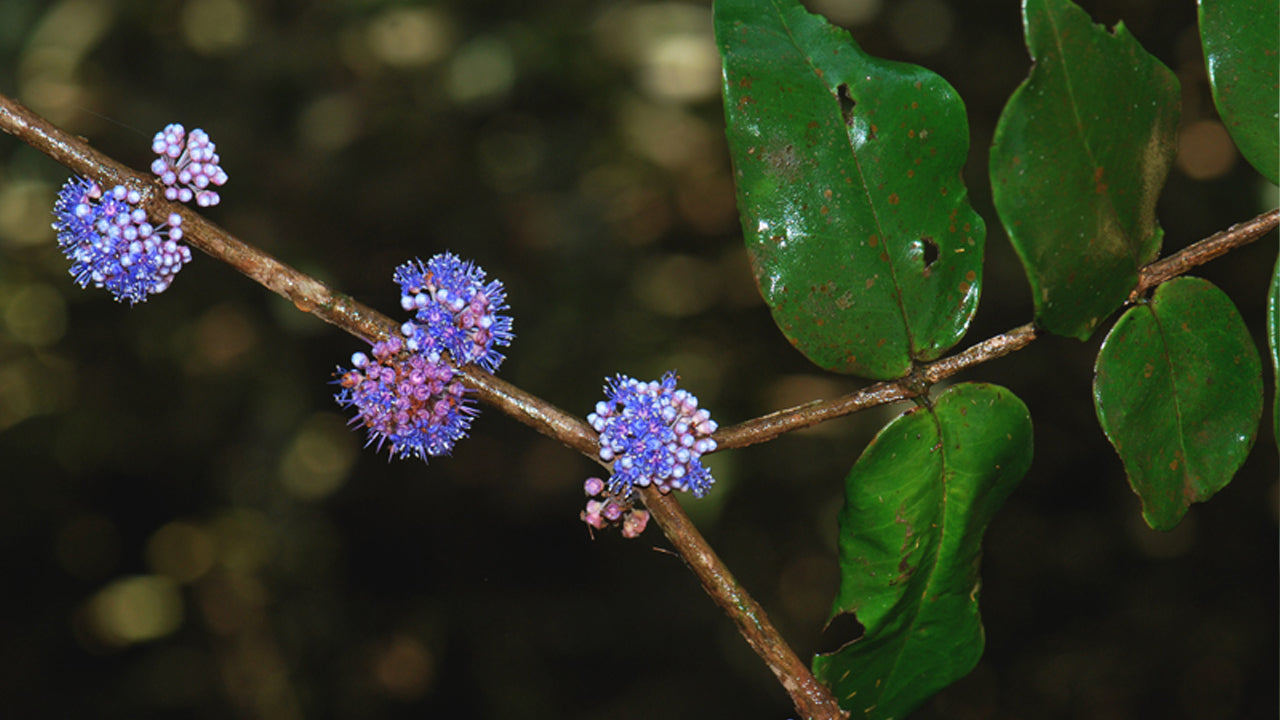
Ironwood Tree
Memecylon capitellatum -
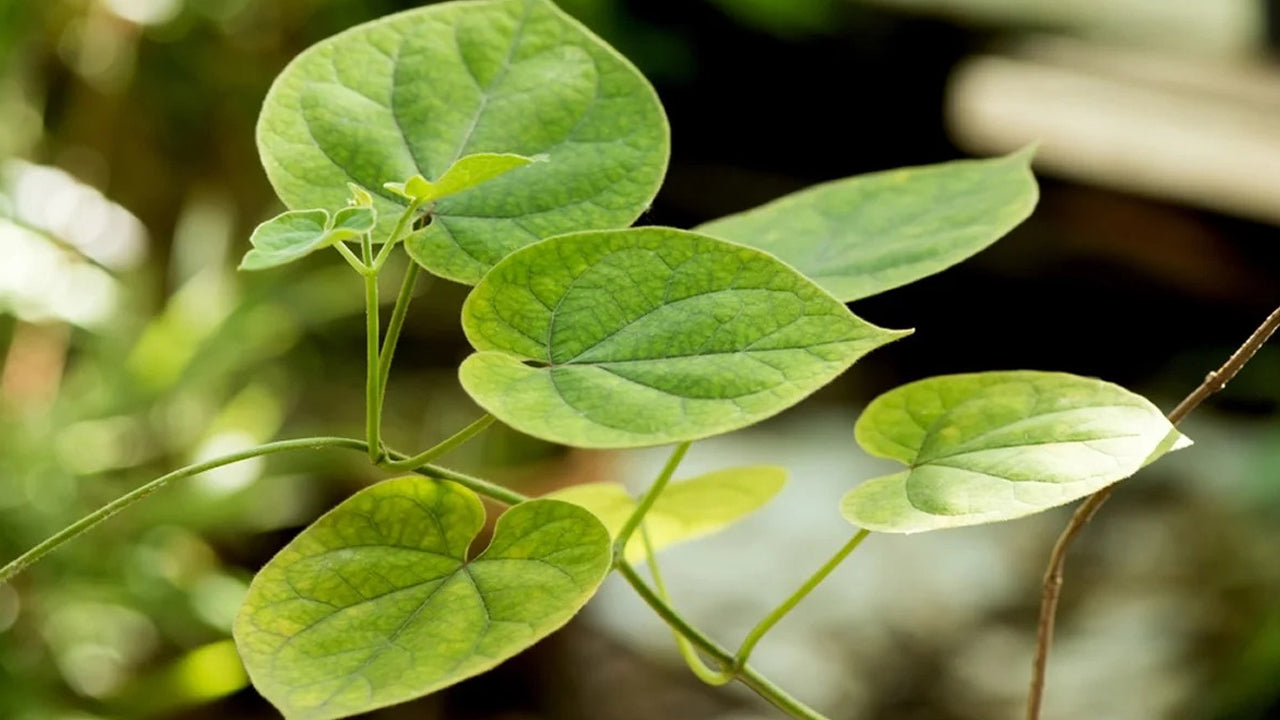
Velvet Leaf
Cissampelos pareira -
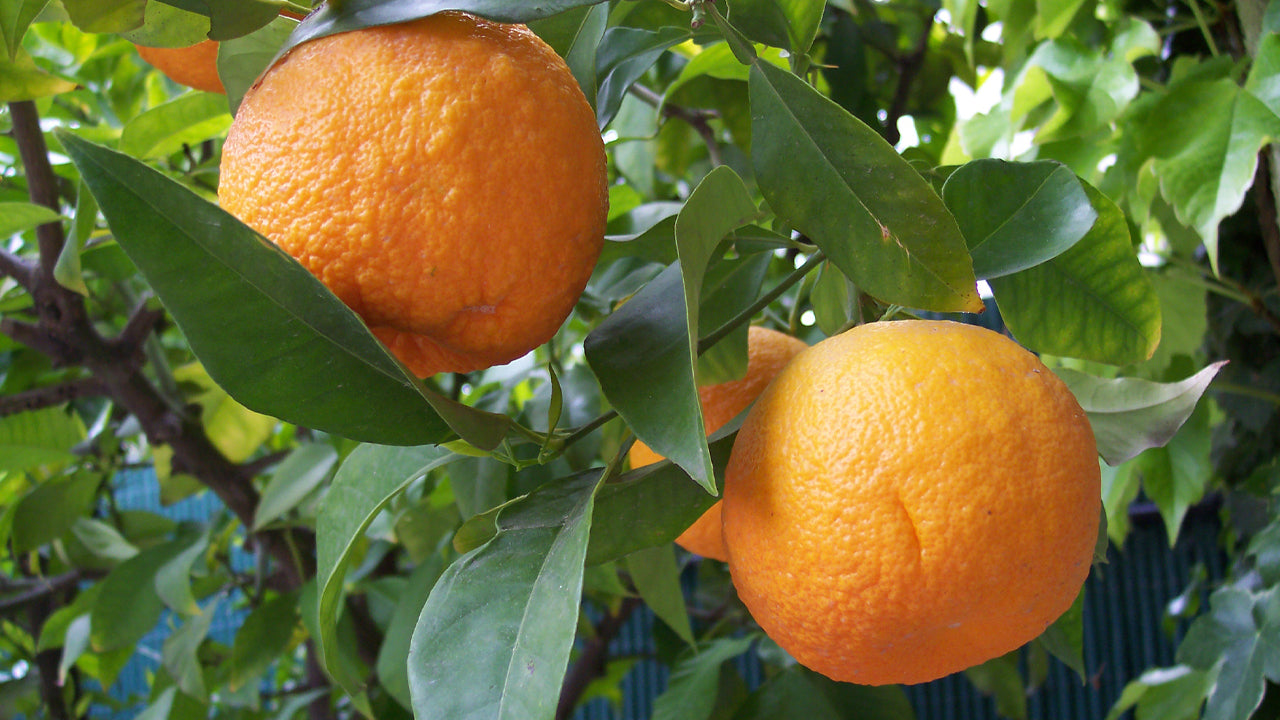
Bitter orange
Citrus aurantium -

Reinwardt's Tree Plant
Biophytun reinward -
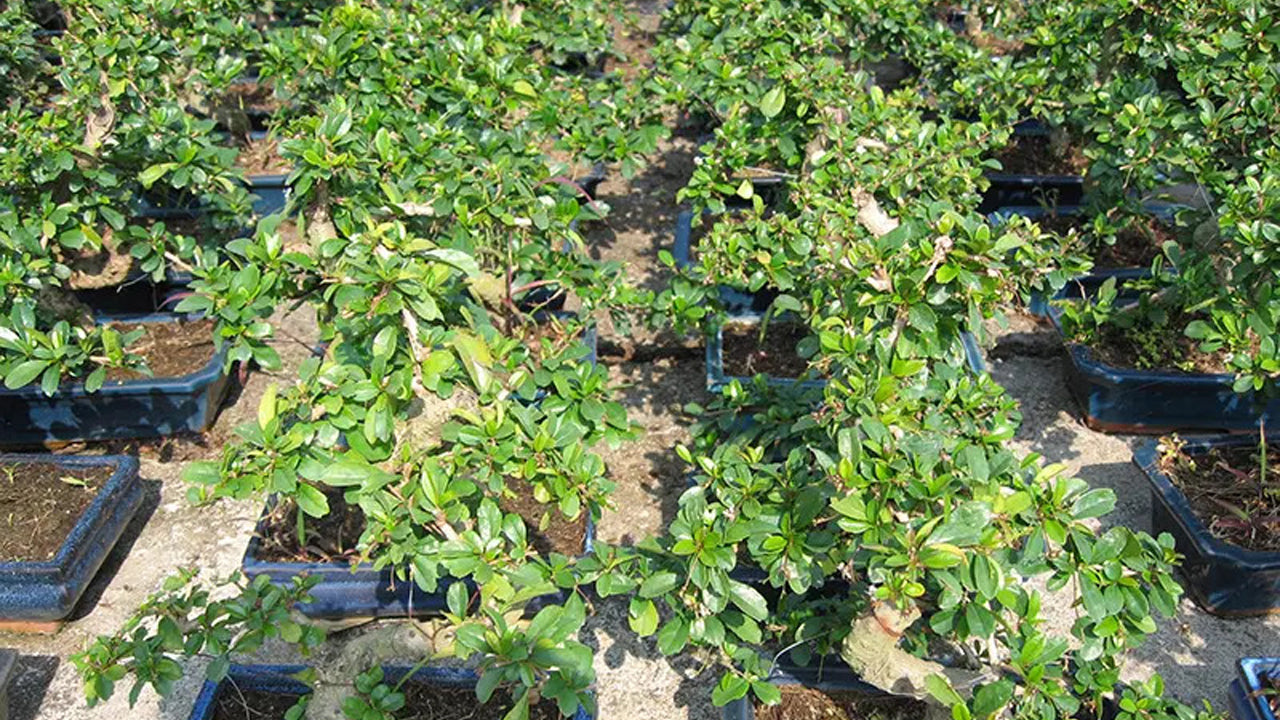
Fukien tea
Carmona microphylla -
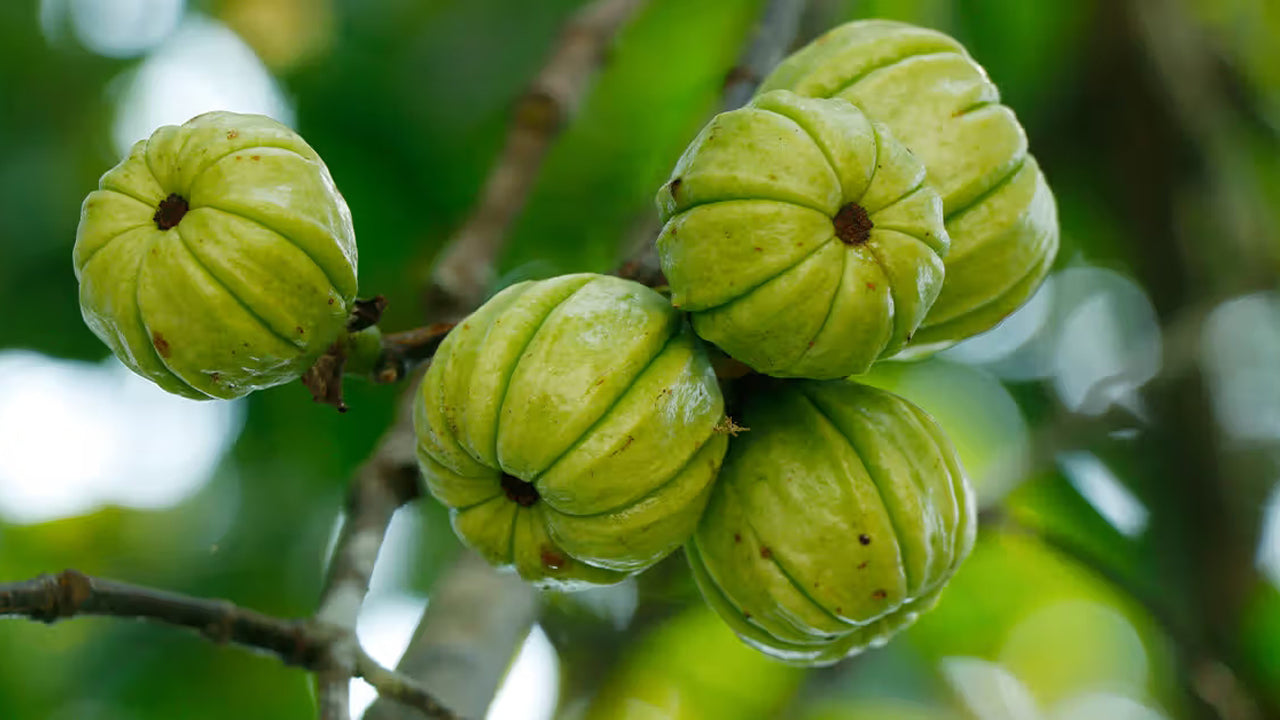
Malabar tamarind
Garcinia cambogia -
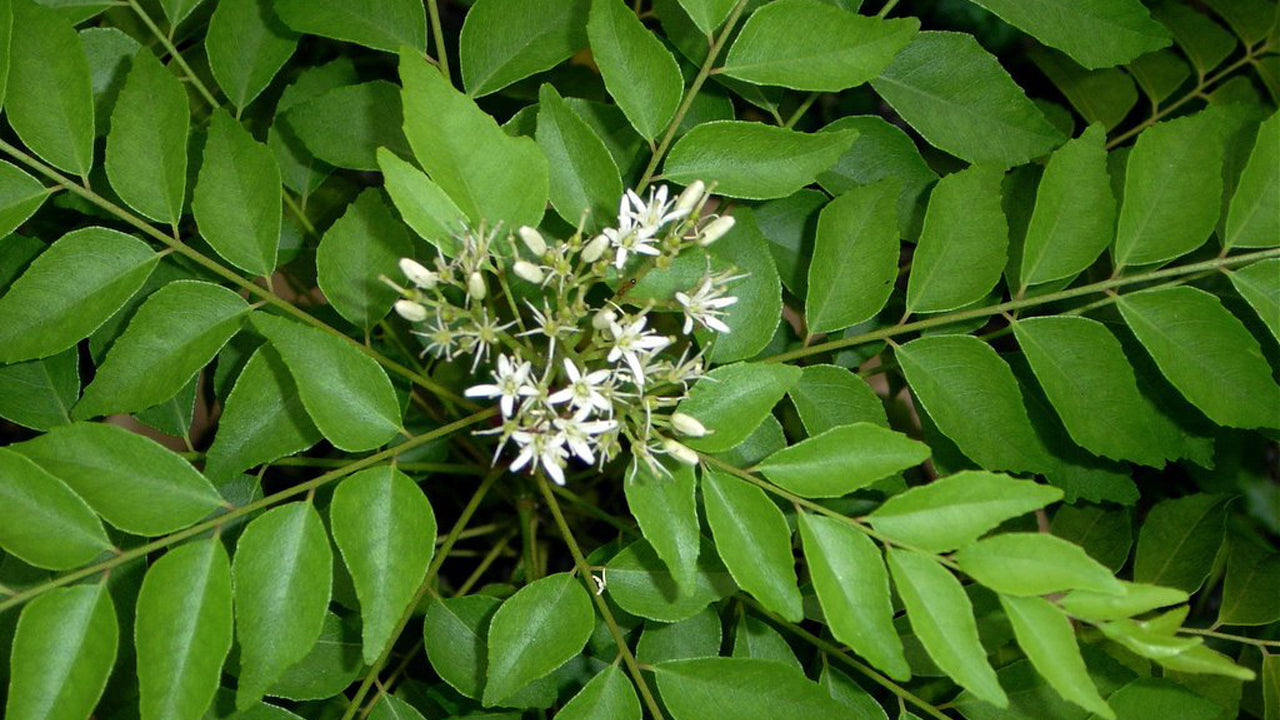
Curry leaf tree
Murraya koenigii -
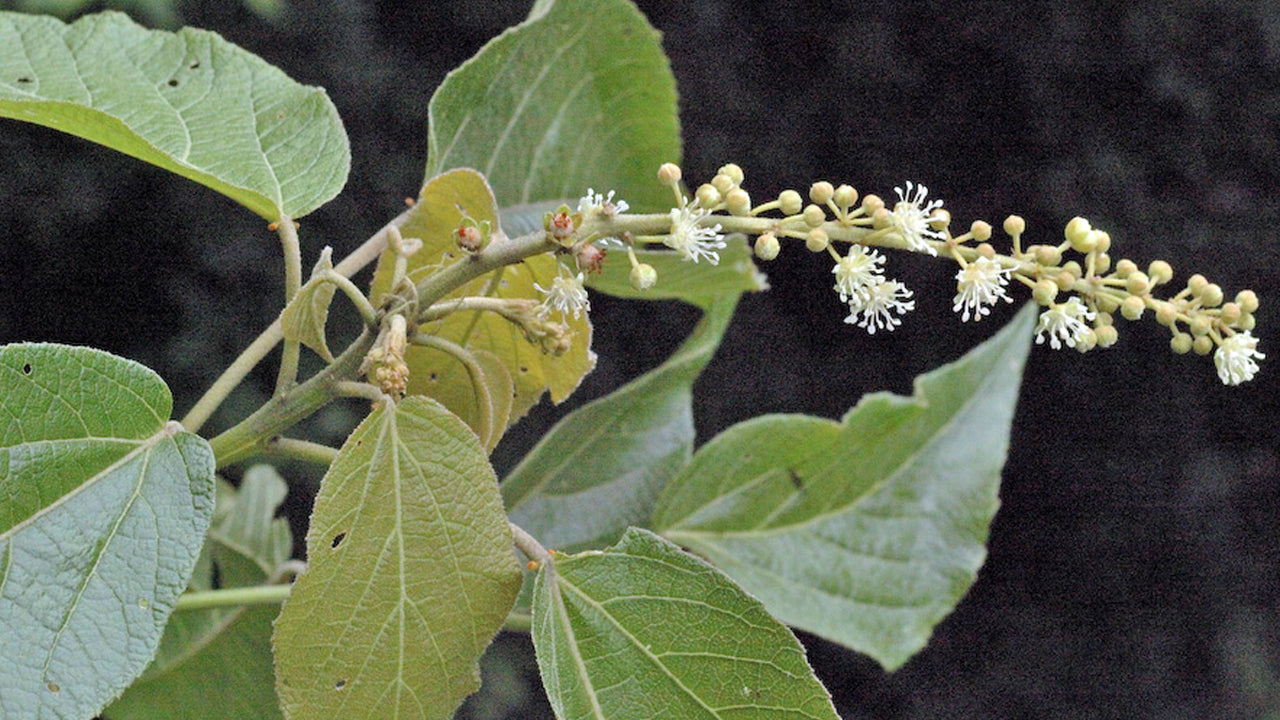
Kappetiya
Croton laccifer -
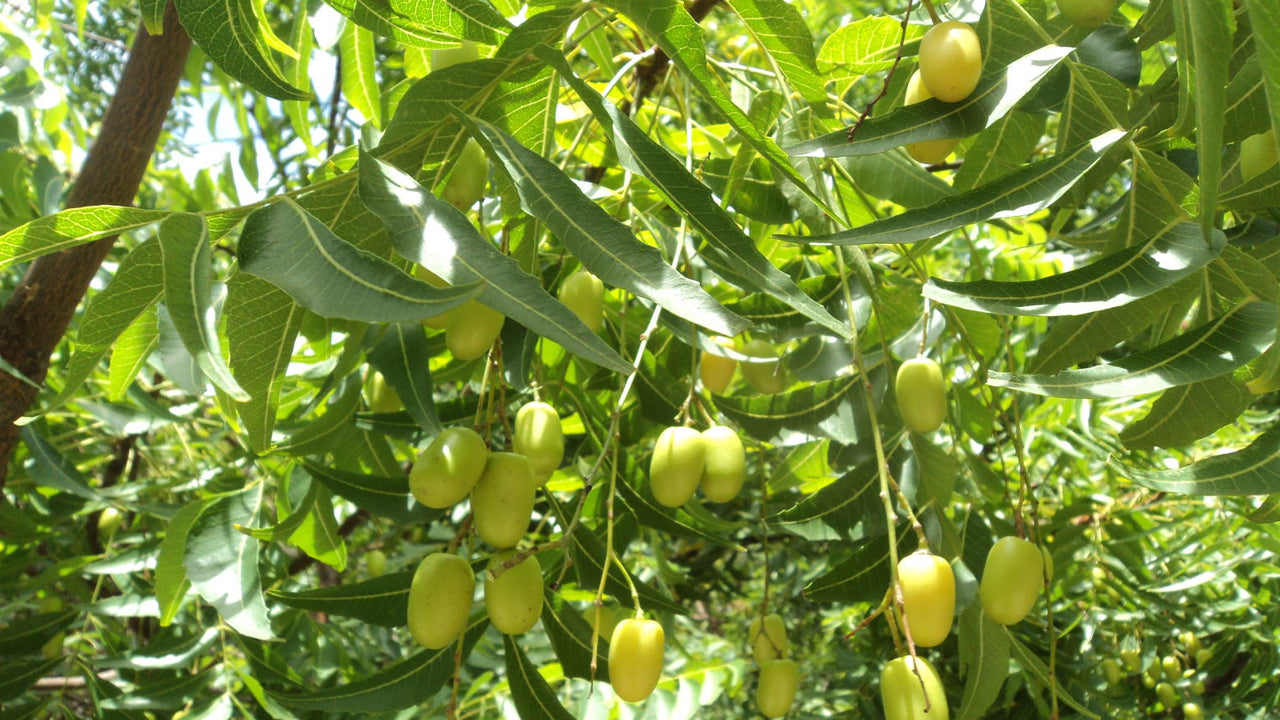
Indian lilac
Azadirachta indica -
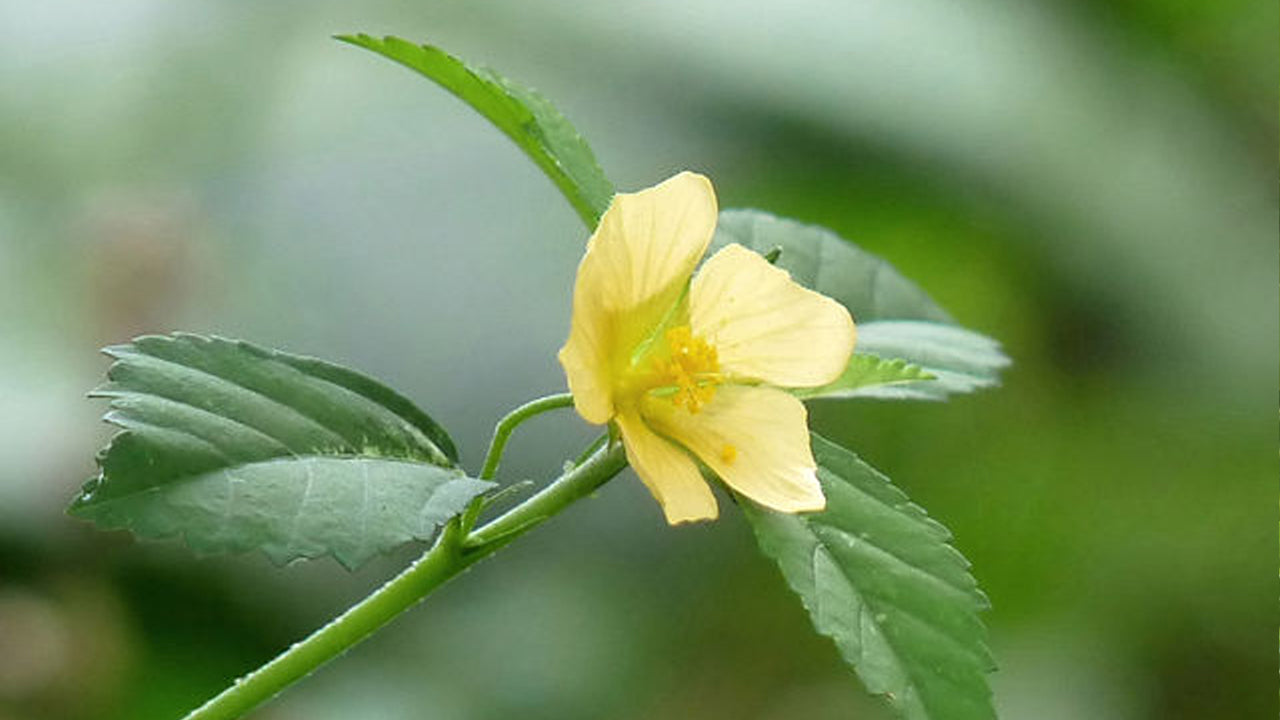
Spiny sida
Sida alba -
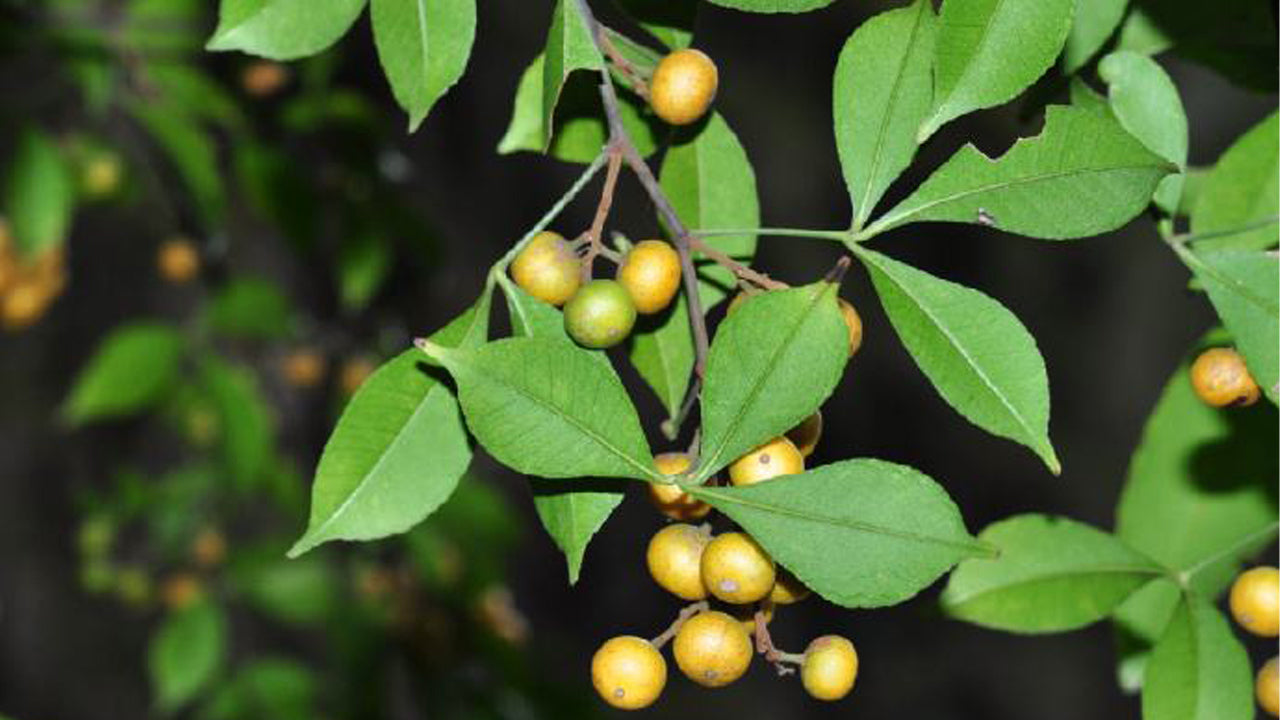
Orange climber
Toddlia asiatica -
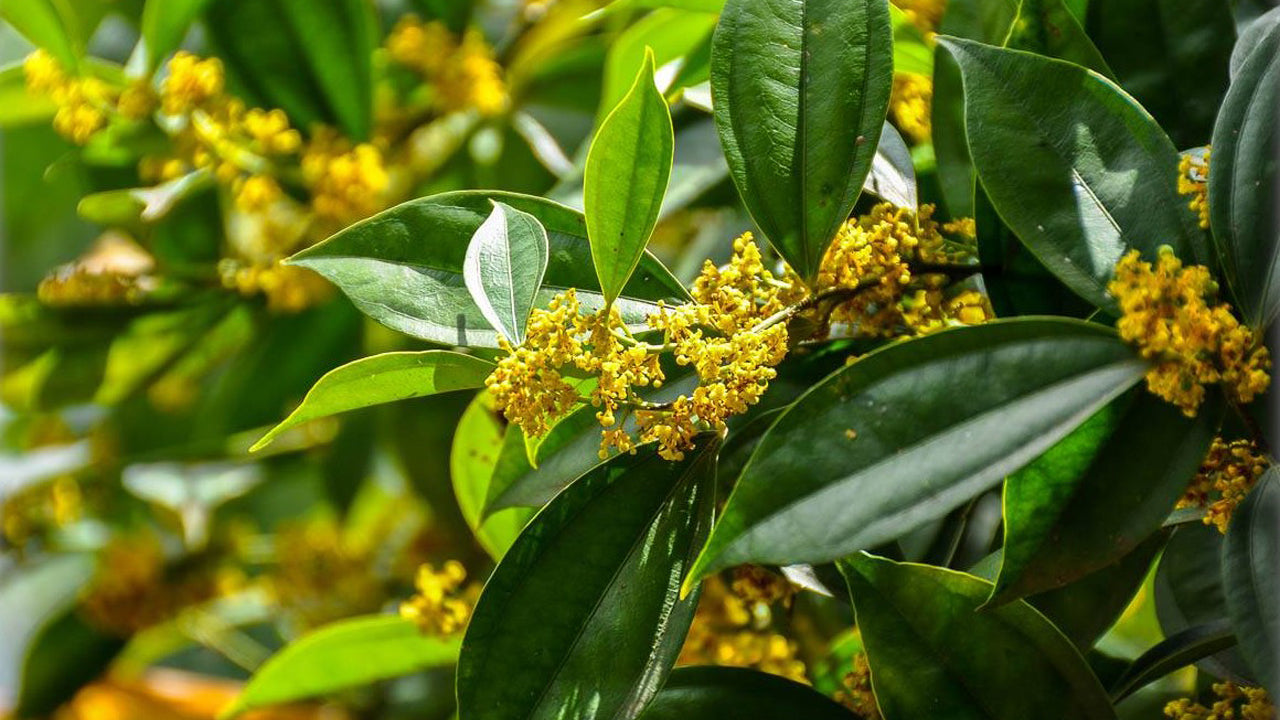
Ceylon cinnamon
Cinnamomum zeylanicum -
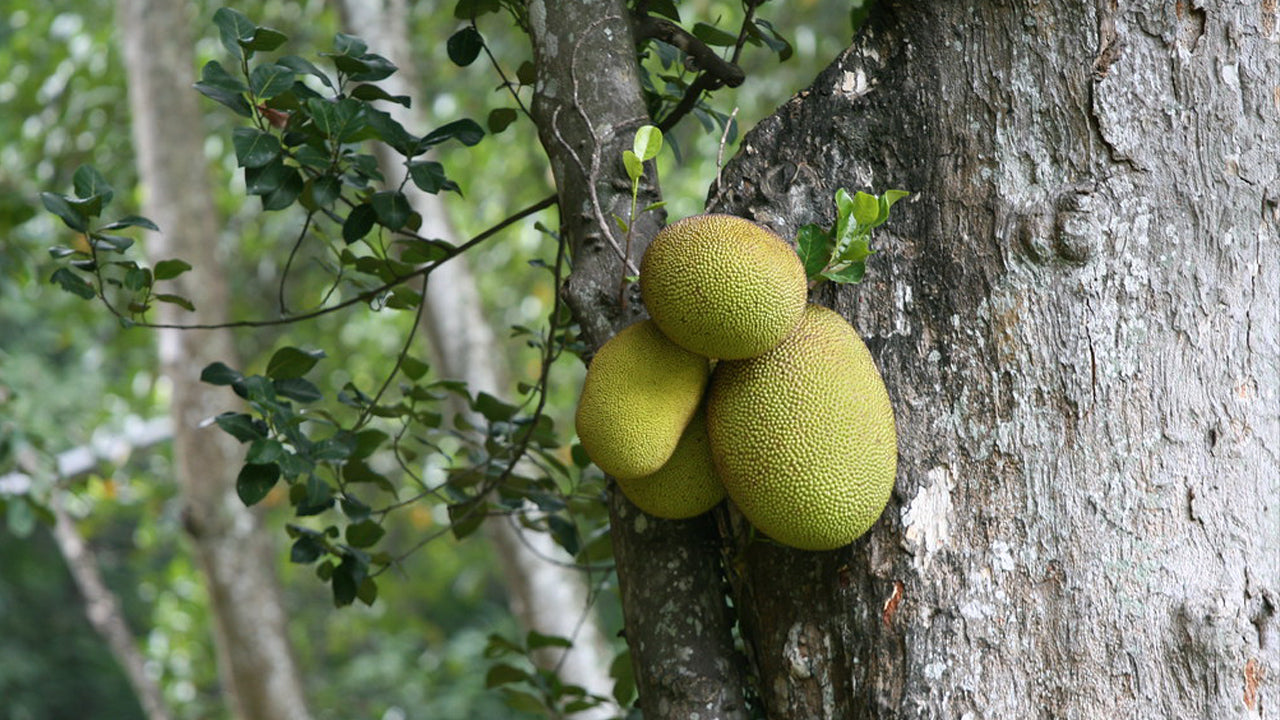
Jackfruit
Artocarpus heterophyllus -
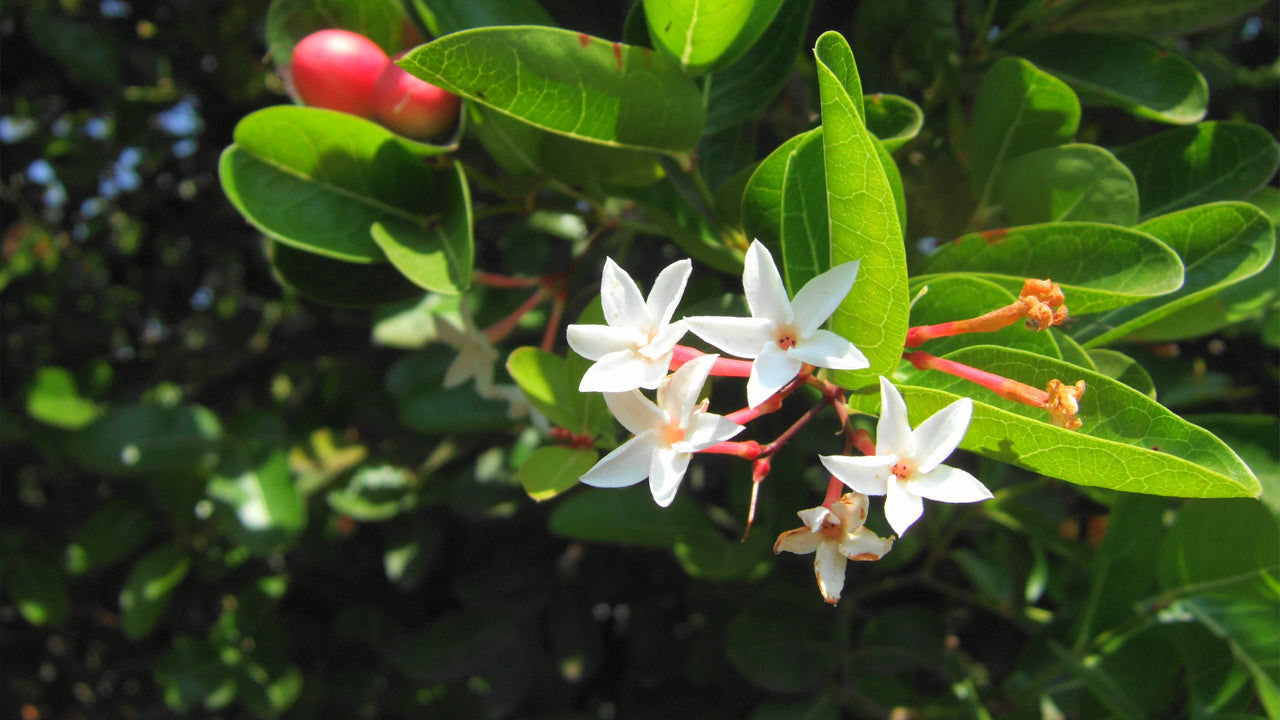
Karonda
Carissa carandas -
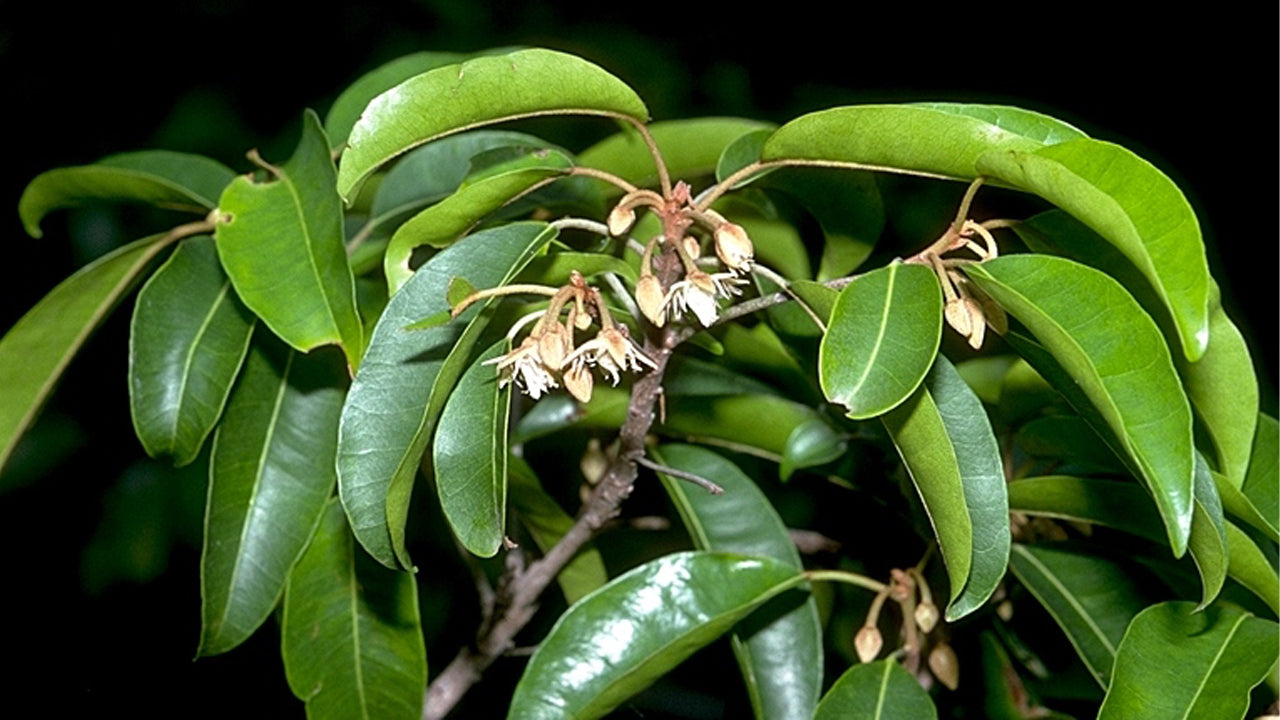
Spanish cherry
Mimusops elengi -
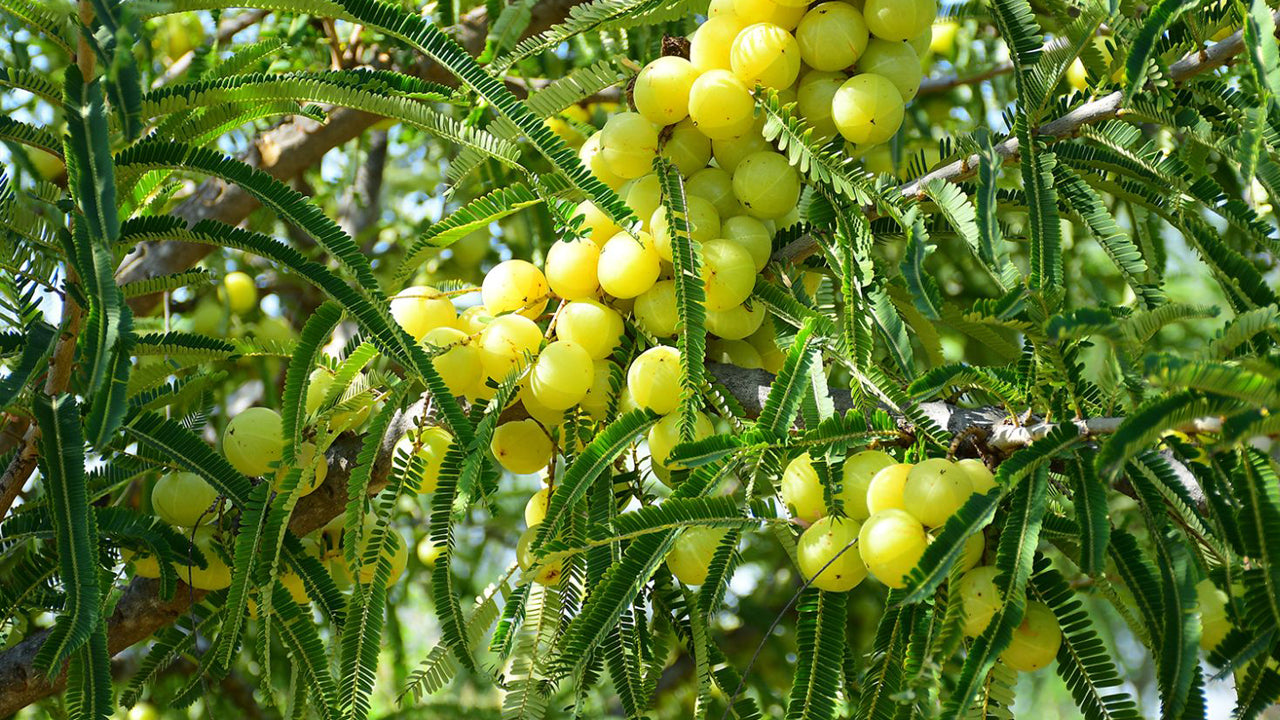
Indian gooseberry
Phyltanthus emblica -
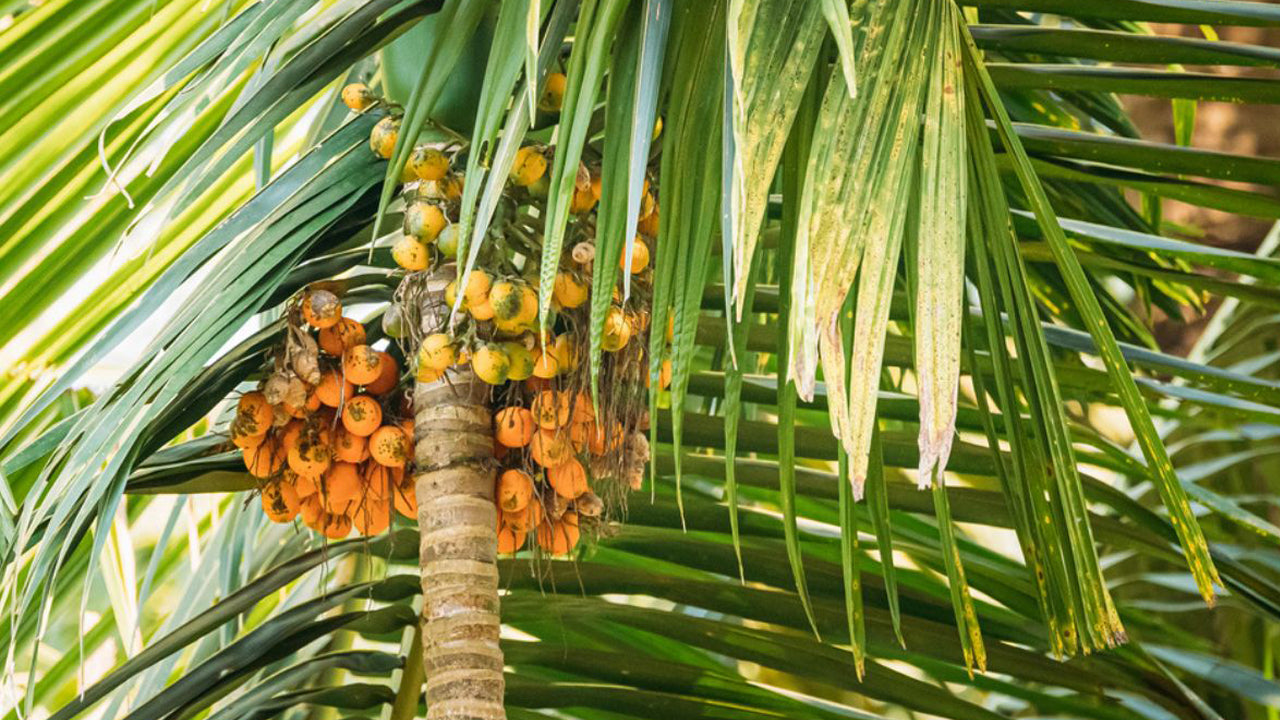
Betel palm
Areca catechu -
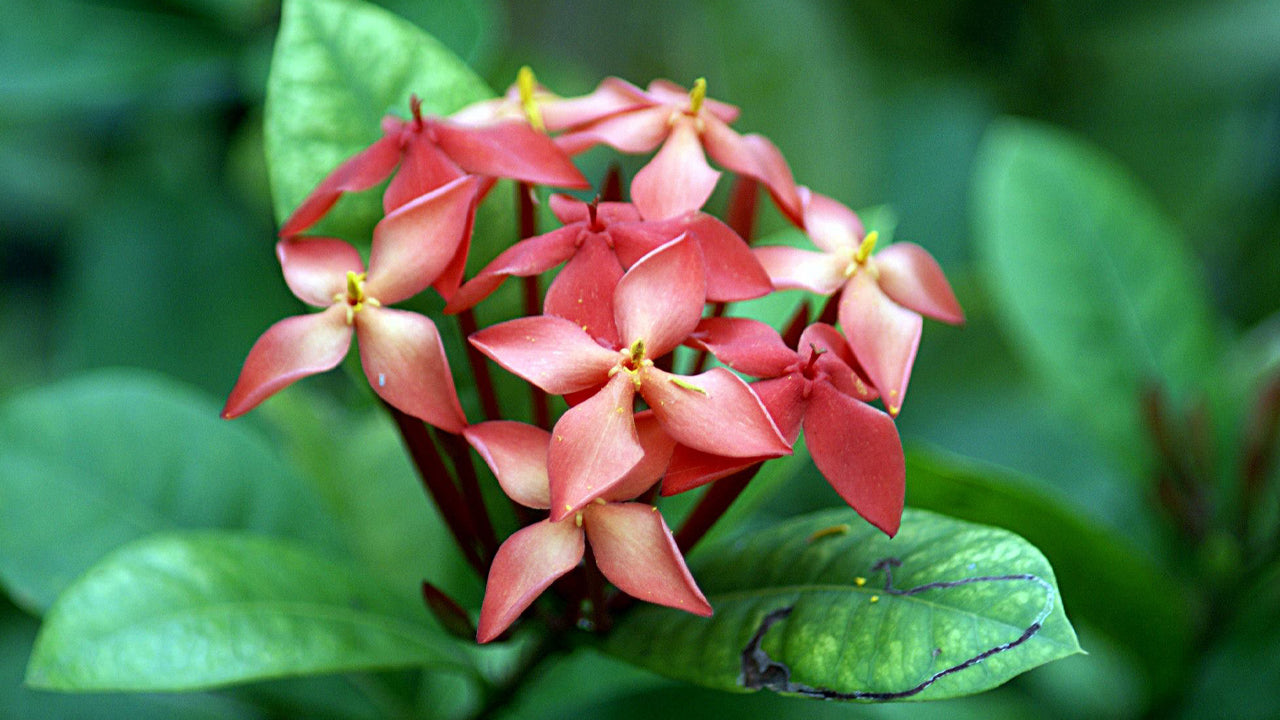
Jungle geranium
Ixora coccinea -
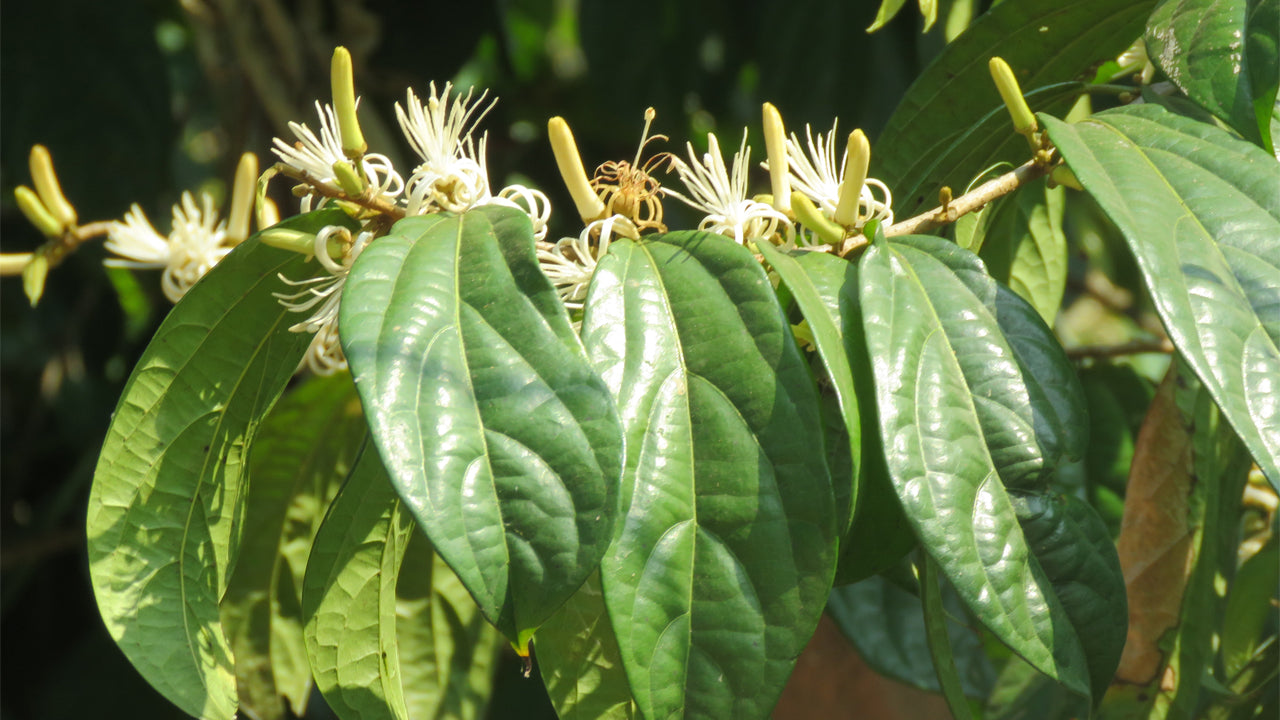
Sage-leaved alangium
Alangium salviifolium -
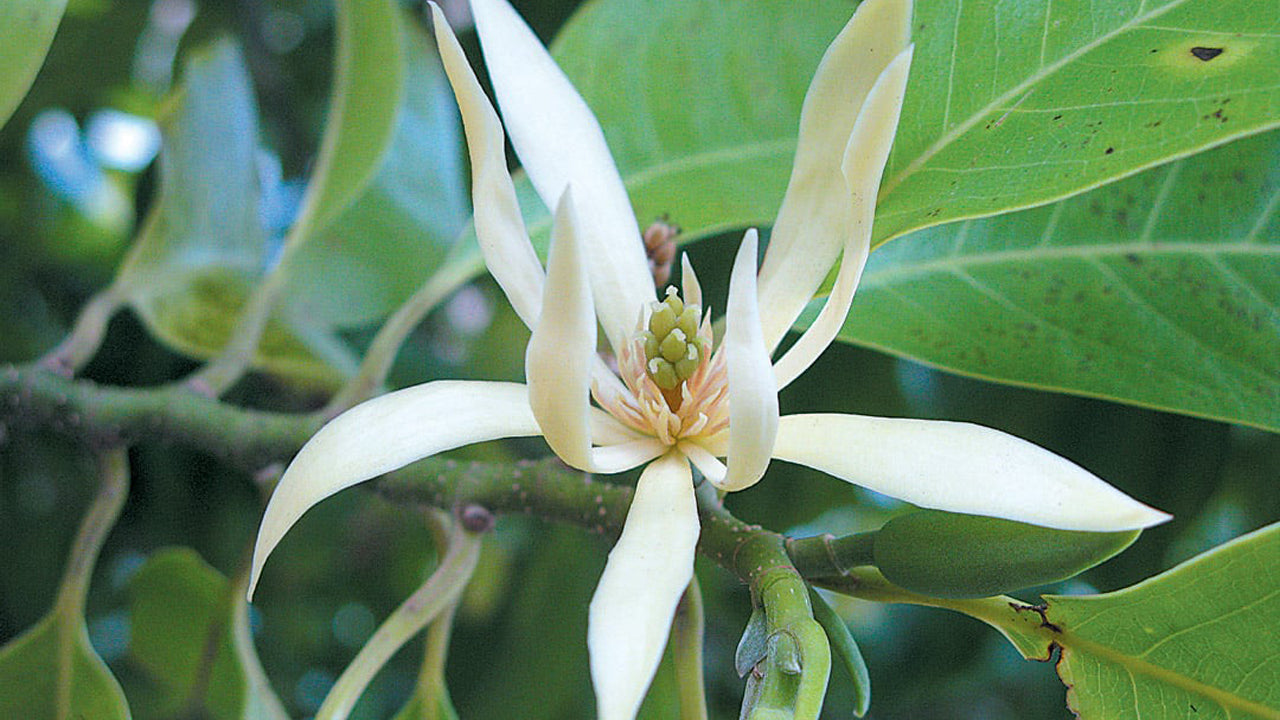
Champak
Michelia champaca -
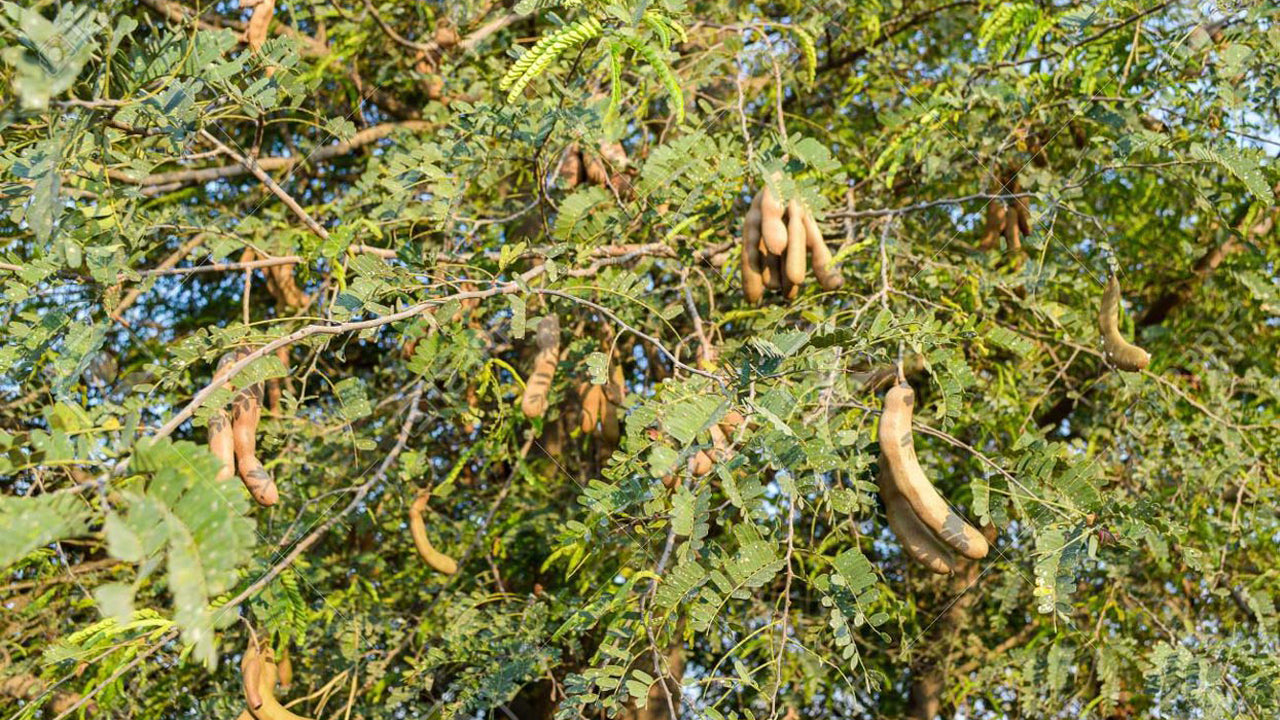
Tamarind
Tamarindus indica -
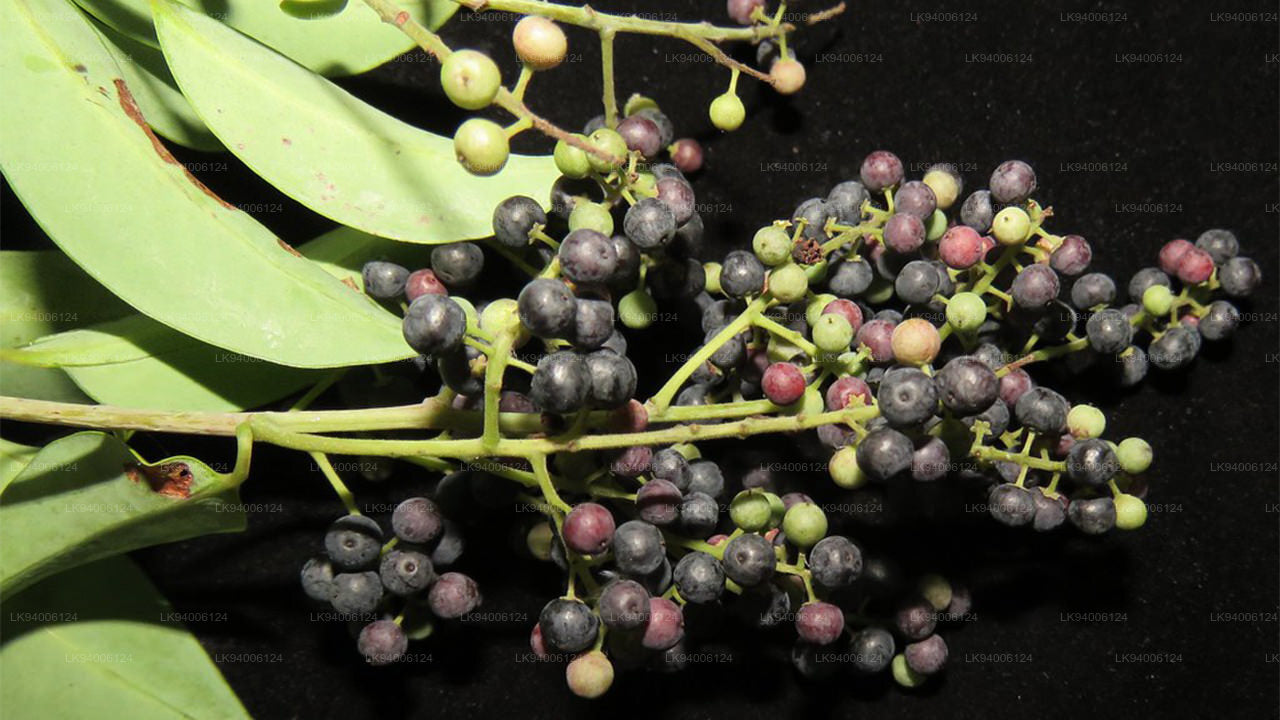
False Black Pepper
Embelia ribes -
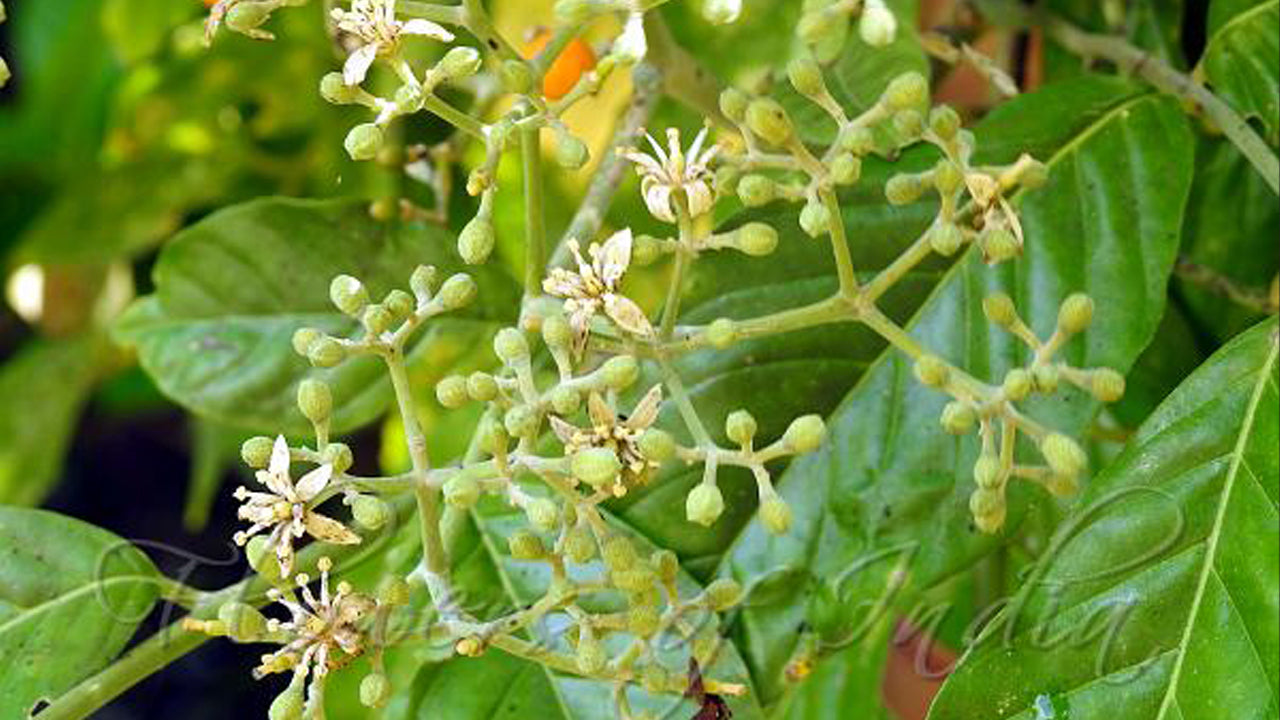
Limeberry
Micromelum ceylanicum -
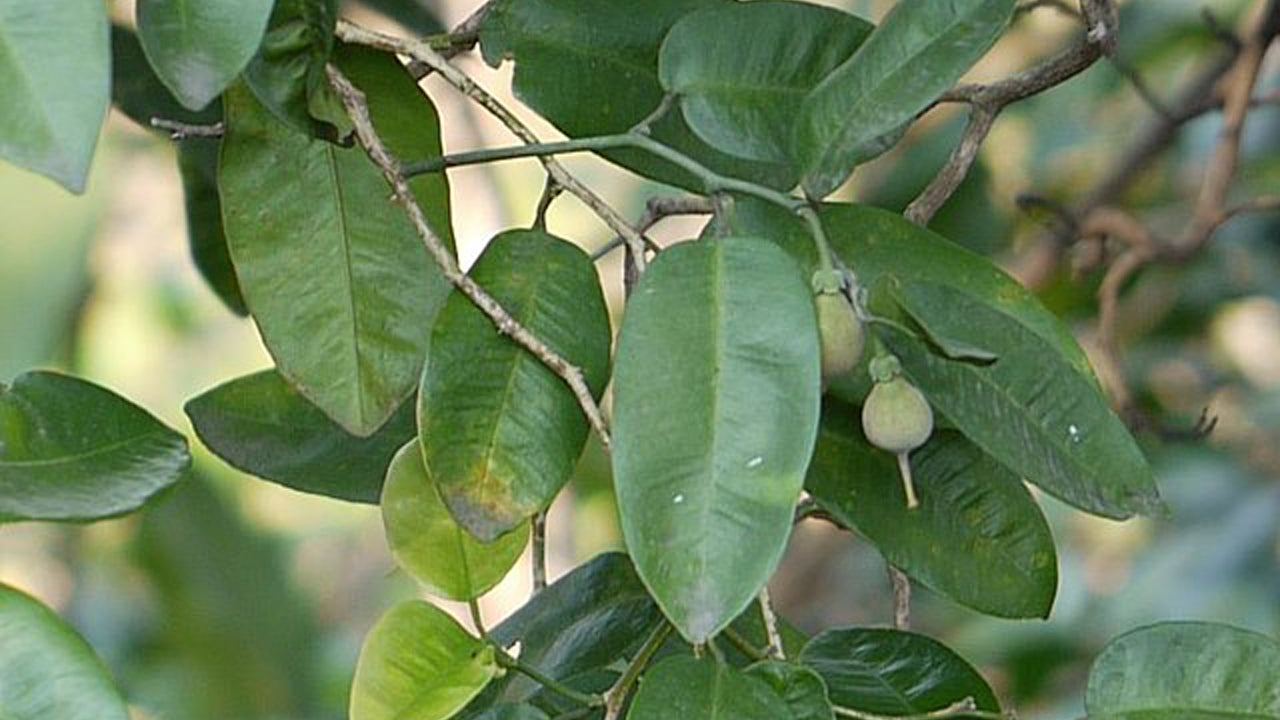
Climbing Atalantia
Paramignya monophylla





Ayurvedic and Herbal
-
싯달레파 아유르베다 허벌 밤
정가 $0.48 USD에서정가$0.54 USD할인가 $0.48 USD에서할인 -
링크 스와사 트리팔라 (30정)
정가 $1.74 USD에서정가$1.93 USD할인가 $1.74 USD에서할인 -
락푸라® 야생 사워솝(구아나바나, 그라비올라, 구아바노) 건조 잎 (통째로)
정가 $0.72 USD에서정가$0.81 USD할인가 $0.72 USD에서할인 -
 할인
할인세츠와 프라나지바 오일
정가 $3.85 USD에서정가$4.28 USD할인가 $3.85 USD에서할인