Eriobotrya japonica
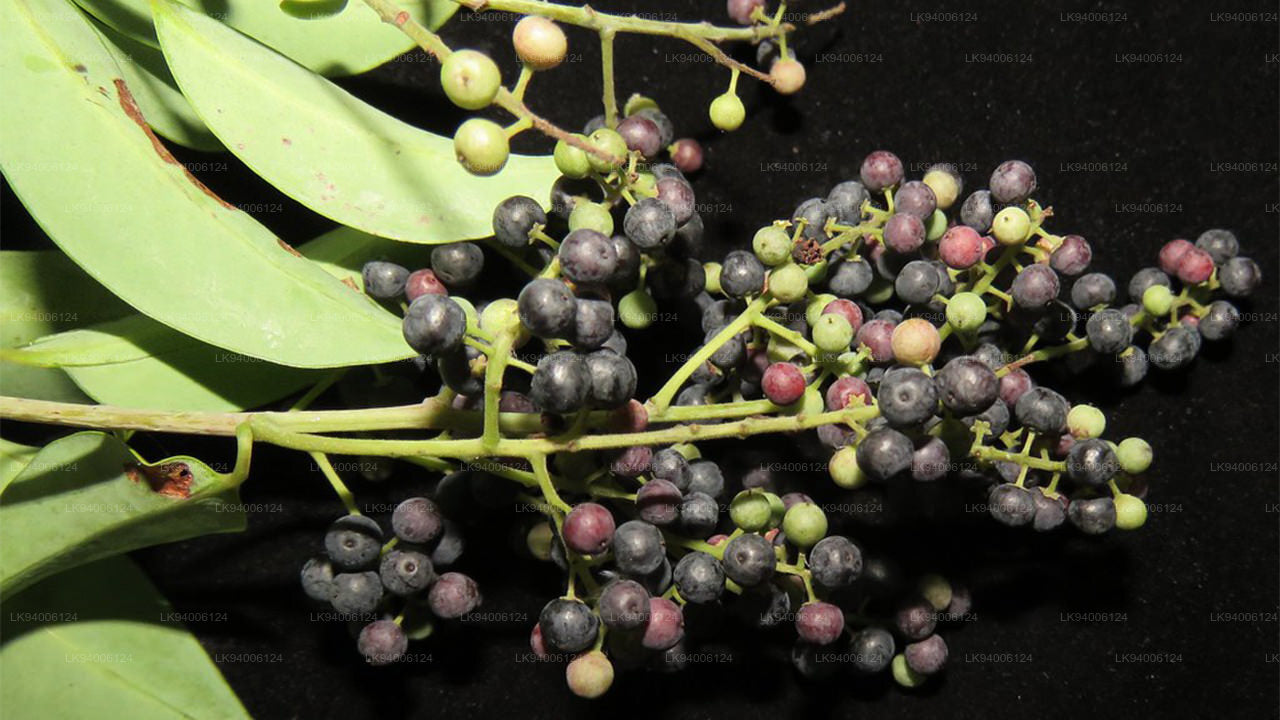
Eriobotrya japonica – commonly known as the loquat – is a subtropical evergreen tree native to southeastern China and possibly southern Japan. It belongs to the Rosaceae family, which also includes apples, pears, and cherries. The tree is cultivated primarily for its sweet, tangy fruit as well as its ornamental value.
Botanical Characteristics
Height & Shape: The loquat tree typically grows between 3 to 10 meters tall. It has a rounded crown with dense, glossy foliage.
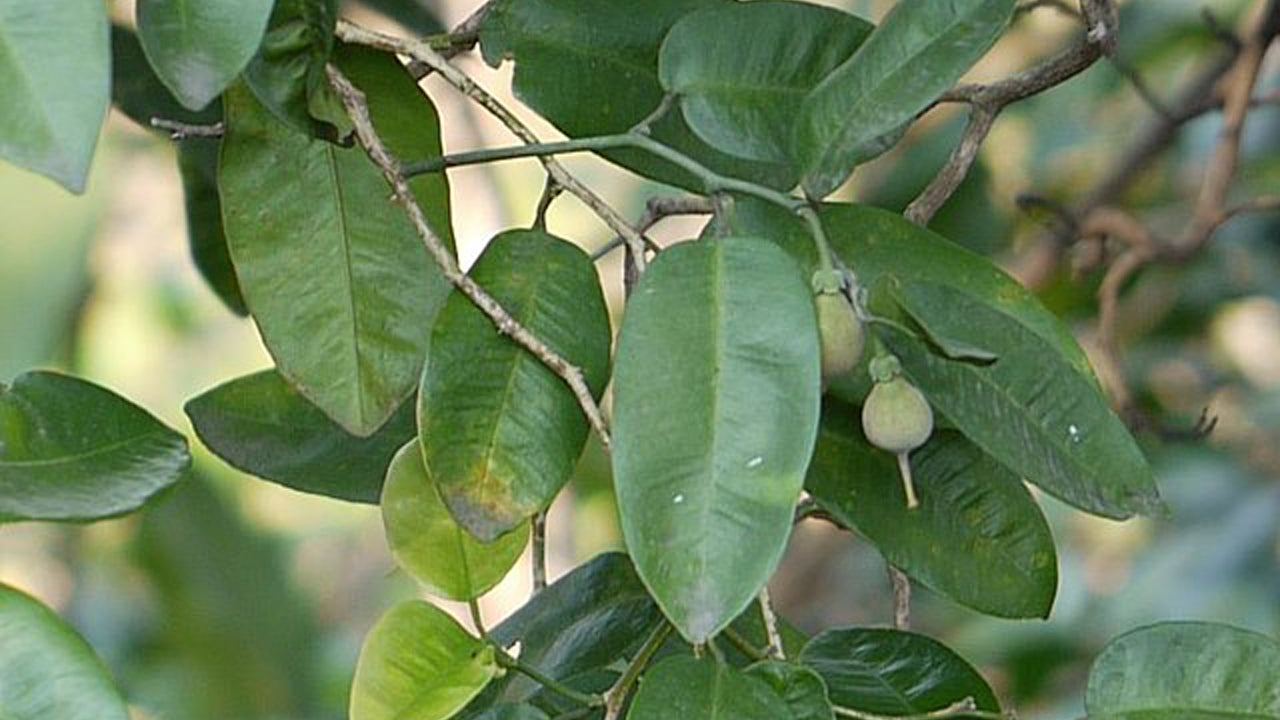
Leaves: The leaves are large (up to 30 cm long), leathery, dark green, and have a serrated edge. Their prominent veining gives them a distinctive look.
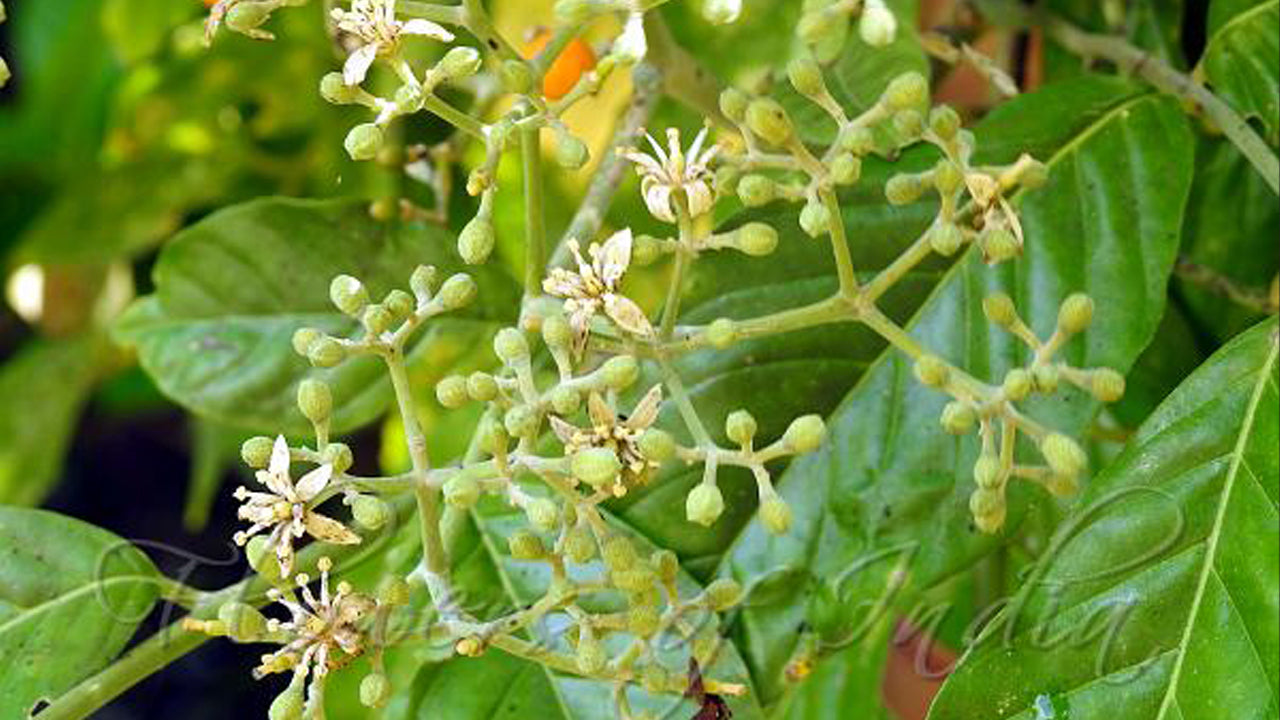
Flowers: Eriobotrya japonica blooms in autumn or early winter. The small, white flowers are fragrant and grow in clusters.
Fruit: The fruit matures in late winter to early spring. It’s a small, oval to pear-shaped drupe, yellow to orange when ripe, with a thin, fuzzy skin and juicy, sweet-tart flesh. The flavor is often compared to a mix of peach, citrus, and mango.
Cultivation
Loquats prefer mild climates and are sensitive to heavy frost. They are grown in many parts of the world, including the Mediterranean region, parts of the United States (especially California and Florida), and subtropical areas of Asia and Latin America. The tree is usually propagated by grafting or seed, although seed-grown trees may not bear fruit identical to the parent.
Uses
Culinary: The fruit can be eaten fresh or used in jams, jellies, pies, and syrups. Loquat wine and liqueur are also popular in some cultures.
Medicinal: In traditional Chinese medicine, loquat leaves (known as pi pa ye) are used to make herbal teas that are believed to help with respiratory ailments, coughs, and inflammation.
Ornamental: Its attractive foliage and early flowering make it a popular choice for landscaping in suitable climates.
Interesting Facts
Loquat trees often fruit at a time when few other fruits are in season, making them valuable for early spring harvests.
The seeds of loquats are toxic if ingested in large quantities, as they contain cyanogenic compounds.
-
Acronychia pedunculata
아크로니키아 페둔쿨라타 -
Aegle marmelos
벨리 (아이글레 마르멜로스 -
Nauclea orientalis
나우클레아 오리엔탈리스 -
Coscinium fenestratum
코스시늄 페네스트라툼 -
Tinospora malabarica
티노스포라 말라바리카 -
Allophylus cobbe
알로필루스 코베 -
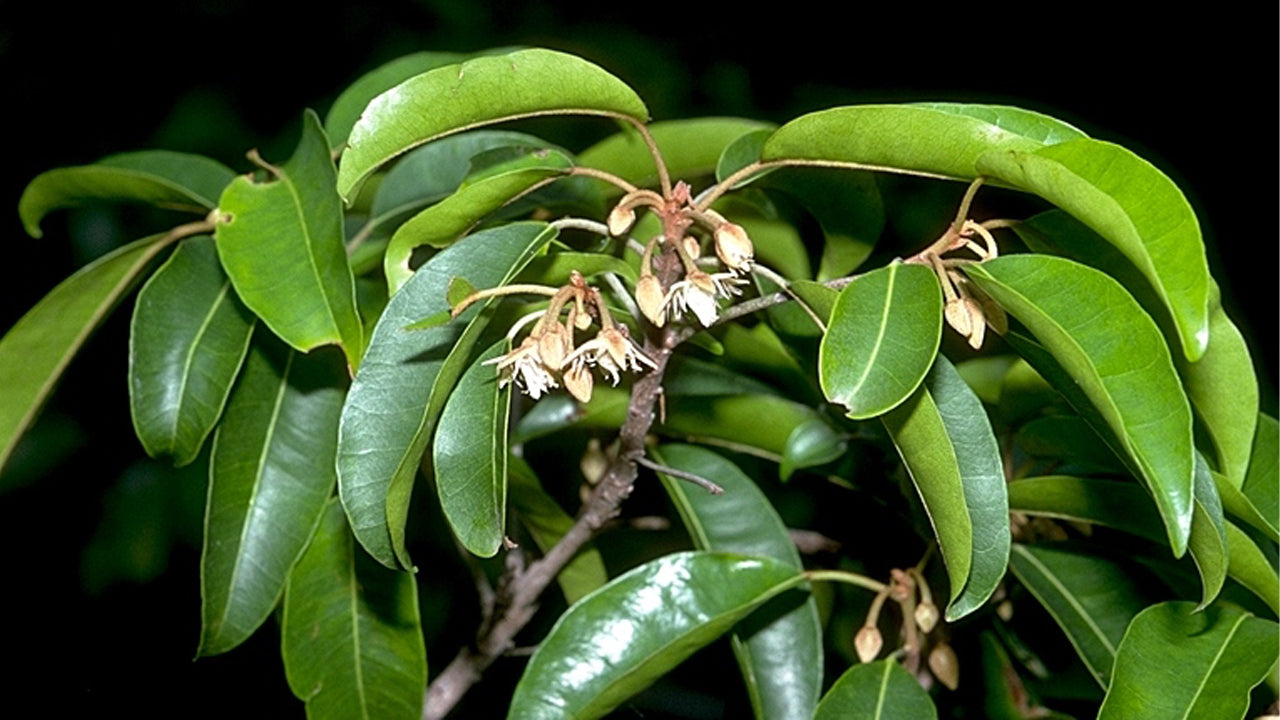
Memecylon capitellatum
메메실론 카피텔라툼 -
Cissampelos pareira
시삼펠로스 파레이라 -
Citrus aurantium
쓴오렌지 / 비터오렌지 -
Biophytun reinward
비오피툼 라인바르디이 -
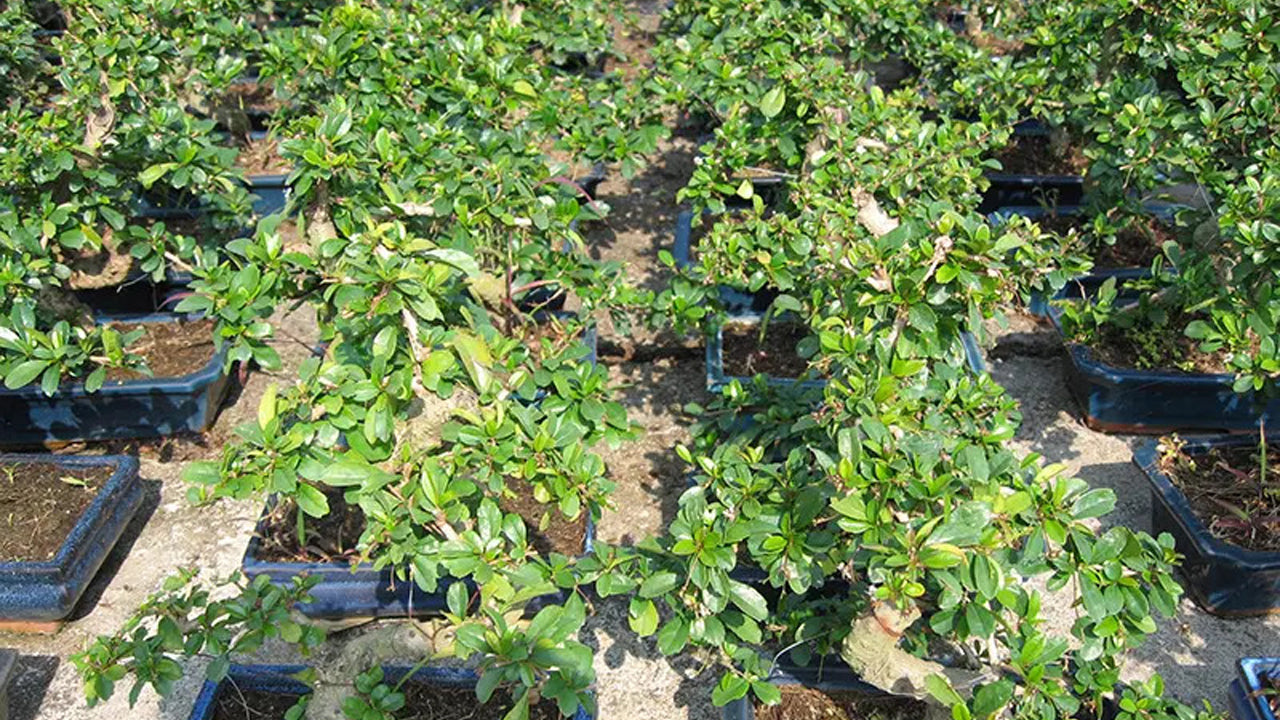
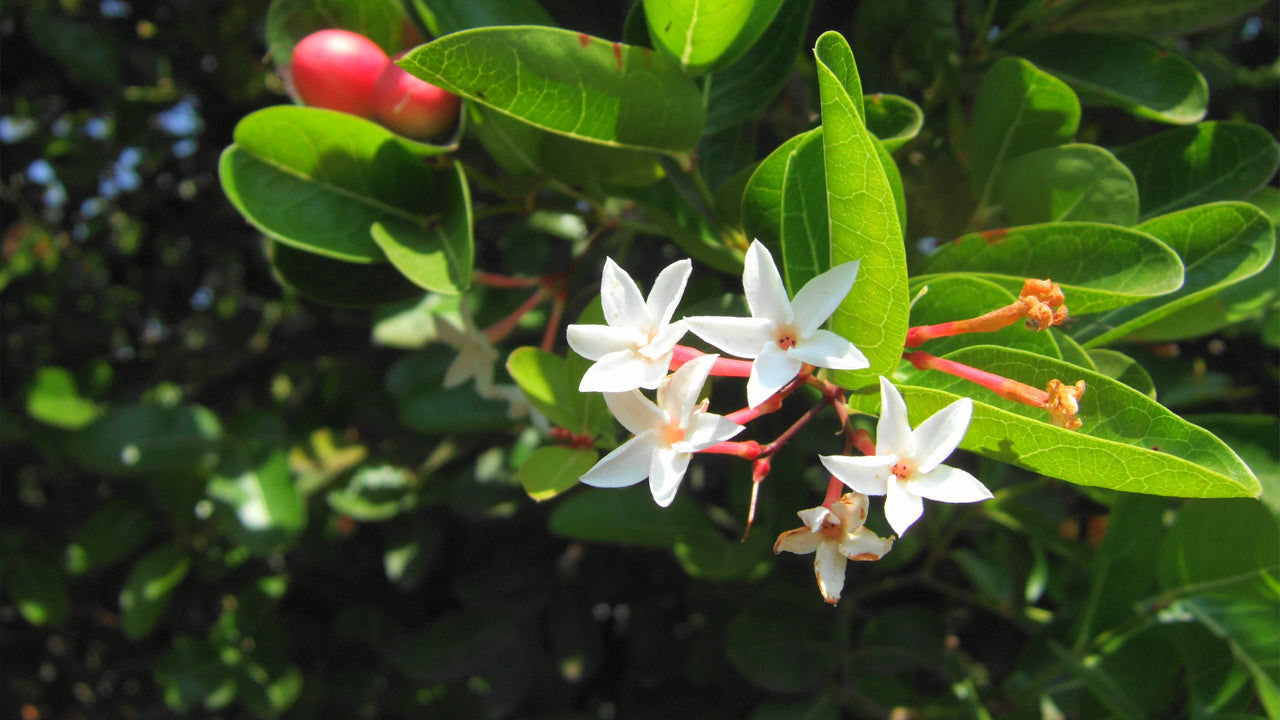
Carmona microphylla
카르모나 미크로필라 / 복건차나무 -
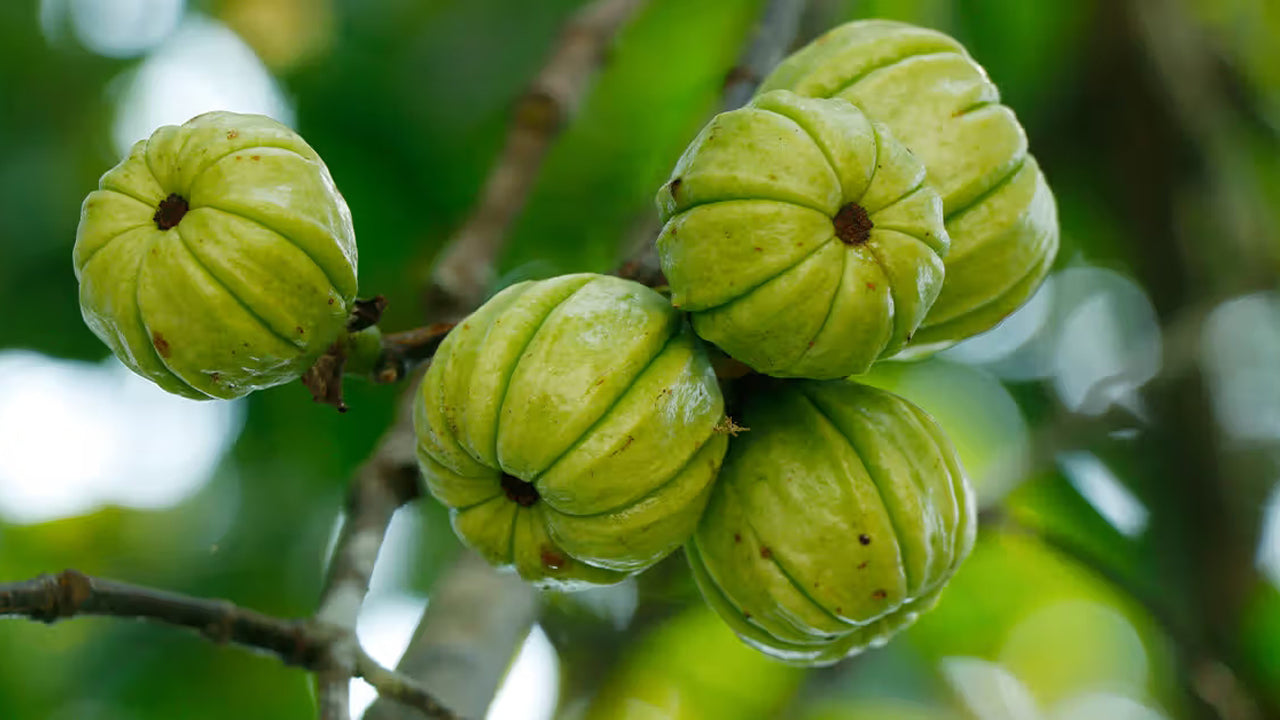
Garcinia cambogia
가르시니아 캄보지아 -
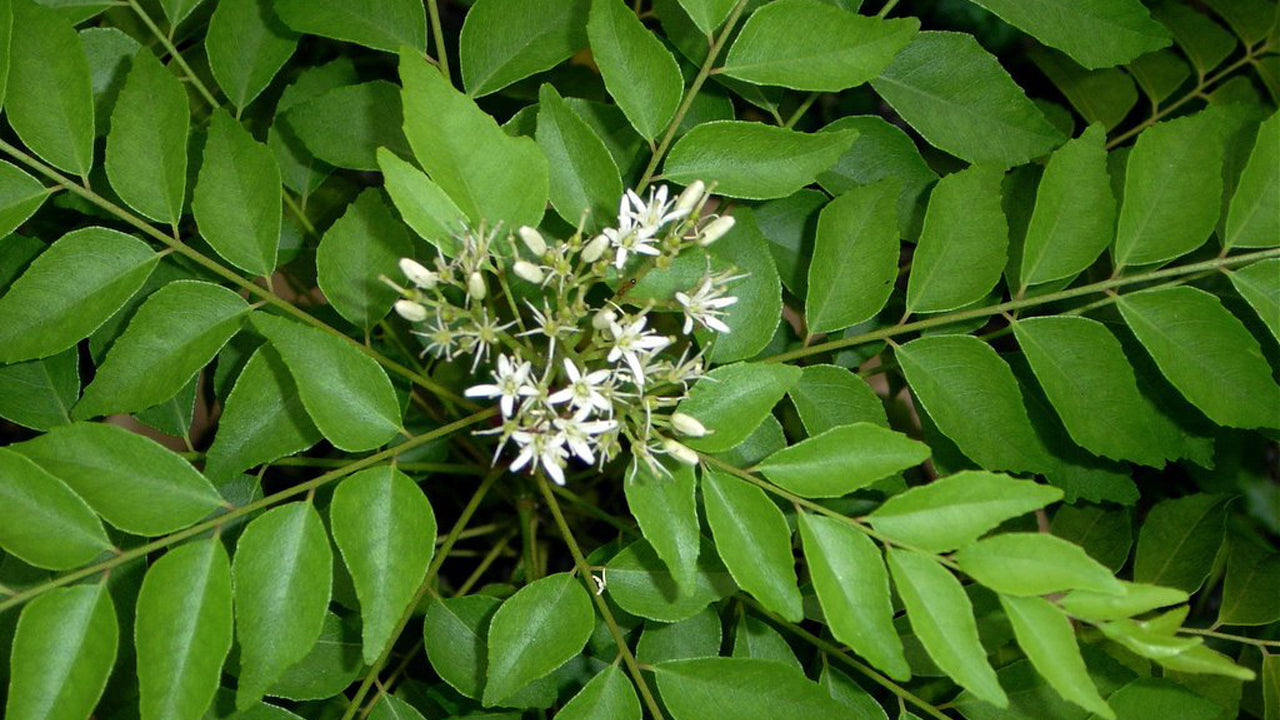
Murraya koenigii
무라야 쾨니기이 -
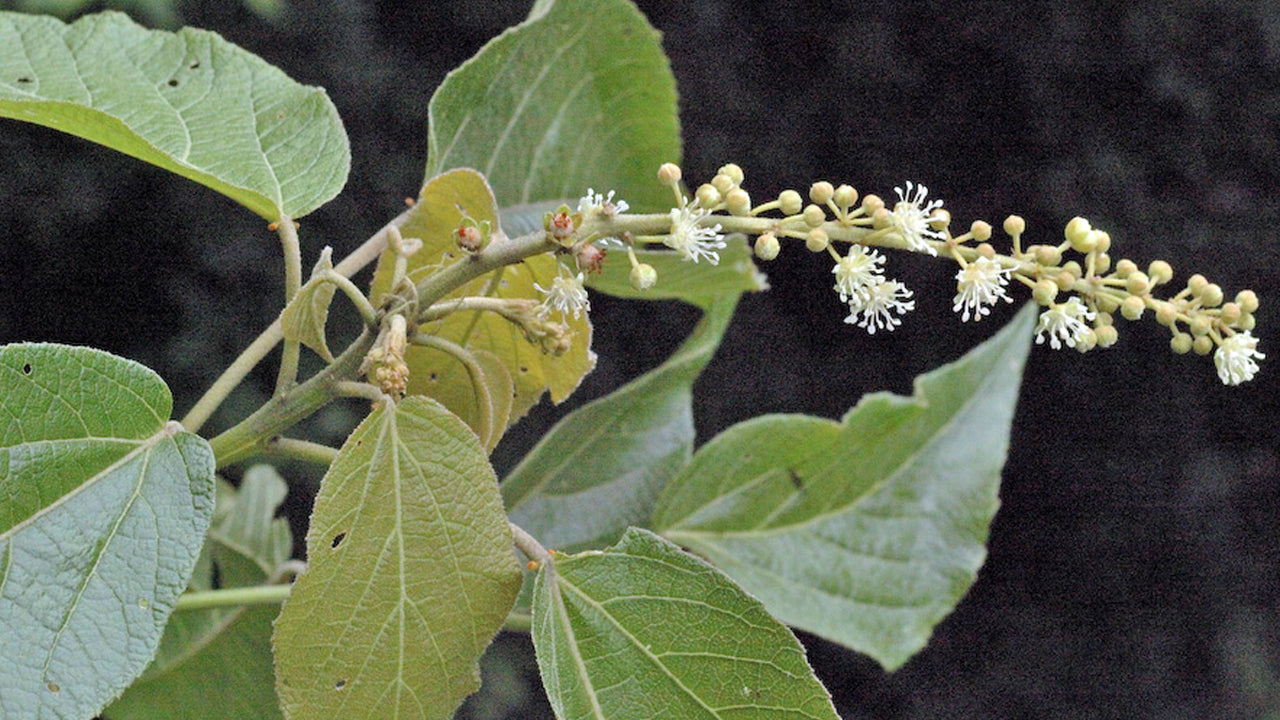
Croton laccifer
크로톤 락키페르 -
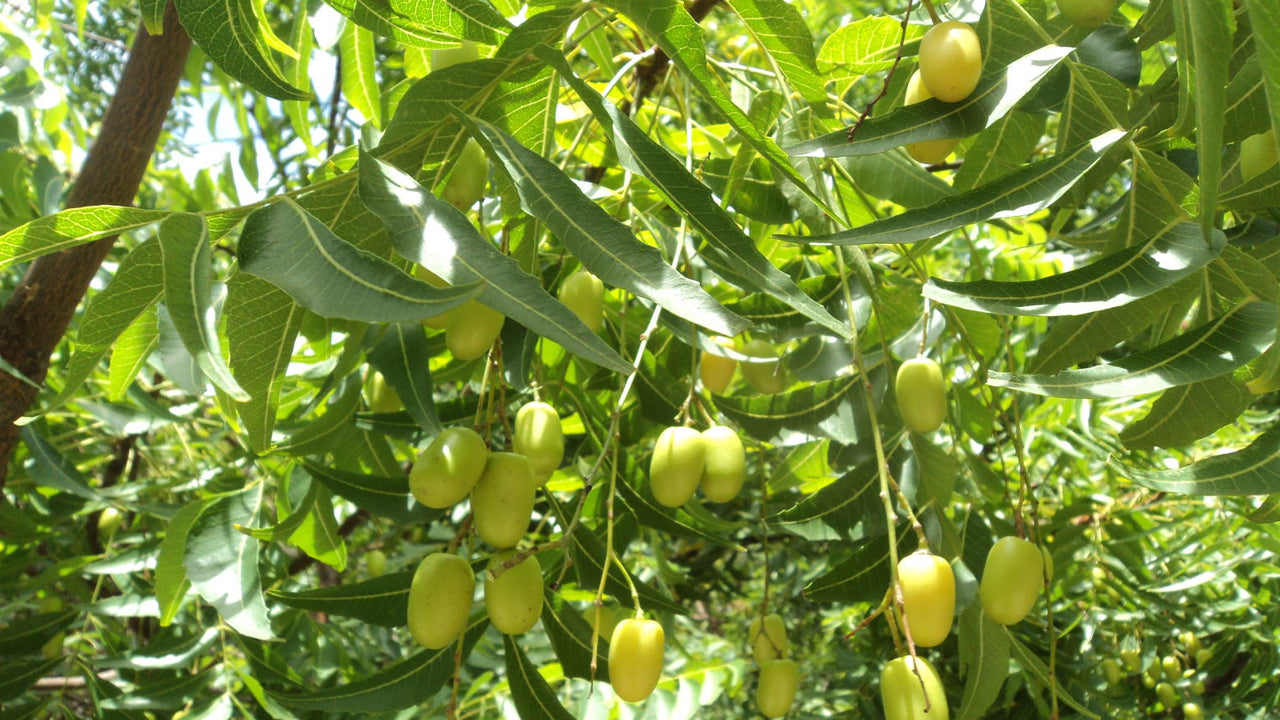
Azadirachta indica
님나무 -
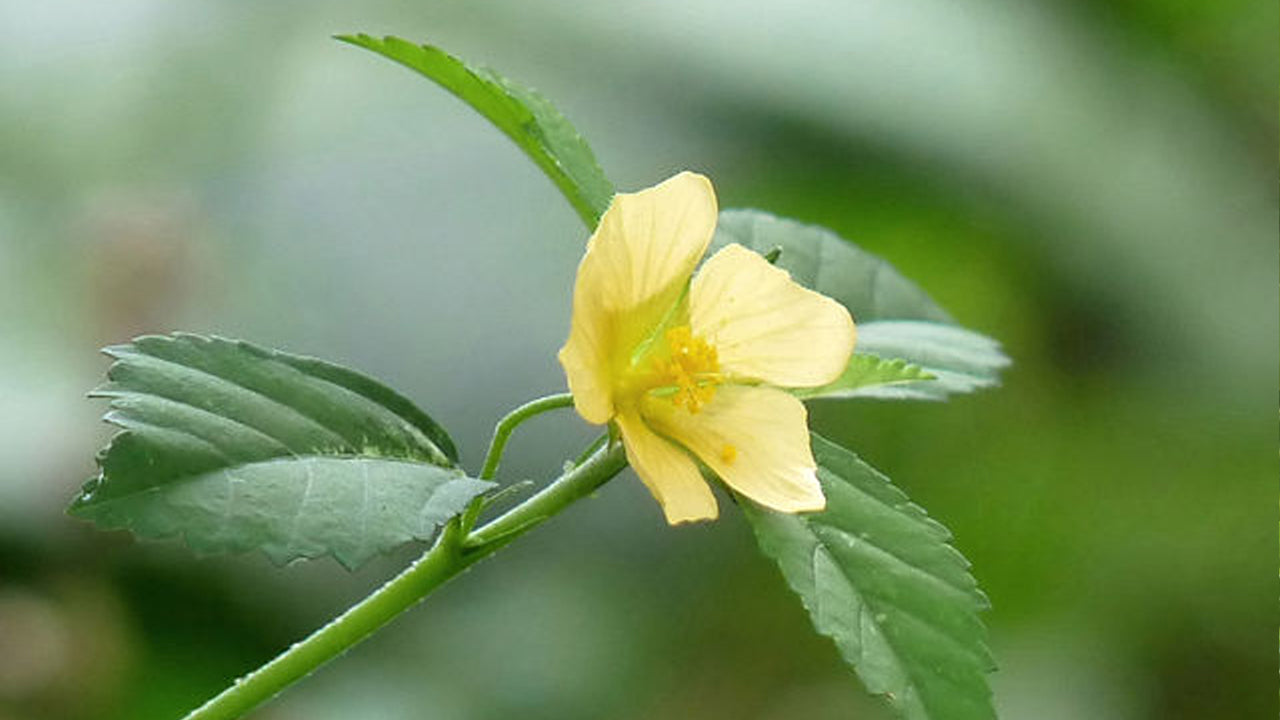
Sida alba
시다 알바 -
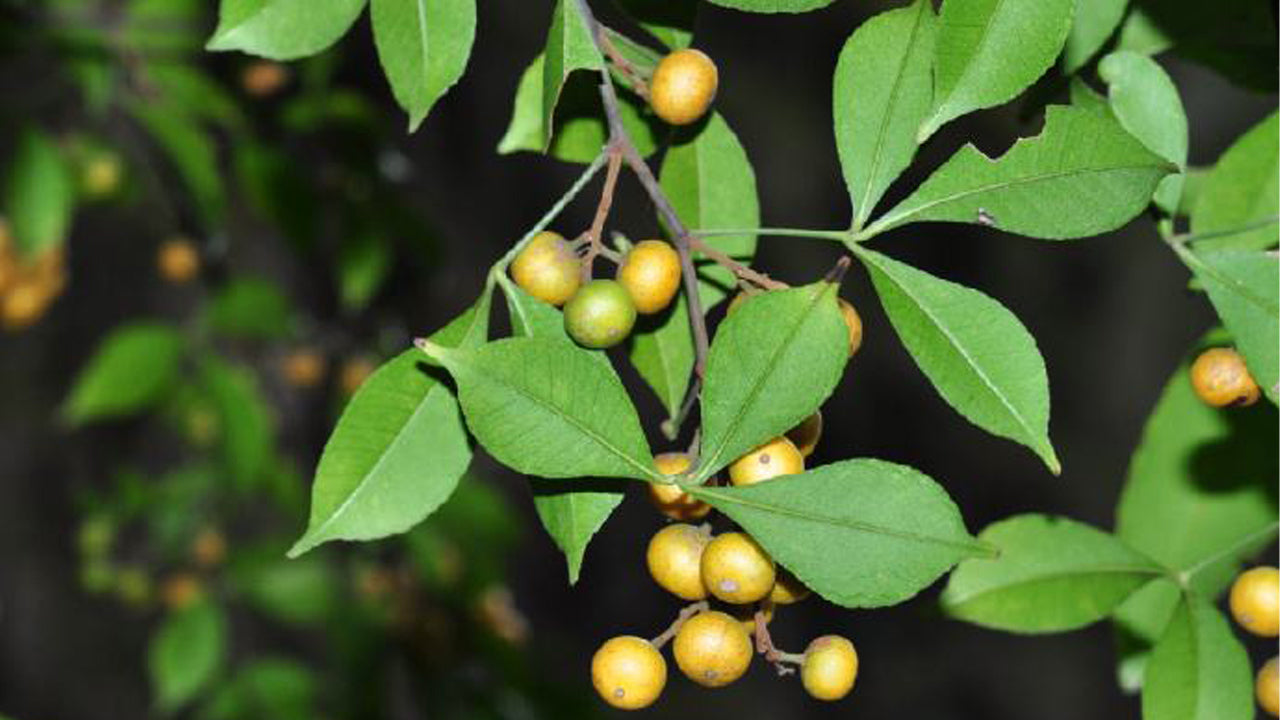
Toddlia asiatica
토들리아 아시아티카 -
Cinnamomum zeylanicum
실론계피나무 -
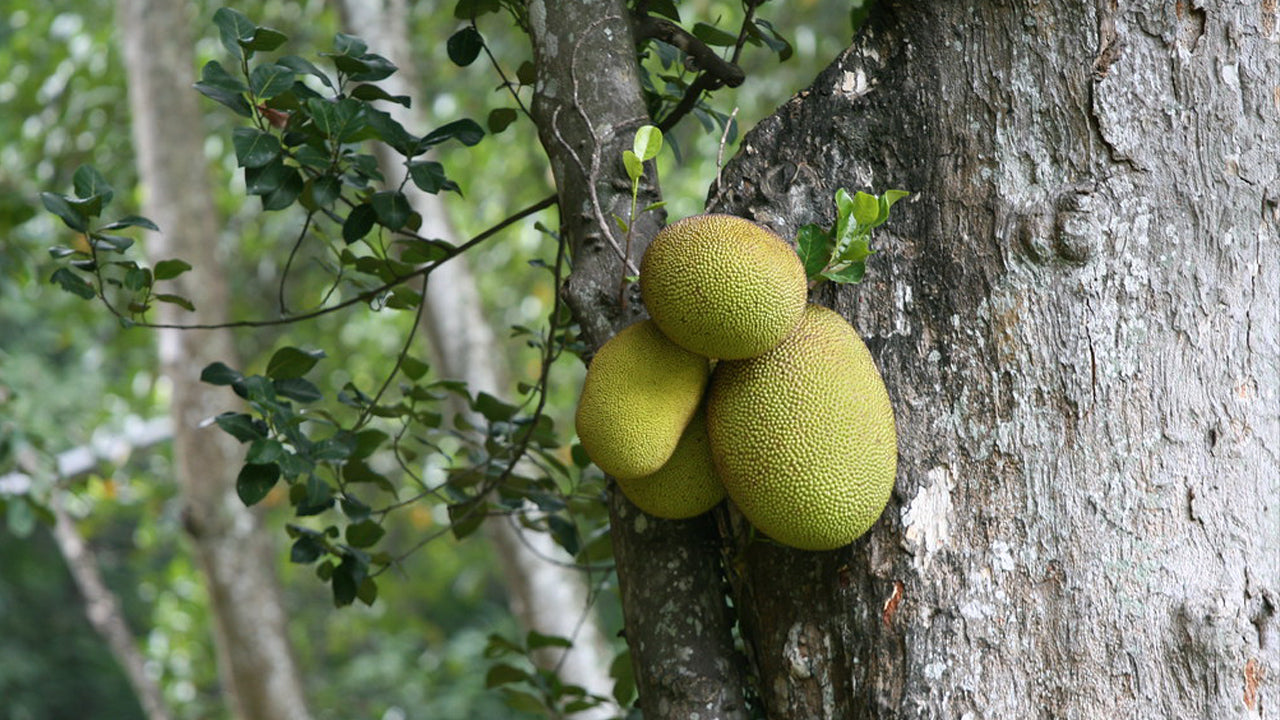
Artocarpus heterophyllus
잭프루트나무 -
Carissa carandas
카리사 카란다스 -
Mimusops elengi
미무솝스 엘렌기 -
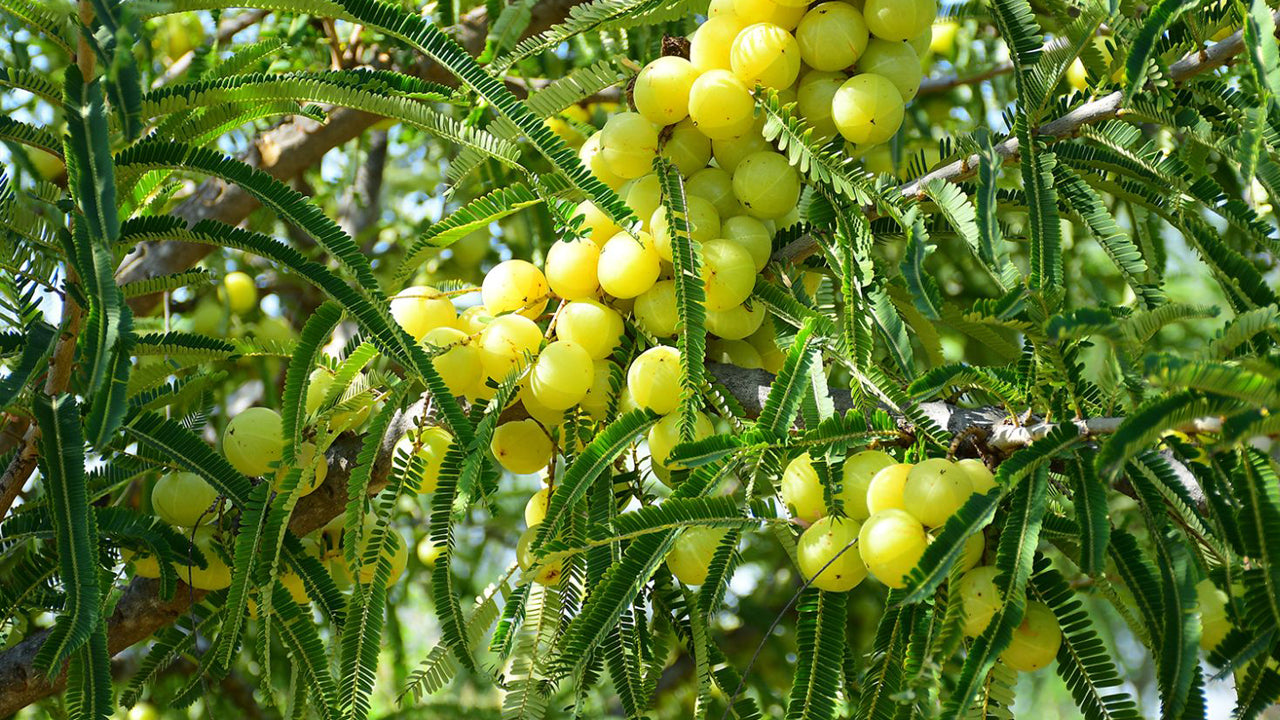
Phyltanthus emblica
인디안구스베리 -
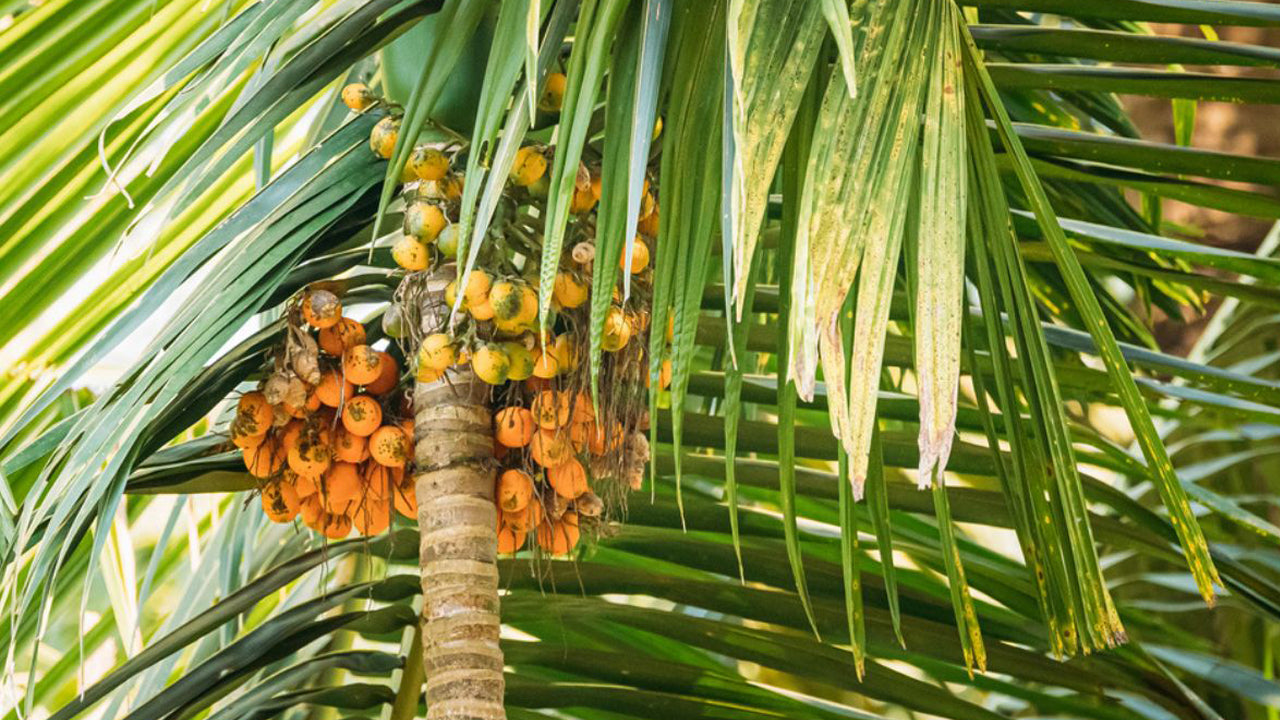
Areca catechu
아레카야자 -
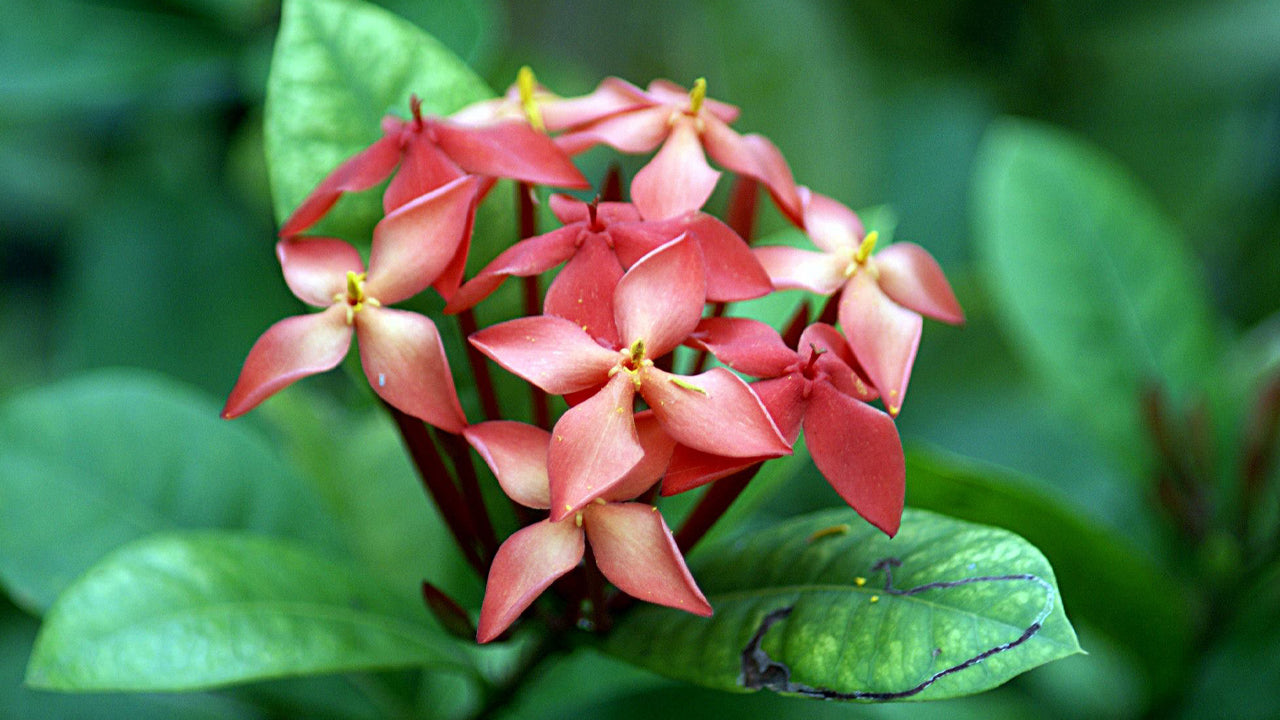
Ixora coccinea
이소라 코키네아 -
Alangium salviifolium
알랑기움 -
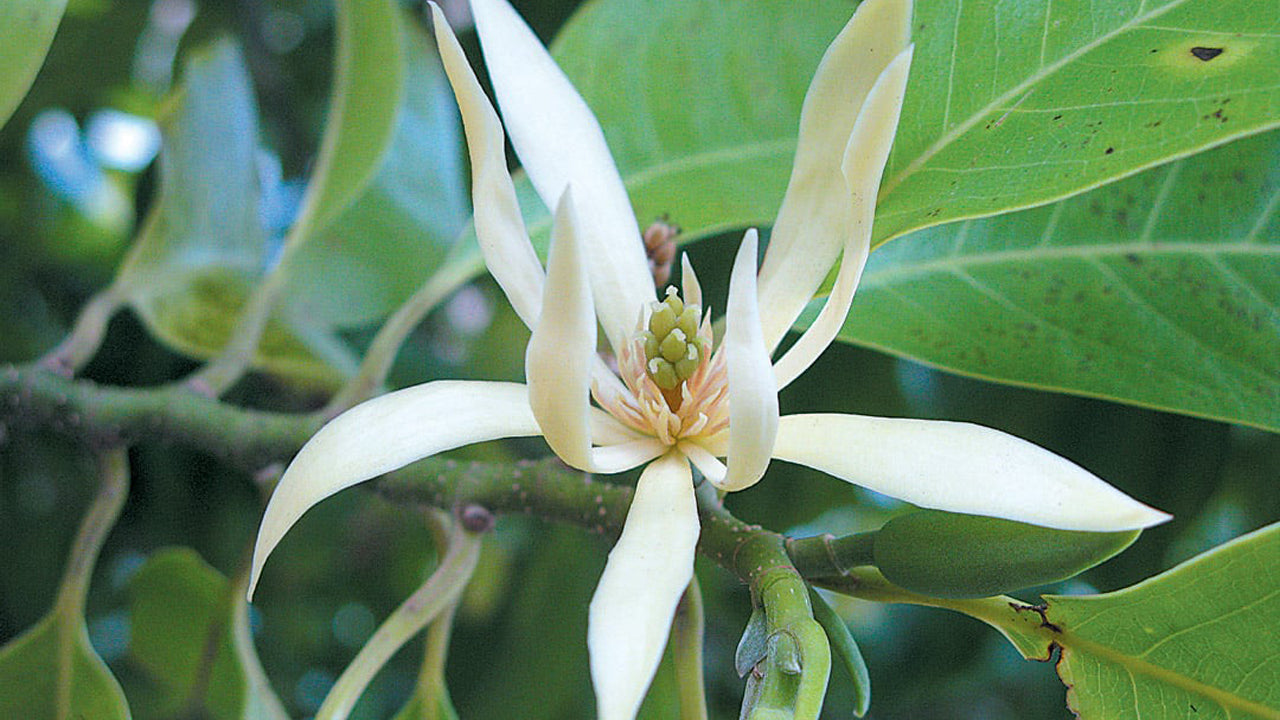
Michelia champaca
미켈리아 참파카 -
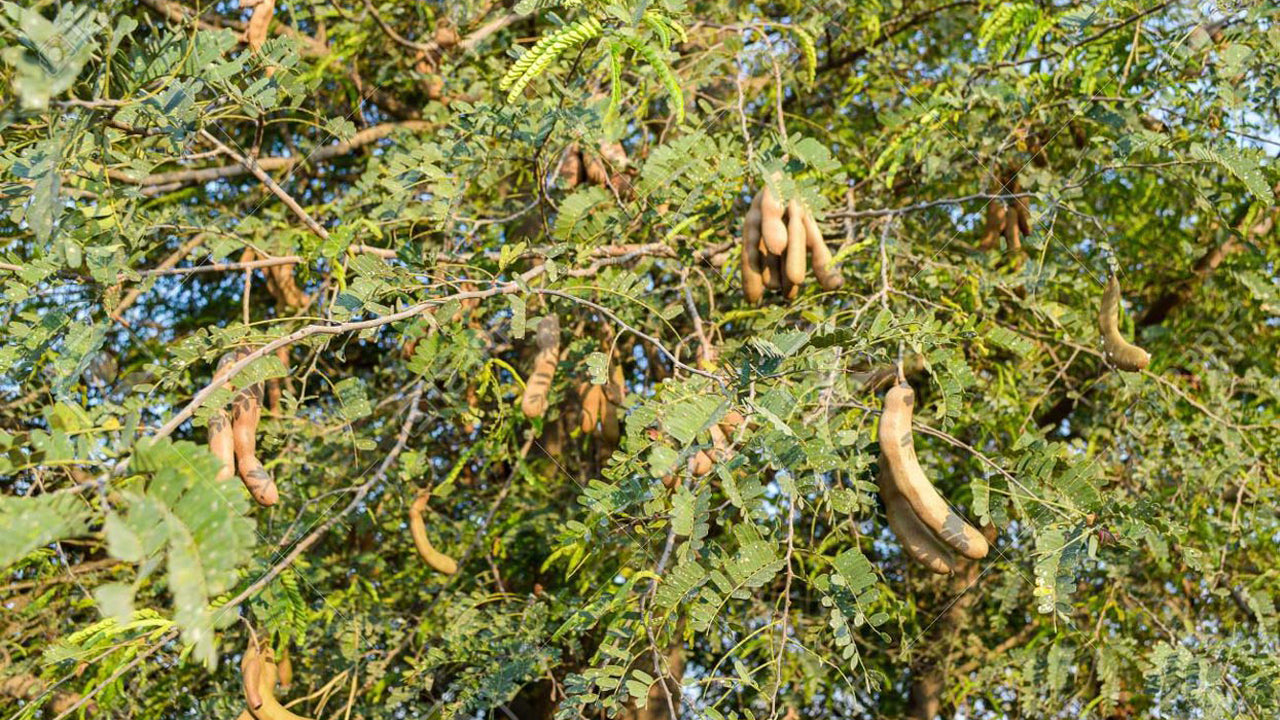
Tamarindus indica
타마린드 -
Embelia ribes
엠벨리아 리베스 -
Micromelum ceylanicum
마이크로멜룸 실라니쿰 -
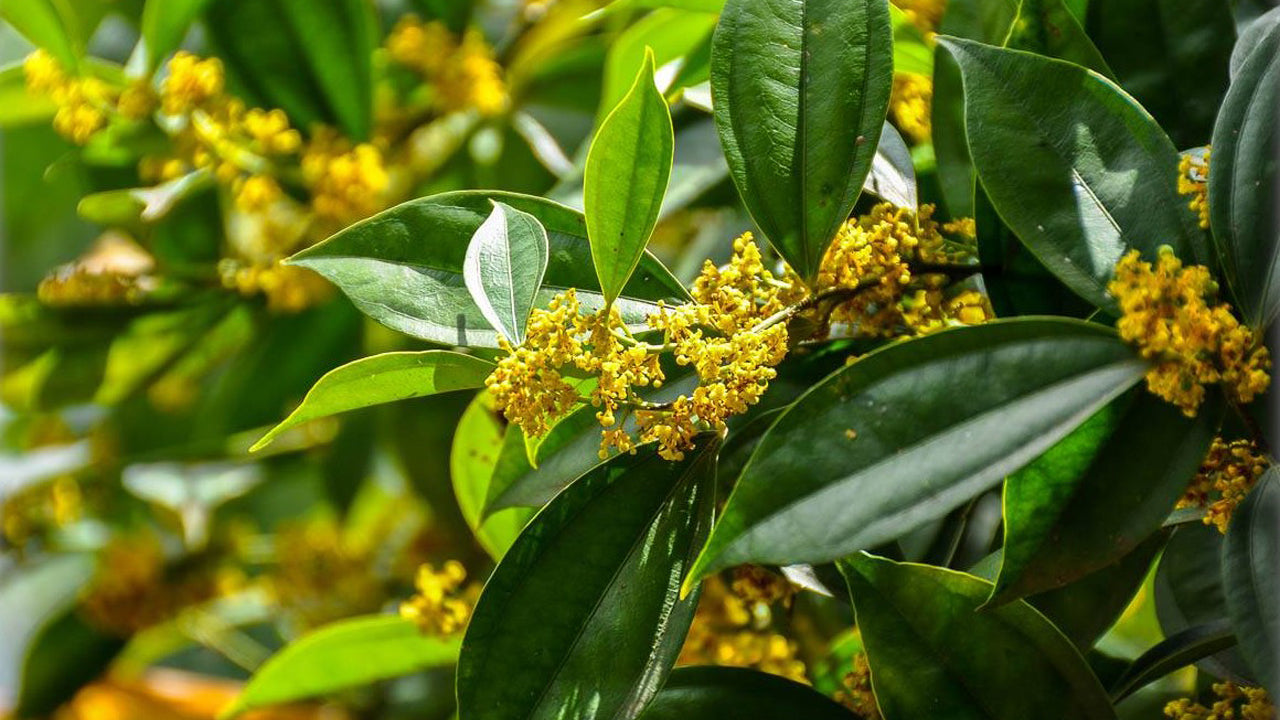
Paramignya monophylla
파라밍냐 모노필라
아유르베다와 허브
-
싯달레파 아유르베다 허벌 밤
정가 $0.32 USD에서정가$0.38 USD할인가 $0.32 USD에서할인 -
링크 스와사 트리팔라 (30정)
정가 $1.90 USD에서정가$2.25 USD할인가 $1.90 USD에서할인 -
락푸라® 야생 사워솝(구아나바나, 그라비올라, 구아바노) 건조 잎 (통째로)
정가 $0.78 USD에서정가$0.92 USD할인가 $0.78 USD에서할인 -
할인세츠와 프라나지바 오일
정가 $4.11 USD에서정가$4.88 USD할인가 $4.11 USD에서할인