Sooriya Weaving Mills


About Sooriya Weaving Mills
Sooriya Weaving Mills one of the very few remaining hand loom factory in Sri Lanka, Largest hand loom factory and outlet in southern province, free entrance since this is link with Sri Lankan culture.It is situated in Walahanduwa, just 7 km from Galle.
Outlet with exclusive hand loom product range like custom made Clothes, Shawls, Table Runners and mats , Serviettes ,Kitchen towels , Bed linen and runners , Bath towels ,Sunbed covers and Cushion covers , souvenirs and many more gift items.
About Galle District
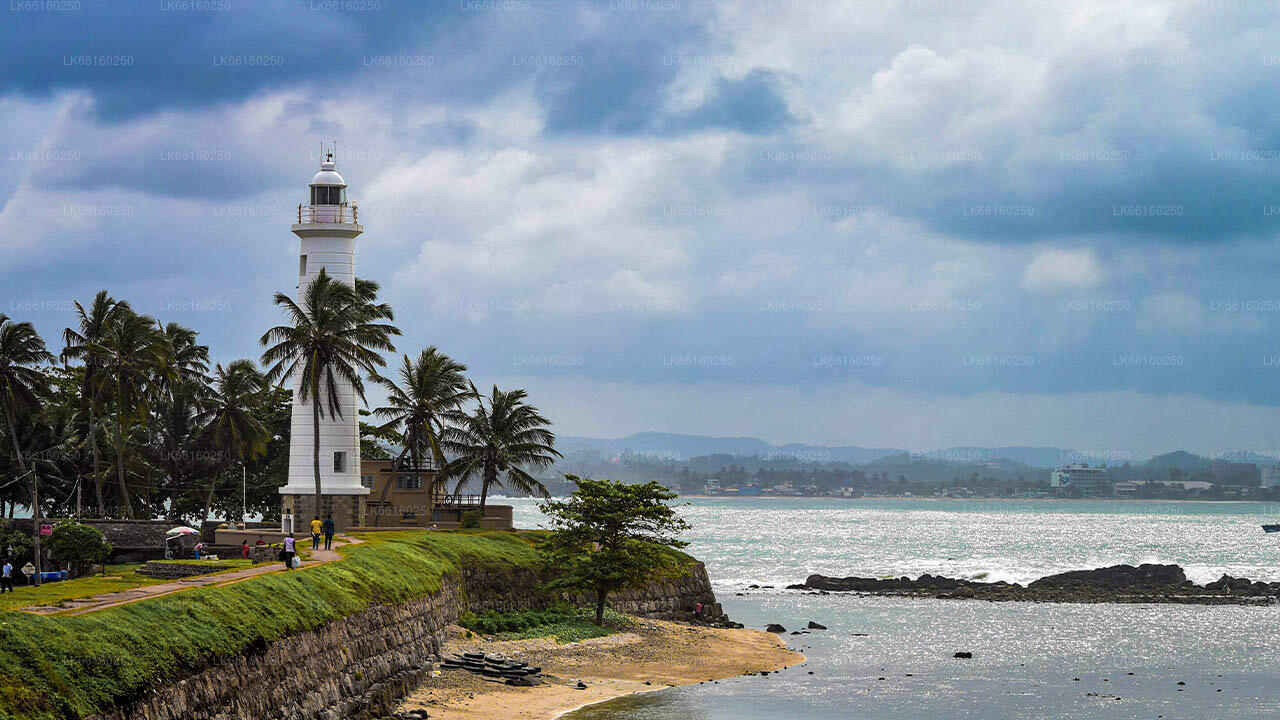
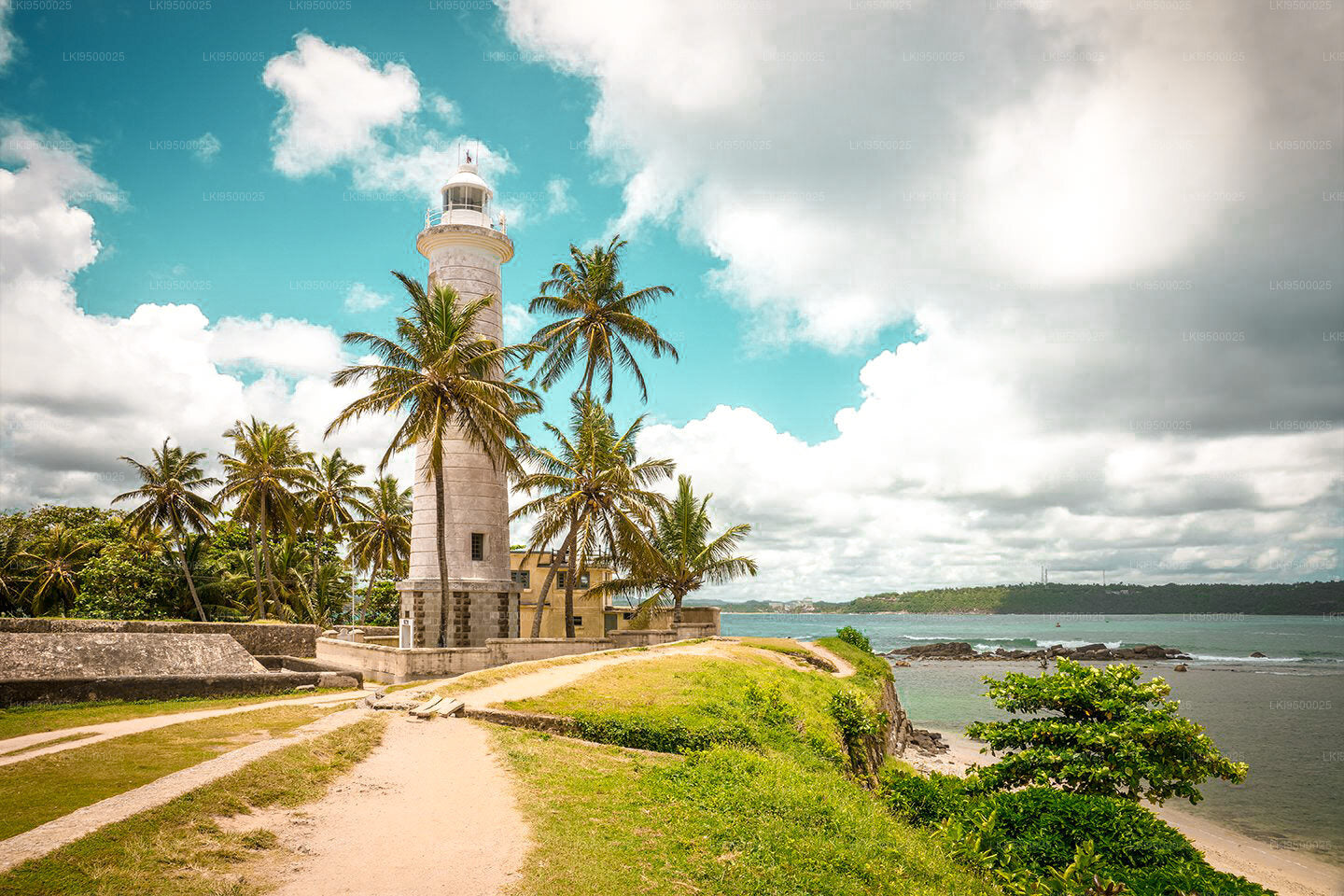
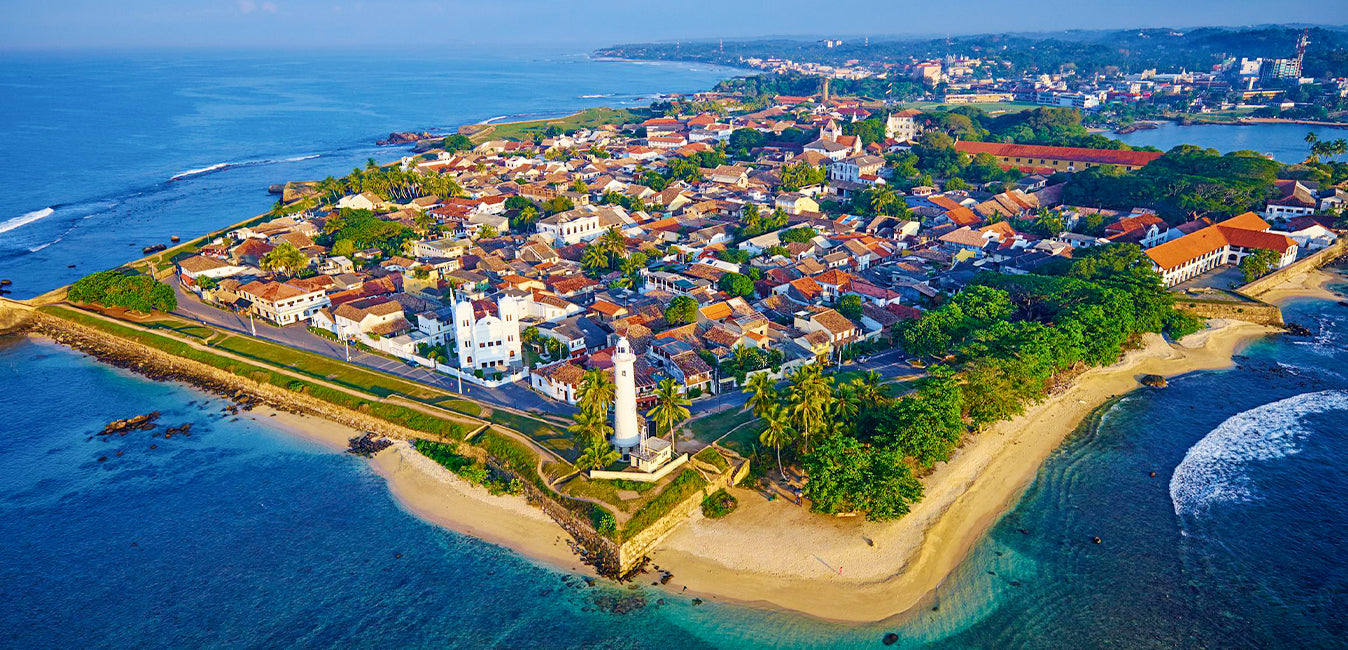
Galle is a city situated on the southwestern tip of Sri Lanka, 119 km from Colombo. Galle is the best example of a fortified city built by Europeans in south and Southeast Asia, showing the interaction between European architectural styles and south Asian traditions. The Galle fort is a world heritage site and the largest remaining fortress in Asia built by European occupiers.
Galle is the best example of a fortified city built by Europeans in south and Southeast Asia, showing the interaction between European architectural styles and south Asian traditions. The Galle fort is a world heritage site and the largest remaining fortress in Asia built by European occupiers.
Galle is a sizeable town, by Sri Lankan standards, and has a population of 91,000, the majority of whom are of Sinhalese ethnicity. There is also a large Sri Lankan Moor minority, particularly in the fort area, which descend from Arab merchants that settled in the ancient port of Galle.
About Southern Province
The Southern Province of Sri Lanka is a small geographic area consisting of the districts of Galle, Matara and Hambantota. Subsistence farming and fishing is the main source of income for the vast majority of the people of this region.
Important landmarks of the Southern Province include the wildlife sanctuaries of the Yala and Udawalawe National Parks, the holy city of Kataragama, and the ancient cities of Tissamaharama, Kirinda and Galle. (Although Galle is an ancient city, almost nothing survives from before the Portuguese invasion.) During the Portuguese period there were two famous Sinhalese poets called Andare who was from Dickwella and Gajaman Nona who was from Denipitiya in Matara District, composing poems on common man.