Stupa de Somawathiya

Somawathiya Stupa Somawathiya Stupa Somawathiya Stupa

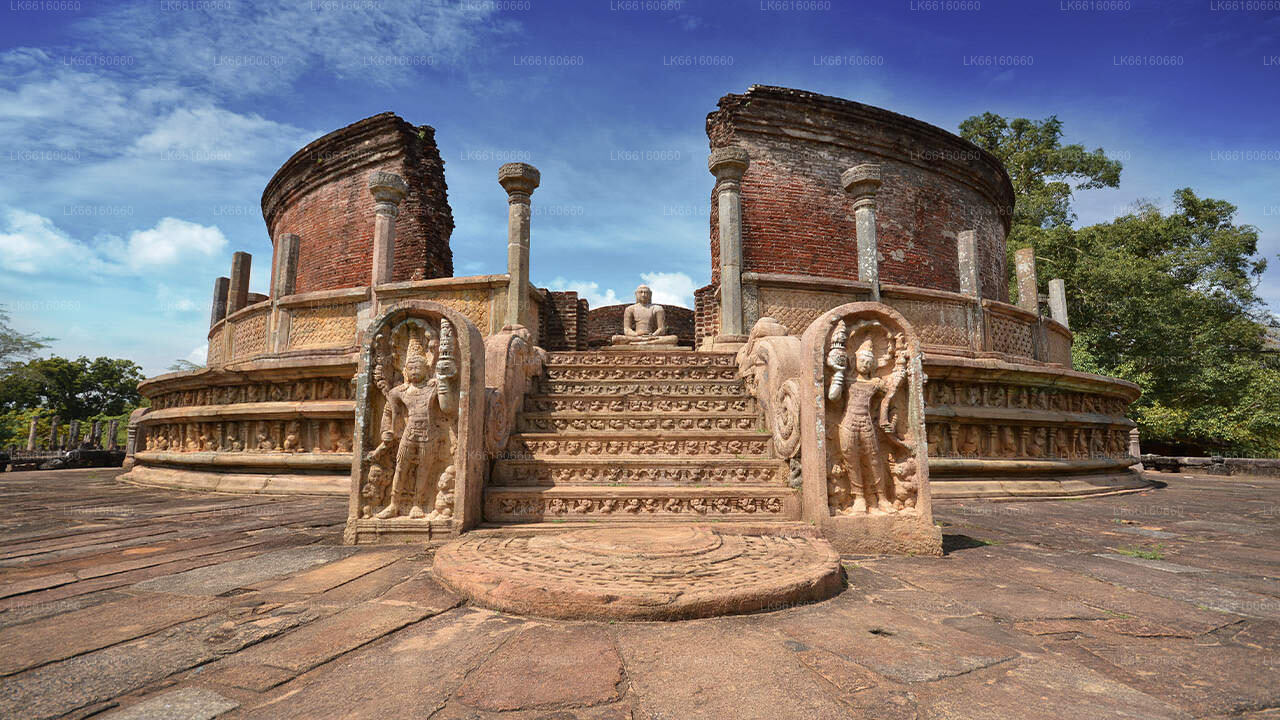
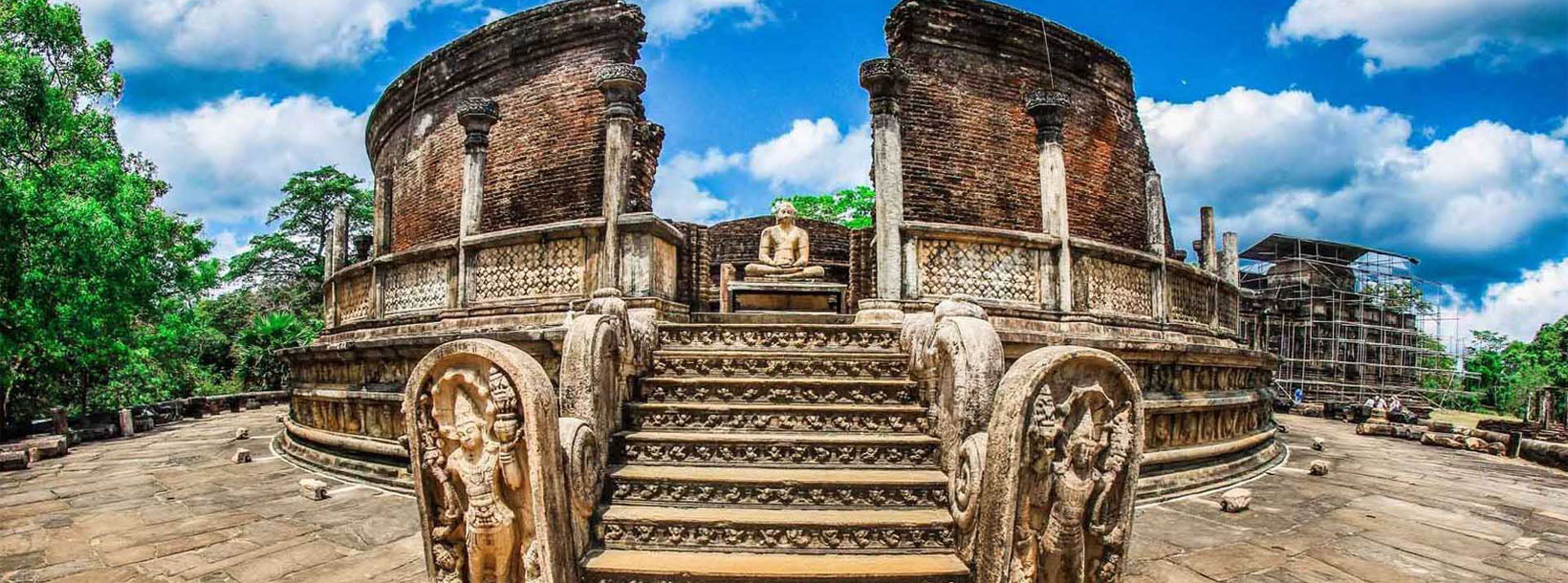
La Somawathiya Stupa est une stupa bouddhiste importante située dans la province orientale de Sri Lanka, près de la ville de Polonnaruwa. C'est l'un des sites sacrés les plus vénérés de l'île, et on pense qu'elle abrite une relique de Bouddha, spécifiquement sa dent droite. La stupa est un symbole emblématique du patrimoine bouddhiste de Sri Lanka et un point focal pour le pèlerinage et l'adoration.

Construite pendant le règne du roi Mahasena au 3e siècle avant J.-C., la Somawathiya Stupa est conçue sous la forme traditionnelle d'un dôme, avec une chambre centrale pour les reliques et des chemins de pierre environnants. Le nom de la stupa, "Somawathiya", provient de la lune, car elle est associée au cycle lunaire et historiquement liée au jour de la pleine lune du mois. Son environnement paisible au milieu de la végétation luxuriante ajoute à sa signification spirituelle.

Les visiteurs de la Somawathiya Stupa peuvent explorer les environs sereins, y compris les anciennes sculptures en pierre, les inscriptions et les vestiges des complexes monastiques bouddhistes. C'est un site clé pour ceux qui souhaitent se connecter à l'histoire bouddhiste de Sri Lanka et à sa spiritualité. La stupa est également un lieu de grande signification culturelle, avec des cérémonies et des rituels religieux réguliers tout au long de l'année.

Le meilleur moment pour visiter la Somawathiya Stupa est pendant la saison sèche, de décembre à avril, lorsque les conditions météorologiques sont les plus favorables à l'exploration en plein air. La stupa est facilement accessible et offre un voyage significatif dans les riches traditions bouddhistes et le patrimoine archéologique de Sri Lanka.

Somawathiya Stupa Somawathiya Stupa Somawathiya Stupa

About Polonnaruwa District

Polonnaruwa is the 2nd largest city in north central province in Sri Lanka. The ancient city of Polonnaruwa has been declared a World Heritage site by UNESCO Polonnaruwa has a great history of conquest and struggle behind it and rightfully forms the third element in the Cultural Triangle. Located about 140 kms north east from Kandy,Polonnaruwa offers hours of endless pleasure for history and culture lovers, as there are numerous sights of significance.

Much of the physical ruins standing today are credited to King Parakrama Bahu I who spent many royal resources on town planning, including parks, edifices, irrigation systems and so on. The period of his rule is considered a golden age where the kingdom thrived and prospered under a visionary ruler. The Parakrama Samudra is a mammoth tank and named after its patron. The popular kings Royal Palace, the Audience Hall encircled by beautifully carved stone elephants and the Bathing Pool reflect the superior engineering capabilities of the time.

About North Central Province

North Central Province which is the largest province in the country covered 16% of total country's land area. North Central Province consist two districts called Polonnaruwa and Anuradhapure. Anuradhapura is the largest district in Sri Lanka. Its area is 7,128 km².

North Central Province has numerous potentials for Investors to start their Businesses, especially Agriculture, agro based industries and Livestock sectors. More than 65% of North Central Province's people depend on basic Agriculture and agro base industries. NCP also called "Wew Bendi Rajje" because there are more than 3,000 medium and large scale tanks situated in the province. Sri maha bodiya, Ruwanweli seya, Thuparama dageba, Abayagiri Monastry, Polonnaruwa Rankot wehera, Lankathilake are scared