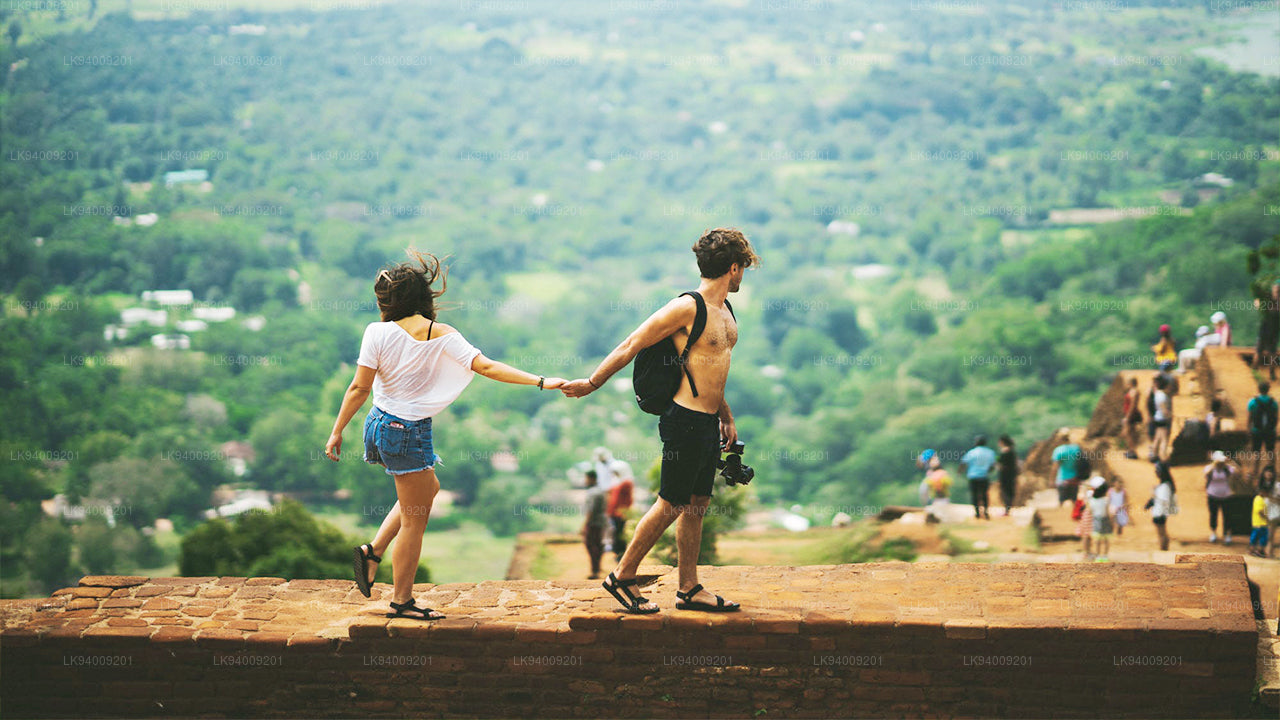
Namunukula


Namunukula est une chaîne de montagnes située près de Badulla, la capitale de la province d’Uva dans les hautes terres du sud-est du Sri Lanka. Avec une altitude de 2 035 mètres au-dessus du niveau de la mer, elle fait partie des 12 plus hautes montagnes du pays et constitue le point culminant de la partie orientale de la chaîne montagneuse méridionale, qui s’étend de Siri Pada (pic d’Adam) à l’ouest jusqu’à Namunukula à l’est. La montagne domine les régions de Spring Valley et de Passara, connues pour leurs plantations de thé, et fait partie intégrante de la célèbre région de culture du thé d’Uva, qui s’étend sur environ 40 km depuis Horton Plains.
Plusieurs sentiers mènent au plateau de Namunukula, dont le plus facile commence près du col entre Spring Valley et Passara. Le col est facile à trouver car une seule route traverse la vallée. Il suffit de suivre la route B97 à travers Spring Valley en direction de Demodara, de tourner à gauche au magasin situé au centre du village et de continuer sur la route secondaire presque jusqu’au sommet. Environ 300 mètres avant le col, un sentier de randonnée se détache sur la gauche. L’ascension ne nécessite pas de compétences en escalade, mais elle est physiquement exigeante en raison de la pente raide.
La zone forestière abrite des macaques, des cerfs sambar et des sangliers. Des léopards vivent également dans les hautes terres du Sri Lanka, bien qu’ils soient rarement observés. Sur le plateau sommital, d’environ 150 mètres de diamètre, se trouvent de petits sanctuaires dédiés à Bouddha, Vishnu et Ganesha. Au Sri Lanka, Vishnu est principalement vénéré par les bouddhistes cinghalais, tandis que Ganesha est davantage associé à la tradition tamoule. Comme pour le pic d’Adam, on croit en un dieu de la montagne nommé Indaka, qui protège la région.
Le nom « Namunukula » signifie « neuf sommets » en cinghalais et fait référence à l’ensemble de la chaîne de montagnes, et non uniquement à son point culminant. La chaîne s’étend sur environ 13 km du nord au sud, couvrant des zones allant de Badulla aux cols voisins. Un village situé sur le versant sud porte également le nom de Namunukula, ce qui renforce le caractère unique de cette région montagneuse pittoresque et culturellement importante des hautes terres du Sri Lanka.
Special places in Badulla
-
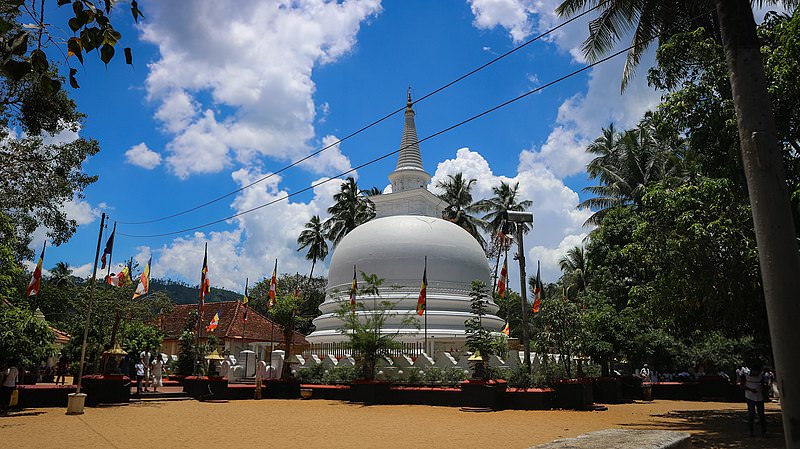 Muthiyangana Raja Maha Vihara
Muthiyanganaya Raja Maha Viharaya lies in the centre of the city of Badulla. The History of this temple goes back to the time of Buddha but this area around Badulla goes way back in to the time of 19th -18th century BCE.
-
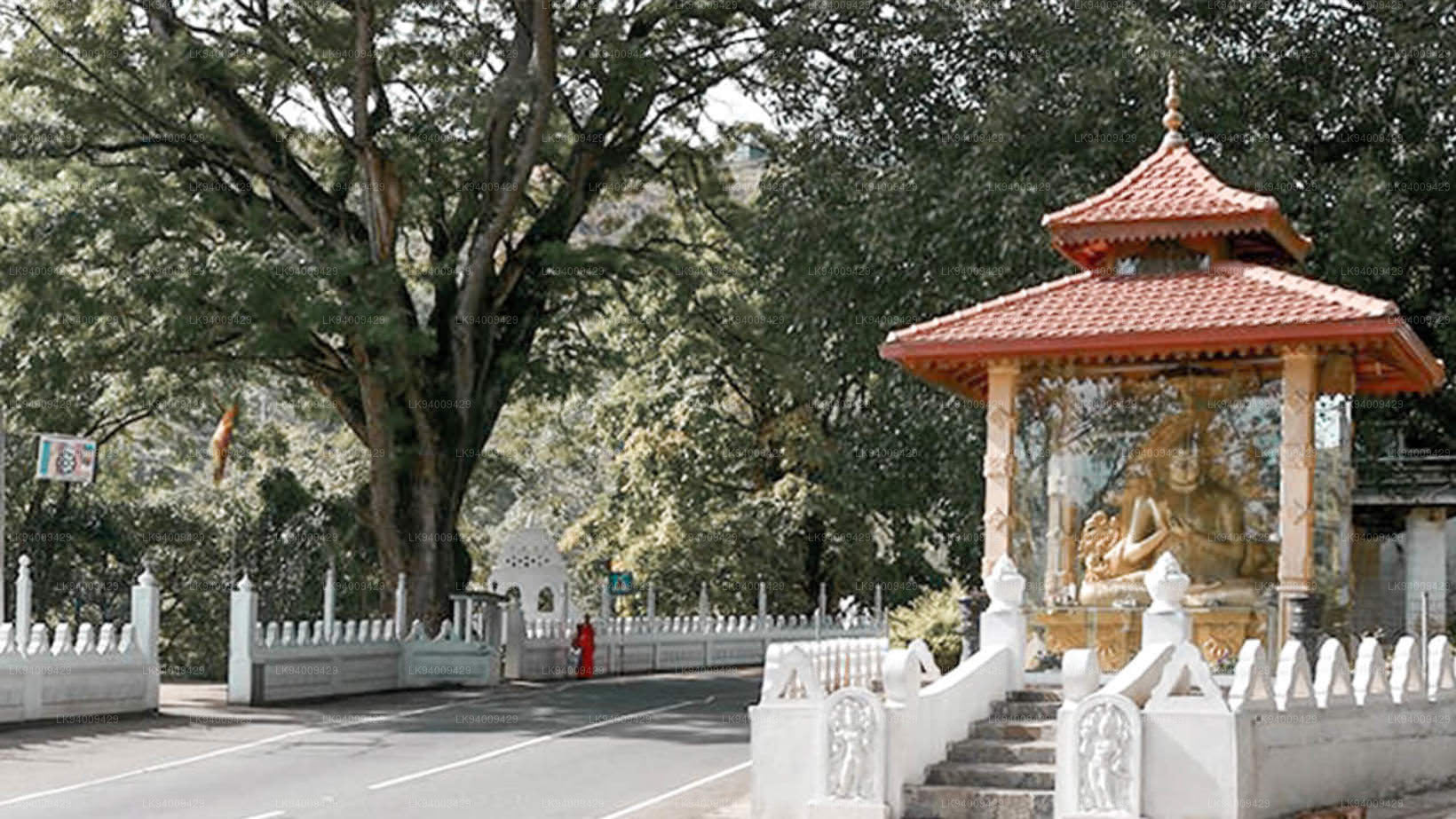 Dowa Raja Maha Viharaya
Dowa Raja Maha Viharaya (Dowa Cape Temple) lies few kilometres away from the Bandarawela town on the Bandarawela – Badulla Road. This temple is thought to be done by King Walagamba in the in first century BC.
-
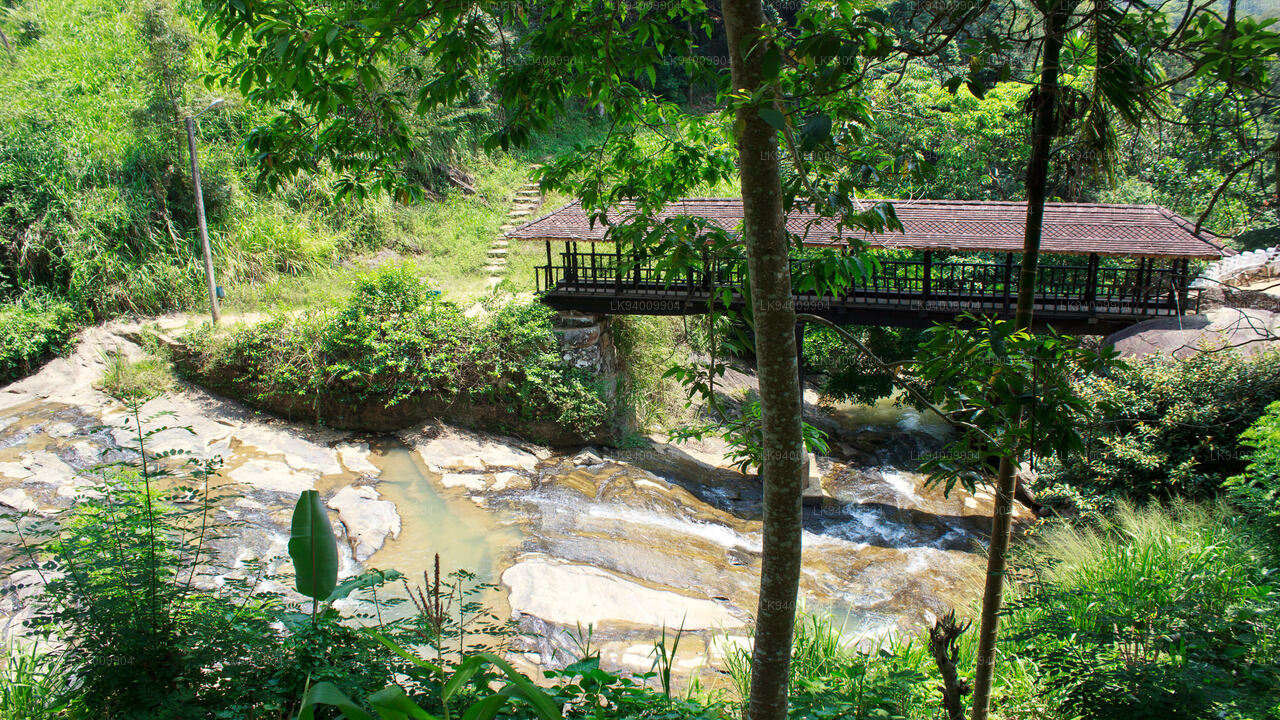 Bogoda Wooden Bridge
The Bogoda Wooden Bridge was built in the 16th century during the Dambadeniya era. This is said to be the oldest surviving wooden bridge in Sri Lanka. The bridge is situated at 7 kilometres (4.3 mi) west of Badulla.
-
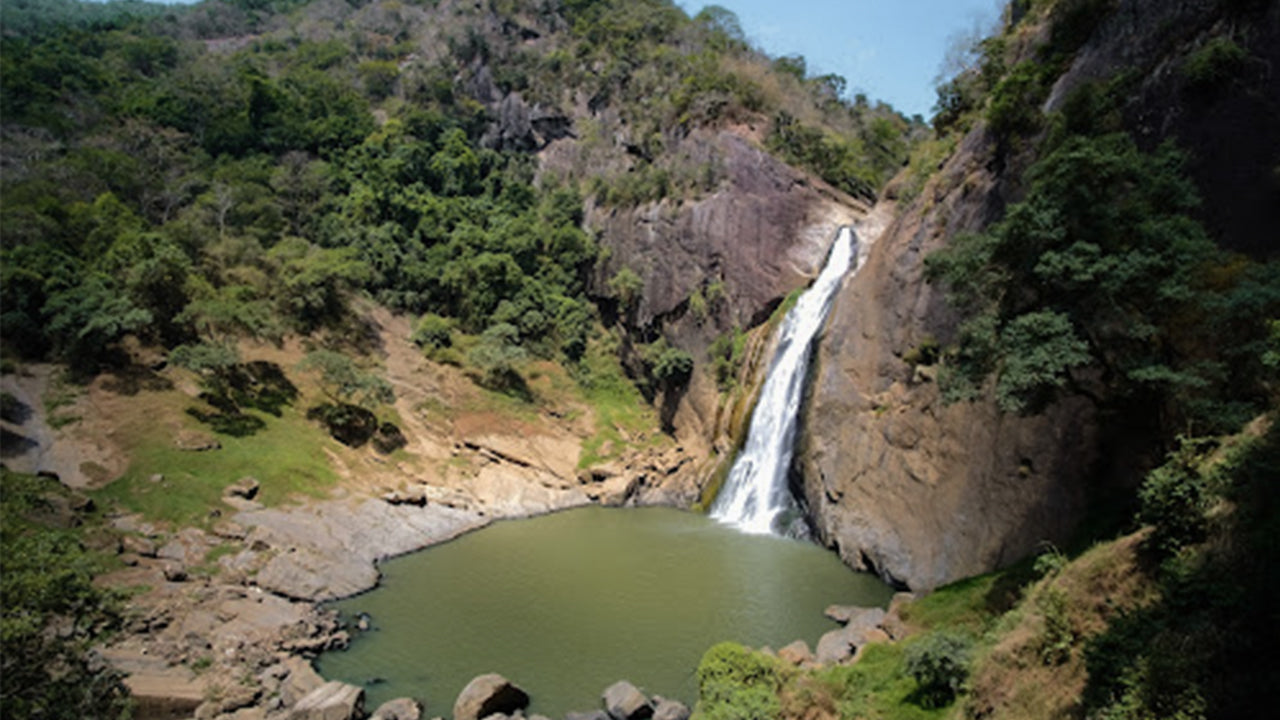 Dunhinda Falls
Dunhinda Falls is situated about 5 km away from Badulla town. It is 63 meters high and is considered to be one of the most beautiful waterfalls in Sri Lanka. The falls gets its name dew to the smoky dew drops spray.