Démodara


Demodara est une petite ville pittoresque située dans le district de Badulla dans la province de Uva, Sri Lanka. Connue pour ses paysages époustouflants et son histoire riche, Demodara est un joyau caché qui offre une escapade tranquille dans la nature et la culture traditionnelle sri lankaise.
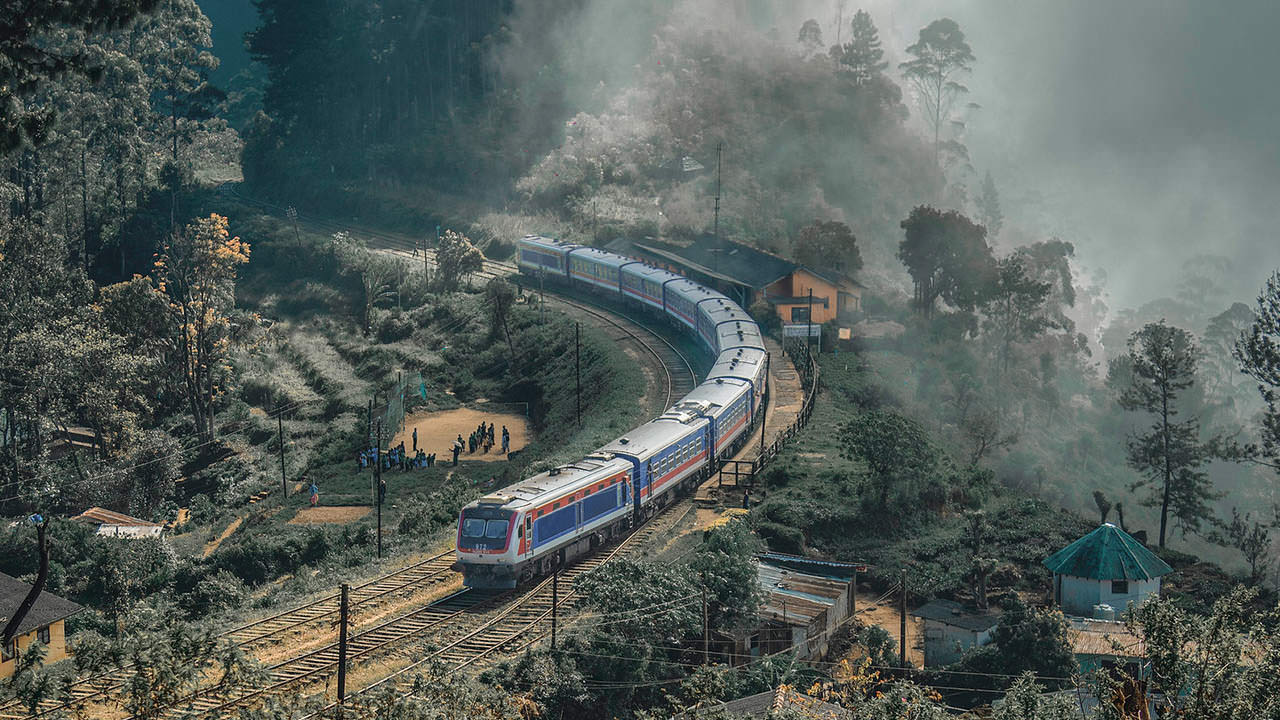
L'une des attractions les plus emblématiques de Demodara est le Pont des neuf arches. Ce colossal pont ferroviaire, construit pendant la période coloniale britannique, est une merveille d'ingénierie. Construit entièrement en briques, en pierres et en ciment sans l'utilisation d'acier, le pont mesure environ 300 pieds de long et se dresse à environ 80 pieds de hauteur. Il offre un spectacle spectaculaire au milieu de la végétation luxuriante et des plantations de thé qui couvrent les collines. Le pont est non seulement un endroit populaire pour les photographes et les touristes, mais il sert également de voie ferrée active, ce qui rend l'expérience de voir les trains passer encore plus excitante.
Adjacent au Pont des neuf arches, se trouve la Demodara Loop, un autre exploit d'ingénierie où la ligne de chemin de fer boucle sur elle-même à travers un tunnel sous la station de Demodara. Cette boucle est unique car la station est située directement au-dessus du tunnel, un design nécessaire en raison des fortes pentes de la région et de la nécessité de maintenir une pente gérable pour les trains.
La ville elle-même est entourée de collines ondulantes et de plantations de thé, offrant des opportunités pour des randonnées et de l'exploration. Les visiteurs peuvent profiter de promenades dans les plantations de thé, apprendre la production du thé et goûter du thé de Ceylan frais directement à la source. Le climat frais et l'environnement serein font de Demodara un endroit idéal pour se détendre et se ressourcer.
Les expériences culturelles à Demodara incluent la visite de villages locaux et l'interaction avec la communauté, où les invités peuvent s'immerger dans la vie quotidienne des habitants et comprendre leurs traditions et coutumes.
Dans l'ensemble, Demodara n'est pas seulement un lieu de beauté pittoresque et d'intérêt architectural, mais aussi un endroit qui offre une immersion profonde dans l'héritage naturel et culturel du Sri Lanka. Que ce soit en marchant à travers la verdure luxuriante, en admirant les merveilles de l'ingénierie ou en profitant de l'hospitalité chaleureuse sri lankaise, Demodara offre une expérience complète et enrichissante à tous ceux qui la visitent.


Special places in Badulla
-
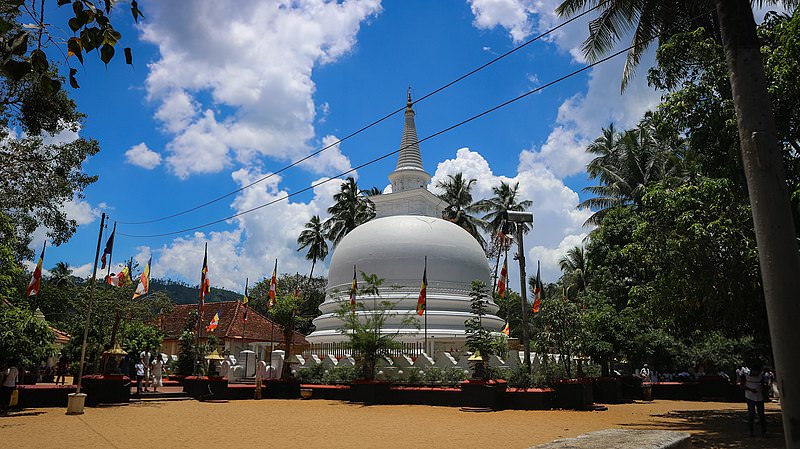 Muthiyangana Raja Maha Vihara
Muthiyanganaya Raja Maha Viharaya lies in the centre of the city of Badulla. The History of this temple goes back to the time of Buddha but this area around Badulla goes way back in to the time of 19th -18th century BCE.
-
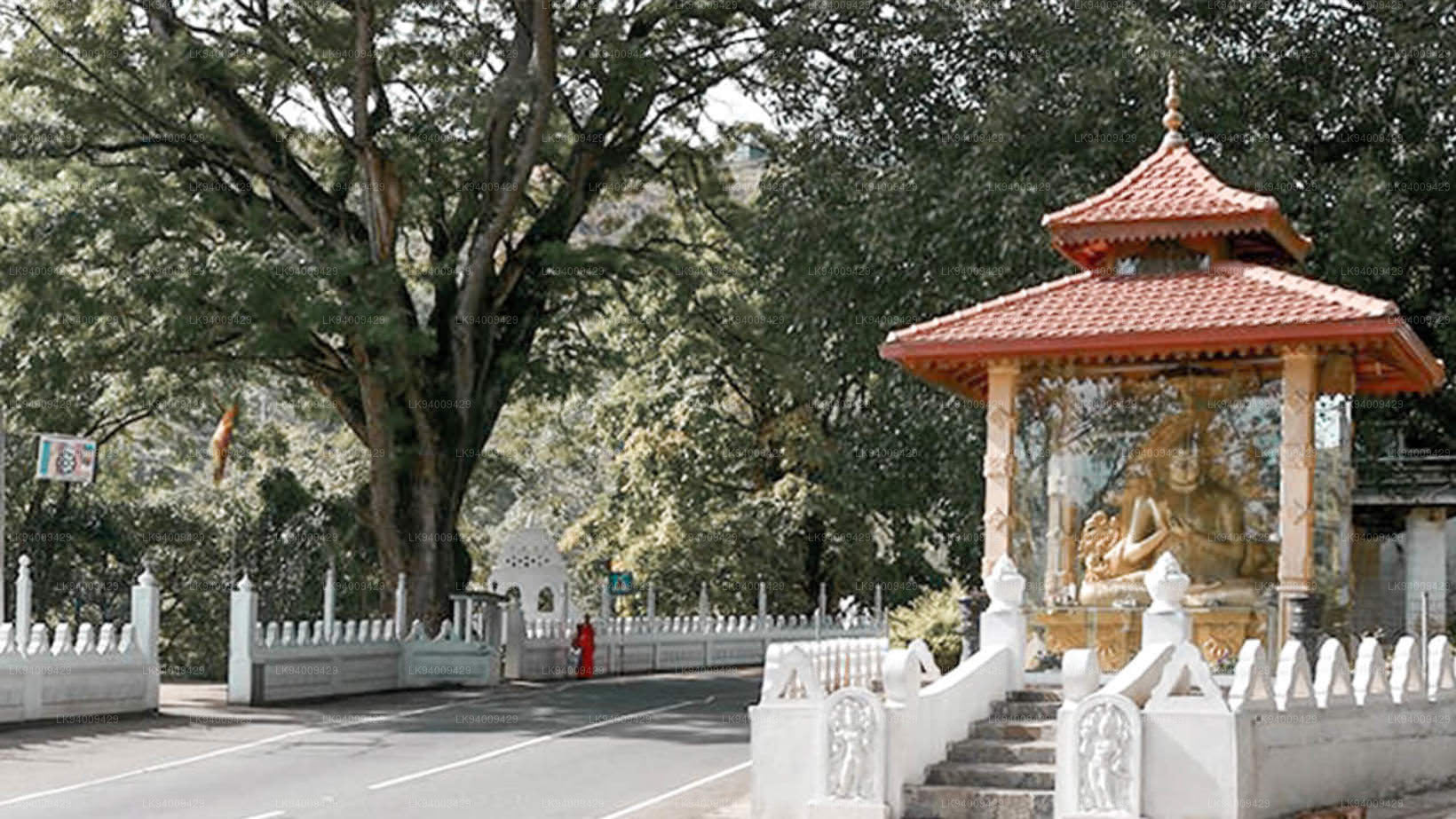 Dowa Raja Maha Viharaya
Dowa Raja Maha Viharaya (Dowa Cape Temple) lies few kilometres away from the Bandarawela town on the Bandarawela – Badulla Road. This temple is thought to be done by King Walagamba in the in first century BC.
-
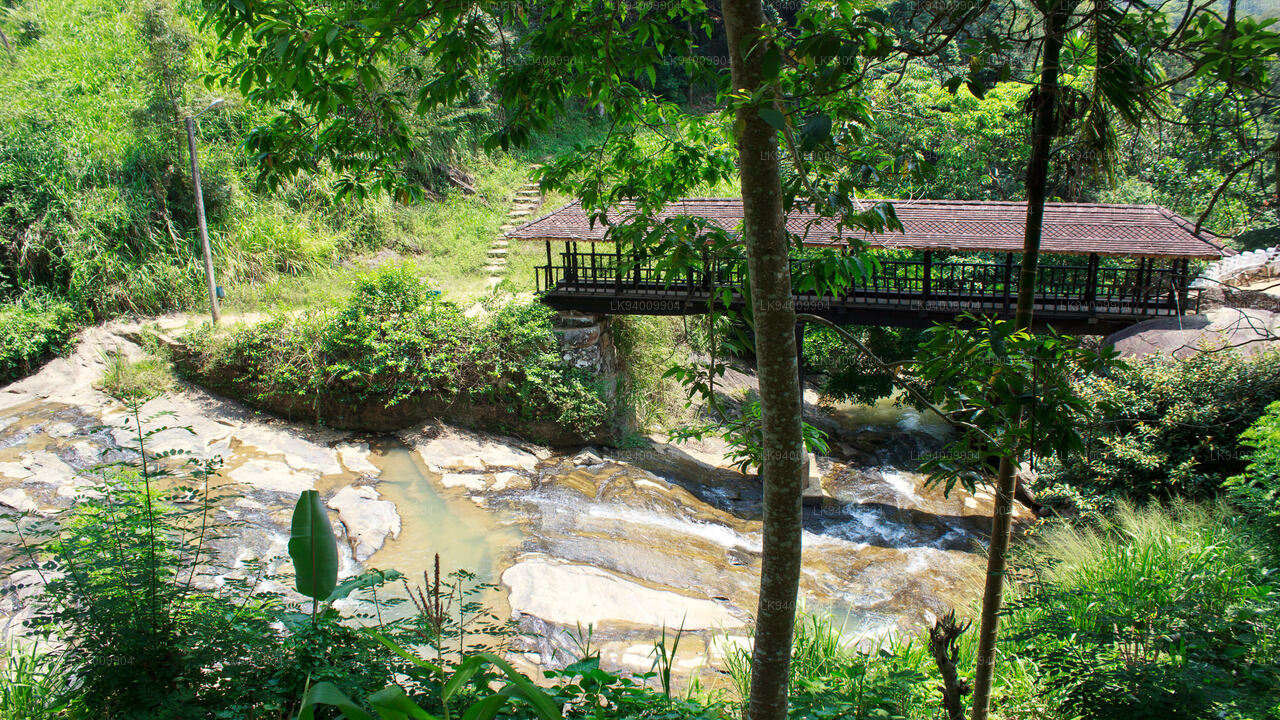 Bogoda Wooden Bridge
The Bogoda Wooden Bridge was built in the 16th century during the Dambadeniya era. This is said to be the oldest surviving wooden bridge in Sri Lanka. The bridge is situated at 7 kilometres (4.3 mi) west of Badulla.
-
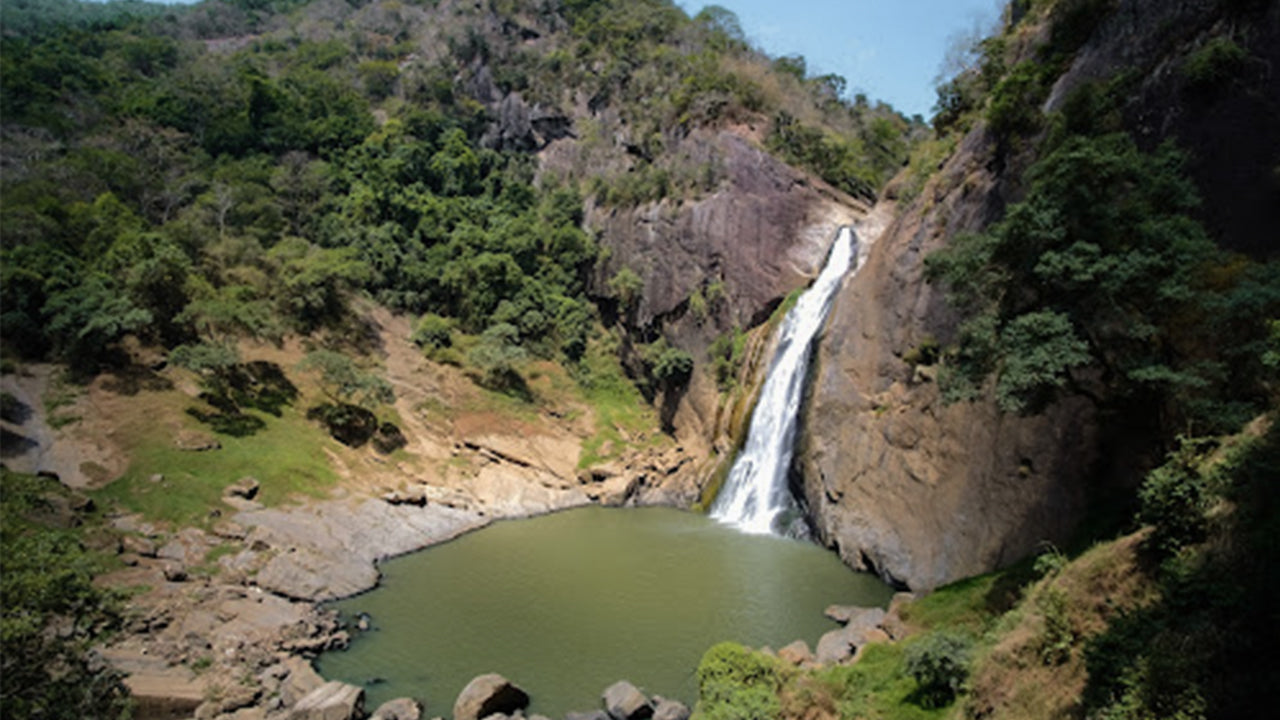 Dunhinda Falls
Dunhinda Falls is situated about 5 km away from Badulla town. It is 63 meters high and is considered to be one of the most beautiful waterfalls in Sri Lanka. The falls gets its name dew to the smoky dew drops spray.