Ville de Jaffna
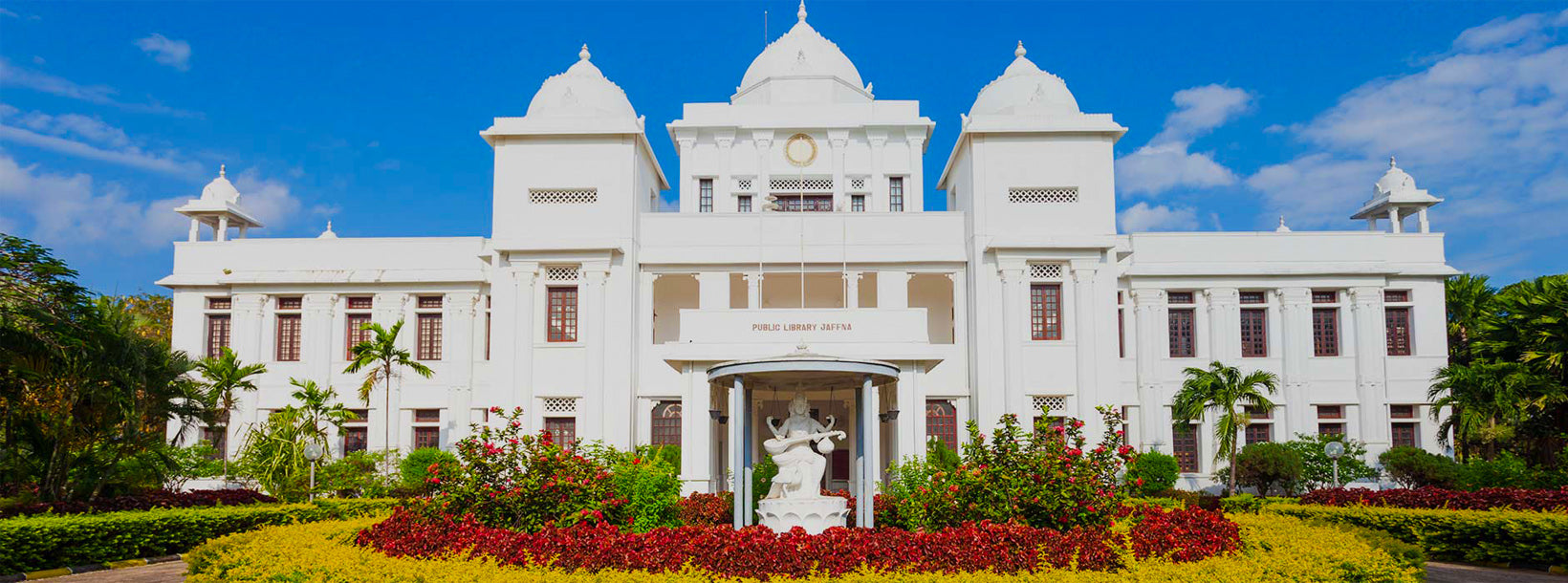
Jaffna est la principale ville de la péninsule de Jaffna, située dans le district le plus septentrional du Sri Lanka. Des bus interurbains confortables en provenance de Colombo mettent entre 10 et 12 heures pour rejoindre Jaffna.
Nallur Kandaswamy Kovil
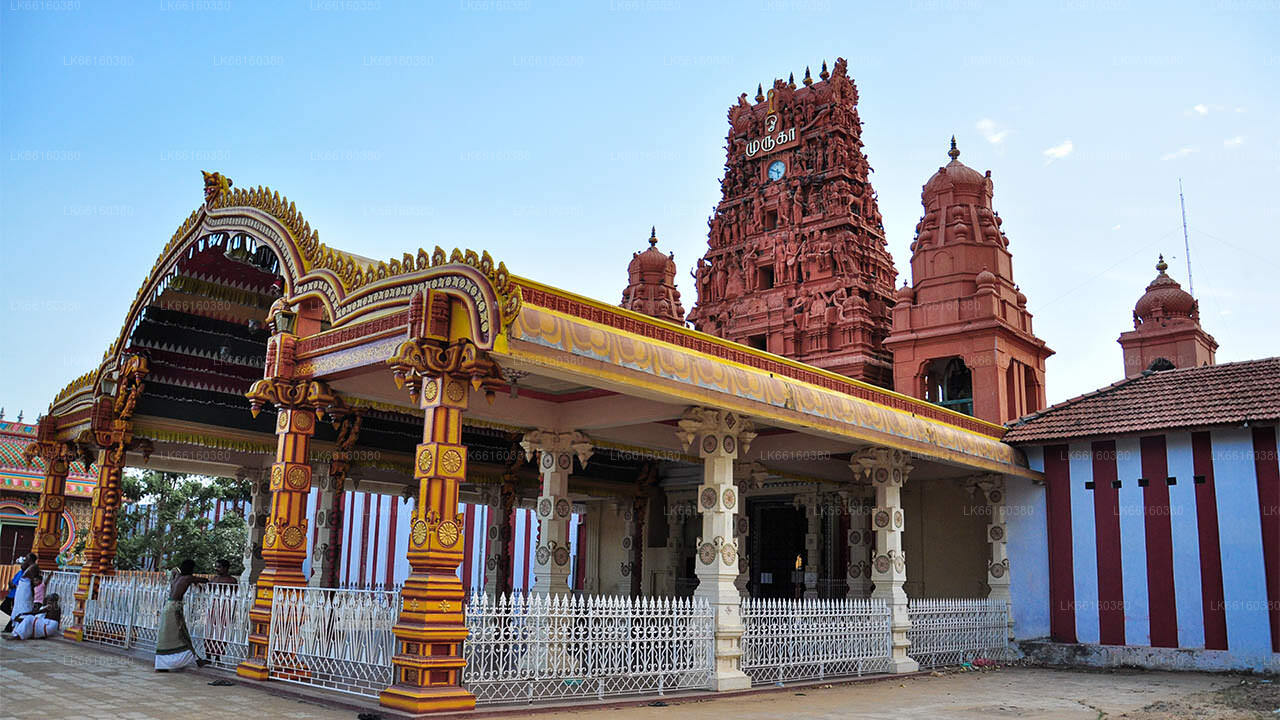
In the hot arid lands of Nallur, in Jaffna, rises the majestic Hindu temple for Skanda/ Murugan – the god of love, war and beauty. It has reigned over the land for centuries, attracting devotees from various walks of life. The temple itself embodies a kind of peace that can only be felt in the most divine of places.
History
The temple was originally founded in 948 AD. However, it reached fame when it was rebuilt in the 13th century by Puvaneka Vaahu, a minister of the Jaffna King Kalinga Maha. The Nallur Kandaswamy Temple was built for a third time by Senpaha Perumal (a.k.a Sapumal Kumaraya) who was the adopted son of the Kotte king. Nallur served as the capital of the kings of Jaffna, and was a highly defensive fort and city. There were courtly buildings, the palaces, businesses and much more.
The third built temple was destroyed by the Portuguese in 1624 AD; and many churches built over the ruins. The location of the original temple is now covered by the St James Church, Nallur. Part of the original Sivalingam from the temple remained in the vicarage, but was destroyed during the recent civil war. Now only the platform where it was mounted remains.
The current temple was built in 1734 AD by Don Juan. However, the ‘Golden Era’ of the Nallur Temple began in the latter 1890s with the takeover of the temple administration by Arumuga Maapaana Mudaliyar; who started renovating it to bring it back to its earlier magnificence.
Design
Created in the ways of the ancient temple cities of Madura and Padaliputra in India; the town of Nallur too revolves around this temple.
- The cities had four entrances with temples at each gate.
- There were outer circles where the commoners resided and businesses flourished, inner circles where highly placed nobles resided.
- The walls of the temple then rose, resembling the towers (in this case kopurams) and palisades of a fort.
- Within these walls were the outer courtyard, the holy bathing well (theertha keni), the residences of the priests, the inner temple, and smaller shrines for lesser deities.
- The inner temple itself was large; and contained the inner courtyard, the central shrine or mulasthanam, shrines for other major gods and goddesses, the dance hall, the conference hall, and many other such elements.
While the original Nallur Kandaswamy Temple was on this same grand scale; the current temple is on a much smaller scale when considering area, whilst still being one of the largest and historically accurate temples still existing in Sri Lanka. The temple has four kopurams, a rarity nowadays; including a massive golden-ochre Rajakopuram standing approximately seven stories (22-25m) tall. Some of the kopurams were built within the last decade. The inner and outer circles usually function as normal roads; except during the temple’s elaborate festival. With beautiful sculptures and architecture created by architects brought in from India; the temple is a visual delight that is best seen directly.
Guidelines on visiting the Nallur Kandaswmy Temple.
- The temple has a large courtyard; don’t forget remove your shoes and wash your feet at the outer well before you enter.
- You bring items such as flowers, fruits, camphor and such to offer to the shrines. These can be bought from shops opposite the temple; but everything except camphor and incense must be washed outside before offering.
- Men are not allowed to wear any other garments above waist level within the temple, as has been the Hindu custom from ancient d
À propos du district de Jaffna
Jaffna est la capitale de la province du Nord, au Sri Lanka. 85 % de la population des districts de Jaffna et de Kilinochchi est hindoue et suit la tradition shivaïte. Le reste de la population est majoritairement catholique ou protestant, dont certains sont des descendants de colons, appelés Burghers. Les Tamouls sont organisés en castes, les Vellalar, caste d'agriculteurs, étant majoritaires. Les produits de la mer, les oignons rouges et le tabac constituent les principales productions à Jaffna.
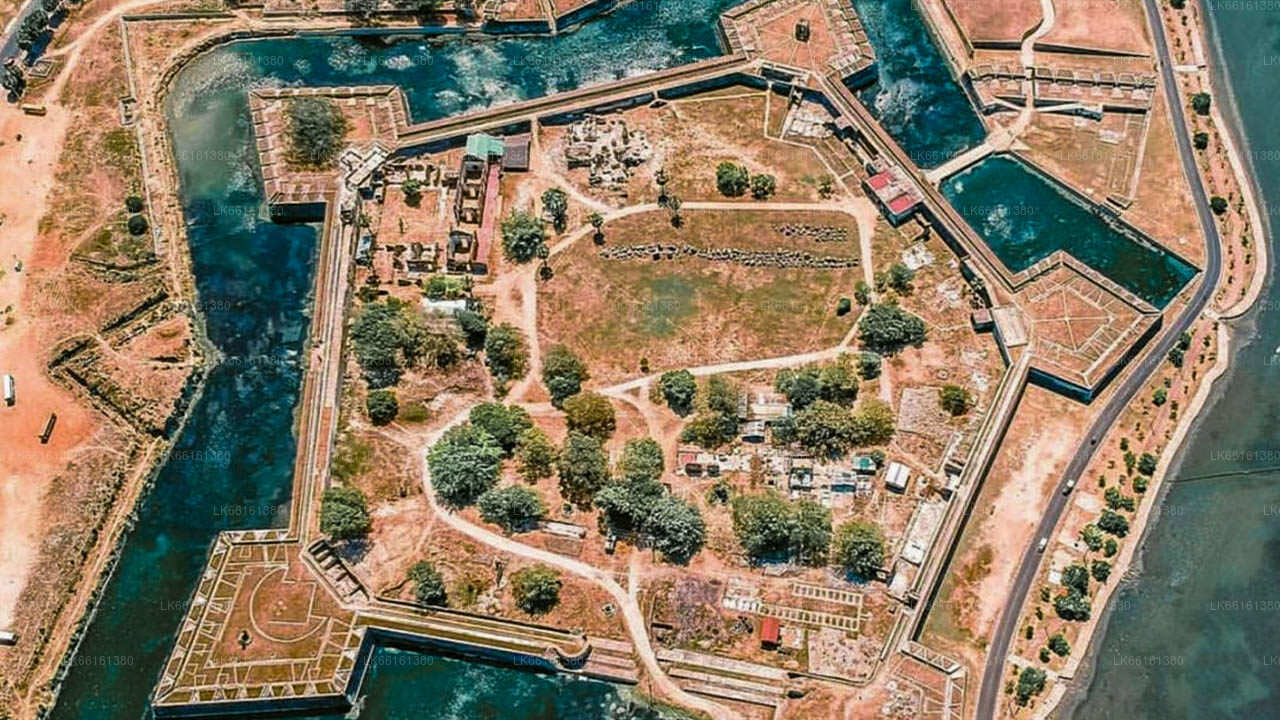
Jaffna abrite de magnifiques temples hindous. Un ancien fort hollandais, remarquablement bien conservé, abrite une vieille église. La Maison du Roi est un autre exemple d'architecture hollandaise. Une visite à Jaffna ne saurait être complète sans avoir goûté à l'exquise mangue de Jaffna, réputée pour sa douceur. À environ 3 km se dresse le majestueux temple de Nallur Kandaswamy, où se déroule le plus grand festival religieux de Jaffna. Le port de Kayts est un ancien site d'amarrage de navires dans la région de Jaffna.
À propos de la province du Nord
La province du Nord est l'une des neuf provinces du Sri Lanka. Bien que les provinces existent depuis le XIXe siècle, elles n'ont acquis de statut juridique qu'en 1987, lorsque le 13e amendement à la Constitution de 1978 a institué les conseils provinciaux. Entre 1988 et 2006, la province a été temporairement fusionnée avec la province de l'Est pour former la province du Nord-Est. Sa capitale est Jaffna.
La province du Nord est située au nord du Sri Lanka, à seulement 35 km de l'Inde. Elle est bordée par le golfe de Mannar et la baie de Palk à l'ouest, le détroit de Palk au nord, le golfe du Bengale à l'est et les provinces de l'Est, du Centre-Nord et du Nord-Ouest au sud. La province compte de nombreuses lagunes, dont les plus importantes sont les lagunes de Jaffna, Nanthi Kadal, Chundikkulam, Vadamarachchi, Uppu Aru, Kokkilai, Nai Aru et Chalai. La plupart des îles qui entourent le Sri Lanka se trouvent à l'ouest de la province du Nord. Les plus grandes sont Kayts, Neduntivu, Karaitivu, Pungudutivu et Mandativu.
La population de la province du Nord s'élevait à 1 311 776 habitants en 2007. Elle est majoritairement composée de Tamouls sri-lankais, avec une minorité de Maures sri-lankais et de Cinghalais. Le tamoul sri-lankais est la langue principale parlée par la grande majorité de la population. Le cinghalais est parlé par 1 % de la population. L'anglais est largement parlé et compris dans les villes.