Foyer de transit pour éléphants (ETH)

Elephant Transit Home Elephant Transit Home Elephant Transit Home

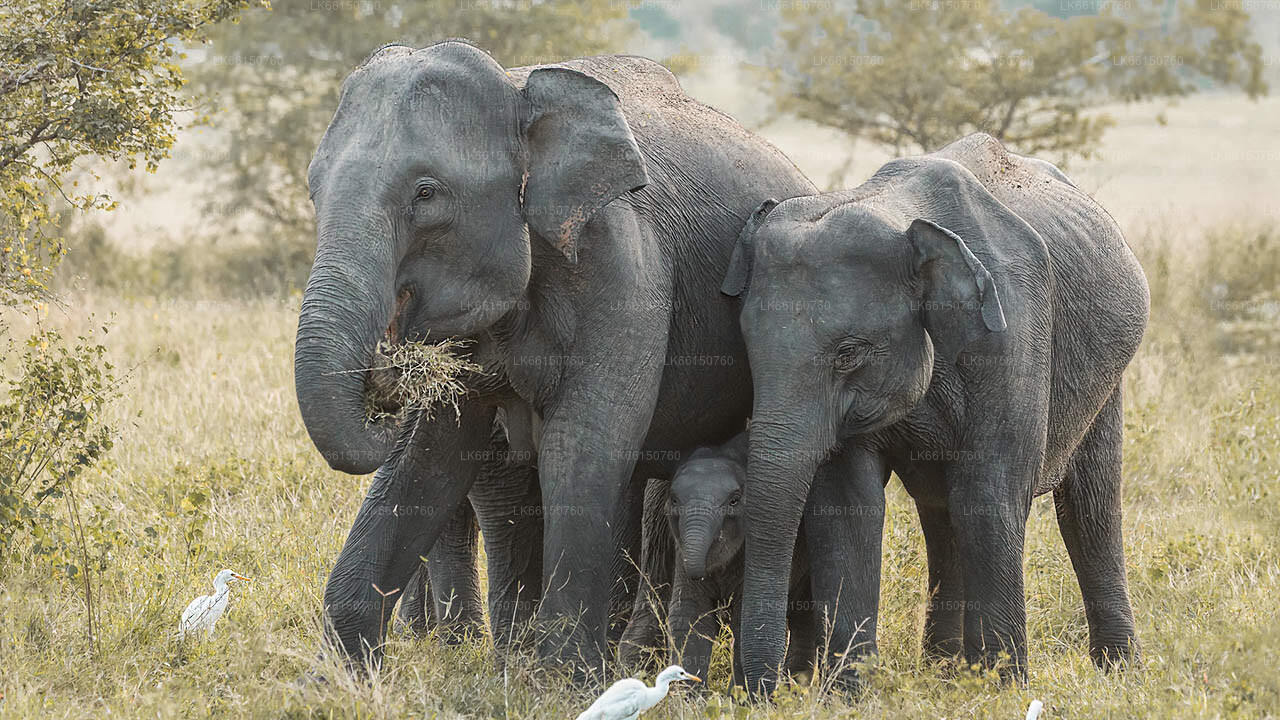
Ath Athuru Sevana (Maison de Transit des Éléphants) a été créée en 1995 par le Département de la faune au Parc national d'Udawalawe, se concentrant sur les soins et la réhabilitation des éléphants orphelins. Malgré les doutes initiaux, cette initiative, dirigée par le Dr Nandana Atapattu, est devenue un centre de réhabilitation d'animaux sauvages de renommée mondiale, offrant un refuge sûr pour plus de 250 éléphants.

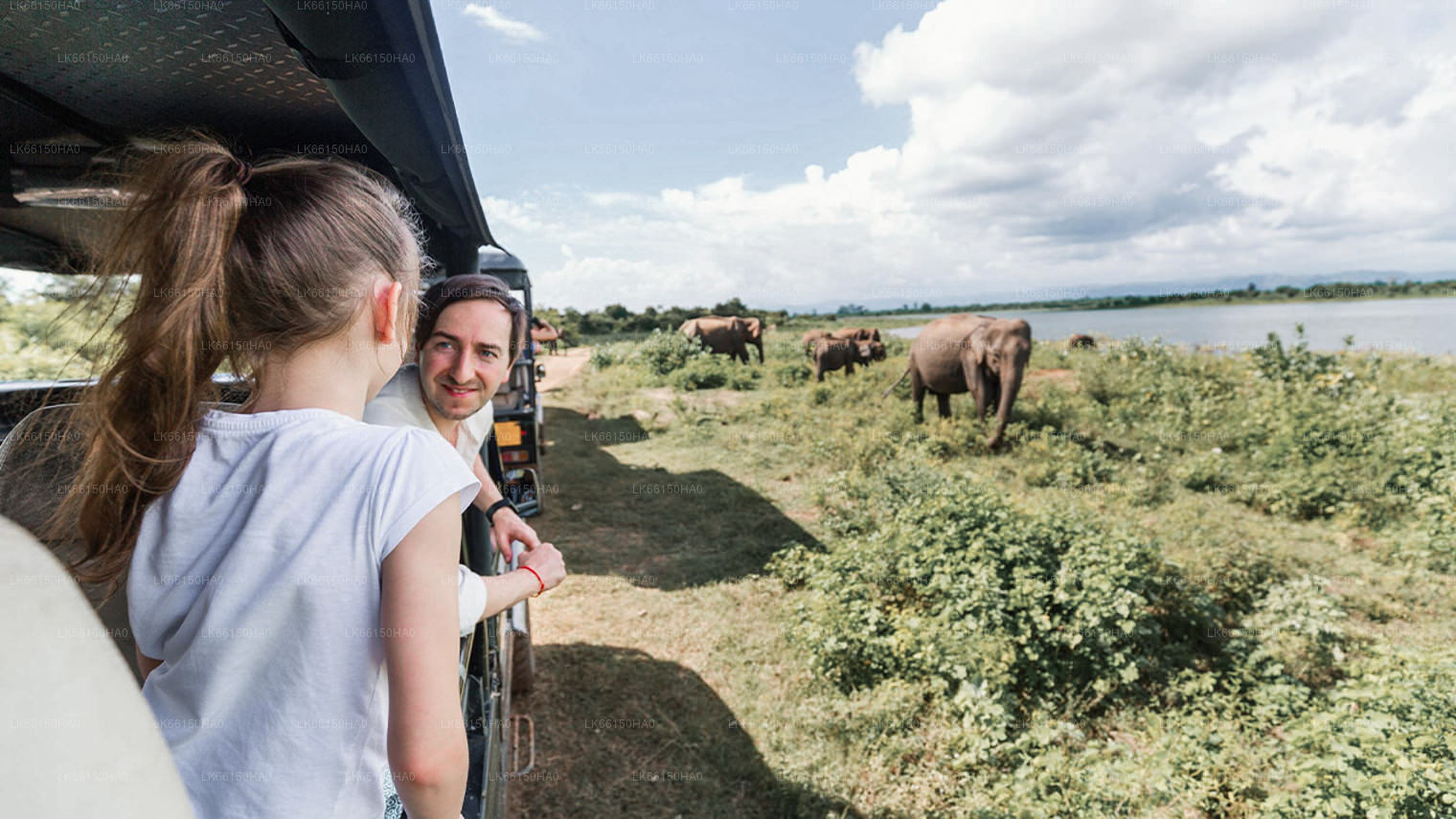
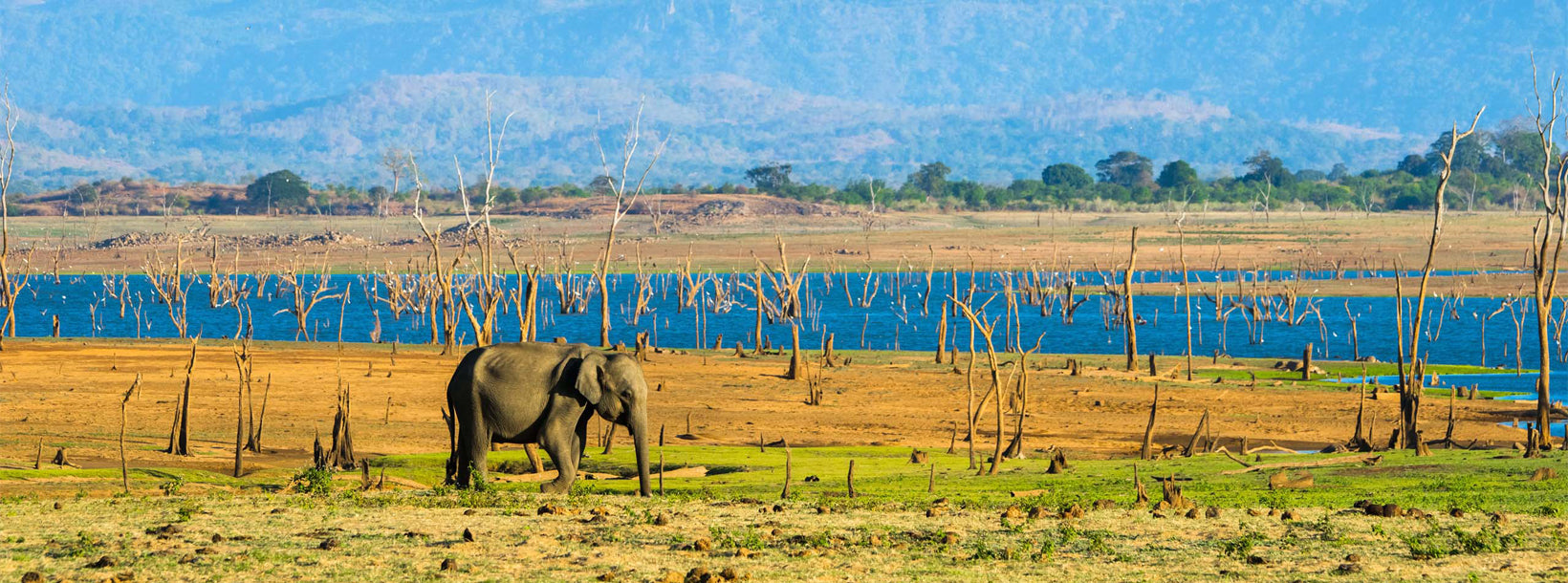
Situé à la limite ouest du Parc national d'Udawalawe, qui couvre 33 000 hectares, ETH offre un vaste espace ouvert pour que les éléphants puissent se déplacer librement. Le réservoir voisin d'Udawalawe offre un environnement dynamique, soutenant à la fois les petits éléphants et les éléphants sauvages qui visitent occasionnellement. Les niveaux d'eau fluctuants créent un habitat diversifié, essentiel pour le développement naturel des éléphants.

Le premier éléphant, une femelle de un an nommée Komali, a été amenée à ETH après avoir été trouvée seule dans la région de Meegalawa dans le district d'Anuradhapura. Depuis lors, ETH a soigné plus de 250 éléphants orphelins, les libérant dans la nature à l'âge de cinq ans lorsqu'ils sont capables de survivre indépendamment dans leur habitat naturel.

L'alimentation et les soins de santé sont des aspects essentiels du processus de réhabilitation à ETH. Les jeunes éléphants sont nourris avec un lait spécialement formulé, avec des soins individuels pour traiter les problèmes de santé tels que les problèmes digestifs ou l'intolérance au lait. Des alternatives comme le lait de soja, le bouillon de riz ou le Jeevanee sont proposées si nécessaire. ETH fonctionne toute l'année avec des séances de nourrissage toutes les trois heures. Les visiteurs peuvent assister aux séances de nourrissage à 9h, 12h, 15h et 18h.

La mission principale d'ETH est de préparer les éléphants à la vie sauvage en minimisant le contact humain pendant leur réhabilitation. Ce processus encourage les jeunes éléphants à établir des liens entre eux, garantissant qu'ils sont socialement préparés à leur libération. Après la libération, la santé et les mouvements des éléphants sont surveillés pour garantir leur transition réussie vers la nature.

Elephant Transit Home Elephant Transit Home Elephant Transit Home

About Ratnapura District

Ratnapura is the provincial capital of Sabaragamuwa Provinceof Sri Lanka and the Ratnapura District in which the town is situated. Located some 101 km south east of Colombo, it is the centre of a long-established industry of precious stone mining including rubies, sapphires, and other gems. Apart from gem mining, the town is known for rice and fruit cultivations. Large plantations of tea and rubber surround the town. Tea grown in this region is called low-country tea. There is a well-established tourism industry in Ratnapura. Sinharaja Forest Reserve, Udawalawe National Park, Kitulgala, and Sri pada are especially popular among tourists.

Most of the large-scale gem businessmen of Sri Lanka operate from Ratnapura. The Rattnapura town depends on the gem trade. The town's agricultural industry is also well developed. Large plantations of tea and rubber surround the town. Although rice fields also used to be a common sight around the town, rice cultivation presently faces an uncertain future in Ratnapura because many farmers are giving up their rice cultivation and switching to gem mining which is a more productive way of earning money.

Special places in Ratnapura:

The mountain Sri Pada -Adam's Peak (Buddhist/Hindu/Islam)

Maha Saman Devala (Buddhist)

Delgamu Viharaya (Buddhist)

Pothgul Viharaya (Buddhist)

SS Peterand Paul's Cathedral (Catholic Church)

St. Luke's Church(Church of England)

Siva Temple (Hindu)

Jumma Mosque (Islam)

Diva Guhava (Buddha)

About Sabaragamuwa Province

The Sabaragamuwa Province of Sri Lanka contains two main cities called Ratnapura and Kegalle. At an elevation of approximately 500 feet above sea level, Ratnapura is the provincial capital of Sabargamuwa. It is 60 miles (100 km) from the main coastal city of Colombo. Province of Sabaragamuwa The gem-mining centre of Sri Lanka is also a major crossroad between southern plains and the hill country to the east.

In Sabaragamuwa province there is a route to Sri Pada from Ratnapura direction. Excursions include Sinharaja Forest Reserve and Udawalawe National Park. The route towards hill country is beautiful. The surrounding area is a popular trekking destination and a good place for bird watching.