Alstonia scholaris



Alstonia scholaris, commonly known as the Blackboard Tree or Devil’s Tree, is a tall evergreen tree native to South and Southeast Asia. It belongs to the Apocynaceae family and can reach heights of 30–40 meters. The tree is widely recognized for its straight trunk, whorled leaves, and fragrant white flowers, making it a prominent feature in tropical forests and urban landscapes.
Medicinal Uses:
The bark, leaves, and latex of Alstonia scholaris are highly valued in traditional medicine. Its bark is used to treat respiratory ailments, fever, malaria, and digestive disorders. Extracts from the tree possess anti-inflammatory, antimicrobial, and antimalarial properties, making it an important component of Ayurveda, Siddha, and other traditional healing systems.
Ecological Importance:
Alstonia scholaris plays a crucial ecological role. Its dense foliage provides shade and habitat for birds and insects. The flowers attract pollinators, while the tree contributes to soil stabilization and biodiversity in tropical ecosystems.
Cultural Significance:
In addition to its medicinal and ecological value, the Blackboard Tree holds cultural significance in several regions. It is often planted near schools and temples, symbolizing knowledge and protection. Its robust growth and majestic appearance make it a landmark in many communities.
Alstonia scholaris is part of the catalog of ayurvedic medicinal plants of Sri Lanka.



-
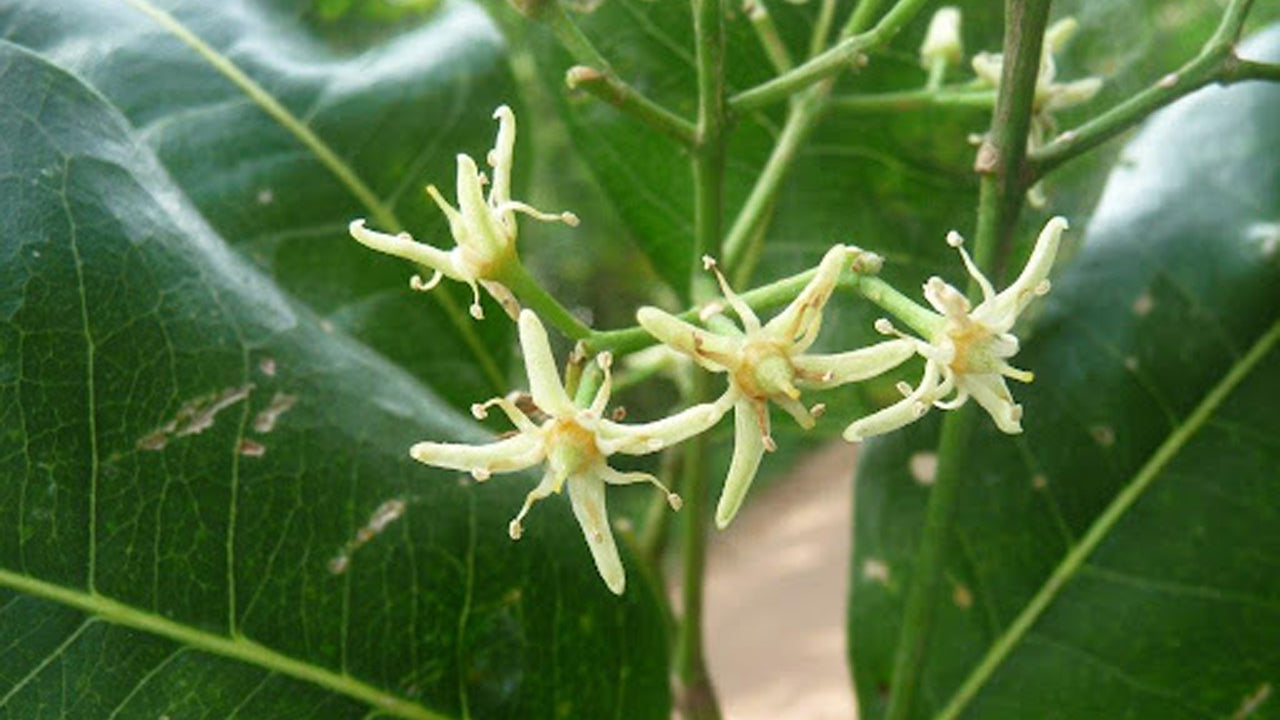
Claw-flowered laurel
Acronychia pedunculata -
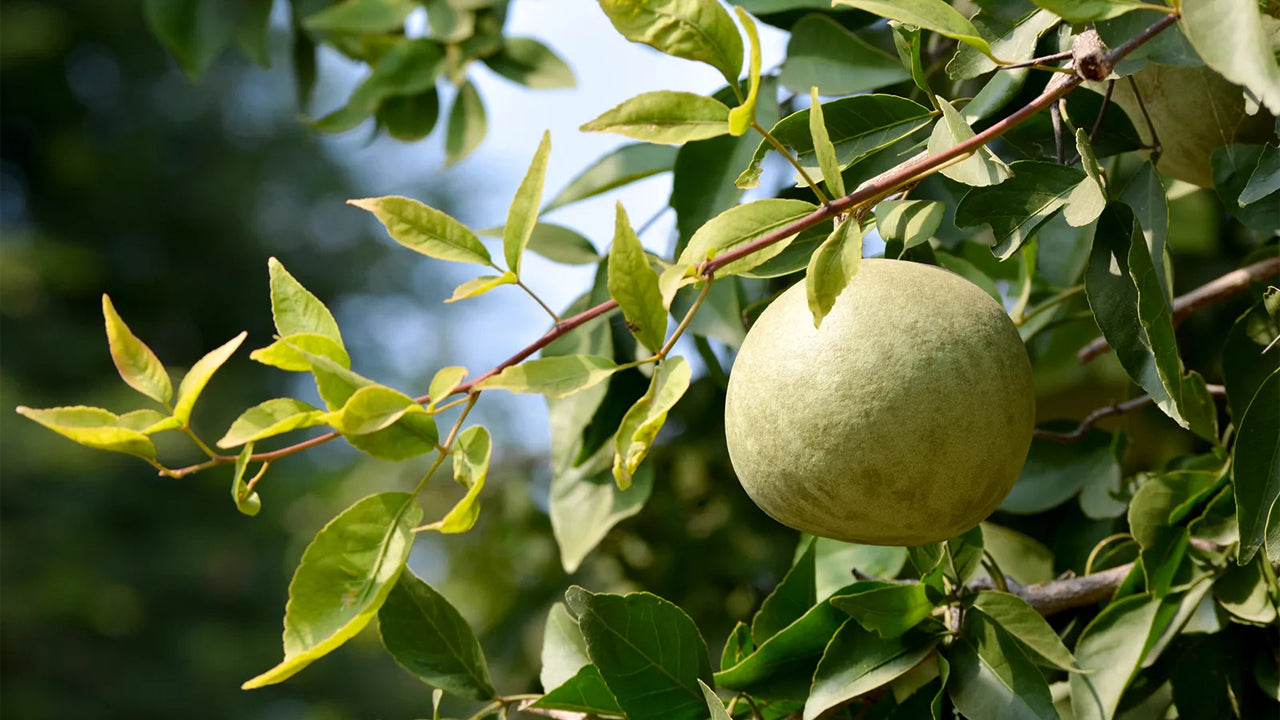
Bael
Aegle marmelos -
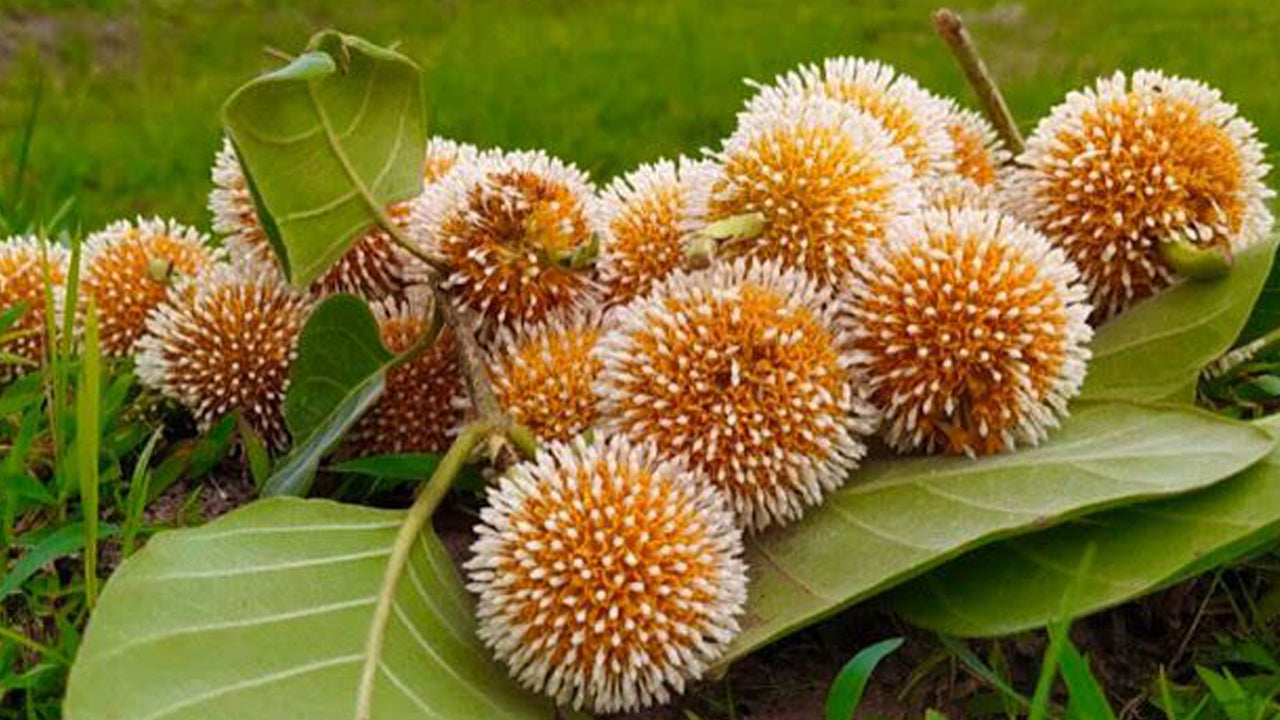
Leichhardt tree
Nauclea orientalis -
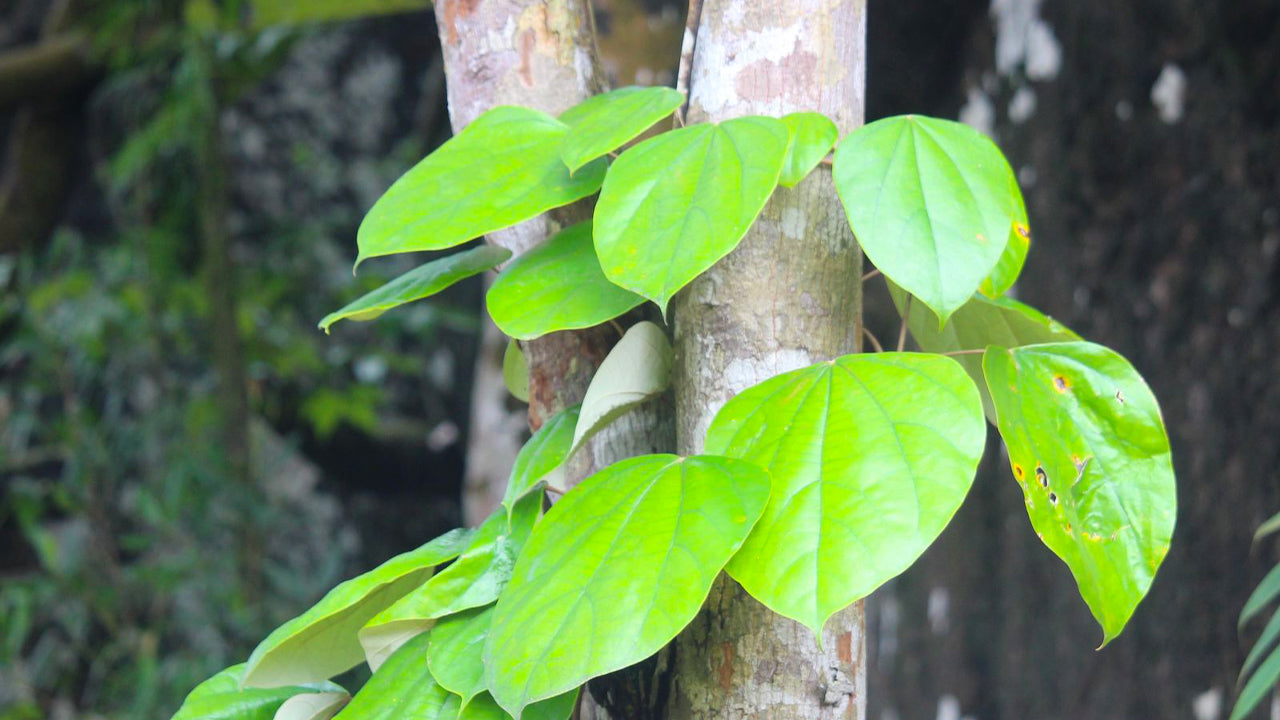
False Calumba
Coscinium fenestratum -

Malabar Gulbel
Tinospora malabarica -
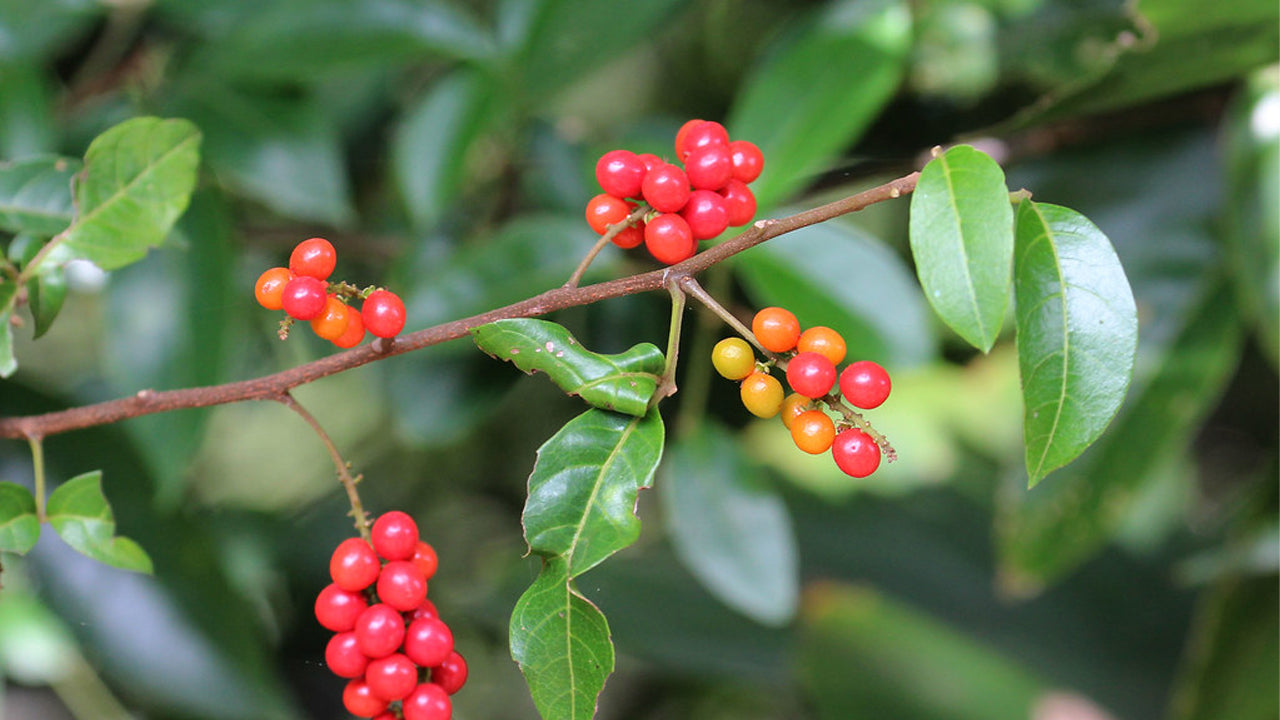
Titberry
Allophylus cobbe -
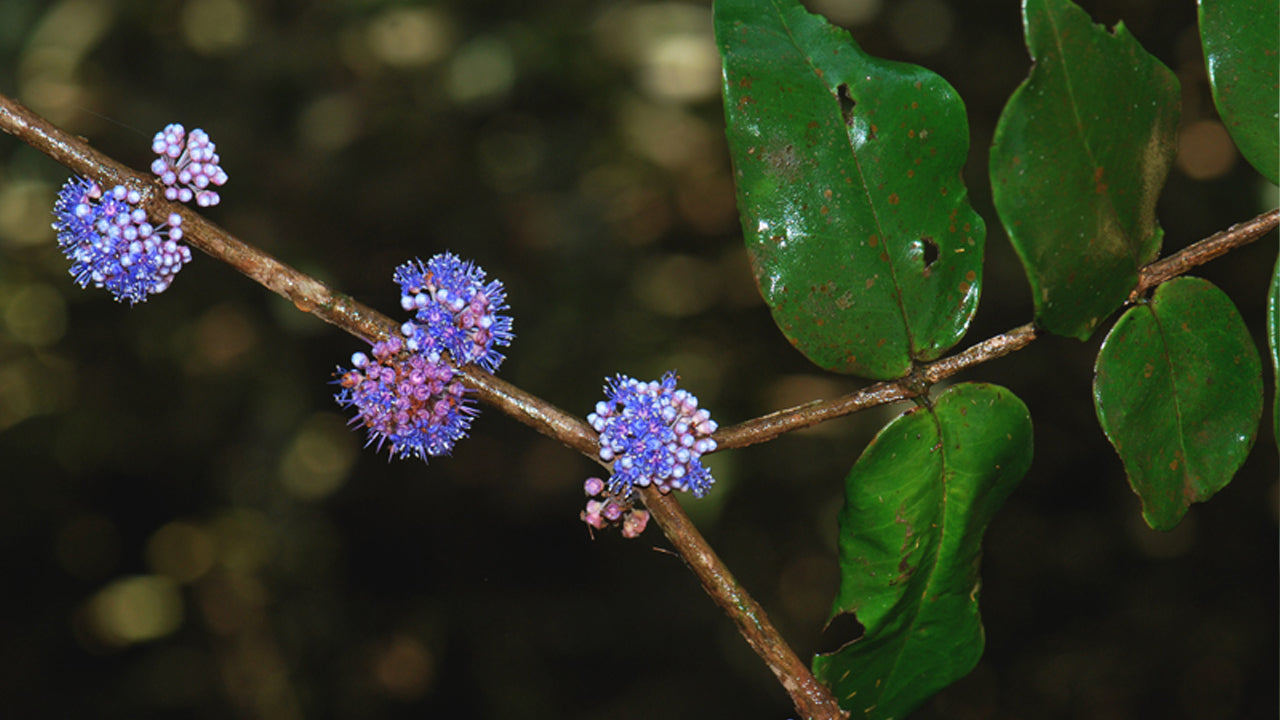
Ironwood Tree
Memecylon capitellatum -
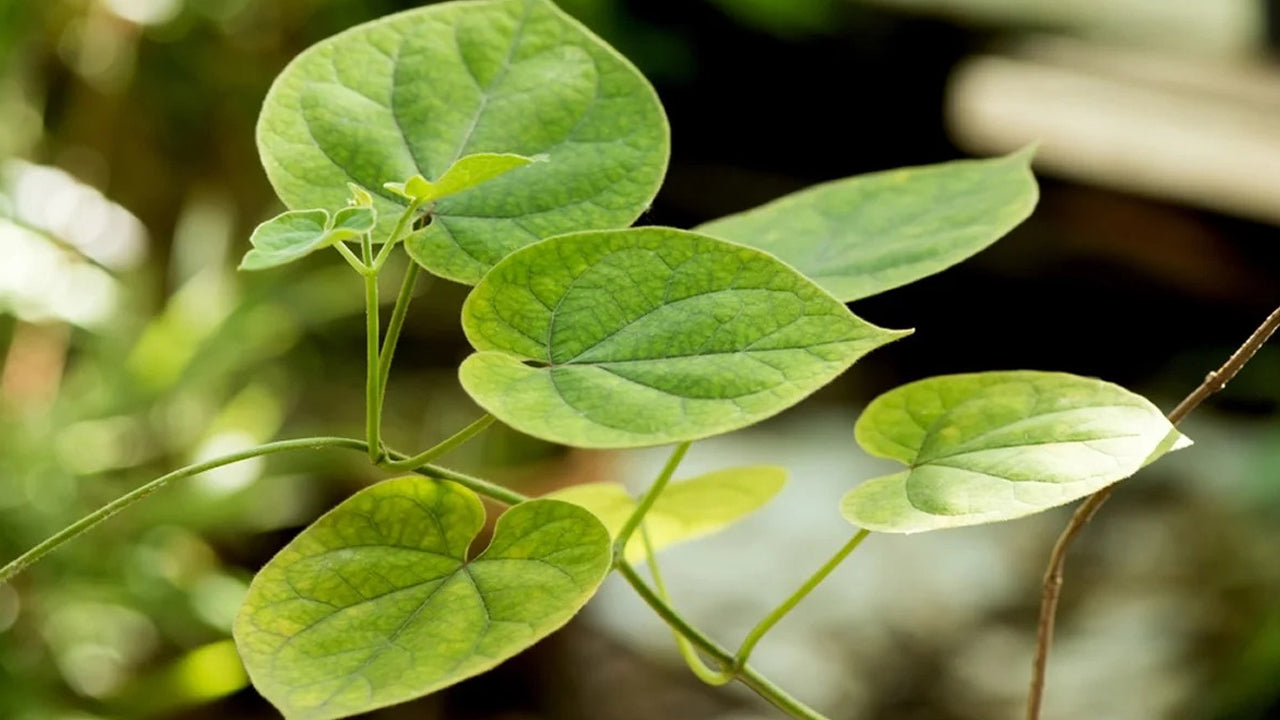
Velvet Leaf
Cissampelos pareira -
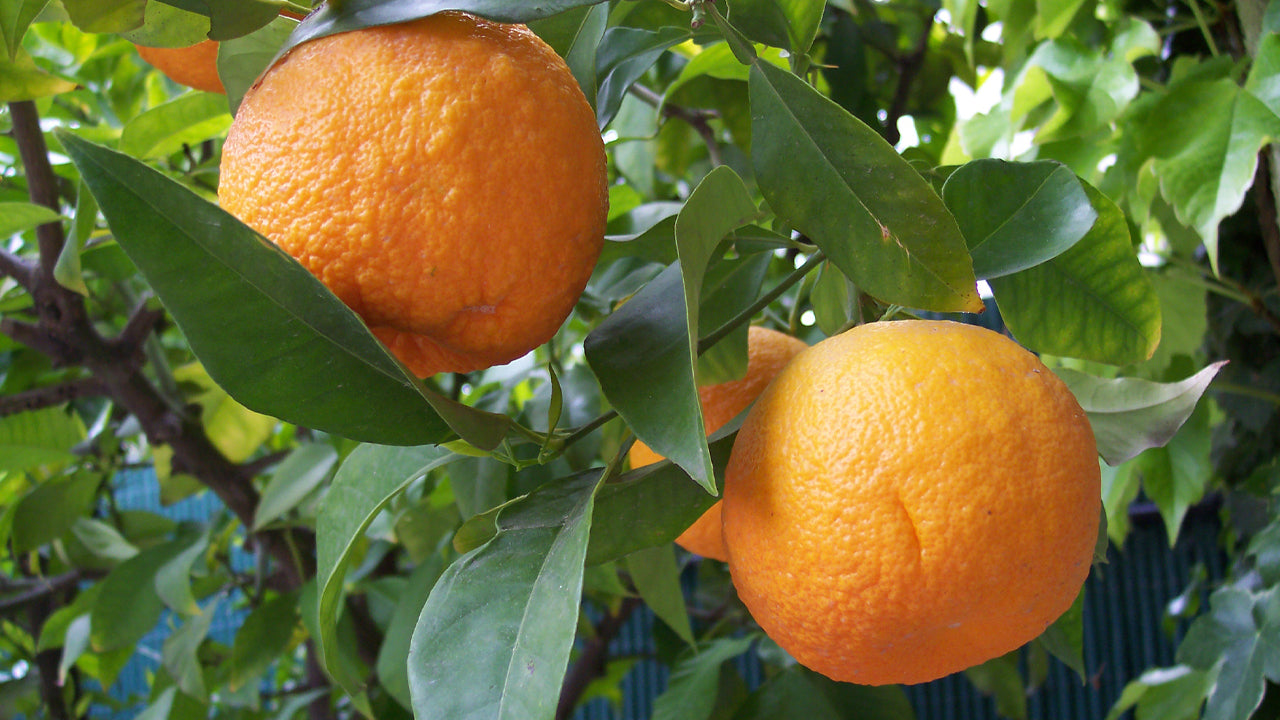
Bitter orange
Citrus aurantium -

Reinwardt's Tree Plant
Biophytun reinward -
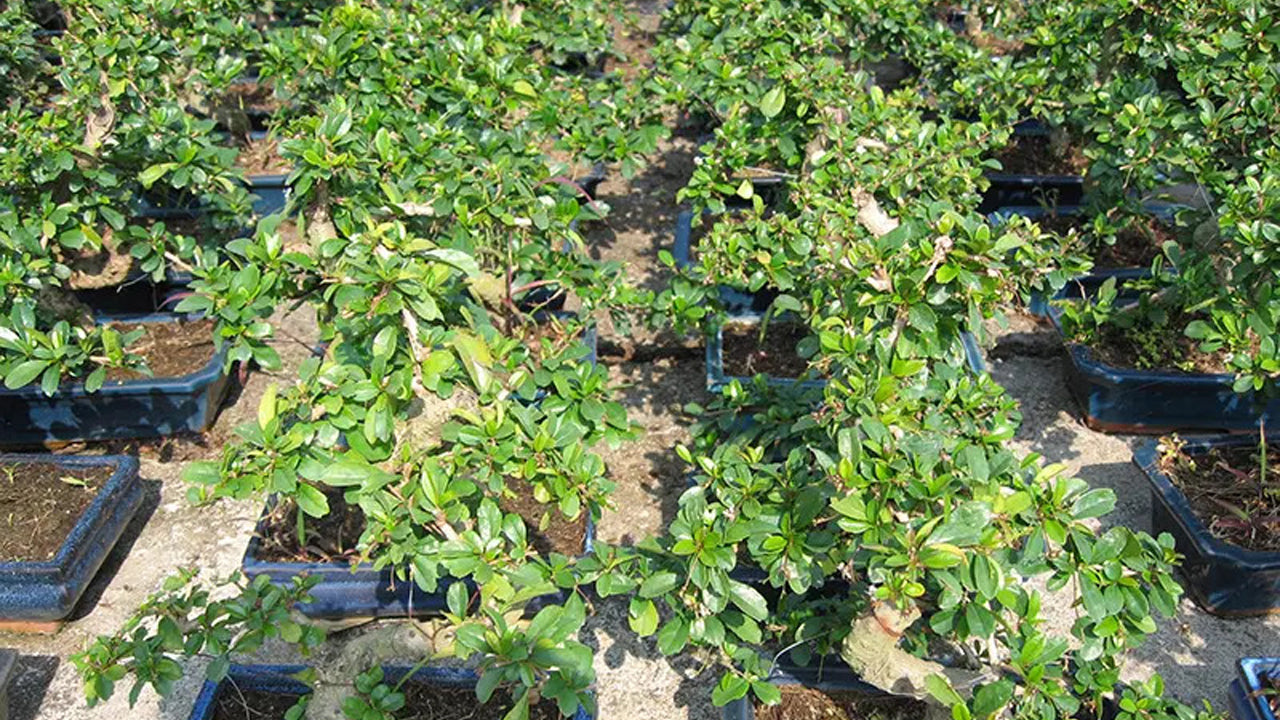
Fukien tea
Carmona microphylla -
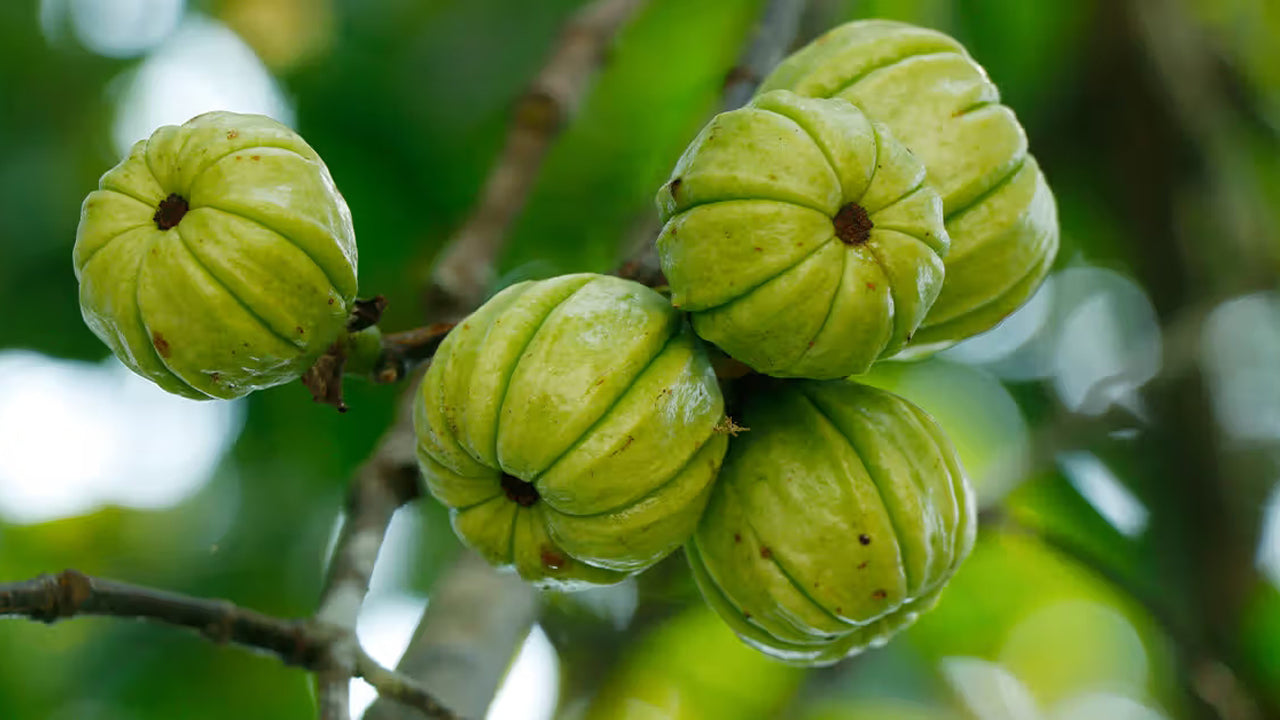
Malabar tamarind
Garcinia cambogia -
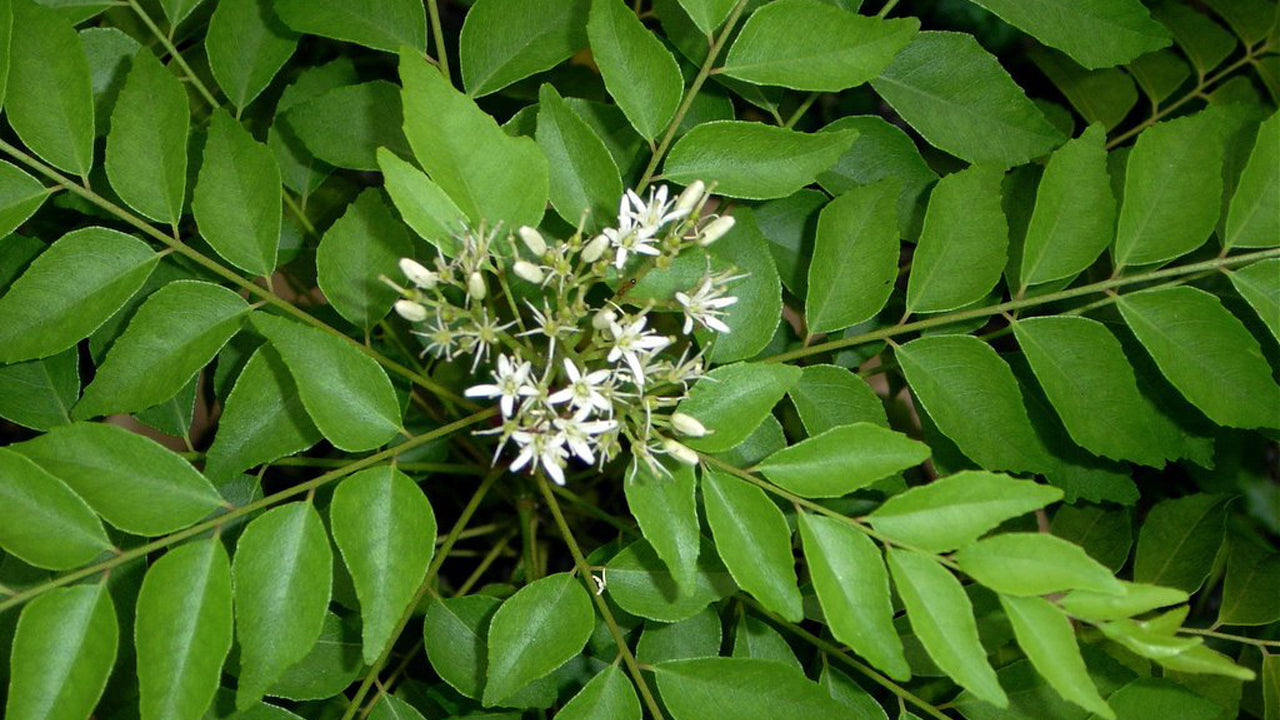
Curry leaf tree
Murraya koenigii -
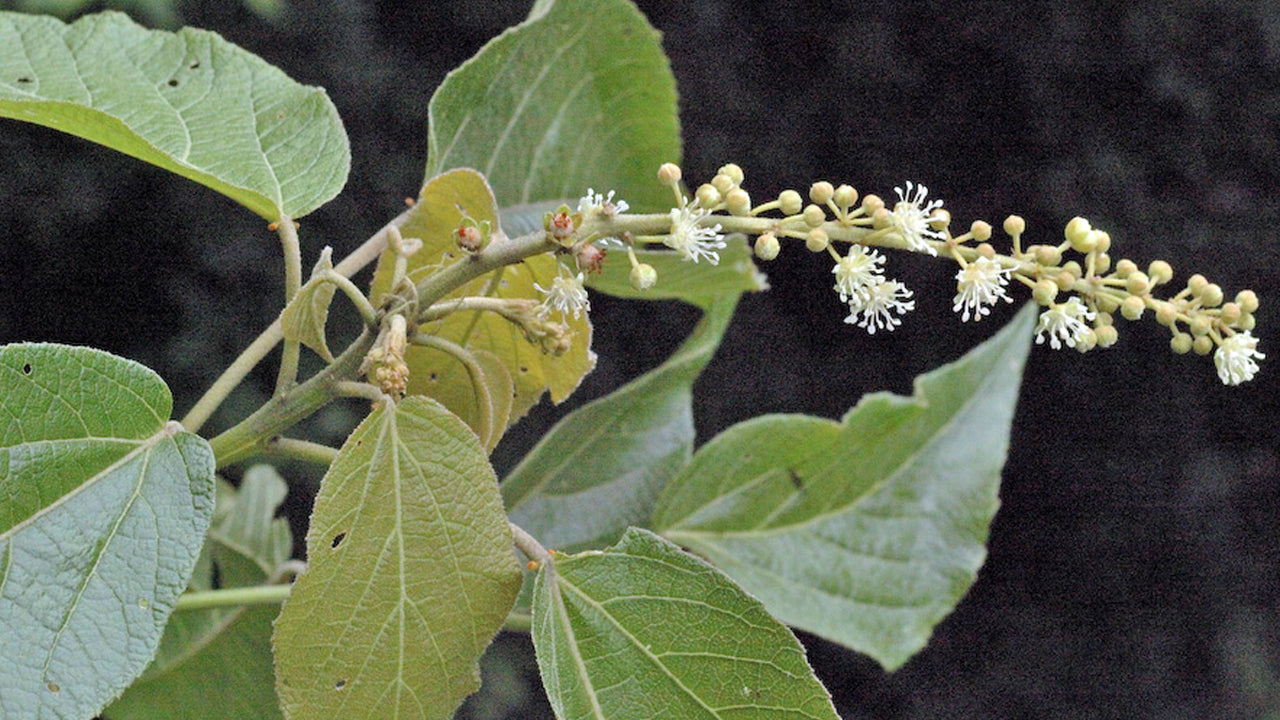
Kappetiya
Croton laccifer -
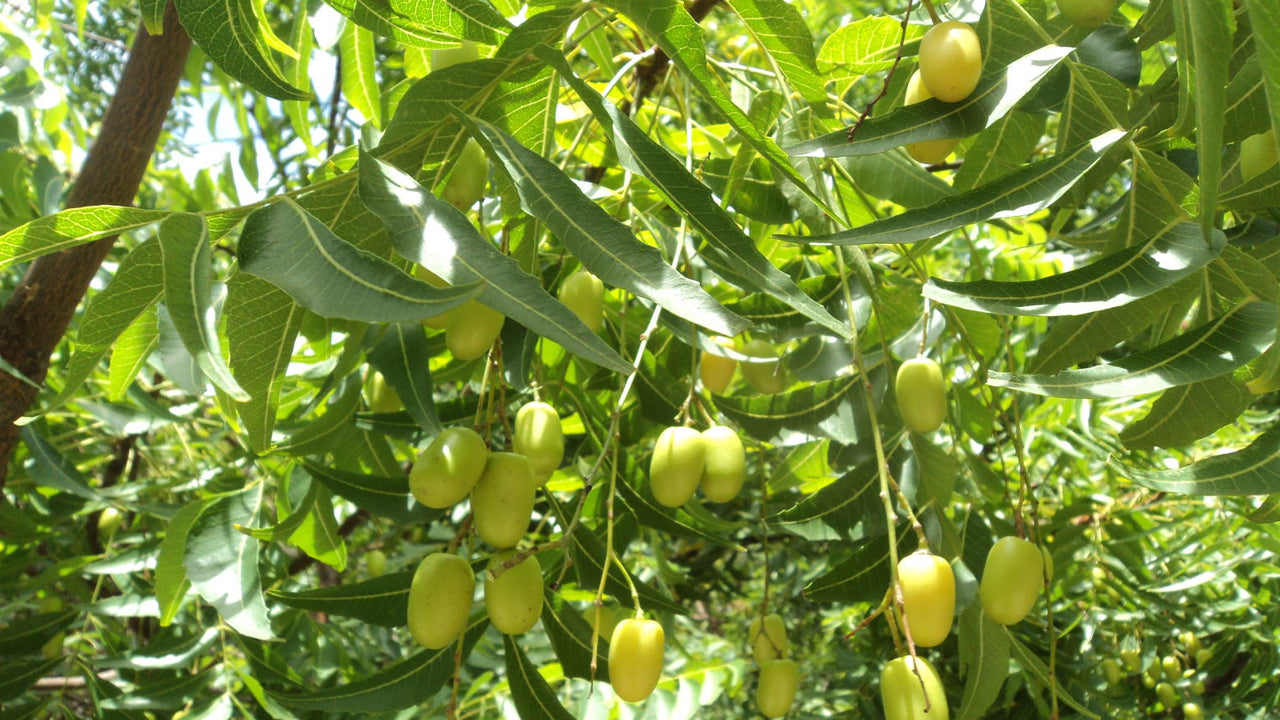
Indian lilac
Azadirachta indica -
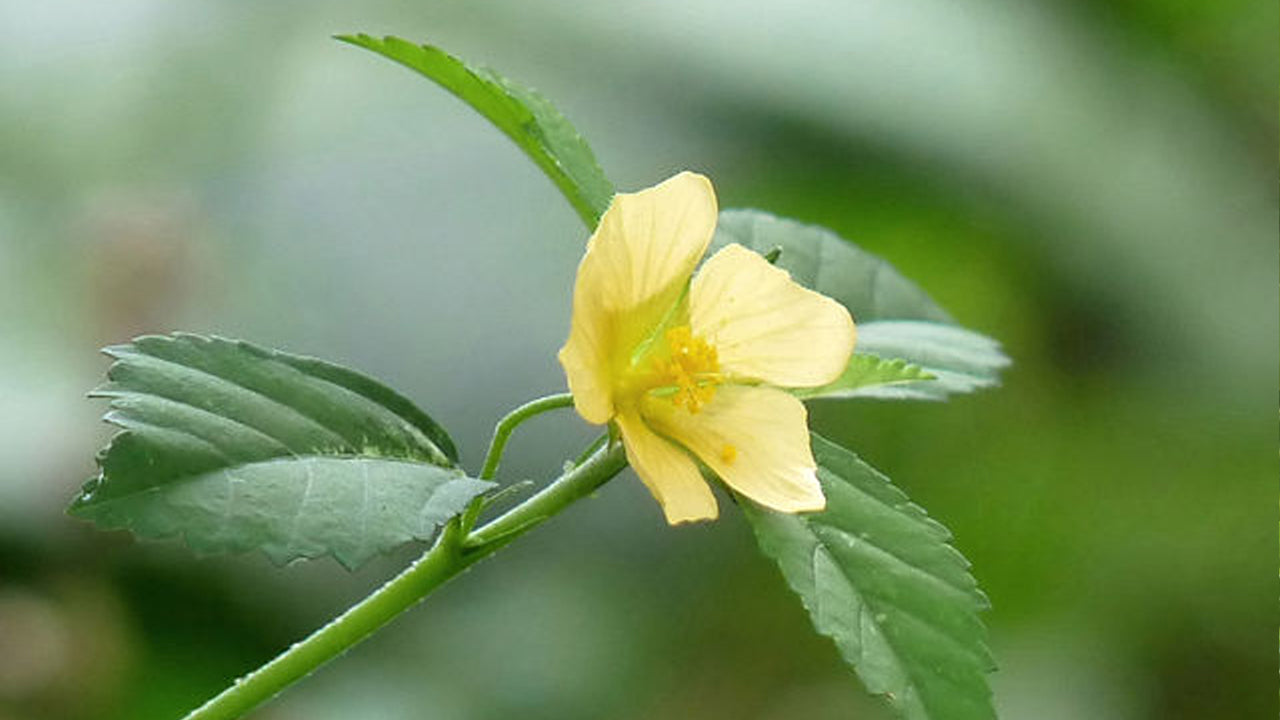
Spiny sida
Sida alba -
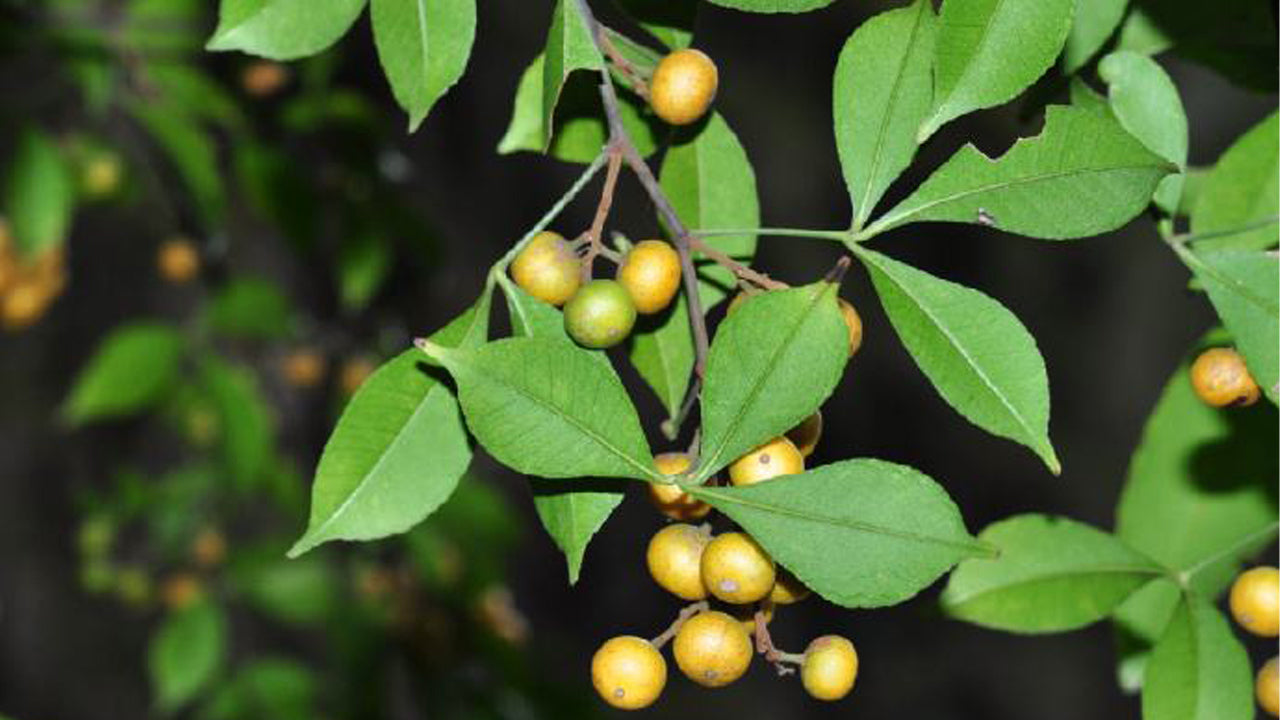
Orange climber
Toddlia asiatica -
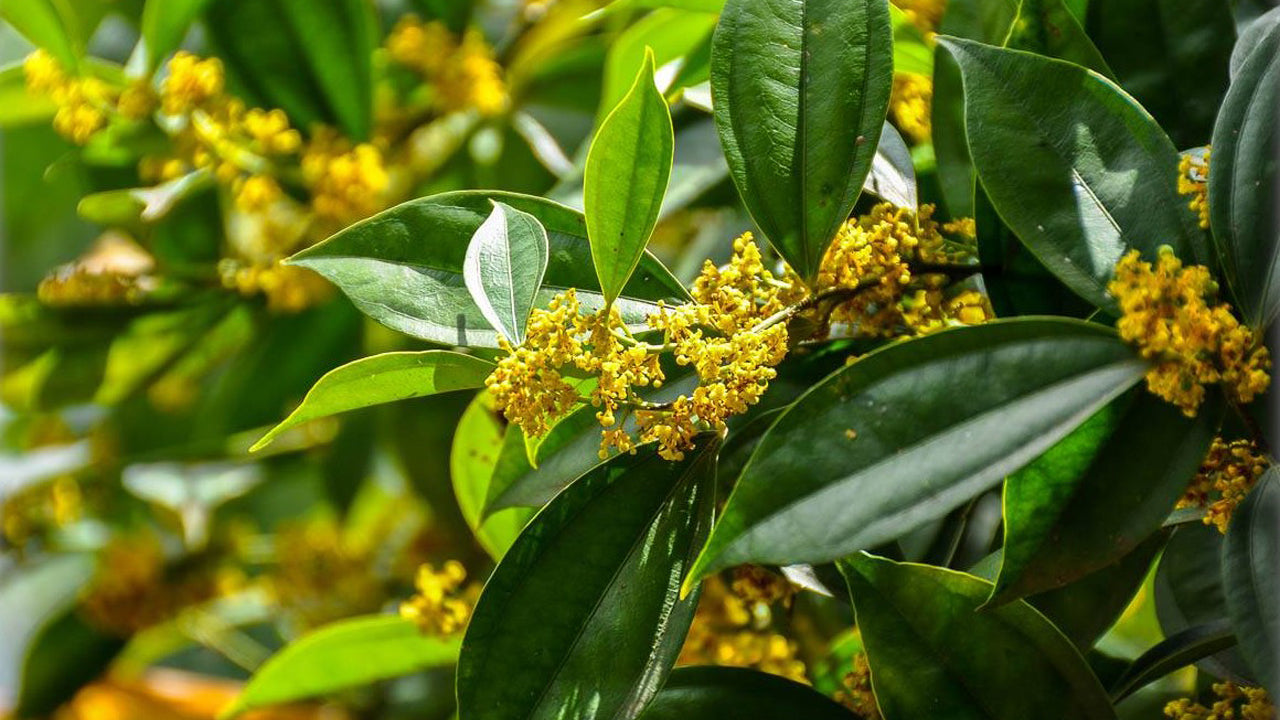
Ceylon cinnamon
Cinnamomum zeylanicum -
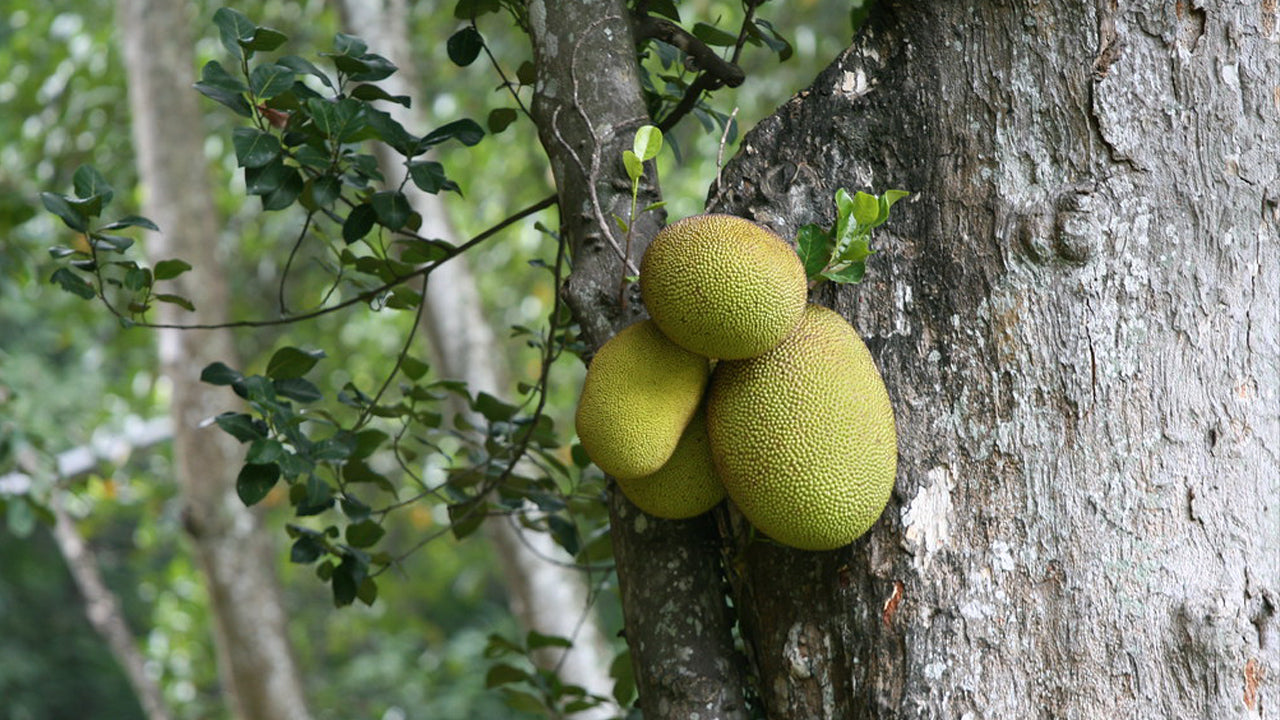
Jackfruit
Artocarpus heterophyllus -
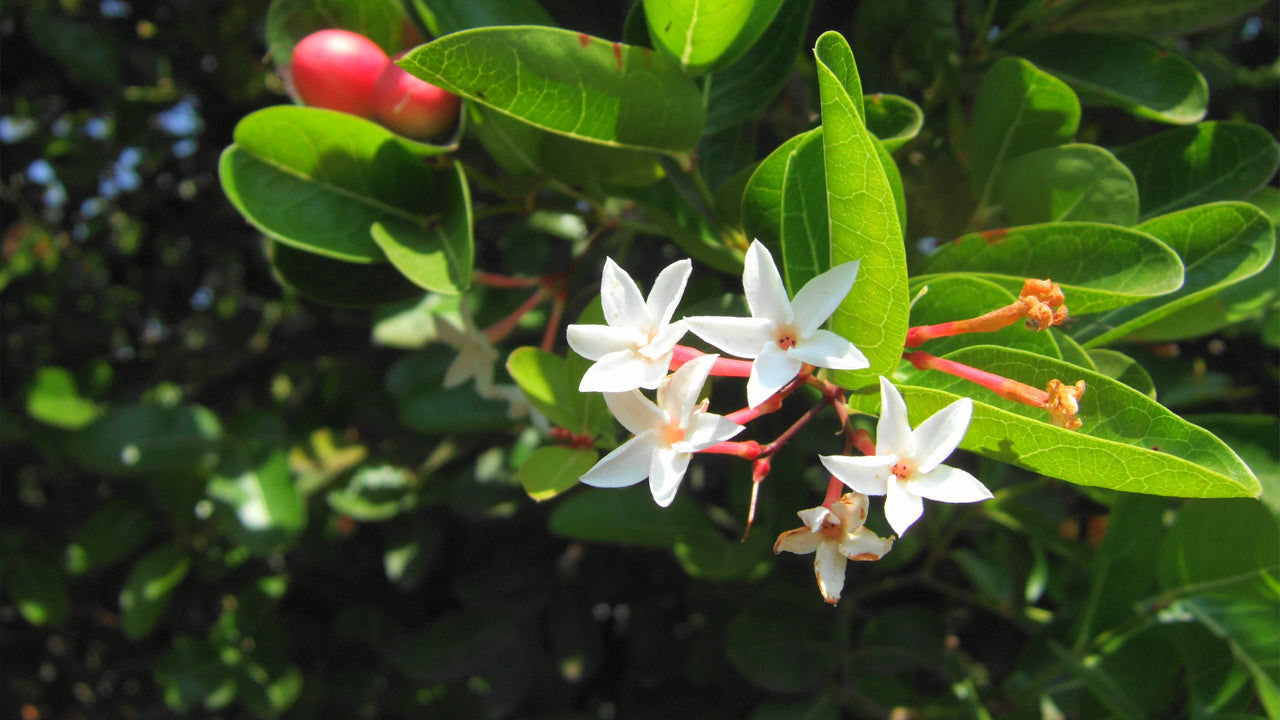
Karonda
Carissa carandas -
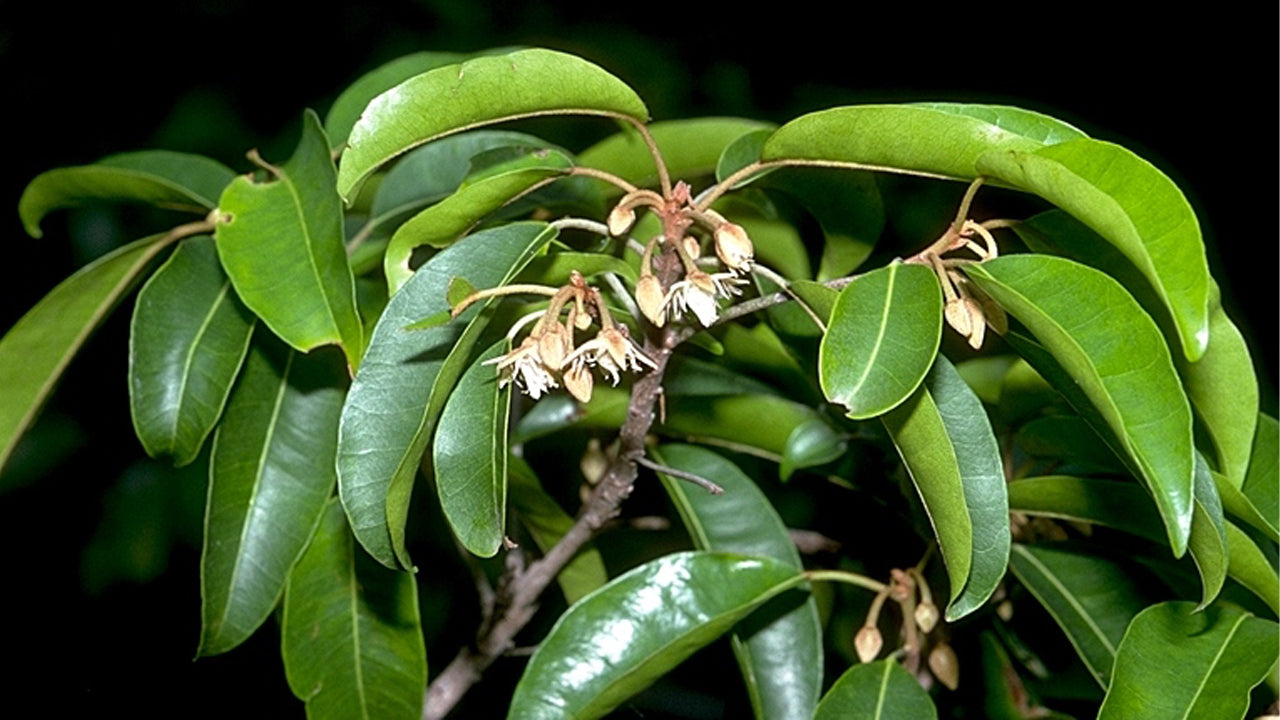
Spanish cherry
Mimusops elengi -
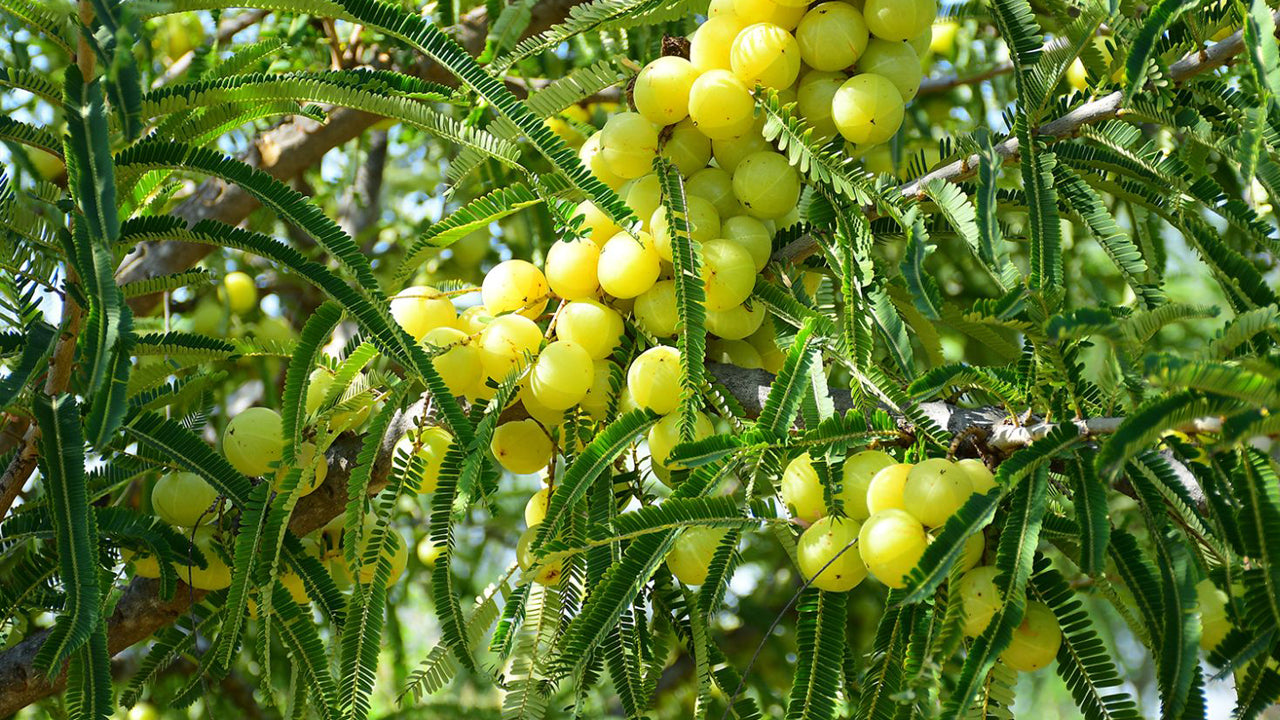
Indian gooseberry
Phyltanthus emblica -
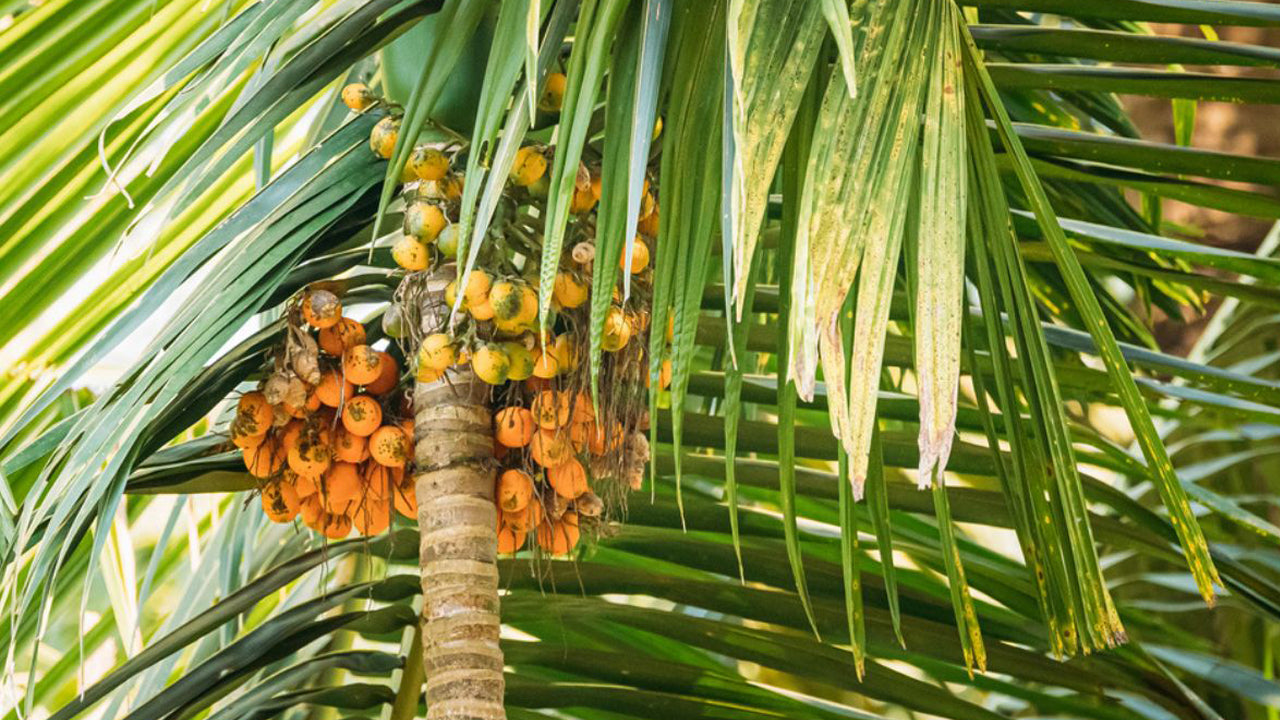
Betel palm
Areca catechu -
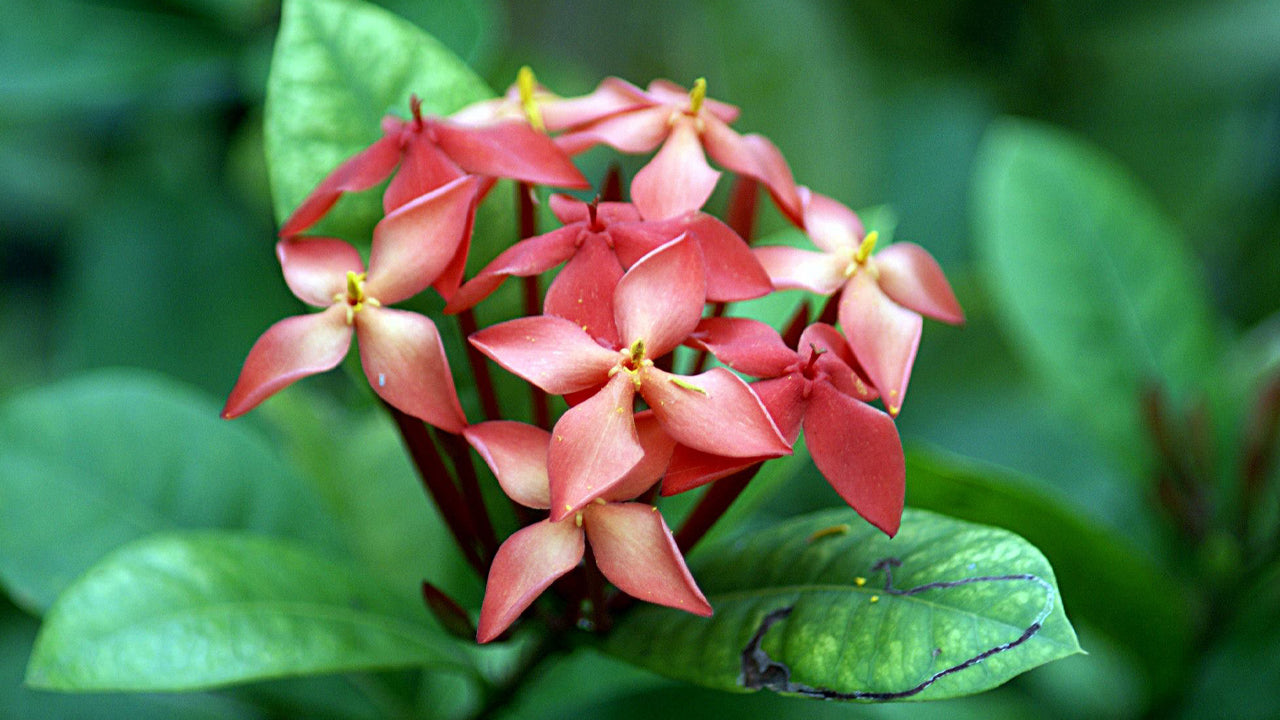
Jungle geranium
Ixora coccinea -
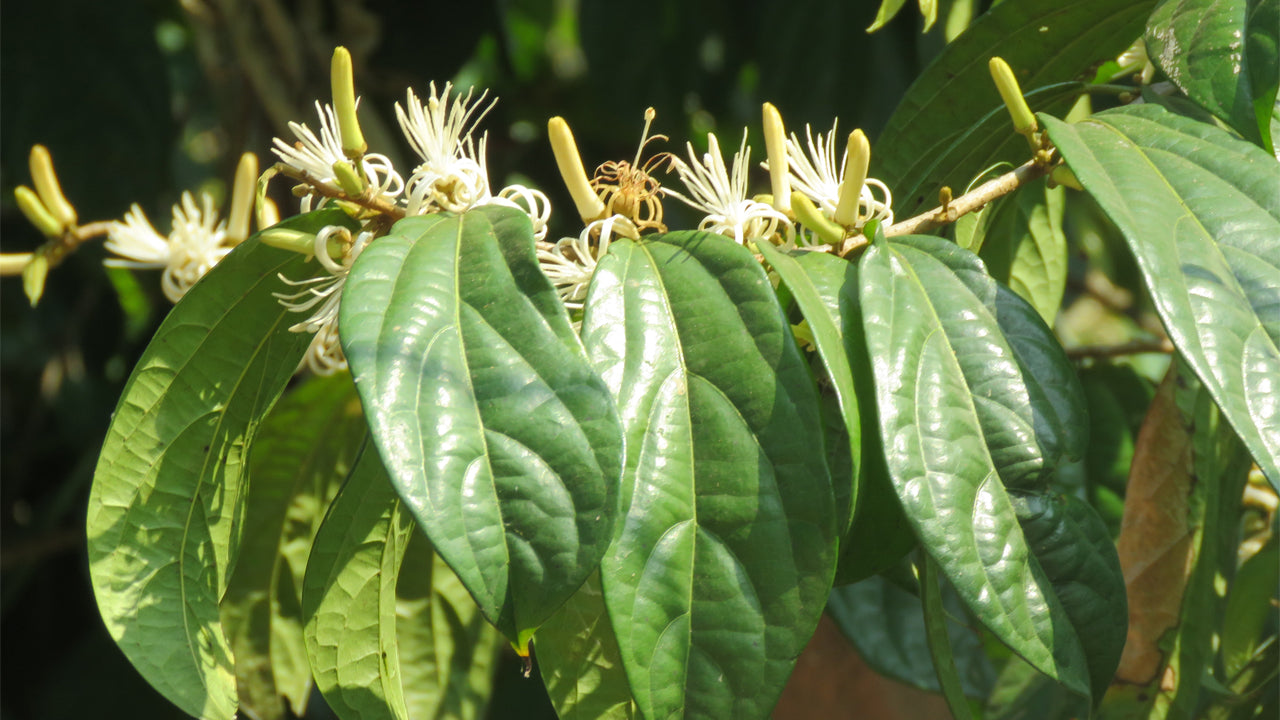
Sage-leaved alangium
Alangium salviifolium -
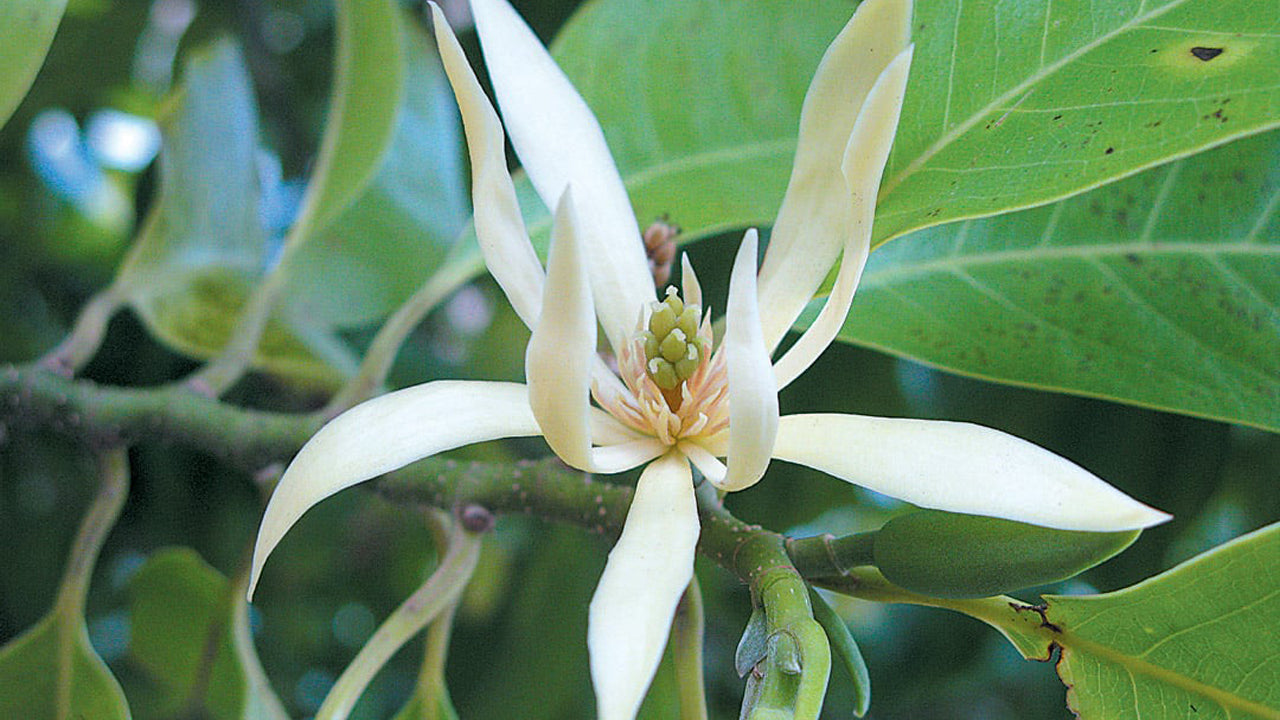
Champak
Michelia champaca -
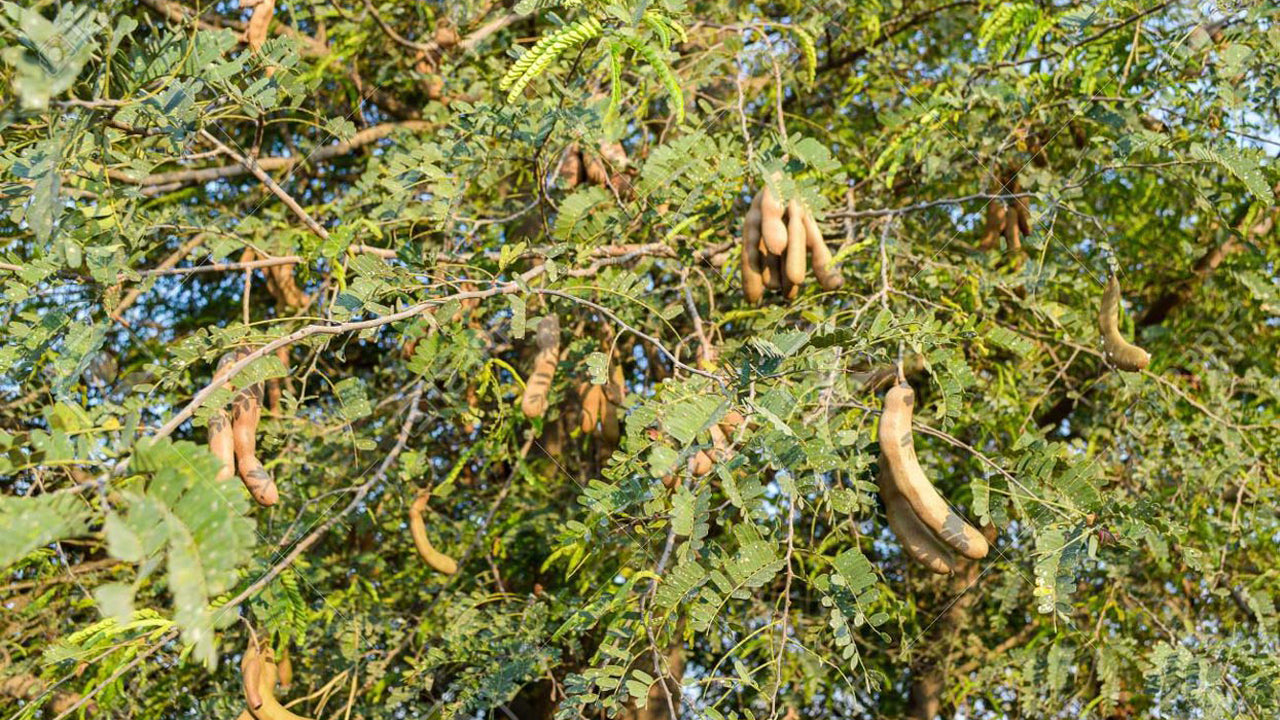
Tamarind
Tamarindus indica -
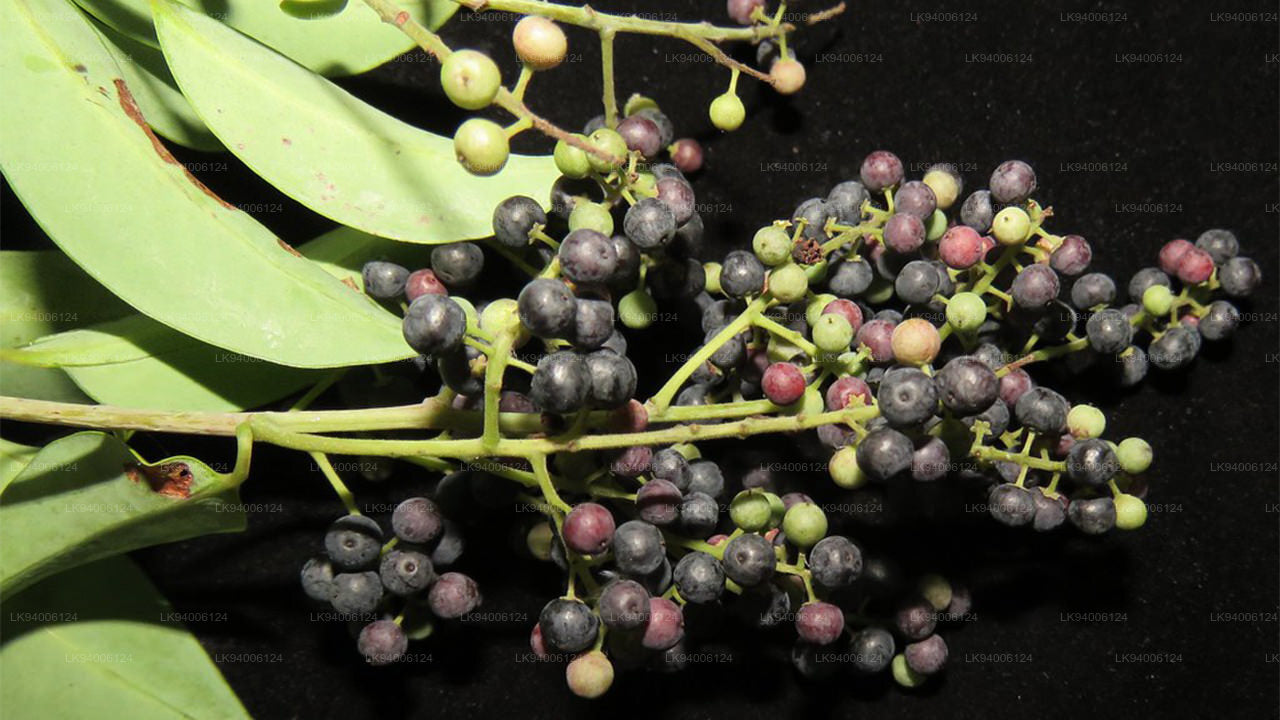
False Black Pepper
Embelia ribes -
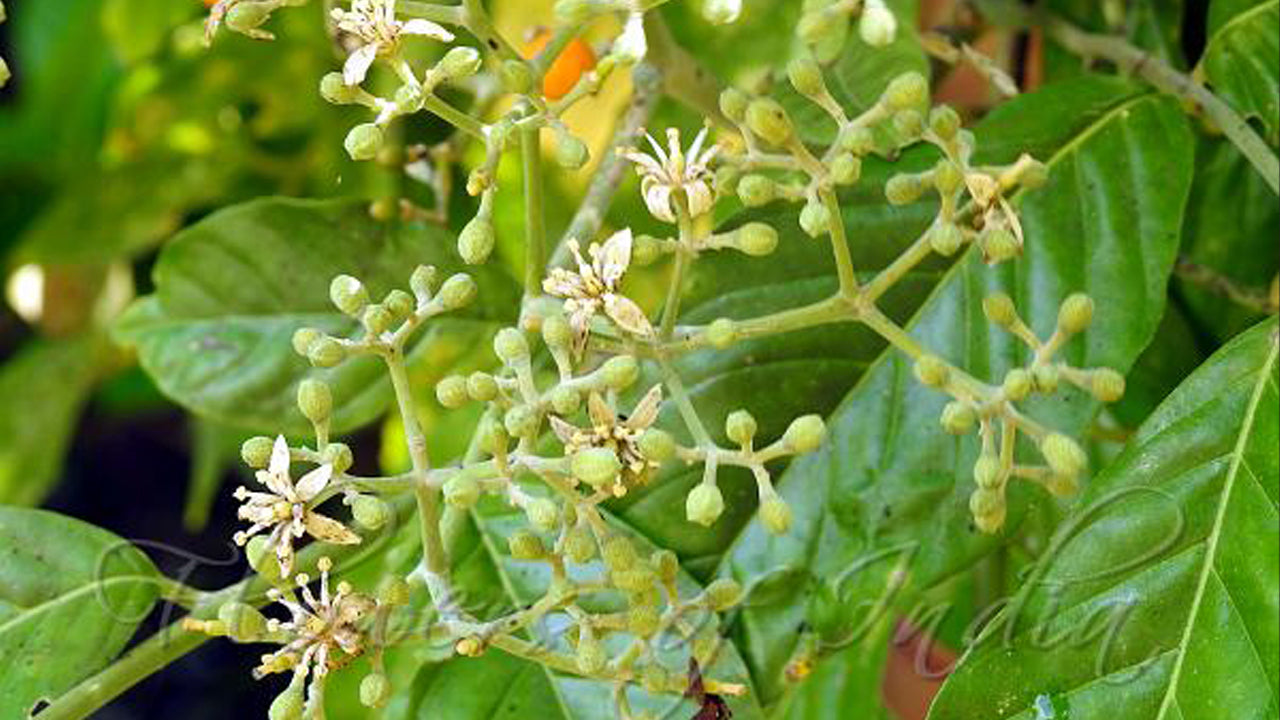
Limeberry
Micromelum ceylanicum -
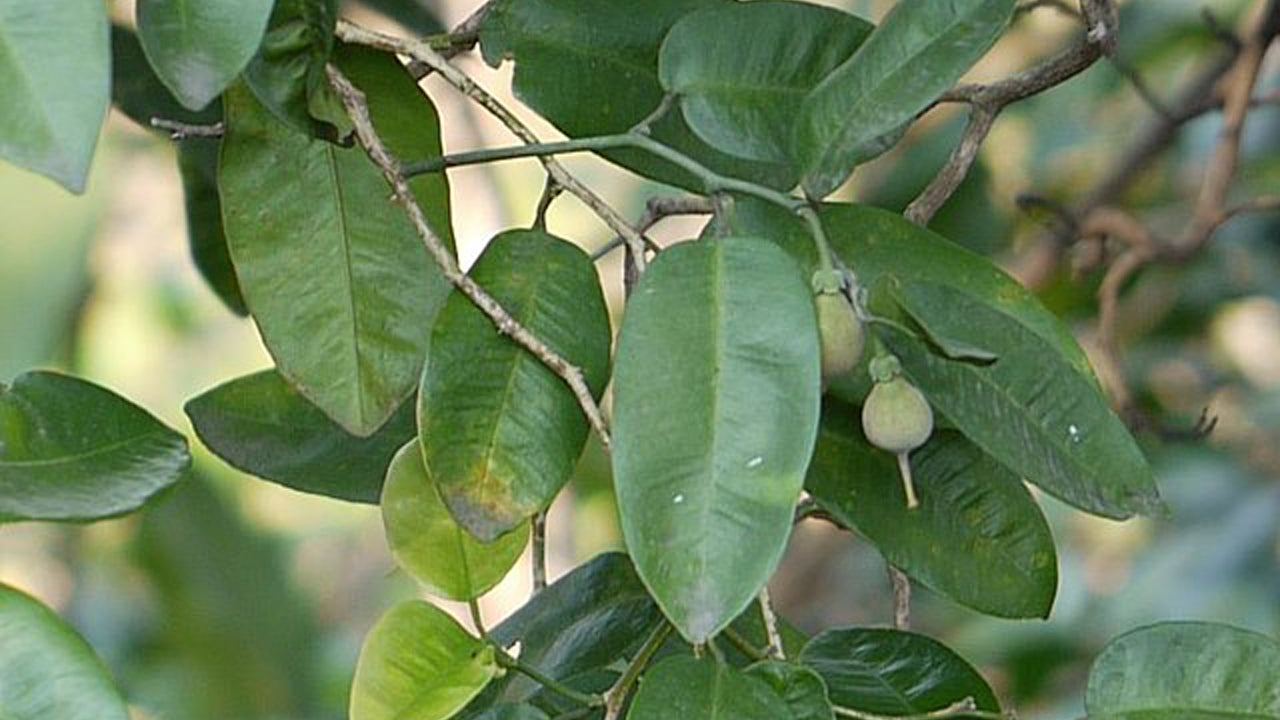
Climbing Atalantia
Paramignya monophylla




Ayurvedic and Herbal
-
 Promotion
Baume ayurvédique aux herbes Siddhalepa
Prix habituel À partir de $0.48 USDPrix habituel$0.54 USDPrix promotionnel À partir de $0.48 USDPromotion -
 Promotion
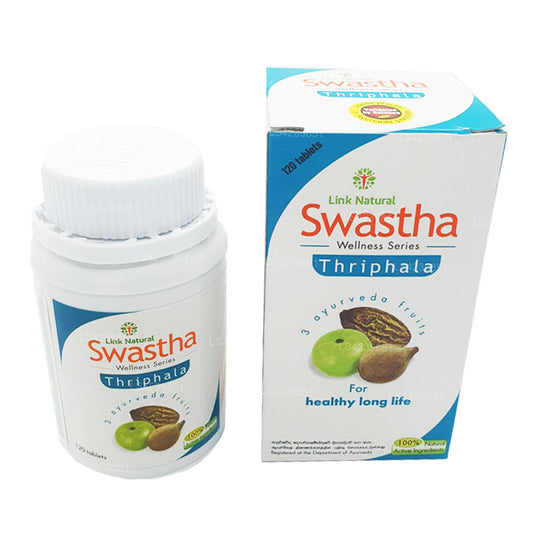
Link Swastha Thriphala (30 comprimés)
Prix habituel À partir de $1.74 USDPrix habituel$1.93 USDPrix promotionnel À partir de $1.74 USDPromotion -

Feuilles entières déshydratées de corossol sauvage Lakpura® (Guanabana, Graviola, Guyabano)
Prix habituel À partir de $0.72 USDPrix habituel$0.81 USDPrix promotionnel À partir de $0.72 USDPromotion -
 Promotion
Huile Setsuwa Pranajeeva
Prix habituel À partir de $3.85 USDPrix habituel$4.28 USDPrix promotionnel À partir de $3.85 USDPromotion