Lakpura
Lakpura®

Transport Fleet

Getting around Sri Lanka comfortably is one of the most consequential decisions you will make when planning a trip. Roads connect ancient rock fortresses with colonial port cities, highland tea estates with low-country national parks, and everything in between. The right vehicle — matched to your group size, itinerary, and comfort expectations — determines how much of that journey you actually enjoy.

What types of vehicles are available in Sri Lanka's private transport fleet?

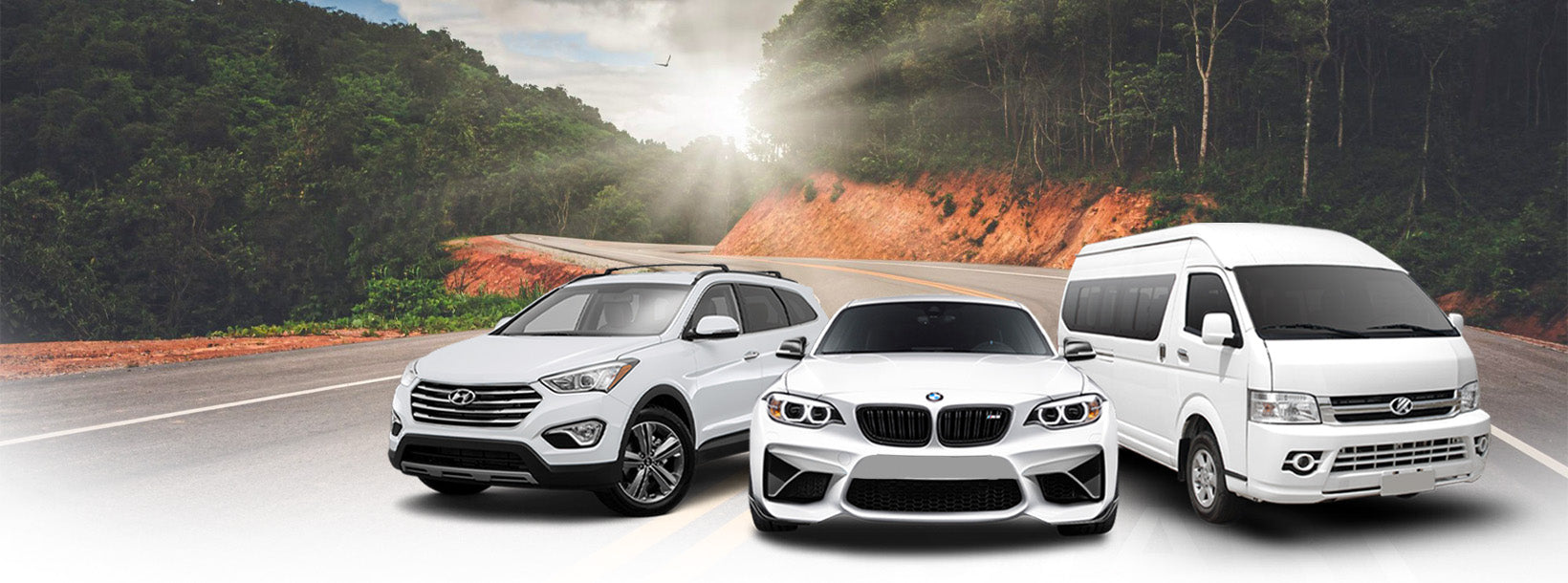
Private transport in Sri Lanka broadly falls into four categories, each suited to a different travel profile.

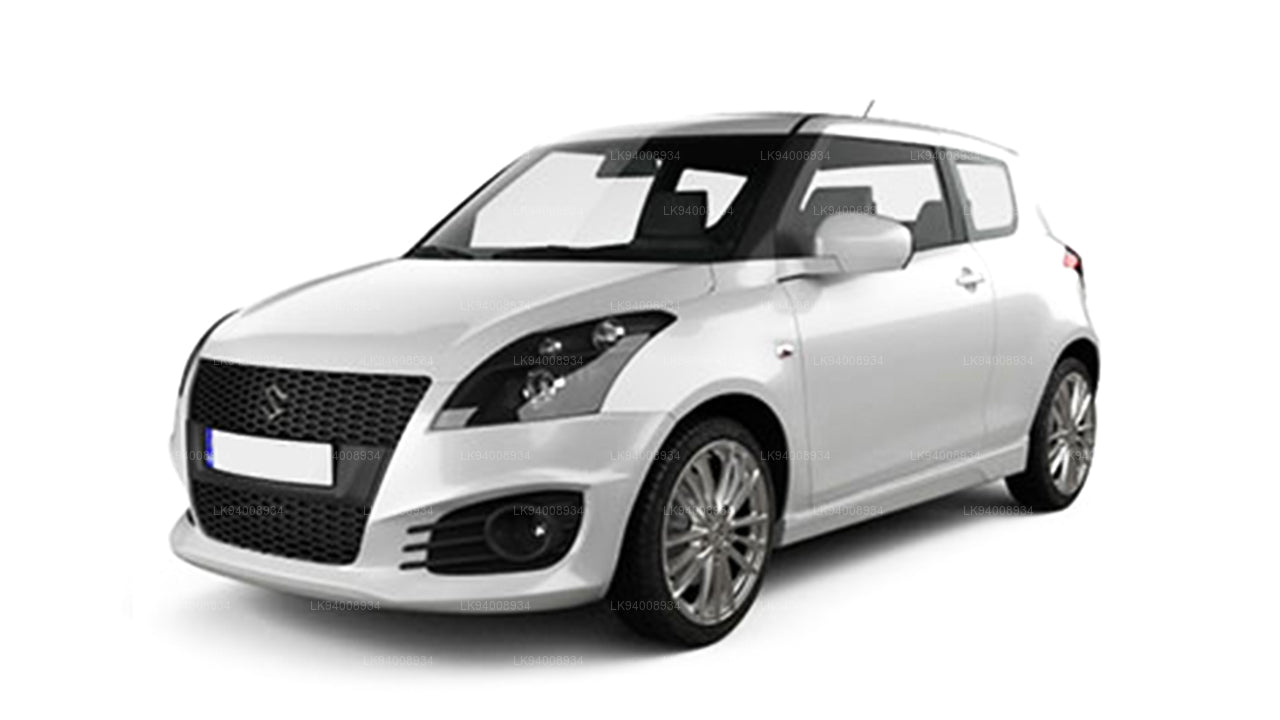
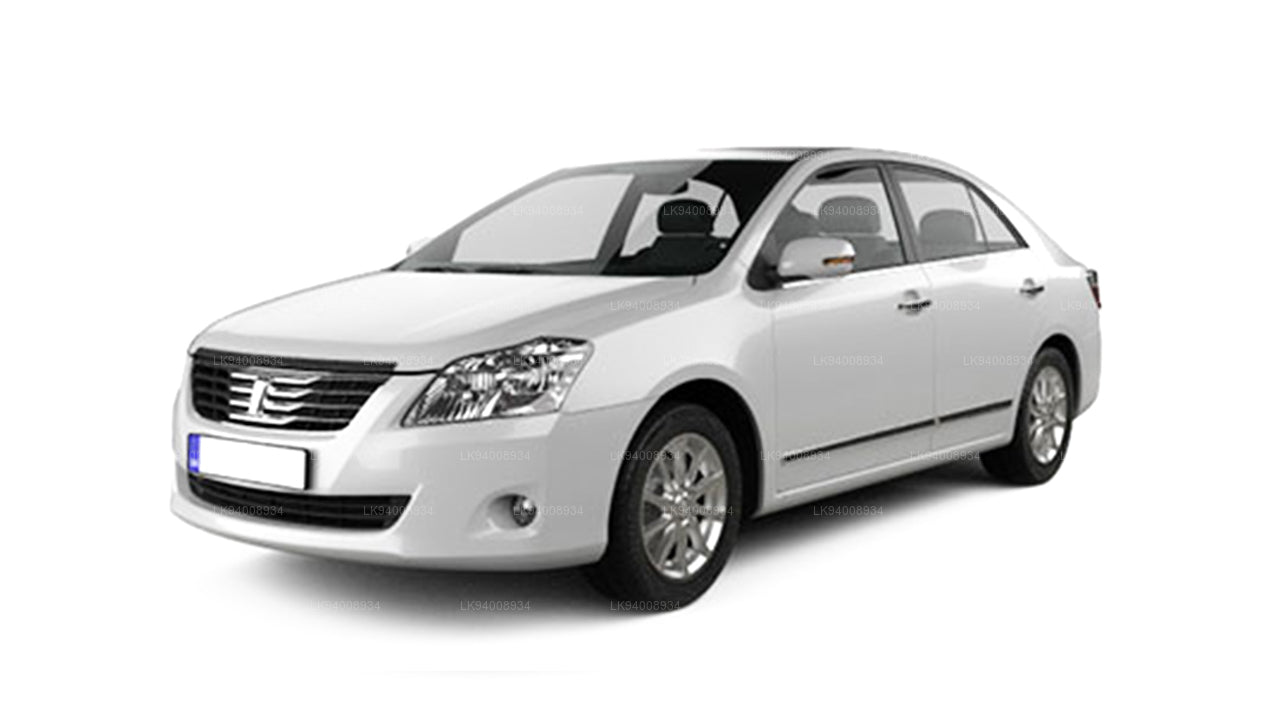
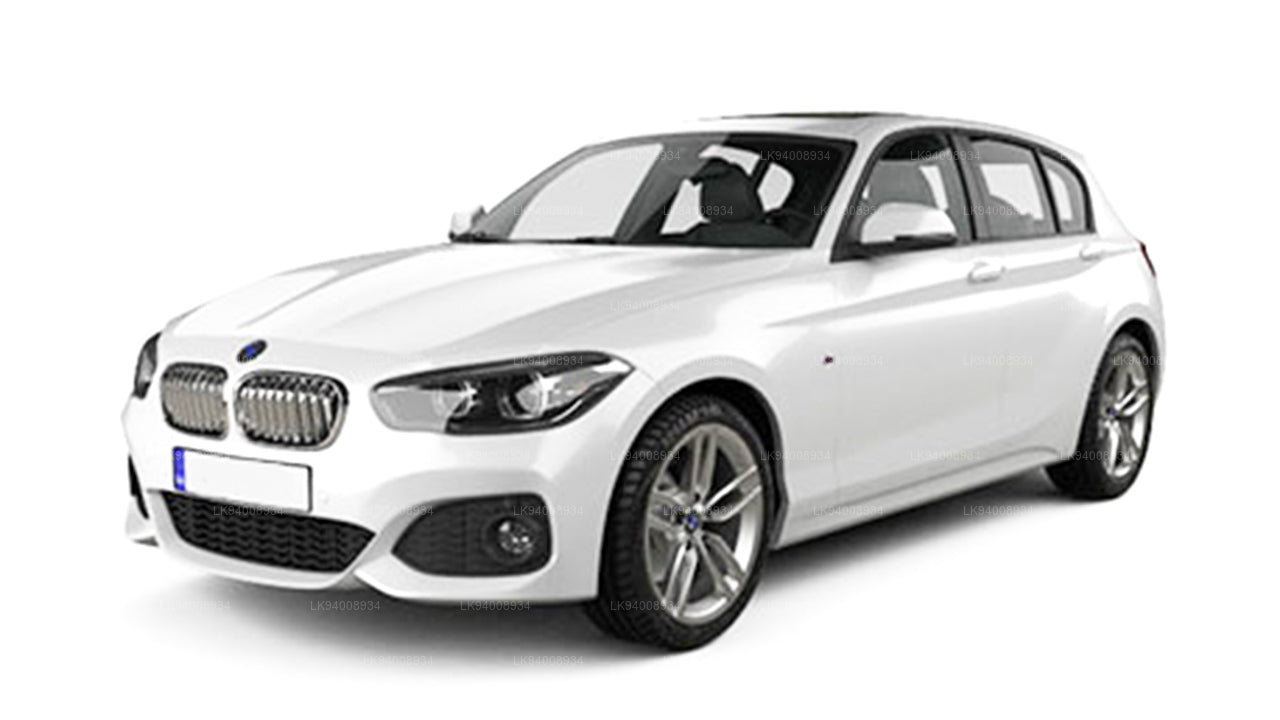
  • Saloon cars (sedans): Typically seats up to three passengers with luggage. Popular for solo travellers, couples, and airport transfers within Colombo District. Air-conditioned and fuel-efficient on motorway runs.
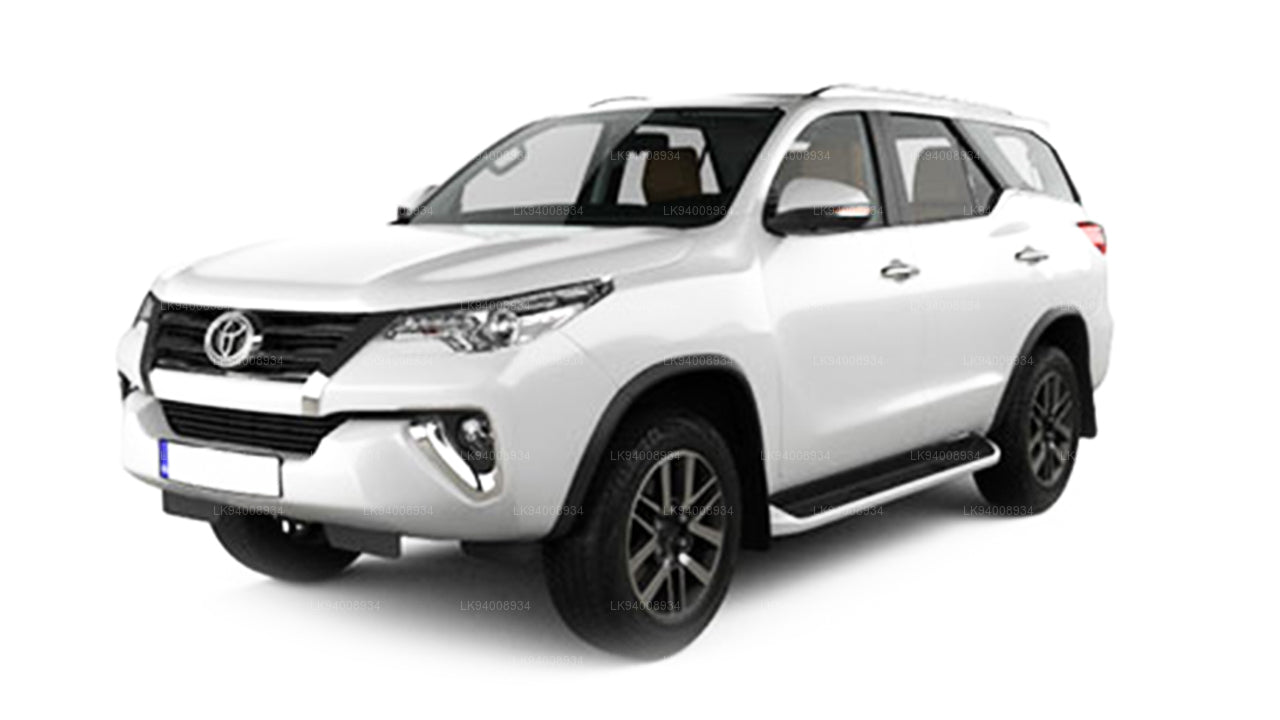
  • SUVs and 4WDs: Better ground clearance for routes to highland destinations such as Ella or Horton Plains National Park, where switchback roads and occasional rough tracks are the norm.
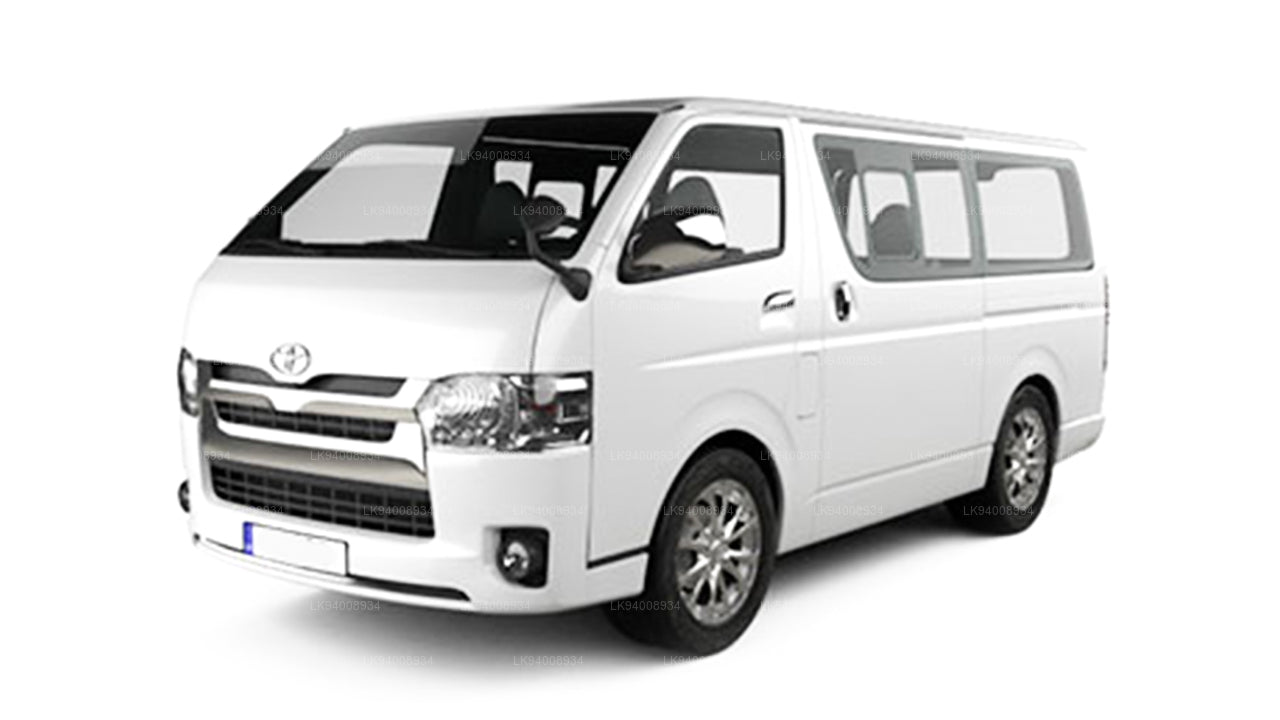
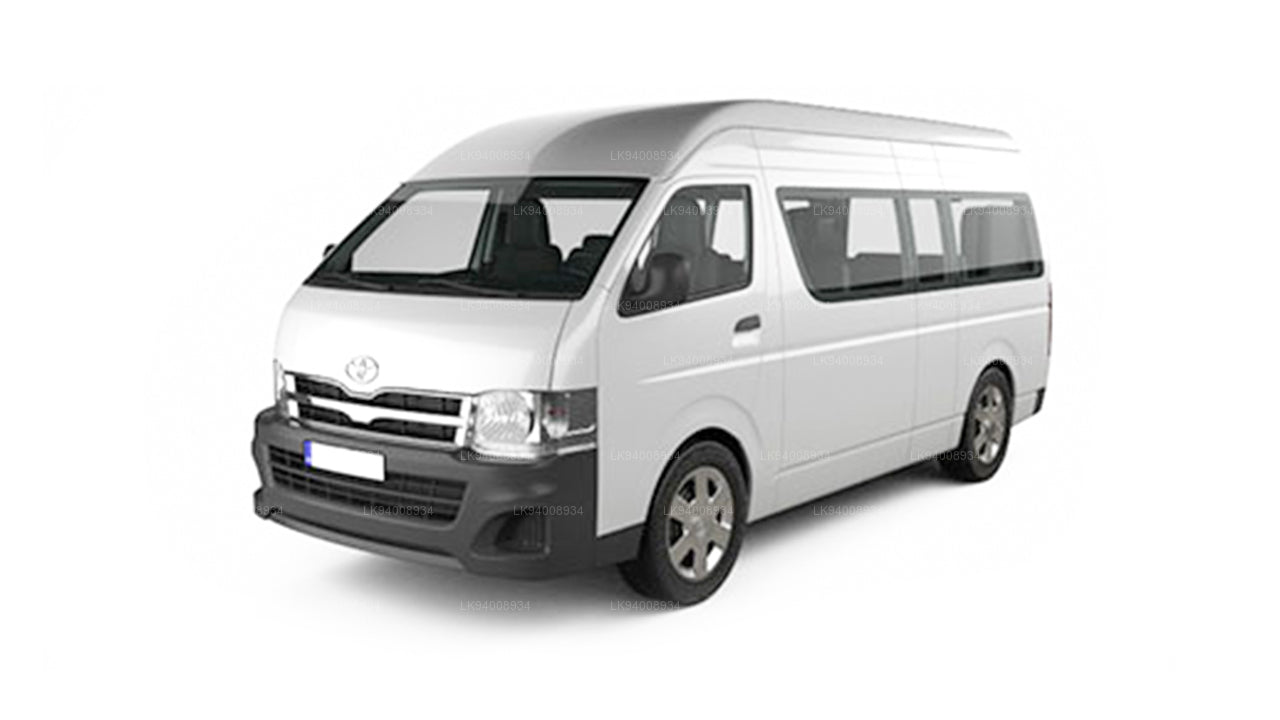
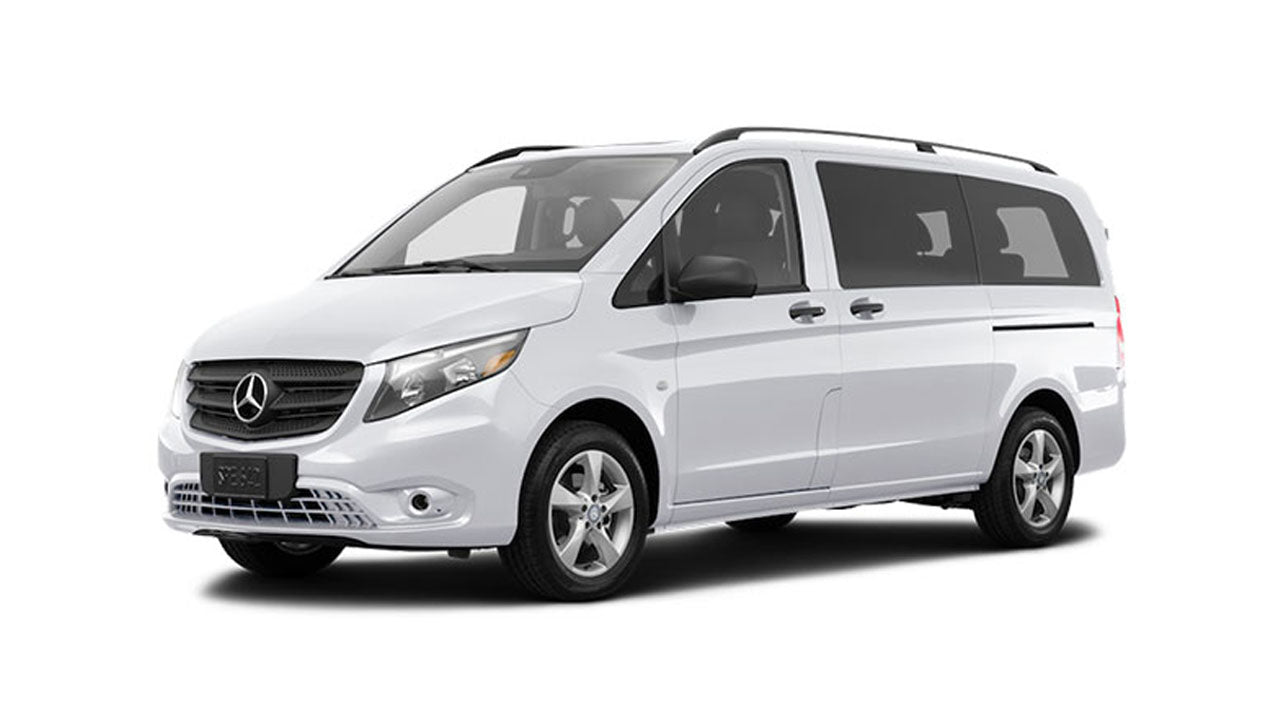
  • Vans and minivans (8–12 seats): The workhorse of Sri Lankan group travel. Spacious enough for a family or a small group tour, with luggage capacity to spare. Used extensively for multi-day itineraries that mix cultural sites, wildlife parks, and beach stays.
  • Minibuses and coaches (15–45 seats): Suited to large groups — conference transfers, wedding parties, school tours, and wholesale travel programmes. Reputable operators equip larger coaches with reclining seats, on-board cooling, and sometimes Wi-Fi.

Beyond these mainstream options, travellers can arrange tuk-tuk safaris for short, immersive rides through towns and villages, adding texture to an itinerary that would otherwise be experienced entirely through a car window.

What should I expect from a chauffeur-driven service in Sri Lanka?

The dominant model for visitor transport in Sri Lanka is the chauffeur-driven private car or van, booked through a tour operator or destination management company. The chauffeur is not simply a driver: on most reputable services, they speak functional to fluent English, understand tourism routes, and can brief passengers on sites along the way.

A good chauffeur will know, for example, that the light at Sigiriya Rock Fortress is best in the early morning, or that the road through Sinharaja Forest Reserve requires patience in the wet season. That embedded knowledge is the practical advantage of a chauffeur-driven model over self-drive or public transport.

For travellers who prefer a guide fluent in a language other than English, specialist services exist — for instance, Spanish-speaking drivers and guides can be arranged for Spanish-language groups travelling the Cultural Triangle or the Southern Coast.

How do I choose the right vehicle for my Sri Lanka itinerary?

Match the vehicle to the route, not just the group size. A few practical rules:

  1. Airport transfers: A standard air-conditioned sedan or compact van handles most arrivals and departures through Bandaranaike International Airport efficiently. For larger groups or heavy luggage, book a minivan.
  2. City tours: Smaller vehicles are more practical in congested urban centres. A Colombo city tour in a sedan is faster and easier to park than a coach. The same logic applies to a Kandy city tour or a Galle city tour, where narrow heritage-zone streets limit larger vehicles.
  3. Multi-day cultural routes: Families and groups of four to six typically find a Toyota KDH van (or equivalent) offers the best balance of space, fuel economy, and ride comfort across the varying road surfaces between, say, Colombo, Polonnaruwa, and Kandy.
  4. National park access: Entry into park buffer zones usually requires an approved jeep rather than a private car. When booking transport to Udawalawe or Wilpattu, confirm whether the operator arranges the on-site jeep safari separately or as part of a combined transfer-and-safari package.
  5. Hill-country routes: Hairpin roads between Nuwara Eliya and Ella reward a vehicle with strong brakes and a confident driver. Avoid booking the lowest-cost option for these routes; mechanical reliability matters more than on flat coastal roads.

What is the difference between a transfer and a tour by vehicle?

A transfer is a point-to-point journey with a defined pickup and drop-off — airport to hotel, hotel to railway station, port to city. It is usually priced per trip rather than per day and does not include stops or guiding.

A tour by vehicle implies a structured itinerary with scheduled stops, often with the chauffeur acting as an informal guide or coordinating with a separate site guide at each location. Day tours are typically priced per vehicle for a set number of hours, with agreed destinations. Extended tours spanning several days are priced on an all-inclusive per-day basis that covers fuel, driver accommodation, and tolls.

Understanding this distinction before booking avoids mismatched expectations — particularly around how many stops are included and whether waiting time at sites is covered.

When is the best time to travel by road in Sri Lanka?

Road conditions across much of the island are most comfortable between November and April on the west and south coasts, and between May and September on the east coast — broadly mirroring Sri Lanka's split monsoon pattern. That said, the private transport fleet operates year-round; seasonal variation affects driving time and road surface quality rather than vehicle availability.

The expressway network — including the Southern Expressway connecting Colombo to Matara — has significantly reduced journey times along the coast. Travel that once took four hours can now take under two on expressway stretches, though the older Galle Road remains the more scenic option for travellers not pressed for time.

Intra-city traffic in Colombo peaks between 07:00–09:00 and 17:00–19:30 on weekdays. Airport transfers departing or arriving during these windows should allow additional time. Hill-country roads, particularly between Kandy and Nuwara Eliya, are slower in heavy rain and require patience regardless of season.

Are self-drive rentals a practical option in Sri Lanka?

Self-drive car rental is legally available to visitors holding a valid international driving permit. In practice, most first-time visitors find it challenging: road markings can be inconsistent, signage is not always in Roman script outside cities, and driving customs differ substantially from Europe or North America. For short distances in familiar resort areas, self-drive can work well. For multi-region itineraries or night driving, a chauffeur-driven option is the more prudent choice for the majority of international travellers.

An alternative that sits between self-drive and full chauffeur service is hiring a metered or app-based taxi or private driver for individual legs of a trip. This suits travellers who prefer flexibility over a locked itinerary.

What amenities can I expect in a private tourist vehicle?

Standards vary by operator and vehicle class, but reputable fleet operators typically provide:

  • Air conditioning (essential given Sri Lanka's tropical climate for most of the year)
  • USB charging points in most modern vehicles
  • Bottled water for transfers and tours
  • Seat belts in all passenger seats
  • Child seats on request (confirm availability in advance)
  • Luggage insurance coverage under the operator's policy

Wi-Fi hotspots in vehicles are available from some premium operators but are not universal. A local SIM card with data remains the most reliable way to stay connected on the road.

How do I book transport through Lakpura?

Lakpura's transport arrangements are integrated into custom itineraries rather than sold as standalone bookings in isolation. The process typically involves sharing your arrival details, accommodation locations, and planned activities; the team then recommends the appropriate vehicle category and assigns a vetted chauffeur. All transport is confirmed before departure, with the driver's contact details shared in advance so there are no coordination gaps on arrival day.

For group travel, early booking is advisable during peak months (December to March and July to August), when demand for larger vehicles runs high across the island.

Book this experience with Lakpura

Curated by our local team. Direct booking, instant confirmation.

Ask Lakpura® Agent