Ciudad de Polonnaruwa
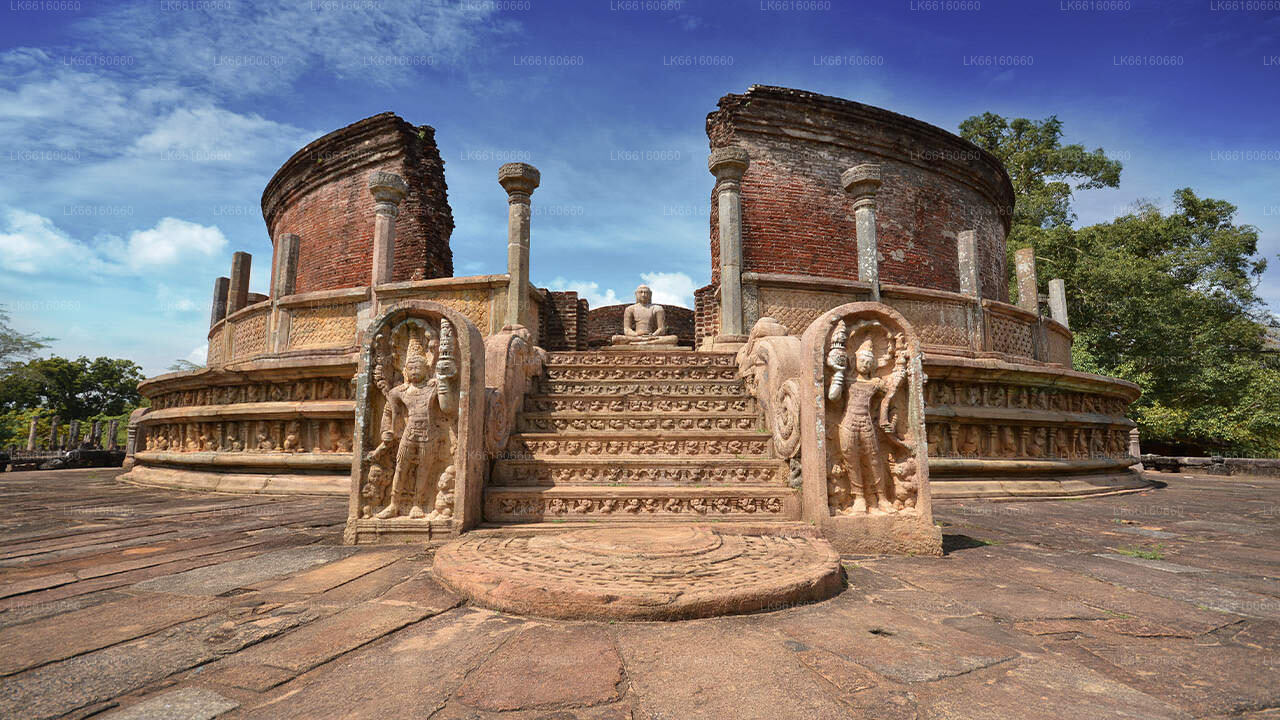
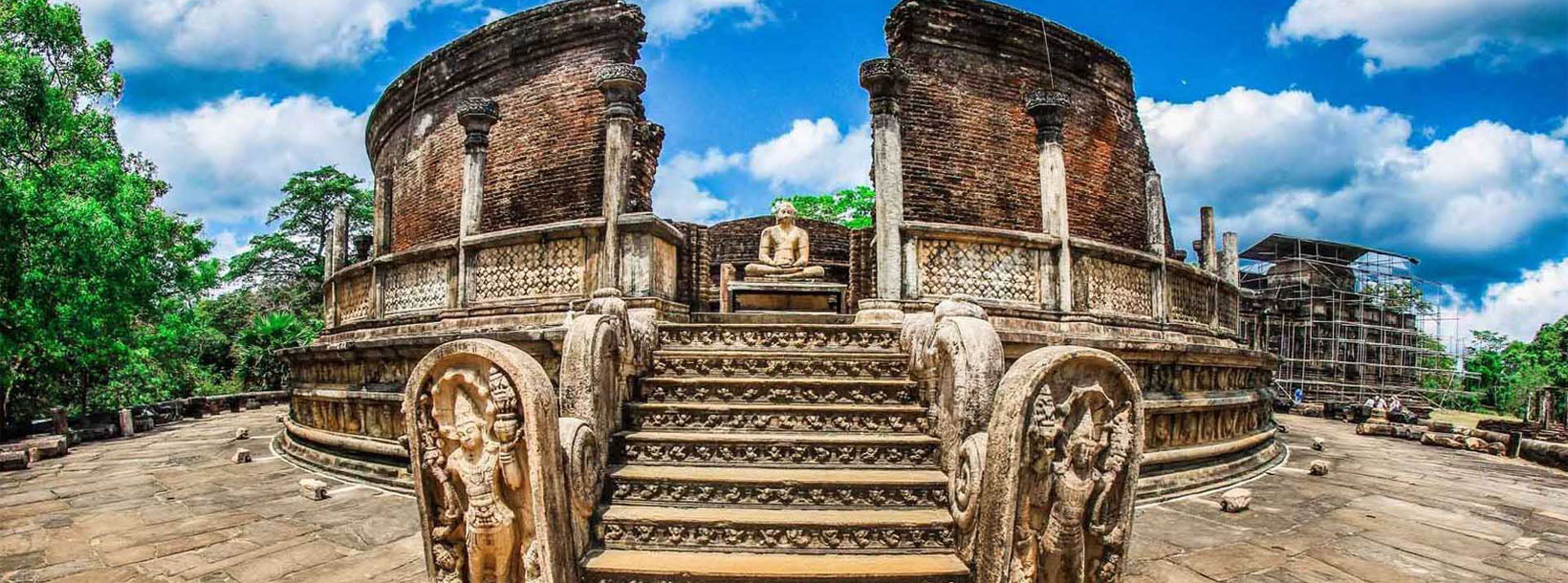
Polonnaruwa, declarada Patrimonio de la Humanidad por la UNESCO en Sri Lanka, fue la capital medieval del país (siglos XI-XIII). Famosa por sus ruinas bien conservadas, incluyendo las icónicas estatuas de Gal Vihara, exhibe una arquitectura impresionante que refleja la grandeza de la antigua civilización cingalesa.
Somawathiya National Park
Somawathiya National Park is a protected area located in the North Central Province of Sri Lanka, along the banks of the Mahaweli River. It is part of the Polonnaruwa and Trincomalee districts and is named after the sacred relic of Somawathi, a revered figure in Sri Lankan history. The park was declared a national park in 1995, making it one of the newer additions to Sri Lanka’s network of wildlife reserves.
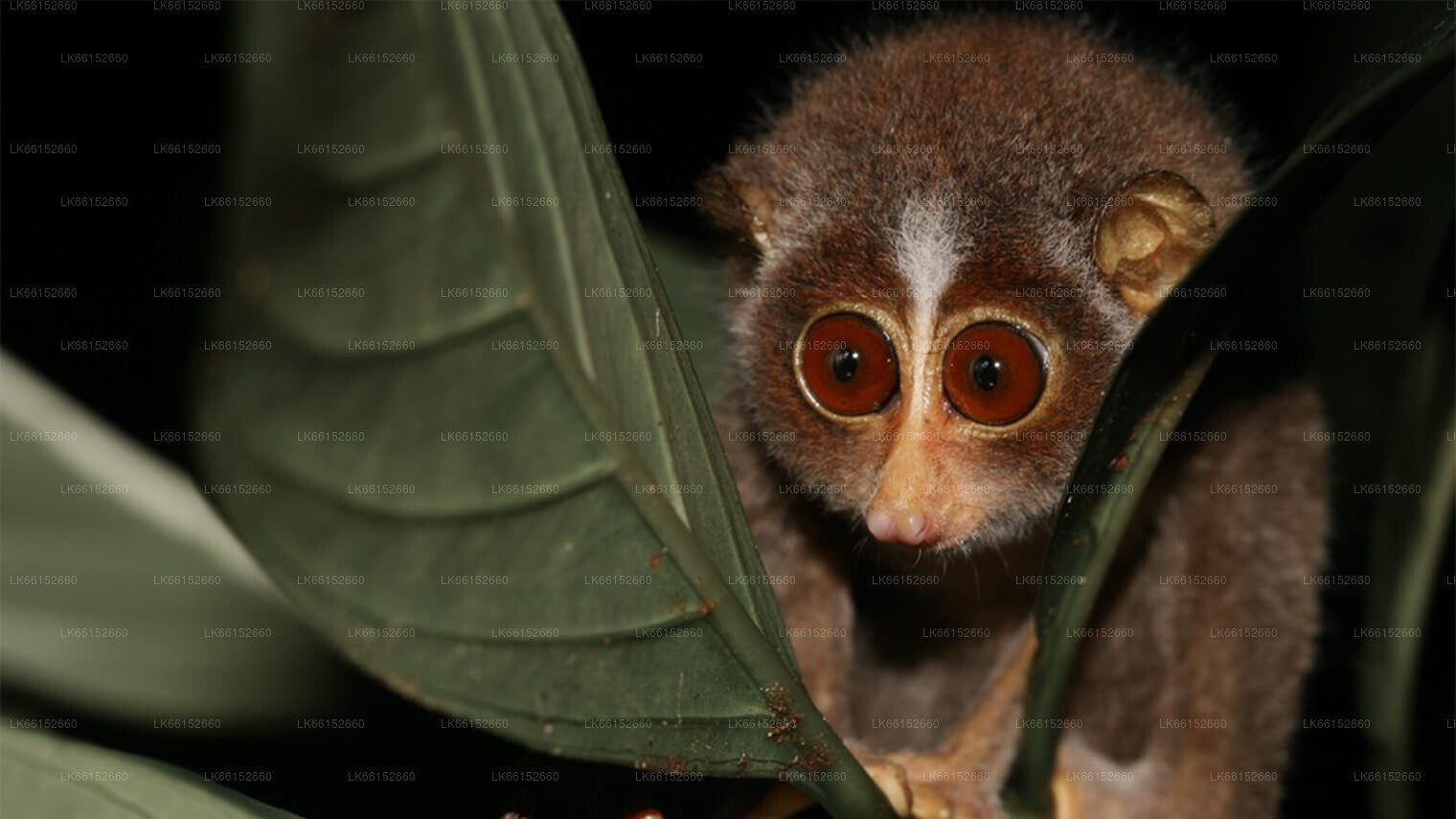
The park covers an area of approximately 32,500 hectares and features a mix of dry evergreen forests, riverine forests, and shrublands. Its diverse ecosystems make it a haven for a wide range of flora and fauna. Visitors can expect to see elephants, sambars, leopards, sloth bears, and various species of deer, along with a rich birdlife that includes peacocks, kingfishers, and eagles.
One of the unique aspects of Somawathiya National Park is its connection to the Mahaweli River, which not only enhances the park’s scenic beauty but also supports its wetlands and aquatic life. Seasonal boat safaris along the river are popular among tourists, offering a chance to view crocodiles, otters, and numerous waterbirds in their natural habitat. The park is relatively less crowded than other major national parks, giving visitors a more tranquil and immersive wildlife experience.
In addition to its natural beauty, the park also has cultural significance. The nearby Somawathiya Chaitya is an important Buddhist site, and the area is steeped in local legends and religious history. This combination of wildlife, landscapes, and cultural heritage makes Somawathiya National Park a unique destination for eco-tourism in Sri Lanka.
Acerca del distrito de Polonnaruwa
Polonnaruwa es la segunda ciudad más grande de la provincia centro-norte de Sri Lanka. La antigua ciudad de Polonnaruwa ha sido declarada Patrimonio de la Humanidad por la UNESCO. Polonnaruwa cuenta con una larga historia de conquista y lucha, y con razón constituye el tercer elemento del Triángulo Cultural. Ubicada a unos 140 km al noreste de Kandy, Polonnaruwa ofrece horas de inagotable placer para los amantes de la historia y la cultura, gracias a sus numerosos lugares de interés.
Gran parte de las ruinas que aún se conservan se atribuyen al rey Parakrama Bahu I, quien invirtió importantes recursos reales en la planificación urbana, incluyendo parques, edificios, sistemas de riego, etc. Su reinado se considera una época dorada, donde el reino prosperó bajo un gobernante visionario. El Parakrama Samudra es un tanque gigantesco que lleva el nombre de su patrón. El popular Palacio Real del rey, la Sala de Audiencias, rodeada de elefantes de piedra bellamente tallados, y la Piscina de Baño reflejan la superior capacidad de ingeniería de la época.
Acerca de la Provincia Central del Norte
La Provincia Central del Norte, la más grande del país, abarca el 16% de la superficie total del país. Está compuesta por dos distritos: Polonnaruwa y Anuradhapure. Anuradhapura es el distrito más grande de Sri Lanka, con una superficie de 7128 km².
North Central Province has numerous potentials for Investors to start their Businesses, especially Agriculture, agro based industries and Livestock sectors. More than 65% of North Central Province's people depend on basic Agriculture and agro base industries. NCP also called "Wew Bendi Rajje" because there are more than 3,000 medium and large scale tanks situated in the province. Sri maha bodiya, Ruwanweli seya, Thuparama dageba, Abayagiri Monastry, Polonnaruwa Rankot wehera, Lankathilake are scared