Muthiyangana Raja Maha Vihara


Muthiyanganaya Raja Maha Viharaya se encuentra en el centro de la ciudad de Badulla. La historia de este templo se remonta a la época de Buda, pero esta área alrededor de Badulla (especialmente la provincia de Uva) tiene una historia que se remonta al siglo XIX - XVIII a.C. El emperador Rawana gobernaba este país con Badulla como la capital. También se cree que la guerra entre Rama y Rawana tuvo lugar en esta área. Hay muchos lugares y nombres que identifican esta área como una de las capitales de Rawana; Seetha Eliya, Seetha Kotuwa y Rawana Ella como se describe en el Ramayana. Se dice que Rawana finalmente perdió la guerra y su hermano traidor Vibishana trasladó la capital a Kelaniya y Uva gradualmente se perdió en la historia hasta el siglo V.
Buda y 500 Arhants visitaron esta isla por tercera vez a invitación del rey Naga Maniakkhitha a Kelaniya. Durante esa visita, Buda llegó a Badulla a invitación del rey Indaka (ahora elevado al estatus de deidad), gobernante de la cadena montañosa Namunukula. El rey Indaka construyó una Stupa que albergaba algunos cabellos de Buda y Mukthaka Dathu (gotas de sudor que se convirtieron en perlas) en el lugar donde Buda pronunció su sermón. Este es el nacimiento de la Stupa Muthiyanganaya. Desde entonces, esta Stupa y el templo han sido ampliados, reconstruidos y renovados por muchos reyes.
La Torana con un diseño único de seis niveles en la entrada del templo es de un período desconocido. El primer nivel incluye la entrada principal y encima de él, en el segundo nivel, hay una cabeza típica de Makara (dragón). A los lados de la cabeza hay dos figuras guardianas y en las esquinas hay dos figuras de leones. En el tercer nivel, hay dos figuras de Vamana y en el borde hay dos animales, probablemente leones. Estas figuras no son tan claras como las figuras de leones en el segundo nivel. En el centro del tercer nivel hay una base alta que llega hasta el cuarto nivel, en ella hay dos toros, y la característica especial de estos toros es que están decorados y tienen grandes jorobas. Tales toros son una característica del hinduismo y esta característica indica una influencia del hinduismo en la construcción de esta estructura. Finalmente, en la parte superior del quinto nivel, hay una estatua de Buda sentado. El quinto nivel está dedicado a la estatua de Buda. Los pavos reales en el sexto nivel completan el contorno de la estructura. En la entrada hay un colorido Makara Thorana. Justo encima de la entrada y debajo de la cabeza de dragón está una figura de Maitre Bodhisattva. En el lado derecho de la casa de imágenes está una estatua del dios Indaka, protector del terreno sagrado de Muthiyanganaya y de la cadena montañosa Namunukula. A la derecha está la estatua de Maitre Bodhisattva. Al pasar por la Casa de Imágenes, llegas a la estructura más sagrada del templo, la Stupa que alberga el cabello y el Mukthaka Dathu de Buda. La stupa original, construida por el dios Indaka en el siglo V a.C., fue ampliada por el rey Devanampiyatissa (150-210 a.C.) de la era de Anuradhapura.


Special places in Badulla
-
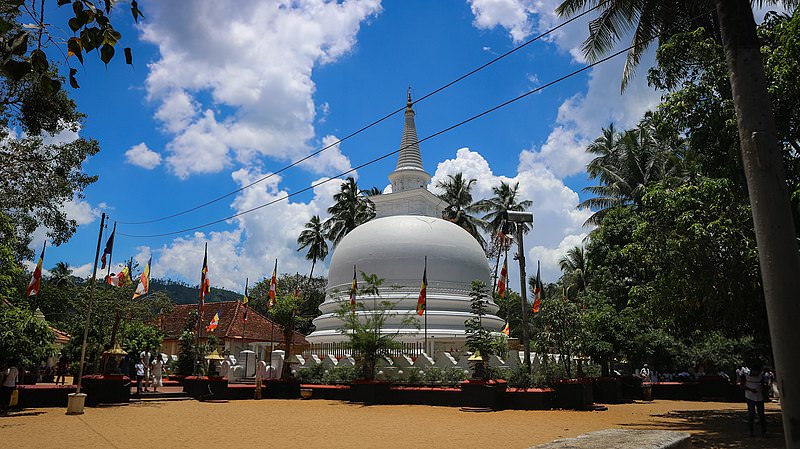 Muthiyangana Raja Maha Vihara
Muthiyanganaya Raja Maha Viharaya lies in the centre of the city of Badulla. The History of this temple goes back to the time of Buddha but this area around Badulla goes way back in to the time of 19th -18th century BCE.
-
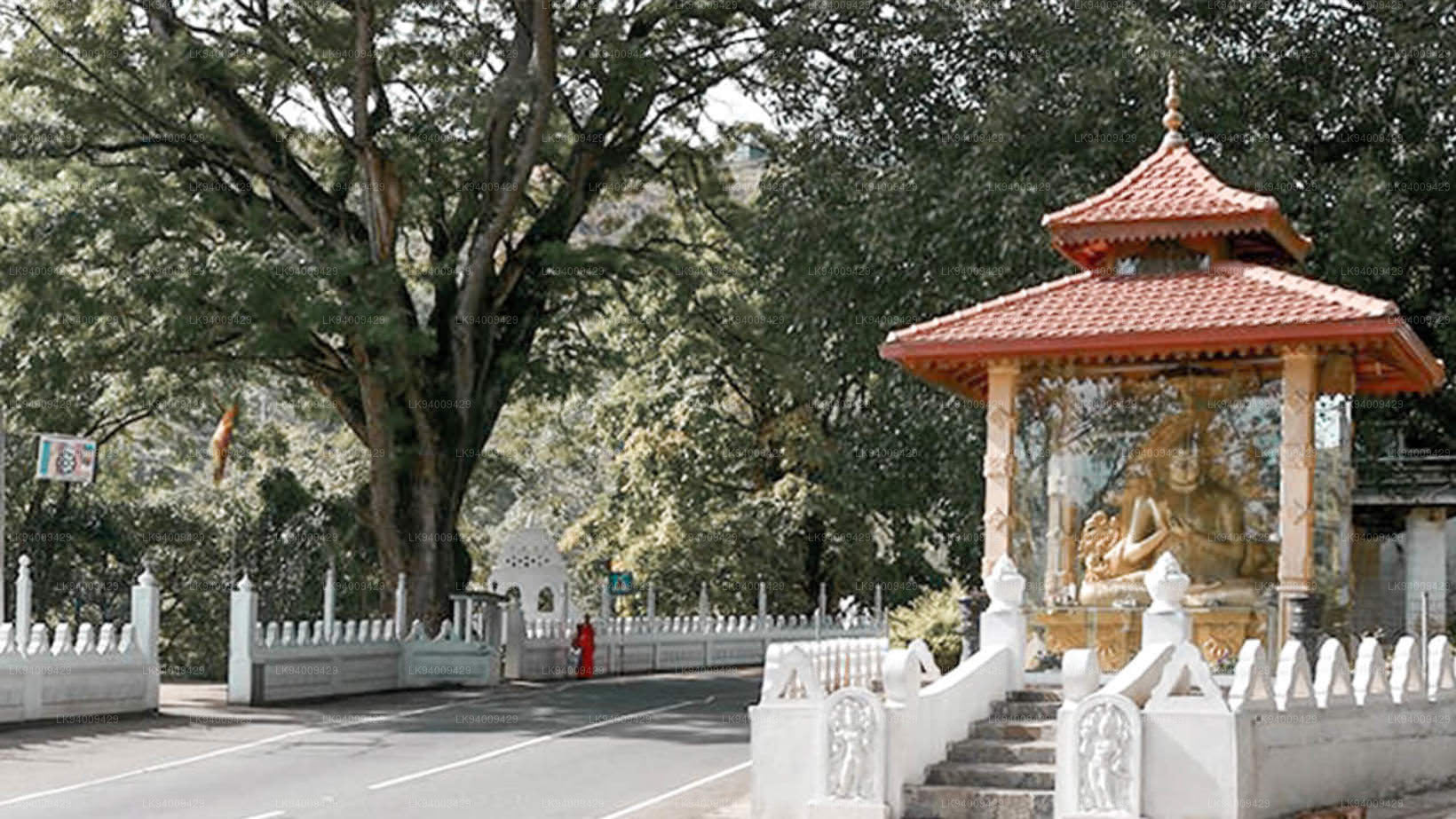 Dowa Raja Maha Viharaya
Dowa Raja Maha Viharaya (Dowa Cape Temple) lies few kilometres away from the Bandarawela town on the Bandarawela – Badulla Road. This temple is thought to be done by King Walagamba in the in first century BC.
-
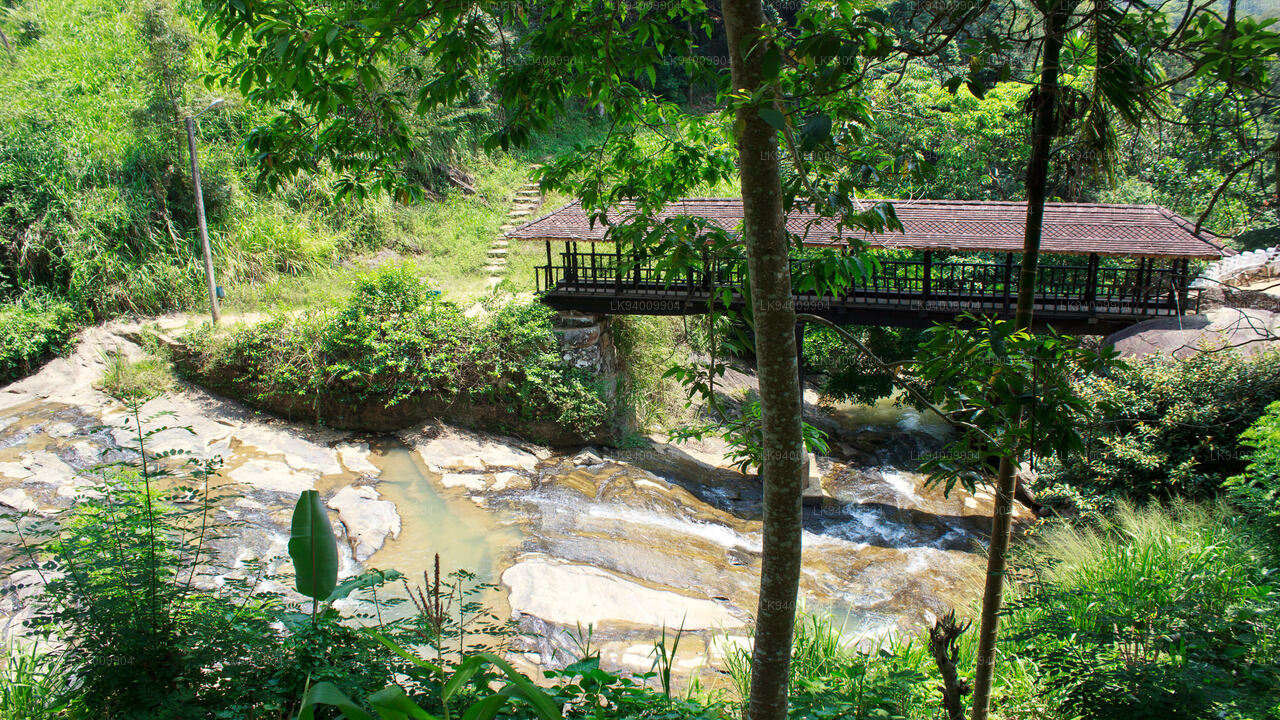 Bogoda Wooden Bridge
The Bogoda Wooden Bridge was built in the 16th century during the Dambadeniya era. This is said to be the oldest surviving wooden bridge in Sri Lanka. The bridge is situated at 7 kilometres (4.3 mi) west of Badulla.
-
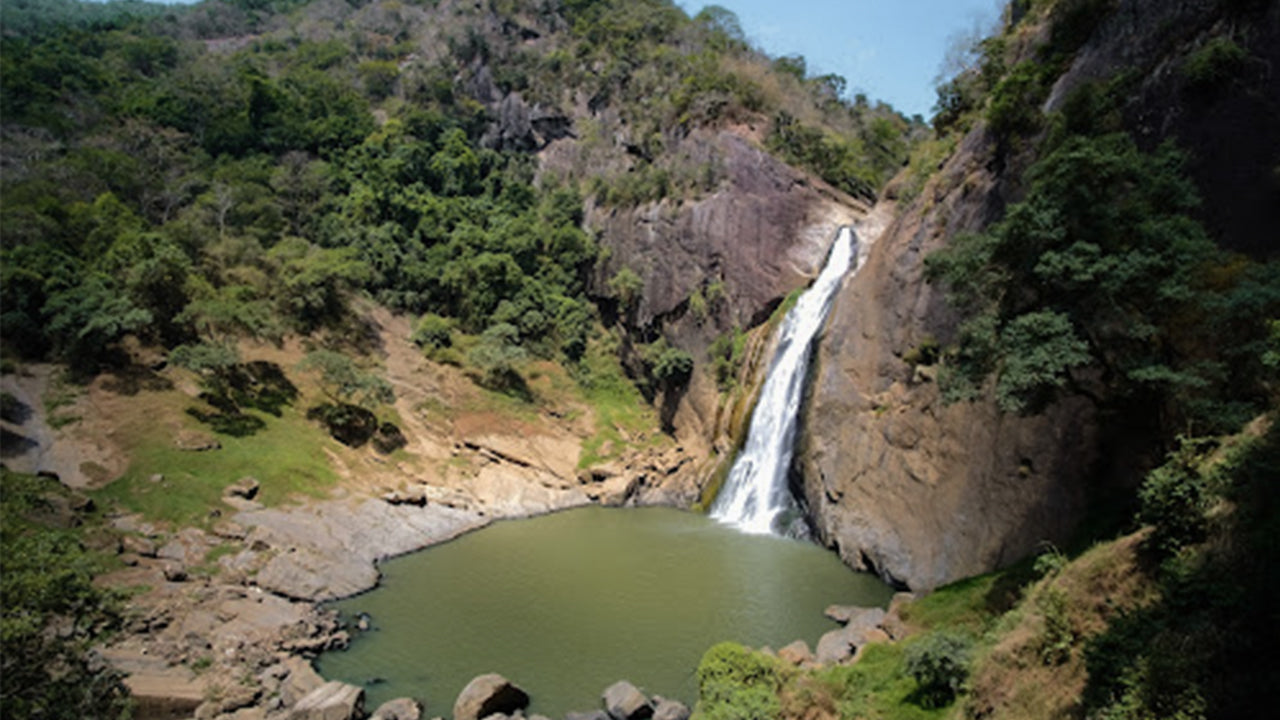 Dunhinda Falls
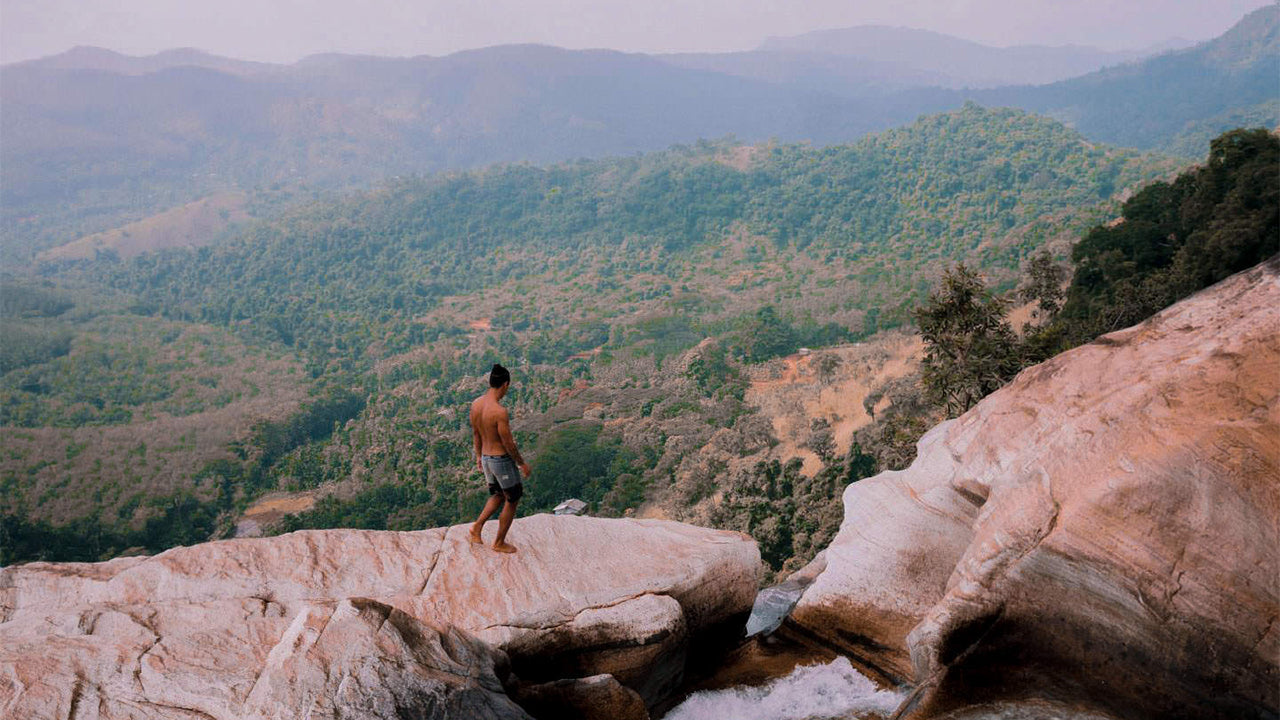
Dunhinda Falls is situated about 5 km away from Badulla town. It is 63 meters high and is considered to be one of the most beautiful waterfalls in Sri Lanka. The falls gets its name dew to the smoky dew drops spray.